Dolbadarn Castle, Caernarfonshire Travel Guide
Explore the evocative ruins of Dolbadarn Castle, a 13th-century Welsh fortress with stunning views over Llyn Padarn and Snowdonia’s rugged landscape.
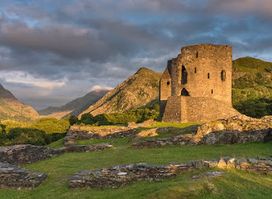
Dolbadarn Castle, built in the early 13th century by Llywelyn the Great, stands proudly overlooking Llyn Padarn near Llanberis in North Wales. This native Welsh stone keep, with its imposing round tower, offers visitors a glimpse into medieval Welsh history and commanding views of Snowdonia National Park. The castle ruins invite exploration of its strategic location and architectural resilience, all accessible via a scenic, moderately challenging walk.
A brief summary to Dolbadarn Castle
- A4086, Caernarfon, LL55 4UB, GB
- Click to display
- Click to display
- Duration: 0.5 to 2 hours
- Free
-
 Outdoor
- Mobile reception: 4 out of 5
- Monday 10 am-4 pm
- Tuesday 10 am-4 pm
- Wednesday 10 am-4 pm
- Thursday 10 am-4 pm
- Friday 10 am-4 pm
- Saturday 10 am-4 pm
- Sunday 10 am-4 pm

Know before you go
Hi, I'm Eve. Here are a few practical things to know before exploring Dolbadarn Castle.
- Wear sturdy, waterproof footwear as the path to the castle can be muddy and slippery, especially after rain.
- Bring a torch if you plan to climb the castle’s round tower, as interior lighting is limited and natural light varies.
- Visit early morning or late afternoon for softer light that enhances photography and fewer visitors.
- Dogs on short leads are welcome on the ground level, but be cautious of livestock in the surrounding farmland.
Do you manage this location?
Take control to get all the benefits, like improved information, better appearance, and stronger visibility across AI-powered discovery. Learn more about listing your business on Evendo
Activate your presenceOther nearby places you may find interesting
The closest places of the same kind, if this one is not quite what you had in mind.
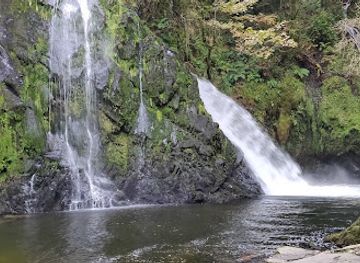
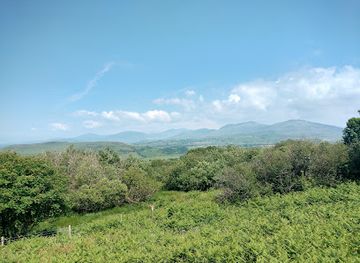
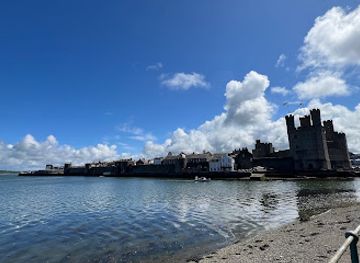
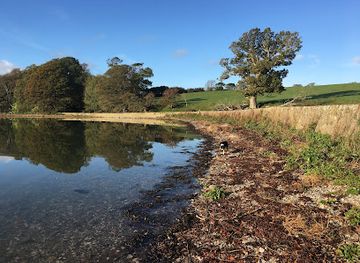
Explore Dolbadarn Castle on the Map
A handpicked selection of must-see spots near Dolbadarn Castle, mapped for you.
Unlock the Best of Dolbadarn Castle
Buy tickets
-
No tickets available
Book tours with entry

Book tours without entry
-
No tours available
Getting There
-
Car
Drive to Llanberis village and park in the local authority pay-and-display car parks, such as near the National Slate Museum, with parking fees around £4 per day. From there, expect a 10–25 minute walk on farm tracks and uneven terrain to reach the castle. The walk is moderately challenging and may be slippery in wet weather.
-
Train and Walk
Take the train to Llanberis station on the Llandudno-Blaenau Ffestiniog route. From the station, the castle is approximately a 20-minute walk through village paths and a short wooded area, crossing a stream before ascending to the castle grounds.
-
Bus
Use regional bus services to Llanberis village, with routes connecting from Caernarfon and Bangor. Bus frequency varies, and the castle is a 20-minute walk from the village center. Check local timetables for seasonal service changes.
For the on-the-go comforts that matter to you
-
 Information Boards
-
 Seating Areas
-
 Trash Bins
Discover more about Dolbadarn Castle
Historic Stronghold of Welsh Princes
Dolbadarn Castle was constructed in the early 13th century, likely by Llywelyn ap Iorwerth, known as Llywelyn the Great, a powerful prince of Gwynedd. The castle was a vital defensive point guarding the Llanberis Pass and overseeing the route from Caernarfon to the upper Conwy Valley. Its native Welsh design, particularly the robust round tower, marks it as a significant example of medieval Welsh military architecture before the English conquest. Though now a ruin, the masonry has endured for over eight centuries, standing as a testament to its strategic importance and the craftsmanship of its builders.A Scenic Setting Above Llyn Padarn
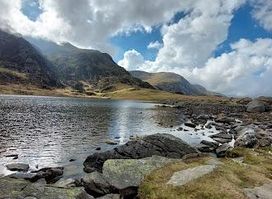
Perched on a rocky mound, Dolbadarn Castle commands breathtaking views over the tranquil waters of Llyn Padarn and the surrounding Snowdonia mountains. The location offers a dramatic contrast between the rugged stone ruins and the serene natural landscape, making it a favored spot for photographers and history enthusiasts alike. The castle’s elevated position not only served defensive purposes but also provides visitors with panoramic vistas of one of Wales’ most iconic national parks.Visitor Experience and Accessibility
Visitors approach the castle via a moderately challenging walk of about 10 to 25 minutes from nearby parking areas, crossing farm tracks and natural terrain that can be muddy or slippery in wet weather. The path culminates in a steep ascent to the castle entrance, where a handrail aids access over historic stone steps that may be slippery when wet. Inside, a single ruinous spiral staircase leads to the top of the round tower, rewarding climbers with sweeping views. Lighting inside the tower depends on natural daylight, so visibility can be limited during poor weather. Dogs on leads are welcome on the ground level.Architectural Features and Ruins
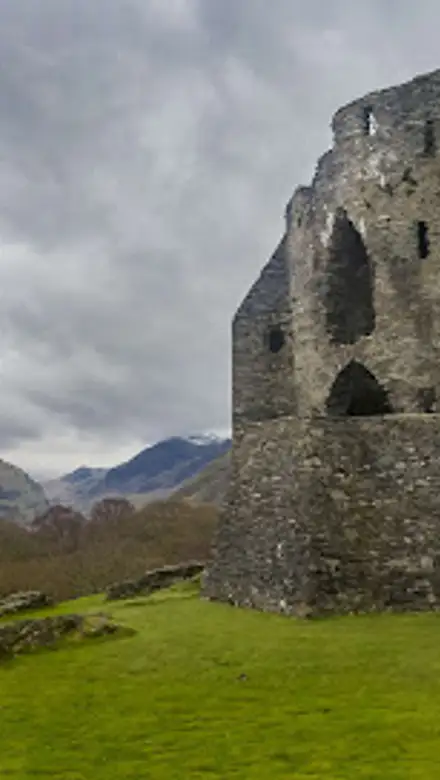
The castle’s most prominent surviving feature is its round tower, which remains largely intact despite the absence of a roof and interior floors. Visitors can explore the tower’s interior, noting the window openings and wall inlets that hint at the original layout of rooms. The surrounding castle grounds outline the footprint of the original structure, with stone foundations marking where walls and buildings once stood. The site offers a quiet, reflective atmosphere, enhanced by its solitary location and the natural sounds of the surrounding landscape.Practical Information for Visitors
Entry to Dolbadarn Castle is free year-round during daylight hours, typically from 10 am to 4 pm, with last admission 30 minutes before closing. The castle is managed by Cadw, the Welsh Government’s historic environment service. There are no facilities such as restrooms or cafes on site, but the nearby village of Llanberis offers amenities including shops and eateries. Visitors are advised to wear sturdy footwear and bring water, especially if planning to climb the tower or explore extensively. The castle is dog-friendly, but dogs must be kept on leads for safety.The Castle’s Role in Welsh Heritage
Dolbadarn Castle remains a powerful symbol of Welsh identity and medieval history. Its construction by Llywelyn the Great ties it directly to the era of Welsh princes who resisted English domination. The castle’s preservation as a ruin allows visitors to connect with this turbulent past while enjoying the natural beauty of Snowdonia. It stands not only as a monument to military strategy but also as a cultural landmark reflecting the resilience and heritage of Wales.












Your all‑in‑one travel companion app
Explore expert travel guides, compare and book tours, experiences, hotels, and more—all from the palm of your hand. Download now for seamless trip planning wherever your wanderlust takes you.


Explore More of Caernarfonshire
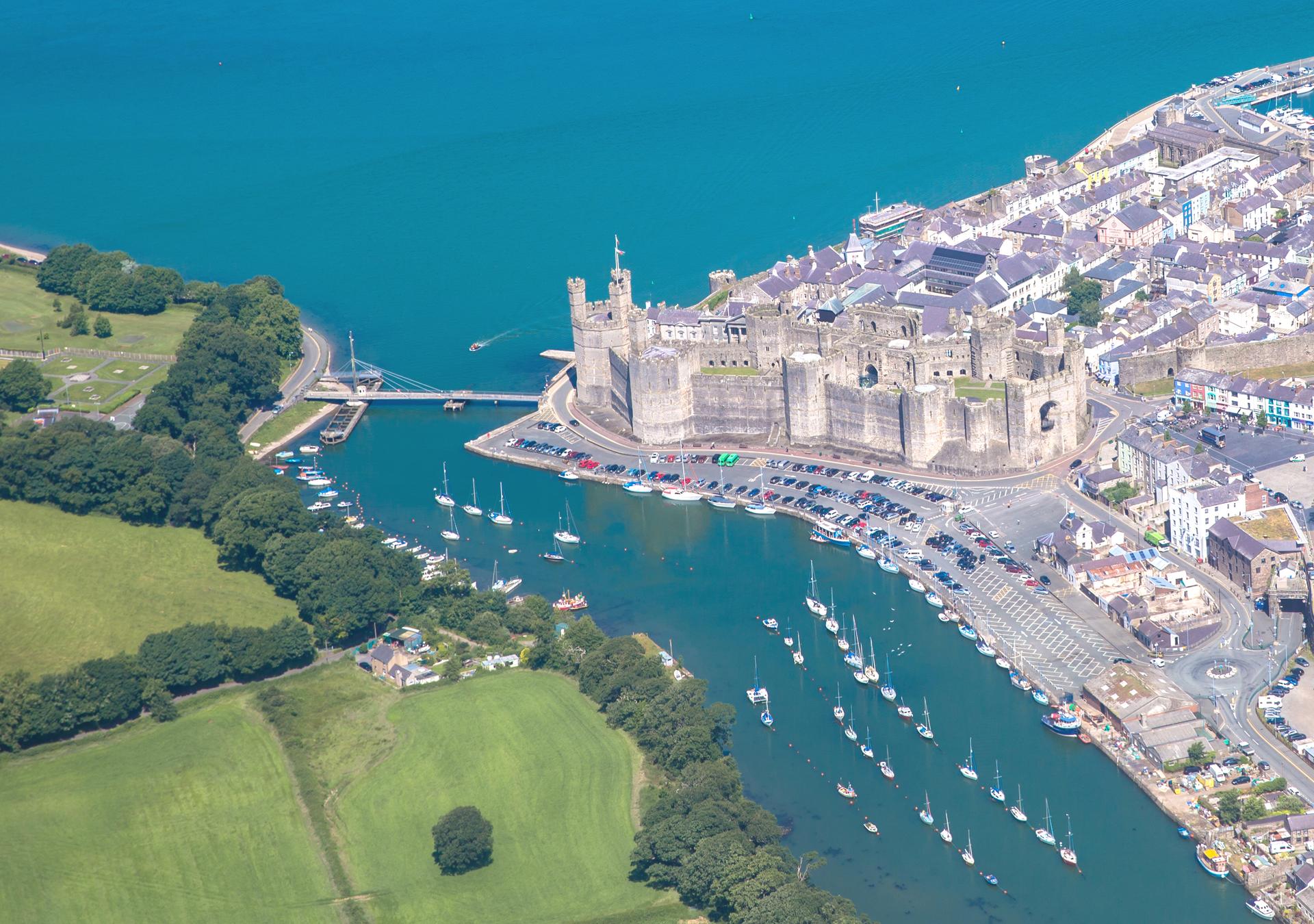
Looking beyond Dolbadarn Castle? Discover Caernarfonshire for broader travel guides, local hot-spots, and regional highlights.
Explore Caernarfonshire