

St Cwyfan's Church: The Enchanting Church in the Sea on Anglesey
A serene 12th-century medieval church perched on a tidal island, blending history, sea, and Welsh heritage in a stunning coastal setting.
St Cwyfan's Church, known as the Church in the Sea, is a charming medieval chapel perched on the tiny tidal island of Cribinau off Anglesey’s coast. Dating back to the 12th century, this whitewashed church sits encircled by a protective seawall, accessible via a causeway at low tide. It tells a story of coastal erosion, historic Welsh-English tensions, and dedicated restoration efforts, making it a unique and evocative landmark steeped in history and natural beauty.
A brief summary to Eglwys Cwyfan
- Ty Croes, Ty Croes, GB
- Visit website
- Duration: 0.5 to 2 hours
- Free
-
 Outdoor
- Mobile reception: 4 out of 5
Local tips
- Visit at low tide to access the island via the causeway and fully experience the church up close.
- Bring sturdy footwear as the causeway can be slippery and uneven, especially near the water.
- Respect the church’s quiet atmosphere; it is a place of historic reverence and occasional worship.
- Explore the surrounding coastal views and nearby bays for excellent photo opportunities.

For the on-the-go comforts that matter to you
- Seating Areas
- Information Boards
Getting There
-
Car
Driving from Holyhead, allow 25 to 35 minutes to reach Ty Croes village near St Cwyfan’s Church. Parking is limited near the causeway; expect a short walk over uneven terrain to the church. No parking directly on the island.
-
Public Bus
Take local bus services from Holyhead or Llangefni to Ty Croes, with a journey time of approximately 40 to 60 minutes depending on connections. From the village, it is a 10 to 15-minute walk to the causeway. Bus frequency may be limited on weekends.
-
Walking
For active visitors, a scenic 2 to 3-hour walk along coastal paths from nearby villages offers a rewarding approach. Terrain includes uneven paths and some elevation changes; suitable for experienced walkers.
Eglwys Cwyfan location weather suitability
-
 Any Weather
-
 Clear Skies
-
 Windy Conditions
-
 Mild Temperatures
-
 Rain / Wet Weather
Discover more about Eglwys Cwyfan
Origins and Early History of St Cwyfan's Church
St Cwyfan's Church traces its origins to the 12th century, though there may have been a place of worship on the site since the 7th century. Dedicated to Saint Kevin (St Cwyfan), an Irish saint who founded a monastery at Glendalough, the church originally stood at the tip of a peninsula between two bays, Porth Cwyfan and Porth China. The earliest surviving fabric includes a portion of the south wall around the door from the 12th century, while much of the rest was rebuilt in the 14th century. The church was a simple rural building with a rectangular nave, later extended in length during medieval renovations.Transformation into a Tidal Island and Architectural Evolution
Over centuries, relentless coastal erosion severed the peninsula, turning the church’s site into the tiny tidal island of Cribinau. A causeway was constructed to maintain access for parishioners, though high tides sometimes cut off entry, necessitating occasional services held at a nearby house, Plas Llangwyfan. In the early 16th century, a northern aisle was added, accessed through an arcade of three semicircular arches. However, this aisle was demolished in the early 19th century due to advancing erosion. The infilled arches remain visible in the north wall, a testament to the church’s changing form. The church’s walls were limewashed white during a 2006 refurbishment, contrasting with the former grey appearance familiar to locals.Historic Controversy and Cultural Significance
St Cwyfan's Church was central to a notable 18th-century controversy reflecting linguistic and cultural tensions in Wales. In 1766, the Bishop of Bangor appointed Dr Thomas Bowles, an English-speaking priest who spoke no Welsh, to serve the predominantly Welsh-speaking parish of Trefdraeth, which included St Cwyfan’s. With only five of 500 parishioners understanding English, the congregation protested, leading to a 1773 ecclesiastical court ruling mandating Welsh-speaking priests for Welsh-speaking parishes. Despite this, Bowles retained his position until his death later that year due to ecclesiastical freehold protections. This case set an important precedent for clergy appointments in Wales.Decline, Restoration, and Preservation Efforts
By the 19th century, the church was abandoned after a new church was built further inland in 1872. Coastal erosion had caused graves around the churchyard to fall into the sea, and the building itself became roofless and dilapidated. Concerned for its fate, local architect Harold Hughes raised funds in 1893 to construct a seawall around Cribinau and restore the church, preserving it as a historic monument. The seawall remains a vital feature protecting the church from the sea’s encroachment.Present-Day Atmosphere and Visitor Experience
Today, St Cwyfan's Church stands as a picturesque and evocative landmark, often called the most recognizable church on Anglesey. Its whitewashed walls gleam against the backdrop of sea and sky, encircled by the protective seawall on its tiny island. The church is usually locked, but visitors can appreciate its medieval windows, 15th-century doorway, and the visible remains of the northern aisle’s arches from outside. The site offers a tranquil and scenic experience, blending natural beauty with deep historical resonance, especially at low tide when the causeway allows access to this idyllic chapel in the sea.Legacy and Cultural Heritage
St Cwyfan's Church embodies the resilience of Welsh heritage amid natural challenges and cultural shifts. It stands as a symbol of the enduring connection between community, language, and landscape. The churchyard holds graves from the 18th and 19th centuries, including that of Frank Morley Gurney, a young man who drowned heroically nearby. The church’s story intertwines faith, language rights, and coastal preservation, making it a unique cultural treasure on Anglesey’s rugged coast.Iconic landmarks you can’t miss

Cadair y Cythraul
7.2 km
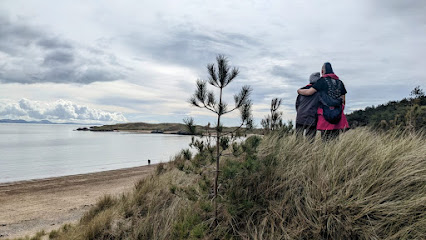
Discover the mysterious 'Chair of the Devil' in Llanfairpwllgwyngyll, a historic landmark steeped in Welsh myth and ancient landscape charm.
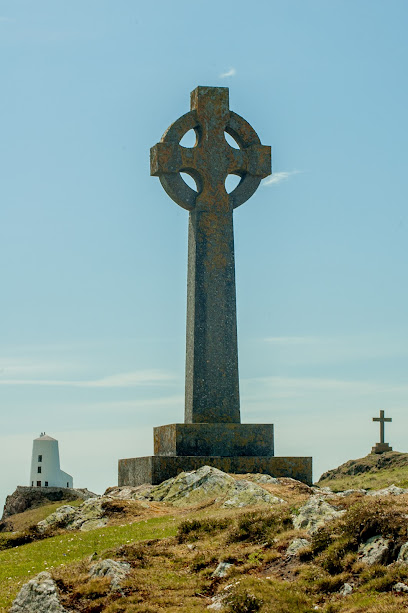
Celtic cross
7.5 km
A serene Celtic Cross memorial honoring Welsh poet Syr John Morris-Jones, set beside historic St. Mary's Church with stunning Menai Strait views.
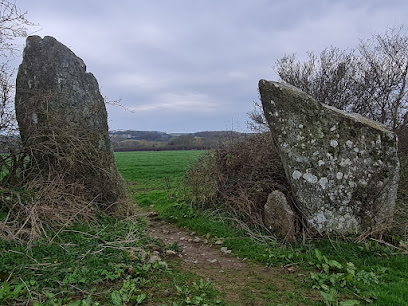
Porth y Clochydd
7.6 km
Explore the historical landmark of Porth y Clochydd in Llanfairpwllgwyngyll, a captivating site steeped in rich Welsh heritage and scenic beauty.

Bryn Gwyn Standing Stones
12.7 km
Discover the towering Neolithic Bryn Gwyn Standing Stones, ancient sentinels of Anglesey’s prehistoric past and ritual heritage.
Caer Leb (Prehistoric Castle Enclosure)
13.7 km
Explore Caer Leb, a prehistoric fortified enclosure with water-filled ditches that reveal ancient defensive ingenuity on scenic Anglesey.
Pont Yr Aber
15.1 km
A scenic swing bridge linking Caernarfon Castle with woodland paths, offering iconic views and a touch of maritime theatre as boats pass beneath.
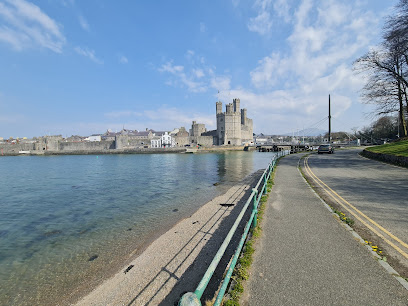
Hen Eglwys Llanfihangel Ysgeifiog
15.1 km
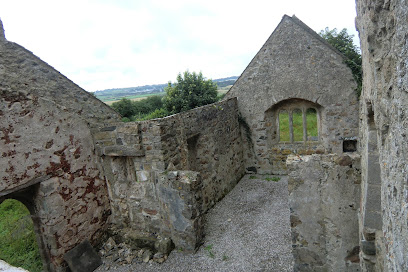
Explore the evocative ruins of Hen Eglwys Llanfihangel Ysgeifiog, a medieval Welsh church steeped in history and nestled in tranquil Anglesey countryside.
Caernarfon Tower
15.1 km
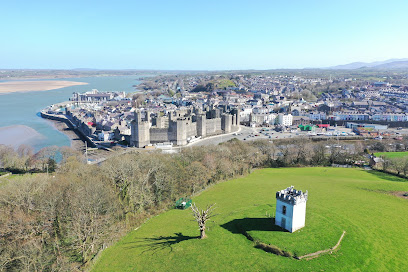
Explore Caernarfon Tower, a medieval fortress sentinel offering breathtaking views and rich Welsh history in a UNESCO World Heritage setting.
CARN / Oriel Pendeitsh
15.2 km
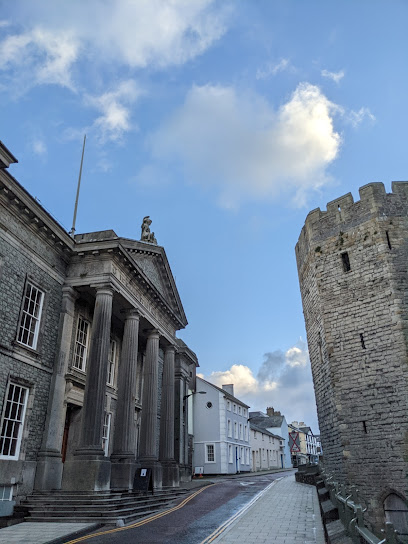
Discover contemporary Welsh art and culture in Caernarfon’s inspiring Oriel Pendeitsh gallery, a vibrant creative hub above the Tourist Information Centre.
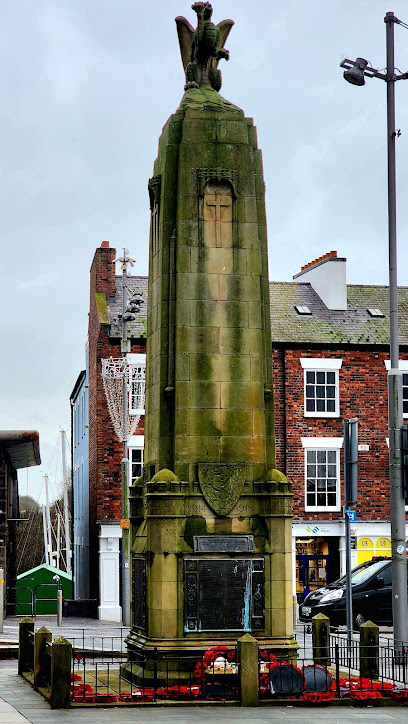
Caernarfon War Memorial
15.4 km
A dignified stone pillar in Castle Square honoring Caernarfon’s fallen heroes from the World Wars and beyond.
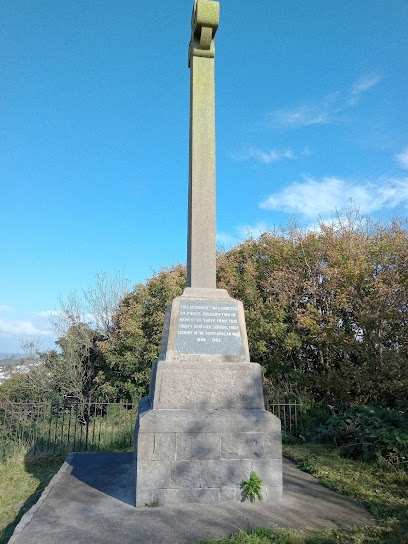
South African War Memorial
15.5 km
A wheel-headed Celtic cross honouring 173 Caernarfonshire soldiers lost in the Boer War, unveiled in 1904.
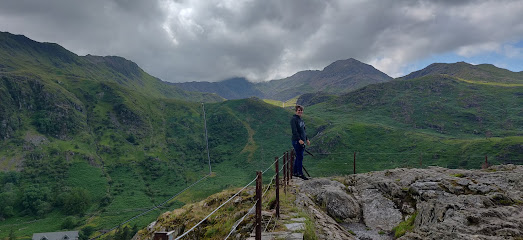
Tafarn Snowdonia Parc
21.2 km
Discover the heart of Welsh culture at Tafarn Snowdonia Parc, where delicious food meets stunning natural beauty in Snowdonia National Park.
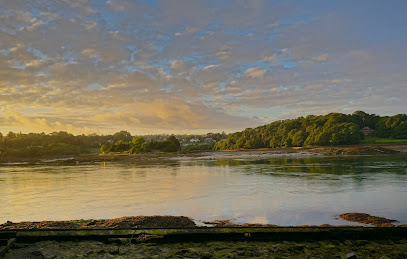
Ynys yr Eglwys
21.8 km
Discover the serene charm and rich heritage of Ynys yr Eglwys, a peaceful island gem beside the iconic Menai Suspension Bridge.
Gyrn Goch
21.9 km
A quiet coastal hamlet between Caernarfon Bay and the mountain Gyrn Goch, perfect for walkers and those seeking a peaceful Welsh retreat.
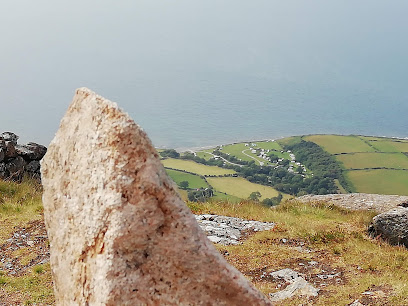
Tŷ-Gwyn Menhir
22.4 km
Discover the ancient Tŷ-Gwyn Menhir near Menai Bridge, a prehistoric standing stone steeped in druidic mystery and Welsh heritage.
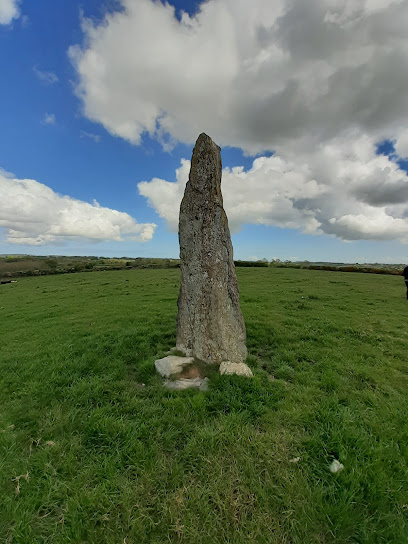
Unmissable attractions to see

Twll Bwgan
2.4 km
Explore Twll Bwgan, a mysterious historical landmark in Ty Croes where Welsh folklore and serene landscapes intertwine.
Barclodiad y Gawres
2.5 km
Explore Anglesey’s ancient chambered tomb with rare Neolithic carvings and stunning coastal views at Barclodiad y Gawres.
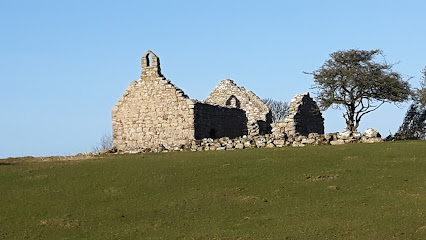
Mynydd Mawr
2.6 km
Historic coastal lookout with panoramic sea views, ancient cairns, and WWII heritage on Anglesey’s scenic Llŷn Peninsula.
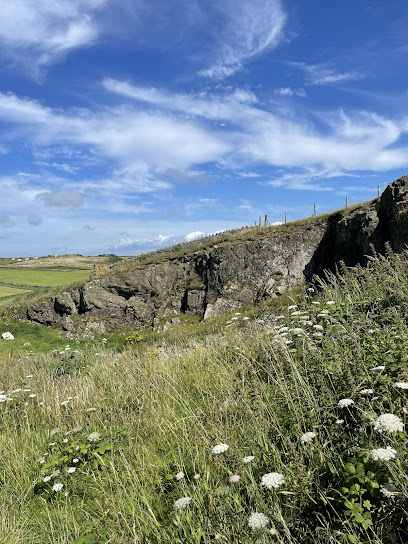
Maen Mawr
4.7 km
Discover Maen Mawr, a majestic prehistoric stone monument in Rhosneigr, where ancient heritage meets the wild coastal beauty of Anglesey.
Goleudy Tŵr Mawr
7.6 km
Explore the breathtaking Goleudy Tŵr Mawr, a historic lighthouse offering stunning views and rich maritime heritage in Caernarfon, Wales.
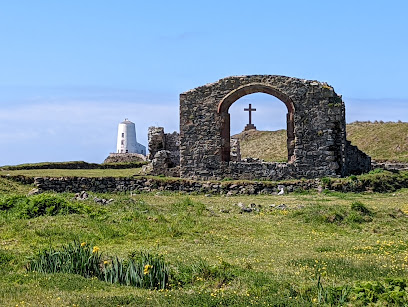
Maes Parcio Ynys Llanddwyn and Newborough Beach
8.5 km
Discover the tranquil blend of sandy beaches, forest trails, and rich wildlife at Maes Parcio Ynys Llanddwyn and Newborough Beach on Anglesey.
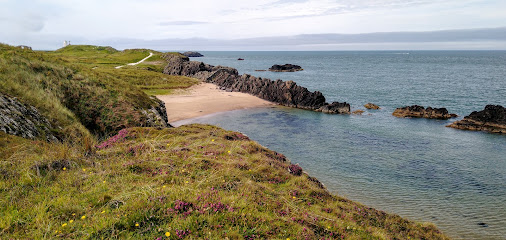
Llys Rhosyr
8.8 km
Explore the only visible medieval royal court of the Welsh Princes, where history and heritage meet the stunning Anglesey landscape.
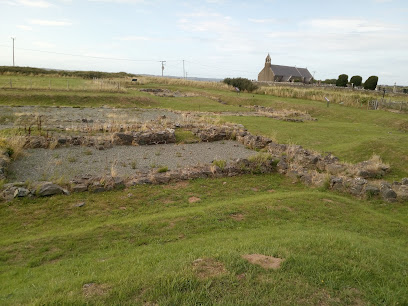
Anglesey Transport Museum & Café - Tacla Taid
9.7 km
Discover Wales’ largest transport museum with over 130 vehicles, live restorations, and a cozy café in scenic Anglesey.

Anglesey Model Village & Cafe
10.2 km
Discover Anglesey’s charm in miniature form with scenic gardens, detailed models, and a cozy cafe experience.
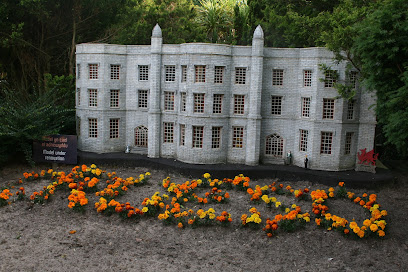
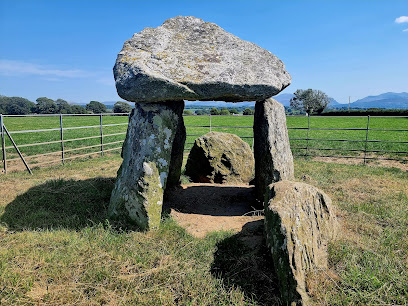
Bodowyr Burial Chamber
12.6 km
Explore the enigmatic Neolithic Bodowyr Burial Chamber on Anglesey, a timeless passage grave set amidst stunning Welsh countryside and panoramic Snowdonia views.
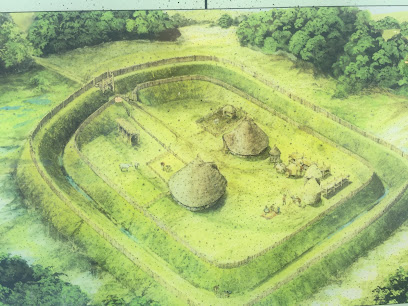
Castell Bryn Gwyn
12.9 km
Explore Castell Bryn Gwyn, a peaceful Neolithic enclosure on Anglesey with millennia of history etched into its ancient earthworks.
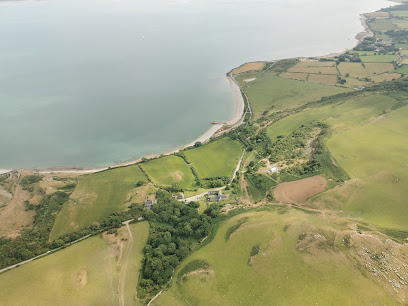
Airworld Aviation Museum
14.0 km
Explore historic aircraft and aviation heritage hands-on at Caernarfon Airport’s immersive Airworld Aviation Museum.
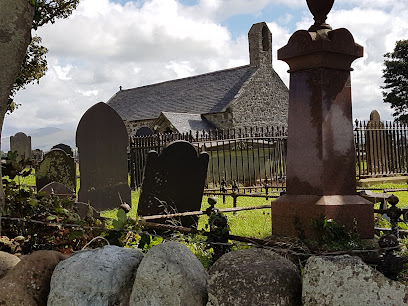
Eglwys Sant Baglan
14.1 km
Discover the timeless charm of St Baglan's Church, a medieval sanctuary steeped in ancient history and coastal Welsh heritage.
Foel Farm Park
14.3 km
Discover a charming working farm with animal encounters, scenic views, and family fun on the beautiful Isle of Anglesey.
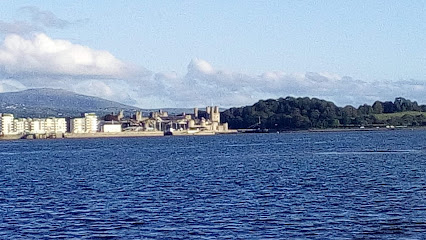
Anglesey Sea Zoo
14.4 km
Discover native British marine life and conservation efforts at Wales' largest aquarium, a family-friendly hub with interactive exhibits and fun activities.
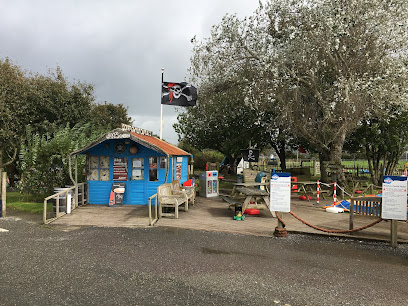
Essential places to dine

Sandy Mount House
5.1 km
A stylish beach house hotel and restaurant in Rhosneigr, blending contemporary comfort with coastal charm just minutes from the sandy shore.
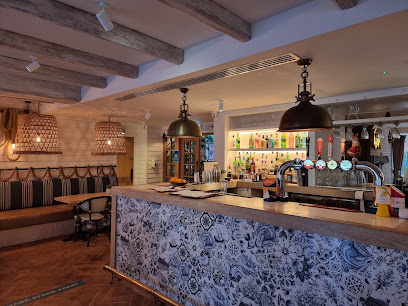
The White Eagle
9.9 km
Coastal dining with warm hospitality, fresh local flavors, and a dog-friendly welcome in the heart of Rhoscolyn, Anglesey.
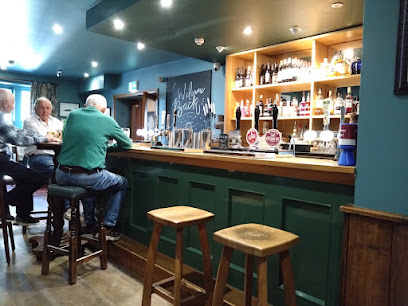
Y Marram
10.0 km
Discover Y Marram, Anglesey’s fine dining gem offering innovative dishes crafted from fresh, local ingredients in a serene coastal setting.
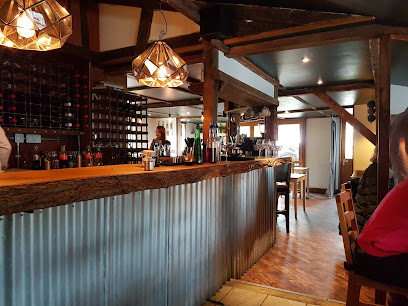
Catch 22 Brasserie
12.0 km
Family-run brasserie in Valley, Anglesey, serving fresh, locally sourced Welsh dishes with Mediterranean flair in a warm, modern setting.
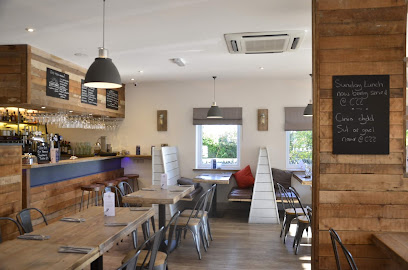
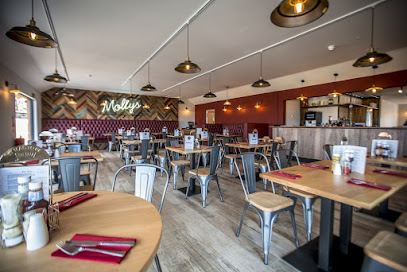
Molly's
14.9 km
Contemporary bar and restaurant at Coed Helen Holiday Park offering fresh, shareable dishes and scenic views near Caernarfon.
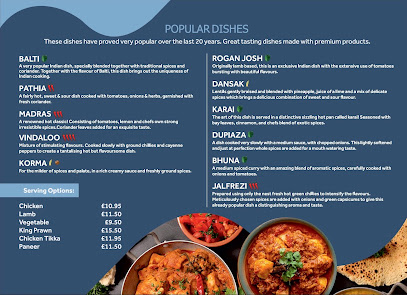
SeaView Indian Restaurant
15.1 km
Authentic Indian flavors by Caernarfon harbour, blending culinary excellence with a serene waterfront setting.
Fu's
15.1 km
Authentic Cantonese dining with family-friendly warmth in Caernarfon's scenic marina setting.
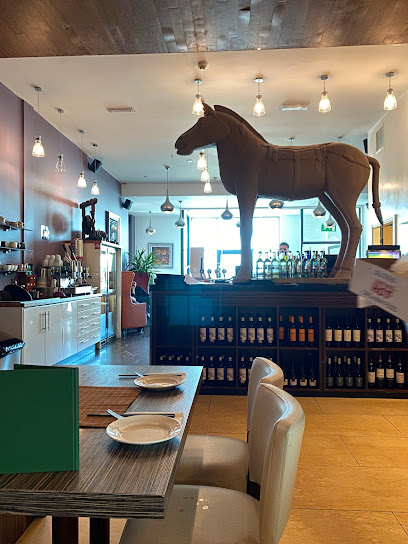
The Old Courthouse, Caernarfon
15.2 km
Historic neo-classical courthouse turned elegant bistro with stunning views of Caernarfon Castle and a modern British menu.
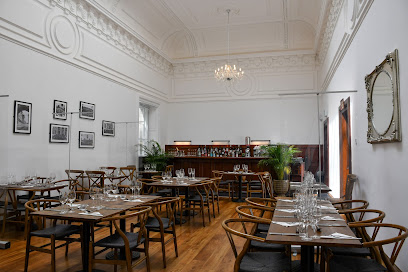
Harbour Table Table
15.2 km
Family-friendly British pub and restaurant overlooking Caernarfon’s Victoria Dock, offering hearty meals and scenic views of the Menai Strait.
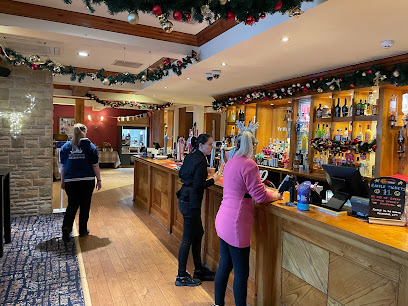
Galeri Café Bar
15.2 km
Enjoy fresh local flavors and stunning waterfront views at Galeri Café Bar, Caernarfon’s cozy hub for breakfast and casual dining.
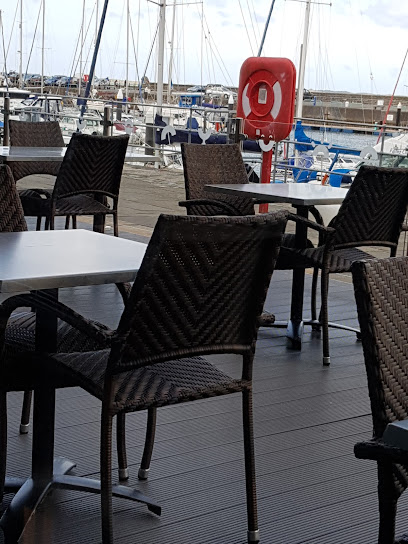
Black Boy Inn Four & Six Restaurant & Bar
15.2 km
Discover authentic Welsh cuisine at Black Boy Inn Four & Six Restaurant & Bar in Caernarfon, where tradition meets modern dining.
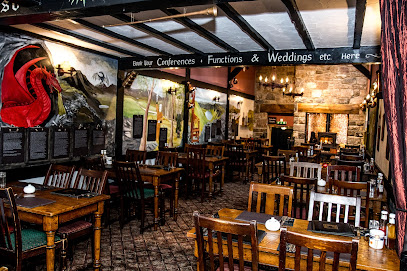
Wal Restaurant
15.2 km
Experience the warm hospitality and diverse flavors of Welsh, British, and Italian cuisine at Wal Restaurant in the heart of Caernarfon.
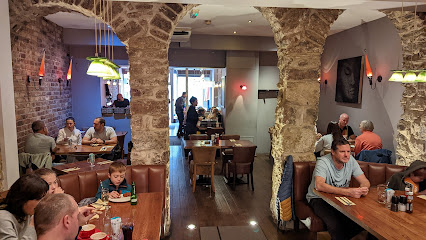
Tân Woodfired Pizza
15.2 km
Savor authentic wood-fired pizzas in a cozy Caernarfon setting, blending traditional flavors with local charm every evening.
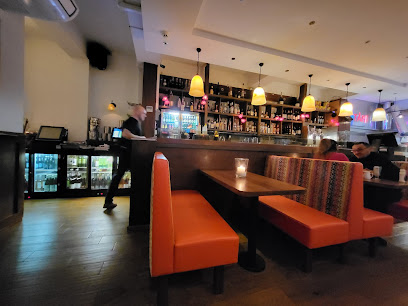
Four Alls
15.3 km
Historic charm meets delicious fare at The Four Alls, Caernarfon’s beloved pub and restaurant for great food, drinks, and community spirit.
The Market Hall Brew Pub
15.3 km
Discover the essence of Welsh hospitality at The Market Hall Brew Pub in Caernarfon – where local brews meet delicious bites.
Markets, malls and hidden boutiques

Quba & Co
5.2 km
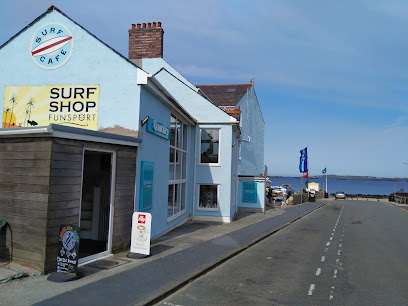
Discover stylish nautical and beachwear at Quba & Co, a welcoming boutique in Rhosneigr’s scenic coastal village.
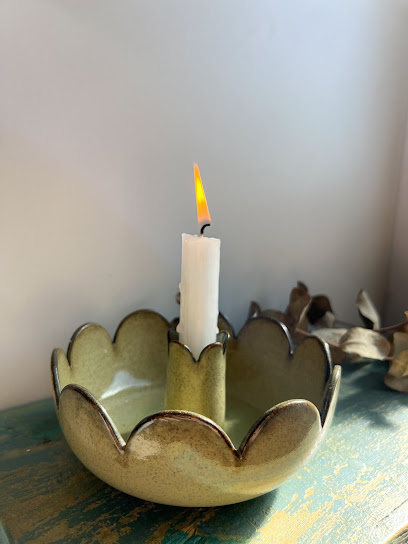
Hiraeth Vintage
8.3 km
Discover timeless vintage and antique homewares blending Welsh heritage with modern style in a charming family-run online boutique.
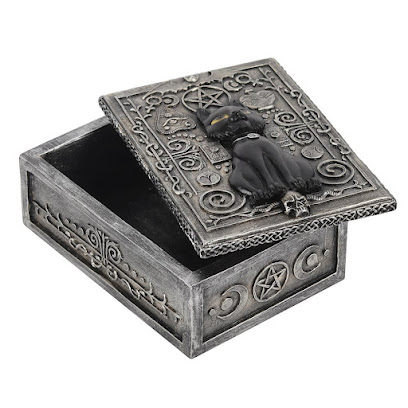
E&T Clothing and Gifts
12.1 km
Discover stylish clothing and unique gifts infused with local charm at E&T Clothing and Gifts in Valley, Holyhead.
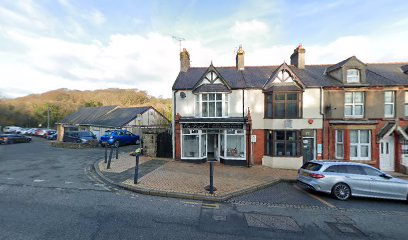
The Last Trading Post
14.2 km
Discover unique Welsh craftsmanship and handcrafted homewares at The Last Trading Post in the heart of Llangefni.
Gwynedd A Môn Age Cymru
14.3 km
Explore unique treasures at Gwynedd A Môn Age Cymru, where every purchase supports local community initiatives in Llangefni.
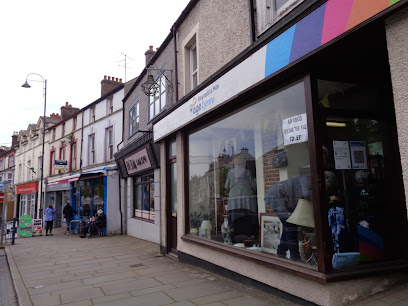
Mon Fashion
14.4 km
Discover unique local fashion and personalized style at Mon Fashion, a charming boutique in the heart of Llangefni.
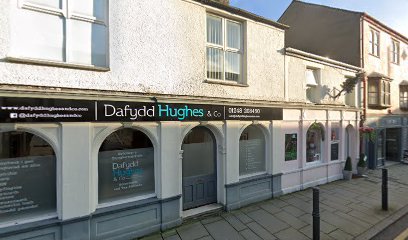
Sew Picturesque/Oriel Cefni
14.4 km
Discover exquisite fabrics, unique handmade gifts, and local artistry at Sew Picturesque, Llangefni’s beloved sewing and gift boutique.
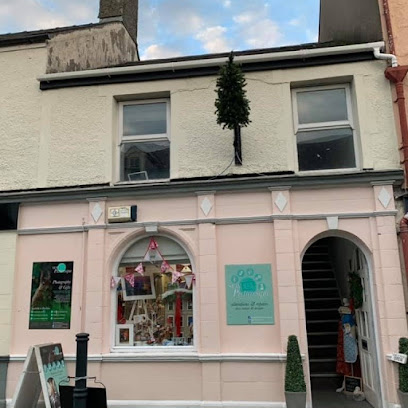
Siop Ellis - SPAR
14.6 km
Discover local flavors and everyday essentials at Siop Ellis - SPAR, a convenience store in the heart of Llangefni, Anglesey.
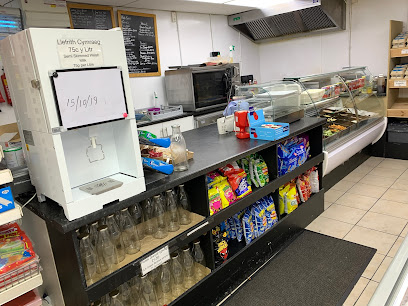
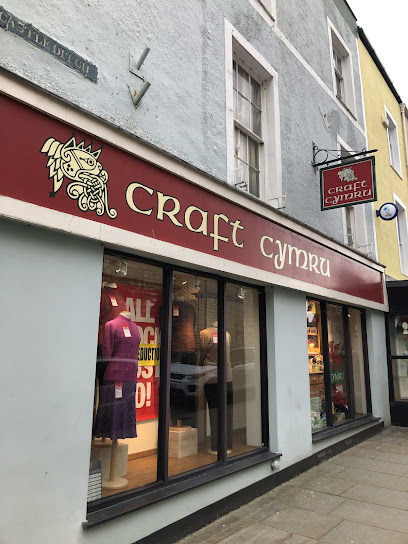
Craftcentre Cymru
15.2 km
Discover authentic Welsh handmade crafts and unique gifts in the heart of historic Caernarfon, opposite the iconic castle.
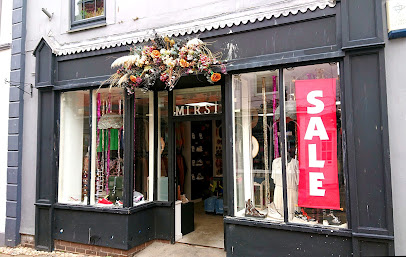
Mirsi
15.2 km
Discover stylish, affordable women's fashion in the heart of historic Caernarfon at Mirsi Boutique on High Street.
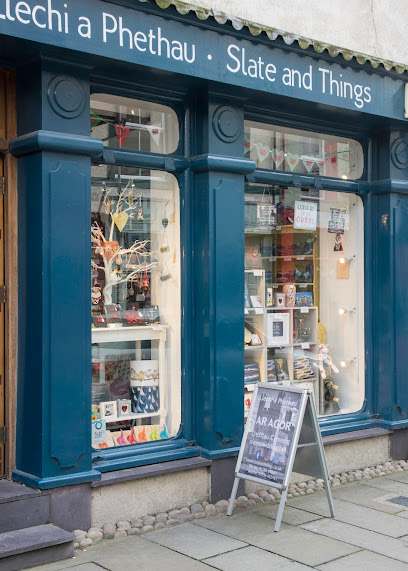
Slate and Things
15.2 km
Discover authentic Welsh slate crafts and unique souvenirs in the heart of historic Caernarfon at Slate and Things.
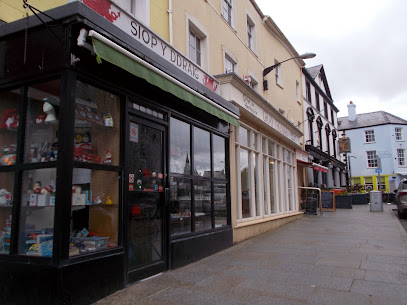
Siop Y Ddraig
15.2 km
Discover authentic Welsh gifts and souvenirs in a charming shop steeped in local culture at Caernarfon’s Siop Y Ddraig.
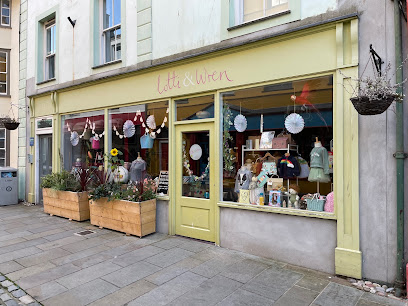
Lotti & Wren
15.2 km
Discover unique independent design treasures and handcrafted gifts in the heart of historic Caernarfon at Lotti & Wren.
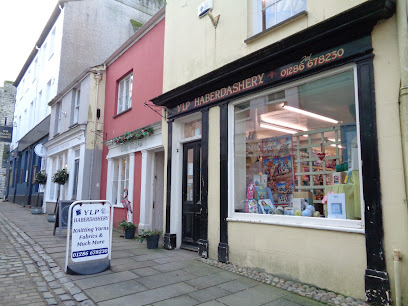
YLP Fabric & Wool Shop
15.2 km
Discover Caernarfon’s premier fabric and wool shop, a creative hub for knitters, quilters, and embroidery lovers alike.
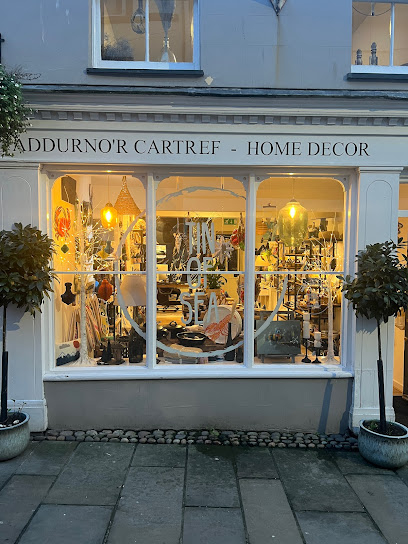
Tin of Sea
15.3 km
Discover unique home décor, gifts, and furnishings blending historic charm with modern style in Caernarfon’s Tin of Sea.
Essential bars & hidden hideouts

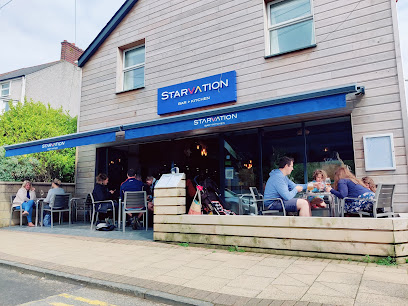
Starvation Bar & Kitchen
5.1 km
Chic cocktail bar in Rhosneigr serving American street food and classic pub dishes in a lively coastal setting.
Y Morfa
5.1 km
A cozy, lively pub in Rhosneigr offering friendly vibes, affordable drinks, and a true taste of coastal Anglesey community spirit.
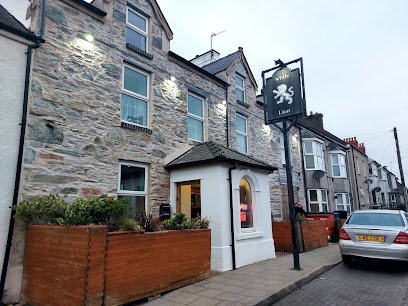
The White Lion
9.1 km
A cozy, welcoming village pub in Llanfairpwllgwyngyll offering hearty meals, local charm, and comfortable accommodation in scenic Anglesey.
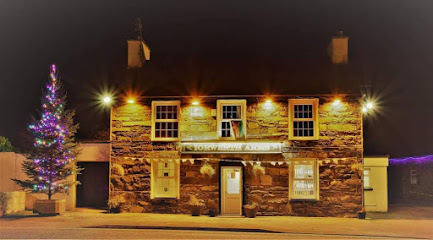
Tafarn Yr Iorwerth
9.3 km
Experience authentic Welsh hospitality and traditional flavors at Tafarn Yr Iorwerth, Bryngwran’s vibrant community pub and live music venue.
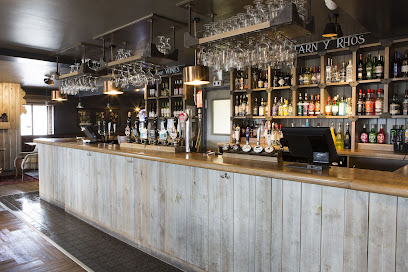
Tafarn Y Rhos
11.8 km
A lively and welcoming pub with hearty local fare and cozy guesthouse rooms nestled in the heart of Rhostrehwfa near Llangefni.
Tafarn Y Railway
14.2 km
A traditional Welsh village pub in Llangefni offering local ales, lively events, and a warm community atmosphere.
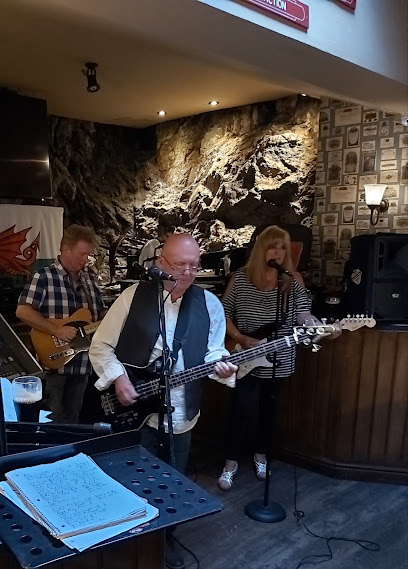
The Foundry Vaults
14.3 km
A lively pub and sports bar in Llangefni’s heart, offering drinks, karaoke, and a welcoming atmosphere for locals and visitors alike.
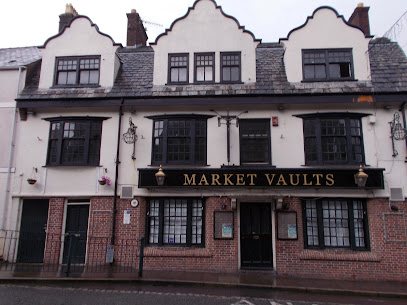
The Market Vaults
14.4 km
A lively and friendly traditional pub in Llangefni’s town centre, known for great music, local charm, and affordable drinks.
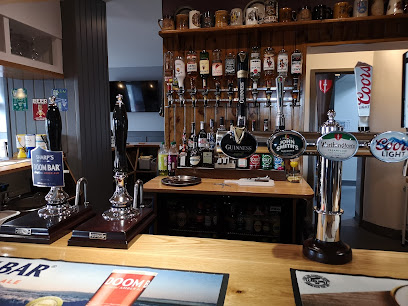
Y Groeslon
14.9 km
A friendly, recently refurbished village pub in Brynsiencyn offering great food, drinks, and a welcoming atmosphere on Anglesey.
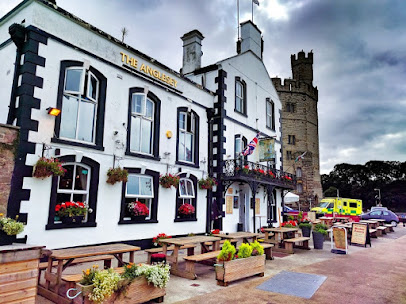
Anglesey Arms
15.1 km
Historic harbourfront pub and inn in Caernarfon offering cozy rooms, hearty Welsh fare, and stunning views of Menai Strait and Caernarfon Castle.
The Crown Y Goron
15.2 km
A cozy, family-friendly Welsh pub in Caernarfon offering local ales, home-cooked meals, and a warm, inviting atmosphere seven days a week.
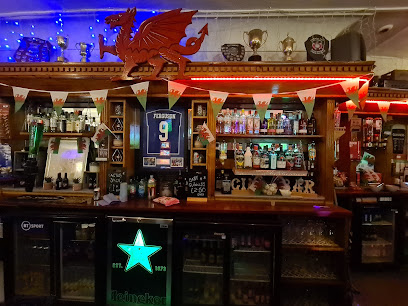
Tŷ Glyndŵr Bunkhouse & Su's Cocktail Bar
15.2 km
Cozy Georgian hostel with a lively cocktail bar, local flavors, and live music just steps from Caernarfon Castle in the heart of North Wales.
Market Hall
15.2 km
Historic Market Hall in Caernarfon offering excellent pints, authentic kebabs and curries, plus lively open mic nights in a vibrant local setting.
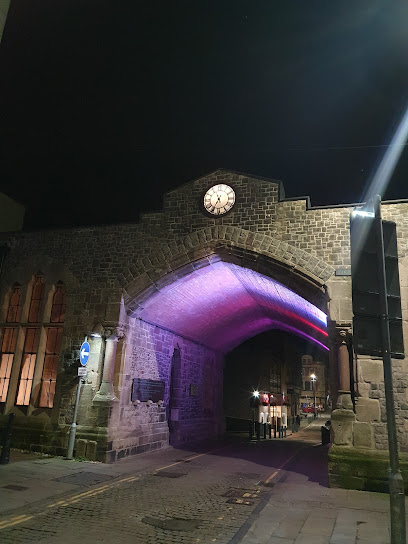
Palace Vaults
15.3 km
A cosy, historic pub opposite Caernarfon Castle offering hearty fare, live music, and a welcoming atmosphere in the heart of Gwynedd.
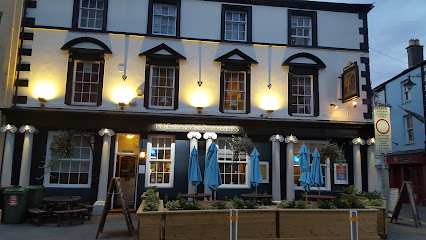
The hole in the wall
15.3 km
Authentic Welsh pub with historic charm, lively events, and welcoming locals in the heart of Caernarfon.
Nightclubs & after hour spots

Wellman's Sports & Social Club
14.4 km
Llangefni’s vibrant social hub with lively entertainment, spacious dance floor, and a welcoming community atmosphere.
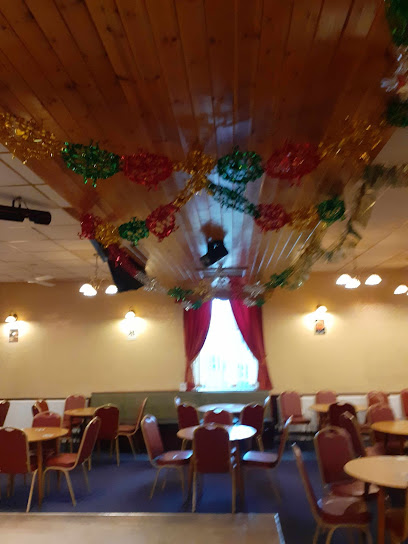
The Buffs
16.9 km
A welcoming social club in Holyhead offering lively nights, friendly faces, and a true taste of local nightlife on Cambria Street.
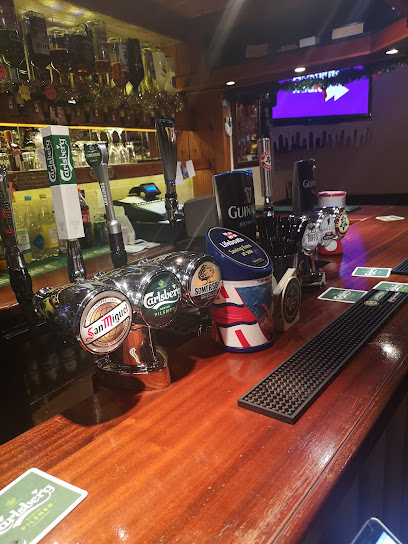
Academi
24.4 km
Bangor’s beloved student nightclub, offering vibrant music, a welcoming atmosphere, and a central role in university social life.
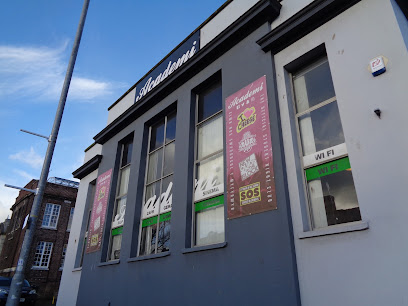
Trilogy Nightclub
25.0 km
Experience Bangor’s vibrant nightlife at Trilogy Nightclub, where diverse music rooms and lively weekend parties create unforgettable nights.
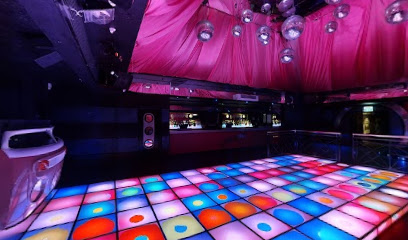
Vics Boogie-Nights
32.1 km
Experience the vibrant nightlife at Vic's Boogie-Nights, Abererch's premier bar for music, dancing, and unforgettable memories.
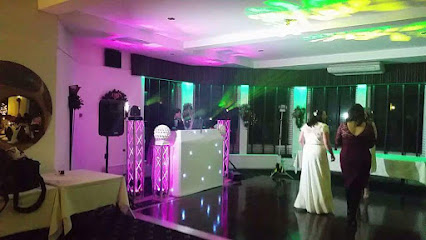
The Cove
33.0 km
Experience the vibrant nightlife at The Cove in Hafan Y Mor, North Wales, where music, dancing, and unforgettable memories await.

Clwb Llyn Bach
37.6 km
Discover the lively spirit of Clwb Llyn Bach, a top pub in Porthmadog offering great drinks, vibrant events, and a friendly atmosphere.
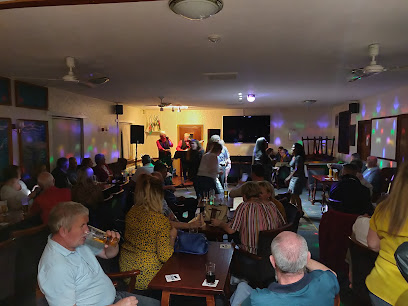
Black Rock Beach Club
37.6 km
Experience the ultimate beachside retreat at Black Rock Beach Club with delicious grilled dishes and breathtaking coastal views.
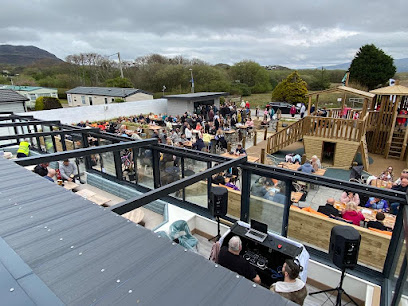
Bryn Arms
45.1 km
A cozy pub in Gellilydan offering hearty homemade meals, lively events, and charming gardens for a welcoming Welsh experience.
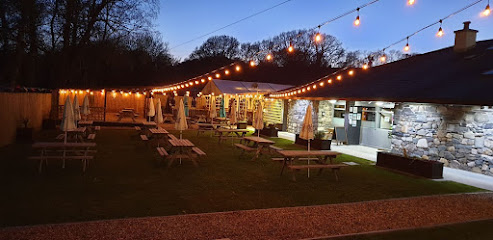
Club 147
46.6 km
Llandudno’s energetic nightclub and sports bar offering electronic beats, pool, and a lively social scene in the town centre.
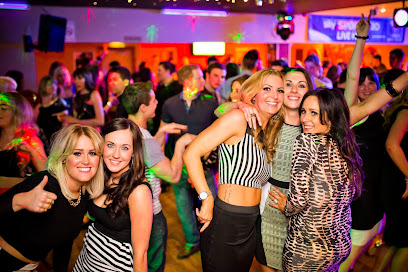
Broadway Boulevard
47.4 km
Llandudno’s largest nightclub, Broadway Boulevard pulses with vibrant music, themed events, and a lively party atmosphere in the heart of town.

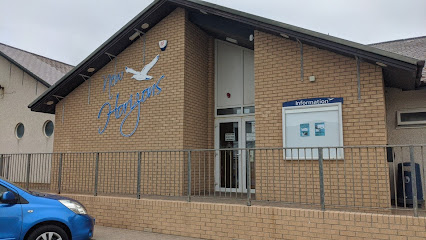
New Horizons
54.2 km
Experience vibrant nightlife and lively music at New Horizons, Dyffryn Ardudwy’s welcoming nightclub with spaces for all ages.
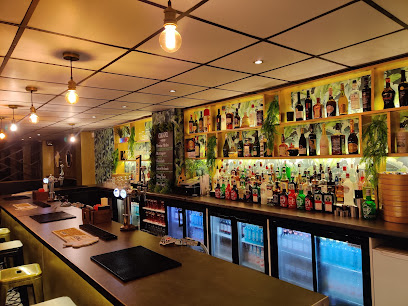
The Club Barmouth
59.2 km
Experience vibrant Saturday nights at The Club Barmouth, where stylish vibes meet lively music by the scenic Welsh coast.
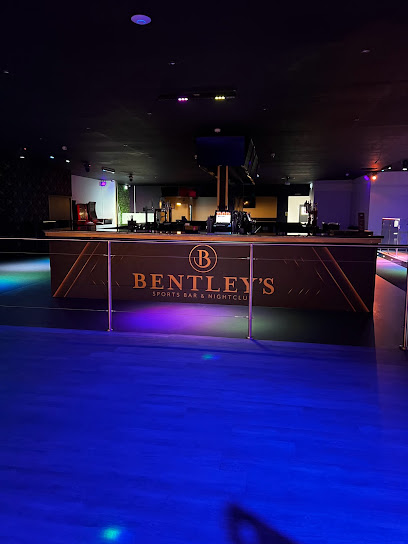
Bentley’s Sports Bar & NightClub
64.9 km
Experience Towyn’s vibrant nightlife at Bentley’s Sports Bar & NightClub, where music, dancing, and great vibes come alive every weekend.
Ellis's Bar
68.1 km
Discover the lively nightlife at Ellis's Bar in Rhyl, a vibrant spot for cocktails, music, and unforgettable moments.
For the vibe & atmosphere seeker
- Tranquil
- Scenic
- Unique
- Relaxing
For the design and aesthetic lover
- Minimalist Designs
- Rustic Designs
For the architecture buff
- Historic
- Landmarks
- Sacred Sites
For the view chaser and sunset hunter
- Iconic Views
- Waterfront
- Sunset Spots
For the social media creator & influencer
- Instagrammable
- Photo Spots
- Selfie Spots
For the eco-conscious traveler
- Protected Area
- Public-Transport Accessible
- Locally Managed
- Leave-No-Trace Critical
For the kind of experience you’re after
- Cultural Heritage
- Myth & Legends
- Nature Escape
- Day Trip
- Weekend Getaway
For how adventurous you want the journey to be
- Easy Access
Location Audience
- Family Friendly
- Senior Friendly
- Child Friendly
- Teen Friendly
- Wheelchair Access
- Solo Friendly
- Couple Friendly
- Solo Female Friendly
- Vegetarian Friendly
- Vegan Friendly


