Camster Cairns Travel Guide
Free Guide: Explore two of Scotland’s oldest Neolithic chambered cairns nestled in the haunting peat moors of Caithness, revealing ancient burial mysteries.


A brief summary of Camster Cairns
Explore two of Scotland’s oldest Neolithic chambered cairns nestled in the haunting peat moors of Caithness, revealing ancient burial mysteries.
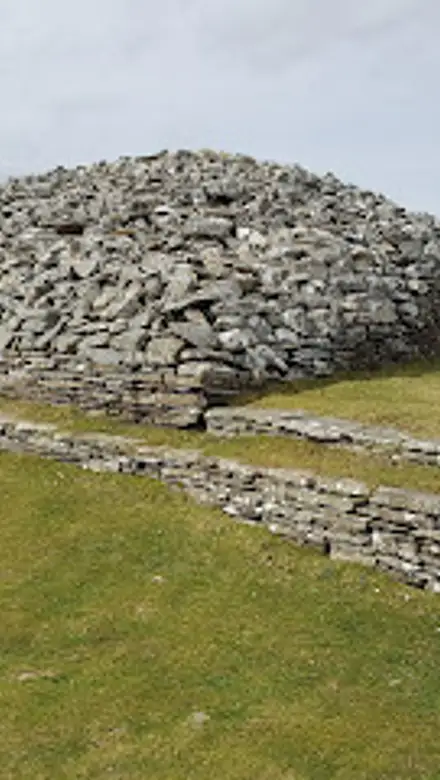
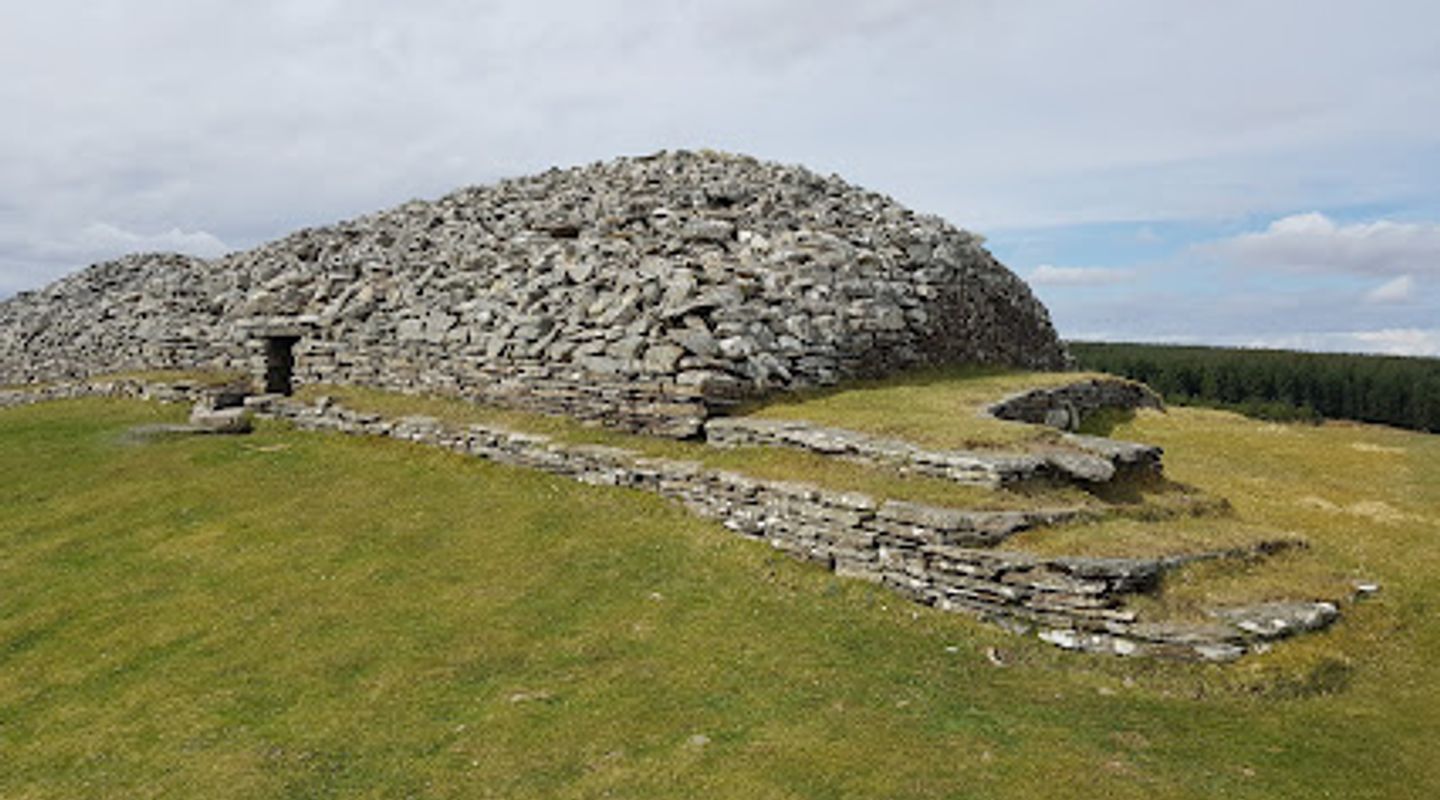
The Grey Cairns of Camster are two large Neolithic chambered cairns located in the windswept moorlands of Caithness, Scotland. Dating back over 5,000 years, these remarkable stone monuments feature corbelled dry-stone roofs and internal burial chambers accessed through narrow passages. Situated in the remote Flow Country, the cairns offer a rare glimpse into prehistoric funerary practices and are surrounded by boggy peatland, with wooden walkways aiding visitor access.
On-site amenities
 Restrooms
 Seating areas
 Information boards
 Parking
Opening hours
- Every dayOpen 24 hours
Opening hours as listed on the venue’s Google Business Profile. Hours can change for services and special events, so check with the venue before you go.
- Address
- Unnamed Rd,
- Website
Getting there
Car
Bus and Walk
Walking
Discover more about Camster Cairns
Echoes from the Neolithic Era
The Grey Cairns of Camster stand as some of Scotland’s oldest stone monuments, constructed around 3000 BC during the Neolithic period. These cairns are examples of the Orkney-Cromarty type chambered cairns, built to serve as burial sites. The complex architecture includes corbelled dry-stone roofs and carefully designed internal chambers accessed by narrow passages. The site comprises two main cairns: Camster Long and Camster Round, situated about 180 meters apart on a remote moorland.
Distinctive Architectural Features
Camster Long is an elongated cairn approximately 60 meters in length, with characteristic "horns" at each end and a maximum height of 4.6 meters. It contains two burial chambers spaced about 15 meters apart, which were originally separate round cairns later joined into one long structure. The entrances to these chambers are narrow passages requiring visitors to crawl inside, revealing the ingenuity of Neolithic builders. Camster Round, smaller but equally significant, features a single chamber divided into three compartments beneath its dome-shaped cairn.
Setting in the Flow Country
The cairns are set amidst the vast, boggy peatlands known as the Flow Country, a wild and windswept landscape that has helped preserve these ancient monuments. This moorland was once fertile farmland in the Stone Age before becoming peat-covered in the Bronze Age. Wooden walkways have been installed to protect the fragile ground and ease access, as the surrounding terrain can be wet and boggy. The isolated location adds to the cairns’ haunting atmosphere, with expansive views across the moor.
Modern Conservation and Visitor Experience
The cairns were excavated and restored in the late 20th century by Historic Environment Scotland, who added protective features such as gates to keep out sheep and concrete domes with skylights over the chambers. Visitors can open the gates and carefully crawl inside the chambers with a torch to experience the interior spaces firsthand. The site is open year-round and free to visit, offering a unique opportunity to connect with Scotland’s prehistoric past.
Atmosphere and Seasonal Considerations
The remote location means the site is often quiet and peaceful, with the moorland’s natural sounds and changing weather adding to the experience. In summer, midges can be prevalent, so insect repellent and protective clothing are advisable. The cairns’ exposed setting means visitors should be prepared for wind and variable weather conditions. The surrounding landscape provides a striking contrast between ancient stone and wild nature.
Significance and Legacy
The Grey Cairns of Camster are invaluable for understanding Neolithic life and death rituals in northern Scotland. Their preservation allows insight into early architectural skills and communal burial practices. As one of the few surviving examples of this cairn type, they hold cultural heritage importance and continue to inspire curiosity and respect for prehistoric ancestors.
Evendo Review Centre
 Google
Guest reviews
Best time to go
Quietest: Jan, Feb & Dec · before 6am or at 9pm
Busy times are Evendo estimates for a typical year, to help you plan. Actual crowds vary with events, school holidays and the weather.
Explore Camster Cairns on the map
A handpicked selection of must-see spots near Camster Cairns, mapped for you.
Get your free copy of our complete guide to Camster Cairns, delivered straight to you.
Everything on this page, from opening hours and how to get there to Eve’s tips and the best time to go, in one PDF you can read offline, print or share.
Already have an account? Sign in
Your Camster Cairns guide is ready.
We'll send it to · Not you? Sign out

Getting your guide ready…
We are putting together a fresh copy of the Camster Cairns guide. This can take up to a minute.
This can take a few moments. If your browser asks, choose Allow so the download can start. You'll find the guide in your Downloads folder.
Nothing happened? Download it again
Sorry, the guide is taking longer than usual. Please try again in a minute, or get it by email instead.
Unlock the best of Camster Cairns
Skip-the-line tickets, guided tours with entry, and walking tours of the area, booked in a few clicks.


Other nearby places you may find interesting
The closest places of the same kind, if this one is not quite what you had in mind.
-
-
-
-
-


Swipe for more places
More to explore near Camster Cairns

 Best experiences near Camster Cairns
 Best hotels near Camster Cairns
 Best landmarks near Camster Cairns
 Best attractions near Camster Cairns
 Best shops near Camster Cairns
 Best restaurants near Camster Cairns
 Best bars near Camster Cairns
Do you manage this location?
Take control to get all the benefits, like improved information, better appearance, and stronger visibility across AI-powered discovery.
Explore more

Explore more of Caithness
Discover Caithness, Scotland's northern gem, where rugged coastlines, ancient history, and vibrant wildlife come together in a breathtakingly beautiful landscape.
Explore Caithness
Explore more of United Kingdom
Discover the United Kingdom: A blend of rich history, stunning landscapes, and vibrant cities, offering a unique travel experience for every visitor.
Explore United Kingdom