

Lavenham Guildhall: A Tudor Legacy in Suffolk
Step into 500 years of history at Lavenham Guildhall, a beautifully preserved Tudor timber-framed treasure in the heart of Suffolk’s medieval village.
Lavenham Guildhall, a stunning timber-framed building dating from 1529, stands at the heart of the historic Suffolk village of Lavenham. Once the meeting place of the wealthy Guild of Corpus Christi, it reflects the prosperity brought by the medieval wool trade. Today, it serves as a museum showcasing 500 years of local history, including its varied roles as a guildhall, prison, workhouse, and social club, surrounded by a charming courtyard garden and Tudor tearoom.
A brief summary to National Trust - Lavenham Guildhall
- Market Place, Market Ln, Sudbury, Lavenham, CO10 9QZ, GB
- +441787247646
- Visit website
- Duration: 1 to 3 hours
- Mid ranged
-
 Mixed
Mixed
- Mobile reception: 4 out of 5
- Thursday 10 am-3:30 pm
- Friday 10 am-3:30 pm
- Saturday 10 am-3:30 pm
- Sunday 10 am-3:30 pm
Local tips
- Visit the tearoom for traditional refreshments and enjoy the peaceful courtyard garden, especially on sunny days.
- Check opening times in advance as the Guildhall closes at 3:30 PM, with last admission at 3:00 PM.
- Wear comfortable shoes for walking the cobbled streets of Lavenham, which can be uneven.
- Explore the community-curated exhibitions for unique local stories and historical insights.
- Dogs are welcome in the garden, tearoom, and shop but only assistance dogs are allowed inside the museum.

For the on-the-go comforts that matter to you
- Restrooms
- Drink Options
- Food Options
- Seating Areas
- Information Boards
Getting There
-
Train and Bus
Take a train to Sudbury station from London Liverpool Street (approximately 1 hour 20 minutes). From Sudbury, catch a local bus to Lavenham Market Place, about a 20-minute ride. Bus services run several times daily but check schedules in advance. Total travel time from London is around 2 to 2.5 hours. Bus fare is approximately £5-£7.
-
Car
Driving from Ipswich or Bury St Edmunds takes about 30 to 45 minutes. Parking is available near Market Place but can be limited during peak times. Some village streets are narrow and cobbled, so cautious driving is advised. Parking fees typically range from £2 to £5 for a few hours.
-
Walking
If staying nearby in Lavenham village, the Guildhall is easily accessible on foot via cobbled streets. Walking times vary from 5 to 15 minutes depending on accommodation location. The terrain is uneven in places, so sturdy footwear is recommended.
National Trust - Lavenham Guildhall location weather suitability
-
 Any Weather
-
 Mild Temperatures
-
 Rain / Wet Weather
Discover more about National Trust - Lavenham Guildhall
A Testament to Tudor Prosperity and Craftsmanship
Lavenham Guildhall was constructed in 1529 as the meeting place for the Guild of Corpus Christi, a powerful religious and social fraternity tied to the booming wool trade that made Lavenham one of England’s wealthiest towns in the 16th century. The building’s exquisite half-timbered facade, jettied timber framing, and intricately carved wooden beams exemplify the architectural style and affluence of the period. Positioned prominently on the Market Place, the Guildhall was central to the village’s civic and social life during its heyday.From Prosperity to Social History
As Lavenham’s wool trade declined in the 17th century, the Guildhall’s role evolved dramatically. It became a bridewell (house of correction) where petty offenders, including children like Ann Baker, were imprisoned and forced to work under harsh conditions. Later, it served as a workhouse and even a mortuary. The building’s social history is richly interpreted through exhibits that tell stories of its many uses and the lives of those connected to it, including the 18th-century workhouse matron Widow Snell and the building’s wartime role as a social club for American troops.Preservation and Community Engagement
The Guildhall was restored in the early 20th century by Sir Cuthbert Quilter and later entrusted to the National Trust in 1951, becoming a local history museum. Today, it offers immersive exhibitions that span five centuries, including a community-curated display on 16th-century Lavenham. The site also features a tranquil courtyard garden planted with traditional dye plants like woad, used historically in the cloth industry, and a Tudor-style tearoom providing a restful spot for visitors.Exploring Lavenham’s Historic Village
Lavenham itself is a remarkable medieval village with over 320 listed buildings, many timber-framed like the Guildhall. Walking its cobbled streets reveals a tapestry of history and architecture from the prosperous cloth merchants who once lived here. The Guildhall serves as a gateway to understanding the village’s rise, fall, and enduring charm, making it a focal point for visitors interested in England’s rich medieval heritage.Visitor Experience and Accessibility
Visitors can explore the Guildhall’s well-preserved rooms and informative displays, though some areas such as the cellar may be closed due to preservation concerns. The ground floor and parts of the garden are accessible, and assistance dogs are welcome inside. The tearoom and courtyard garden offer refreshments and outdoor seating, welcoming dogs on leads. Regular events, including spinning demonstrations and family trails, enrich the visitor experience throughout the year.Legacy and Cultural Significance
Lavenham Guildhall stands as a symbol of the village’s historical wealth and social evolution. It preserves stories of prosperity, hardship, and community resilience, reflecting broader themes in English history from the Tudor period through the industrial decline and into modern conservation efforts. Its continued care by the National Trust ensures that this unique heritage remains accessible and engaging for future generations.Iconic landmarks you can’t miss

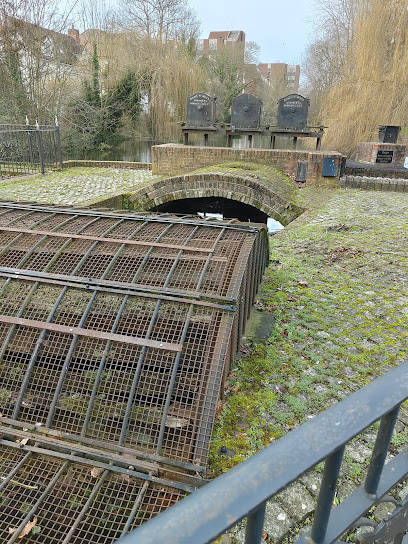
Middle Mill Weir
25.0 km
Historic Middle Mill Weir on the River Colne, a testament to Colchester’s water-powered industrial heritage and enduring community spirit.
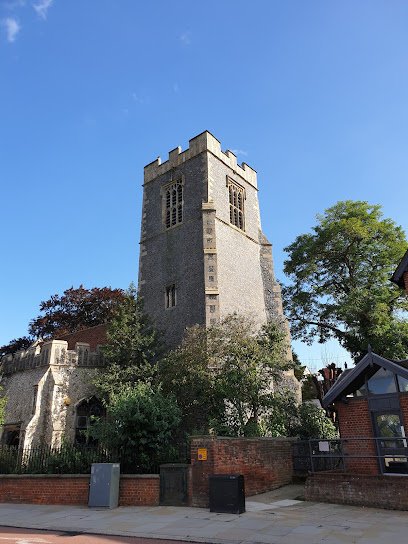
Roman Theatre
25.2 km
Ancient Roman amphitheatre where 3,000 spectators once gathered, now marked by darker paving in Colchester's historic streets.
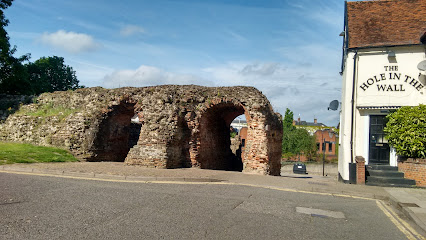
Balkerne Gate
25.3 km
Explore Balkerne Gate, Britain's largest surviving Roman gateway, a monumental symbol of Colchester’s ancient Roman heritage and architectural mastery.
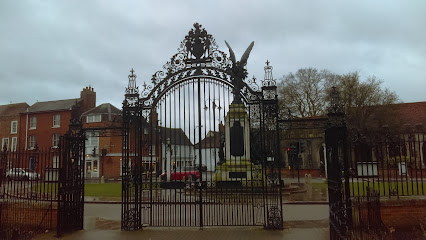
Colchester War Memorial
25.4 km
A dignified tribute in the heart of Colchester honoring the sacrifice and service of its wartime heroes.
Natural History Museum
25.5 km
Discover Colchester’s natural past and present in a charming historic church turned family-friendly museum with free entry and engaging exhibits.
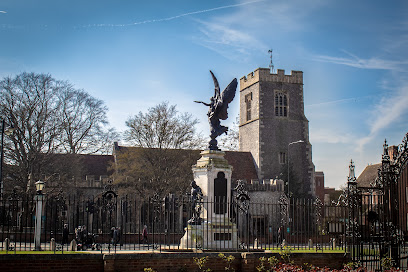
Finchingfield Post Mill
28.2 km
Discover Essex’s oldest post mill, a charming 18th-century landmark overlooking the picturesque village of Finchingfield.
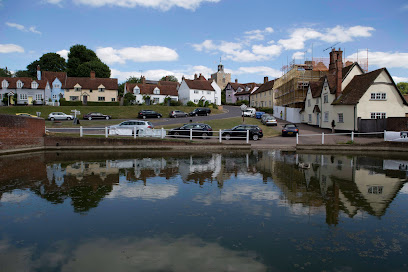
Eye Castle
33.6 km
Discover the historic Eye Castle, a medieval gem in Eye, England, offering stunning architecture and rich history for curious travelers.
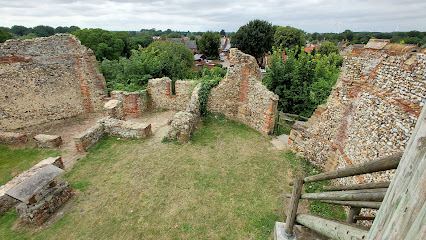
National Trust - Sutton Hoo
37.2 km
Explore Sutton Hoo, an iconic archaeological site revealing the secrets of the Anglo-Saxon era in stunning natural surroundings.
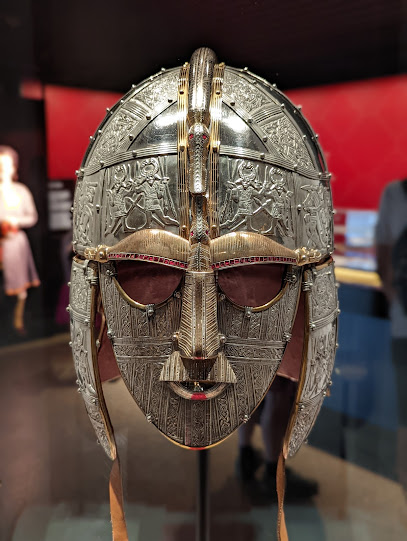
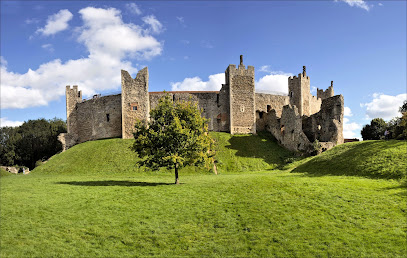
Framlingham Castle
39.6 km
Explore the rich history and stunning architecture of Framlingham Castle, a quintessential English heritage site in the heart of Suffolk.
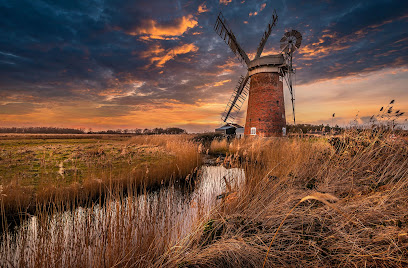
Visit The Broads
40.9 km
Your gateway to exploring the enchanting waterways, wildlife, and heritage of the Norfolk Broads National Park.
Nigel’s Gate
42.5 km
Discover Nigel’s Gate, a tranquil historic landmark in Little Henham blending rural charm with timeless English heritage.
Romsey Community Garden
45.1 km
Explore the enchanting Romsey Community Garden in Cambridge, a peaceful park that fosters community spirit and showcases vibrant local flora.
Romsey Recreation Ground
45.2 km
Explore Romsey Recreation Ground in Cambridge: A perfect blend of sports, play, and relaxation in a beautiful park setting.
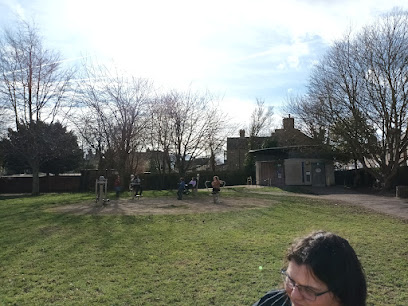
Romsey Mill
45.3 km
Experience the heart of community spirit at Romsey Mill in Cambridge, a unique charity and community center fostering connection and creativity.
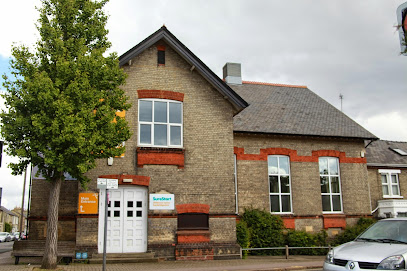
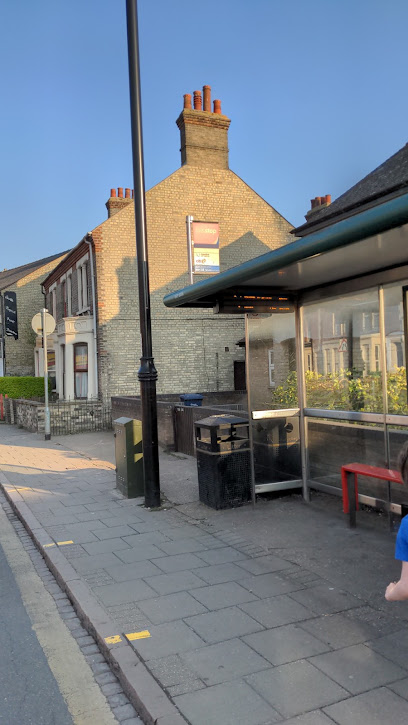
Romsey Terrace
45.5 km
Explore the historic charm of Cambridge from Romsey Terrace, a convenient bus stop that connects you to the city's vibrant attractions and culture.
Unmissable attractions to see

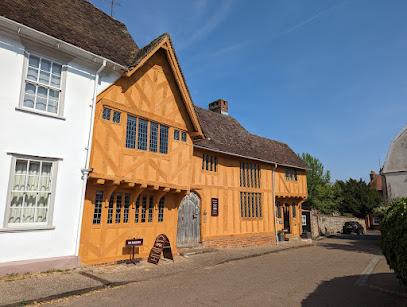
Little Hall Museum, Lavenham
0.0 km
Discover the rich history and Tudor charm of Little Hall, a beautifully preserved 14th-century timber-framed house in Lavenham’s Market Place.
The Cock Horse Inn - Lavenham
0.4 km
Historic timber-framed pub in medieval Lavenham offering traditional ales, hearty meals, and a warm, family-friendly atmosphere.
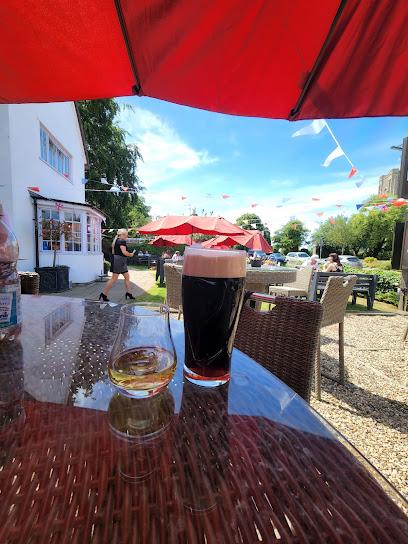
St Peter & St Paul's Church, Alpheton
4.4 km
Experience the tranquility and history of St Peter & St Paul's Church, Alpheton, a hidden gem in the picturesque Sudbury region of England.
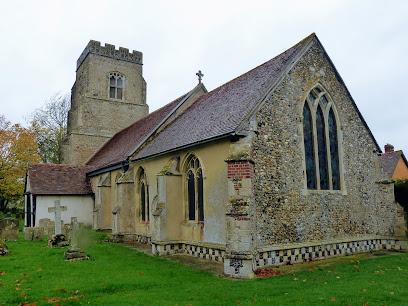
Kentwell Hall
5.4 km
Explore Kentwell Hall, a timeless Tudor manor with moat, gardens, rare breeds farm, and immersive living history in Suffolk’s scenic Long Melford.
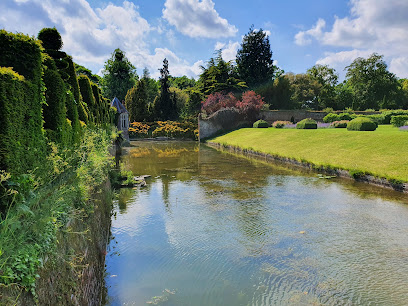
Holy Trinity Church, Long Melford
5.7 km
Explore the awe-inspiring medieval Holy Trinity Church in Long Melford, a Suffolk wool church renowned for its grand architecture and historic stained glass.
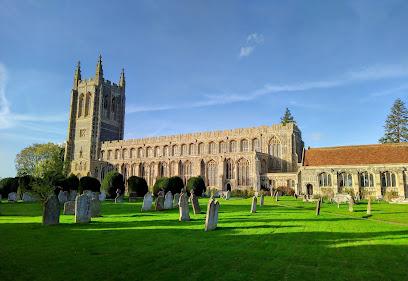
National Trust - Melford Hall
5.8 km
Explore centuries of history, naval heritage, and tranquil gardens at Melford Hall, a beloved Suffolk family estate with charming Tudor features.
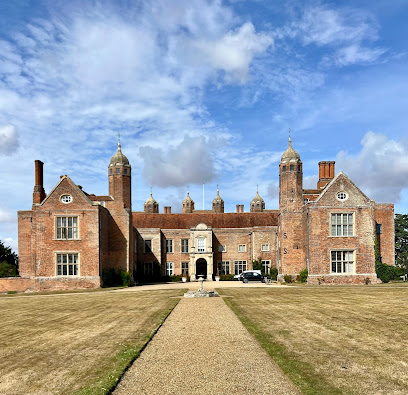
English Heritage - Bury St Edmunds Abbey
16.0 km
Explore the majestic ruins of Bury St Edmunds Abbey nestled within tranquil, historic Abbey Gardens in the heart of Suffolk.
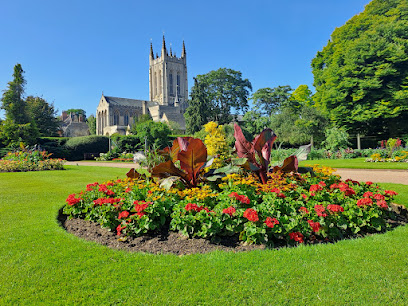
arc Shopping Centre
16.3 km
Modern shopping meets cultural entertainment in the heart of historic Bury St Edmunds.
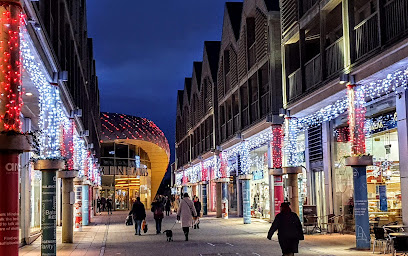
Hedingham Castle
18.6 km
Explore one of England’s finest Norman keeps, steeped in history and set within stunning Essex gardens and grounds.
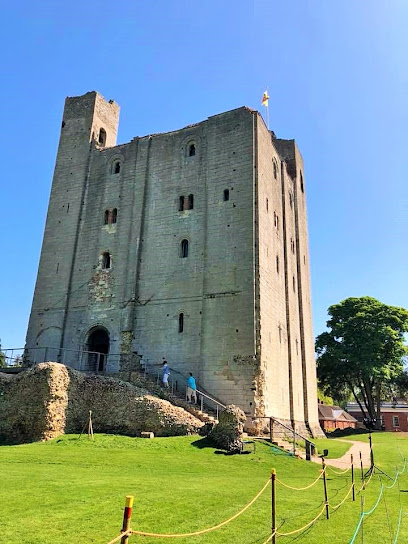
East Anglian Railway Museum
20.5 km
Explore over 10 acres of railway heritage with vintage locomotives, interactive exhibits, and family-friendly events near Colchester.
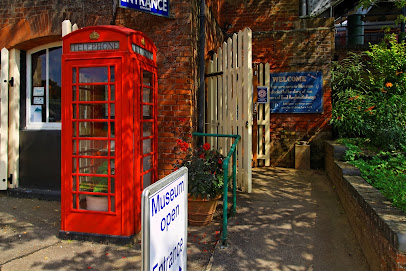
Risby Barn Antique Centre
20.7 km
Discover antiques, collectibles, and countryside charm in a historic 16th-century barn near Bury St Edmunds.

Hillhouse Wood
21.4 km
Discover peaceful trails, vibrant bluebells, and diverse wildlife in Hillhouse Wood, a cherished natural retreat near Colchester.
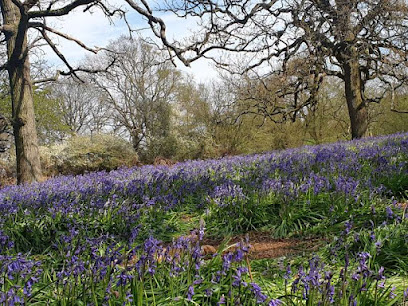
Iron Latch
23.6 km
A peaceful Essex Wildlife Trust reserve near Colchester, offering tranquil woodland walks and rich wildlife in a compact natural setting.
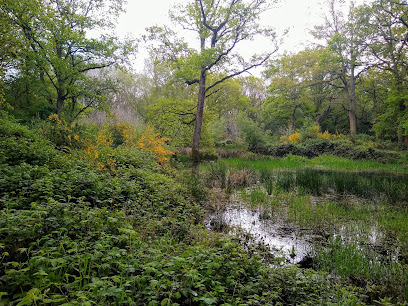
High Woods Country Park
23.7 km
Explore 150 hectares of ancient woodland, lakes, and wildflower meadows in Colchester’s award-winning High Woods Country Park.
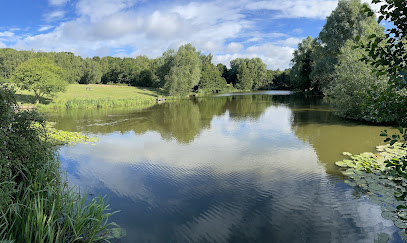
West Stow Anglo-Saxon Village
25.0 km
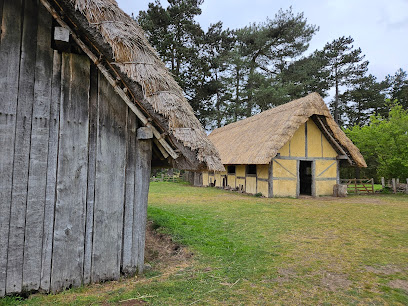
Step into 5th–7th century England at this living Anglo-Saxon village, where reconstructed houses, ancient crafts, and a 125-acre country park bring early medieval life vividly to life.
Essential places to dine

The Great House Hotel and Restaurant
0.0 km
Historic elegance and exquisite dining converge in the heart of Lavenham’s medieval Market Place.
Scutchers
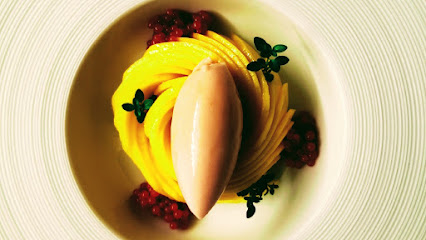
5.9 km
Refined British fine dining in the historic village of Long Melford, blending exceptional cuisine with warm, polished service.
La Maison Bleue
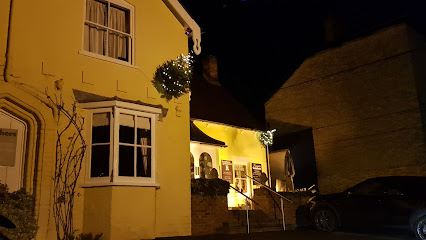
16.0 km
Elegant modern French dining in Bury St Edmunds, offering refined classics, exceptional service, and a curated wine selection for memorable gourmet experiences.
The Eaterie @ The Angel Hotel
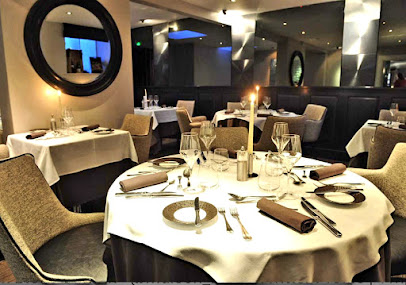
16.1 km
Stylish modern British dining with historic charm in the heart of Bury St Edmunds at The Angel Hotel’s acclaimed restaurant.
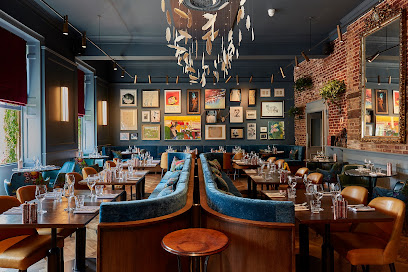
1921
16.2 km
Experience exquisite modern British cuisine with seasonal artistry and refined hospitality at 1921 Angel Hill in historic Bury St Edmunds.
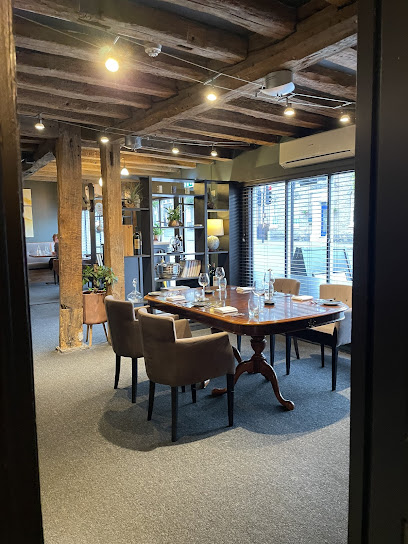
Pea Porridge
16.6 km
Discover Suffolk’s only Michelin-starred restaurant, Pea Porridge, serving hearty Moorish-inspired cuisine in a warm, intimate setting.
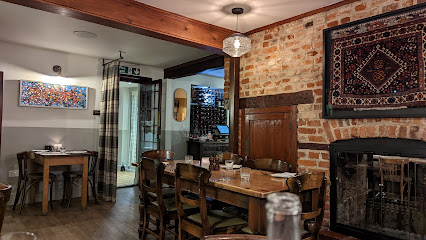
Talbooth Restaurant
20.2 km
Award-winning Modern British fine dining on the River Stour, where 19th-century charm meets contemporary culinary excellence.
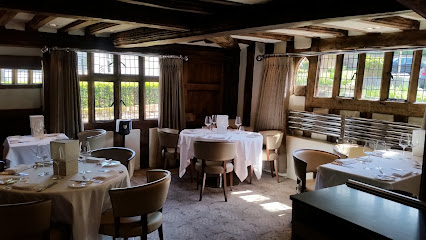
The Barn Brasserie, Great Tey
24.6 km
Historic 16th-century barn meets modern British dining in a charming Essex countryside setting with warm hospitality and versatile event spaces.
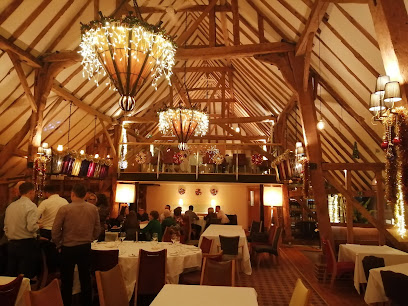
Harvester Stanway Colchester
24.8 km
Casual family-friendly British bar & grill in Colchester offering fresh, flavorful meals from breakfast to dinner in a relaxed setting.
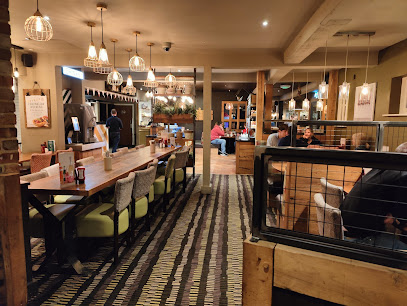
The Eaterie @ the Salthouse Harbour Hotel
25.7 km
Modern British dining with fresh local seafood and stunning marina views at Ipswich’s stylish Salthouse Harbour Hotel.
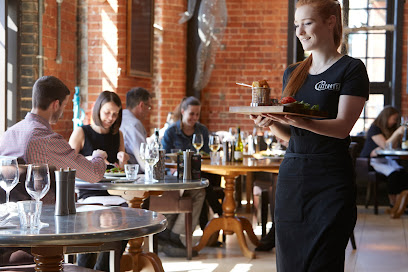
The Bull Auberge
30.5 km
Elegant 5-star countryside inn in Suffolk offering exquisite local cuisine, luxurious rooms, and warm, attentive hospitality.
The Mulberry
33.9 km
Savor a refined blend of British and Italian cuisine in a warm, inviting atmosphere at The Mulberry, Thetford’s acclaimed dining gem.
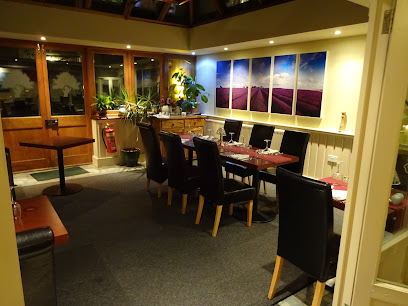
Castle - Great Leighs
37.2 km
A charming and cozy English village pub in Great Leighs serving freshly cooked, reasonably priced meals with friendly service and warm ambiance.
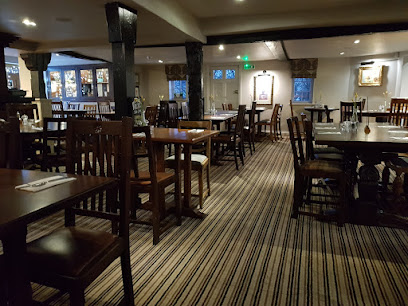
The Square & Compasses
37.3 km
A charming Essex countryside gastropub blending rustic warmth with refined British cuisine and local ales.
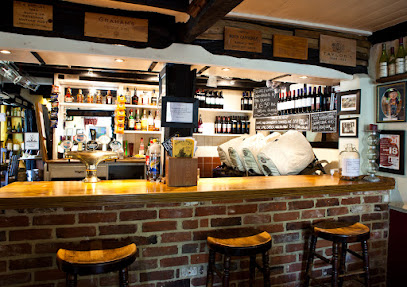
Pig & Truffle
38.0 km
Historic charm meets modern British cuisine in a cozy village setting, delivering refined flavors and warm hospitality at Pig & Truffle.
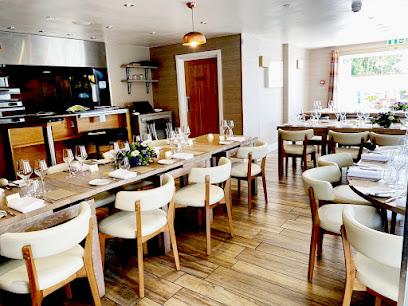
Markets, malls and hidden boutiques

Bohemia Vintage & Lifestyle
16.2 km
Discover unique vintage fashion, retro homewares, and quirky collectibles at Bohemia Vintage & Lifestyle in the heart of Bury St Edmunds.
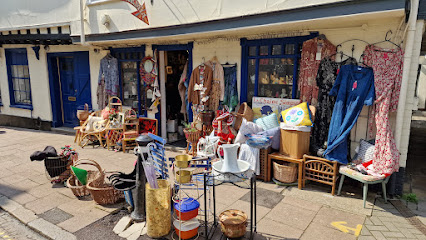
Quirky Old Stuff
25.3 km
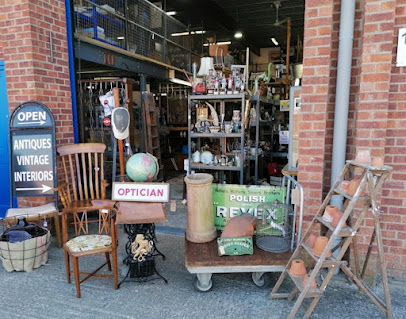
Discover a whimsical world of antiques and vintage curiosities in Manningtree’s most eclectic shop, where every item tells a story.
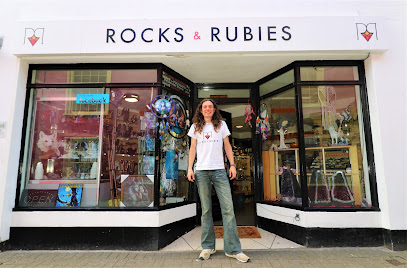
Rocks & Rubies
25.4 km
Discover rare crystals, artisan gifts, and spiritual treasures in the heart of historic Colchester.
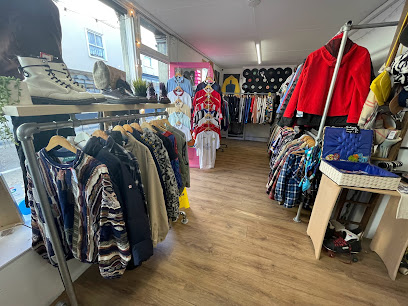
Essential Vintage
25.5 km
Discover timeless vintage fashion classics in the heart of Ipswich’s charming Eagle Street.
Bestdays Vintage
25.5 km
Discover sustainable vintage fashion and eclectic music treasures in a cozy, welcoming Colchester shop with a personal touch.
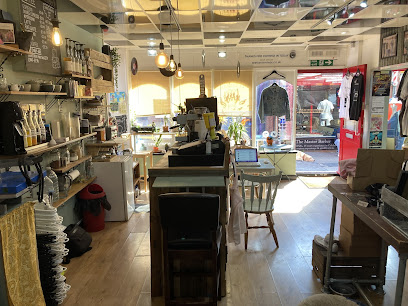
Love Local Essex & Suffolk
25.5 km
Discover unique, handcrafted treasures celebrating the rich heritage and creativity of Essex and Suffolk at this charming Copford gift shop.
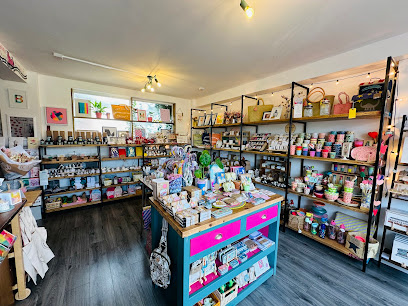
George Yard Shopping Centre
30.7 km
A vibrant pedestrianised shopping hub in Braintree offering diverse stores and a welcoming community atmosphere.
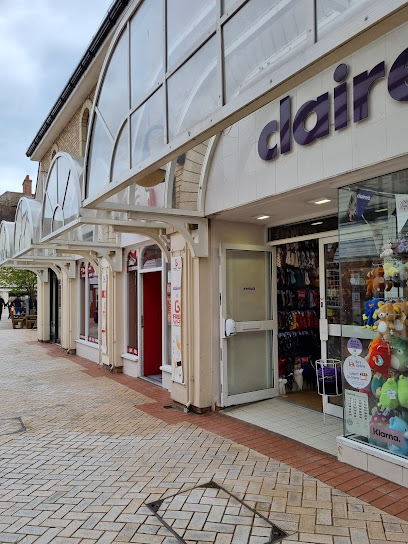
The Curiosity Shop
39.7 km
Discover unique gifts and local treasures in the heart of Great Dunmow at The Curiosity Shop, a charming boutique with a warm, welcoming atmosphere.
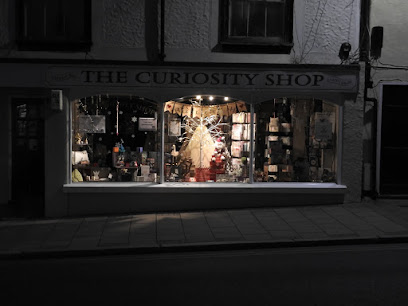
The Emporium Maldon
42.8 km
A beloved family-run gift and garden shop in Maldon’s historic High Street, renowned for variety, community spirit, and local charm.
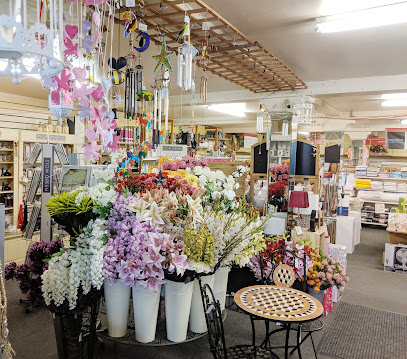
The Emporium
43.1 km
Discover unique gifts, exquisite candles, and enchanting perfumes at The Emporium in Holland-on-Sea’s charming Kings Avenue.
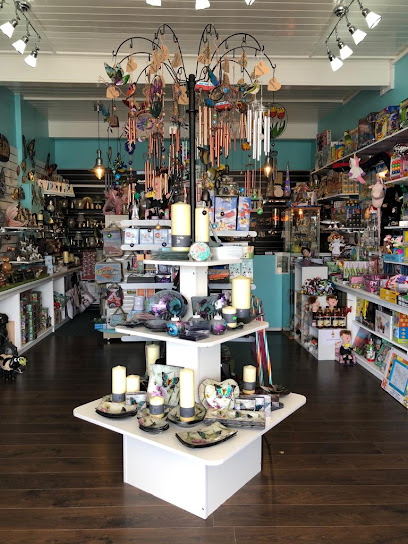
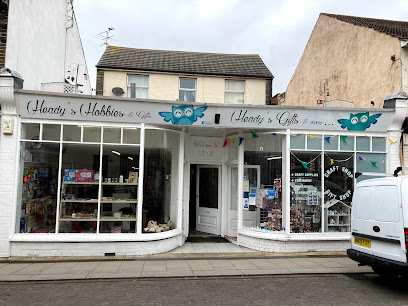
Heady's Hobbies & Gifts
43.5 km
Discover creativity and charm at Heady's Hobbies & Gifts, Walton on the Naze’s family-run craft shop with unique handmade treasures and inspiring workshops.
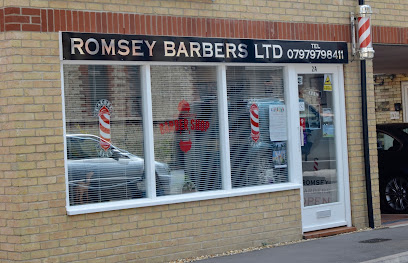
Romsey Barbers Ltd Cambridge
45.0 km
Classic cuts in Cambridge's Romsey: friendly barber shop delivering sharp fades and shaves with neighborhood warmth.
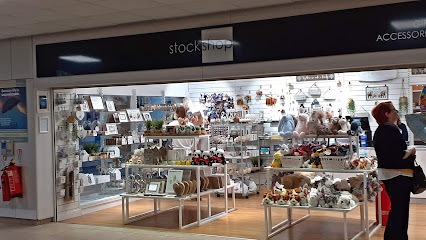
The Stock Shop
45.4 km
Discover stylish ladies' fashion and accessories in a unique hospital setting at The Stock Shop, Cambridge's trusted retail haven since 1988.
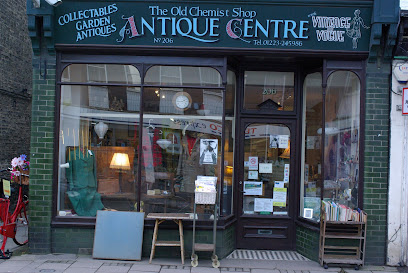
The Old Chemist Shop Antique Centre
45.6 km
Vibrant Cambridge antique centre in a former chemist shop, brimming with 20th-century toys, jewelry, and eclectic finds from fun-loving dealers.
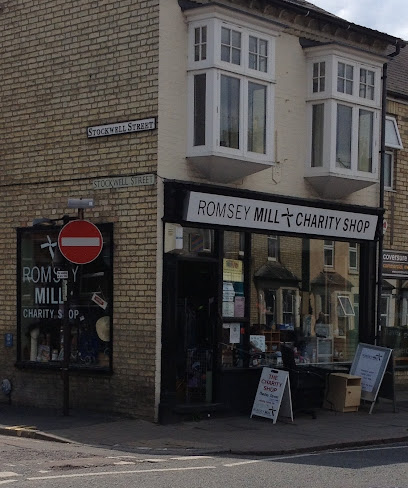
Romsey Mill Charity Shop
45.7 km
Mill Road’s friendly charity shop — thrift, small discoveries and funds for local youth and family services in Cambridge.
Essential bars & hidden hideouts

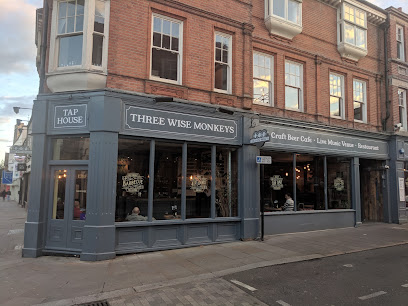
Three Wise Monkeys
25.4 km
A vibrant multi-floor pub in Colchester offering craft beers, hearty smokehouse food, and lively events in a unique historic setting.
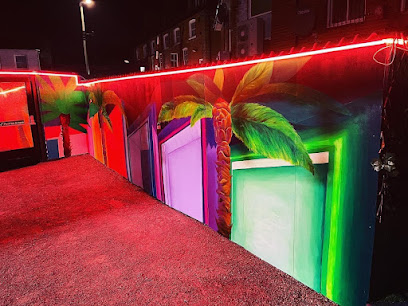
Unique Bar Newmarket
30.6 km
Experience the lively vibes and weekend dance nights at Unique Bar, Newmarket’s hotspot for great drinks and energetic fun.
The Three Tuns
38.1 km
Historic 16th-century pub in Great Abington blending authentic Thai cuisine with charming accommodation and a warm village atmosphere.
The Queen Victoria Public House
43.3 km
Historic British pub in Maldon offering freshly prepared fare, an extensive wine list, and warm, attentive service in a charming setting.
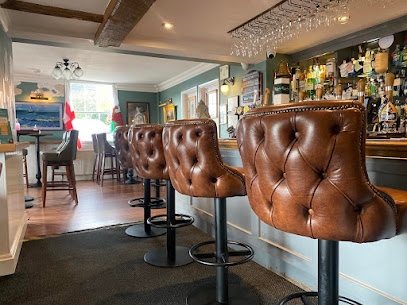
Red Lion, Cherry Hinton
43.5 km
Historic village pub in Cherry Hinton with a lively atmosphere, dog-friendly garden, classic fare, and live sports entertainment.
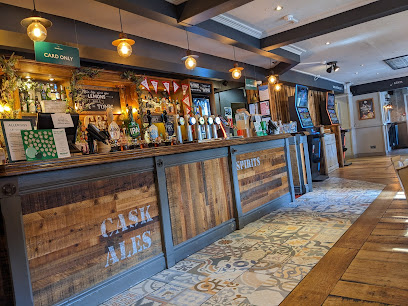
The Tickell Arms
44.3 km
Historic gastropub in Whittlesford offering seasonal British cuisine, charming gardens, local ales, and a warm, inviting atmosphere.
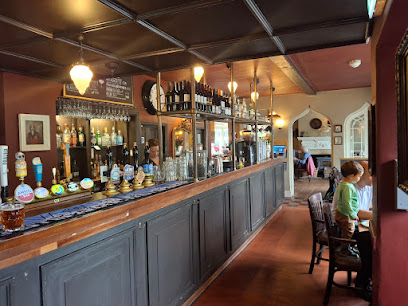
Plough Cambridge
44.7 km
A charming riverside gastropub in Fen Ditton offering classic British fare with modern flair and scenic views by the River Cam.
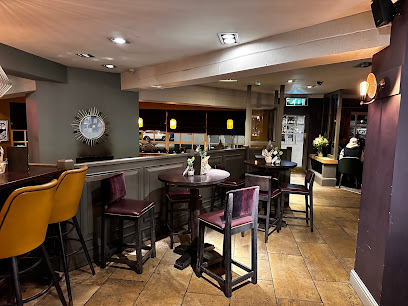
Rock
45.2 km
Cherry Hinton's go-to Greene King pub for hearty meals, well-kept ales, and neighborhood camaraderie on lively Cherry Hinton Road.
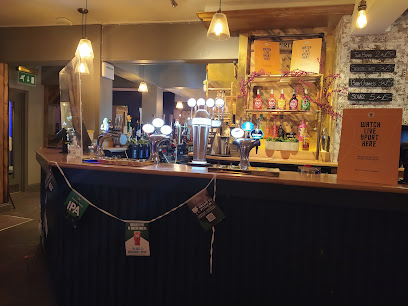
The Royal Standard Pub
45.2 km
Cambridge's Mill Road gastropub pouring exceptional gins, craft beers, and hearty plates in a quirky, cosy haven for every occasion.
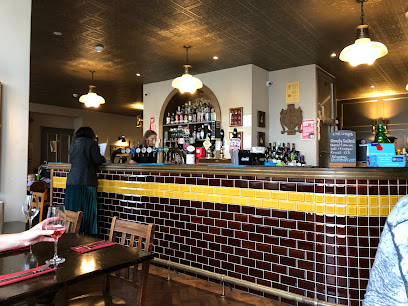
196 cocktail bar
45.6 km
Discover Cambridge’s intimate cocktail haven with expertly crafted drinks, cozy vibes, and attentive service on vibrant Mill Road.
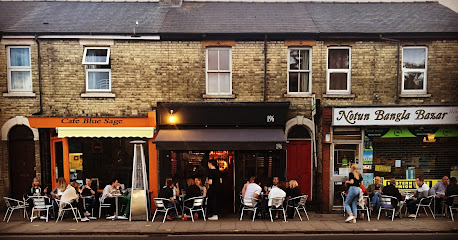
The Brewers Inn
45.6 km
A refined gastro pub with Indian-inspired dishes and cozy rooms, offering a peaceful retreat near Cambridge.
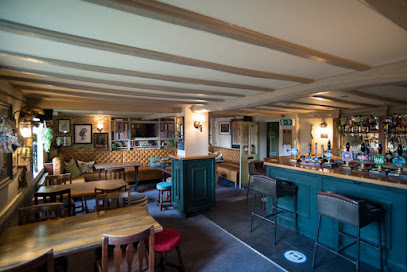
The Geldart
45.9 km
A vibrant gastropub in Cambridge blending historic charm, creative hot rock dining, and a lively retro music atmosphere for a unique experience.
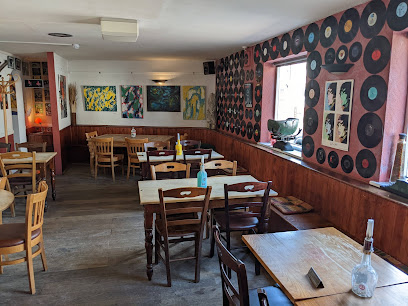
The Petersfield
45.9 km
A friendly and lively pub in Cambridge offering classic drinks, a welcoming garden, and a cozy atmosphere for locals and visitors alike.
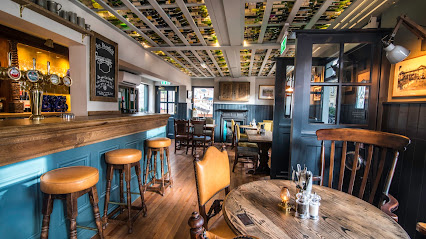
The Corner House
46.0 km
A lively gastropub on Newmarket Road offering excellent pub food, diverse drinks, and a welcoming atmosphere in Cambridge.
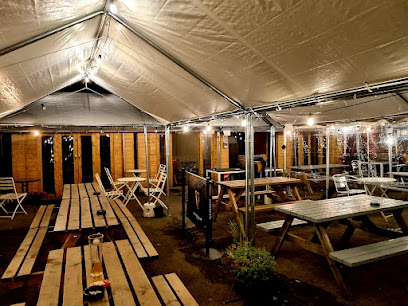
Station Tavern
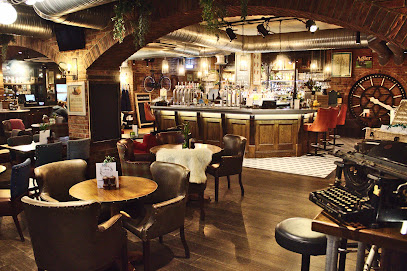
46.0 km
Cambridge's first Young's pub, steps from the station: British seasonal eats, fine ales, and terrace vibes for travelers and locals.
Nightclubs & after hour spots

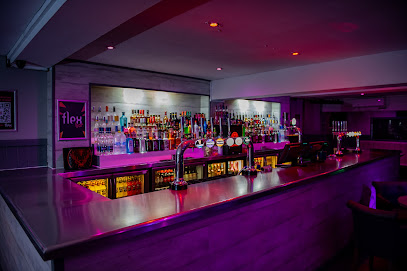
Flex Nightclub
16.2 km
Lively late-night nightclub in Bury St. Edmunds offering dance music, bar service, and a bustling atmosphere with a local crowd.
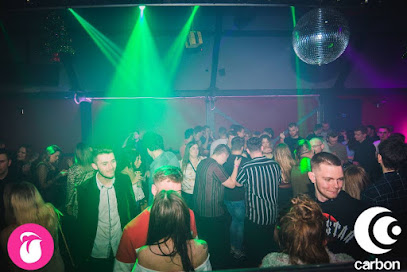
Carbon Nightclub
16.4 km
Experience Stowmarket’s lively nightlife at Carbon Nightclub, a modern venue pulsing with music and weekend energy.
The Club
24.9 km
Experience Ipswich’s vibrant nightlife at The Club, where music, dancing, and a lively atmosphere come alive in the city centre.
Supper Club
25.3 km
Lively nightclub in Ipswich offering great drinks, music, and a vibrant social scene from afternoon until early morning.

Trilogy Nightclub
25.3 km
Experience Colchester’s vibrant nightlife at Trilogy Nightclub, where diverse music and energetic crowds create unforgettable weekends.
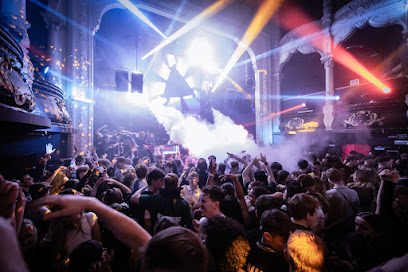
Rubix Bar & Nightclub
25.5 km
Experience Colchester’s lively nightlife with Rubix Bar & Nightclub’s energetic music, vibrant dance floor, and welcoming social scene every weekend night.
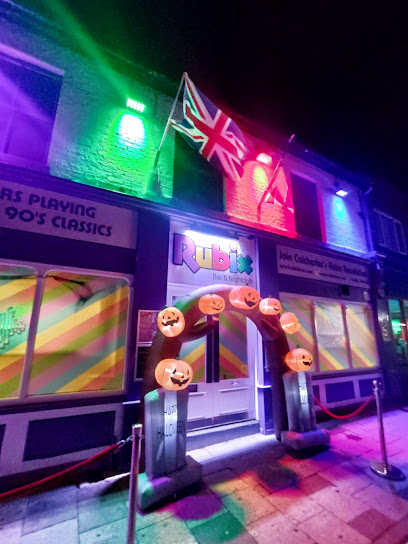
Ice Nightclub
34.1 km
Thetford’s vibrant nightlife hotspot with nostalgic tunes, lively parties, and a welcoming atmosphere for over-18s.
Salisbury Club
45.4 km
Cambridge's cozy Mill Road club: retro discos, pool tables, cheap drinks, and community spirit in a true local gem.
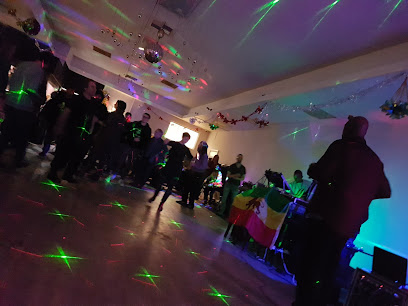
Sing Dizzy
45.9 km
Sing Dizzy offers Cambridge a lively karaoke bar experience with costumes, props, and an extensive song list for unforgettable nights of fun and music.
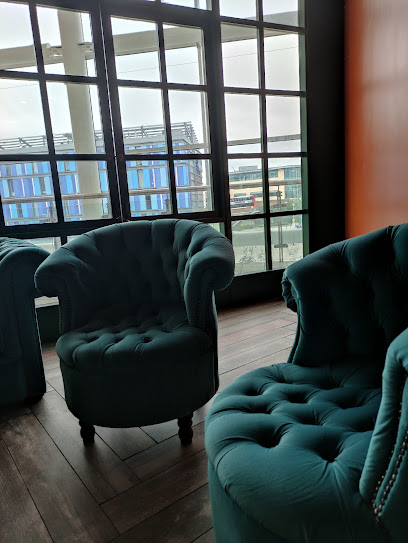
Cambridge Working Mens Club
46.4 km
Discover the lively ambiance of Cambridge Working Mens Club, a perfect blend of local culture, music, and community spirit.
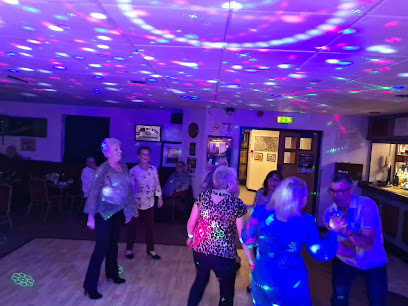
The Calling
46.4 km
Discover the vibrant nightlife at The Calling, Cambridge's premier event management venue, perfect for unforgettable experiences and fun times.
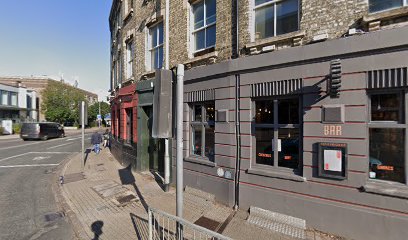
Cambridge Pop-up Speakeasy Jazz
46.5 km
Free live jazz pop-ups in a historic Cambridge pub: intimate sets, diverse musicians, speakeasy vibes on select Wednesdays at 7:30pm.
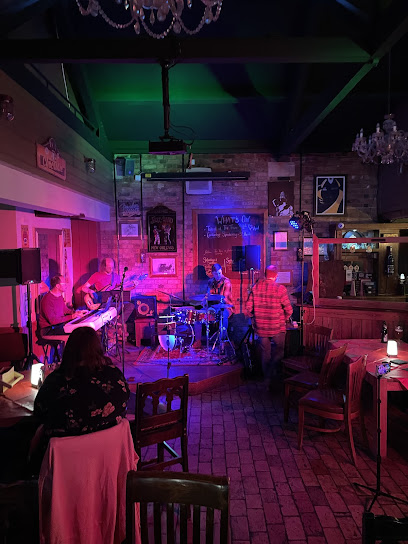
EBC Shop
46.6 km
Discover the electrifying nightlife at EBC Shop in Cambridge, where the music keeps you dancing and the atmosphere is always electric.
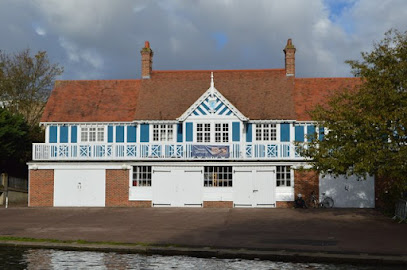
80s karaoke bar
46.6 km
Neon-lit, 80s-themed karaoke on Hills Road—compact, group-friendly singalongs from the early evening into the night.

Popworld - Chelmsford
47.3 km
Experience Chelmsford’s ultimate pop-themed nightclub with vibrant music, creative cocktails, and unforgettable themed parties.
For the vibe & atmosphere seeker
- Historic
- Tranquil
- Scenic
- Relaxing
For the design and aesthetic lover
- Vintage Styles
- Rustic Designs
For the architecture buff
- Historic
- Landmarks
For the view chaser and sunset hunter
- Iconic Views
For the social media creator & influencer
- Instagrammable
- Photo Spots
- Architectural Shots
For the eco-conscious traveler
- Sustainable
- Public-Transport Accessible
- Locally Managed
For the kind of experience you’re after
- Cultural Heritage
- Photowalk
- Day Trip
- Weekend Getaway
- Festival / Event Nearby
For how adventurous you want the journey to be
- Easy Access
Location Audience
- Family Friendly
- Senior Friendly
- Child Friendly
- Teen Friendly
- Wheelchair Access
- Pet Friendly
- Couple Friendly
- Solo Friendly
- Vegetarian Friendly
- Vegan Friendly


