Hamadryad Park, Cardiff Travel Guide
Free Guide: Urban sanctuary where maritime heritage meets wetland wilderness in Cardiff's regenerated waterfront.


A brief summary of Hamadryad Park
Urban sanctuary where maritime heritage meets wetland wilderness in Cardiff's regenerated waterfront.
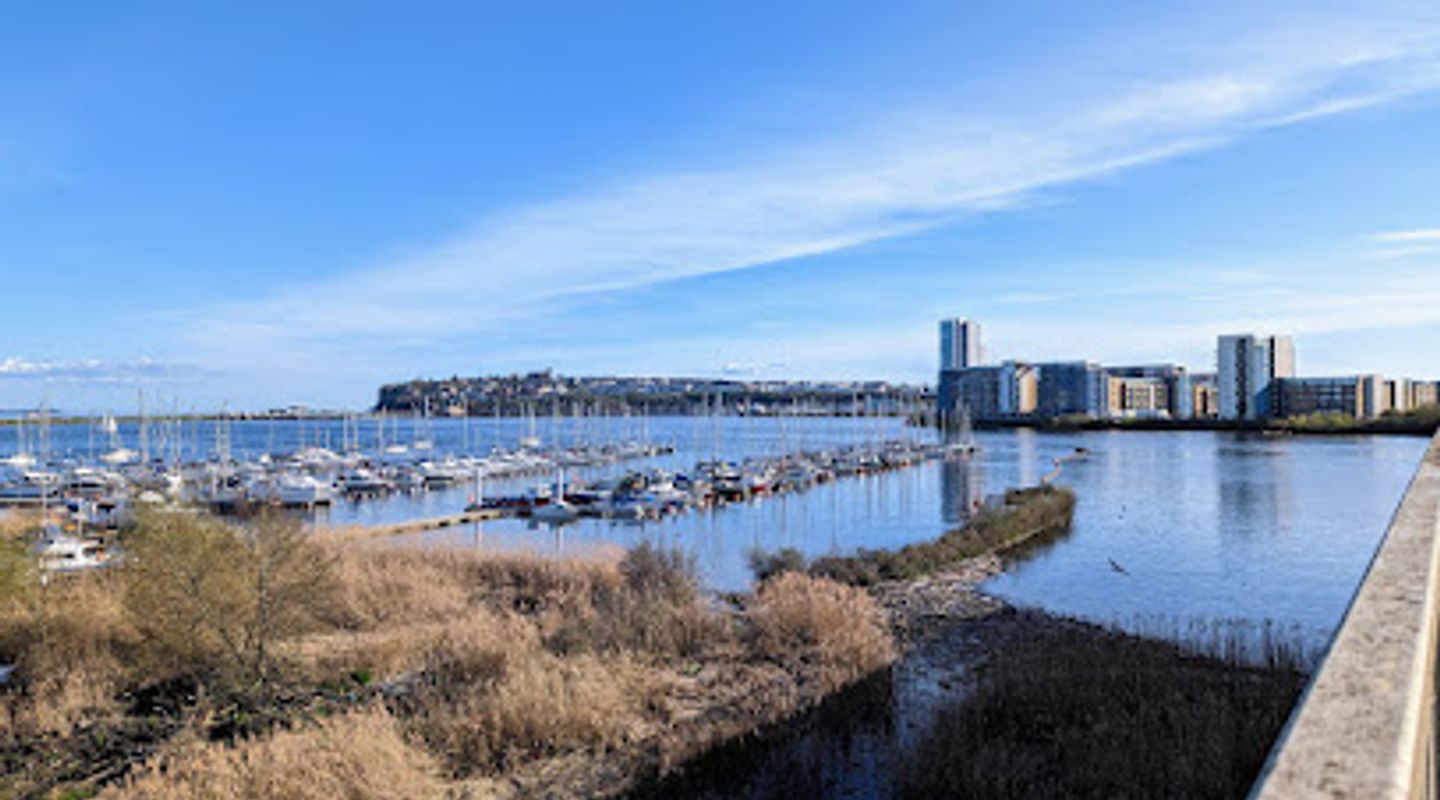
Hamadryad Park is a 14-hectare urban green space in Butetown, Cardiff, featuring open grassland, broad pathways, and the adjacent Cardiff Bay Wetlands nature reserve. The park offers scenic walking routes, a children's playground, sports facilities, and excellent birdwatching opportunities from its boardwalk. Named after the HMS Hamadryad, a 19th-century hospital ship, the park combines recreational spaces with natural habitats, making it an ideal destination for walkers, runners, and nature enthusiasts seeking a peaceful escape within the city.
On-site amenities
 Restrooms
 Seating areas
 Picnic areas
 Trash bins
 Information boards
 Drinking water
Opening hours
- Every dayOpen 24 hours
Opening hours as listed on the venue’s Google Business Profile. Hours can change for services and special events, so check with the venue before you go.
- Address
- Cardiff CF10 5UY
Getting there
Bus
Train
Car
Water Bus
Discover more about Hamadryad Park
A Park Born from Maritime Heritage
Hamadryad Park takes its name from the HMS Hamadryad, a wooden ship built in Pembroke Dock in the early 19th century. Originally intended for naval service, the vessel never saw active duty and was laid up in 1866 for breaking. However, Cardiff's first Medical Officer of Health, Dr Henry Paine, secured the ship from the Admiralty to serve as a Seaman's Hospital, transforming it into a vital healthcare facility for the maritime community. This legacy of care and community service continues to define the character of the park that now bears the ship's name.
Urban Transformation and Modern Development
The park as it exists today is a product of Cardiff Bay's comprehensive regeneration. In 1987, the Cardiff Bay Development Corporation was established to transform this historic waterfront area. Major construction works began in 1993 and concluded around 2000, reshaping the landscape through enormous civil engineering projects. Hamadryad Park was among the final pieces of this ambitious transformation, opening its gates in the early 2000s. The park and its adjacent Cardiff Bay Wetlands were officially designated as a local nature reserve in 2010, cementing their importance to the region's ecological and recreational infrastructure.
Landscape and Physical Features
Spanning approximately 14 hectares, the park comprises two main zones separated by the Butetown Link Road. The northern section consists of open grassland and playing fields crossed by broad, metalled pathways. These fields are screened from the road by earth bunds planted with mature trees, creating a buffer that enhances the sense of tranquility. The landscape includes a walled circular pond that supports diverse wildlife including cormorants, ducks, waders, frogs, and lizards. Notable artworks enhance the visitor experience, including the sandstone sculpture 'Cader Idris' by William Pye and a distinctive seat titled 'Ship in a Bottle' by Melissa Gibbs.
The Cardiff Bay Wetlands Reserve
Located south and east of the Butetown Link Road, the Cardiff Bay Wetlands nature reserve represents a crucial ecological asset. The wetlands are bounded by Cardiff Yacht Club, Windsor Esplanade, and St David's Hotel, creating a protected corridor for wildlife. A broad boardwalk curves through the wetlands, offering exceptional opportunities for birdwatching and nature observation. The boardwalk provides panoramic views across the wetlands and Cardiff Bay, allowing visitors to experience the area's natural beauty while maintaining minimal disturbance to wildlife habitats. This integration of human access with ecological protection exemplifies thoughtful conservation design.
Recreation and Community Use
The park serves as a vital recreational hub for Cardiff's residents and visitors. Well-maintained pathways accommodate walkers and runners of all fitness levels, while two central fields with goal posts support youth sports teams, particularly during early morning weekend sessions. A leisure playground provides facilities for families and children, and a soccer court offers opportunities for organized sports. The park's accessibility and diverse amenities make it suitable for various activities, from leisurely strolls to more vigorous exercise routines. Despite its proximity to the city center, the park remains relatively quiet and peaceful, creating an intimate atmosphere even during warmer months.
Wildlife and Natural Significance
As a designated local nature reserve, Hamadryad Park and its wetlands support diverse wildlife populations. Visitors regularly encounter birds, squirrels, and occasionally foxes. The walled pond and wetland areas provide essential habitat for amphibians, waterfowl, and wading birds. Early morning visits often reveal large congregations of seagulls engaging in their distinctive ground-stamping behavior, a fascinating natural phenomenon. The park's vegetation includes mature trees and varied plantings that support insects and other invertebrates, contributing to the broader ecological network of Cardiff Bay. The reserve's protection ensures that these natural communities can thrive while remaining accessible to the public.
Evendo Review Centre
 Google
Guest reviews
Best time to go
Quietest: Jan, Feb & Dec · before 6am or at 10pm
Busy times are Evendo estimates for a typical year, to help you plan. Actual crowds vary with events, school holidays and the weather.
Explore Hamadryad Park on the map
A handpicked selection of must-see spots near Hamadryad Park, mapped for you.
Get your free copy of our complete guide to Hamadryad Park, delivered straight to you.
Everything on this page, from opening hours and how to get there to Eve’s tips and the best time to go, in one PDF you can read offline, print or share.
Already have an account? Sign in
Your Hamadryad Park guide is ready.
We'll send it to · Not you? Sign out

Getting your guide ready…
We are putting together a fresh copy of the Hamadryad Park guide. This can take up to a minute.
This can take a few moments. If your browser asks, choose Allow so the download can start. You'll find the guide in your Downloads folder.
Nothing happened? Download it again
Sorry, the guide is taking longer than usual. Please try again in a minute, or get it by email instead.
Other nearby places you may find interesting
The closest places of the same kind, if this one is not quite what you had in mind.
-
-
-
-
-


Swipe for more places
More to explore near Hamadryad Park

 Best experiences near Hamadryad Park
 Best hotels near Hamadryad Park
 Best landmarks near Hamadryad Park
 Best attractions near Hamadryad Park
 Best shops near Hamadryad Park
 Best restaurants near Hamadryad Park
 Best bars near Hamadryad Park
Do you manage this location?
Take control to get all the benefits, like improved information, better appearance, and stronger visibility across AI-powered discovery.
Explore more

Explore more of Cardiff
Discover Cardiff, the vibrant capital of Wales, where history, culture, and modernity merge to create unforgettable experiences for every traveler.
Explore Cardiff
Explore more of United Kingdom
Discover the United Kingdom: A blend of rich history, stunning landscapes, and vibrant cities, offering a unique travel experience for every visitor.
Explore United Kingdom