Neath Abbey: Majestic Ruins of a Cistercian Powerhouse
Explore the atmospheric ruins of Neath Abbey, a historic Cistercian monastery blending medieval spirituality with industrial heritage.
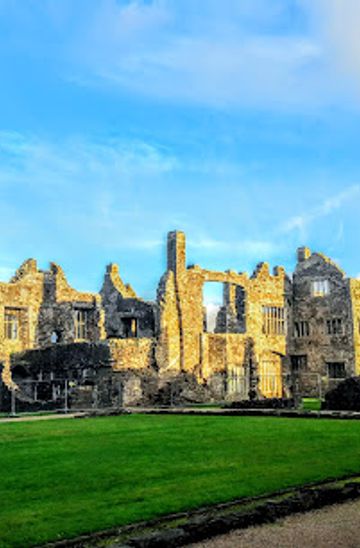
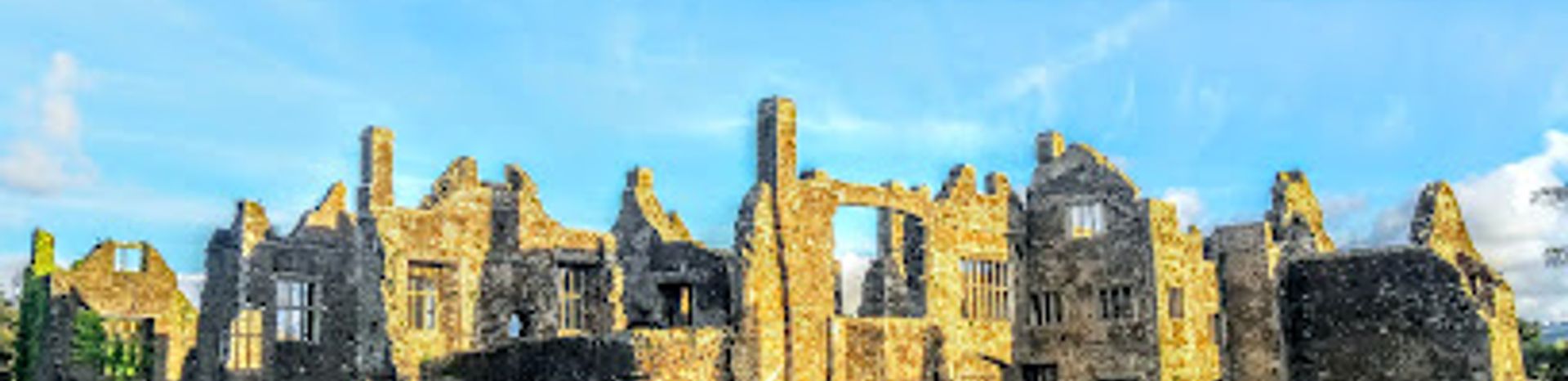
Neath Abbey, founded in 1130 by Norman knight Sir Richard de Granville, stands as one of South Wales' most significant monastic ruins. Once a wealthy Cistercian monastery housing about 50 monks and numerous lay brothers, it later transformed through industrial use, including copper smelting and ironworks. Today, visitors explore its expansive ruins, including cloisters and chapter house, amidst tranquil grounds with free entry and accessible pathways.
A brief summary to Neath Abbey
- Monastery Rd, Neath, Neath Abbey, SA10 7DW, GB
- Click to display
- Click to display
- Duration: 1 to 2 hours
- Free
-
 Outdoor
- Mobile reception: 4 out of 5
- Monday 10 am-4 pm
- Tuesday 10 am-4 pm
- Wednesday 10 am-4 pm
- Thursday 10 am-4 pm
- Friday 10 am-4 pm
- Saturday 10 am-4 pm
- Sunday 10 am-4 pm

Know before you go
Hi, I'm Eve. Here are a few practical things to know before exploring Neath Abbey.
- Entry to Neath Abbey is free, making it an easy and budget-friendly historical visit.
- Wear comfortable, sturdy shoes as the terrain includes uneven gravel paths and some dips.
- Dogs on short leads are welcome on the ground floor levels, so you can bring your pet along.
- Visit on weekday mornings for a quieter experience and peaceful exploration of the ruins.
- Be mindful that there are no dedicated disabled parking spaces and no restrooms onsite.
Do you manage this location?
Take control to get all the benefits, like improved information, better appearance, and stronger visibility across AI-powered discovery. Learn more
Activate your presence


Getting There
-
Car
Driving from Neath town center takes about 5-10 minutes via the A465. Limited parking is available near the abbey with space for approximately four cars. No dedicated disabled parking is provided. Parking is free.
-
Bus
Local bus services connect Neath town with stops near Monastery Road, approximately a 15-minute walk from the abbey. Service frequency varies, so check local timetables. A single ticket costs around £2-£4.
-
Bicycle
Cyclists can access Neath Abbey via National Cycle Network Route 47, about 1.6 km from the abbey. Bike parking is available nearby. The route is mostly flat and suitable for casual riders.
-
Walking
From Neath town center, walking to Neath Abbey takes approximately 25-30 minutes on mostly flat terrain along accessible paths. Suitable for most fitness levels but not recommended for wheelchairs due to uneven ground.
For the on-the-go comforts that matter to you
-
 Information Boards
-
 Seating Areas
-
 Trash Bins
Discover more about Neath Abbey
Origins and Monastic Grandeur
Neath Abbey was established in 1130 by Sir Richard de Granville, a Norman knight, marking it as a vital religious institution in medieval Wales. It grew steadily to become one of the wealthiest abbeys in the region by the late 13th century. Housing around 50 monks and a larger number of lay brothers, the abbey was not only a spiritual center but also a hub of economic activity, with its inhabitants engaged in agriculture and possibly early coal mining to support domestic needs.Architectural Footprint and Surviving Ruins
The abbey’s layout remains remarkably intact, allowing visitors to visualize its original scale and function. Key surviving structures include the cloisters, chapter house, and refectory, which reflect the austere yet purposeful Cistercian architectural style. The ruins spread across a level site with gravel paths, making exploration accessible and immersive. The site’s preservation offers a tangible connection to the monastic life that once thrived here.Industrial Transformation and Preservation
In a dramatic shift during the Industrial Revolution, Neath Abbey was repurposed as a copper smelting plant, complete with furnaces, workshops, and workers’ housing. Adjacent ironworks further industrialized the area. Despite this heavy industrial use, the abbey’s ruins survived, preserving its historical essence amid the encroaching factories. This dual legacy of religious significance and industrial heritage makes Neath Abbey uniquely compelling.Visitor Experience and Surroundings
Visitors today enjoy free access to the site daily from 10am to 4pm, except on major holidays. The terrain is mostly flat with some gentle dips, and dogs on short leads are welcome on the ground floor levels. A small car park nearby accommodates a few vehicles, though there are no dedicated disabled parking spaces. The peaceful atmosphere invites reflection and exploration, enhanced by the proximity to the canal and riverbank, which can be reached via a small bridge.Historical and Cultural Significance
Neath Abbey stands alongside Llanthony Priory and Tintern Abbey as one of South Wales' premier monastic ruins, symbolizing centuries of religious devotion and community life. Its survival through industrialization and modern times highlights the resilience of Welsh heritage. The abbey is a testament to the region’s layered history, from medieval spirituality to industrial might.Practical Information for Visitors
Entry is free, making it an accessible destination for all. The site is open year-round, with last admissions 30 minutes before closing. While there are no onsite restrooms, nearby amenities in Neath town provide additional options. Visitors are advised to wear sturdy footwear due to uneven ground and to respect the no-smoking policy. Informative boards enrich the visit with historical context, and the site’s relatively level paths ensure a comfortable visit for most.Explore the best of what Neath Abbey has to offer















More about West Glamorgan
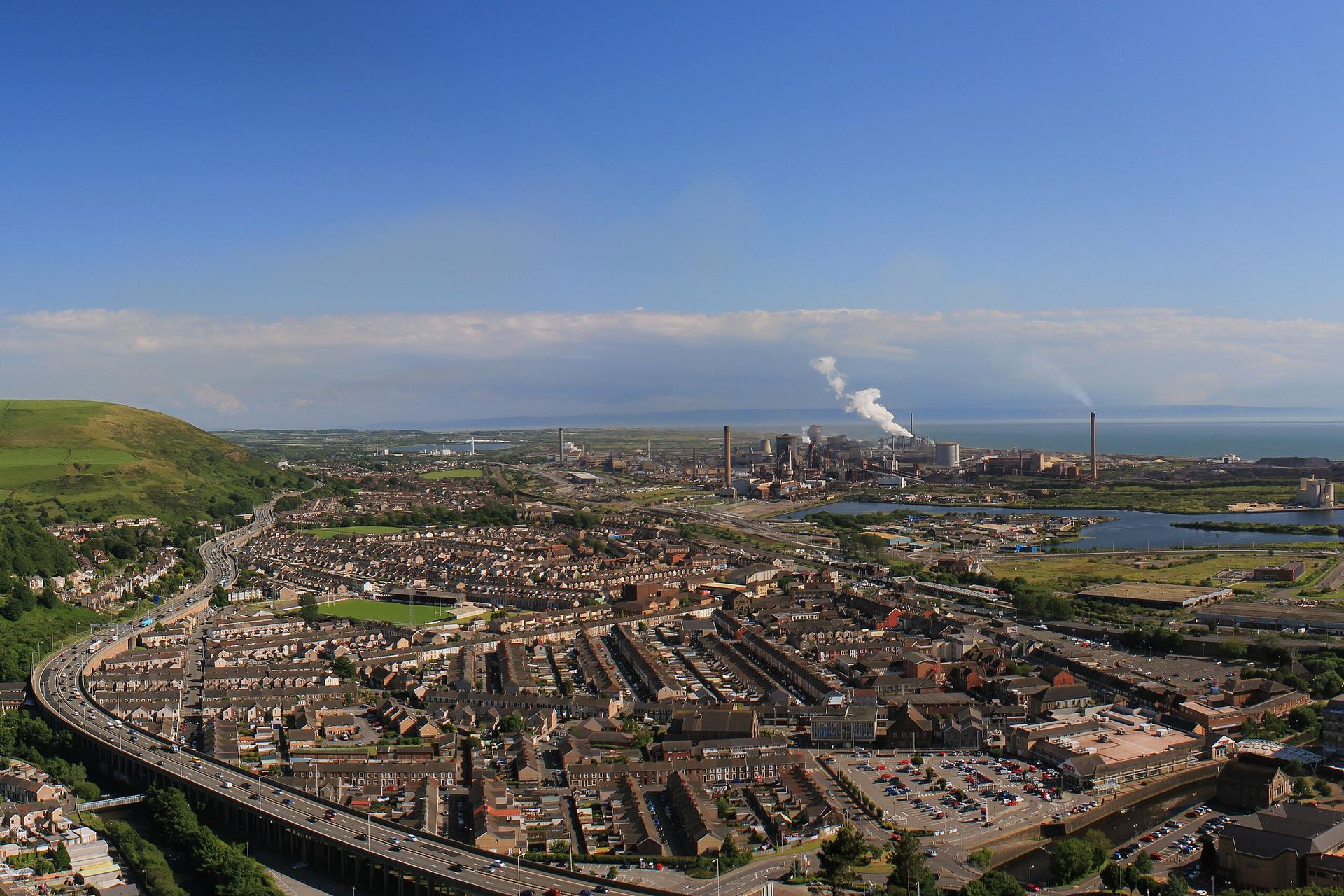
Discover West Glamorgan: Wales’ hidden gem with stunning coastlines, historic landmarks, and vibrant city life in Swansea. An ideal mix of nature, culture, and history.
Tell me more about West Glamorgan
A pioneering industrial and innovation hub in Neath, blending green energy, cutting-edge research, and sustainable business growth.
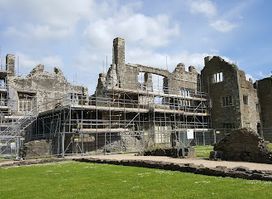
Explore the atmospheric ruins of Neath Abbey, a majestic 12th-century Cistercian monastery steeped in history and industrial heritage.