
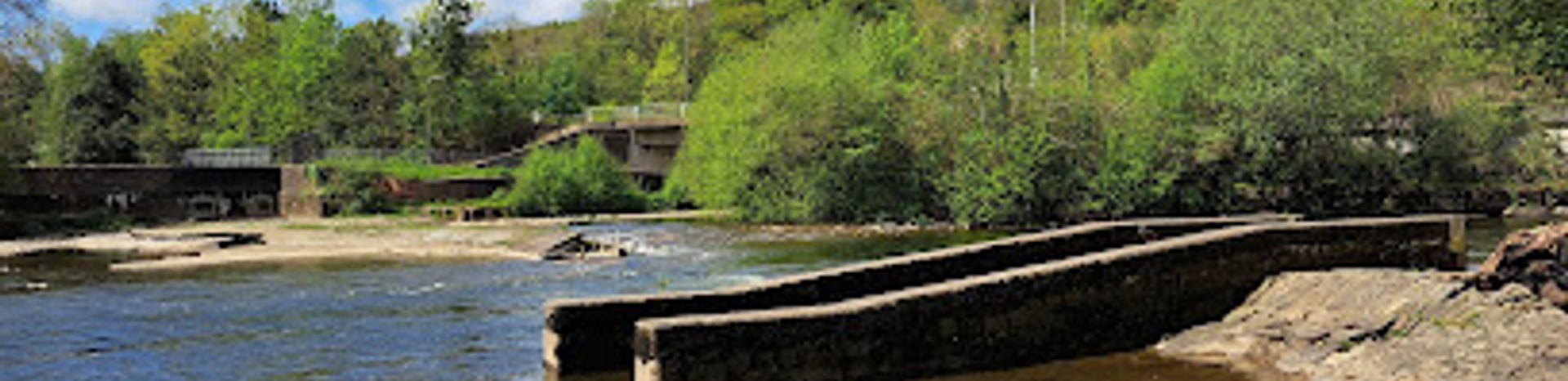
Aberdulais Aqueduct: Historic Canal Crossing in Neath
Historic 19th-century canal aqueduct in Neath blending industrial heritage with scenic riverside walks and nature.
The Aberdulais Aqueduct is a historic canal aqueduct in Neath, South Wales, completed in 1824 to carry the Tennant Canal over the River Neath. Featuring eleven low arches and a stone parapet, it is a key industrial heritage landmark linking the Neath and Tennant canals. The aqueduct offers scenic views and a tranquil setting for walking and photography, blending natural beauty with engineering history.
A brief summary to Aberdulais Aqueduct
- Station Rd, Neath, Tonna, SA10 8EP, GB
- Visit website
- Duration: 0.5 to 2 hours
- Free
-
 Outdoor
- Mobile reception: 4 out of 5
- Monday 12 am-11 pm
- Tuesday 12 am-11 pm
- Wednesday 12 am-11 pm
- Thursday 12 am-11 pm
- Friday 12 am-11 pm
- Saturday 12 am-11 pm
- Sunday 12 am-11 pm
Local tips
- Visit during daylight hours to fully appreciate the aqueduct’s architectural details and surrounding natural beauty.
- Combine your visit with a walk along the Tennant Canal towpath for tranquil riverside scenery and wildlife spotting.
- Bring a camera to capture the aqueduct’s elegant arches and the nearby Aberdulais Falls for memorable photos.
- Wear sturdy footwear as some paths near the aqueduct may be uneven or muddy, especially after rain.

For the on-the-go comforts that matter to you
- Restrooms
- Information Boards
- Seating Areas
- Trash Bins
Getting There
-
Bus
Take local bus services from Neath town center to Tonna or Aberdulais area, with journey times around 15-25 minutes. Buses run regularly but check schedules for frequency. Walking from the bus stop to the aqueduct involves a short 10-15 minute stroll on mostly flat terrain.
-
Car
Drive from Neath town center to Aberdulais Aqueduct via Station Road, approximately 10 minutes. Limited parking is available near the site. Note that parking spaces can be restricted on busy days; some roads may be narrow.
-
Walking
For active visitors, a pleasant 45-minute walk along the Tennant Canal towpath from Neath town center offers scenic views and easy terrain. Paths are mostly flat but can be muddy after rain, so suitable footwear is recommended.
Aberdulais Aqueduct location weather suitability
-
 Any Weather
-
 Rain / Wet Weather
-
 Clear Skies
-
 Mild Temperatures
Discover more about Aberdulais Aqueduct
Engineering Marvel of the Industrial Era
The Aberdulais Aqueduct, completed in 1824, is a significant feat of early 19th-century engineering. It was constructed to carry the Tennant Canal over the River Neath, joining it with the Neath Canal. The aqueduct spans just over 100 meters and features eleven low arches made from stone, showcasing the durable and functional design typical of the period. Originally, a towpath ran along the downstream side, protected by a stone parapet, though much of this parapet has been lost to flooding over time.Industrial Heritage and Canal Network
This aqueduct is a vital link in the Swansea Bay Inland Waterway system and played a crucial role in the industrial development of South Wales. The Tennant Canal itself was engineered to connect Swansea’s River Tawe with the River Neath, facilitating the transport of goods and raw materials during the height of the region’s industrial activity. Though boats ceased navigation on the Tennant Canal in 1934, the aqueduct remains largely intact, preserved as a testament to the area's industrial past.Natural Setting and Scenic Appeal
Situated near the powerful Aberdulais Falls, the aqueduct lies within a picturesque landscape of rivers and woodland. The surrounding area offers peaceful walking paths along the canal towpath and opportunities for nature observation, including sightings of local bird species such as kingfishers and kestrels. The blend of natural beauty and historic infrastructure creates a unique atmosphere that appeals to photographers and outdoor enthusiasts alike.Conservation and Environmental Importance
The Tennant Canal and its environs are recognized for their ecological value, designated as a Site of Importance for Nature Conservation. The canal supports diverse wetland habitats and wildlife, including protected species. Preservation efforts focus not only on maintaining the aqueduct and canal infrastructure but also on protecting the surrounding natural environment, ensuring a sustainable balance between heritage and nature.Visitor Experience and Activities
Visitors to Aberdulais Aqueduct can enjoy leisurely walks along the canal towpath, taking in views of the aqueduct’s arches and the flowing river below. The site is well-suited for photography, offering striking contrasts between the stonework and the lush greenery. Nearby, the Aberdulais Falls and Tin Works add historical context and additional points of interest, enriching the visitor experience with industrial archaeology and natural spectacle.Legacy and Cultural Significance
The aqueduct stands as a symbol of the region’s rich industrial heritage, reflecting the ingenuity and ambition of early canal engineers. It is part of a broader narrative that includes water-powered industry, canal transportation, and the transformation of South Wales during the Industrial Revolution. Today, it remains a cherished landmark that connects visitors to the past while providing a serene environment for reflection and exploration.Iconic landmarks you can’t miss

Tours of Wales
3.9 km
Discover Wales’ rich history and stunning landscapes on small-group, expertly guided day tours with Tours of Wales.
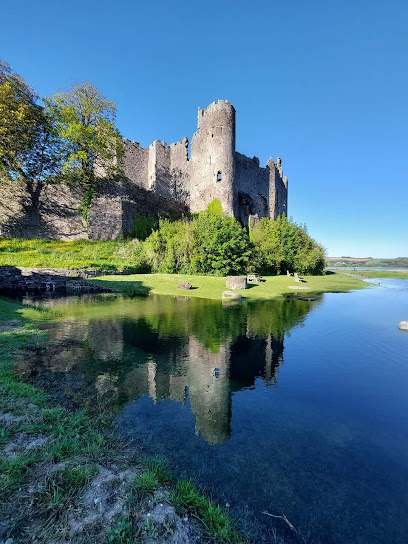
Premier Inn Swansea Waterfront hotel
12.4 km
Modern comfort and scenic marina views combine at Premier Inn Swansea Waterfront, your gateway to Swansea’s vibrant coastal charm.
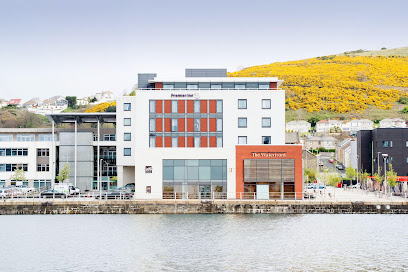
Y Bwlwarcau
12.6 km
Explore Y Bwlwarcau, a serene Iron Age hillfort nestled on Mynydd Margam’s slopes, revealing ancient Welsh heritage amidst tranquil countryside.

Cathedral Church of Saint Joseph (Eglwys Gadeirlan Siôseff Sant)
12.6 km
A majestic Gothic Revival cathedral in Swansea, symbolizing faith, history, and community since 1888.
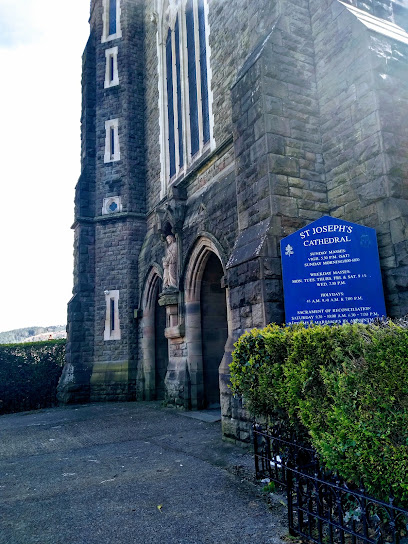
Premier Inn Swansea City Centre hotel
13.0 km
Comfortable city-centre hotel on vibrant Wind Street, with spacious rooms, tasty dining, and easy access to Swansea’s cultural and coastal highlights.
Cwtsh Hostel
13.1 km
Modern, friendly, and centrally located hostel offering comfortable stays and social spaces in the vibrant heart of Swansea.
Delta Hotels Swansea
13.7 km
Stylish waterfront hotel in Swansea’s Maritime Quarter with modern comforts, stunning bay views, and versatile event spaces.
Glamorgan History Society
17.3 km
Explore Glamorgan’s rich history through dedicated research, publications, and community events at the heart of Swansea’s heritage.
WWT Llanelli Wetland Centre
24.1 km
Experience the beauty of nature at WWT Llanelli Wetland Centre, a premier destination for wildlife enthusiasts and bird watchers in Llanelli, Wales.
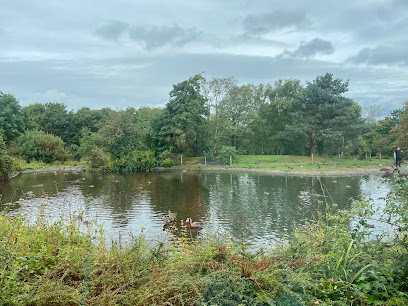
Cadair Fawr
24.2 km
Explore Cadair Fawr, a breathtaking mountain in Merthyr Tydfil, offering stunning views, diverse wildlife, and unforgettable outdoor adventures.
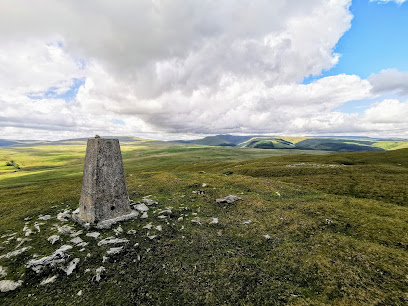
Ogmore Castle
24.8 km
Discover the medieval charm and natural beauty of Ogmore Castle, a must-visit historical site in the Vale of Glamorgan.
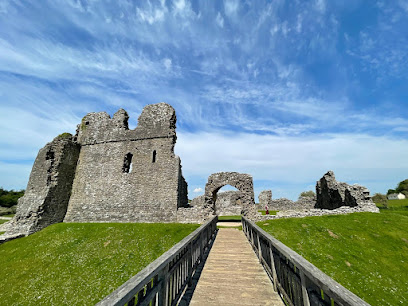
Maen Llia
25.0 km
Explore Maen Llia, a stunning historical landmark in the Brecon Beacons, where nature and ancient history blend beautifully.
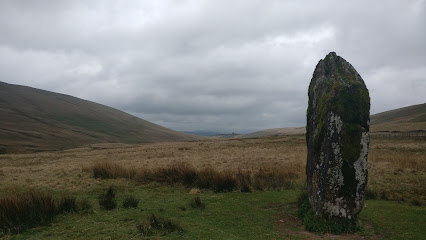
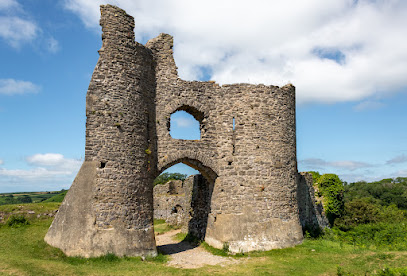
Pennard Castle
25.2 km
Explore the historic Pennard Castle, a breathtaking ruin on Gower Peninsula offering stunning views and a glimpse into Wales' rich heritage.
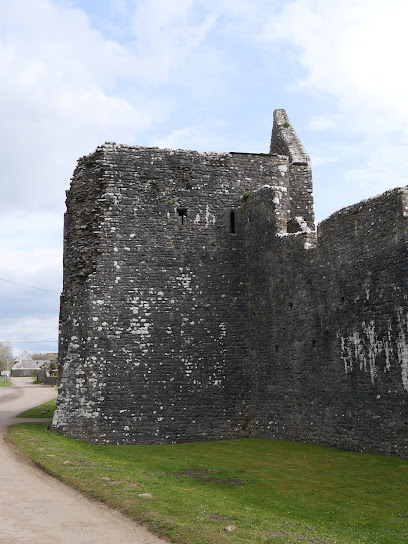
Ewenny Priory
25.6 km
Explore the captivating history and serene beauty of Ewenny Priory, a must-visit landmark in Bridgend, Wales, perfect for history lovers and couples alike.
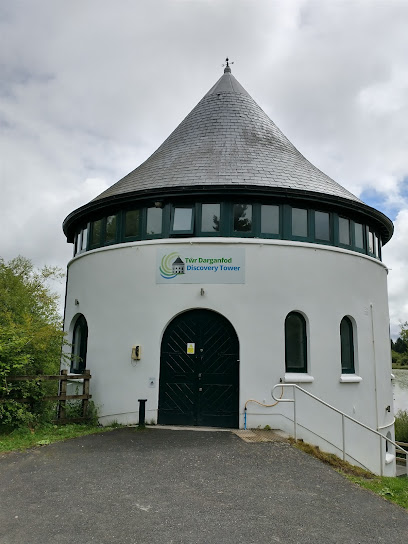
Llyn Llech Owain Country Park
25.9 km
Explore the breathtaking landscapes and peaceful ambiance of Llyn Llech Owain Country Park, a must-visit natural retreat in Carmarthenshire, Wales.
Unmissable attractions to see

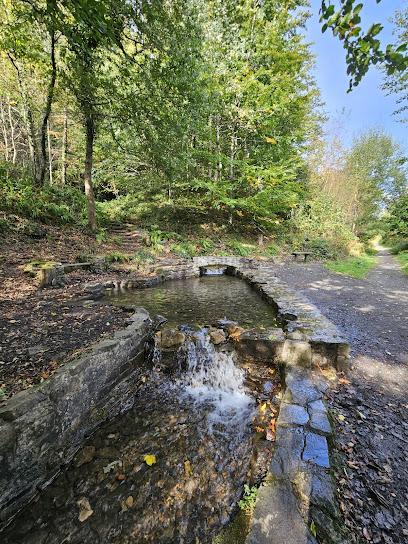
Craig Gwladys Country Park
0.6 km
A tranquil woodland retreat blending rich coal mining heritage with scenic valley views and extensive walking trails near Neath.
Gnoll Country Park
1.8 km
Explore 240 acres of historic woodlands, lakes, and family-friendly trails at Gnoll Country Park, a tranquil natural escape near Neath.
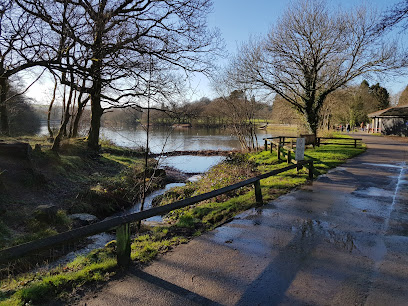
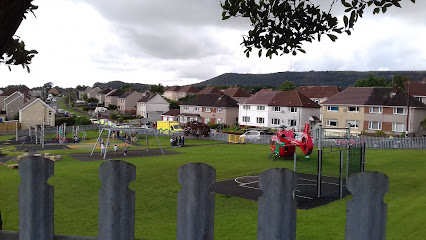
Caewern Park
2.5 km
A vibrant, family-friendly park in Neath offering inclusive playgrounds, scenic nature, and a peaceful community atmosphere.
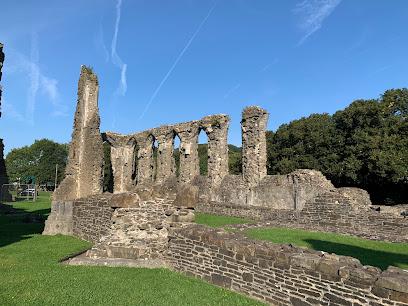
Neath Abbey
4.0 km
Explore the majestic ruins of Neath Abbey, Wales’ grand medieval monastery rich in history, royal tales, and industrial heritage.
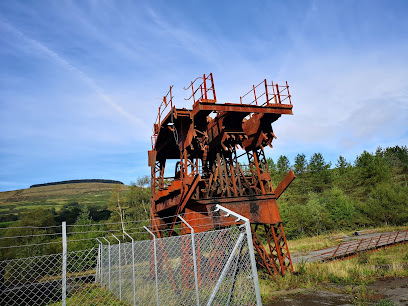
Cefn Coed Colliery Museum
4.1 km
Explore the depths of Welsh coal mining history at Cefn Coed Colliery Museum, home to a majestic steam winding engine and rich cultural heritage.
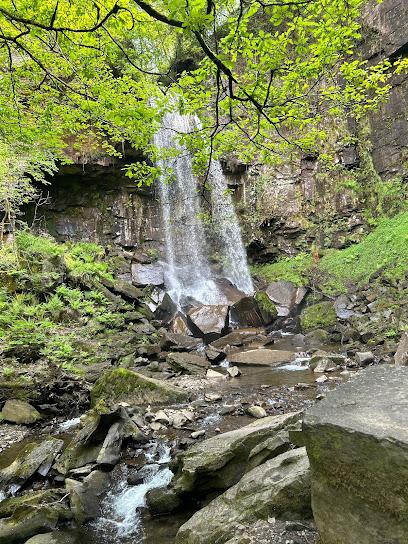
Melincourt Falls
5.8 km
Discover the historic and scenic Melincourt Falls, an inspiring 24-meter waterfall set in a lush Welsh woodland gorge.
Glantawe Riverside Park
6.7 km
A peaceful riverside park in Pontardawe offering scenic walks, family-friendly green spaces, and a tranquil retreat along the River Tawe.
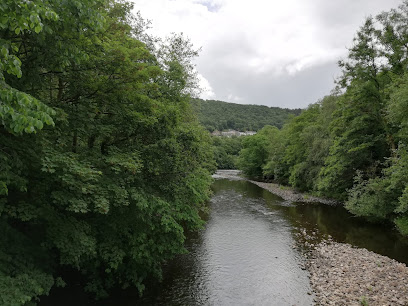
Dramatic Heart of Wales
7.0 km
A pioneering industrial and innovation hub in Neath, blending green energy, cutting-edge research, and sustainable business growth.
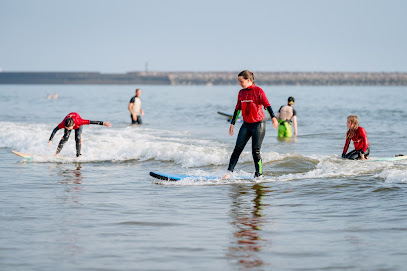
Hawk Adventures
8.0 km
Experience bespoke outdoor adventures in South Wales’ stunning Brecon Beacons with Hawk Adventures—where safety, thrill, and nature unite.
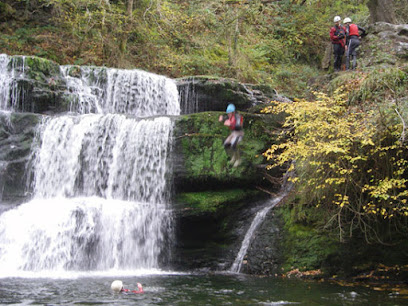
Afan Forest Park
8.6 km
Explore world-class mountain biking and scenic trails in the lush Afan Forest Park, a vibrant outdoor adventure hub in South Wales.
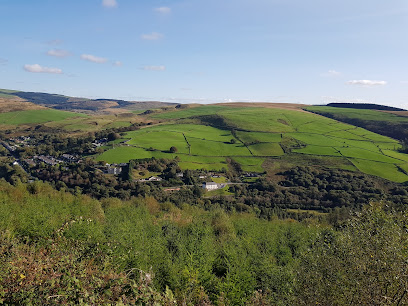
RSPB Cwm Clydach
9.5 km
A serene woodland retreat near Swansea, rich in birdlife and scenic river trails, perfect for nature lovers and peaceful walks.
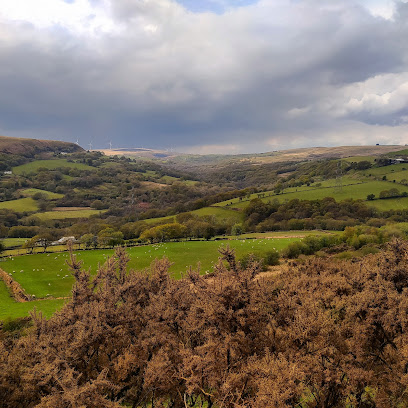
1940s Swansea
9.8 km
Step back into wartime Swansea at 1940s Swansea, where history and nature meet in the evocative Crymlyn Burrows landscape.
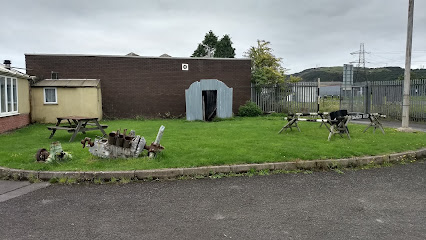
Aberavon Beach
10.1 km
A three-mile sandy beach with vibrant family attractions, watersports, and stunning Bristol Channel views in Port Talbot.
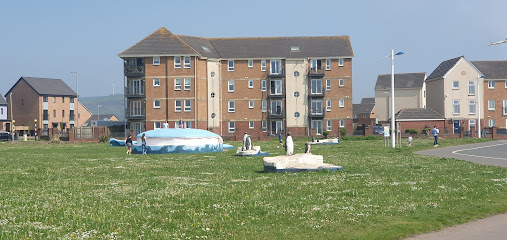
Dylan Thomas Centre
12.8 km
Explore the life and legacy of Dylan Thomas at Swansea’s vibrant cultural centre with free entry and engaging exhibits.
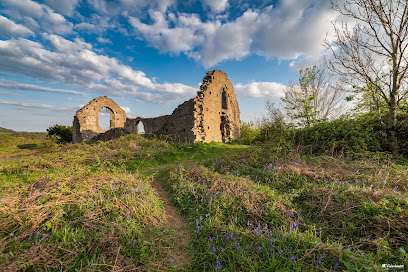
Capel Mair
13.1 km
Discover the evocative ruins of Capel Mair, a 14th-century chapel with stunning views and deep ties to Margam Abbey’s monastic heritage.
Essential places to dine

The Welsh House
2.6 km
Experience authentic Welsh flavors and warm hospitality in a cozy Neath setting with a charming beer garden and locally sourced dishes.
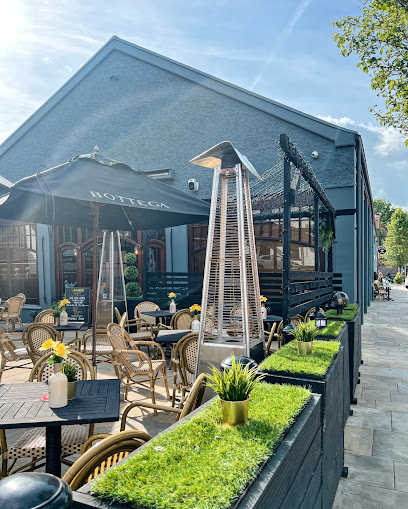
The Coach House
3.6 km
Historic charm and scenic gardens combine at The Coach House, Neath’s premier wedding venue and steakhouse restaurant.
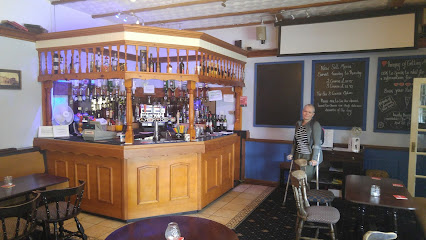
The Colliers Arms
4.2 km
Discover the charm of The Colliers Arms – where delicious food meets friendly faces in Port Talbot's welcoming atmosphere.
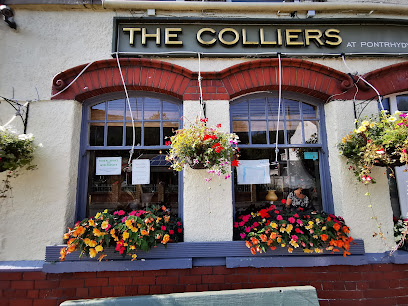
T Bones
4.3 km
Rustic British dining with hearty portions and warm service at a charming farm location in Pontrhydyfen, Port Talbot.
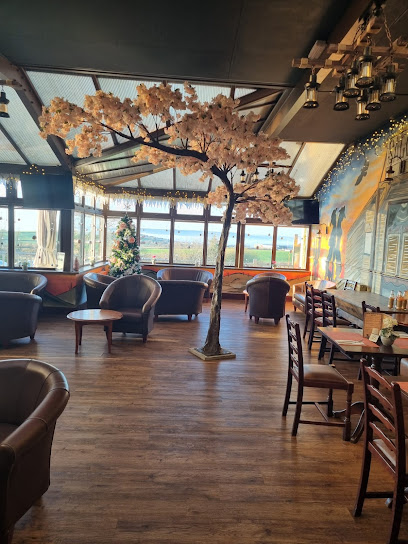
The Travellers Well
5.7 km
Cozy pub in Skewen offering great food, live music, and a friendly atmosphere for casual dining and special events.
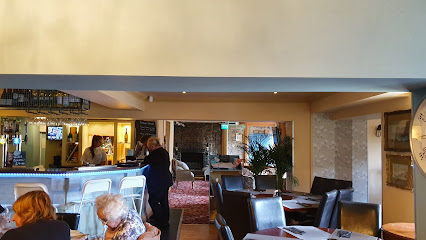
Harvester Llandarcy Neath
6.2 km
A family-friendly British bar & grill near the M4, offering hearty meals, a free salad bar, and casual dining in Neath’s Llandarcy.
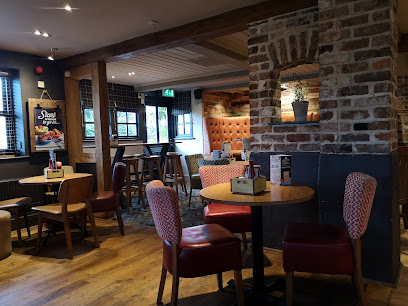
Afan Tavern
7.3 km
Experience delightful grilled cuisine and warm Welsh hospitality at Afan Tavern in Cwmafan - perfect for budget-friendly dining!
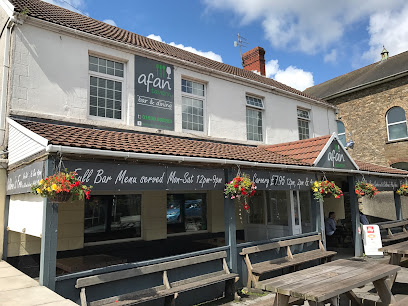
Bagle Brook Beefeater
7.4 km
Family-friendly Beefeater steakhouse in Port Talbot offering classic British and American dishes with vegan options and lively weekend vibes.
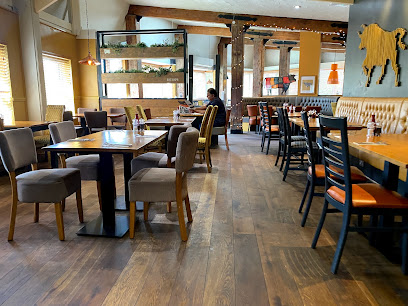
The Front
10.0 km
Enjoy fresh seafood and classic British dishes with friendly service in a relaxed seaside setting on Port Talbot’s Princess Margaret Way.
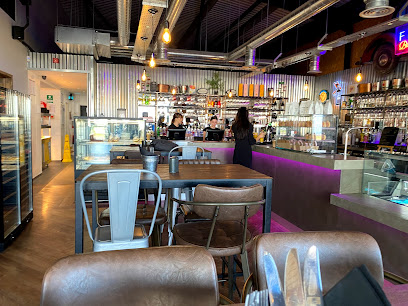
Carnivore By The Mine
11.3 km
A cozy meat-lover’s haven in Neath, blending hearty dishes with heartfelt mining heritage and warm local charm.
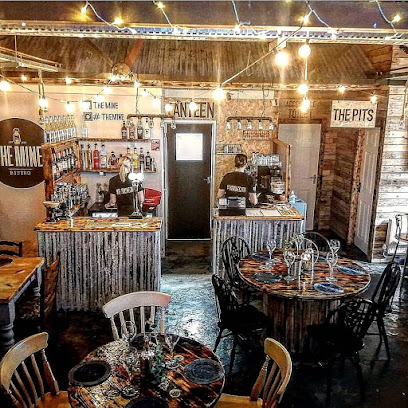
The River House
12.6 km
Scenic waterfront dining with seasonal modern European cuisine and award-winning cocktails in Swansea’s vibrant SA1 district.
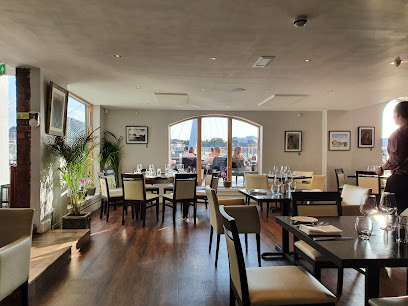
Morgans Restaurant
13.0 km
Elegant European dining and refined bar experiences in a historic Swansea hotel near the marina and city centre.
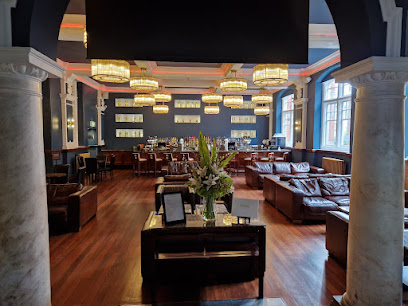
Abercrave Inn
14.5 km
A rustic Welsh country inn offering hearty home-cooked meals, cozy charm, and a peaceful rural retreat in Abercraf.
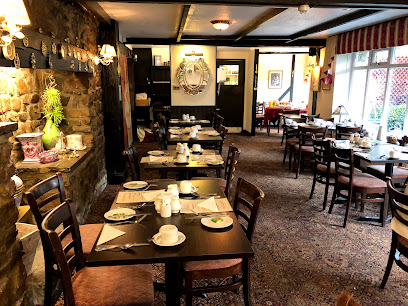
Lezzet Authentic Restaurant
14.6 km
Experience authentic Turkish cuisine in a bright, welcoming setting with expertly crafted dishes and attentive service in Swansea.
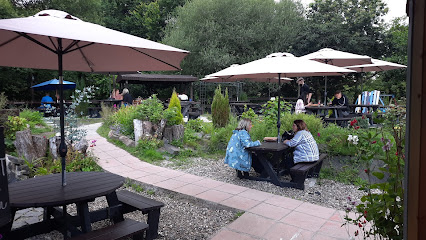
The Secret Beach Bar & Kitchen
15.1 km
A vibrant modern British beachside bar and kitchen with stunning Swansea Bay views and a welcoming, dog-friendly atmosphere.
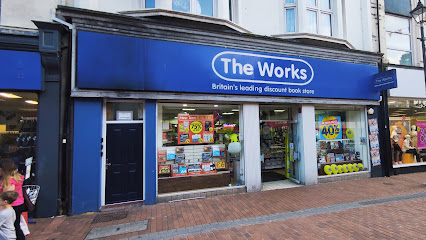
Markets, malls and hidden boutiques

The Works
2.7 km
Explore The Works in Neath for a unique shopping experience filled with books, art supplies, and delightful gifts for all ages.
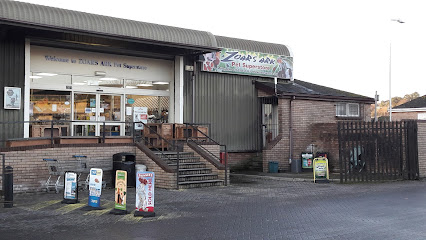
Zoar's Ark Pet Superstore
2.7 km
Family-run since 1949, Zoar's Ark Pet Superstore offers expert pet care, equestrian supplies, and country living essentials in a welcoming Neath setting.
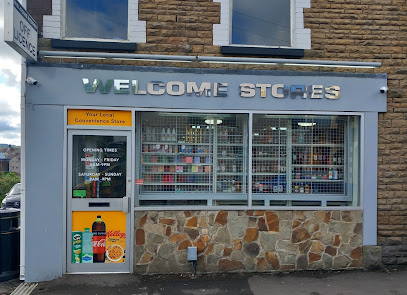
Welcome Stores - Skewen
5.0 km
Discover Skewen’s friendly local supermarket offering fresh essentials, Welsh treats, and a welcoming community atmosphere.
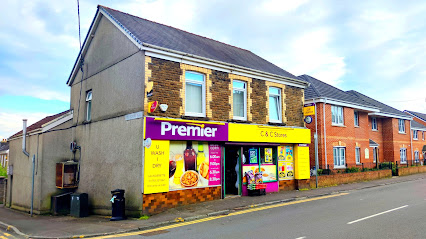
C & C Stores
5.1 km
A welcoming family-run supermarket in Skewen offering fresh local products and everyday essentials with friendly service.
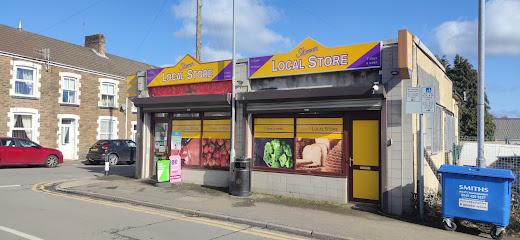
Skewen Local Store
5.2 km
Experience local shopping at Skewen Local Store, where fresh produce meets friendly service, perfect for all your grocery needs during your visit.
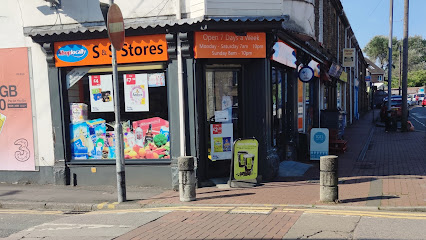
S & S Stores Skewen
5.5 km
A welcoming local supermarket in Skewen offering groceries, confectionery, and soft drinks with friendly service and convenient hours.
The Aloe Shop
6.5 km
Natural wellness products and organic beauty essentials in Swansea's Birchgrove neighborhood.
SPAR - Park Avenue
6.7 km
Discover convenience at SPAR - Park Avenue, your essential stop for snacks, local products, and travel supplies in Port Talbot.
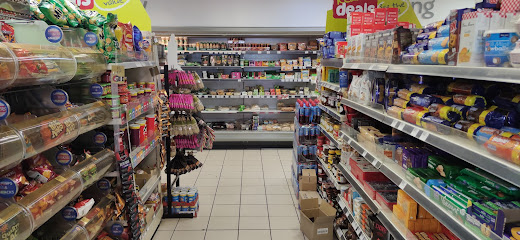
Birchgrove Convenience Store
6.7 km
Discover the local charm and convenience at Birchgrove Convenience Store, your one-stop shop in Swansea for all essentials and delights.
Premier
6.8 km
Discover convenience and quality at Premier Convenience Store in Birchgrove, Swansea, offering an array of essentials for every traveler.

Birchgrove Supermarket & Birchgrove Post office
6.8 km
Experience the charm of Birchgrove Supermarket & Post Office, your local stop for groceries and community vibes in Swansea.
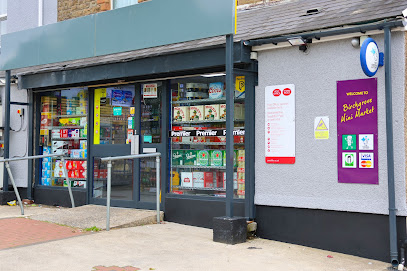
Lush and Tidy
6.9 km
Explore Lush and Tidy, a charming gift shop in Skewen offering unique treasures and local artistry for every traveler.
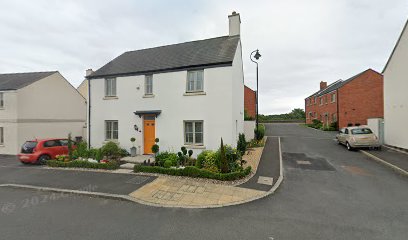
Pooja Stores
6.9 km
Discover the charm of Pooja Stores in Birchgrove, Swansea - your go-to convenience store for quick shopping and local flavors.
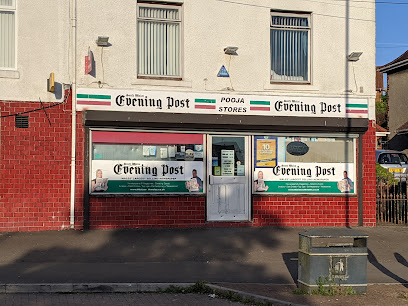
CK's Supermarket
7.0 km
A friendly, well-stocked local supermarket in Birchgrove, Swansea, open long hours for your everyday grocery needs.

Nisa Local
7.0 km
Discover Nisa Local in Birchgrove, Swansea - your go-to convenience store for local goods and friendly service during your travels.

Essential bars & hidden hideouts

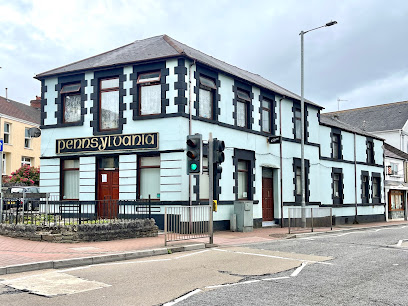
The Pennsylvania
3.4 km
A welcoming traditional pub on Briton Ferry Road, The Pennsylvania offers a classic Welsh community gathering spot with a friendly and relaxed atmosphere.
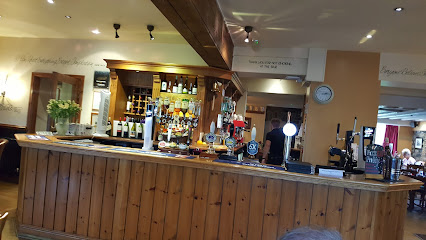
The Dyffryn Arms
3.5 km
A classic Welsh pub in Neath offering hearty meals, warm hospitality, and a welcoming atmosphere for locals and visitors alike.
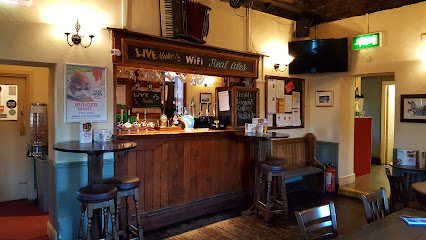
Pontardawe Inn
6.6 km
Lively, dog-friendly pub in Pontardawe offering hearty food, real ales, live music, and a warm Welsh welcome in a cozy setting.
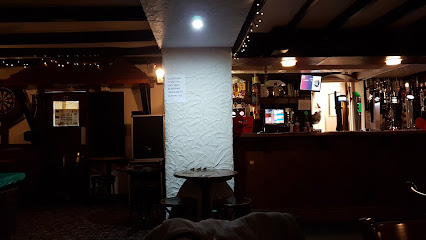
The Bridgend Inn
6.7 km
A traditional Swansea pub offering hearty fare, friendly vibes, and a lively social scene in Birchgrove.
Bowens Arms
6.8 km
A friendly and affordable pub in Birchgrove offering hearty meals, quality ales, and a welcoming local atmosphere in Swansea.
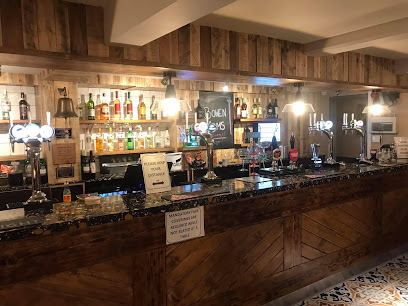
The Globe Inn
7.0 km
A welcoming village pub and restaurant in Glais, Swansea, serving classic dishes with a friendly atmosphere and affordable prices.
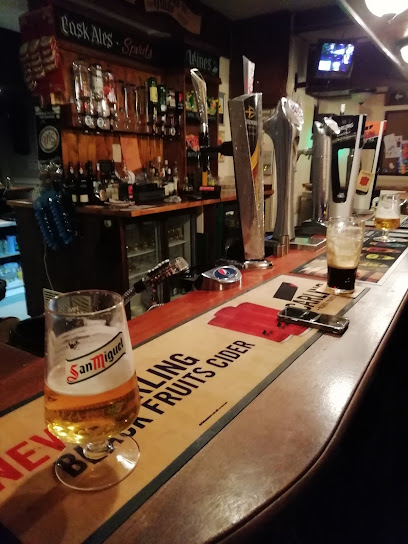
The Tyn
7.1 km
A charming Baglan pub blending Welsh hospitality, local ales, and lively events in a cozy setting with a popular beer garden.
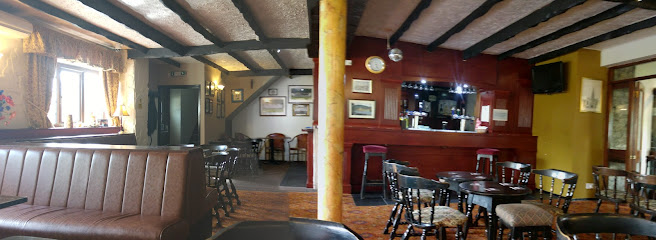
Village Tavern
8.2 km
A friendly and affordable local pub in Clydach, Swansea, offering classic British pub charm with good music and a welcoming atmosphere.
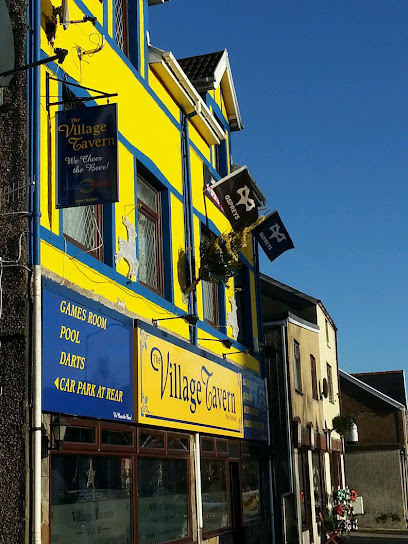
The Overdraft
8.4 km
A boutique cocktail bar in Clydach blending heritage charm with expertly crafted drinks and a warm, welcoming vibe.
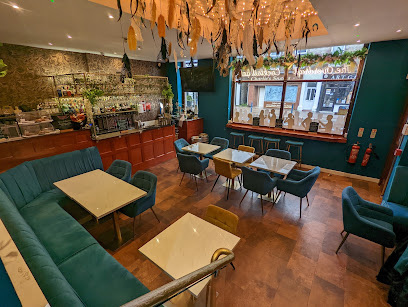
Bar 141 (The Smiths)
8.9 km
Lively bar and restaurant in Swansea Enterprise Park offering hearty meals, diverse cuisines, and a welcoming atmosphere for all.
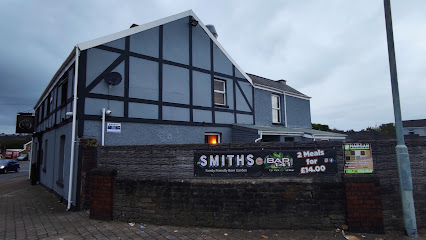
The Millers Arms
9.0 km
A cozy, dog-friendly pub in Ynystawe offering hearty homemade meals and a warm community atmosphere just outside Swansea.
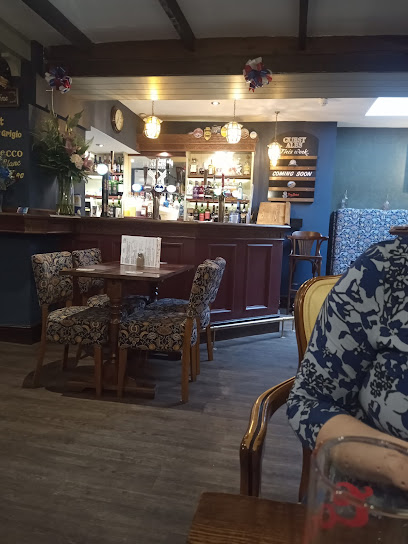
The Copper Pot
9.4 km
A friendly Swansea pub offering hearty meals, generous portions, and a relaxed atmosphere in the heart of Swansea Enterprise Park.
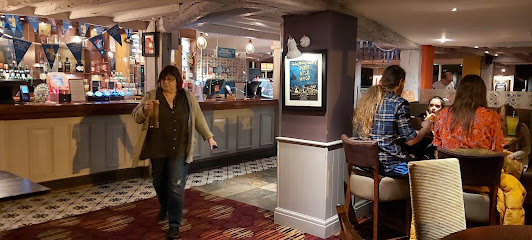
Tafarn Tawe
9.8 km
Lively and welcoming bar at Swansea University Bay Campus, perfect for drinks, events, and socializing in a vibrant student atmosphere.
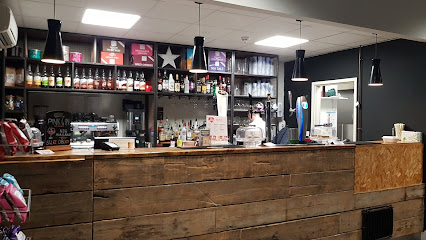
The Mason Arms
10.9 km
Experience authentic Welsh pub culture with warm hospitality and traditional charm at The Mason Arms in Swansea.
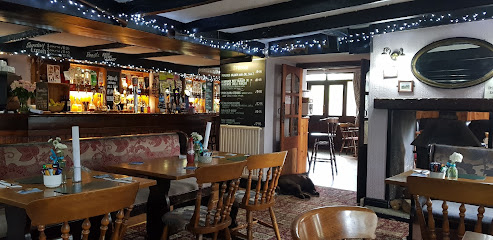
Ivorites Arms
11.8 km
Cozy Welsh pub in Swansea’s Plasmarl offering local ales, hearty food, and warm hospitality in a friendly, inviting atmosphere.
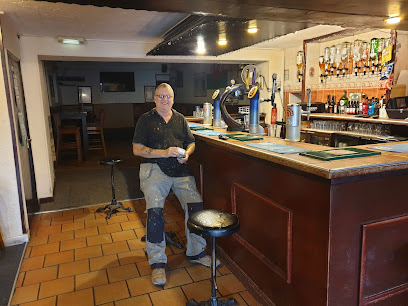
Nightclubs & after hour spots

The Arch Bar & Nightclub
2.9 km
A lively Neath hotspot blending nightclub energy, live music, pub charm, and Thai cuisine in one vibrant venue.
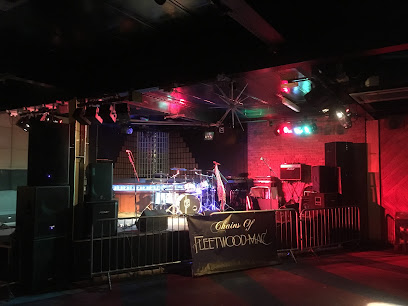
Jimmy's Bar
9.5 km
Experience the vibrant nightlife and live music scene at Jimmy's Bar, Port Talbot’s lively local hotspot with a welcoming atmosphere.
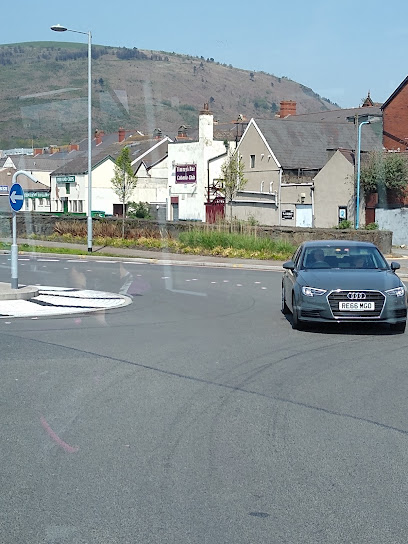
Popworld - Swansea
13.1 km
Experience Swansea’s energetic retro nightclub with affordable cocktails, themed events, and a lively dance floor in the heart of the city.

PlanB
13.5 km
Swansea’s energetic two-floor nightclub with a focus on dance music, lively DJs, and great drink deals for a night to remember.

Cuba Escape
13.5 km
Experience Swansea’s vibrant nightlife at Cuba Escape, where live music, energetic crowds, and a colorful atmosphere come together for unforgettable nights.

Sin City
13.7 km
Energetic Swansea nightclub with live music, affordable drinks, and a lively atmosphere on Dillwyn Street.
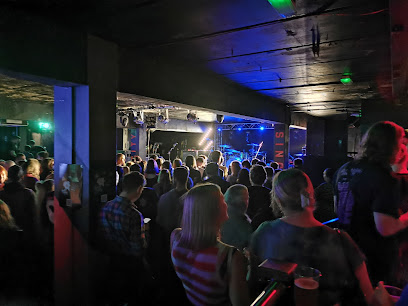
The Top Club
14.1 km
Experience Blaengarw’s vibrant nightlife at The Top Club, where electrifying entertainment meets community spirit in the heart of South Wales.
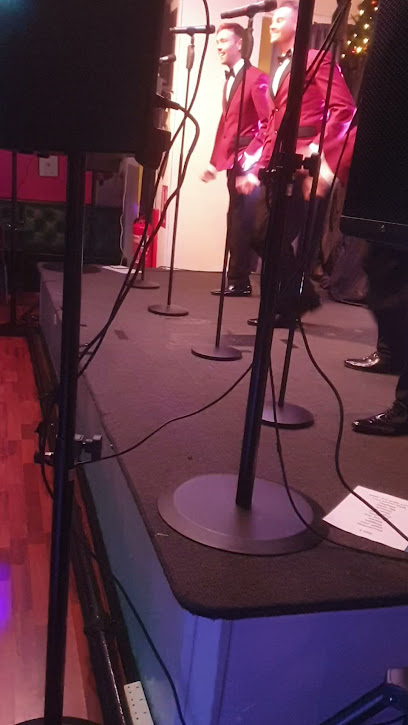
The Rainbow Rooms Bar & Club
17.9 km
Experience lively nights and vibrant music at The Rainbow Rooms Bar & Club, Gorseinon’s premier destination for unforgettable nightlife.
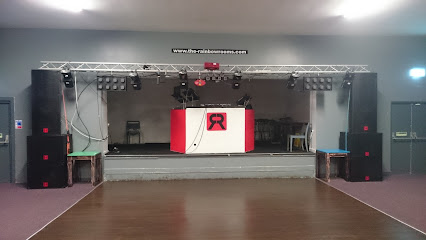
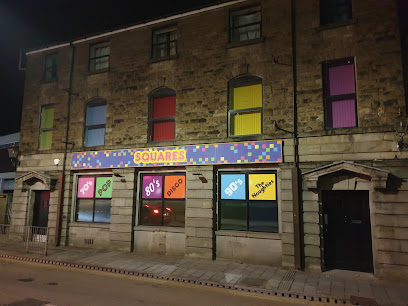
Squares Night club
26.4 km
Experience Porth’s vibrant nightlife at Squares Nightclub, where music, dance, and unforgettable evenings come alive every weekend.
The Kirkhouse Nightclub (Koolers)
28.1 km
Experience the vibrant and friendly nightlife of Merthyr Tydfil at The Kirkhouse Nightclub, known locally as Koolers.

Pure Bar & Nightclub Ltd
28.5 km
A lively nightclub and cocktail bar in Merthyr Tydfil offering vibrant music, crafted drinks, and late-night entertainment in South Wales.
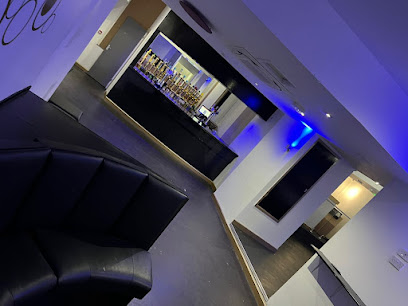
Eclipse Nightclub
32.5 km
Experience Pontypridd’s vibrant midweek nightlife at Eclipse Nightclub, where music, dancing, and community come alive every Wednesday night.

Brecon Working Mens Club
39.9 km
Experience authentic Welsh hospitality at Brecon Working Mens Club, where locals gather for drinks and camaraderie in a charming setting.
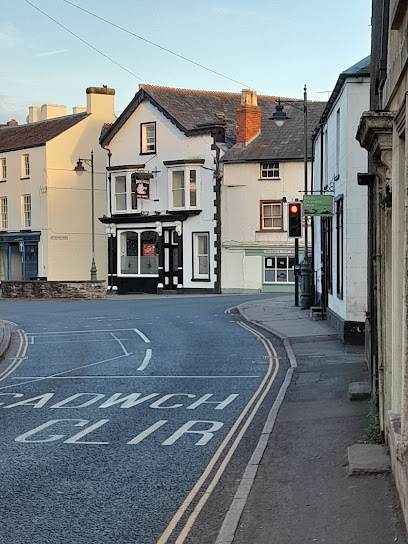
Northcote Conservative Club
39.9 km
Discover the lively ambiance of Northcote Conservative Club, Brecon's premier destination for nightlife, music, and local culture.
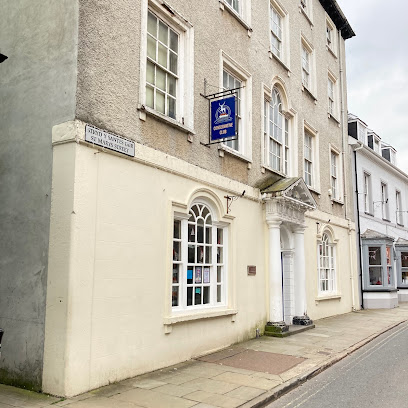
BRECON JAZZ
39.9 km
Experience the soulful sounds of Brecon Jazz, an intimate venue celebrating the rich heritage of jazz music in the heart of Wales.
For the vibe & atmosphere seeker
- Tranquil
- Scenic
- Relaxing
- Unique
For the design and aesthetic lover
- Rustic Designs
- Vintage Styles
For the architecture buff
- Historic
- Landmarks
For the view chaser and sunset hunter
- Iconic Views
- Waterfront
For the social media creator & influencer
- Instagrammable
- Photo Spots
For the eco-conscious traveler
- Protected Area
- Public-Transport Accessible
- Leave-No-Trace Critical
- Locally Managed
- Wildlife Habitat
For the kind of experience you’re after
- Cultural Heritage
- Photowalk
- Nature Escape
- Day Trip
- Weekend Getaway
For how adventurous you want the journey to be
- Easy Access
Location Audience
- Family Friendly
- Senior Friendly
- Child Friendly
- Teen Friendly
- Wheelchair Access
- Pet Friendly
- Solo Friendly
- Couple Friendly
- Solo Female Friendly


