
St Lythans Burial Chamber, Cardiff Travel Guide
Step back 6,000 years at St Lythans Burial Chamber, a mysterious Neolithic tomb nestled in the tranquil Welsh countryside near Cardiff.
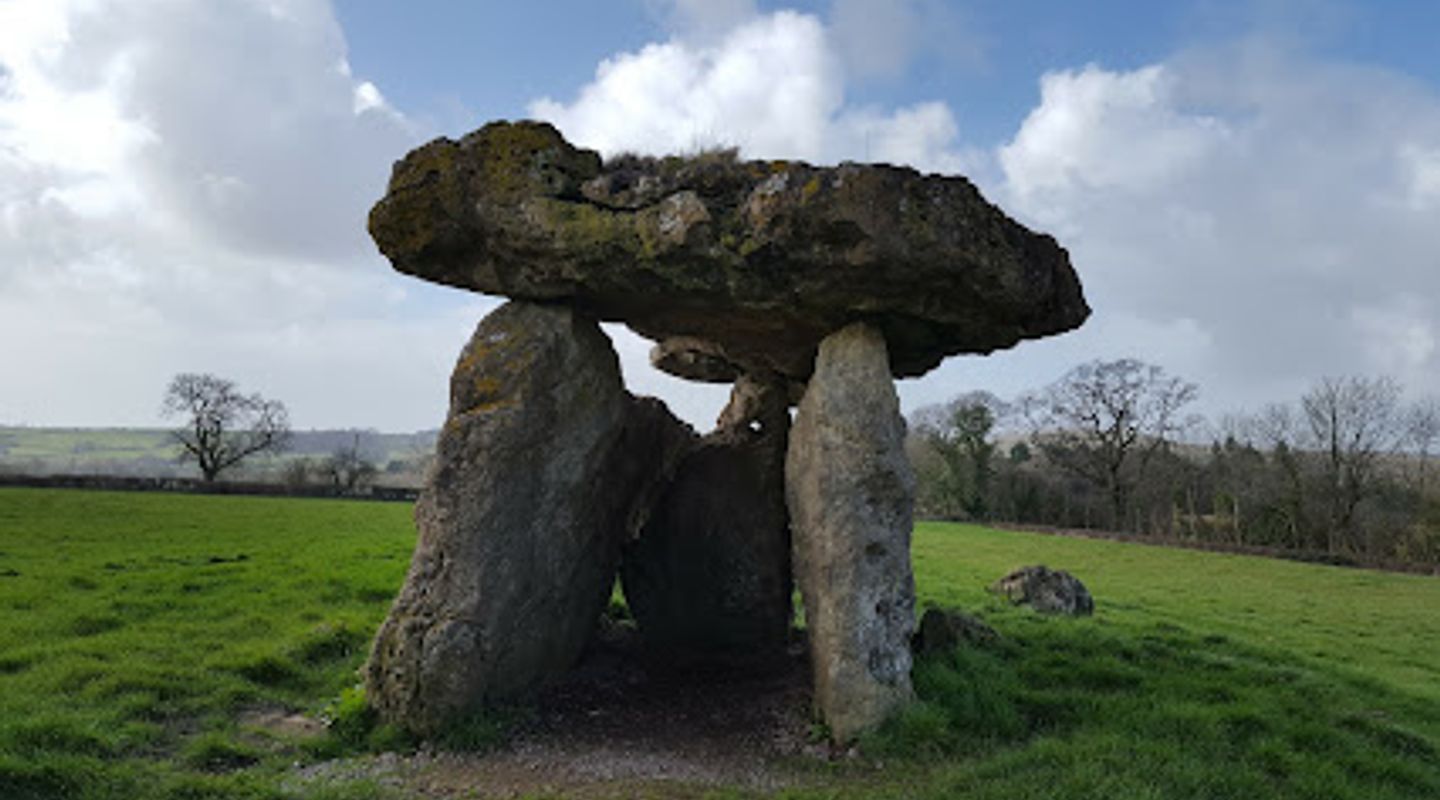
St Lythans Burial Chamber is a striking Neolithic tomb located near Cardiff, Wales. Dating back around 6,000 years, this chambered tomb features a massive capstone supported by three tall upright stones. Once covered by an earthen mound, the tomb now stands exposed in a peaceful field, inviting visitors to ponder its mysterious origins and ancient purpose. The site is accessible year-round during daylight hours and offers a glimpse into Wales's prehistoric past.
A brief summary to St Lythans Burial Chamber
- Cardiff, Wenvoe, GB
- Click to display
- Duration: 0.5 to 1 hours
- Free
-
 Outdoor
- Mobile reception: 4 out of 5
- Monday 10 am-4 pm
- Tuesday 10 am-4 pm
- Wednesday 10 am-4 pm
- Thursday 10 am-4 pm
- Friday 10 am-4 pm
- Saturday 10 am-4 pm
- Sunday 10 am-4 pm

Know before you go
Hi, I'm Eve. Here are a few practical things to know before exploring St Lythans Burial Chamber.
- Wear sturdy footwear as the ground can be uneven and muddy, especially after rain.
- Bring water and snacks since there are no facilities or food options on site.
- Keep dogs on a lead due to grazing livestock in the surrounding fields.
- Visit during daylight hours between 10:00 AM and 4:00 PM for safety and best viewing.
- Combine your visit with nearby Neolithic sites like Tinkinswood Burial Chamber for a fuller experience.
Do you manage this location?
Take control to get all the benefits, like improved information, better appearance, and stronger visibility across AI-powered discovery. Learn more about listing your business on Evendo
Activate your presenceOther nearby places you may find interesting
The closest places of the same kind, if this one is not quite what you had in mind.
Explore St Lythans Burial Chamber on the Map
A handpicked selection of must-see spots near St Lythans Burial Chamber, mapped for you.
Getting There
-
Car
Driving from Cardiff city center takes approximately 20-30 minutes via the A48. Limited parking is available in a small layby near the site entrance. No formal parking facilities exist, so plan accordingly. There is no parking fee.
-
Bus
Local bus services run from Cardiff to Wenvoe, with a journey time of about 40-50 minutes. From the bus stop, a 15-minute walk on rural paths leads to the burial chamber. Service frequency may be limited on weekends.
-
Bicycle
Cycling is a scenic option via National Cycle Network Route 88, covering approximately 6.5 km from nearby St Nicholas. Terrain is mostly flat but includes rural lanes. Suitable for moderately experienced cyclists.
-
Walking
For walkers, the site is accessible via countryside footpaths from Wenvoe village, requiring about 45 minutes on moderate terrain. Paths can be muddy in wet weather and are not suitable for wheelchair users.
For the on-the-go comforts that matter to you
-
 Information Boards
Discover more about St Lythans Burial Chamber
Enduring Legacy of Neolithic Wales
St Lythans Burial Chamber is a remarkable prehistoric monument dating from approximately 4000 BC, making it one of the oldest surviving structures in Wales. This chambered tomb, constructed during the New Stone Age, was originally covered by a large earthen mound about 27 meters long, though only traces of this remain today. Its massive capstone, supported by three unusually tall upright stones, creates a chamber nearly two meters high. Excavations have revealed that the tomb was once enclosed within a large cairn of stones measuring 30 meters by 12 meters, yet the chamber itself remains unexcavated, preserving its ancient secrets.Setting and Atmosphere in the Welsh Countryside
Situated in a tranquil field on the outskirts of Cardiff near Wenvoe, the burial chamber stands exposed to the open sky, offering a stark and evocative presence amidst the rural landscape. The surrounding farmland often grazed by livestock adds to the pastoral ambiance, though visitors are advised to keep pets on leads due to the presence of animals. The site’s open setting allows for unobstructed views of the imposing stones and the natural environment, creating a contemplative atmosphere that connects visitors with Wales’s distant past.Myth, Legend, and Cultural Resonance
Beyond its archaeological significance, St Lythans Burial Chamber is entwined with local folklore. Its name may be linked to Arthurian legends, particularly the tale of Culhwch and Olwen recorded in medieval Welsh texts. Folklore suggests that on Midsummer’s Eve, the capstone mysteriously spins three times before all the stones travel to a nearby river to wash, a myth that enriches the site’s mystical allure. This blend of history and legend adds a cultural depth that fascinates both scholars and visitors alike.Visitor Experience and Practical Information
Open daily from 10:00 AM to 4:00 PM throughout the year, the site offers free access during reasonable daylight hours. There is no designated parking, but a small layby near the gate provides limited space. Visitors should wear appropriate footwear as the terrain can be slippery or muddy, especially in wet weather. No facilities such as restrooms or food services are available on-site, so preparation is advised. Dogs are welcome but must be kept on leads. The site is well-suited for a brief visit, typically under an hour, making it an excellent stop for those exploring the Vale of Glamorgan’s rich prehistoric heritage.Architectural and Archaeological Significance
The burial chamber’s construction showcases impressive Neolithic engineering, particularly the massive capstone, which, while smaller than nearby Tinkinswood Burial Chamber’s, still inspires awe regarding how such heavy stones were raised and positioned. The three tall uprights supporting the capstone are distinctive features, and the chamber’s east-facing orientation aligns with the rising sun, hinting at possible ritualistic or calendrical purposes. Despite centuries of exposure to the elements, the tomb remains a powerful testament to ancient craftsmanship and spiritual beliefs.Conservation and Natural Surroundings
Managed by Cadw, the Welsh historic environment service, the site is protected to preserve its archaeological integrity and natural setting. Visitors are encouraged to respect the monument and surrounding farmland, adhering to guidelines such as staying within opening hours and avoiding disturbance to livestock. The rural environment offers a peaceful escape and a chance to reflect on the continuity of human presence in this landscape over millennia.More to explore near St Lythans Burial Chamber













Your all‑in‑one travel companion app
Explore expert travel guides, compare and book tours, experiences, hotels, and more—all from the palm of your hand. Download now for seamless trip planning wherever your wanderlust takes you.


Explore More of Cardiff
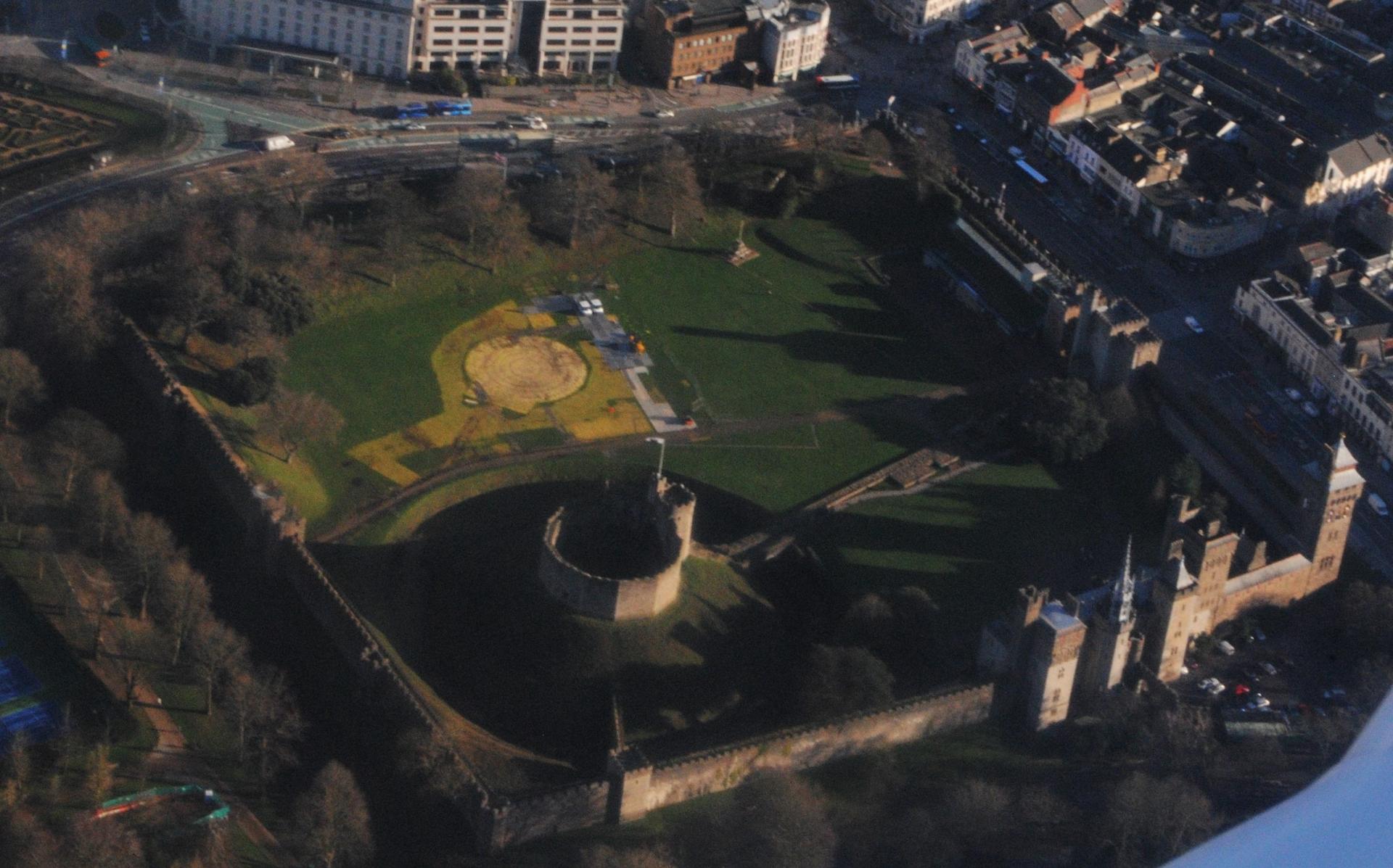
Looking beyond St Lythans Burial Chamber? Discover Cardiff for broader travel guides, local hot-spots, and regional highlights.
Explore Cardiff
Explore a commanding Bronze Age burial mound overlooking Porthkerry Bay, a silent witness to ancient Welsh funerary traditions and prehistoric life.
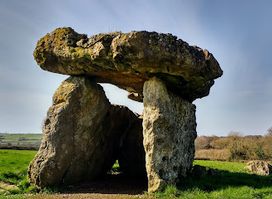
Explore the ancient Neolithic St Lythans Burial Chamber, a mysterious dolmen near Cardiff with towering stones and rich legends.
