

Barry Castle: A Medieval Manor House Ruin in Barry, Wales
Explore the evocative ruins of Barry Castle, a medieval manor house with a storied past nestled in the heart of Barry, Wales.
Barry Castle is a small Grade II* listed ruined medieval manor house located in the Romilly district of Barry, Vale of Glamorgan, South Wales. Originating as a 12th-century wooden ringwork built by the de Barry family, it evolved into a stone fortified manor in the 13th and 14th centuries. Today, visitors can explore the well-preserved two-storey gatehouse and adjoining hall walls, which offer a glimpse into medieval life and local history amidst tranquil surroundings.
A brief summary to Barry Castle
- Park Rd, Barry, CF62 6NW, GB
- Duration: 0.5 to 1.5 hours
- Free
-
 Outdoor
- Mobile reception: 4 out of 5
- Monday 12 am-12 am
- Tuesday 12 am-12 am
- Wednesday 12 am-12 am
- Thursday 12 am-12 am
- Friday 12 am-12 am
- Saturday 12 am-12 am
- Sunday 12 am-12 am
Local tips
- Visit during daylight hours as the castle is an open-air ruin with no set opening times.
- Bring a camera to capture the well-preserved gatehouse and scenic surroundings.
- Combine your visit with nearby attractions like Barry Island or Porthkerry Countryside Park for a fuller day out.
- Wear comfortable shoes as the site involves walking on uneven terrain.

For the on-the-go comforts that matter to you
- Information Boards
- Seating Areas
- Trash Bins
Getting There
-
Bus
Take the local bus service from Barry town center to Romilly Park area; the journey takes approximately 10-15 minutes. Services run regularly but check schedules for weekends. Bus fares range from £1.50 to £3.00.
-
Car
Driving to Barry Castle is straightforward via Park Road with parking available nearby. Travel time from Cardiff city center is about 30-40 minutes depending on traffic. Parking is free but limited, so early arrival is recommended.
-
Train and Walk
From Barry train station, it is a 20-25 minute walk to Barry Castle through mostly flat urban terrain. The walk is accessible for most visitors and offers views of the town. Train fares from Cardiff start at around £3.50 one-way.
Barry Castle location weather suitability
-
 Any Weather
-
 Clear Skies
-
 Mild Temperatures
-
 Rain / Wet Weather
Discover more about Barry Castle
Origins and Early History of Barry Castle
Barry Castle began as a wooden ringwork fortress in the 12th century, constructed by the de Barry family, a Norman lineage influential in the region. Its name derives from the nearby island associated with the pre-Norman chapel of St. Barruca. The castle was initially a modest defensive stronghold with earthworks and wooden palisades, protecting the family's manor and lands. Over time, it became a focal point in the local landscape, witnessing the turbulent medieval period including regional rebellions and baronial conflicts.Architectural Evolution Through the Centuries
By the late 13th century, Barry Castle transitioned from wood to stone, with the addition of two rectangular stone buildings on the north-east and north-west corners of the original courtyard. The early 14th century saw significant expansion, including the construction of a southern great hall and a distinctive two-storey gatehouse. The gatehouse features a pointed ogival portal, portcullis grooves, double doors, and a drawbridge, with a small upper room possibly serving as a chapel. Defensive walls connected the buildings, enclosing a courtyard. Architectural details such as a fireplace in the hall and arrow slits in the walls reflect its dual residential and defensive functions.Historical Significance and Ownership Transitions
Barry Castle endured damage during the 1316 revolt led by Llywelyn Bren against King Edward II but was repaired and extended by John de Barry, who also became involved in the 1321 baronial rebellion. The estate passed through the de Barry family until the mid-14th century, then to the Marshal family and later to the St. Johns of Fonmon. By the 16th century, the castle was partially in ruin and repurposed for economic uses. It was eventually abandoned and fell into disrepair by the 18th century, with only the gatehouse and hall walls surviving as ruins.Present-Day Ruins and Visitor Experience
Today, Barry Castle is a protected Grade II* listed ruin managed by Cadw, the Welsh historic environment service. Visitors can explore the atmospheric remains of the gatehouse and hall walls set in a landscaped area near Romilly Park. The site offers a quiet, reflective experience where one can imagine medieval life and appreciate the castle’s architectural features. Information boards provide historical context, and the castle’s proximity to Barry Island and the Bristol Channel enriches its scenic setting.Cultural and Historical Context in the Vale of Glamorgan
Barry Castle’s location near the coast and port sheltered by Barry Island highlights its strategic importance in medieval times. The castle’s history intertwines with the development of Barry from a small village and port into a significant local center. Its ruins stand as a testament to the region’s Norman heritage, medieval conflicts, and the evolution of fortified manor houses in Wales.Architectural Details and Preservation
Key surviving features include the gatehouse’s ogival portal and Gothic window, arrow slits, and remnants of the hall’s fireplace and roof tiles. The castle’s defensive walls and courtyard layout reflect typical medieval manor house design. Preservation efforts have maintained the ruins as a valuable historical site open to the public, allowing visitors to engage directly with Wales’ medieval past.Iconic landmarks you can’t miss

WWII Coast Artillery Search Light Emplacement
2.1 km
Explore a pivotal WWII coastal defense site in Barry, where history meets stunning views of the Bristol Channel.
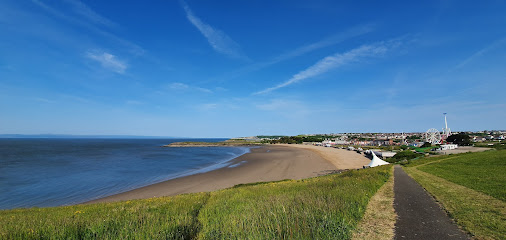
Visit the Vale
9.4 km
Explore the Vale: Your gateway to stunning landscapes, rich heritage, and unforgettable experiences in a picturesque region.

Ship Weather Vane - Cardiff Bay Art Trail
11.5 km
A dynamic copper and steel ship weather vane celebrating Cardiff Bay’s maritime heritage atop the historic Pilotage Office.

Mount Stuart Square
11.6 km
Victorian grandeur meets maritime history in Cardiff's iconic coal-trade square.

The Open Boat 'Daffodil'
11.6 km
Explore Cardiff Bay aboard the 'Daffodil' for a unique boat tour experience filled with history, stunning views, and local insights.
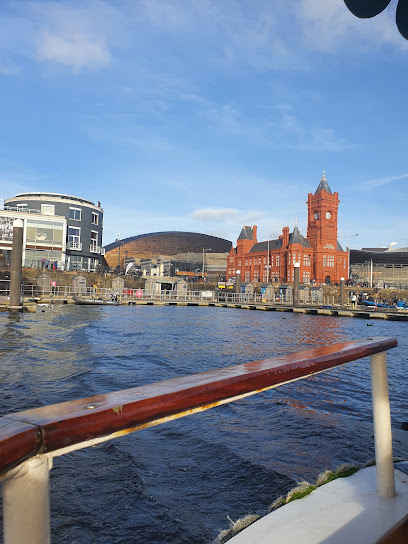
The Scott Antarctic Memorial Cardiff Bay
11.6 km
A poignant memorial in Cardiff Bay honoring Captain Scott and his Antarctic expedition, set against a historic maritime backdrop.

Roald Dahl Plass
11.7 km
Where industrial heritage meets modern culture—Cardiff's iconic plaza named for author Roald Dahl.
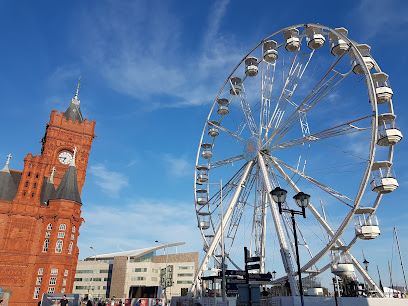
Pierhead Building
11.7 km
Explore the Pierhead Building, Cardiff's historic landmark showcasing Welsh maritime heritage and culture.
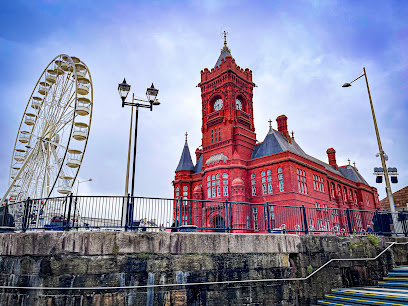
The Senedd
11.7 km
Discover The Senedd, an architectural gem in Cardiff, where modern design meets the heart of Welsh democracy and culture.
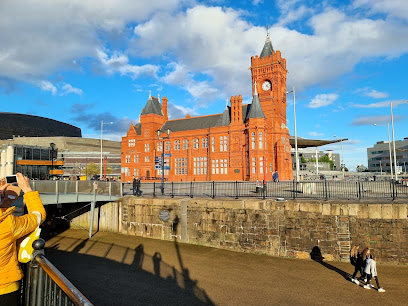
Cardiff Central Train Station Water Tower
11.8 km
A historic Grade II listed water tower overlooking Cardiff Central Station and the River Taff, symbolizing the city’s rich railway heritage.
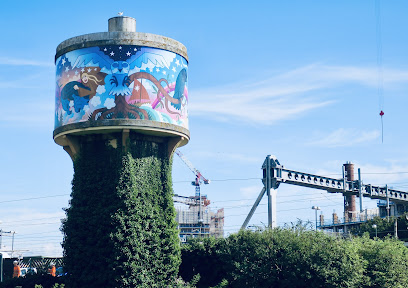
Vale of Glamorgan
11.8 km
Explore the stunning landscapes and rich history of the Vale of Glamorgan, an enchanting ravine near Cardiff ideal for nature lovers and adventure seekers.
Wales Millennium Centre
11.8 km
Discover the artistic heart of Cardiff at the Wales Millennium Centre, a premier venue for live performances and cultural events in a stunning architectural setting.
Principality Stadium
11.9 km
Experience the energy and excitement of Principality Stadium, Cardiff's premier venue for sports, concerts, and unforgettable events.
Roath Lock
11.9 km
Discover Roath Lock, Cardiff’s iconic BBC drama village blending cutting-edge production with waterfront heritage charm.

Premier Inn Cardiff Bay hotel
11.9 km
Comfortable, accessible, and modern hotel steps from Cardiff Bay’s cultural and waterfront attractions.
Unmissable attractions to see

Romilly Park
0.3 km
A historic Victorian park in Barry blending heritage charm with family-friendly recreation and tranquil green spaces.
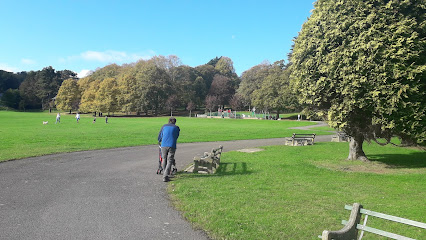
Cold Knap beach
0.8 km
Tranquil pebble beach and serene gardens with scenic views, family-friendly walks, and free parking near Barry’s charming coastline.
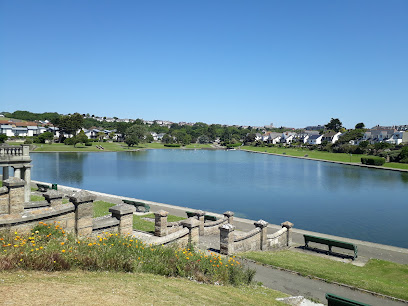
Bronze age mound
1.0 km
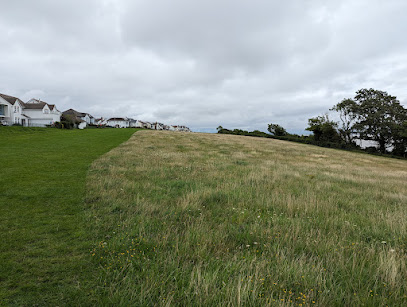
Explore a commanding Bronze Age burial mound overlooking Porthkerry Bay, a silent witness to ancient Welsh funerary traditions and prehistoric life.
Porthkerry Country Park
1.3 km
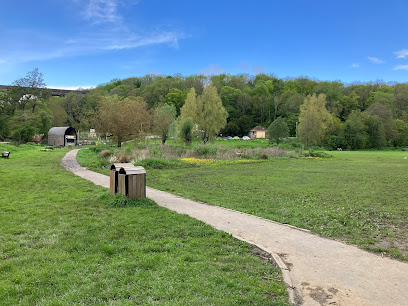
Explore 220 acres of woodland, meadows, and pebble beach framed by a majestic Victorian viaduct in this vibrant coastal country park.
Whitmore Bay - Barry Island
1.4 km
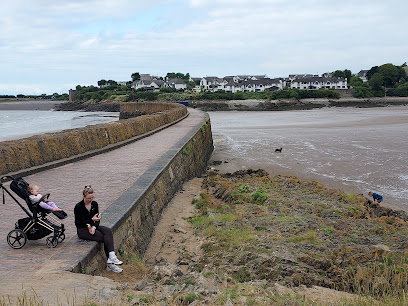
Lively golden sands, family fun, and scenic coastal walks combine at Whitmore Bay, Barry Island’s beloved seaside retreat.
Barry Island Pleasure Park
1.5 km
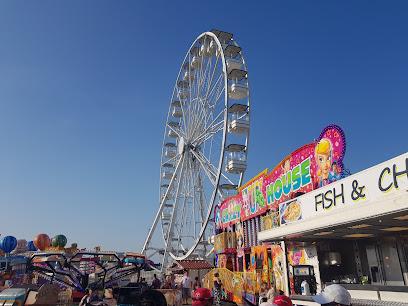
Classic seaside fun meets nostalgic charm at Barry Island Pleasure Park, a vibrant family-friendly amusement destination by the Welsh coast.
Barry War Museum
1.5 km
Explore Barry’s wartime heritage through immersive exhibits and community stories at this free, volunteer-run museum near Barry Island.
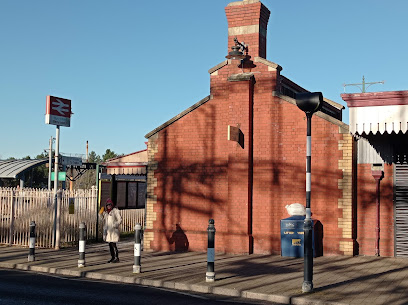
Jackson’s Bay
2.1 km
A serene sandy cove on Barry Island offering peaceful coastal walks, geological wonders, and year-round dog-friendly beach access.
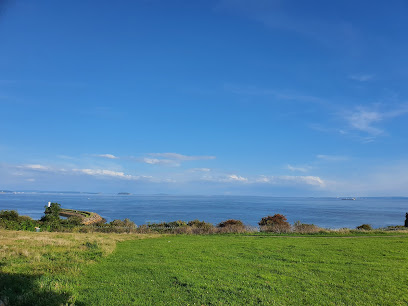
Jackson's Bay
2.2 km
A peaceful sandy cove on Barry Island offering coastal charm, geological interest, and year-round dog-friendly visits.
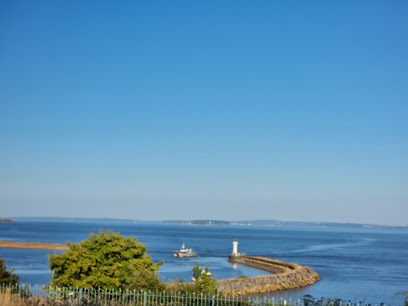
King Square, Barry
2.2 km
Historic King Square in Barry blends Edwardian civic pride with vibrant community life in the heart of this Welsh town.

St Lythans Burial Chamber
5.1 km
Step back 6,000 years at St Lythans Burial Chamber, a mysterious Neolithic tomb nestled in the tranquil Welsh countryside near Cardiff.
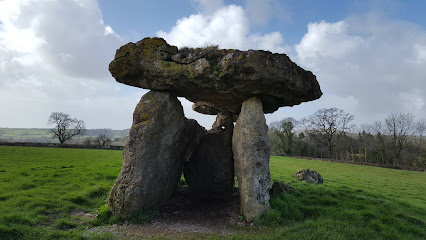
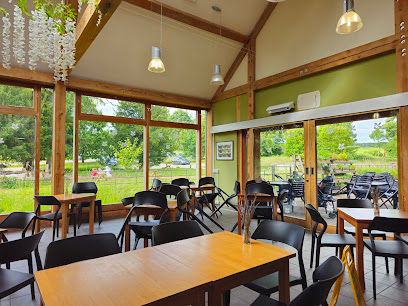
The Garden Cafe
5.3 km
A peaceful garden retreat in Wenvoe offering cozy indoor and scenic outdoor dining nestled in nature’s embrace.
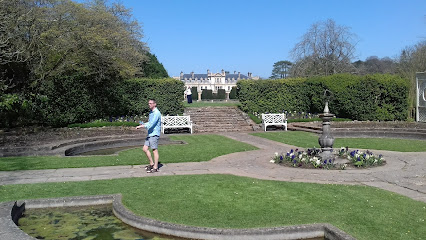
National Trust - Dyffryn Gardens
5.4 km
Explore 55 acres of Edwardian garden rooms, exotic plants, and woodland arboretum surrounding a grand Victorian mansion near Cardiff.
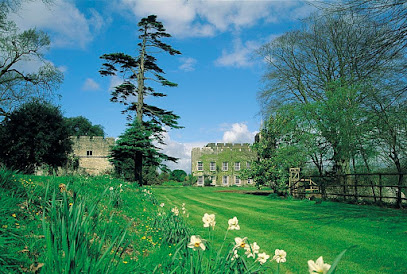
Fonmon Castle
5.4 km
Explore Fonmon Castle, a rare medieval fortress in South Wales with centuries of history and stunning rococo interiors.
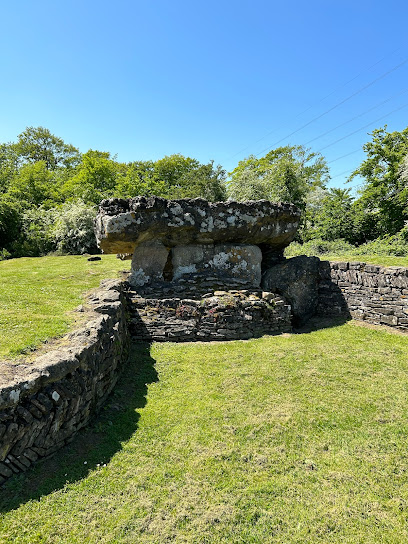
Tinkinswood Burial Chamber
6.2 km
Explore Tinkinswood, Wales’ awe-inspiring 6,000-year-old Neolithic burial chamber crowned by Europe’s largest capstone.
Essential places to dine

The Little Olive
0.8 km
Cozy Italian dining with authentic flavors and warm hospitality in the heart of Barry’s Broad Street.
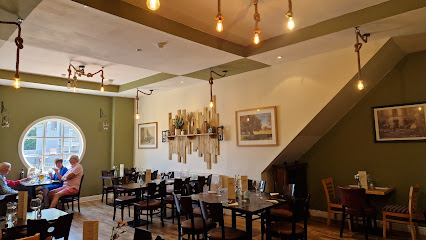
Premier Inn Barry Island Cardiff Airport hotel
1.2 km
Comfortable waterfront hotel near Cardiff Airport with easy access to Barry Island beaches, city attractions, and family-friendly entertainment.

Barry Island Brewers Fayre
1.2 km
Classic British pub dining with family-friendly warmth, scenic waterfront views, and hearty meals near Barry Island Beach.
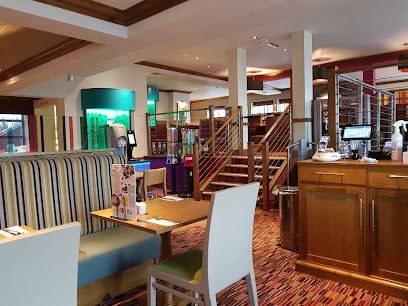
The Dining Room
1.4 km
A refined British dining experience blending coastal charm and fresh seafood in the heart of Barry’s vibrant seaside scene.

Finnegans Inn
1.4 km
Discover the perfect blend of delicious food and vibrant atmosphere at Finnegans Inn - your go-to grill and sports bar in Barry.
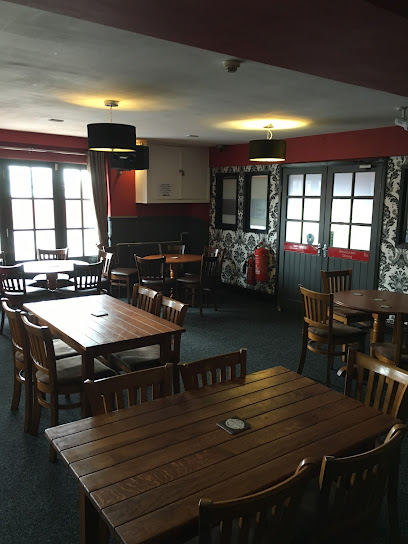
Three Horseshoes Country Inn
4.0 km
A cozy countryside inn near Barry offering hearty food, comfy rooms, and family-friendly fun in a tranquil Welsh setting.
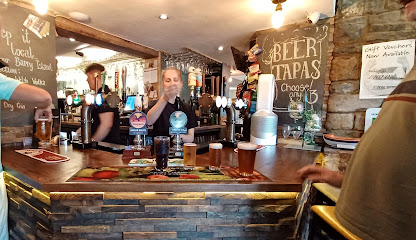
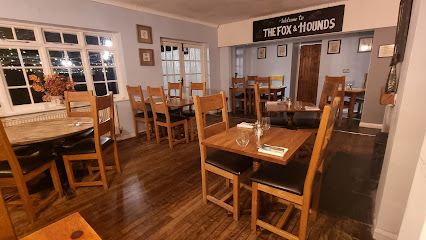
The Fox and Hounds Pub
5.8 km
A cozy gastropub in scenic Llancarfan offering hearty food, warm hospitality, and charming rooms for a perfect countryside escape.
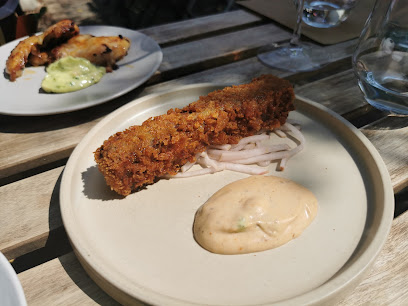
The Humble Onion
6.6 km
A hidden gem in Dinas Powys serving refined Welsh bistro dishes with masterful technique and warm hospitality.
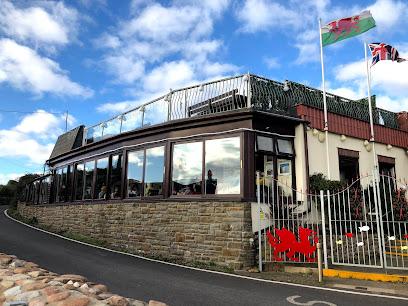
Seashore Grill
6.6 km
Seashore Grill offers relaxed coastal dining with sea views, hearty meals, and live music in the heart of Sully, Penarth.
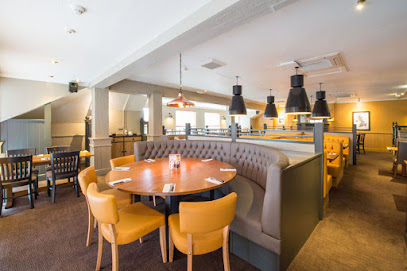
Beefeater Walston Castle
6.6 km
A modern, family-friendly steakhouse in Wenvoe offering hearty British classics with warm service and a relaxed atmosphere.
Blue Anchor Inn
6.6 km
Discover Welsh hospitality at Blue Anchor Inn - where delicious food meets stunning views in East Aberthaw.
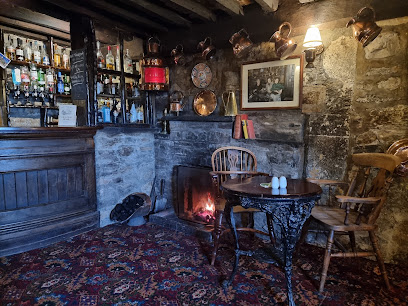
The Red Lion
7.6 km
A welcoming village pub in Bonvilston offering hearty homemade meals, cozy charm, and friendly hospitality near Cardiff.
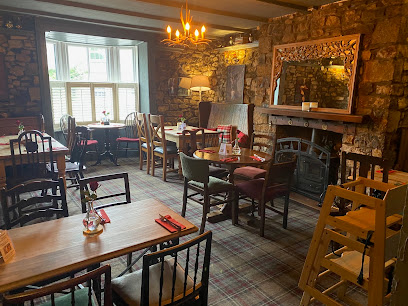
The Roost
8.3 km
A charming countryside pub blending modern comfort, home-cooked classics, and lively entertainment in St Athan near Barry.
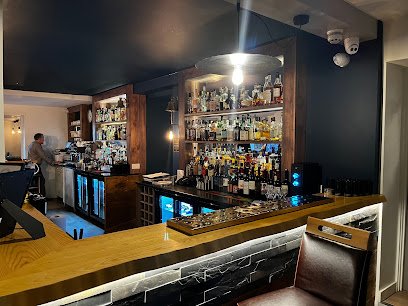
Ego at The Schooner Inn, Penarth
8.4 km
Mediterranean flavors meet coastal charm at Ego at The Schooner Inn, Penarth’s beloved seaside pub-restaurant.
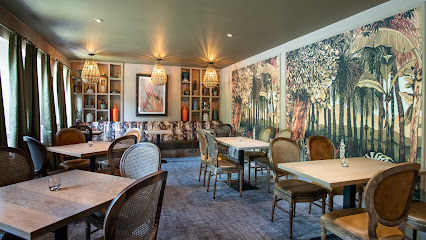
Home
9.3 km
Experience innovative fine dining with a warm, intimate atmosphere at Home by James Sommerin in Penarth’s historic Royal Buildings.

Markets, malls and hidden boutiques

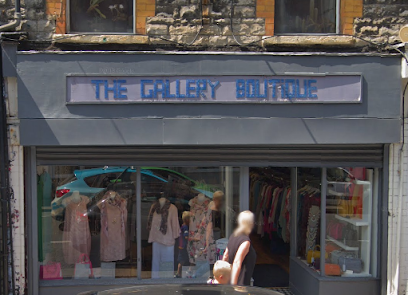
Gallery Boutique
0.7 km
Discover unique women’s fashion and personalized service at Gallery Boutique, a stylish gem on Barry’s High Street.
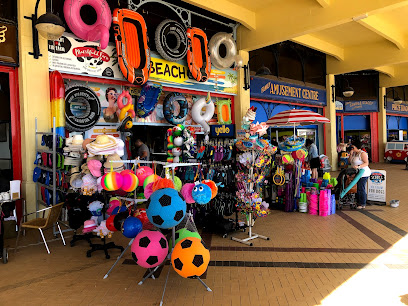
The Beach Shop
1.3 km
Authentic Welsh gifts and seaside treasures on Barry Island's charming Western Shelter promenade.
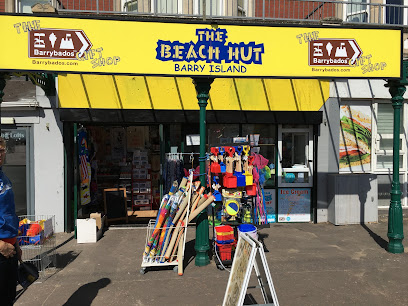
The Beach Hut/Barrybados Gift Shop
1.4 km
Discover authentic Welsh souvenirs and beach accessories at Barrybados, a charming gift shop capturing Barry Island’s seaside spirit.
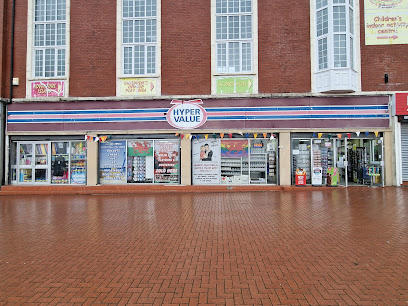
Hyper Value
1.5 km
Explore Hyper Value in Barry for unique gifts and discounts that capture the charm of the local culture, perfect for every tourist's shopping spree.
Curiosity Shop
3.9 km
Explore timeless antiques and hidden treasures at Curiosity Shop, Barry’s charming destination for vintage lovers and history seekers.
Londis
8.5 km
Your friendly local convenience store in St Athan, offering fresh groceries and daily essentials with welcoming service and convenient hours.
The Spotted Zebra Company
8.5 km
Charming gift shop in St Athan offering unique Welsh fashion accessories and local treasures that capture the essence of Welsh culture.
Antoinette Antiques and Vintage Clothing
9.4 km
Discover Cardiff’s largest vintage hat collection and timeless antiques in a historic Pumping Station setting.

The Queen B Boutique
9.5 km
Elegant occasion wear and personalized service combine at The Queen B Boutique, Penarth’s charming fashion and gift destination.
Gifts At No. 9
9.5 km
Discover charming, beautifully curated gifts with personal service at Penarth’s beloved boutique on Windsor Road.
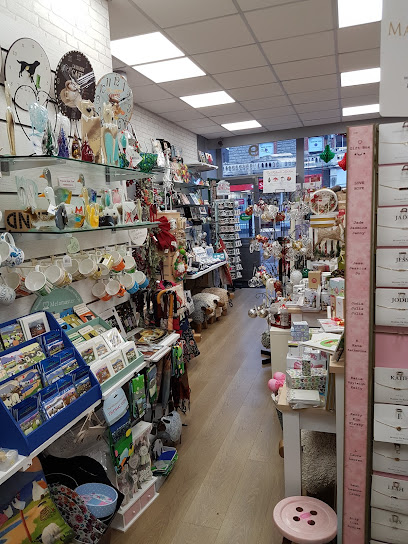
Shore
9.7 km
A charming coastal gift shop on Penarth’s Esplanade, perfect for seaside souvenirs and nautical-themed treasures with a local touch.
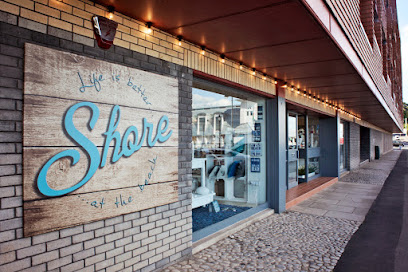
Cardiff Bay Retail Park
10.1 km
Value-packed shopping hub amid Cardiff Bay's waterfront allure—superstores, groceries, and easy parking for practical pit stops.

B&M Home Store
10.1 km
Discover incredible deals on home essentials and unique items at B&M Home Store in Cardiff Bay - your go-to discount shop!
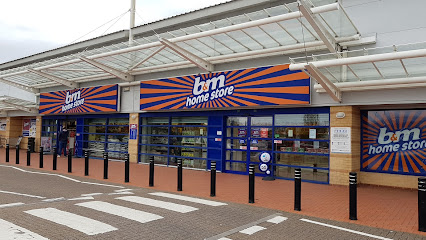
The SHO Gallery and Shop
11.4 km
A vibrant Cardiff hub offering art supplies, handmade gifts, and local creativity in a welcoming gallery and shop environment.

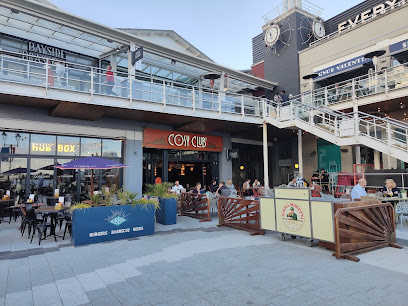
Mermaid Quay
11.6 km
Discover Mermaid Quay in Cardiff Bay: a vibrant shopping center with stunning views, delightful dining options, and a lively atmosphere for all.
Essential bars & hidden hideouts

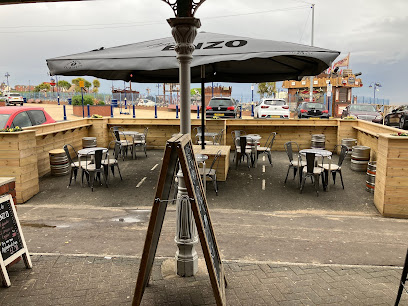
Bar Enzo
1.4 km
A cozy, friendly bar on Barry’s seafront offering Welsh lagers, cocktails, and a relaxed coastal vibe with inviting indoor and outdoor seating.
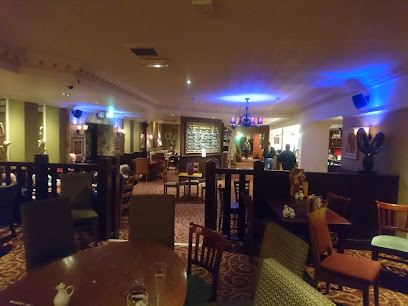
Cherry Orchard
1.7 km
A modern, family-friendly pub in Barry offering great ales, tasty meals, and a welcoming atmosphere in a charming historic setting.
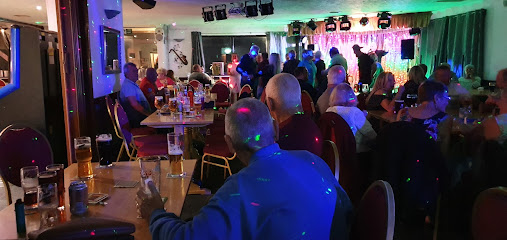
Ocean Lounge
2.6 km
Charming coastal pub nestled in Porthkerry Caravan Park offering stunning sea views, local ales, and a welcoming atmosphere in South Wales.
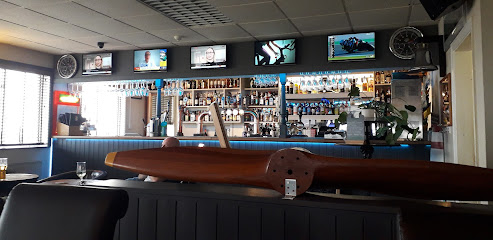
The Flying Club
3.5 km
A friendly, affordable bar in Rhoose offering unique planespotting views and a cozy atmosphere near Cardiff Airport.
The Highwayman Inn
4.2 km
Rustic British pub in Rhoose famed for hearty portions, classic dishes, and a warm, lively atmosphere.

The Six Bells
4.6 km
Historic Welsh village pub with medieval roots, cozy fires, and locally sourced fare in the heart of Penmark.
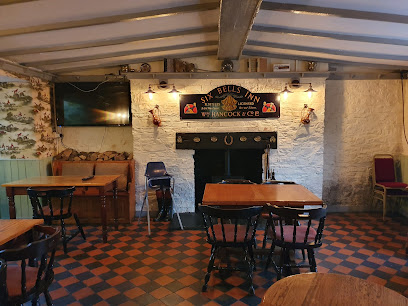
Fontygary Inn
5.0 km
A friendly traditional pub in Rhoose offering hearty meals, local ales, and a vibrant community atmosphere in the heart of the Vale of Glamorgan.
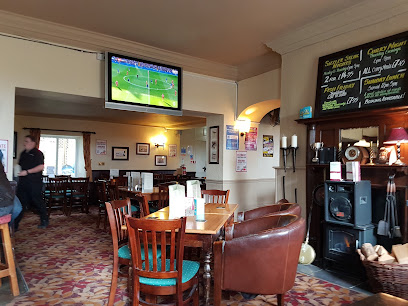
The Sully Inn
5.2 km
A stylish gastropub in Sully offering locally sourced dishes and a warm, inviting atmosphere for dining and socializing.
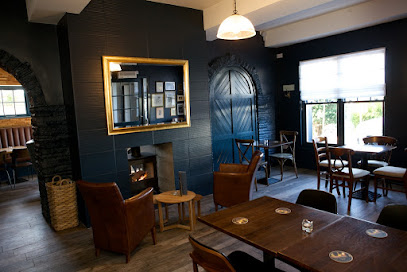
Star Inn
6.6 km
Cosy village pub in Dinas Powys offering classic dishes, a friendly atmosphere, dog-friendly spaces, and seasonal celebrations year-round.
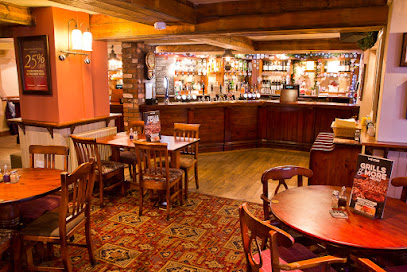
The Captains Wife
6.6 km
Rustic coastal pub in Penarth offering hearty British fare, cask ales, and a cozy seaside atmosphere.
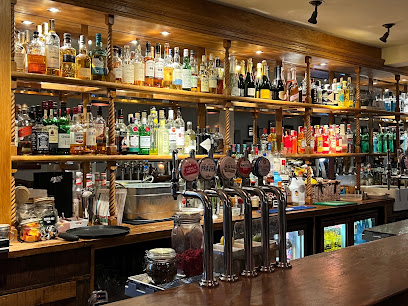
Gin 64
9.3 km
Discover Penarth’s chic gin bar offering extensive selections, expert cocktails, and a welcoming atmosphere in the heart of town.
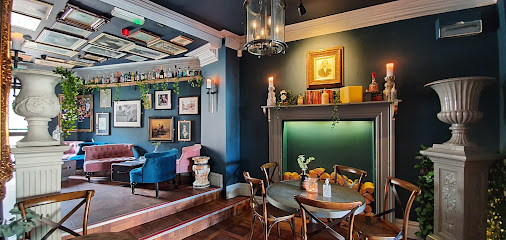
The Grange Pub
11.0 km
A vibrant community pub in Cardiff’s Grangetown, offering quality local beers, hearty British fare, and a welcoming atmosphere for all.
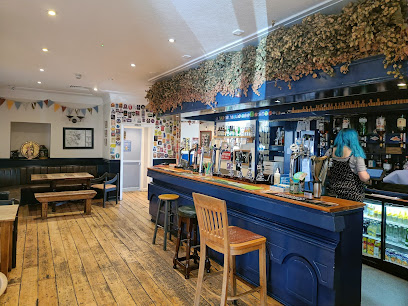
The Bar
11.1 km
A stylish cocktail bar and restaurant in Cardiff’s Canton, offering craft drinks, live music, and a welcoming vibe for all occasions.

Lo Lounge
11.5 km
Industrial-chic waterfront bar in Cardiff Bay serving cocktails, street food, and live tunes amid stunning sunset views and pet-friendly vibes.
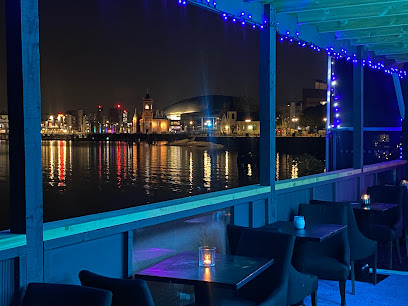
The Dock
11.5 km
A waterside bar and kitchen in Mermaid Quay — bright windows, bay views, live music and big‑screen sport for daytime dining through late-night sessions.
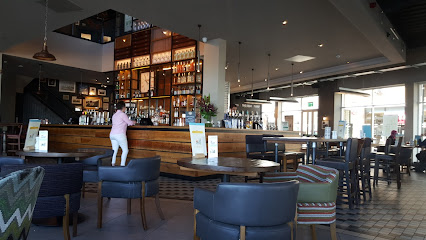
Nightclubs & after hour spots

Coco Cubanas
0.8 km
Experience the vibrant weekend nightlife and energetic dance scene at Coco Cubanas, Barry’s premier late-night club on Broad Street.
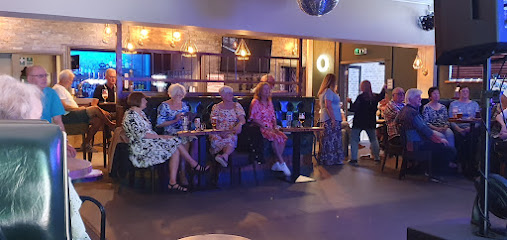
Bar Cocoa
0.8 km
Experience Barry’s vibrant weekend nightlife at Bar Cocoa, a lively nightclub where music and dancing keep the party going until the early morning.

The Vaults
11.7 km
Dive into Cardiff’s iconic underground club housed in a historic former bank, where techno beats and vibrant nightlife come alive beneath the city streets.

Cabaret at Wales Millennium Centre
11.8 km
Dive into Cardiff Bay's sizzling hub of drag, burlesque, comedy, and live music at Cabaret – where inclusive performances sparkle with pop culture magic and high-energy fun.

Walkabout - Cardiff
12.0 km
Discover the ultimate sports bar experience in Cardiff, offering vibrant nightlife, delicious food, and live sports in a lively atmosphere.

Popworld - Cardiff
12.1 km
Dive into cheesy pop heaven at Popworld Cardiff—karaoke, half-price drinks, and dance floor anthems until 3am on vibrant St Mary Street.
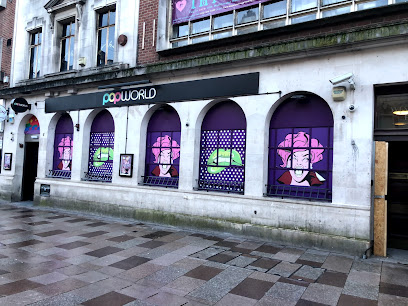
Fuel Rock Club
12.1 km
Cardiff's unyielding rock fortress on Womanby Street: live metal mayhem, cheap drinks, and a beer garden for the faithful.

Clwb Ifor Bach
12.2 km
Cardiff's gritty Welsh club heart: live music legends, late-night dances, and cultural rebellion on historic Womanby Street since 1983.

Revolution Cardiff
12.2 km
Discover the energy of Revolution Cardiff, where delicious food and innovative cocktails meet vibrant nightlife in the heart of the city.
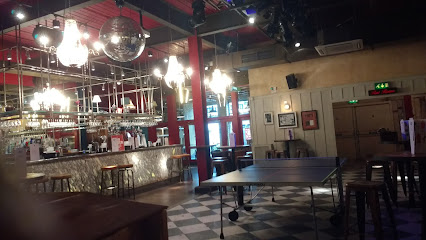
Metros
12.2 km
Cardiff's alternative nightclub haven: cheap drinks, eclectic DJs, and non-stop rock, ska, and indie beats fueling wild weekends till 4am.

For Your Eyes Only
12.3 km
Elegant and vibrant dance club in Cardiff’s city centre offering stylish interiors, live entertainment, and a lively nightlife atmosphere.
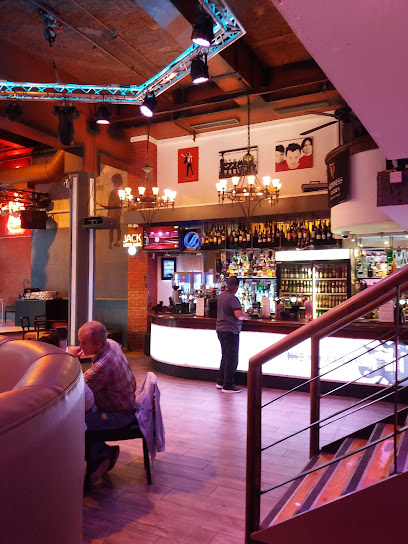
The Live Lounge Cardiff
12.5 km
Immerse yourself in the energetic atmosphere of The Live Lounge Cardiff, where live music, delicious cuisine, and vibrant nightlife await.
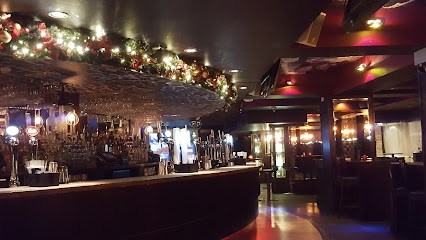
The CUBE
12.6 km
Cardiff’s vibrant nightclub hotspot offering dynamic music, dancing, and an electric atmosphere in the heart of the city.

Tiger Tiger Cardiff
12.6 km
A dynamic nightclub with themed rooms and diverse bars offering a vibrant nightlife experience in the heart of Cardiff.
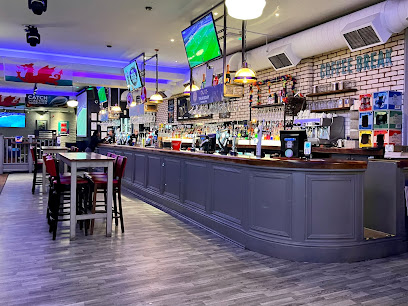
Yates - Cardiff
12.6 km
Experience the vibrant atmosphere of Yates in Cardiff, where great food, drinks, and sports come together in a lively setting.
For the vibe & atmosphere seeker
- Tranquil
- Scenic
- Unique
- Casual
For the design and aesthetic lover
- Rustic Designs
For the architecture buff
- Historic
- Landmarks
For the view chaser and sunset hunter
- Iconic Views
For the social media creator & influencer
- Instagrammable
- Photo Spots
For the eco-conscious traveler
- Protected Area
- Public-Transport Accessible
- Locally Managed
For the kind of experience you’re after
- Cultural Heritage
- Photowalk
- Day Trip
- Weekend Getaway
For how adventurous you want the journey to be
- Easy Access
Location Audience
- Family Friendly
- Senior Friendly
- Child Friendly
- Solo Friendly
- Couple Friendly


