Cambuskenneth Abbey Travel Guide
Free Guide: Explore the evocative ruins and royal tombs of Cambuskenneth Abbey, a tranquil medieval jewel beside the River Forth near Stirling Castle.


A brief summary of Cambuskenneth Abbey
Explore the evocative ruins and royal tombs of Cambuskenneth Abbey, a tranquil medieval jewel beside the River Forth near Stirling Castle.
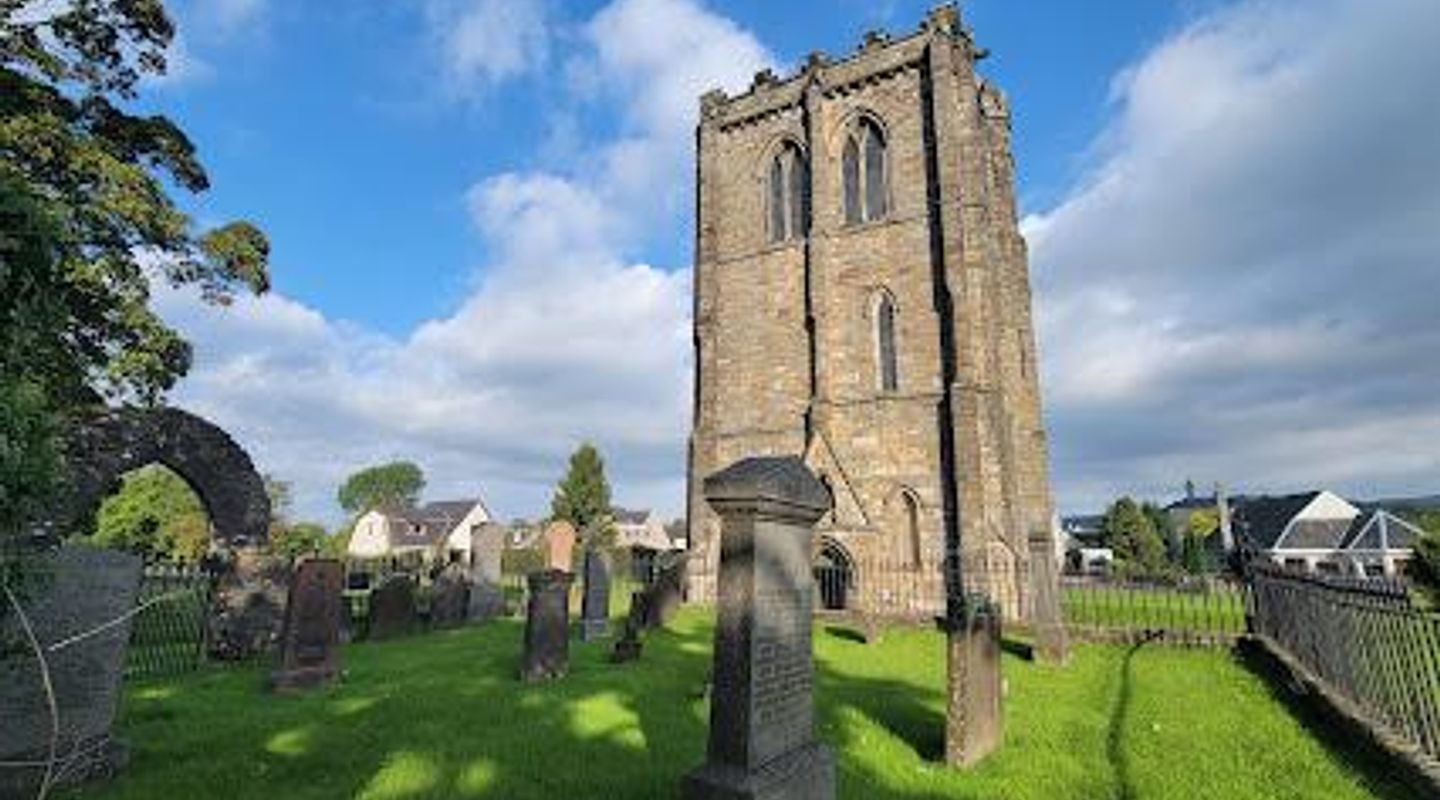
Cambuskenneth Abbey, founded around 1140 by King David I near Stirling, is a historically significant Augustinian monastery ruin known for its remarkably preserved 13th-century bell tower and royal connections. Once a major religious and political site hosting parliaments and royal burials, it now offers visitors peaceful grounds beside the River Forth, evocative ruins, and the tomb of King James III and Queen Margaret of Denmark.
On-site amenities
 Information boards
 Seating areas
 Trash bins
- Address
- Ladysneuk Rd, Cambuskenneth, Stirling FK9 5NG
- Website
Getting there
Train and Bus
Car
Walking
Discover more about Cambuskenneth Abbey
Origins and Royal Foundations
Cambuskenneth Abbey was established circa 1140 by King David I to serve Stirling Castle, mirroring the relationship between other royal abbeys and castles in Scotland. It was the only Arrouaisian Augustinian abbey in Scotland, reflecting a stricter monastic rule inspired by the Cistercians. Its proximity to Stirling Castle and the royal burgh made it an influential religious and administrative center. The abbey complex included a large cruciform church, cloisters, and various monastic buildings, with most surviving structures dating from the 13th century.
Political and Historical Significance
The abbey played a pivotal role in medieval Scottish history, hosting parliaments after the 1314 Battle of Bannockburn where Robert the Bruce consolidated power. It was a favored royal site for legal and administrative affairs throughout the 14th century. The abbey also witnessed the burial of King James III and his queen, Margaret of Denmark, in the late 15th century, whose tomb was restored by Queen Victoria in the 19th century. The abbey’s royal connections extended through the Stewart dynasty and beyond.
Decline and Ruin after the Reformation
Following the Scottish Reformation in 1560, Cambuskenneth Abbey fell into disuse and was largely dismantled. Stones from the abbey were repurposed for local buildings, including Stirling Castle and Mar’s Wark. The abbey’s bell tower survived, likely because it served as a lookout over the Carse of Stirling. Excavations and restorations in the 19th century revealed bones believed to be those of James III and Margaret, reinterred in a Victorian monument.
Architectural Remnants and the Bell Tower
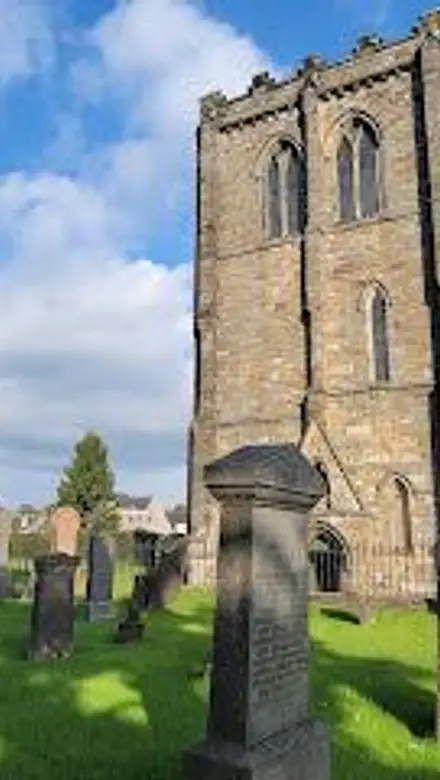
Today, the most striking feature is the free-standing 13th-century bell tower, unique in Scotland for its lancet windows and ornamental arcades. The rest of the abbey survives mainly as low foundations outlining the former church, cloister, and other buildings. Visitors can explore these ruins and the surrounding meadows beside the River Forth, imagining the abbey’s past grandeur and its spiritual and political importance.
Visitor Experience and Atmosphere
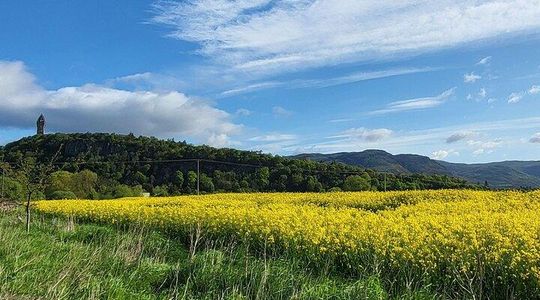
Cambuskenneth Abbey offers a tranquil and reflective setting with informative boards detailing its history. The peaceful grounds and ruins invite quiet exploration, while the bell tower provides a tangible connection to medieval Scotland. The site’s riverside location enhances its serene ambience, and the tomb of James III and Queen Margaret adds a poignant royal presence. Photography opportunities abound, including views of the nearby Wallace Monument.
Legacy and Cultural Importance
As one of Scotland’s significant medieval abbeys, Cambuskenneth represents the intertwining of religious devotion, royal power, and national identity. Its history spans royal patronage, political events, and the impact of the Reformation. The abbey’s ruins preserve this legacy, offering insight into Scotland’s medieval ecclesiastical architecture and royal heritage, making it a meaningful destination for history enthusiasts and cultural explorers alike.
Evendo Review Centre
 Google
Guest reviews
Best time to go
Quietest: Jan, Feb & Dec · before 6am or from 8pm
Busy times are Evendo estimates for a typical year, to help you plan. Actual crowds vary with events, school holidays and the weather.
Explore Cambuskenneth Abbey on the map
A handpicked selection of must-see spots near Cambuskenneth Abbey, mapped for you.
Get your free copy of our complete guide to Cambuskenneth Abbey, delivered straight to you.
Everything on this page, from opening hours and how to get there to Eve’s tips and the best time to go, in one PDF you can read offline, print or share.
Already have an account? Sign in
Your Cambuskenneth Abbey guide is ready.
We'll send it to · Not you? Sign out

Getting your guide ready…
We are putting together a fresh copy of the Cambuskenneth Abbey guide. This can take up to a minute.
This can take a few moments. If your browser asks, choose Allow so the download can start. You'll find the guide in your Downloads folder.
Nothing happened? Download it again
Sorry, the guide is taking longer than usual. Please try again in a minute, or get it by email instead.
Unlock the best of Cambuskenneth Abbey
Skip-the-line tickets, guided tours with entry, and walking tours of the area, booked in a few clicks.


Other nearby places you may find interesting
The closest places of the same kind, if this one is not quite what you had in mind.
-
-
-
-
-


Swipe for more places
More to explore near Cambuskenneth Abbey

 Best experiences near Cambuskenneth Abbey
 Best hotels near Cambuskenneth Abbey
 Best landmarks near Cambuskenneth Abbey
 Best attractions near Cambuskenneth Abbey
 Best shops near Cambuskenneth Abbey
 Best restaurants near Cambuskenneth Abbey
 Best bars near Cambuskenneth Abbey
Do you manage this location?
Take control to get all the benefits, like improved information, better appearance, and stronger visibility across AI-powered discovery.
Explore more

Explore more of Clackmannanshire
Explore Clackmannanshire: Scotland's enchanting county of castles, hills, and history, offering an authentic and serene escape into nature and culture.
Explore Clackmannanshire
Explore more of United Kingdom
Discover the United Kingdom: A blend of rich history, stunning landscapes, and vibrant cities, offering a unique travel experience for every visitor.
Explore United Kingdom