Clackmannan Tower, Clackmannanshire Travel Guide
A majestic 14th-century tower house atop King’s Seat Hill, steeped in Bruce family history and commanding sweeping views of the Forth valley.
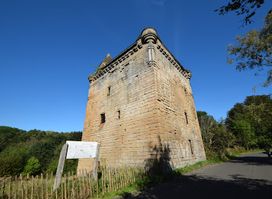
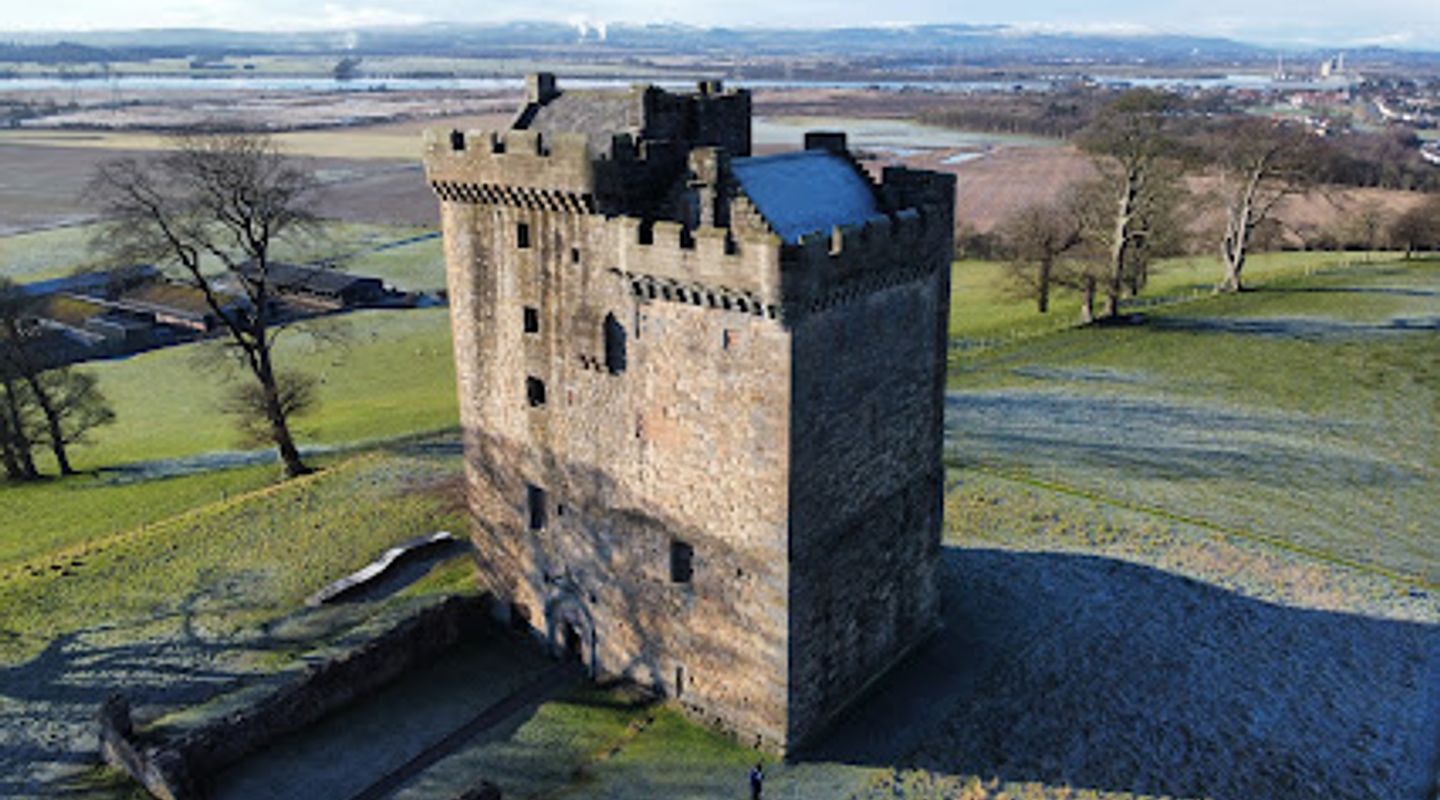
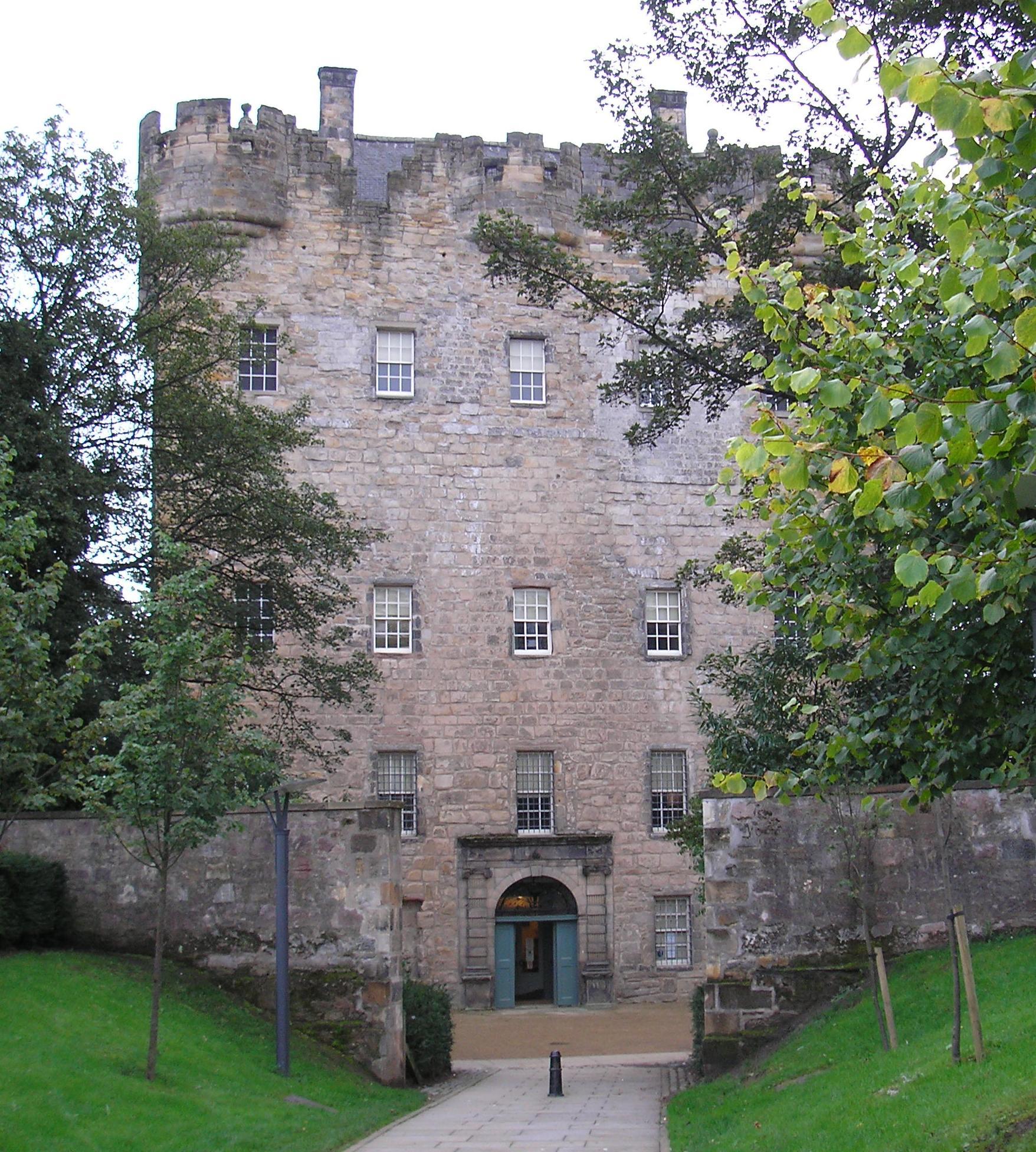
Clackmannan Tower is a striking 14th-century tower house perched atop King’s Seat Hill in Clackmannanshire, Scotland. Built by a descendant of Robert the Bruce, it served as a royal residence and noble home with commanding views over the Forth valley. Though the tower’s interior is currently closed to the public, its impressive vaulted stonework, crenellated parapets, and historic setting make it a captivating landmark steeped in Scottish medieval history.
A brief summary to Clackmannan Tower
- High St, Clackmannan, FK10 4HR, GB
- Click to display
- Click to display
- Duration: 0.5 to 2 hours
- Free
-
 Outdoor
- Mobile reception: 4 out of 5

Know before you go
Hi, I'm Eve. Here are a few practical things to know before exploring Clackmannan Tower.
- The tower interior is usually closed; plan your visit during Scottish Archaeology Month or Doors Open Days in September for special access.
- Parking is limited in Clackmannan village center; expect a 10-15 minute walk across farmland to reach the tower.
- Wear sturdy footwear for the walk up King’s Seat Hill and follow the Scottish Outdoor Access Code to respect farmland and livestock.
- Bring a camera to capture panoramic views of the Forth valley and the tower’s distinctive medieval architecture.
Do you manage this location?
Take control to get all the benefits, like improved information, better appearance, and stronger visibility across AI-powered discovery. Learn more about listing your business on Evendo
Activate your presenceOther nearby places you may find interesting
The closest places of the same kind, if this one is not quite what you had in mind.
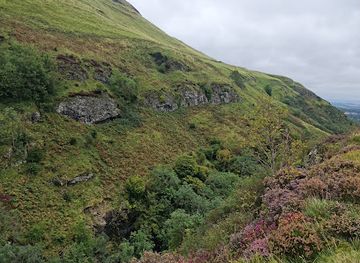
Explore Clackmannan Tower on the Map
A handpicked selection of must-see spots near Clackmannan Tower, mapped for you.
Getting There
-
Car
Driving to Clackmannan Tower from Alloa takes approximately 15 minutes via the A907. Parking is available in the village center, but spaces are limited. From there, expect a 10-15 minute walk across farmland to the tower. No parking is available directly at the tower site.
-
Public Transport
Local buses run from Stirling and Alloa to Clackmannan village with journeys lasting around 20-30 minutes. From the village center, the tower is a 10-15 minute walk over uneven terrain, so suitable footwear is recommended. Bus services may be less frequent on weekends.
-
Walking
For those staying nearby, a scenic 30-40 minute walk from Alloa town center to Clackmannan Tower is possible. The route includes some uphill sections and farmland paths. Visitors should wear sturdy shoes and follow the Scottish Outdoor Access Code to respect farmland and livestock.
For the on-the-go comforts that matter to you
-
 Restrooms
-
 Information Boards
-
 Seating Areas
Discover more about Clackmannan Tower
Origins and Strategic Location
Clackmannan Tower stands prominently on King’s Seat Hill, a commanding vantage point overlooking the Forth valley and surrounding lands. The site has royal connections dating back to at least the 12th century, with a possible royal residence existing during the reign of Malcolm IV in the mid-11th century. The current tower was built in the 14th century, around 1365, by a member of the Bruce family after King David II, son of Robert the Bruce, granted the land to his kinsman Sir Robert Bruce in 1359. The tower’s elevated position made it a strategic defensive site and a symbol of noble power visible for miles.Architectural Evolution and Features
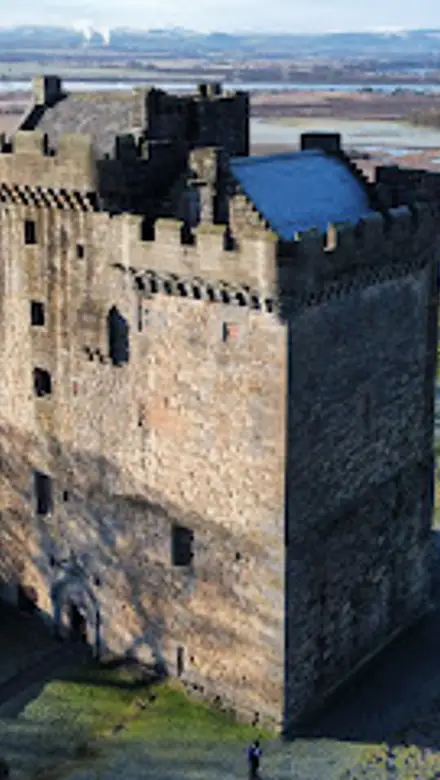
Originally constructed as a two-storey house, the tower was significantly expanded in the 15th century. It was heightened to five stories and a second, taller tower was added to the south, creating an L-shaped plan. The building features a crenellated parapet supported by machicolations—stone openings used for defense. Both basement levels and the first floor have vaulted stone ceilings, an impressive engineering feat for the period. Inside, the first-floor hall boasts a fine 16th-century fireplace, and the third floor contains a long narrow gallery accessed through a window recess. Although a mansion with crowstep gables and turrets was added in the late 16th century, it was demolished in the early 19th century, leaving only fragments of courtyard walls and garden terraces.Historical Significance and the Bruce Legacy
Clackmannan Tower remained in the possession of the Bruce family until the late 18th century. The family’s fortunes declined after bankruptcy in 1708, and Henry Bruce’s widow, Lady Catherine Bruce, was the last resident until her death in 1791. She was known for her Jacobite sympathies and famously mock-knighted the poet Robert Burns in 1787 using the sword of her ancestor, Robert the Bruce. The tower and adjoining mansion were abandoned thereafter. The site embodies Scotland’s medieval and Jacobite history, reflecting the turbulent eras it witnessed.Preservation and Current Status
By the mid-20th century, mining subsidence had caused structural damage to the tower, leading to partial collapse. Since the 1950s, Historic Environment Scotland (formerly Historic Scotland) has taken guardianship, undertaking extensive repairs to stabilize and preserve the tower. The parapet walk has been restored, although public access inside the tower remains very limited, typically available only during special events such as Scottish Archaeology Month and Doors Open Days. The grounds remain accessible year-round, offering scenic views and a tangible connection to Scotland’s past.Visitor Experience and Surroundings
Visitors to Clackmannan Tower can enjoy panoramic views across the Forth valley from the hilltop setting. The surrounding grounds are peaceful and ideal for picnics or quiet reflection. Informational panels provide historical context, and the tower’s silhouette is an iconic feature of the local landscape. While the interior is closed, the exterior architecture and setting evoke the grandeur and defensive strength of a medieval Scottish tower house. Nearby, the village of Clackmannan offers additional historical sites including a parish church with ancient roots.Legacy and Cultural Importance
Clackmannan Tower stands as a silent witness to Scotland’s medieval history and the legacy of the Bruce family. Its architecture and location reflect the strategic and symbolic importance of noble residences in Scotland’s past. The tower’s connection to figures like Robert the Bruce and Robert Burns enriches its cultural significance. Preservation efforts continue to ensure this historic monument endures as a heritage landmark, inviting appreciation of Scotland’s rich and layered history.












Your all‑in‑one travel companion app
Explore expert travel guides, compare and book tours, experiences, hotels, and more—all from the palm of your hand. Download now for seamless trip planning wherever your wanderlust takes you.


Explore More of Clackmannanshire
Looking beyond Clackmannan Tower? Discover Clackmannanshire for broader travel guides, local hot-spots, and regional highlights.
Explore Clackmannanshire