
The Pineapple, Clackmannanshire Travel Guide
Discover the whimsical 18th-century Pineapple folly near Falkirk—an architectural gem and unique self-catering retreat set in stunning walled gardens.
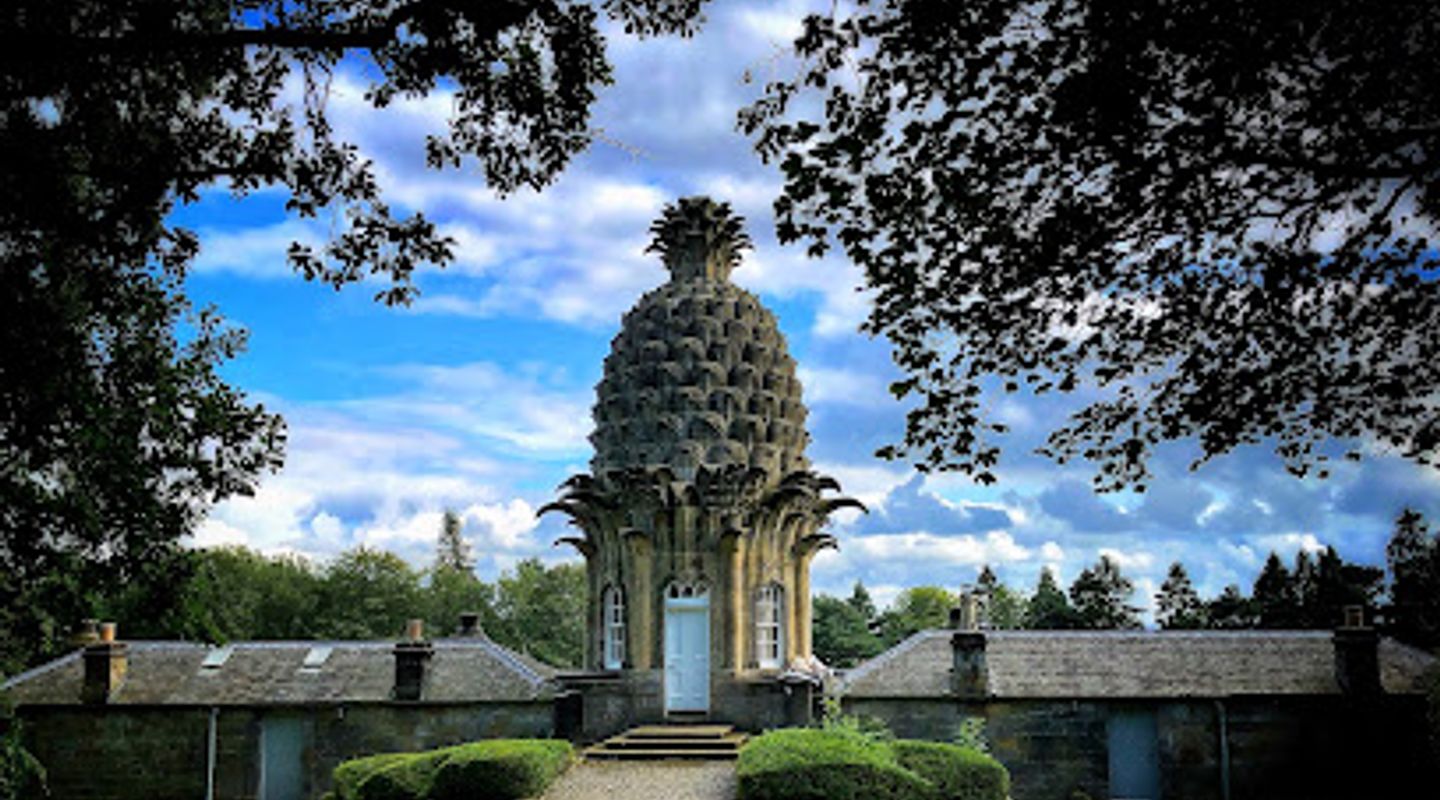
The Pineapple is an extraordinary 18th-century summerhouse near Airth, Falkirk, shaped like a giant pineapple. Built in 1761 by the 4th Earl of Dunmore, this eccentric folly sits within a vast walled garden and offers self-catering accommodation for up to four guests in adjoining stone bothies. The site combines architectural whimsy with rich horticultural history and tranquil woodland surroundings, making it a rare and captivating destination.
A brief summary to The Pineapple
- Falkirk, Airth, FK2 8LU, GB
- Click to display
- Click to display
- Duration: 0.25 to 0.5 hours
- Mid ranged
-
 Outdoor
- Mobile reception: 3 out of 5

Know before you go
Hi, I'm Eve. Here are a few practical things to know before exploring The Pineapple.
- Book a minimum three-night stay to fully experience the unique accommodation split between the Pineapple and adjoining stone bothies.
- Visit the expansive walled garden and woodland around The Pineapple, open daily to the public free of charge.
- Bring a picnic to enjoy in the private garden or surrounding grounds, but remember to take all rubbish with you.
- Parking is available adjacent to the property, but the remote rural roads can be narrow and require careful driving.
- Explore nearby attractions such as the Falkirk Wheel and Callendar House to complement your visit.
Do you manage this location?
Take control to get all the benefits, like improved information, better appearance, and stronger visibility across AI-powered discovery. Learn more about listing your business on Evendo
Activate your presenceOther nearby places you may find interesting
The closest places of the same kind, if this one is not quite what you had in mind.

Explore The Pineapple on the Map
A handpicked selection of must-see spots near The Pineapple, mapped for you.
Getting There
-
Car
Driving is the most practical way to reach The Pineapple, located near Airth in Falkirk. The site is about a one-hour drive from Edinburgh via the M9 and M876 motorways. Parking is available adjacent to the property, though the rural roads leading to the site are narrow and may require cautious driving. No parking fees apply.
-
Bus and Taxi
Public buses run to the village of Airth from Falkirk and Stirling, with journeys taking approximately 30 to 50 minutes. From Airth, a taxi ride of around 5 minutes is needed to reach The Pineapple, as there is no direct public transport to the site. Taxi fares typically range between £8–£12.
-
Walking
For those staying in Airth, a scenic but rural walk of about 1.5 km (approximately 20 minutes) leads to The Pineapple. The terrain is mostly flat but includes country lanes without pavements, so appropriate footwear and caution are advised.
For the on-the-go comforts that matter to you
-
 Parking
-
 Seating Areas
-
 Picnic Areas
-
 Information Boards
Discover more about The Pineapple
A Remarkable Architectural Folly Rooted in History
The Pineapple is a singular architectural marvel commissioned in 1761 by John Murray, the 4th Earl of Dunmore. Originally conceived as a classical summerhouse, it evolved into a playful and eccentric structure crowned with a massive stone pineapple dome added after 1777. This unusual design element reflects Lord Dunmore’s time as Governor of Virginia, where sailors traditionally placed pineapples on gateposts to signify their return home. The Pineapple stands approximately 14 meters tall and was once gilded, showcasing the Earl’s fondness for humor and grandeur.Enchanting Gardens and Grounds
The Pineapple presides over an immense walled garden, historically used to cultivate exotic fruits and vegetables in glasshouses and pineapple pits. The garden is built on a south-facing slope, maximizing sunlight for horticulture. Stone bothies flanking the Pineapple originally housed gardeners and now serve as the sleeping quarters for visitors. The grounds include a private garden at the rear, accessible via steps leading into the elegant octagonal room inside the Pineapple itself. Surrounding woodland and a former curling pond provide a peaceful habitat for wildlife, enhancing the site’s tranquil atmosphere.A Unique Holiday Experience
Today, The Pineapple is managed by the Landmark Trust and operates as self-catering accommodation for up to four guests. The layout is unconventional: the living and kitchen areas occupy one side, while the bedrooms—a double and a twin—are housed in the stone bothies on the other side, accessible only by going outdoors. The property features modern comforts including a log burner, electric heating, a fully equipped kitchen, and a private garden. Stays require a minimum of three nights, offering visitors an unforgettable chance to immerse themselves in a piece of Scottish heritage and eccentricity.Visiting and Exploring the Surroundings
The Pineapple and its walled garden are open to the public through the National Trust for Scotland, allowing visitors to admire the folly and explore the grounds. Nearby is the conservation village of Dunmore and the town of Falkirk, known for attractions like the Falkirk Wheel and Callendar House. The site’s rural setting offers a peaceful retreat with opportunities for scenic walks and wildlife spotting. Parking is available adjacent to the property, but due to its remote location, visiting by car is recommended.Architectural and Cultural Significance
The Pineapple is celebrated as one of Scotland’s most imaginative follies, blending classical architectural elements with naturalistic stonework that mimics pineapple leaves and textures. Its design is a rare example of 18th-century whimsy and horticultural symbolism. The building and gardens reflect the era’s fascination with exotic fruits and the social status they conferred. The Pineapple remains a cherished cultural landmark, emblematic of Scottish heritage, eccentricity, and landscape artistry.Preservation and Access
Owned by the National Trust for Scotland and leased to the Landmark Trust since 1973, The Pineapple has undergone careful restoration to maintain its masonry, plasterwork, and historic character. While the folly itself is not fully accessible inside except for guests staying overnight, the gardens and exterior are freely accessible year-round. Visitors are encouraged to respect the site’s delicate environment and carry out all rubbish, preserving this unique heritage for future generations.












Your all‑in‑one travel companion app
Explore expert travel guides, compare and book tours, experiences, hotels, and more—all from the palm of your hand. Download now for seamless trip planning wherever your wanderlust takes you.


Explore More of Clackmannanshire
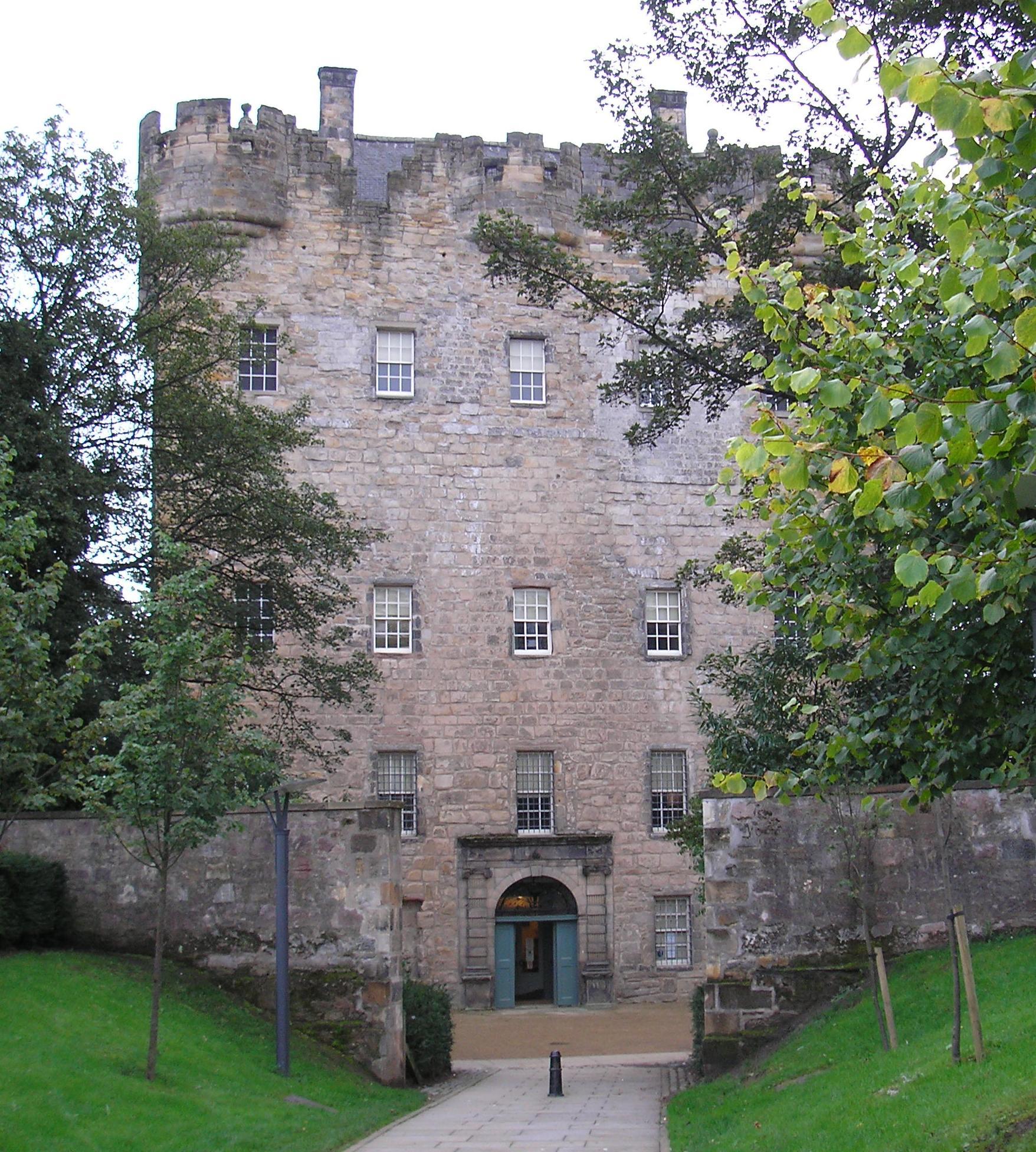
Looking beyond The Pineapple? Discover Clackmannanshire for broader travel guides, local hot-spots, and regional highlights.
Explore Clackmannanshire
Discover Alloa’s Gold Crest Mural, a vibrant public artwork celebrating local heritage and Scotland’s smallest bird with vivid artistry.

A majestic 14th-century tower house atop King’s Seat Hill, steeped in Bruce family history and commanding sweeping views of the Forth valley.
