Basingwerk Abbey, Clwyd Travel Guide
Explore the evocative ruins of a 12th-century Cistercian abbey nestled in tranquil Greenfield Valley, a historic pilgrimage and heritage site in Wales.
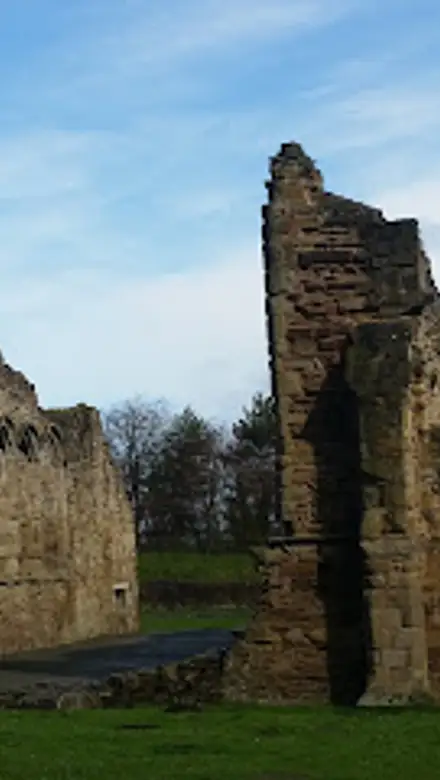
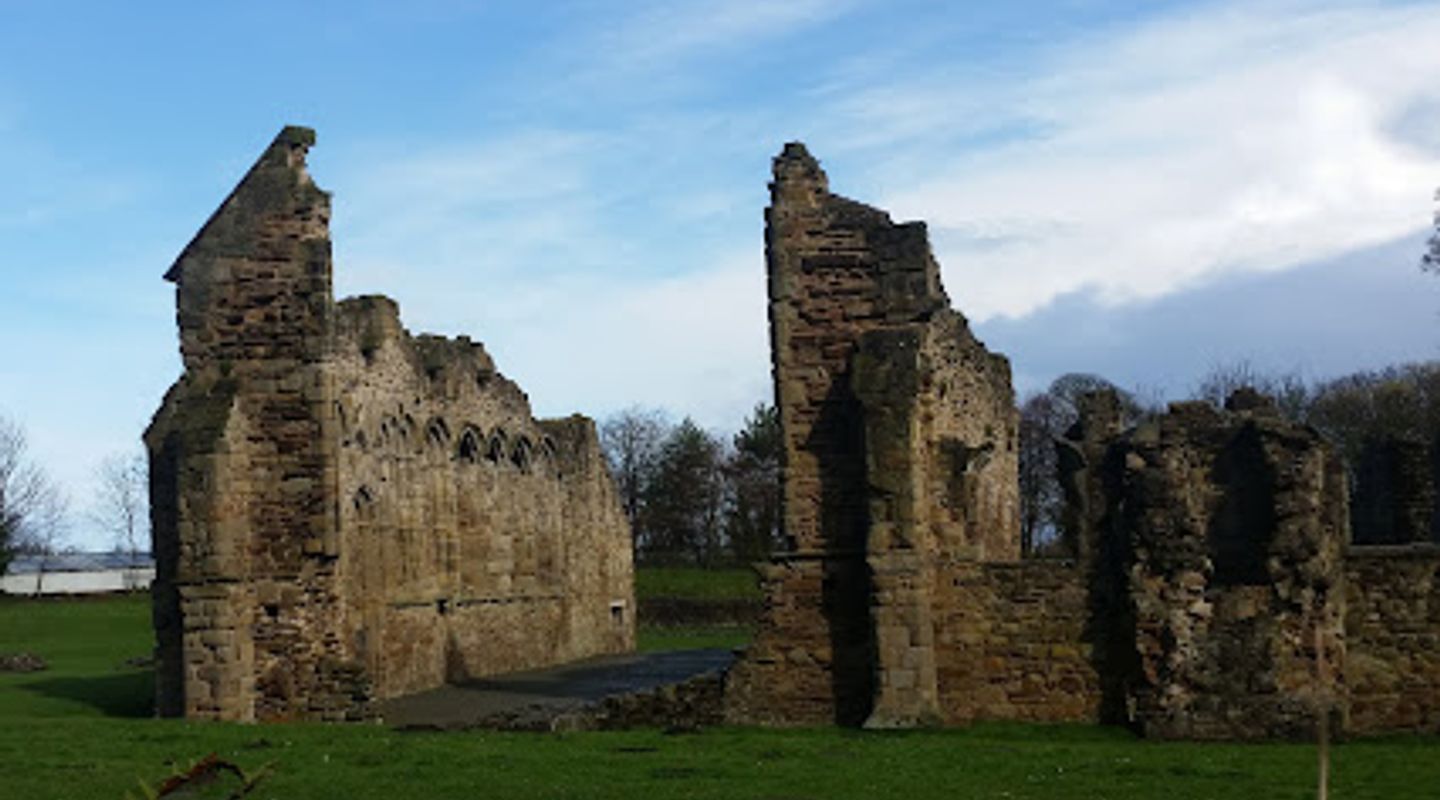
Basingwerk Abbey, founded in 1131 near Holywell, Wales, is a striking medieval ruin of a once-thriving Cistercian monastery. Set within Greenfield Valley Heritage Park, the abbey offers visitors a glimpse into monastic life with remains such as the 12th-century chapter house and monks’ dining hall. The site is peaceful and accessible, rich in history and linked to pilgrimage traditions along the North Wales Pilgrim’s Way.
A brief summary to Basingwerk Abbey
- Holywell, Greenfield, CH8 7GH, GB
- Click to display
- Click to display
- Duration: 1 to 3 hours
- Free
-
 Outdoor
- Mobile reception: 4 out of 5

Know before you go
Hi, I'm Eve. Here are a few practical things to know before exploring Basingwerk Abbey.
- Wear sturdy footwear as the terrain is grassy and uneven, though main areas are wheelchair accessible.
- Bring your own historical guide or research beforehand, as on-site information is limited.
- Dogs on short leads are welcome, making it a great spot for pet-friendly walks.
- Visit during daylight hours year-round for the best experience; the site is free to enter.
Do you manage this location?
Take control to get all the benefits, like improved information, better appearance, and stronger visibility across AI-powered discovery. Learn more about listing your business on Evendo
Activate your presenceOther nearby places you may find interesting
The closest places of the same kind, if this one is not quite what you had in mind.

Explore Basingwerk Abbey on the Map
A handpicked selection of must-see spots near Basingwerk Abbey, mapped for you.
Getting There
-
Car
Driving from Holywell takes about 5-10 minutes via local roads. Free parking is available near the abbey, but spaces can fill during peak times. The site is accessible year-round during daylight hours.
-
Train and Bus
From Flint railway station, approximately 6.5 km away, take a local bus or taxi to Greenfield village near the abbey. Bus services run regularly but check schedules in advance. Total travel time is around 30-40 minutes.
-
Bicycle
Cyclists can use National Cycle Network Route 5, which passes within 3.3 km of the abbey. The route is mostly flat and suitable for moderate cyclists. Secure bike parking is available nearby.
-
Walking
For active visitors, a countryside walk from Holywell to the abbey takes about 45-60 minutes over gentle terrain. Paths are grassy and may be uneven; suitable footwear recommended.
For the on-the-go comforts that matter to you
-
 Restrooms
-
 Seating Areas
-
 Trash Bins
-
 Information Boards
-
 Visitor Center
-
 Drink Options
-
 Food Options
-
 Picnic Areas
Discover more about Basingwerk Abbey
Origins and Medieval Significance
Basingwerk Abbey was established in 1131 by Ranulf II, Earl of Chester, initially as a Savigniac monastery before joining the Cistercian order in 1147. The monks relocated to the current Greenfield site in 1157. Over the centuries, the abbey grew in wealth and influence, owning extensive lands including estates in Derbyshire, England. It played a pivotal role in the religious and political landscape of medieval Wales, benefiting from royal patronage and pilgrimage activity linked to the nearby shrine of St Winifred in Holywell.Architectural Remnants and Layout
Though largely in ruins, key structures survive that reveal the abbey’s layout and monastic life. The oldest surviving part is the 12th-century chapter house, where monks gathered for readings. Adjacent is the parlour, the only room where monks could speak. The monks’ dining hall, a substantial 13th-century construction, remains impressive with features like the blocked pulpit stairway. The abbey’s design follows the Benedictine rule, with cloisters and functional spaces arranged for communal religious life.Historical Turbulence and Decline
Basingwerk’s history was marked by regional conflicts, including Welsh-English power struggles until Edward I’s conquest in the late 13th century. Despite this, the abbey prospered, hosting royal visitors such as Henry V and Edward IV. The 16th-century Dissolution of the Monasteries under Henry VIII led to its closure in 1536. Many buildings were dismantled for materials, and the site fell into ruin, with later industrial use nearby further altering the landscape.Modern-Day Setting and Visitor Experience
Today, Basingwerk Abbey is part of Greenfield Valley Heritage Park, accessible year-round during daylight hours. Visitors can explore the atmospheric ruins set in tranquil surroundings, ideal for peaceful walks and reflection. The site is dog-friendly and wheelchair accessible on main grounds. While on-site information is limited, the abbey’s evocative remains and the surrounding park offer a compelling historical and natural experience.Religious and Cultural Legacy
Basingwerk Abbey remains a significant religious site, serving as the starting point of the North Wales Pilgrim’s Way, a long-distance route culminating at Bardsey Island. The abbey’s association with St Winifred’s shrine continues to attract pilgrims. Its story reflects the intertwined histories of Norman and Welsh cultures and the enduring spiritual heritage of the region.Archaeological Insights and Conservation
Recent archaeological work has uncovered evidence of Roman activity beneath the abbey grounds, including defensive ditches and artefacts, highlighting the site’s long historical significance. Conservation efforts maintain the ruins as a Scheduled Monument, balancing preservation with public access to this evocative medieval site.












Your all‑in‑one travel companion app
Explore expert travel guides, compare and book tours, experiences, hotels, and more—all from the palm of your hand. Download now for seamless trip planning wherever your wanderlust takes you.


Explore More of Clwyd
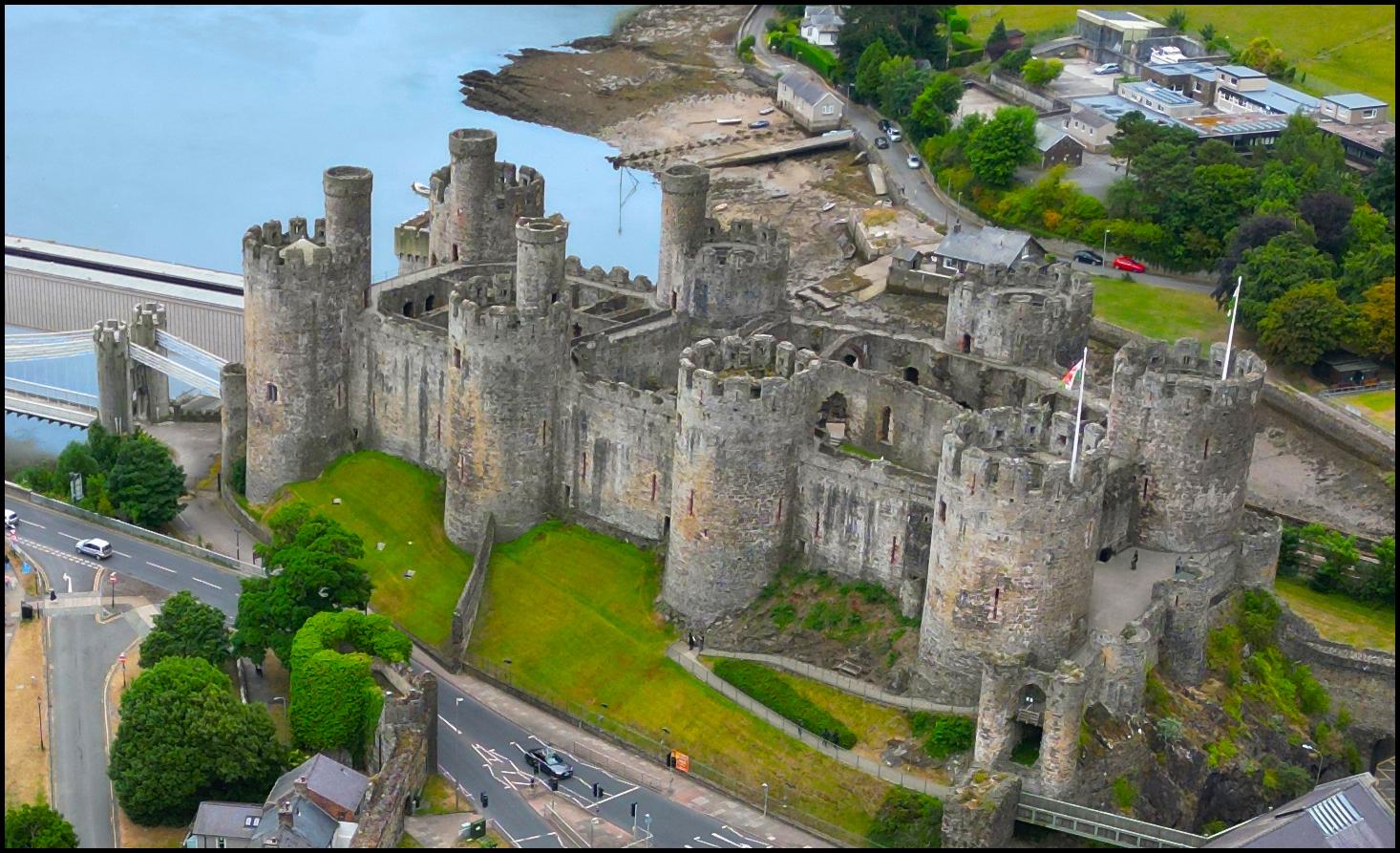
Looking beyond Basingwerk Abbey? Discover Clwyd for broader travel guides, local hot-spots, and regional highlights.
Explore Clwyd
A historic and sustainable social club in Deeside offering lively entertainment, affordable drinks, and a welcoming community atmosphere.
Explore 70 acres of heritage, nature, and family fun in North Wales’ Greenfield Valley Heritage Park.