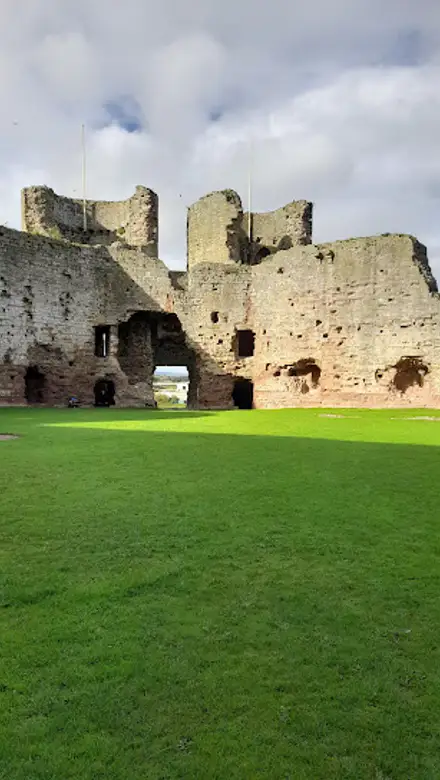
Castell Rhuddlan Travel Guide
Free Guide: Explore the pioneering Edwardian concentric castle with stunning river views and rich medieval history in the heart of Rhyl, Wales.


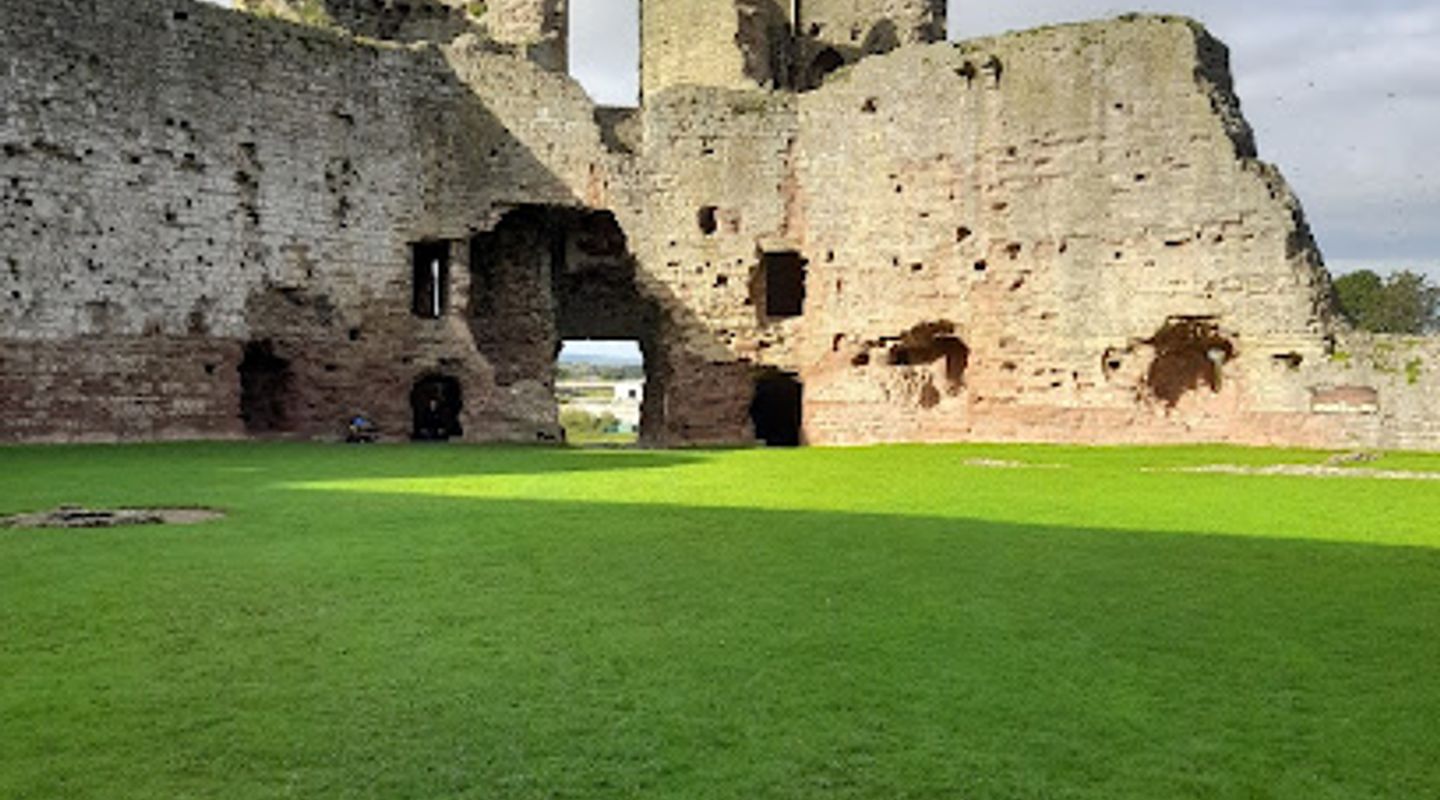
A brief summary of Castell Rhuddlan
Explore the pioneering Edwardian concentric castle with stunning river views and rich medieval history in the heart of Rhyl, Wales.
Castell Rhuddlan, located in Rhyl, Wales, is a remarkable 13th-century Edwardian concentric castle built between 1277 and 1282 by King Edward I. It features a distinctive diamond-shaped inner ward with twin-towered gatehouses and an outer ward surrounded by defensive walls and ditches. The castle’s strategic riverside position includes an engineered river channel, enabling supply by boat. Today, visitors can explore well-preserved ruins, climb towers for panoramic views, and learn about its historic role in Welsh governance.
On-site amenities
 Information boards
 Restrooms
 Parking
Opening hours
- Mon10 am–5 pm
- TueClosed
- WedClosed
- Thu10 am–5 pm
- Fri10 am–5 pm
- Sat10 am–5 pm
- Sun10 am–5 pm
Opening hours as listed on the venue’s Google Business Profile. Hours can change for services and special events, so check with the venue before you go.
- Address
- Castle St, Rhuddlan, Rhyl LL18 5AD
- Phone
- Website
Getting there
Car
Train and Bus
Walking
Discover more about Castell Rhuddlan
Architectural Innovation and Strategic Design
Castell Rhuddlan stands as a pioneering example of Edward I’s military architecture, being the first of the revolutionary concentric castles designed by master architect James of St George. Constructed between 1277 and 1282, the castle’s layout features an inner diamond-shaped stronghold fortified with twin-towered gatehouses, encircled by a ring of lower turreted walls and a deep dry moat. This concentric design provided multiple layers of defense, a cutting-edge concept at the time. The castle’s stonework primarily uses local limestone and sandstone, with surviving elements including massive four-story towers and well-preserved gatehouses.
Riverside Location and Engineered Waterway
A unique feature of Castell Rhuddlan is its strategic riverside placement beside the River Clwyd. To maintain seaborne access for supplies, Edward I ordered the diversion of the river to create an artificial deep-water channel, known as the "Elyned," which allowed boats to dock directly at the castle. Remnants of the defended river gate are still visible, underscoring the castle’s role as both a military stronghold and a logistical hub. The surrounding dry moat and earthworks further enhanced its defenses while offering commanding views over the Vale of Clwyd countryside.
Historical Significance and Governance
Beyond its military function, Castell Rhuddlan played a pivotal role in Welsh history. It was here that the Statute of Rhuddlan was enacted in 1284, establishing English governance over much of Wales, a system that endured until the Tudor period. The castle was also the site where Prince Llywelyn the Last surrendered to Edward I, marking a turning point in the English conquest. Though the castle fell into disrepair after the English Civil War, its ruins remain a testament to the political and military shifts of medieval Wales.
Visitor Experience and Exploration
Today, visitors can freely explore the castle’s extensive grounds, which include the inner and outer wards, twin-towered gatehouses, and defensive walls. Modern staircases allow access to upper levels and viewing platforms, offering breathtaking 360-degree panoramas of the surrounding countryside and river. Informative panels throughout the site provide historical context and architectural insights. The castle’s relatively compact size makes it an easily navigable site, typically requiring 45 minutes to 1.5 hours to explore thoroughly.
Access and Amenities
Castell Rhuddlan is open seasonally from April to October, generally from 10am to 5pm, with closures on Tuesdays and Wednesdays during the main season. The site is managed by Cadw and offers free parking near the visitor centre. While there are no on-site cafés or shops, public toilets are available in nearby Rhuddlan town. The grounds are mostly level with gravel paths, though some areas involve uneven surfaces and steps, limiting full accessibility. Dogs on leads are welcome throughout the site.
Preservation and Cultural Legacy
As a Scheduled Monument and Grade I listed building, Castell Rhuddlan is carefully maintained to preserve its historic fabric and natural surroundings. Conservation efforts include managing biodiversity in the grassy moat areas and protecting the stonework from erosion and vandalism. The castle remains a significant cultural heritage site, illustrating Edwardian military strategy and the complex history of English-Welsh relations. Its evocative ruins and scenic setting continue to attract history enthusiasts and casual visitors alike.
Evendo Review Centre
 Google
Guest reviews
Best time to go
Quietest: Jan, Feb & Mar · before 6am or at 8pm
Busy times are Evendo estimates for a typical year, to help you plan. Actual crowds vary with events, school holidays and the weather.
Explore Castell Rhuddlan on the map
A handpicked selection of must-see spots near Castell Rhuddlan, mapped for you.
Get your free copy of our complete guide to Castell Rhuddlan, delivered straight to you.
Everything on this page, from opening hours and how to get there to Eve’s tips and the best time to go, in one PDF you can read offline, print or share.
Already have an account? Sign in
Your Castell Rhuddlan guide is ready.
We'll send it to · Not you? Sign out

Getting your guide ready…
We are putting together a fresh copy of the Castell Rhuddlan guide. This can take up to a minute.
This can take a few moments. If your browser asks, choose Allow so the download can start. You'll find the guide in your Downloads folder.
Nothing happened? Download it again
Sorry, the guide is taking longer than usual. Please try again in a minute, or get it by email instead.
Unlock the best of Castell Rhuddlan
Skip-the-line tickets, guided tours with entry, and walking tours of the area, booked in a few clicks.

Other nearby places you may find interesting
The closest places of the same kind, if this one is not quite what you had in mind.
-
-
-
-
-


Swipe for more places
More to explore near Castell Rhuddlan

 Best experiences near Castell Rhuddlan
 Best hotels near Castell Rhuddlan
 Best landmarks near Castell Rhuddlan
 Best attractions near Castell Rhuddlan
 Best shops near Castell Rhuddlan
 Best restaurants near Castell Rhuddlan
 Best bars near Castell Rhuddlan
Do you manage this location?
Take control to get all the benefits, like improved information, better appearance, and stronger visibility across AI-powered discovery.
Explore more

Explore more of Clwyd
Discover Clwyd: A picturesque region in North Wales, known for its rolling hills, historic castles, and vibrant cultural events.
Explore Clwyd
Explore more of United Kingdom
Discover the United Kingdom: A blend of rich history, stunning landscapes, and vibrant cities, offering a unique travel experience for every visitor.
Explore United Kingdom