

Moel Hiraddug Travel Guide
Free Guide: Explore Moel Hiraddug’s ancient hillfort with breathtaking views and rare limestone grasslands in the heart of North Wales’ Clwydian Range.


A brief summary of Moel Hiraddug
Explore Moel Hiraddug’s ancient hillfort with breathtaking views and rare limestone grasslands in the heart of North Wales’ Clwydian Range.
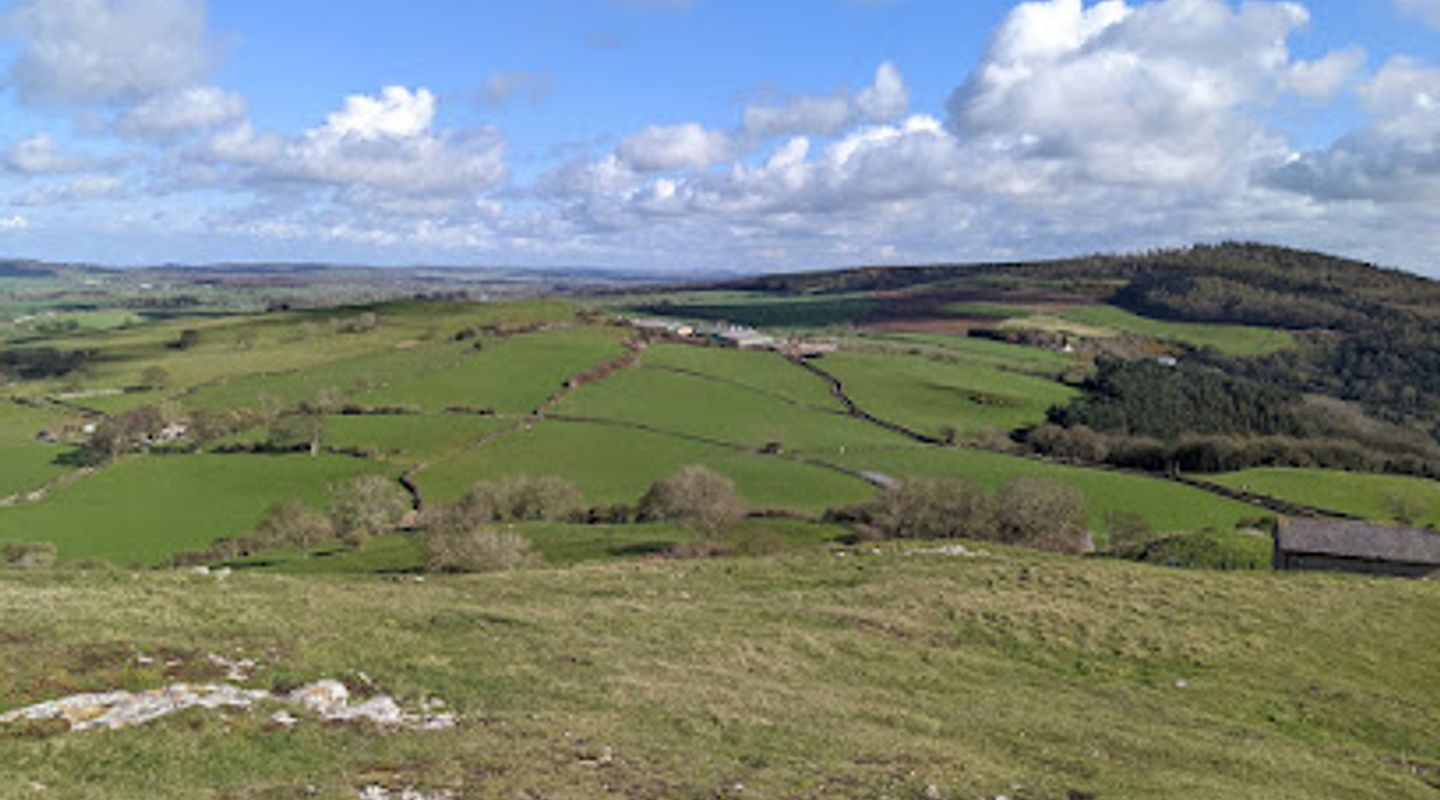
Moel Hiraddug is a striking Iron Age hillfort crowning a limestone hill near Dyserth, North Wales. Known for its commanding panoramic views of the sea, countryside, and Snowdonia mountains, it combines rich archaeological heritage with natural beauty. The site features extensive ramparts, steep escarpments aiding defence, and rare calcareous grasslands formed on former quarry land. A visit offers a blend of history, geology, and scenic tranquility.
On-site amenities
 Information boards
 Seating areas
 Trash bins
- Address
- Rhyl LL18 6HR
Getting there
Bus
Car
Walking
Discover more about Moel Hiraddug
Historical Significance of Moel Hiraddug Hillfort
Moel Hiraddug is an ancient Iron Age hillfort situated atop a limestone hill overlooking the village of Dyserth in North Wales. This hillfort, dating back to pre-Roman times, was part of a chain of defensive sites along the Clwydian Range. Archaeological excavations conducted between the 1950s and 1980s uncovered fortifications including ramparts and evidence of wooden structures that once protected the defenders. The western side of the hill is naturally fortified by a steep escarpment, which would have been a significant obstacle to attackers, supplemented by man-made lines of defence such as scree walls. Artifacts like sling stones have been found, indicating the hillfort's strategic military use in the Iron Age.
Geological and Environmental Features
The hill itself is composed of limestone, which has historically been quarried, leaving visible scars on the landscape. Despite this, the area now supports rare semi-natural calcareous grasslands, a habitat rich in biodiversity and important for conservation. These grasslands provide a unique environment for native flora and fauna, making Moel Hiraddug not only an archaeological site but also a valuable ecological area within the Clwydian Range. The bracing air and elevated position contribute to the hill’s reputation as a healthful outdoor spot.
Panoramic Views and Natural Surroundings
From the summit of Moel Hiraddug, visitors are rewarded with sweeping views across the North Wales coastline, the rolling countryside, and the distant peaks of Snowdonia. The hill’s ridge runs north to south, offering vantage points to appreciate the varied landscape. This scenic outlook has made the site a popular destination for walkers and nature lovers seeking tranquility and expansive vistas.
Visitor Experience and Landscape Interaction
Visitors to Moel Hiraddug can explore the remnants of the hillfort’s ramparts and enjoy the natural limestone grasslands. The site’s blend of historical intrigue and natural beauty invites contemplative walks and photography. While quarrying has altered parts of the hill, efforts to preserve and respect the site’s heritage and environment are encouraged. The terrain includes steep slopes, especially on the western side, which add an adventurous element to visits.
Local Context and Cultural Heritage
Moel Hiraddug sits within a region rich in history and natural features. Nearby Dyserth village and the broader Clwydian Range have long attracted settlers, hunters, and tourists. The hillfort’s presence reflects the strategic importance of this area through millennia, from Iron Age communities to Roman interests and beyond. The surrounding landscape also includes historical mills and estates, linking the natural and cultural heritage of the region.
Conservation and Sustainable Enjoyment
Today, Moel Hiraddug is recognized for both its archaeological significance and its ecological value. Conservation efforts focus on protecting the fragile grasslands and respecting the hillfort remains. Visitors are encouraged to follow responsible practices to maintain the site’s integrity. The combination of history, nature, and scenic beauty makes Moel Hiraddug a distinctive destination for those interested in Welsh heritage and landscape.
Evendo Review Centre
 Google
Guest reviews
Best time to go
Quietest: Jan, Feb & Dec · before 6am or at 9pm
Busy times are Evendo estimates for a typical year, to help you plan. Actual crowds vary with events, school holidays and the weather.
Explore Moel Hiraddug on the map
A handpicked selection of must-see spots near Moel Hiraddug, mapped for you.
Get your free copy of our complete guide to Moel Hiraddug, delivered straight to you.
Everything on this page, from opening hours and how to get there to Eve’s tips and the best time to go, in one PDF you can read offline, print or share.
Already have an account? Sign in
Your Moel Hiraddug guide is ready.
We'll send it to · Not you? Sign out

Getting your guide ready…
We are putting together a fresh copy of the Moel Hiraddug guide. This can take up to a minute.
This can take a few moments. If your browser asks, choose Allow so the download can start. You'll find the guide in your Downloads folder.
Nothing happened? Download it again
Sorry, the guide is taking longer than usual. Please try again in a minute, or get it by email instead.
Other nearby places you may find interesting
The closest places of the same kind, if this one is not quite what you had in mind.
-
-
-
-
-


Swipe for more places
More to explore near Moel Hiraddug

 Best experiences near Moel Hiraddug
 Best hotels near Moel Hiraddug
 Best landmarks near Moel Hiraddug
 Best attractions near Moel Hiraddug
 Best shops near Moel Hiraddug
 Best restaurants near Moel Hiraddug
 Best bars near Moel Hiraddug
Do you manage this location?
Take control to get all the benefits, like improved information, better appearance, and stronger visibility across AI-powered discovery.
Explore more

Explore more of Clwyd
Discover Clwyd: A picturesque region in North Wales, known for its rolling hills, historic castles, and vibrant cultural events.
Explore Clwyd
Explore more of United Kingdom
Discover the United Kingdom: A blend of rich history, stunning landscapes, and vibrant cities, offering a unique travel experience for every visitor.
Explore United Kingdom
