
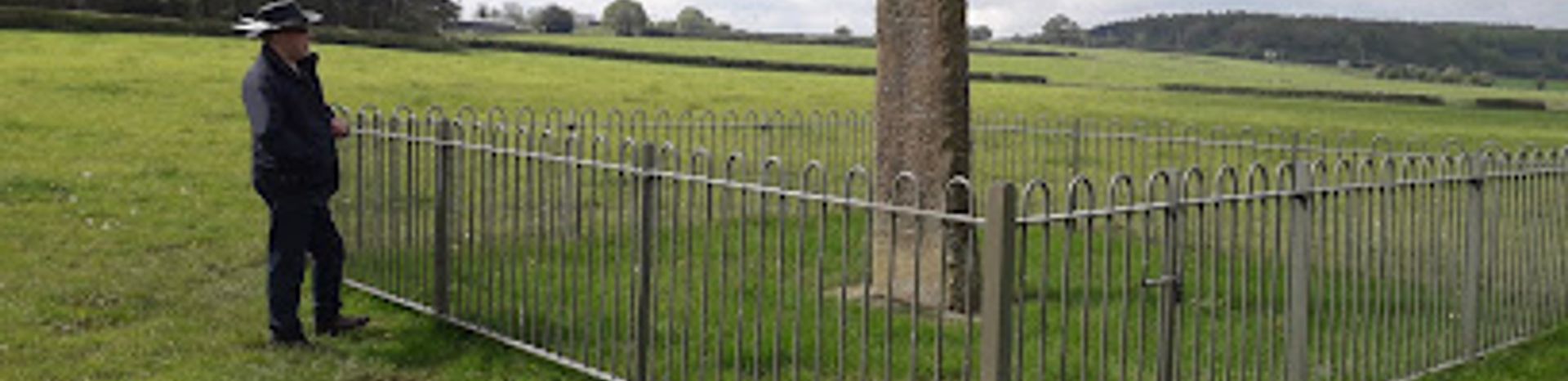
Maen Achwyfan Cross: Britain's Tallest Wheel Cross
Discover Maen Achwyfan Cross, Britain's tallest medieval wheel cross, blending Viking artistry and Christian heritage in a striking stone monument.
Maen Achwyfan Cross, near Whitford village in North Wales, is the tallest surviving wheel cross in Britain, standing 3.4 metres high. Dating from the late 10th or early 11th century, this freestanding stone monument features intricate medieval carvings blending Christian symbolism with Viking artistic influences. It commemorates a person or event and reflects the rich cultural interactions of the Irish Sea region during the Viking Age.
A brief summary to Maen Achwyfan Cross
- Holywell, Whitford, GB
- Visit website
- Duration: 0.5 to 1.5 hours
- Free
-
 Outdoor
- Mobile reception: 4 out of 5
- Monday 12 am-12 am
- Tuesday 12 am-12 am
- Wednesday 12 am-12 am
- Thursday 12 am-12 am
- Friday 12 am-12 am
- Saturday 12 am-12 am
- Sunday 12 am-12 am
Local tips
- Wear sturdy footwear as the terrain around the cross can be uneven and slippery, especially in wet weather.
- Visit during daylight hours year-round to fully appreciate the intricate carvings and details of the cross.
- Respect the monument by not climbing on it and staying behind any protective railings.
- Bring a camera to capture the unique Viking-influenced stone carvings and the peaceful rural surroundings.
- Combine your visit with nearby historical sites in the Flintshire area to explore more of Wales’ early medieval heritage.

For the on-the-go comforts that matter to you
- Seating Areas
- Information Boards
Getting There
-
Car
Driving from Holywell, the journey to Maen Achwyfan Cross takes approximately 15 to 20 minutes via local roads. Parking is limited near the site, so visitors should use nearby village parking and walk the short distance. No designated parking is available directly at the cross.
-
Public Transport
From Prestatyn railway station, about 10 kilometers away, local bus services run infrequently to Whitford village. The bus journey takes around 30 to 40 minutes, followed by a 15-minute walk to the cross. Check current bus timetables in advance as services are limited.
-
Bicycle
Cyclists can access Maen Achwyfan Cross via National Cycle Network Route 5, which passes near Whitford. The terrain is mostly flat with some minor road traffic; cycling from nearby towns typically takes 30 to 60 minutes depending on starting point.
-
Walking
For those staying in Whitford village, walking to the cross is a pleasant 20-minute route over moderately uneven terrain. Appropriate footwear is recommended, especially in wet conditions.
Maen Achwyfan Cross location weather suitability
-
 Any Weather
-
 Rain / Wet Weather
-
 Clear Skies
-
 Mild Temperatures
Discover more about Maen Achwyfan Cross
An Ancient Monument of Faith and Artistry
Maen Achwyfan Cross is a remarkable early medieval stone monument located near the village of Whitford, Flintshire, Wales. Standing 3.4 metres (11 feet) tall, it is the tallest wheel cross in Britain and a scheduled ancient monument. The cross dates from the late 10th or early 11th century and was likely erected to commemorate a significant person or event in the region. It consists of two main parts: the cross-head with its distinctive circular, wheel-like shape, and the shaft with a sturdy base.Viking Influence and Christian Symbolism
The cross’s design is a fascinating fusion of Christian iconography and Viking Age artistry. Its circular head features three concentric roll mouldings, with the cross arms decorated with intricate triquetra knots and triangular fret patterns. The shaft is adorned with panels of double ring knots, interlacing loops, and complex twelve-strand plait decorations. Stylised human and animal figures are also carved into the stone, reflecting the Hiberno-Norse cultural influences prevalent in this borderland area during the Viking Age.Historical and Cultural Context
Maen Achwyfan is part of a distinctive group of circle-headed crosses found around the Irish Sea, indicating the maritime networks and cultural exchanges between Wales, Ireland, and northwest England during the early medieval period. This region, known historically as Tegeingl, was a contested borderland where Viking settlers and local Christian communities interacted. The cross stands as a testament to the complex cultural landscape shaped by these interactions, combining religious devotion with artistic expression.Setting and Visitor Experience
Situated just west of Whitford village, the cross stands in an open, rural setting accessible year-round during daylight hours. The terrain is moderately challenging, with some uneven and potentially slippery ground, so appropriate footwear is recommended. Visitors can appreciate the monument’s detailed carvings up close, though care is advised due to natural weathering and the monument’s age. Guardrails and safety measures are in place to protect both visitors and the cross itself.Legends and Local Significance
Local legend associates the site with St Cwyfan, a 7th-century Celtic saint believed to have preached nearby and possibly established the original cross. This adds a spiritual dimension to the site, linking it to early Christian missionary activity in Wales. The cross remains a powerful symbol of the region’s layered history, from Celtic Christianity through Viking influence to medieval Welsh culture.Preservation and Access
Maen Achwyfan Cross is protected as a scheduled monument, ensuring its preservation for future generations. While there is no designated parking directly at the site, it is easily accessible from nearby roads and public transport routes. Visitors are encouraged to respect the site’s fragile condition by not climbing on the cross and by following all safety guidelines. The site is open all year, offering a unique glimpse into Wales’ rich early medieval heritage.Iconic landmarks you can’t miss

Naid Y March
5.2 km
Discover the ancient mystery of Naid Y March, the Bronze Age standing stones steeped in legend and Welsh heritage near Holywell.
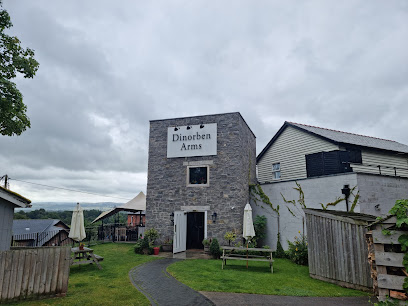
The Dinorben Arms
9.4 km
Experience authentic Welsh hospitality at The Dinorben Arms, a charming pub in Bodfari, offering delicious local cuisine and a warm atmosphere.
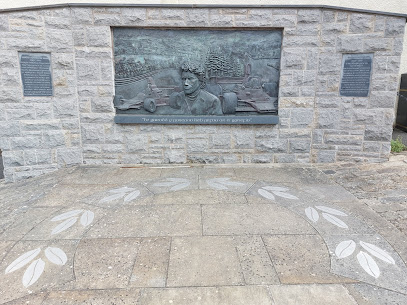
Tom Pryce Memorial
20.5 km
A poignant tribute in Ruthin to Tom Pryce, Wales’ only Formula 1 Grand Prix winner and a motorsport legend remembered for his talent and tragic fate.
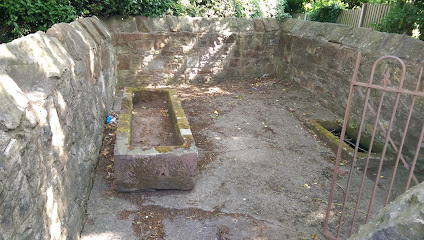
Old Spital Pinfold
20.6 km
Discover the quiet charm of Old Spital Pinfold, a preserved historic livestock enclosure nestled in the peaceful suburb of Bebington, Wirral.
Dyfed Drive
21.7 km
Discover Deeside with ease from Dyfed Drive, your essential bus stop connecting you to local attractions and scenic landscapes.
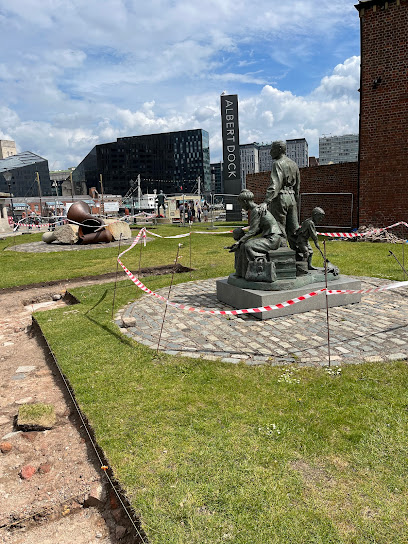
Legacy Sculpture
23.7 km
A powerful bronze tribute at Royal Albert Dock honoring Liverpool’s migrant heritage and the hopeful journeys to the New World.
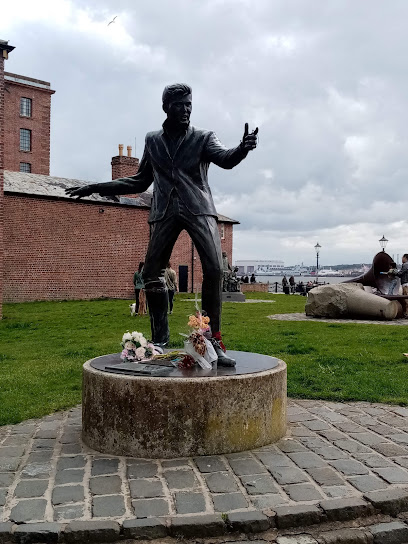
Billy Fury
23.8 km
Celebrate the legacy of Liverpool’s rock and roll pioneer with the iconic Billy Fury statue at the historic Royal Albert Dock.
The Piermaster's House
23.8 km
Explore the rich maritime history of Liverpool at The Piermaster's House, a charming museum in the scenic Albert Dock.
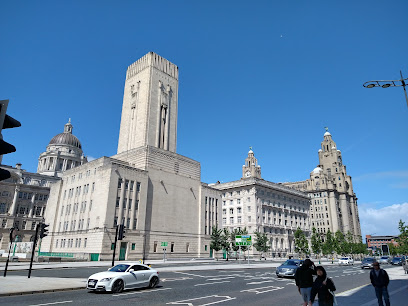
Pier Head
23.8 km
Explore the stunning waterfront of Liverpool at Pier Head, a vibrant ferry terminal rich in maritime heritage and cultural attractions.
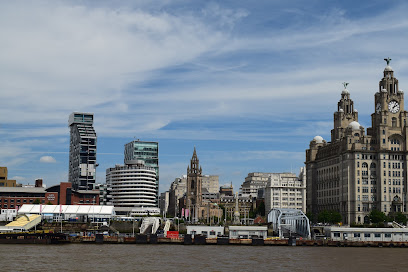
The Beatles Story Museum, Liverpool
23.8 km
Explore the captivating journey of The Beatles at The Beatles Story Museum in Liverpool, where music history comes alive with engaging exhibits and memorabilia.
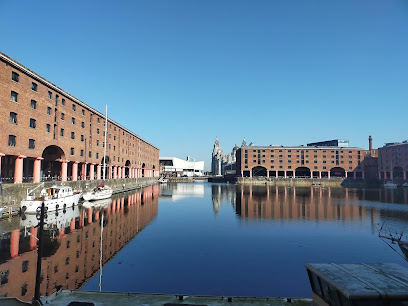
Royal Albert Dock Liverpool
23.8 km
Explore Royal Albert Dock Liverpool: A UNESCO World Heritage site blending history, culture, and stunning waterfront views in the heart of the city.
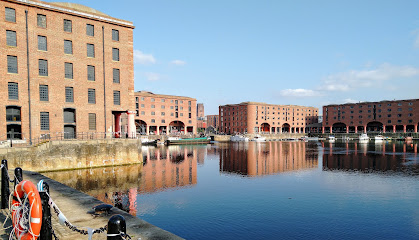
Liverpool wheel
23.8 km
Discover breathtaking views of Liverpool from the iconic Liverpool Wheel, an essential experience at the historic Royal Albert Docks.
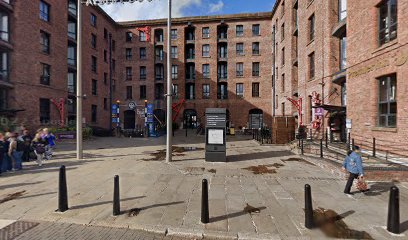
Magical Mystery Tour
23.8 km
Explore the Beatles' legacy on the Magical Mystery Tour in Liverpool, a journey through music history at its finest.
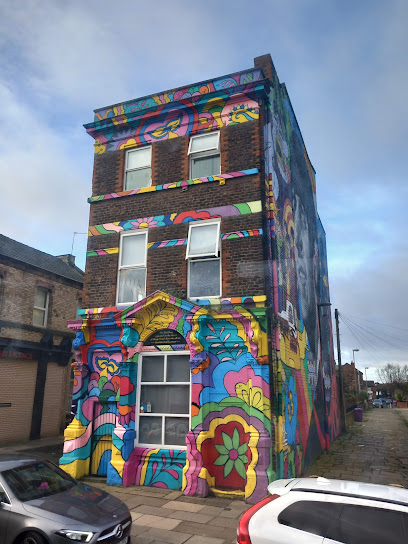
Wheel Of Liverpool
23.8 km
Experience breathtaking views of Liverpool from the iconic Wheel, a must-visit tourist attraction for stunning city panoramas.
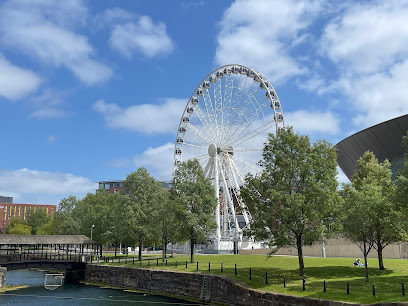
Museum of Liverpool
23.8 km
Explore Liverpool's vibrant history through engaging exhibits at the Museum of Liverpool, a must-visit for every traveler.
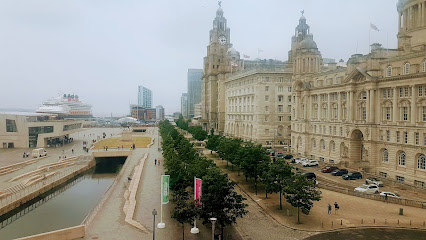
Unmissable attractions to see

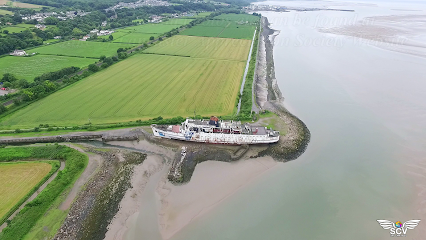
Duke of Lancaster ship
4.9 km
Historic 1955 turbine steam passenger ship turned iconic 'Fun Ship' and ghostly landmark on the North Wales coast.
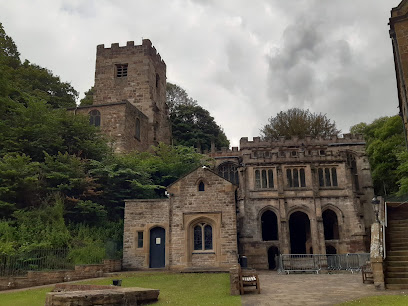
The National Catholic Shrine of St Winefride.
6.1 km
Explore Wales’ oldest pilgrimage site where sacred waters and medieval heritage inspire spiritual reflection and healing.
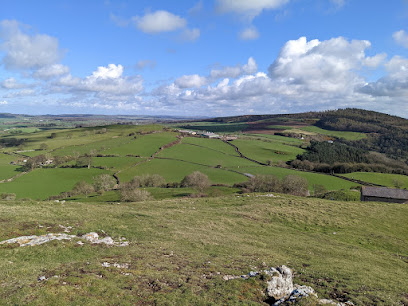
Moel Hiraddug
6.5 km
Explore Moel Hiraddug’s ancient hillfort with breathtaking views and rare limestone grasslands in the heart of North Wales’ Clwydian Range.
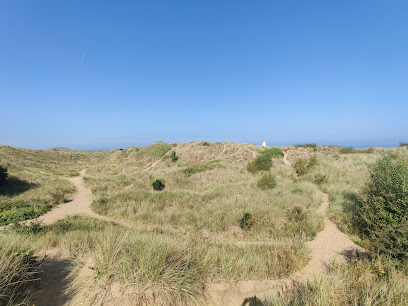
Point of Ayr Lighthouse
6.5 km
Wales’ oldest lighthouse standing sentinel on Talacre beach, rich with maritime history and ghostly legends.
Greenfield Valley Heritage Park
6.7 km
Explore 70 acres of heritage, nature, and family fun in North Wales’ Greenfield Valley Heritage Park.
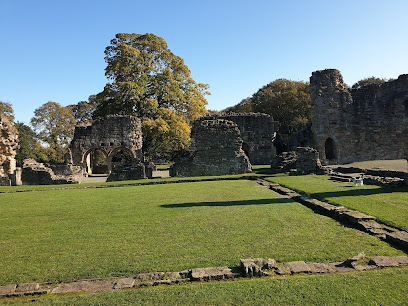
Basingwerk Abbey
6.8 km
Explore the evocative ruins of a 12th-century Cistercian abbey nestled in tranquil North Wales, a place of history, pilgrimage, and peaceful reflection.
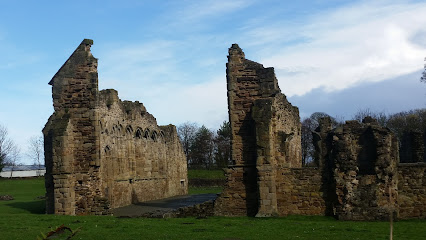
Wildwood Quarry
6.9 km
Secluded woodland cabins with mountain views, open-air hot bath, and year-round comfort near Mold in North Wales.

Rhaeadr Dyserth Waterfall
7.3 km
A 70-foot waterfall in a wooded ravine near Rhyl, with hidden caves, medieval walls, and panoramic views across North Wales.
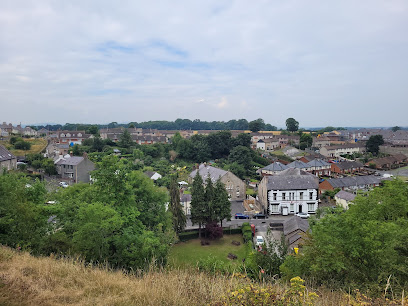
Afonwen Craft & Antique Centre
7.4 km
Discover centuries of antiques, vibrant crafts, and delicious local cuisine in the heart of North Wales’ scenic beauty.
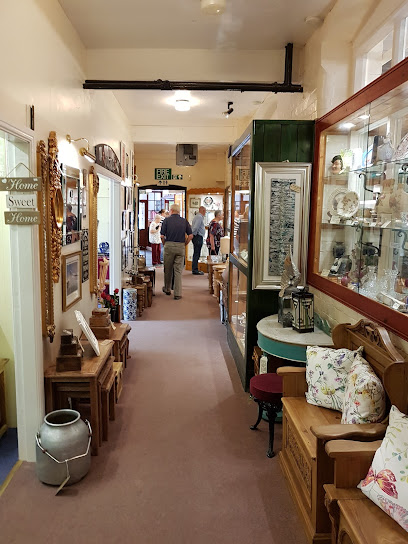
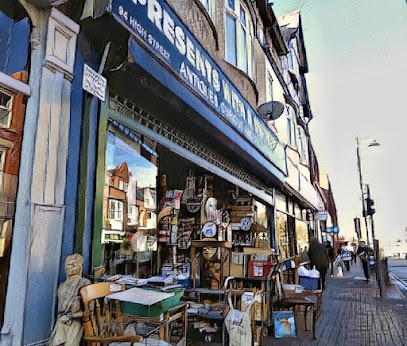
Presents With A Difference
7.5 km
Discover unique vintage treasures and nostalgic finds at Prestatyn’s beloved antique shop on High Street.
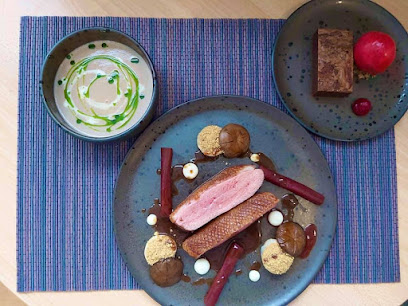
Ambermaze Fine Dining
7.6 km
Elegant fine dining in Holywell blending culinary artistry with impeccable service in a refined setting.
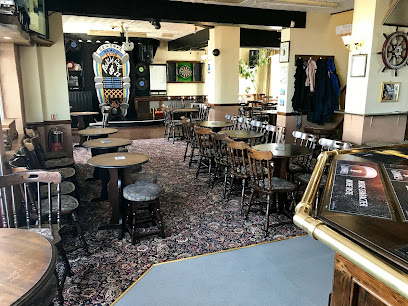
Central Beach Club
8.2 km
A friendly, family- and dog-friendly pub in Prestatyn offering lively entertainment, great beer, and a warm community atmosphere.
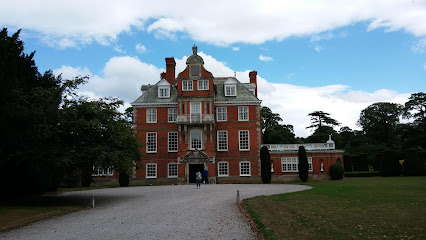
Bodrhyddan Hall
8.3 km
Explore Bodrhyddan Hall, a stunning Grade I listed Welsh stately home with historic gardens, rich collections, and centuries of family heritage.
Prestatyn Central Beach
8.5 km
Miles of sandy shores, lively promenade, and watersports make Prestatyn Central Beach a vibrant family-friendly coastal retreat.
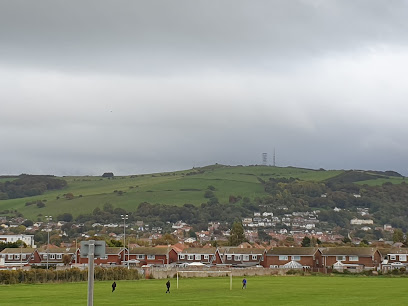
Pont Dafydd
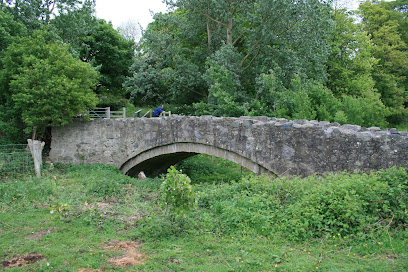
9.3 km
Discover Pont Dafydd, a charming medieval bridge stranded in time near St Asaph, where history and nature quietly converge.
Essential places to dine

The Crown Inn
3.8 km
A welcoming Welsh pub and restaurant offering hearty local dishes, friendly service, and a cozy atmosphere in the heart of Trelawnyd.
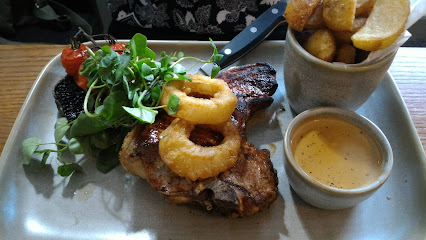
The Bells of St Mary's
5.5 km
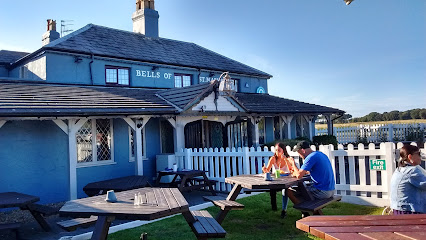
Cozy British pub in Gronant offering hearty carvery, fresh pizzas, and warm local hospitality near Prestatyn’s scenic coast.
Eagle & Child Inn
5.9 km
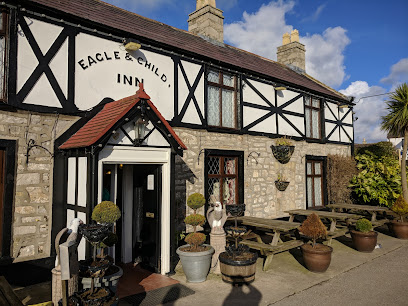
Traditional Welsh pub atop Prestatyn Mountain offering hearty fare, rustic charm, and stunning views in the peaceful village of Gwaenysgor.
The Red Lion Inn
7.0 km
Traditional British pub in Meliden offering hearty pub-style meals, daily specials, and a welcoming atmosphere in North Wales.
White House Restaurant & Rooms
7.0 km
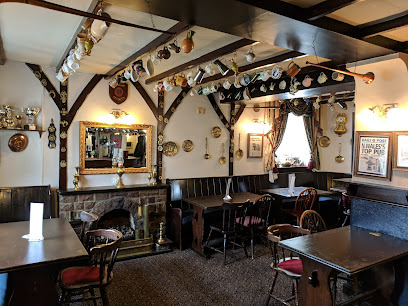
A charming family-run restaurant and cozy rooms nestled in the scenic village of Rhuallt, offering hearty British cuisine and warm hospitality.
VIEW Restaurant, North Wales
7.3 km
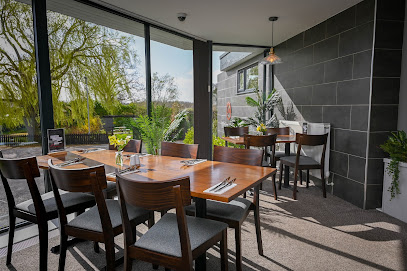
Experience refined dining with scenic views at VIEW Restaurant, nestled in the heart of Marian Resort and Spa, North Wales.
The New Inn
7.3 km
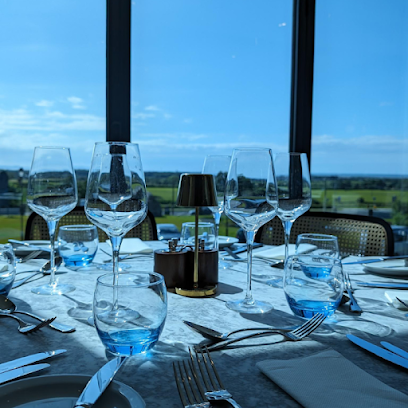
A welcoming historic pub in Dyserth offering hearty British fare, cozy charm, and friendly service near North Wales’ scenic beauty.
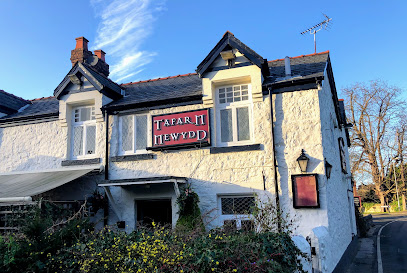
Edenshine Restaurant
7.4 km
Traditional Welsh and English cuisine served fresh in a charming antique centre setting near Mold, North Wales.
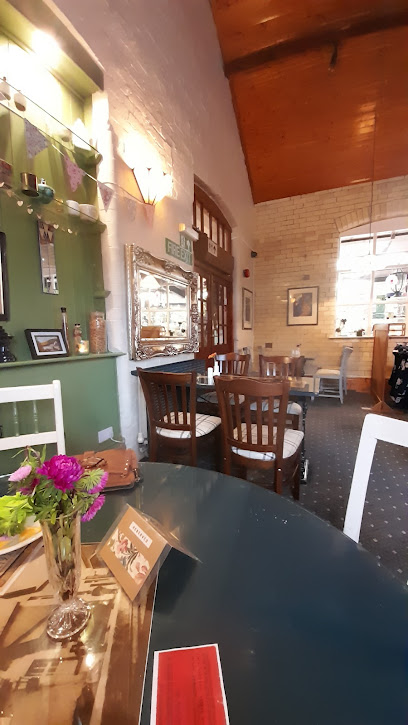
The Crooked Horn & rae's restaurant
7.4 km
Experience modern British cuisine at The Crooked Horn & Rae's Restaurant – where tradition meets innovation in a cozy gastropub setting.
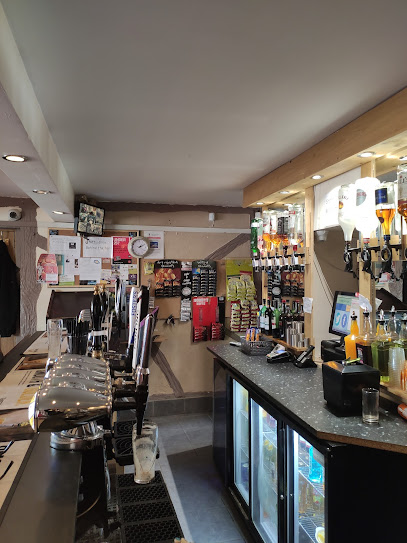
Torello Lounge
7.6 km
A cozy, community-focused café bar in Prestatyn offering diverse menus, friendly service, and a welcoming atmosphere for all ages.
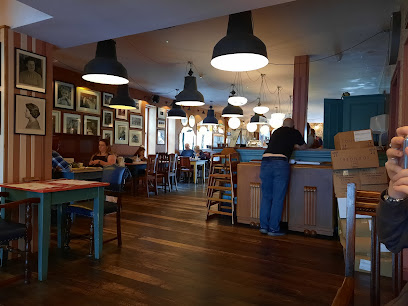
CookHouse Prestatyn
7.7 km
Traditional British carvery and family-friendly dining with warm service in the heart of Prestatyn’s High Street.
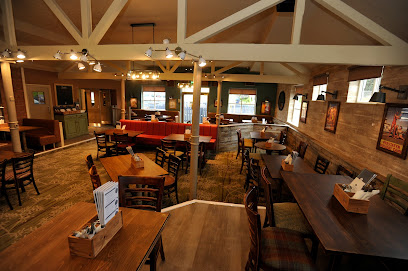
The Cherry Pie Inn
9.0 km
Traditional British hospitality and homemade classics await at The Cherry Pie Inn near Mold, a cozy family-run gem with a welcoming atmosphere.
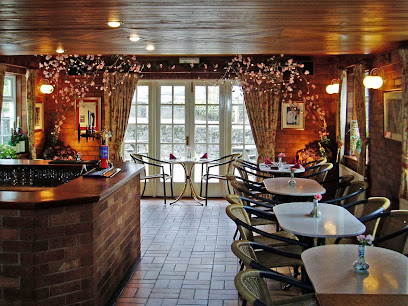
Caffi Cariad
9.8 km
A cosy community café at St Kentigern Hospice serving home-cooked meals and supporting compassionate care in St Asaph.
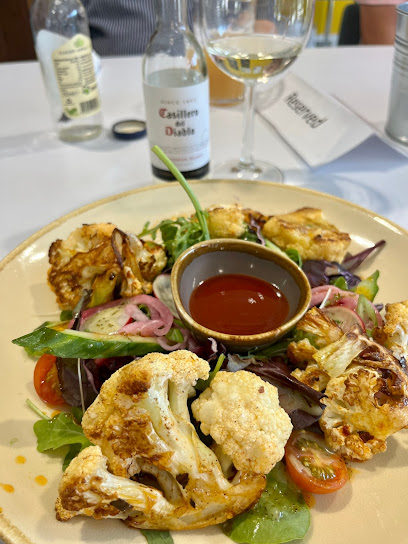
Jacob's Ladder
9.9 km
Cozy café and British restaurant in St Asaph offering homemade food, wood-fired pizzas, and a warm, welcoming atmosphere.
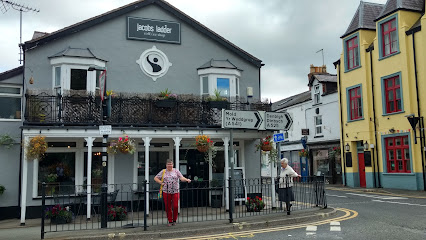
The Plough Inn
10.4 km
A vibrant British pub and restaurant in St. Asaph offering homemade food, real ales, live music, and a welcoming atmosphere for all occasions.
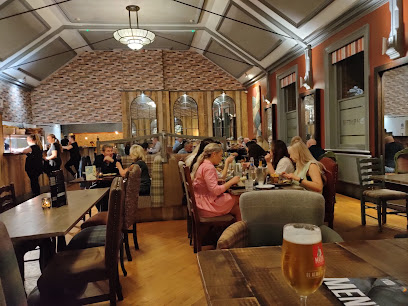
Markets, malls and hidden boutiques

Vagabonds
7.2 km
Bohemian gift shop brimming with eclectic clothing, jewellery, and spiritual treasures on Prestatyn's High Street.
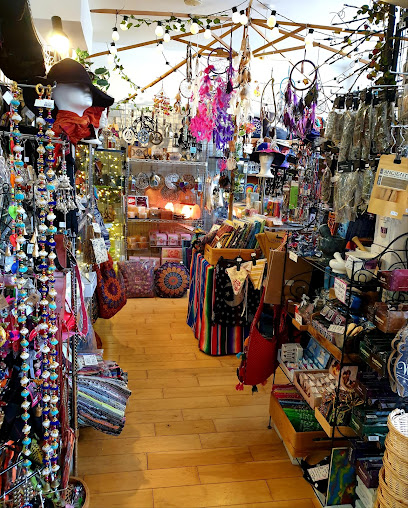
Tweedmill Shopping Outlet
10.6 km
Discover over 300 brands, local Welsh produce, and leisure facilities all under one roof at Tweedmill Shopping Outlet in North Wales.
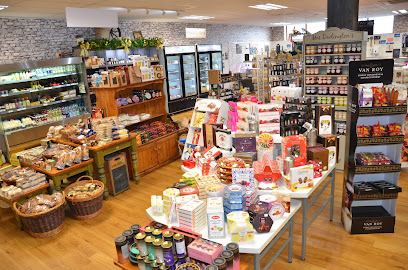
Bonmarché
10.6 km
Affordable and stylish women's fashion nestled within Saint Asaph’s vibrant Tweedmill Shopping Outlet.

FAD Clothing and Gifts
10.7 km
Discover unique gifts and local treasures at FAD Clothing and Gifts in Saint Asaph, a must-visit for every tourist seeking memorable souvenirs.

Flaunt It Vintage
12.2 km
Discover timeless style and sustainable fashion treasures at Rhyl’s unique vintage boutique, Flaunt It Vintage.
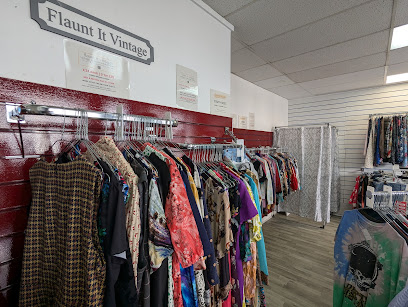
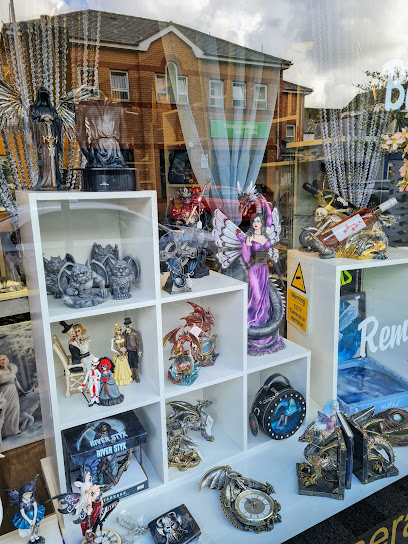
Different Worlds
12.2 km
Rhyl's premier destination for crystals, witchcraft supplies, and gothic-inspired gifts.
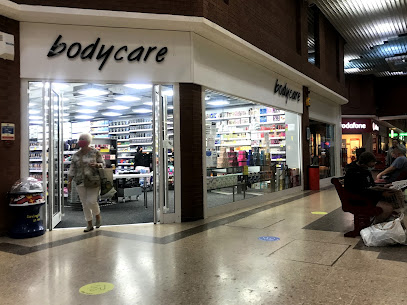
White Rose Shopping Centre
12.3 km
Covered shopping and dining hub in the heart of Rhyl's seaside town centre.
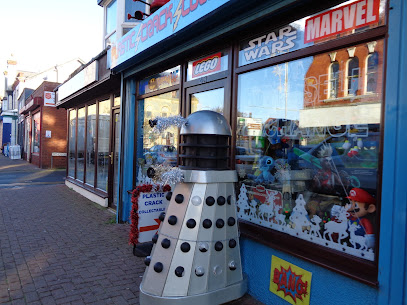
Plastic Crack Collectables
12.4 km
Discover vintage treasures and modern collectibles in Rhyl’s quirky Plastic Crack Collectables, a haven for toy enthusiasts and pop culture fans.
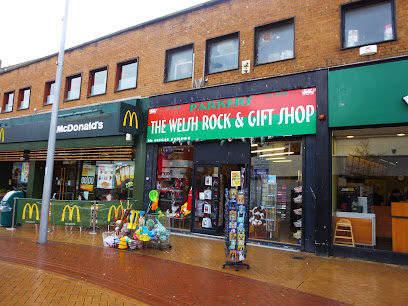
Parkers The Welsh Rock & Gift Shop
12.4 km
Discover authentic Welsh souvenirs, local crafts, and unique treasures at Parkers The Welsh Rock & Gift Shop in the heart of Rhyl.
Nice Things
12.4 km
Discover vintage treasures and nostalgic collectibles in the heart of Rhyl at Nice Things, your local haven for unique finds.
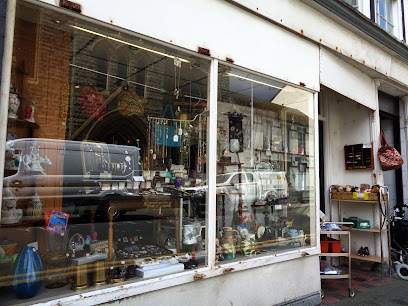
Dixie Deans
12.4 km
Explore Rhyl's charm at Dixie Deans, where unique gifts and local treasures await to create lasting memories.
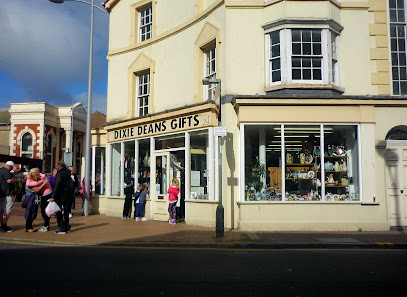
MijMoj Design Ltd
12.5 km
Hand-crafted Welsh wooden gifts and bespoke furniture where traditional craftsmanship meets modern design innovation.

Flintshire Retail Park
12.5 km
A convenient and diverse shopping centre in Flint offering essential retailers, ample parking, and a practical shopping experience for all visitors.
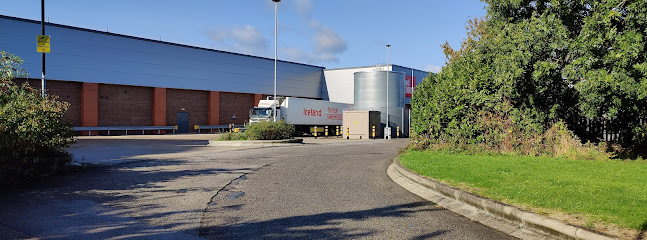
Lilly Fashion Boutique
12.8 km
Explore Lilly Fashion Boutique in Flint for a unique shopping experience with high-quality clothing and personalized service.
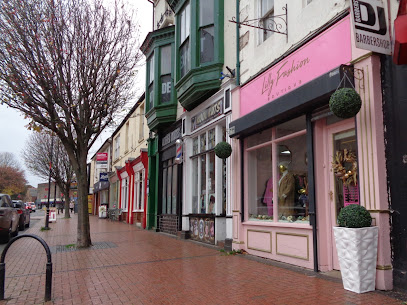
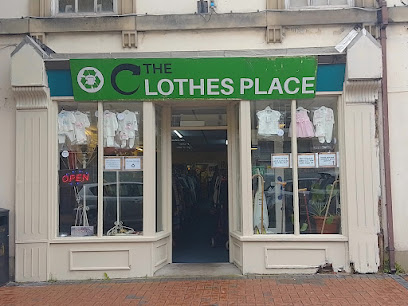
The clothes place
12.8 km
Independent fashion boutique offering quality clothing and personalized service in Flint town center.
Essential bars & hidden hideouts

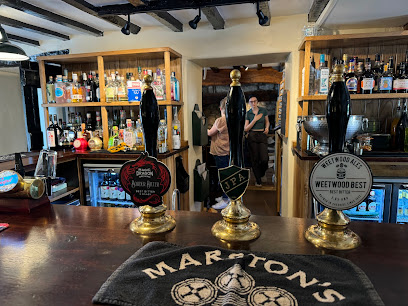
The Druid Inn
3.2 km
A beautifully restored country pub in Gorsedd offering hearty British fare, local ales, and a warm, welcoming atmosphere in scenic Holywell.
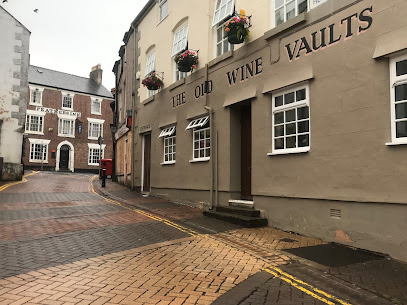
Old Wine Vaults
6.3 km
Historic family-owned pub in Holywell offering lively sports, live music, extensive drinks, and a welcoming atmosphere with a charming beer garden.
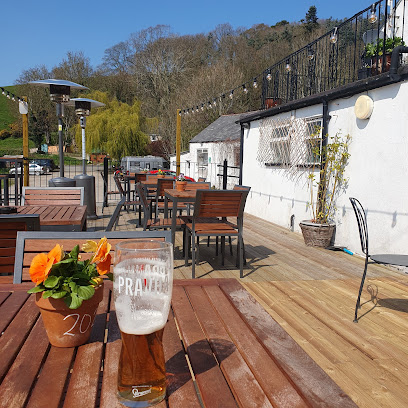
The Blue Lion Inn Cwm
6.4 km
Experience authentic Welsh hospitality with hearty food and a warm atmosphere at The Blue Lion Inn in scenic Cwm Dyserth.
The Miners Arms
7.0 km
A cozy village pub in Meliden offering hearty homemade dishes, lively pub games, and a warm Welsh welcome for all visitors.
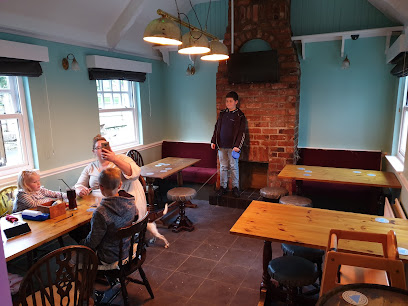
Archies Bar
7.3 km
A vibrant modern British bar in Prestatyn’s High Street, offering great drinks, hearty food, and a lively social scene with indoor and outdoor spaces.
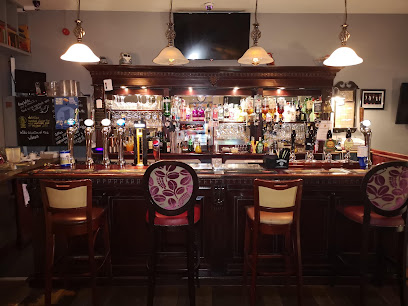
The Hideaway
7.3 km
A lively cocktail bar in Prestatyn known for friendly service, creative drinks, and a welcoming atmosphere on High Street.
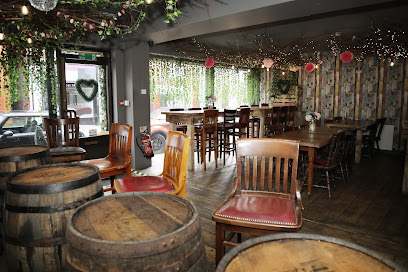
The William Morgan
7.6 km
A vibrant, retro-styled pub in Prestatyn offering great food, drinks, live sports, and a welcoming atmosphere for all ages and tastes.
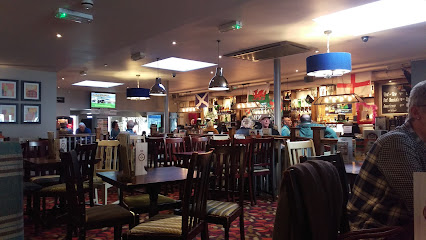
Crown Inn Lixwm
8.3 km
A classic British village pub in Lixwm offering hearty food, real ales, and a warm, welcoming atmosphere in the heart of North Wales.
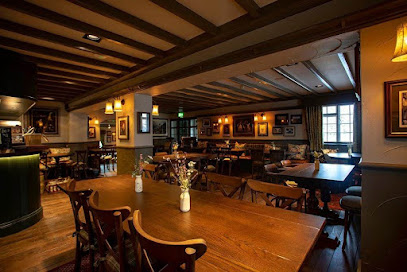
Bryn Dinas
9.9 km
Traditional Welsh pub opposite St. Asaph Cathedral, offering real ale, lively sports, and a warm local atmosphere in the heart of North Wales.
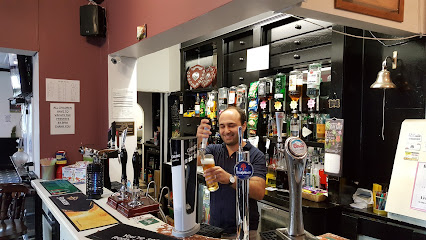
Cross Foxes
10.0 km
Experience authentic Welsh hospitality and hearty local fare at Cross Foxes, Nannerch’s beloved historic village pub.
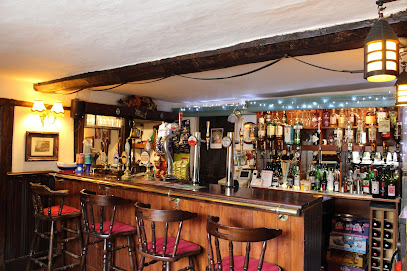
The Blossoms Pub
10.3 km
A friendly, accessible British pub in Bagillt offering community events and a welcoming atmosphere on High Street.
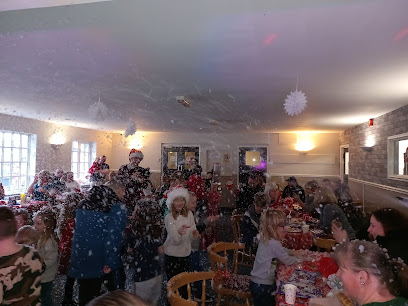
Castle Inn Rhuddlan
10.4 km
A cozy, traditional pub in Rhyl offering quality ales, friendly service, and scenic views near historic Rhuddlan Castle.
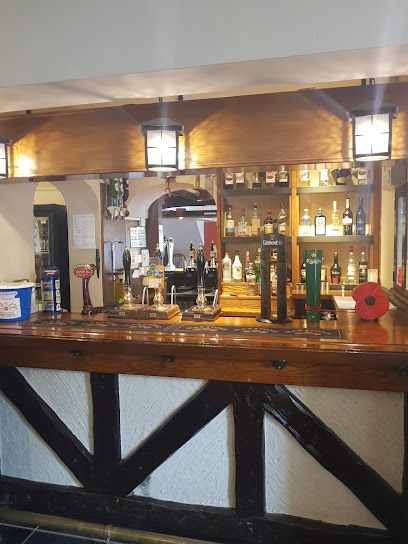
Kings Head
10.4 km
A historic, friendly pub in Rhuddlan offering classic pub fare, a lively atmosphere, and a warm welcome for all, including pets and families.
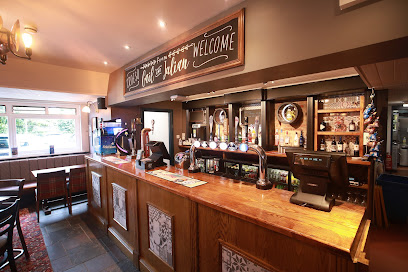
Ffordd Derwen
10.7 km
A friendly community pub in Rhyl offering traditional British fare, cask ales, and a welcoming atmosphere for all ages and pets.
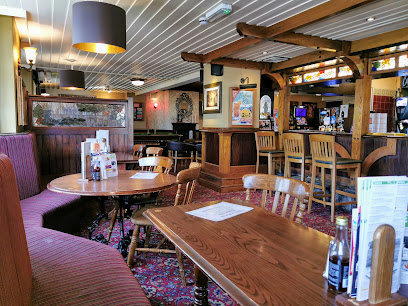
Tafarn Fach (was The Dove at Rhyl)
11.2 km
Discover authentic Welsh ales and warm camaraderie in the cozy, welcoming micropub of Tafarn Fach in the heart of Rhyl.
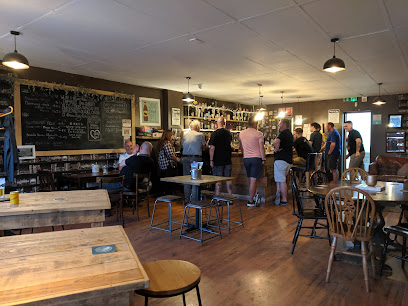
Nightclubs & after hour spots

Live Lounge
6.3 km
Experience lively evenings with live music and entertainment at Presthaven’s vibrant Live Lounge, set within a family-friendly coastal resort.
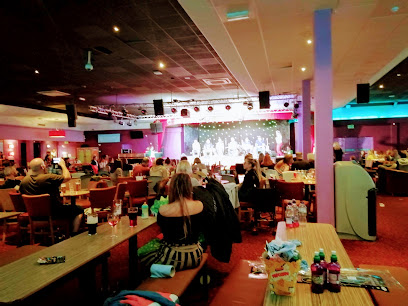
Pendyffryn Club
8.3 km
A cosy and tranquil social club in Prestatyn offering a friendly atmosphere to enjoy a pint and good company without distractions.
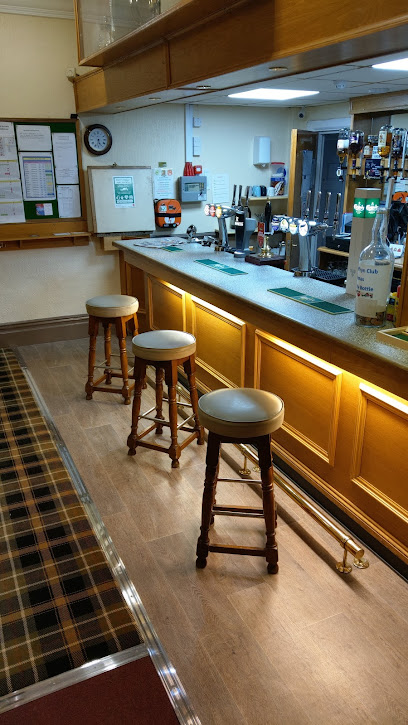
Esplanade Social Club
11.2 km
A lively coastal social club in Rhyl offering themed nights, local ales, and a welcoming community atmosphere near the beach.
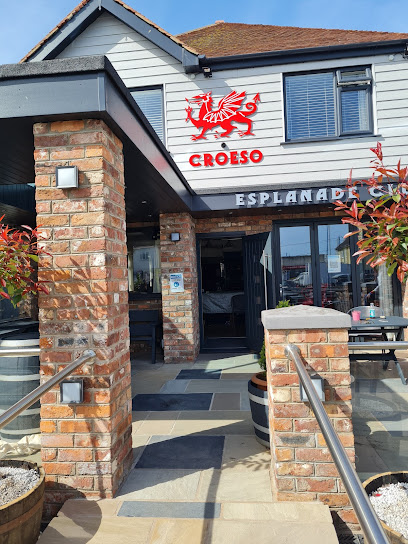
The Tiki Room
12.5 km
Rhyl’s vibrant tropical-themed nightclub with dual music floors offering modern beats and 80s classics for lively weekend nights.
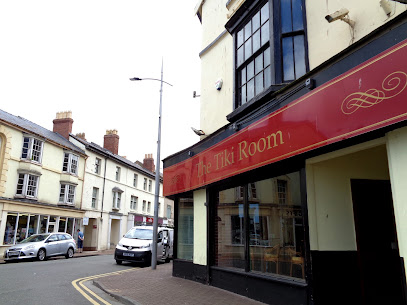
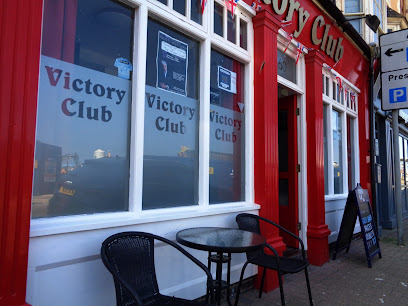
Victory Club
12.5 km
Rhyl’s last members-only club, offering traditional real ale, live music, and a welcoming community atmosphere steeped in 70 years of history.
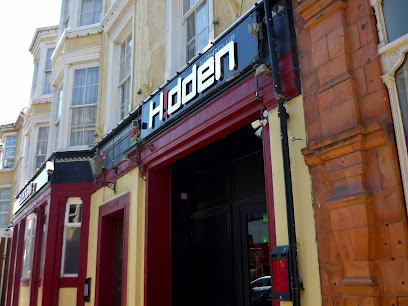
Hidden Nightclub
12.5 km
Discover the vibrant nightlife at Hidden Nightclub in Rhyl, where electrifying music and an energetic atmosphere create unforgettable nights out.
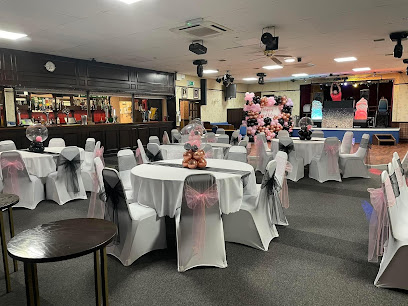
Flint Royal British Legion Social Club
12.8 km
A welcoming social hub in Flint supporting veterans and community through camaraderie, remembrance, and local events.
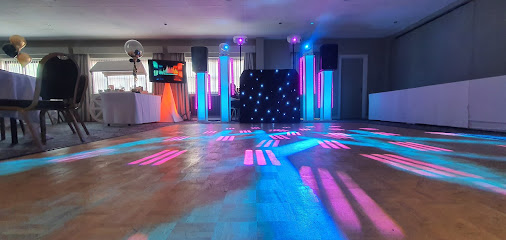
North Wales Celebrations Wedding & Party Disco DJ
13.4 km
Elevate your celebrations with North Wales Celebrations - the premier mobile disco DJ service for unforgettable weddings and parties.
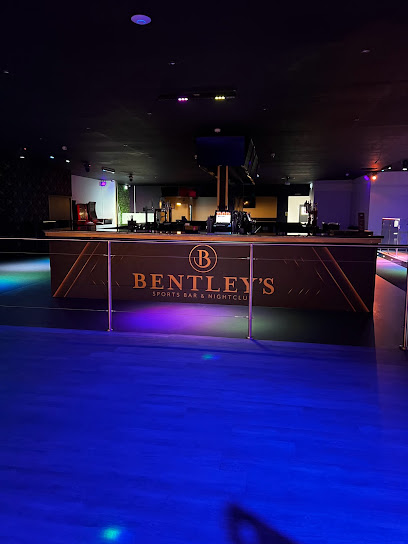
Bentley’s Sports Bar & NightClub
15.2 km
Experience Towyn’s vibrant nightlife at Bentley’s Sports Bar & NightClub, where music, dancing, and great vibes come alive every weekend.
Dj Tony B Disco Karaoke & video Roadshow
21.3 km
Dive into a night of music and fun at Dj Tony B Disco Karaoke & Video Roadshow, where every guest gets to shine on stage!
Revolution Liverpool - Albert Dock
23.9 km
Enjoy a lively atmosphere with delicious food and creative cocktails at Revolution Liverpool - Albert Dock, a must-visit bar and restaurant.
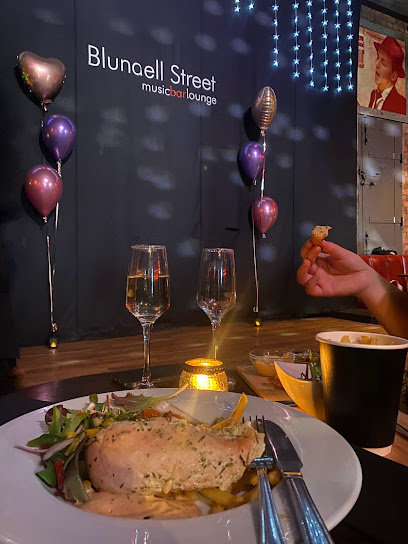
Supper Club at Blundell Street
24.1 km
Liverpool's ultimate supper club: fuel up on hearty meals, then dance the night away to drag shows, tributes, and non-stop hits near Echo Arena.
Playground Liverpool
24.2 km
Liverpool's luxury nightclub haven in the Hilton, pulsing with upscale beats by the Mersey waterfront – exclusive nights await in the heart of the city.

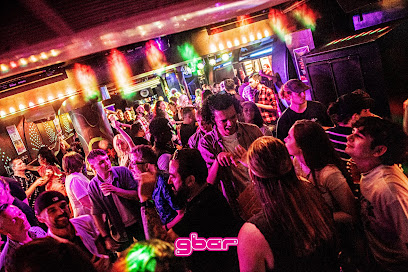
GBar Liverpool
24.4 km
Liverpool's legendary late-night gay club: pop upstairs, bass downstairs, dancing till dawn on Eberle Street's vibrant strip.
Mambo Club Liverpool
24.4 km
Experience Liverpool’s vibrant nightlife at Mambo Club, where electrifying music and lively crowds create unforgettable Saturday nights.

For the vibe & atmosphere seeker
- Tranquil
- Scenic
- Unique
- Historic
For the design and aesthetic lover
- Rustic Designs
For the architecture buff
- Historic
- Landmarks
- Sacred Sites
For the view chaser and sunset hunter
- Iconic Views
- Panoramas
For the social media creator & influencer
- Instagrammable
- Photo Spots
- Selfie Spots
For the eco-conscious traveler
- Protected Area
- Public-Transport Accessible
- Leave-No-Trace Critical
For the kind of experience you’re after
- Cultural Heritage
- Myth & Legends
- Photowalk
- Day Trip
- Weekend Getaway
For how adventurous you want the journey to be
- Easy Access
Location Audience
- Family Friendly
- Senior Friendly
- Child Friendly
- Teen Friendly
- Solo Friendly
- Couple Friendly
- Vegetarian Friendly


