
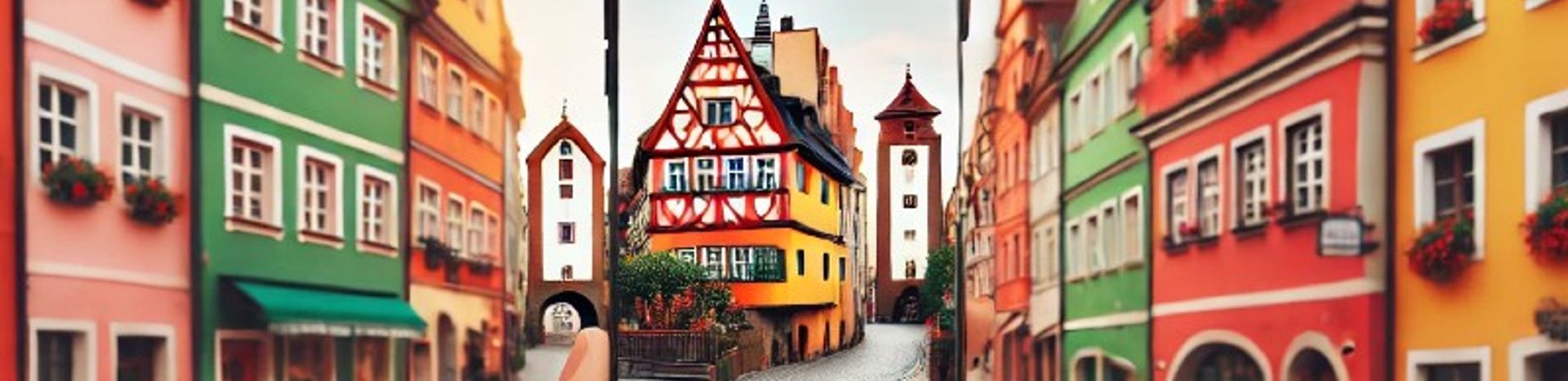
Vale of Clwyd: A Tranquil Welsh Lowland Landscape
A tranquil Welsh valley of rich history, rolling farmland, and peaceful riverside walks beneath the Clwydian Range’s scenic backdrop.
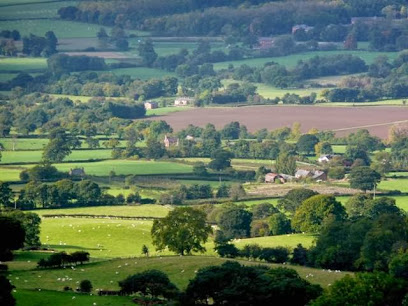
The Vale of Clwyd is a serene low-lying valley in Denbighshire, northeast Wales, stretching about 30 km from the Irish Sea coast southwards. Bordered by the Clwydian Range and rolling hills, it features rich agricultural land, the meandering River Clwyd, and historic towns such as Denbigh and Ruthin. Its tranquil rural scenery, medieval heritage, and natural beauty make it a peaceful retreat for walkers and nature lovers.
A brief summary to Vale of Clwyd
- Denbigh, GB
- Duration: 1 to 4 hours
- Free
-
 Outdoor
- Mobile reception: 4 out of 5
Local tips
- Explore Lady Bagot’s Drive for a serene riverside walk through wooded gorge landscapes.
- Visit Denbigh Castle’s Great Gatehouse to appreciate medieval architecture and history.
- Look out for local wildlife such as dormice near the wildlife hides along the Clywedog River.
- Combine your visit with trips to nearby historic towns like Ruthin and Rhuddlan for timber-framed houses and ruins.
- Enjoy panoramic views of the vale from the Clwydian Range hills for excellent photo opportunities.

For the on-the-go comforts that matter to you
- Restrooms
- Seating Areas
- Information Boards
- Picnic Areas
- Trash Bins
Getting There
-
Car
Driving from Ruthin, the Vale of Clwyd is reachable within 20 to 30 minutes via the A525 and local roads. Parking is available in villages like Rhewl, but spaces can be limited, so plan accordingly. No parking fees typically apply.
-
Bus
Regular bus services connect Denbigh and Ruthin with nearby villages in the vale, including Rhewl. Travel times range from 30 to 50 minutes depending on the route. Tickets cost approximately £3 to £6. Check local timetables for frequency and seasonal variations.
-
Walking
For active visitors, walking routes such as Lady Bagot’s Drive offer accessible terrain with gentle gradients. Walks can last from 1 to 3 hours depending on chosen paths, suitable for most fitness levels and families.
Vale of Clwyd location weather suitability
-
 Any Weather
-
 Rain / Wet Weather
-
 Clear Skies
-
 Mild Temperatures
-
 Windy Conditions
Discover more about Vale of Clwyd
Geographical Setting and Natural Features
The Vale of Clwyd is a broad, fertile lowland basin extending south-southwest from the Irish Sea coast in northeast Wales. It is framed to the east by the distinctive scarp of the Clwydian Range and to the west by a series of low hills. The River Clwyd flows through the vale, fed by tributaries including the Rivers Clywedog, Elwy, and Wheeler, creating lush floodplains and wetlands. The landscape is shaped by glacial deposits from the ice ages, with drumlins marking its western edge and alluvial soils enriching the river valleys.Historical Roots and Medieval Legacy
Historically, the Vale of Clwyd was a cantref in medieval Wales and later became a marcher lordship after 1282. The vale’s towns such as Denbigh, Ruthin, and Rhuddlan hold deep historical significance, with Denbigh Castle standing as a prominent 13th-century fortification designed by Master James of St George, architect to Edward I. The area’s history is intertwined with Welsh princes, Norman conquest, and border conflicts, visible in its medieval architecture and fortified settlements.Settlements and Cultural Highlights
The vale hosts a mix of market towns, villages, and coastal resorts. Denbigh, with its medieval walls and castle, serves as a cultural hub, featuring landmarks like the historic town hall-turned-library and the statue of explorer Sir Henry Morton Stanley. Nearby towns such as Ruthin and Rhuddlan offer timber-framed houses and medieval ruins. The vale’s rural character is complemented by agricultural traditions and local festivals celebrating Welsh heritage.Walking and Outdoor Activities
The Vale of Clwyd offers peaceful walking routes along riverside tracks such as Lady Bagot’s Drive by the Clywedog Gorge, woodland paths, and open fields with panoramic views of the Clwydian Range. The terrain includes riverside, woodland, and farmland trails suitable for leisurely hikes and wildlife spotting, including dormice in secluded hides. The area is less frequented by tourists compared to nearby Snowdonia, providing a tranquil experience.Environmental and Geological Importance
Geologically, the vale is a sedimentary basin with Permian and Triassic sandstone floors, overlain by glacial till. Its varied habitats support diverse flora and fauna, with conservation efforts maintaining its natural beauty. The vale’s gentle landscape and fertile soils have long supported farming, shaping its pastoral scenery and ecological balance.Modern Significance and Visitor Appeal
Today, the Vale of Clwyd remains a peaceful rural area prized for its scenic beauty, historical depth, and outdoor opportunities. It is accessible yet retains a quiet charm, offering visitors a chance to explore Welsh culture, heritage sites, and nature away from busier tourist centers. Its combination of medieval towns, rolling countryside, and river landscapes makes it a distinctive destination in northeast Wales.Iconic landmarks you can’t miss

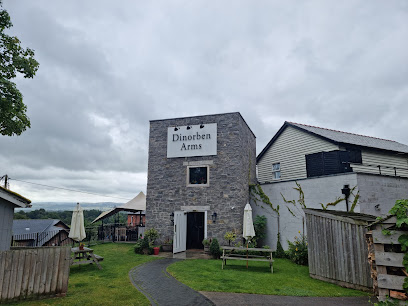
The Dinorben Arms
2.7 km
Experience authentic Welsh hospitality at The Dinorben Arms, a charming pub in Bodfari, offering delicious local cuisine and a warm atmosphere.
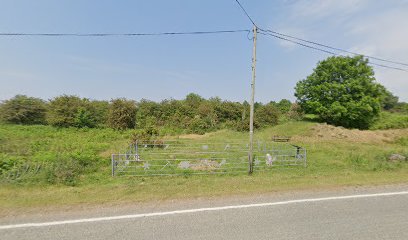
Naid Y March
11.5 km
Discover the ancient mystery of Naid Y March, the Bronze Age standing stones steeped in legend and Welsh heritage near Holywell.
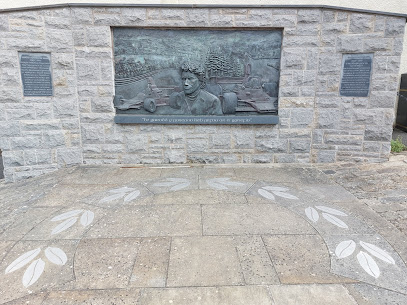
Tom Pryce Memorial
12.8 km
A poignant tribute in Ruthin to Tom Pryce, Wales’ only Formula 1 Grand Prix winner and a motorsport legend remembered for his talent and tragic fate.
Derwen Churchyard Cross
19.0 km
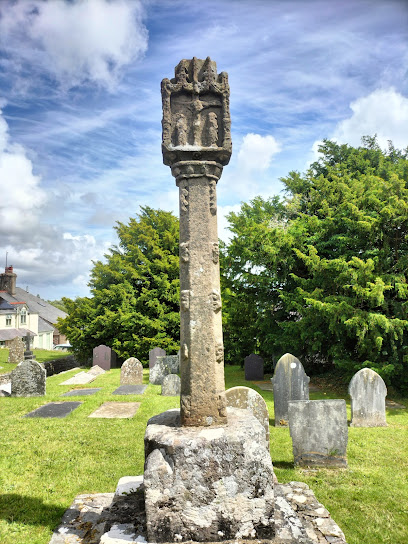
Explore the intricately carved 15th-century Derwen Churchyard Cross, a rare medieval Welsh monument set in a serene circular churchyard near Corwen.
Welsh Mountain Zoo
24.7 km
Explore the Welsh Mountain Zoo: a family-friendly haven for wildlife enthusiasts, offering unique animal encounters and stunning natural beauty.
Hope Mountain
24.8 km
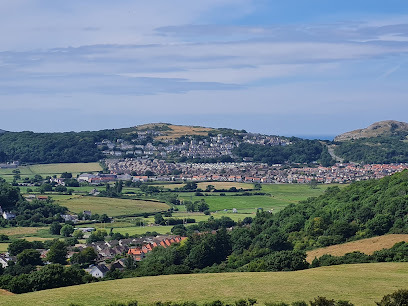
Discover the breathtaking views and wildlife of Hope Mountain, a natural gem in Wrexham, perfect for hikers and nature enthusiasts.
Dyfed Drive
25.0 km
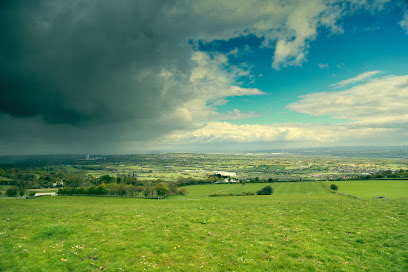
Discover Deeside with ease from Dyfed Drive, your essential bus stop connecting you to local attractions and scenic landscapes.
National Trust - Bodnant Garden
26.4 km
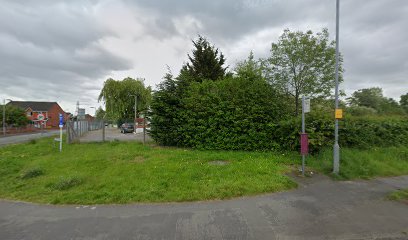
Discover the enchanting Bodnant Garden in Wales, a botanical haven with stunning landscapes and vibrant floral displays throughout the seasons.
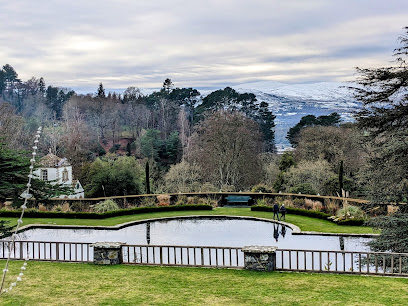
Plas Uchaf
27.1 km
Discover the serene beauty of Plas Uchaf, a charming holiday home in Corwen, perfect for relaxation and exploration of Welsh landscapes.
World's End
27.6 km
Experience the tranquil beauty of World's End, a nature reserve in Wrexham, where stunning landscapes and diverse wildlife await.
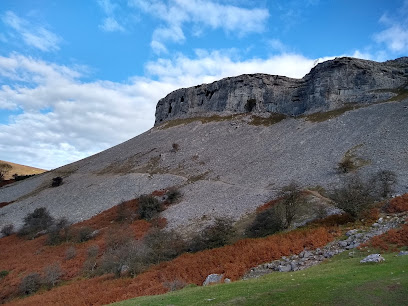
Cadair Ifan Goch
27.8 km
Experience the breathtaking beauty and rich history of Cadair Ifan Goch, a stunning landmark in Wales, perfect for nature lovers and adventure seekers.
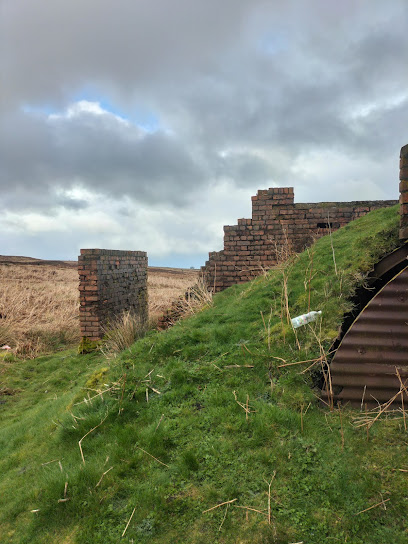
Cae-Llywd Bunker
28.8 km
Explore the Cold War era at Cae-Llywd Bunker, a hidden historical landmark nestled in the scenic landscapes of Llangollen, Wales.
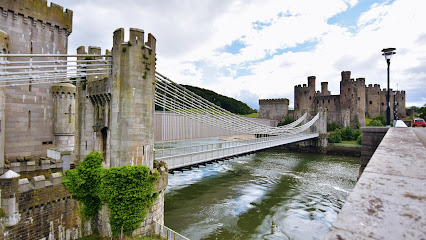
National Trust - Conwy Suspension Bridge
29.1 km
Explore the iconic Conwy Suspension Bridge, a remarkable feat of engineering offering breathtaking views and a rich historical experience in Conwy.
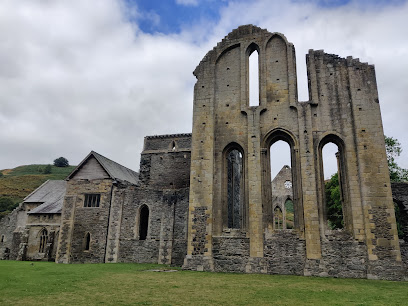
Abaty Glyn Y Groes / Valle Crucis Abbey
29.1 km
Valle Crucis Abbey: A captivating historical landmark in Llangollen, where monastic history meets stunning natural beauty.
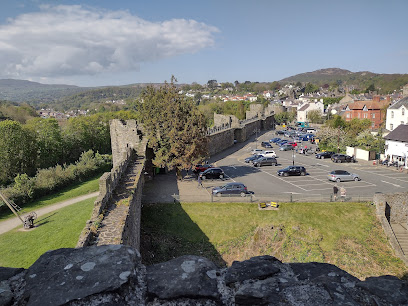
Conwy Castle
29.2 km
Discover the historic beauty and stunning views of Conwy Castle, a must-visit UNESCO World Heritage Site in Wales.
Unmissable attractions to see

Glan Clwyd Isa
2.7 km
Peaceful North Wales farmstead with modern cottages, heated pool, hot tubs, and scenic walks—perfect for family retreats and group stays.
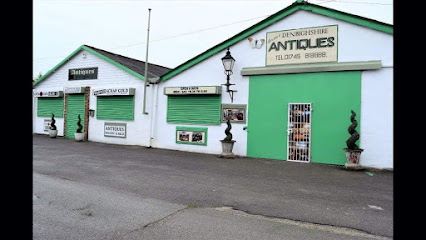
Denbighshire Antiques
2.8 km
Discover timeless elegance and expert restoration at Denbighshire Antiques, Denbigh’s premier destination for vintage furniture and collectibles.
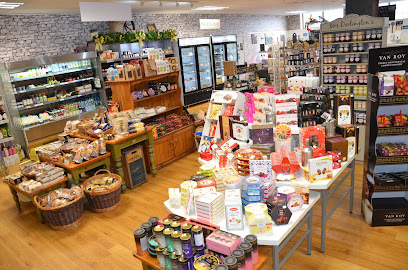
Mill Farm Shop at the Tweedmill Shopping Outlet
2.9 km
Discover authentic Welsh produce and local crafts at Mill Farm Shop, nestled within the vibrant Tweedmill Shopping Outlet in Saint Asaph.
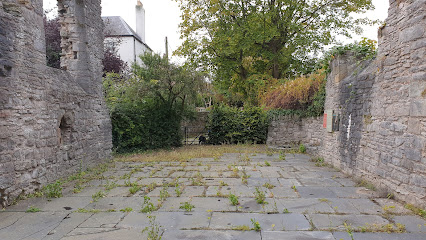
Denbigh Friary
3.3 km
Explore the beauty and history of Denbigh Friary, a captivating landmark in Wales showcasing medieval architecture and serene landscapes.
Denbigh Museum / Amgueddfa Dinbych
3.5 km
Explore Denbigh’s rich heritage in a charming volunteer-run museum housed in a historic magistrates’ court building.
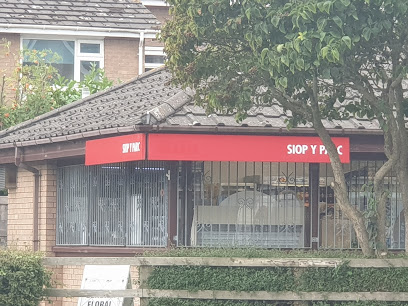
Siop Y Parc
3.7 km
Discover local Welsh flavors and fresh produce daily at Denbigh’s friendly supermarket, Siop Y Parc.
The Wings Club
3.9 km
A warm and welcoming social club in Denbigh offering lively atmosphere, friendly faces, and a cozy spot to gather daily from noon till late.
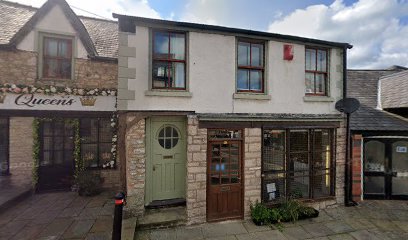
Make the Most of Denbigh
4.0 km
Discover authentic Welsh crafts and local artisan treasures in the heart of Denbigh at this charming Mount Pleasant shop.
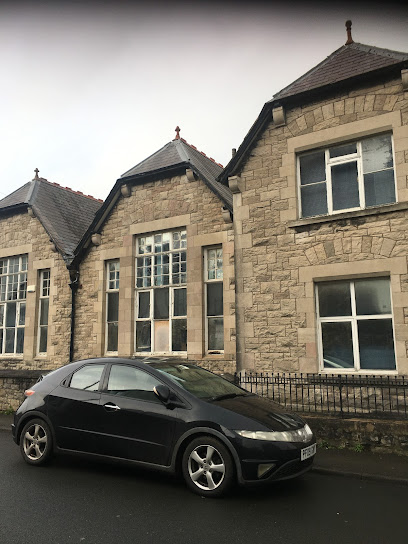
Denbigh Castle
4.2 km
Explore Denbigh Castle’s dramatic medieval ruins and sweeping views atop a historic Welsh fortress.
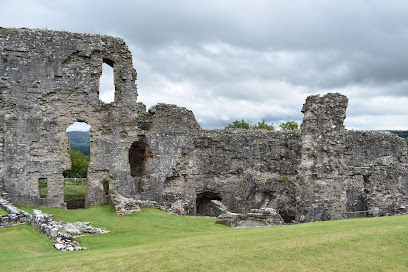
The 1950s Museum, Denbigh
4.9 km
Step back into the 1950s at Denbigh’s unique museum, where classic cars, room sets, and memorabilia bring post-war Britain vividly to life.
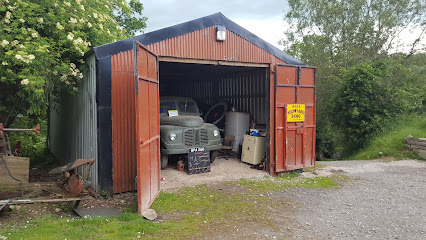
River Clwyd
5.1 km
Flowing 35 miles through North Wales, the River Clwyd nourishes fertile valleys, historic sites, and rich wildlife before meeting the Irish Sea.
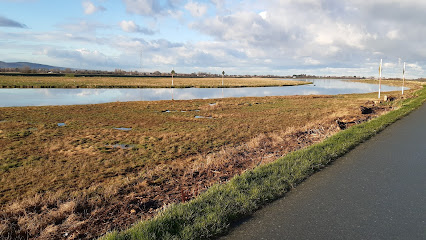
St Asaph Cathedral
5.3 km
Discover the UK's smallest ancient cathedral, a historic gem blending medieval architecture, vibrant worship, and serene gardens in North Wales.
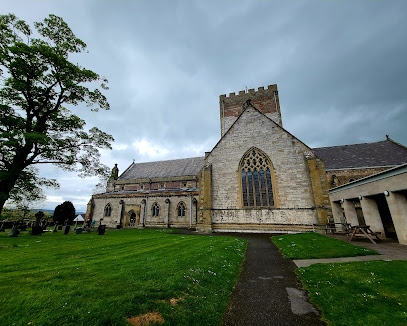
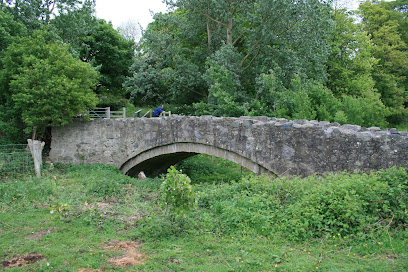
Pont Dafydd
5.7 km
Discover Pont Dafydd, a charming medieval bridge stranded in time near St Asaph, where history and nature quietly converge.
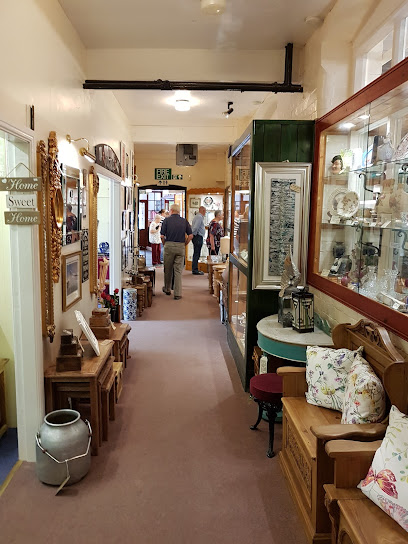
Afonwen Craft & Antique Centre
6.6 km
Discover centuries of antiques, vibrant crafts, and delicious local cuisine in the heart of North Wales’ scenic beauty.
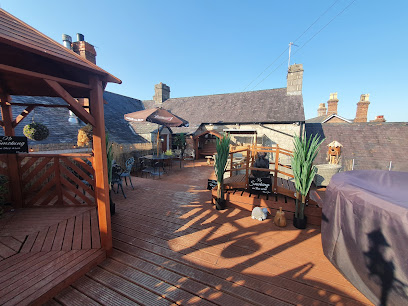
Wildwood Quarry
7.2 km
Secluded woodland cabins with mountain views, open-air hot bath, and year-round comfort near Mold in North Wales.

Essential places to dine

Coultons bar & grill @ The Trefnant
1.7 km
Cozy British village pub serving hearty traditional dishes with warm hospitality in the heart of Trefnant, Denbighshire.
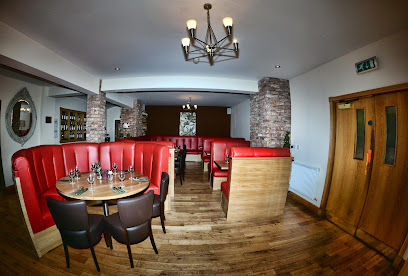
Con Amici Italian Bar and Kitchen
3.0 km
Authentic family-run Italian dining in Denbigh, blending traditional flavors with a warm, welcoming atmosphere for all guests.
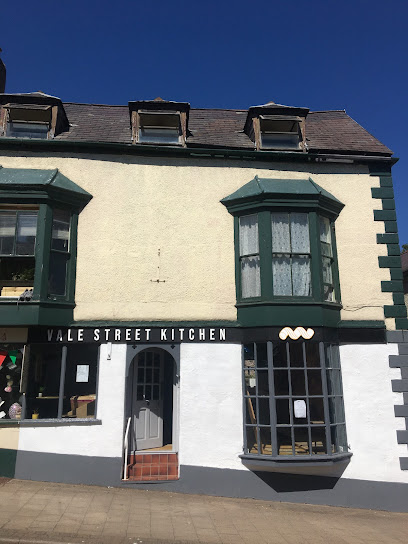
Vale street kitchen
3.8 km
Cozy Italian-inspired restaurant in Denbigh with seasonal menus, outdoor dining, and private event spaces.
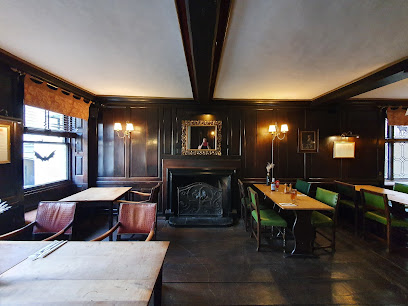
Guildhall Tavern Denbigh
3.9 km
Cozy medieval tavern in Denbigh’s historic square, famed for hearty meals, warm hospitality, and a welcoming community atmosphere.
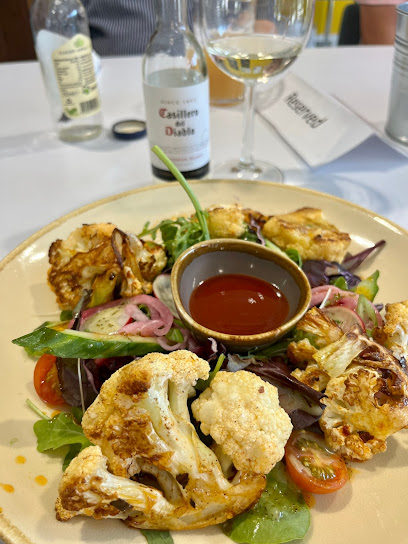
Caffi Cariad
4.5 km
A cosy community café at St Kentigern Hospice serving home-cooked meals and supporting compassionate care in St Asaph.
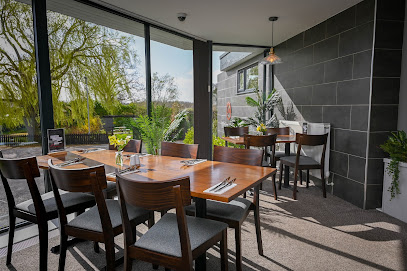
White House Restaurant & Rooms
5.2 km
A charming family-run restaurant and cozy rooms nestled in the scenic village of Rhuallt, offering hearty British cuisine and warm hospitality.
Jacob's Ladder
5.3 km
Cozy café and British restaurant in St Asaph offering homemade food, wood-fired pizzas, and a warm, welcoming atmosphere.
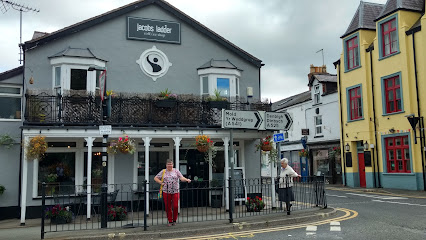
The Plough Inn
5.7 km
A vibrant British pub and restaurant in St. Asaph offering homemade food, real ales, live music, and a welcoming atmosphere for all occasions.
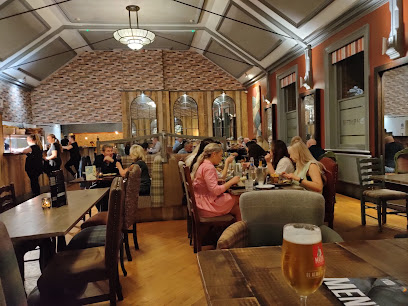
Bod Erw Restaurant
6.0 km
Cozy and friendly dining in Saint Asaph with freshly cooked classics and warm hospitality in a charming setting.
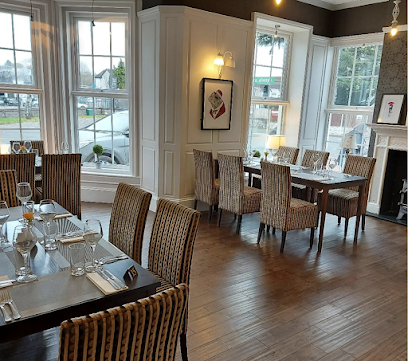
Edenshine Restaurant
6.6 km
Traditional Welsh and English cuisine served fresh in a charming antique centre setting near Mold, North Wales.
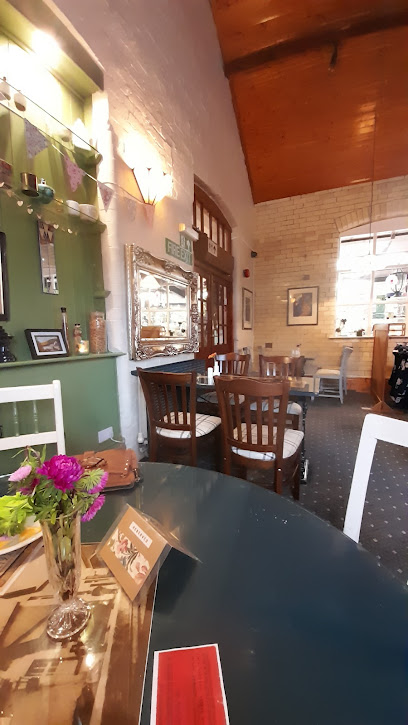
Nant Y Felin Restaurant
7.3 km
Experience authentic Welsh hospitality and hearty local cuisine in a charming rustic setting near Denbigh.
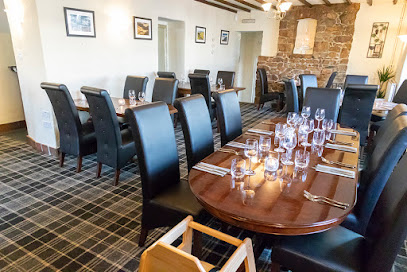
The White Horse Restaurant
8.4 km
Cozy countryside dining in Hendrerwydd offering hearty British classics and renowned Sunday lunches in a warm, welcoming setting.
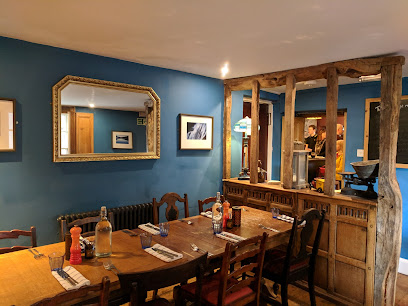
Morfa Table Table
9.3 km
Family-friendly British pub and restaurant in Rhuddlan offering hearty meals, outdoor dining, and a warm, welcoming atmosphere.
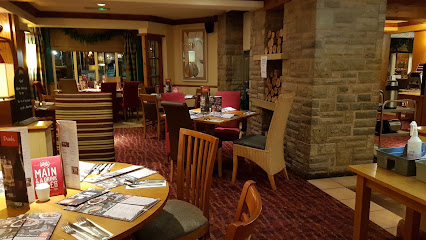
The New Inn Hotel
9.4 km
A traditional Welsh inn on Rhuddlan’s High Street offering hearty food, friendly service, and cozy accommodations with historic charm.
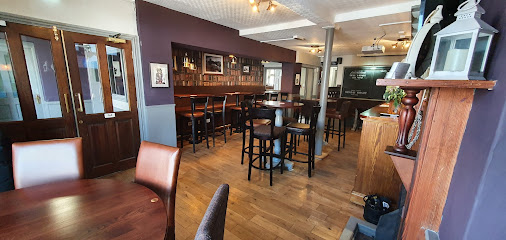
Green Island Bistro
9.4 km
Cozy vegan bistro in Rhuddlan serving generous, flavorful plant-based dishes with a welcoming community vibe.
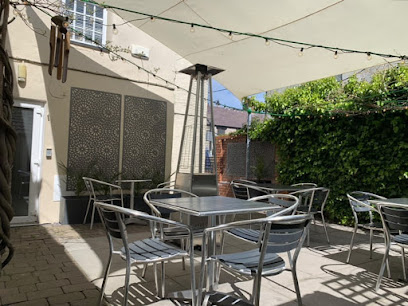
Markets, malls and hidden boutiques

Tweedmill Shopping Outlet
2.9 km
Discover over 300 brands, local Welsh produce, and leisure facilities all under one roof at Tweedmill Shopping Outlet in North Wales.
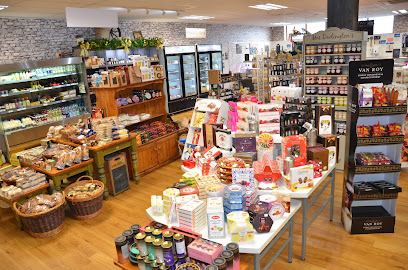
Bonmarché
2.9 km
Affordable and stylish women's fashion nestled within Saint Asaph’s vibrant Tweedmill Shopping Outlet.

Denbigh Retail Park
3.3 km
Convenient and accessible shopping at Denbigh Retail Park, your local hub for essentials and home goods.

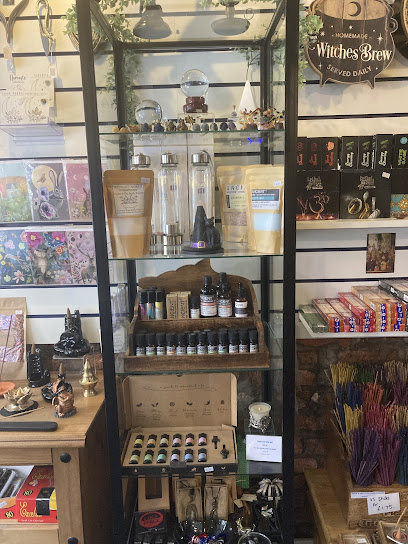
Grisial - Crystals and more
3.8 km
Welsh crystals, local jewellery, and mindful living in Denbigh's independent gem.
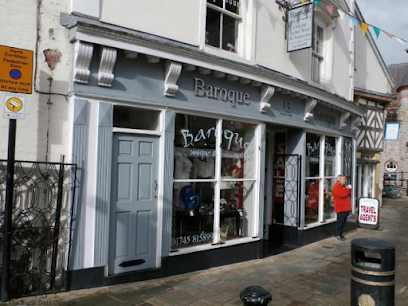
Baroque
3.9 km
Discover Baroque, Denbigh’s boutique gift shop offering curated clothing, jewellery, and accessories in a charming historic setting.
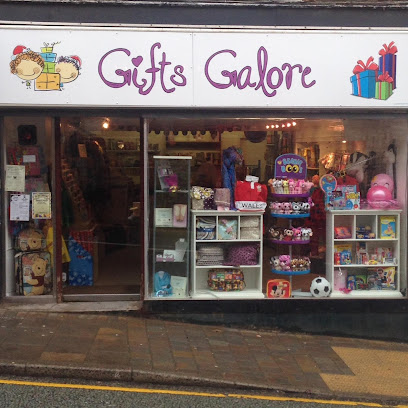
Gifts Galore
4.0 km
Family-run gift shop celebrating Welsh artistry, handcrafted treasures, and local makers in historic Denbigh.
FAD Clothing and Gifts
6.1 km
Discover unique gifts and local treasures at FAD Clothing and Gifts in Saint Asaph, a must-visit for every tourist seeking memorable souvenirs.

Ty Ceffyl Bach
6.2 km
Discover unique, handcrafted Welsh gifts and artisan treasures in the peaceful village of Llandyrnog at Ty Ceffyl Bach.
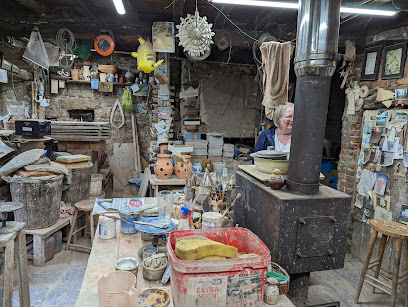
Anvil Pottery
6.5 km
Discover authentic hand-thrown stoneware at Anvil Pottery, a rural Denbighshire studio crafting functional ceramics with timeless skill.
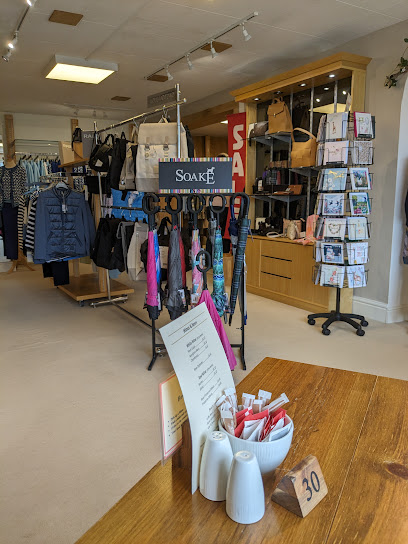
The Lodge
6.8 km
A stylish fashion boutique and cozy coffee shop in the heart of Llanrhaeadr, perfect for browsing, relaxing, and enjoying a great cup of coffee.
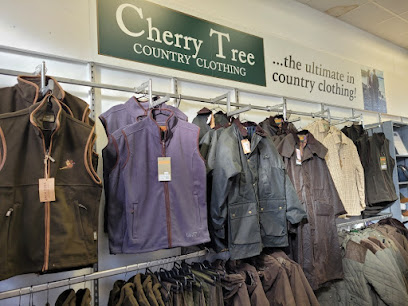
Cherry Tree Country Clothing
12.3 km
Your go-to outdoor and country clothing shop in Ruthin, stocking quality walking, shooting, farming, and dog walking gear for men, women, and children.
Doors Of Hope
12.8 km
A small, warm-hearted gift shop in Ruthin offering thoughtful presents and local crafts in a quiet, community-focused setting.
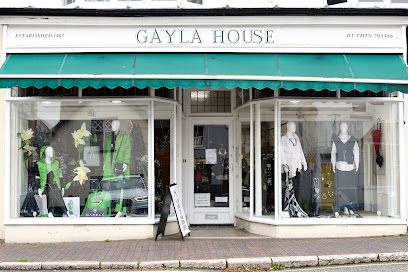
Gayla House
12.8 km
Stylish ladies' boutique in Ruthin's historic centre, specializing in contemporary fashion and personalized styling.
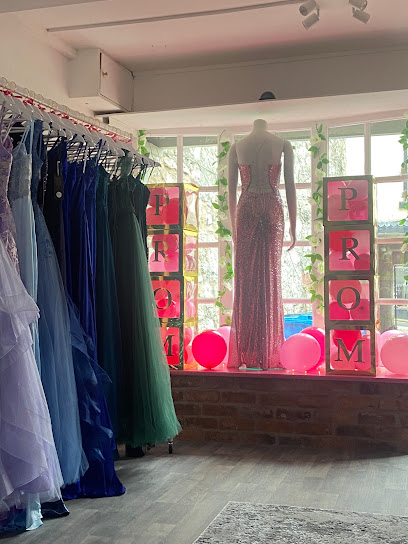
Ffansi Ffrogs
12.8 km
Discover a personalized prom dress boutique in Ruthin blending Welsh creativity with exclusive gowns and a warm, family-friendly atmosphere.
Hideaway
12.8 km
Discover exquisite handcrafted leather goods at Hideaway in Ruthin, where quality meets artistry in every unique piece.
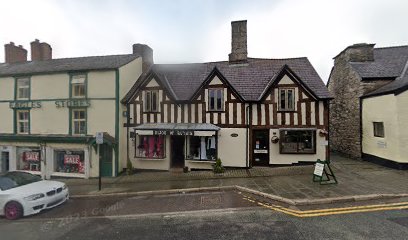
Essential bars & hidden hideouts

Mason's Arms
3.2 km
A lively Denbigh pub known for well-kept drinks, live music, and a welcoming atmosphere on Rhyl Road.
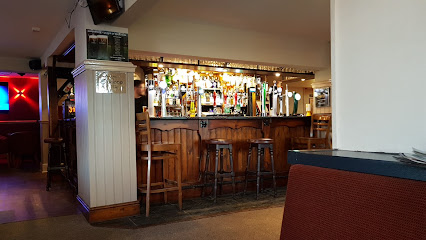
Railway Inn
3.4 km
A friendly, traditional Welsh pub in Denbigh offering good beer, hearty food, and a welcoming local atmosphere.
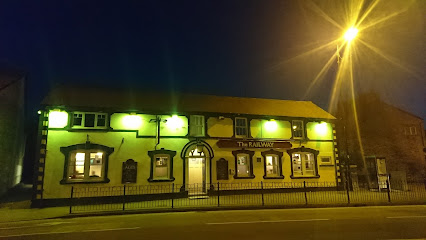
Golden Lion PH
3.9 km
Cozy Welsh pub in Denbigh offering local ales, traditional games, and warm hospitality in a historic market town setting.
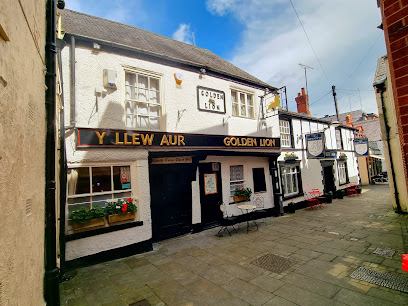
The Old Vaults
3.9 km
A lively and historic bar in Denbigh’s town center, known for its friendly vibe and welcoming atmosphere.
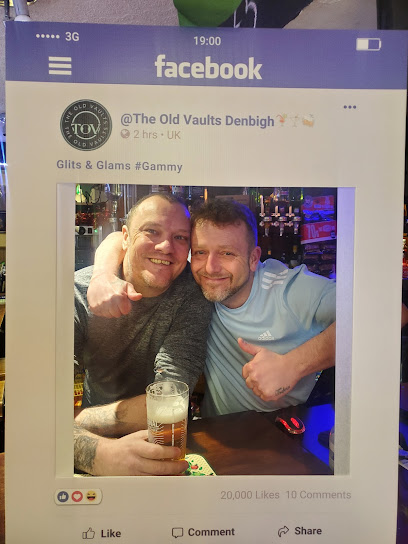
Hand Inn
4.0 km
A traditional Welsh pub in Denbigh offering hearty home-cooked food, live sports, and a warm, family-friendly atmosphere.
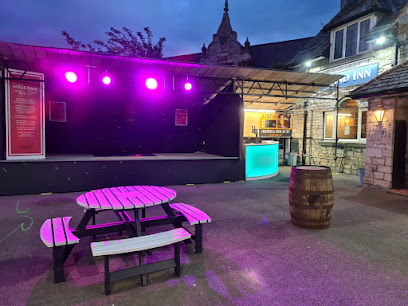
The Britannia Inn
4.0 km
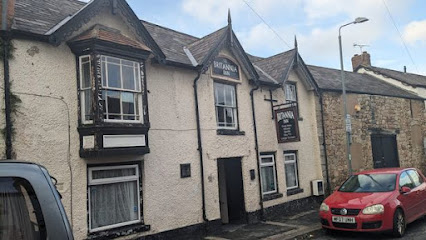
Traditional Welsh pub in Denbigh offering hearty food, classic ales, cozy rooms, and a warm community atmosphere.
Bryn Dinas
5.3 km
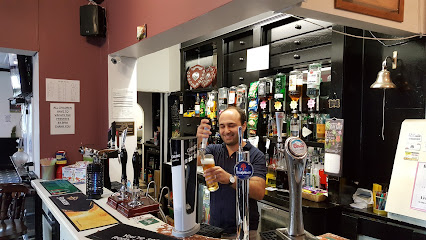
Traditional Welsh pub opposite St. Asaph Cathedral, offering real ale, lively sports, and a warm local atmosphere in the heart of North Wales.
The golden lion llandyrnog
6.3 km
A classic Welsh village pub and lively sports bar offering cozy charm, quality ales, and acclaimed homemade food in the heart of Llandyrnog.
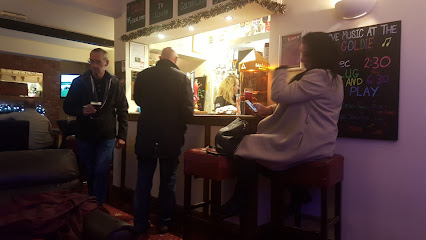
The Blue Lion Inn Cwm
7.7 km
Experience authentic Welsh hospitality with hearty food and a warm atmosphere at The Blue Lion Inn in scenic Cwm Dyserth.
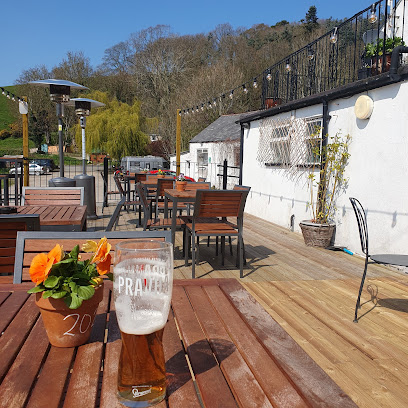
Castle Inn Rhuddlan
9.2 km
A cozy, traditional pub in Rhyl offering quality ales, friendly service, and scenic views near historic Rhuddlan Castle.
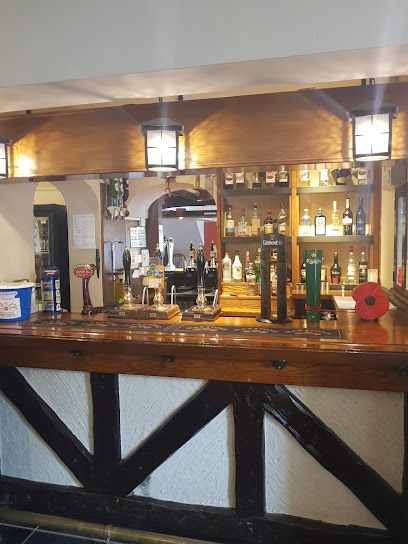
Ty Fry Inn
9.2 km
A historic Welsh village pub offering hearty traditional dishes, warm hospitality, and a cozy atmosphere near Rhyl.
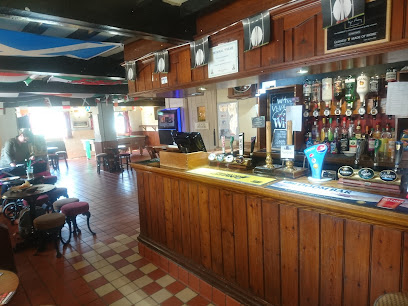
Kings Head
9.4 km
A historic, friendly pub in Rhuddlan offering classic pub fare, a lively atmosphere, and a warm welcome for all, including pets and families.
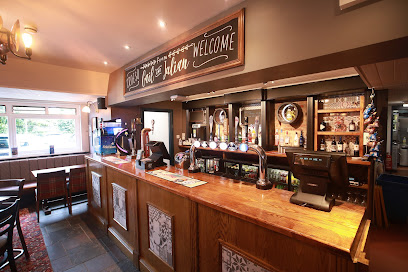
Cross Foxes
10.0 km
Experience authentic Welsh hospitality and hearty local fare at Cross Foxes, Nannerch’s beloved historic village pub.
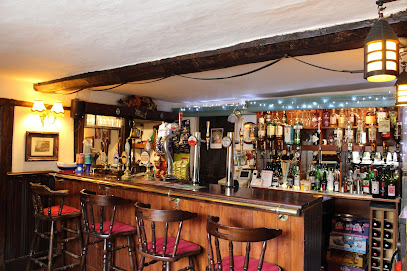
Crown Inn Lixwm
10.4 km
A classic British village pub in Lixwm offering hearty food, real ales, and a warm, welcoming atmosphere in the heart of North Wales.
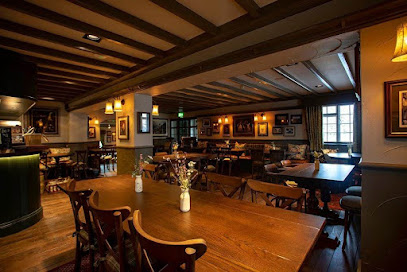
Ffordd Derwen
10.9 km
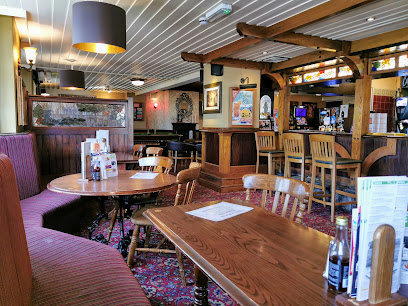
A friendly community pub in Rhyl offering traditional British fare, cask ales, and a welcoming atmosphere for all ages and pets.
Nightclubs & after hour spots

The Tiki Room
13.1 km
Rhyl’s vibrant tropical-themed nightclub with dual music floors offering modern beats and 80s classics for lively weekend nights.
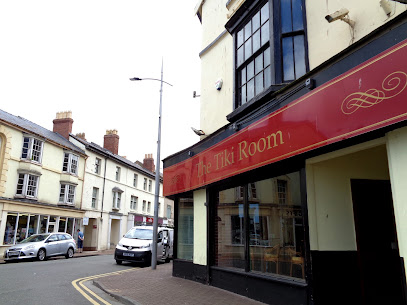
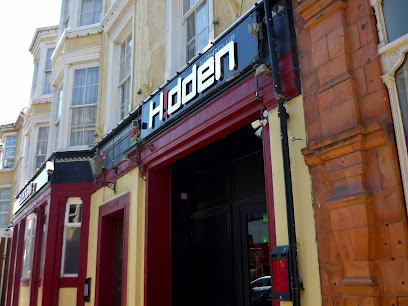
Hidden Nightclub
13.1 km
Discover the vibrant nightlife at Hidden Nightclub in Rhyl, where electrifying music and an energetic atmosphere create unforgettable nights out.
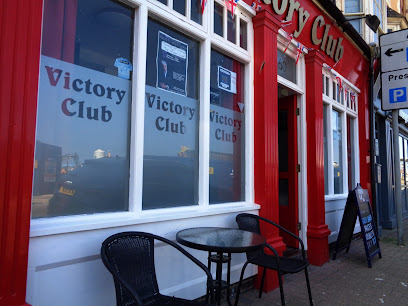
Victory Club
13.2 km
Rhyl’s last members-only club, offering traditional real ale, live music, and a welcoming community atmosphere steeped in 70 years of history.
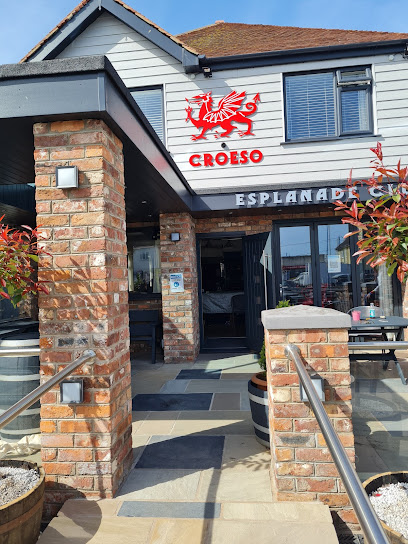
Esplanade Social Club
13.2 km
A lively coastal social club in Rhyl offering themed nights, local ales, and a welcoming community atmosphere near the beach.
Bentley’s Sports Bar & NightClub
13.3 km
Experience Towyn’s vibrant nightlife at Bentley’s Sports Bar & NightClub, where music, dancing, and great vibes come alive every weekend.

Pendyffryn Club
13.3 km
A cosy and tranquil social club in Prestatyn offering a friendly atmosphere to enjoy a pint and good company without distractions.
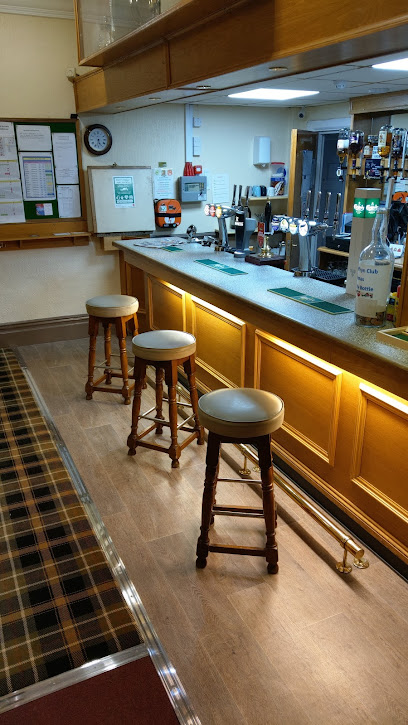
Live Lounge
15.2 km
Experience lively evenings with live music and entertainment at Presthaven’s vibrant Live Lounge, set within a family-friendly coastal resort.
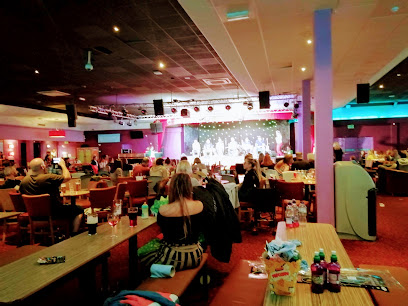
Dj Tony B Disco Karaoke & video Roadshow
15.4 km
Dive into a night of music and fun at Dj Tony B Disco Karaoke & Video Roadshow, where every guest gets to shine on stage!
Flint Royal British Legion Social Club
17.8 km
A welcoming social hub in Flint supporting veterans and community through camaraderie, remembrance, and local events.
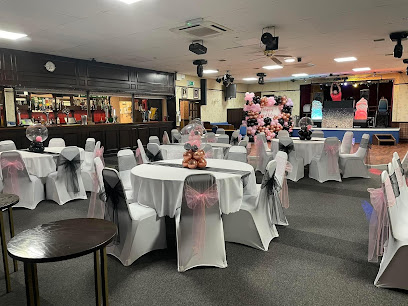
North Wales Celebrations Wedding & Party Disco DJ
18.2 km
Elevate your celebrations with North Wales Celebrations - the premier mobile disco DJ service for unforgettable weddings and parties.
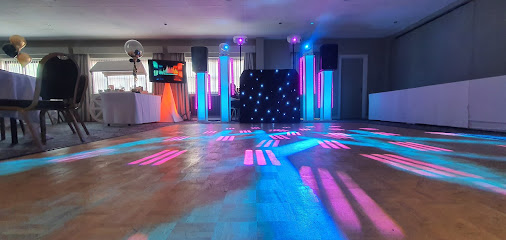
Broadway Boulevard
30.0 km
Llandudno’s largest nightclub, Broadway Boulevard pulses with vibrant music, themed events, and a lively party atmosphere in the heart of town.

Club 147
31.3 km
Llandudno’s energetic nightclub and sports bar offering electronic beats, pool, and a lively social scene in the town centre.

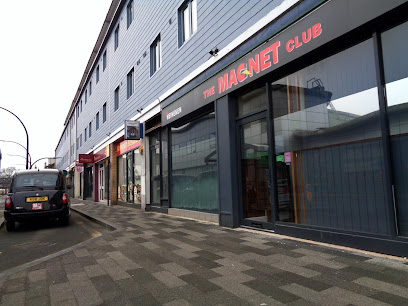
The Magnet Club
32.8 km
Wrexham’s independent venue since 1984, The Magnet Club blends live music, sports, and social games in a welcoming, refurbished space on King Street.
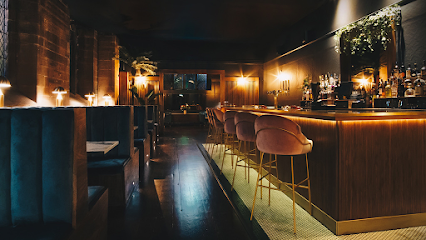
The Guild Chester
33.8 km
Experience Chester's vibrant nightlife in a stunning historic venue blending classic charm with modern cocktail culture.
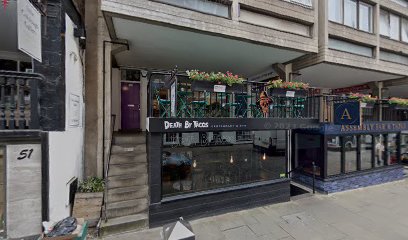
Chester City Club
33.8 km
Experience Chester’s vibrant nightlife at City Club, where modern beats meet historic charm in the heart of St Peters Churchyard.
For the vibe & atmosphere seeker
- Tranquil
- Relaxing
- Scenic
- Casual
For the design and aesthetic lover
- Rustic Designs
- Vintage Styles
For the architecture buff
- Historic
- Landmarks
- Parks & Gardens
- Heritage Neighborhoods
For the view chaser and sunset hunter
- Iconic Views
- Panoramas
For the social media creator & influencer
- Instagrammable
- Photo Spots
- Aesthetic Corners
For the eco-conscious traveler
- Public-Transport Accessible
- Low Impact
- Locally Managed
For the kind of experience you’re after
- Cultural Heritage
- Nature Escape
- Day Trip
- Photowalk
- Weekend Getaway
For how adventurous you want the journey to be
- Easy Access
Location Audience
- Family Friendly
- Senior Friendly
- Child Friendly
- Teen Friendly
- Wheelchair Access
- Pet Friendly
- Couple Friendly
- Solo Friendly
- Vegetarian Friendly
- Vegan Friendly


