Timoleague Friary, County Cork Travel Guide
Explore the haunting ruins of Timoleague Friary, a 13th-century Franciscan abbey steeped in history and serene riverside beauty in Co. Cork.
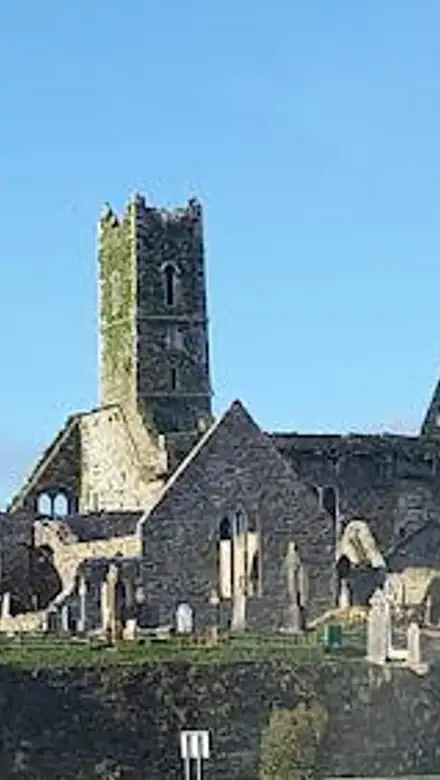
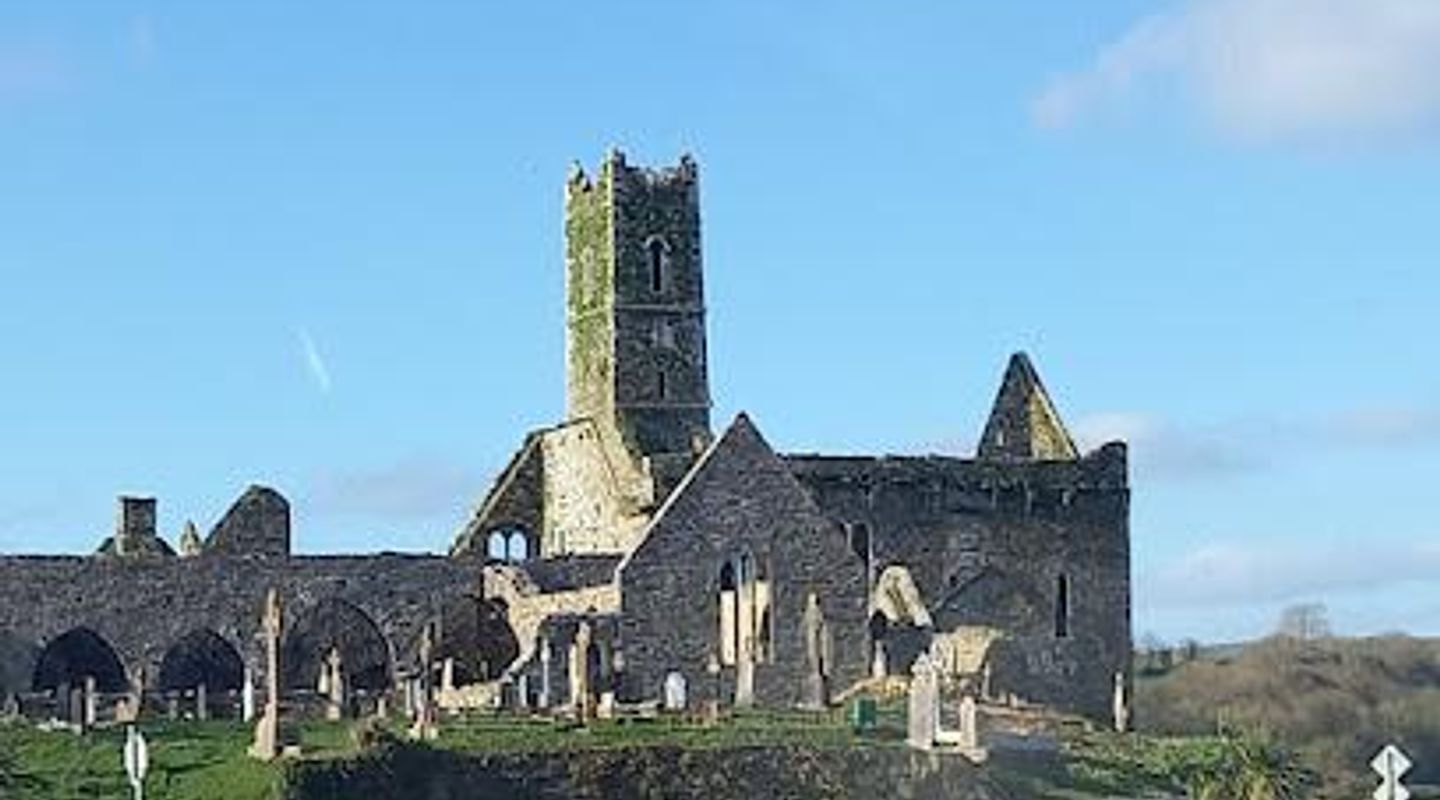
Timoleague Friary, located in Timoleague village, Co. Cork, is a striking ruin of a 13th-century Franciscan abbey built on an earlier monastic site founded by St Molaga. Known for its Early English Gothic architecture, the friary features a cloister, bell tower, and burial grounds of notable medieval families. Though roofless and partially ruined, it remains a powerful symbol of Ireland’s religious and cultural history, set beside the Argideen River.
A brief summary to Timoleague Friary
- Abbey St, Timoleague, Timoleague, Co. Cork, IE
- Duration: 0.5 to 2 hours
- Free
-
 Outdoor
- Mobile reception: 4 out of 5

Know before you go
Hi, I'm Eve. Here are a few practical things to know before exploring Timoleague Friary.
- Wear sturdy footwear as the friary grounds have uneven surfaces and no internal access.
- Visit during daylight hours to fully appreciate the architectural details and riverside views.
- Bring weather-appropriate clothing since the site is fully outdoors and exposed to the elements.
- Read the onsite plaques to gain insight into the friary’s rich history and notable figures.
Do you manage this location?
Take control to get all the benefits, like improved information, better appearance, and stronger visibility across AI-powered discovery. Learn more about listing your business on Evendo
Activate your presenceOther nearby places you may find interesting
The closest places of the same kind, if this one is not quite what you had in mind.
Explore Timoleague Friary on the Map
A handpicked selection of must-see spots near Timoleague Friary, mapped for you.
Unlock the Best of Timoleague Friary
Buy tickets
-
No tickets available
Book tours with entry


Book tours without entry

Getting There
-
Bus
Regional bus services connect Timoleague village to nearby towns such as Clonakilty and Cork city, with journey times ranging from 45 to 90 minutes. Bus stops are within walking distance of the friary. Service frequency varies, so check schedules in advance. Ticket prices typically range from €5 to €12.
-
Car
Driving to Timoleague Friary from Cork city takes approximately 50 to 70 minutes via the N71 and R600 roads. Parking is available near the village center but may be limited during peak times. No parking is provided directly at the friary site.
-
Walking
For visitors staying in Timoleague village, the friary is accessible by a gentle 10 to 15-minute walk along paved and gravel paths. Terrain is mostly flat but may be uneven near the ruins. Suitable for most fitness levels but not wheelchair accessible.
For the on-the-go comforts that matter to you
-
 Information Boards
-
 Seating Areas
-
 Trash Bins
Discover more about Timoleague Friary
Origins and Founding Legacy
Timoleague Friary stands on a site with deep spiritual roots, originally established as a monastic settlement by Saint Molaga in the 6th century. The Franciscan friary itself was founded in the late 13th or early 14th century, around 1300, by the Franciscan order. It was endowed by prominent local families such as the Barrys and the MacCarthys, who also chose it as their burial place. The friary’s Irish name, “Tigh Molaga,” meaning “house of Molaga,” reflects this ancient heritage.Architectural Grandeur and Features
The friary is an impressive example of Early English Gothic architecture, notable for its substantial cloistral layout that includes domestic ranges, wall passages, choir, sacristy, ambulatory, and cellars. Around 1500, a bell tower was added by Bishop Edmund de Courcy, which housed an infirmary and library. The building’s architectural simplicity reflects the Franciscan commitment to poverty, yet it boasts elegant features such as the five windows overlooking the sea from the dining room. Despite its ruinous state, the structure’s scale and detail evoke the friary’s former importance.Historical Turmoil and Resilience
Timoleague Friary endured significant hardships across centuries. After the dissolution of monasteries under Henry VIII, friars intermittently returned until the friary was burned in 1642 during the Irish Confederate Wars by Crown forces. The burial grounds suffered desecration in 1920. Despite these upheavals, the friary’s legacy persisted through artifacts like the Timoleague Chalice, crafted in 1633 and still in use today, and the Book of Lismore, once held by the friars. These treasures underscore the friary’s role as a center of learning and faith.Setting and Atmosphere Today
Nestled on the banks of the Argideen River in the village of Timoleague, the friary’s ruins create a tranquil yet evocative atmosphere. Visitors experience a profound sense of history amid the weathered stone walls and open sky. The site is roofless and open to the elements, inviting reflection on the passage of time and the endurance of spiritual heritage. The surrounding rural landscape enhances the peaceful ambience, making it a contemplative destination.Preservation and Visitor Experience
Timoleague Friary is a protected National Monument managed by the Office of Public Works. Access is external only, with no internal entry permitted for safety reasons. The site is unguided, so visitors are encouraged to explore respectfully and carefully. Informational plaques provide historical context, enriching the experience. The friary’s open setting means visitors should be prepared for varying weather conditions and bring appropriate footwear for uneven ground.Cultural Significance and Legacy
Beyond its architectural and historical importance, Timoleague Friary symbolizes the resilience of Irish monastic tradition and the Franciscan spirit of simplicity and learning. It remains a poignant emblem of the region’s medieval past and spiritual identity. The friary’s connection to notable figures and events, such as the MacCarthy Reaghs and the Irish Confederate Wars, makes it a significant cultural landmark in County Cork.












Your all‑in‑one travel companion app
Explore expert travel guides, compare and book tours, experiences, hotels, and more—all from the palm of your hand. Download now for seamless trip planning wherever your wanderlust takes you.


Explore More of County Cork

Looking beyond Timoleague Friary? Discover County Cork for broader travel guides, local hot-spots, and regional highlights.
Explore County Cork
Historic port town in County Cork famed for colourful streets, rich maritime heritage, and Ireland’s culinary capital by the Wild Atlantic Way.
Discover coastal charm at Garrettstown House Holiday Park in Kinsale, offering historic surroundings, family-friendly activities, and beachside relaxation.