Lanercost Priory Travel Guide
Free Guide: Explore the enduring medieval beauty and turbulent history of Lanercost Priory, a remarkable Augustinian monastery on England’s historic border.


A brief summary of Lanercost Priory
Explore the enduring medieval beauty and turbulent history of Lanercost Priory, a remarkable Augustinian monastery on England’s historic border.
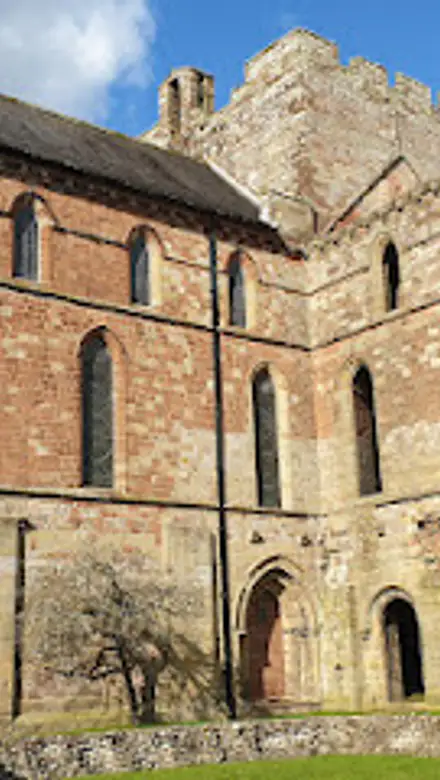
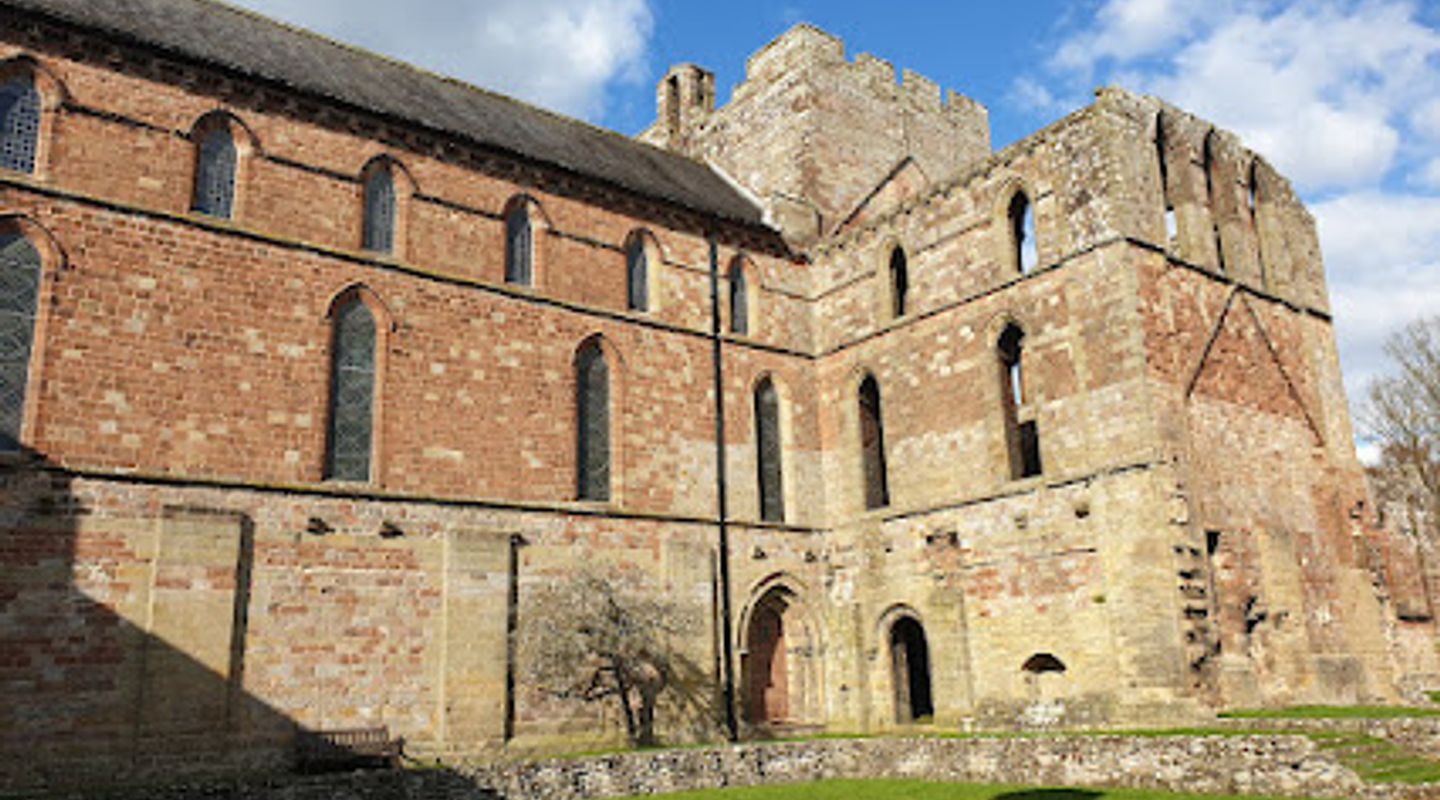
Lanercost Priory, founded circa 1169 by Robert de Vaux, is a well-preserved Augustinian monastery situated in Cumbria near the Anglo-Scottish border. Built partly with stones from Hadrian's Wall, it witnessed turbulent medieval history including Scottish raids and royal residence by Edward I. Today, its partially roofed church remains active while the ruins and Dacre Hall offer a glimpse into monastic life and post-Dissolution adaptations, managed by English Heritage.
On-site amenities
 Restrooms
 Drink options
 Food options
 Seating areas
 Information boards
 Visitor centre
Opening hours
- Every day10 am–5 pm
Opening hours as listed on the venue’s Google Business Profile. Hours can change for services and special events, so check with the venue before you go.
- Address
- Lanercost, Brampton CA8 2HQ
- Phone
- Website
Getting there
Car
Bus
Walking
Discover more about Lanercost Priory
Origins and Founding Legacy
Lanercost Priory was established around 1169 by Robert de Vaux, Lord of Gilsland, as a symbol of his family's permanence and piety in the region newly under English control. Dedicated to Mary Magdalene, the priory was home to Augustinian canons who served the local community and managed extensive lands granted by its founder. The construction notably incorporated stones from the nearby Roman Hadrian's Wall, linking the site to an even older heritage. The priory maintained detailed records in the Lanercost Cartulary, a valuable medieval archive revealing its land acquisitions and disputes.
Medieval Turmoil and Scottish Conflicts
Lanercost's proximity to Scotland made it a focal point during the Wars of Scottish Independence. It endured multiple attacks and raids by Scottish forces under leaders like William Wallace and King David II, who plundered and desecrated the priory in the late 13th and 14th centuries. Despite these hardships, the priory remained a significant religious and social center. In 1306-07, it briefly served as a royal residence for the ailing King Edward I during his campaigns against Scotland, underscoring its strategic importance.
Architectural Evolution and Post-Dissolution Adaptation
Following the Dissolution of the Monasteries under Henry VIII in 1537, much of Lanercost Priory was left roofless and in ruins. However, the nave continued as a parish church, preserving its religious function. The west cloister range was converted into a private residence by Thomas Dacre, who added a grand hall with impressive windows and a fireplace, now known as Dacre Hall. The site later passed through various owners, including the Howard family, before coming under public stewardship in the 20th century.
Present-Day Experience and Heritage Management
Today, Lanercost Priory is managed by English Heritage and stands as one of Cumbria's best-preserved monastic sites. Visitors can explore the atmospheric ruins, including fine medieval tombs, the Dacre Hall, and the still-active parish church housing the Lanercost Cross from 1214 and stained glass by Edward Burne-Jones. The surrounding landscape offers a tranquil setting enriched by centuries of layered history, making it a compelling destination for history enthusiasts and cultural heritage visitors.
Connections to Roman and Borderland History
The priory’s stones sourced from Hadrian's Wall connect it physically and symbolically to the Roman frontier, just a short walk away. Its location near the border has shaped its story of resilience amid conflict and cultural exchange. Nearby sites such as Naworth Castle and the Roman Wall turrets enhance the historical context, inviting visitors to immerse themselves in the rich tapestry of northern England’s past.
Architectural Highlights and Artistic Treasures
Lanercost Priory features architectural elements spanning from its 12th-century origins to Tudor modifications. The great hall in Dacre Hall exemplifies post-monastic residential adaptation with its large windows and ornate fireplace. Inside the church, visitors find medieval tombs of the Dacre family and exquisite stained glass windows crafted by the Pre-Raphaelite artist Edward Burne-Jones, adding artistic significance to the spiritual ambiance.
Evendo Review Centre
 Google
Guest reviews
Best time to go
Quietest: Jan, Feb & Dec · before 6am or at 8pm
Busy times are Evendo estimates for a typical year, to help you plan. Actual crowds vary with events, school holidays and the weather.
Explore Lanercost Priory on the map
A handpicked selection of must-see spots near Lanercost Priory, mapped for you.
Get your free copy of our complete guide to Lanercost Priory, delivered straight to you.
Everything on this page, from opening hours and how to get there to Eve’s tips and the best time to go, in one PDF you can read offline, print or share.
Already have an account? Sign in
Your Lanercost Priory guide is ready.
We'll send it to · Not you? Sign out

Getting your guide ready…
We are putting together a fresh copy of the Lanercost Priory guide. This can take up to a minute.
This can take a few moments. If your browser asks, choose Allow so the download can start. You'll find the guide in your Downloads folder.
Nothing happened? Download it again
Sorry, the guide is taking longer than usual. Please try again in a minute, or get it by email instead.
Other nearby places you may find interesting
The closest places of the same kind, if this one is not quite what you had in mind.
-
-
-
-
-


Swipe for more places
More to explore near Lanercost Priory

 Best experiences near Lanercost Priory
 Best hotels near Lanercost Priory
 Best landmarks near Lanercost Priory
 Best attractions near Lanercost Priory
 Best shops near Lanercost Priory
 Best restaurants near Lanercost Priory
 Best bars near Lanercost Priory
Do you manage this location?
Take control to get all the benefits, like improved information, better appearance, and stronger visibility across AI-powered discovery.
Explore more

Explore more of Cumbria
Discover the natural beauty and rich heritage of Cumbria, from the stunning Lake District to historic landmarks and vibrant local culture.
Explore Cumbria
Explore more of United Kingdom
Discover the United Kingdom: A blend of rich history, stunning landscapes, and vibrant cities, offering a unique travel experience for every visitor.
Explore United Kingdom