Thirlwall Castle, Northumberland Travel Guide
Explore the evocative ruins of Thirlwall Castle, a medieval stronghold built from Hadrian’s Wall stones, set amid scenic Northumberland countryside.
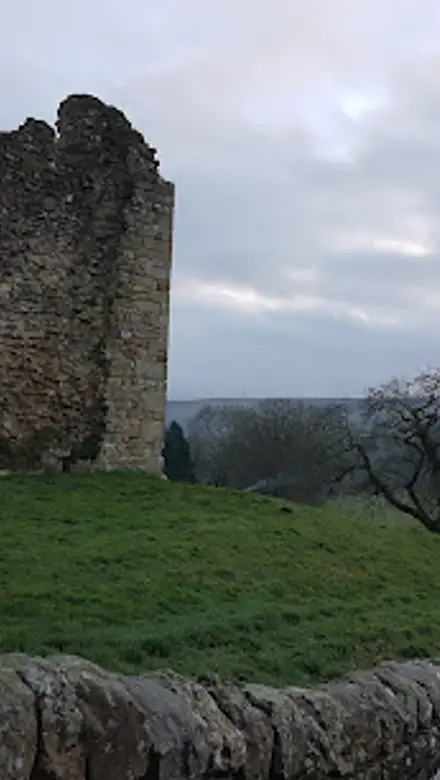
Thirlwall Castle is a 12th-century fortified ruin located in Northumberland, England, near the village of Greenhead and along the Pennine Way. Built and strengthened using stones from Hadrian's Wall, it offers visitors a glimpse into medieval border life, with remnants including a prison turret and a staircase within the walls. Surrounded by scenic countryside, the castle is steeped in history and local legend, accessible free of charge and popular among hikers and history enthusiasts.
A brief summary to Thirlwall Castle
- 7HL, Pennine Way, Brampton, GB
- Click to display
- Duration: 1 to 3 hours
- Free
-
 Outdoor
- Mobile reception: 3 out of 5

Know before you go
Hi, I'm Eve. Here are a few practical things to know before exploring Thirlwall Castle.
- Visit during early morning or late afternoon to capture the castle ruins in the warm golden light for stunning photographs.
- Wear sturdy footwear as the terrain around the castle and the walk along the Pennine Way can be uneven and steep in places.
- Bring water and snacks; amenities near the castle are limited, so plan accordingly for your visit.
- Explore the nearby woodland and enjoy the peaceful natural setting that surrounds the historic ruins.
Do you manage this location?
Take control to get all the benefits, like improved information, better appearance, and stronger visibility across AI-powered discovery. Learn more about listing your business on Evendo
Activate your presenceOther nearby places you may find interesting
The closest places of the same kind, if this one is not quite what you had in mind.

Explore Thirlwall Castle on the Map
A handpicked selection of must-see spots near Thirlwall Castle, mapped for you.
Getting There
-
Car
Driving from Hexham to Thirlwall Castle takes approximately 40 to 50 minutes via the A69 and B6318. Parking is limited near the site, so arrive early during peak seasons. There is no parking fee.
-
Bus
Local bus services run from Hexham to Brampton, with a journey time of around 50 to 70 minutes. From Brampton, a 3 km walk along the Pennine Way leads to the castle. Bus frequency may be limited on weekends.
-
Walking / Hiking
Thirlwall Castle is accessible on foot via the Pennine Way, popular with hikers. The walk involves uneven terrain and moderate elevation changes, suitable for experienced walkers. Allow 1 to 2 hours from nearby villages.
For the on-the-go comforts that matter to you
-
 Information Boards
-
 Seating Areas
-
 Trash Bins
Discover more about Thirlwall Castle
Medieval Origins and Strategic Importance
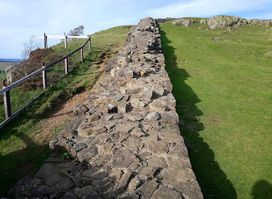
Thirlwall Castle was originally constructed in the 12th century and significantly fortified around 1330 by John Thirlwall, who used sandstone blocks taken from the nearby Roman Hadrian's Wall. The castle's name reflects its location where the wall is crossed by a river, meaning a 'gap in the wall.' It served as a stronghold for the Thirlwall family during a turbulent era marked by frequent cross-border raids between England and Scotland. The castle's defensive features, including thick walls and a prison turret, highlight its role as a protective refuge in a dangerous landscape.Historical Figures and Decline
The castle was home to notable figures such as Sir Percival Thirlwall, who famously died carrying Richard III’s standard at the Battle of Bosworth Field in 1485. Ownership remained with the Thirlwall family until the 18th century, when the estate passed to the Swinburne family and was eventually sold to the Earl of Carlisle in 1748. The new owner’s focus on land rather than the castle led to its gradual decay. Significant masonry collapses occurred in the 19th and 20th centuries, leaving the site as a romantic ruin.Legends and Mystique
Local folklore adds a layer of enchantment to the castle’s history. A famous legend tells of a solid gold table guarded by a magical dwarf who, according to the tale, hid the treasure in the castle well and sealed it with a spell. This story of hidden riches and mystical guardianship enriches the castle’s atmosphere, inviting visitors to imagine the mysteries beneath the ruins.Architectural Remnants and Visitor Experience
Today, the castle’s ruins reveal the layout of medieval rooms, a staircase built into the walls, and the base of a corner turret that once served as a prison. Elevated on a small rise overlooking the River Tipalt, the site offers splendid panoramic views of the surrounding Northumberland countryside. The castle is a Grade I listed building and a Scheduled Ancient Monument, preserved and managed by the Northumberland National Park Authority since 1999. Visitors can explore freely without an entrance fee, making it a favored stop along the Hadrian’s Wall Trail and Pennine Way.Natural Setting and Outdoor Appeal
Set within 10 hectares of adjacent woodland, Thirlwall Castle is surrounded by tranquil natural beauty. The peaceful environment complements the historic ruins, providing a scenic backdrop for photography, picnics, and quiet reflection. The location’s accessibility to walkers and hikers enhances its appeal as a cultural heritage site embedded in the landscape.Preservation and Cultural Significance
The castle’s protection under national heritage laws ensures its survival as a tangible link to Northumberland’s medieval past. Its story embodies the region’s history of border conflict, architectural adaptation, and enduring legend. Thirlwall Castle remains an evocative symbol of resilience and mystery, inviting exploration and discovery amid the evocative ruins and rolling countryside.












Your all‑in‑one travel companion app
Explore expert travel guides, compare and book tours, experiences, hotels, and more—all from the palm of your hand. Download now for seamless trip planning wherever your wanderlust takes you.


Explore More of Northumberland
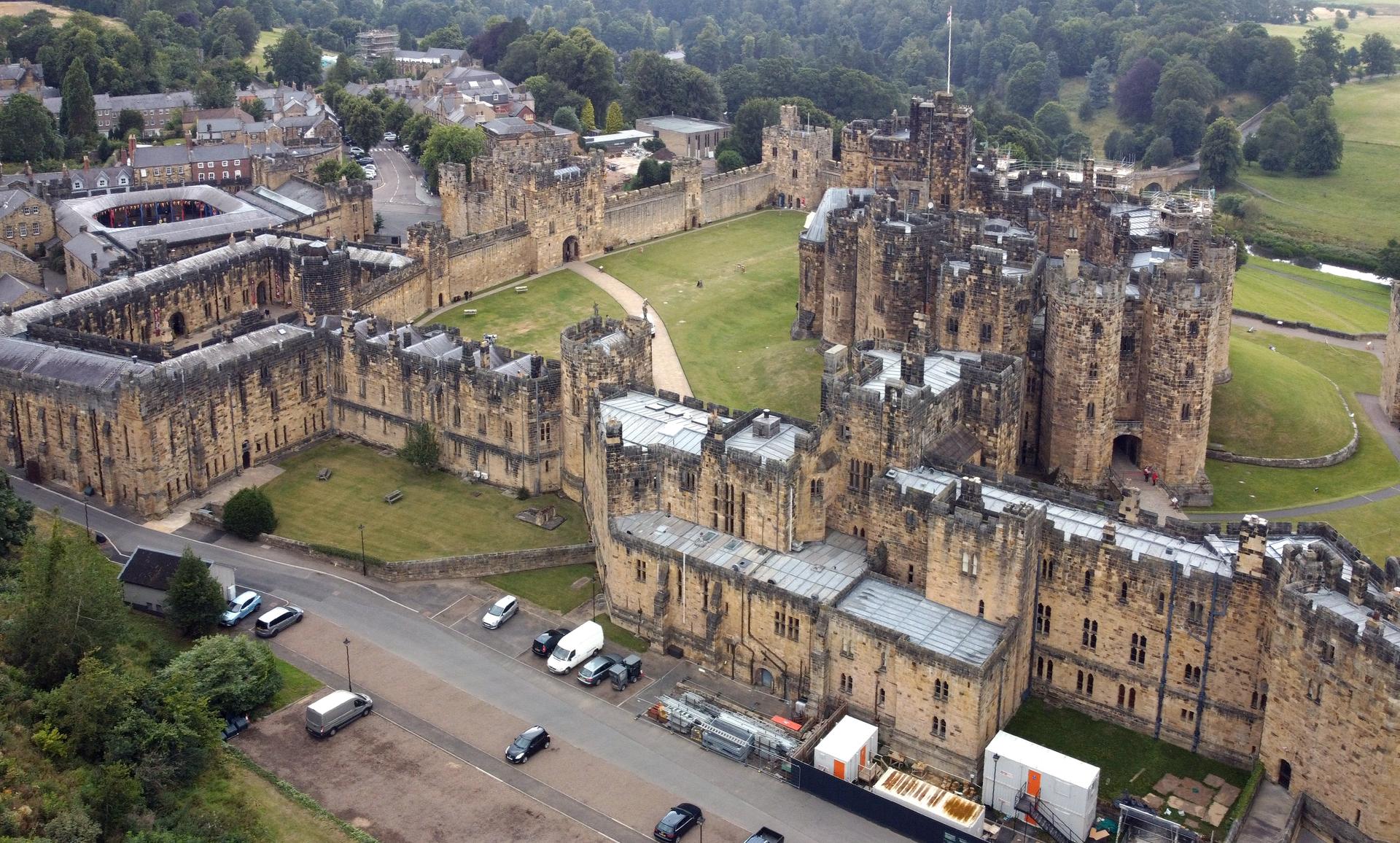
Looking beyond Thirlwall Castle? Discover Northumberland for broader travel guides, local hot-spots, and regional highlights.
Explore Northumberland