

Saint Bees Head Heritage Coast Travel Guide
Free Guide: Dramatic red cliffs, seabird colonies, and sweeping coastal views on Cumbria’s wild western shore – a protected RSPB reserve and the start of the Coast to Coast walk.


A brief summary of Saint Bees Head Heritage Coast
Dramatic red cliffs, seabird colonies, and sweeping coastal views on Cumbria’s wild western shore – a protected RSPB reserve and the start of the Coast to Coast walk.
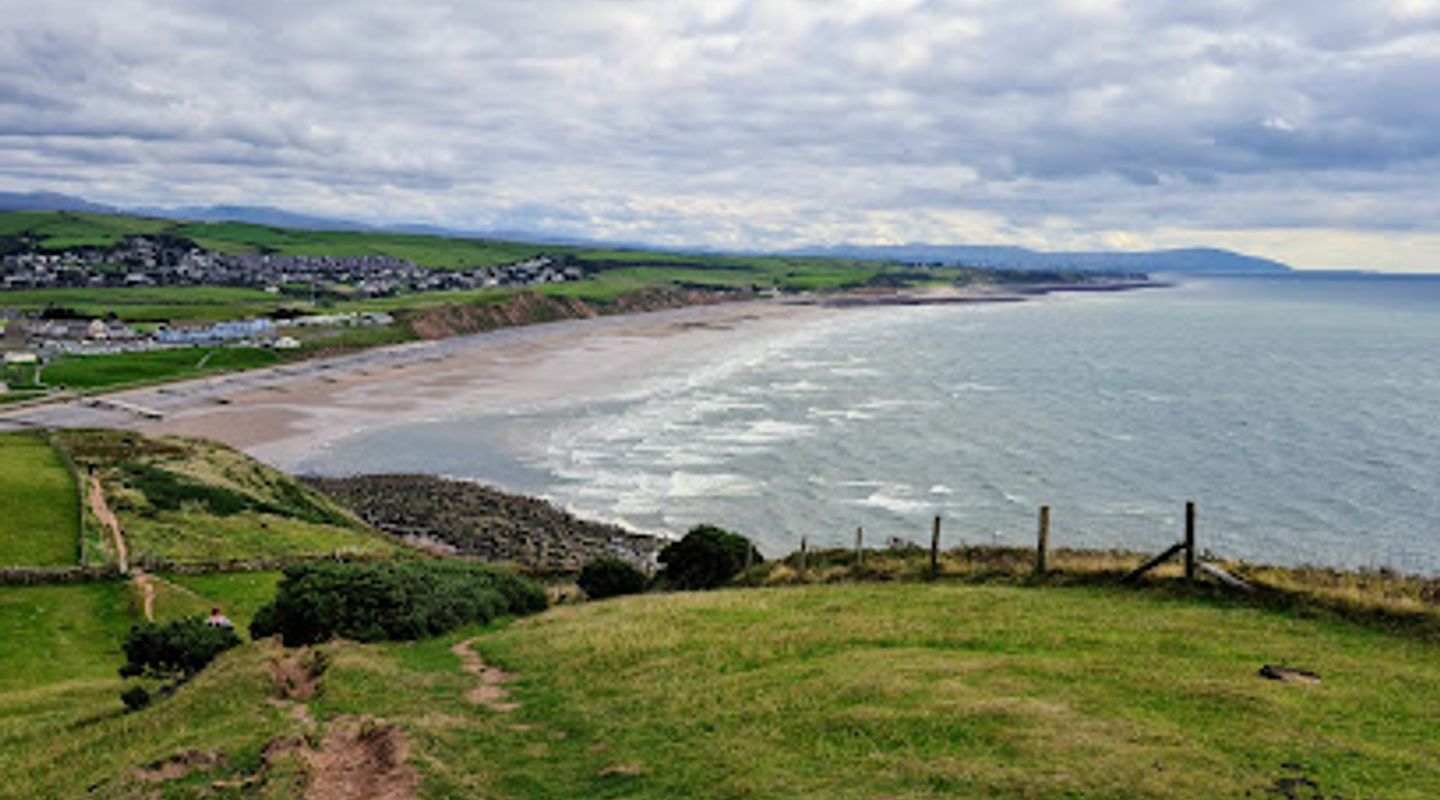
Dramatic red sandstone cliffs, seabird colonies, and sweeping coastal views define Saint Bees Head Heritage Coast, a protected RSPB reserve on Cumbria’s western shore. This rugged headland offers exhilarating cliff-top walks, glimpses of Scotland and the Isle of Man, and a chance to witness puffins, guillemots, and kittiwakes nesting on sheer faces. The area is steeped in history, from its lighthouse and wartime defences to its role as the starting point of the famous Coast to Coast walk. It’s a place of raw natural beauty, fresh sea air, and quiet coastal solitude.
On-site amenities
 Seating areas
 Information boards
 Trash bins
Opening hours
- Every dayOpen 24 hours
Opening hours as listed on the venue’s Google Business Profile. Hours can change for services and special events, so check with the venue before you go.
- Address
- 1 Trinity House Cottages, Sandwith, Whitehaven CA28 9UY
- Website
Getting there
On foot from St Bees
By car
By train
Discover more about Saint Bees Head Heritage Coast
Cliffs and Coastal Drama
Rising nearly 90 meters above the Irish Sea, Saint Bees Head is a striking headland of red sandstone cliffs that glow in the sunlight and plunge dramatically into the waves below. The rock formations here are some of the most impressive on England’s northwest coast, carved by centuries of wind and water into rugged faces, sea stacks, and hidden coves. At the cliff edge, the scale of the landscape is humbling: the sea stretches out to the horizon, and on clear days, the distant hills of Scotland and the Isle of Man are visible across the water. The headland’s geology and exposure make it a haven for hardy coastal plants and a dramatic backdrop for walkers and photographers.
Wildlife and RSPB Reserve
Saint Bees Head is managed as an RSPB reserve, protecting one of the most important seabird colonies in the region. In spring and summer, the cliffs come alive with nesting birds: puffins burrow into the grassy slopes, guillemots and razorbills crowd the ledges, and kittiwakes wheel and call above the waves. Peregrine falcons and fulmars also make their homes here, while the surrounding sea can host porpoises, seals, and even the occasional basking shark. The reserve’s network of paths and viewing points allows visitors to observe this wildlife without disturbing it, making it a rewarding destination for birdwatchers and nature lovers.
Walking and the Coast to Coast
The headland is a highlight of the Cumbrian coast and a key section of the famous Coast to Coast long-distance path, which begins at St Bees village. The cliff-top trails offer exhilarating walking with panoramic sea views, fresh sea breezes, and a sense of being on the edge of the land. Paths are well-maintained but can be exposed and uneven in places, so sturdy footwear is recommended. The walk from St Bees to the headland and back is a popular day hike, combining coastal scenery with the charm of the nearby village and its historic priory. For shorter visits, there are shorter loops and viewpoints that capture the essence of the headland without requiring a full long-distance trek.
History and Heritage
Beyond its natural beauty, Saint Bees Head has a rich human history. The headland’s lighthouse, built in the 19th century, once guided ships along this busy coast, and remnants of wartime defences can still be seen along the cliffs. The nearby village of St Bees is home to a medieval priory and a long tradition of pilgrimage and education. The headland’s role as the starting point of the Coast to Coast walk has cemented its place in modern British walking culture, drawing walkers from around the world. This blend of ancient geology, wildlife, and human stories gives the area a deep sense of place and continuity.
Visitor Experience
Visiting Saint Bees Head is about immersion in coastal nature: the sound of waves and seabirds, the smell of salt and wildflowers, and the feel of wind on the cliffs. The reserve is open year-round, with each season offering a different character – spring and summer for seabirds, autumn for dramatic storms, and winter for crisp, clear views. Facilities are minimal, encouraging a focus on the landscape and wildlife. The nearby village of St Bees provides cafes, pubs, and accommodation, making it easy to combine a visit with a relaxed coastal stay. Whether you’re a serious birder, a long-distance walker, or simply someone who loves wild coastlines, Saint Bees Head offers a powerful and memorable experience.
Evendo Review Centre
 Google
Guest reviews
Best time to go
Quietest: Jan, Feb & Dec · before 3am
Busy times are Evendo estimates for a typical year, to help you plan. Actual crowds vary with events, school holidays and the weather.
Explore Saint Bees Head Heritage Coast on the map
A handpicked selection of must-see spots near Saint Bees Head Heritage Coast, mapped for you.
Get your free copy of our complete guide to Saint Bees Head Heritage Coast, delivered straight to you.
Everything on this page, from opening hours and how to get there to Eve’s tips and the best time to go, in one PDF you can read offline, print or share.
Already have an account? Sign in
Your Saint Bees Head Heritage Coast guide is ready.
We'll send it to · Not you? Sign out

Getting your guide ready…
We are putting together a fresh copy of the Saint Bees Head Heritage Coast guide. This can take up to a minute.
This can take a few moments. If your browser asks, choose Allow so the download can start. You'll find the guide in your Downloads folder.
Nothing happened? Download it again
Sorry, the guide is taking longer than usual. Please try again in a minute, or get it by email instead.
Other nearby places you may find interesting
The closest places of the same kind, if this one is not quite what you had in mind.
-
Carlisle Castle Explore nearly a millennium of history at Carlisle Castle, a majestic medieval fortress steeped in royal intrigue and military legacy.
-
National Trust - Sizergh Explore centuries of history and stunning gardens at Sizergh Castle, a National Trust gem nestled in the heart of the Lake District.
-
Orrest Head Viewpoint A short woodland ascent to stunning panoramic views over Lake Windermere and the Lake District’s iconic fells.
-
Lakes Aquarium Discover the vibrant aquatic and terrestrial wildlife of the Lake District at Lakes Aquarium, nestled on the scenic shores of Windermere.
-
National Trust - Bowder Stone Discover the awe-inspiring Bowder Stone, a massive glacial boulder you can climb for breathtaking views in the heart of Borrowdale Valley.
Swipe for more places
More to explore near Saint Bees Head Heritage Coast
-
 Best experiences near Saint Bees Head Heritage Coast
-
 Best hotels near Saint Bees Head Heritage Coast
-
 Best landmarks near Saint Bees Head Heritage Coast
-
 Best attractions near Saint Bees Head Heritage Coast
-
 Best shops near Saint Bees Head Heritage Coast
-
 Best restaurants near Saint Bees Head Heritage Coast
-
 Best bars near Saint Bees Head Heritage Coast







Do you manage this location?
Take control to get all the benefits, like improved information, better appearance, and stronger visibility across AI-powered discovery.
Explore more

Explore more of Cumbria
Discover the natural beauty and rich heritage of Cumbria, from the stunning Lake District to historic landmarks and vibrant local culture.
Explore Cumbria
Explore more of United Kingdom
Discover the United Kingdom: A blend of rich history, stunning landscapes, and vibrant cities, offering a unique travel experience for every visitor.
Explore United Kingdom
