
Saint Bees Head Heritage Coast
Dramatic red cliffs, seabird colonies, and sweeping coastal views on the edge of the Lake District National Park.
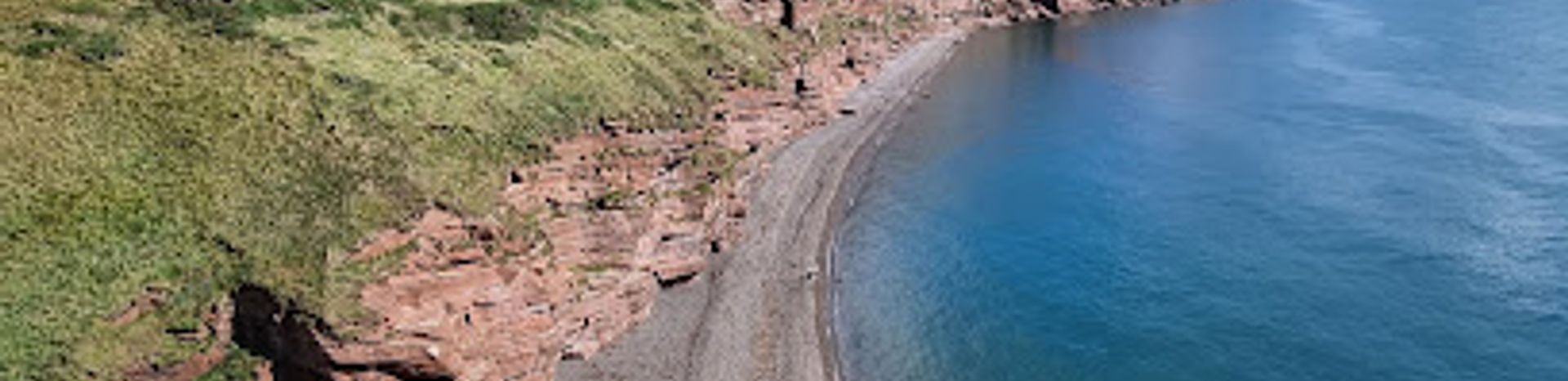
Saint Bees Head Heritage Coast is a dramatic stretch of rugged coastline in Cumbria, where towering red sandstone cliffs meet the Irish Sea. Managed by the RSPB, this protected headland offers sweeping coastal views, rich birdlife, and a network of cliff-top paths that lead to a historic lighthouse and secluded coves. It’s a place of raw natural beauty, ideal for walking, birdwatching, and quiet contemplation with the sound of waves and seabirds filling the air.
A brief summary to Saint Bees Head Heritage Coast
- 1 Trinity House Cottages, Whitehaven, Sandwith, CA28 9UY, GB
- Visit website
- Duration: 1 to 4 hours
- Free
-
 Outdoor
- Mobile reception: 3 out of 5
- Monday 12 am-12 am
- Tuesday 12 am-12 am
- Wednesday 12 am-12 am
- Thursday 12 am-12 am
- Friday 12 am-12 am
- Saturday 12 am-12 am
- Sunday 12 am-12 am
Local tips
- Wear sturdy footwear and a windproof jacket; the paths can be slippery and exposed, especially in wet or windy weather.
- Bring binoculars to get the best views of nesting seabirds on the cliffs and to scan the sea for seals and dolphins.
- Visit in spring or early summer to see the cliffs alive with nesting seabirds, or in autumn and winter for dramatic storm-watching and fewer crowds.
- Pack water, snacks, and sun protection; there are no shops or cafes on the headland itself, only at nearby St Bees or Whitehaven.
- Respect the wildlife and stay on marked paths, especially near nesting areas, to avoid disturbing birds and to keep yourself safe near cliff edges.

For the on-the-go comforts that matter to you
- Seating Areas
- Sheltered Areas
- Trash Bins
- Information Boards
Getting There
-
Car
From Whitehaven, follow the A595 north towards Maryport, then take the B5278 towards St Bees. Parking is available near the village of St Bees, from where a signed footpath leads up to the headland. Allow 15–20 minutes to walk from the car park to the main cliff-top paths.
-
Public Transport
Regular trains run from Whitehaven or Workington to St Bees station. From the station, it’s about a 15–20 minute walk along a well-marked path up to the headland. Buses also serve St Bees from Whitehaven and Workington, with a short walk to the reserve from the village centre.
-
Walking
Saint Bees Head is a key point on the England Coast Path and the Cumbria Coastal Way. It can be reached on foot from Whitehaven (around 3–4 hours) or from St Bees village (20–30 minutes), making it ideal for a coastal day walk with dramatic scenery throughout.
-
Cycling
Cyclists can reach the area via the Cumbria Coastal Cycle Route, which runs from Whitehaven to Maryport. The final approach to the headland involves a steep climb from St Bees, so this option is best for those comfortable with gradients and mixed surfaces.
Saint Bees Head Heritage Coast location weather suitability
-
 Any Weather
-
 Rain / Wet Weather
-
 Clear Skies
-
 Windy Conditions
-
 Mild Temperatures
Discover more about Saint Bees Head Heritage Coast
Cliffs of Red Sandstone
Rising nearly 90 metres above the Irish Sea, the cliffs of Saint Bees Head are carved from striking red sandstone, their layered bands telling a story of ancient river deltas and shifting seas. The headland forms the westernmost point of the Lake District National Park, where the fells meet the coast in a dramatic transition of landscape. Paths run along the cliff edge, offering uninterrupted views across the sea to the Isle of Man on clear days and back along the Cumbrian coast towards Whitehaven and beyond. The rock itself is a geological highlight, with fossils and ripple marks visible in some sections, hinting at the area’s deep past.Wildlife and Birdwatching
As an RSPB-managed reserve, Saint Bees Head is a haven for seabirds and coastal species. In spring and summer, the cliffs come alive with nesting colonies of kittiwakes, fulmars, guillemots, and razorbills, their calls echoing against the rock faces. Peregrine falcons patrol the skies, while choughs and ravens soar on the updrafts. The grassy slopes and heathland support skylarks, meadow pipits, and the occasional merlin, while the shoreline and coves attract waders and gulls. The surrounding waters are home to seals, and with luck, dolphins or porpoises can be spotted offshore.Walking and Coastal Paths
The headland is threaded with well-maintained footpaths, including the England Coast Path and sections of the Cumbria Coastal Way. These routes vary from gentle strolls along the cliff top to more exposed stretches with steep drops and rocky outcrops, all offering spectacular vantage points. The walk to the lighthouse at the tip of the headland is a popular route, combining panoramic views with a sense of maritime history. The paths are generally clear but can be slippery when wet, and sturdy footwear is recommended, especially in winter when winds can be strong and the sea spray fierce.History and the Lighthouse
Saint Bees Head has long been a navigational landmark, with a lighthouse standing at its tip since the 19th century. This working lighthouse, painted white with a red band, guides ships along this busy stretch of coast and adds a distinctive focal point to the landscape. The area is also linked to the nearby village of St Bees, home to a historic priory and a long tradition of coastal life, including fishing and quarrying. The headland’s name itself reflects this heritage, tied to the early Christian saint and the monastic community that once flourished nearby.Visitor Experience and Atmosphere
Visitors to Saint Bees Head often speak of a sense of wildness and solitude, even on busy days. The combination of high cliffs, crashing waves, and open skies creates a powerful, almost elemental atmosphere. It’s a place that invites slow exploration: pausing to watch birds, listening to the wind and waves, or simply sitting on a grassy bank to take in the view. Facilities are minimal by design, preserving the natural character, so it’s wise to come prepared with water, snacks, and appropriate clothing. The reserve is equally rewarding in all seasons, from the bright greens of spring to the stormy drama of winter.Iconic landmarks you can’t miss

National Trust - Steam Yacht Gondola
40.7 km
Experience the beauty of the Lake District aboard the historic Steam Yacht Gondola, a scenic cruise that blends history and nature.
Wordsworth Grasmere
40.8 km
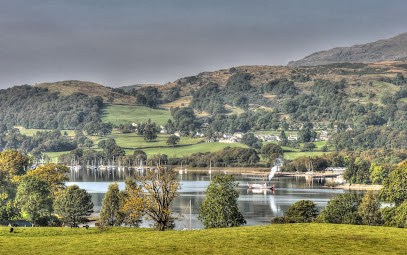
Explore the enchanting world of William Wordsworth at Wordsworth Grasmere, a museum nestled in the breathtaking landscapes of the Lake District.
National Trust - Tarn Hows
41.4 km
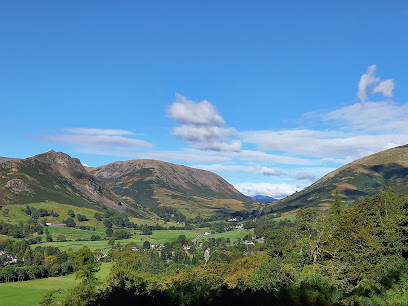
Discover the serene beauty of Tarn Hows, a nature reserve in the Lake District with stunning landscapes and tranquil walking trails.
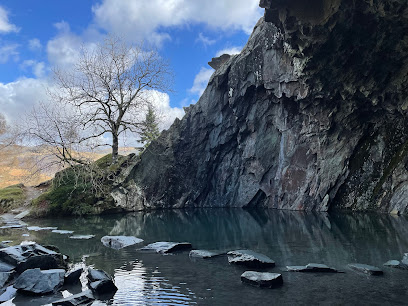
Rydal Cave
42.3 km
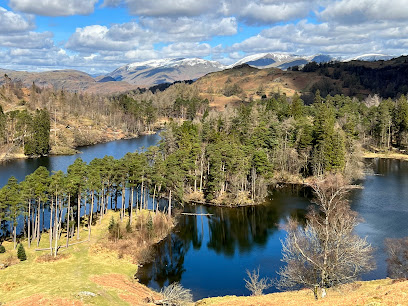
Experience the stunning beauty of Rydal Cave in Ambleside, a perfect blend of nature, adventure, and breathtaking landscapes.
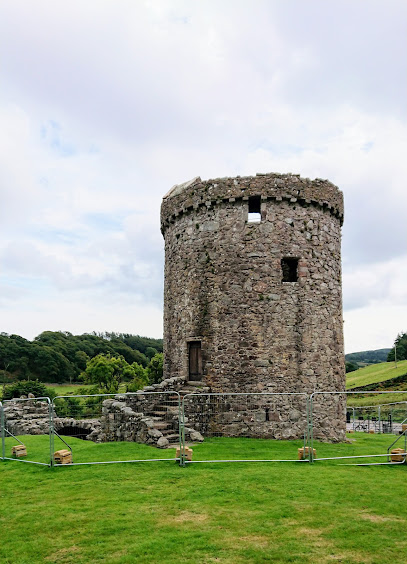
Orchardton Tower
42.3 km
Discover Scotland’s only free-standing circular tower house, a rare medieval fortress steeped in history and legend near Castle Douglas.
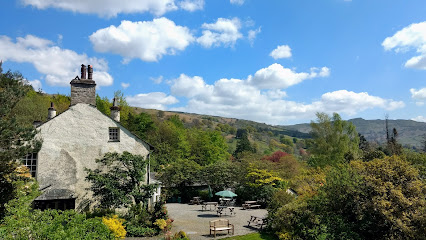
Rydal Mount and Gardens
43.1 km
Visit Rydal Mount and Gardens, the historic home of poet William Wordsworth, and explore its stunning gardens and rich literary heritage.
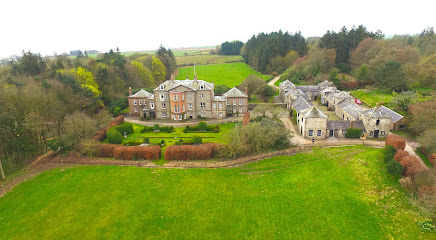
Arbigland House and Gardens
43.2 km
Explore the enchanting Arbigland House and Gardens, a historic holiday home surrounded by breathtaking gardens in Dumfries, Scotland.
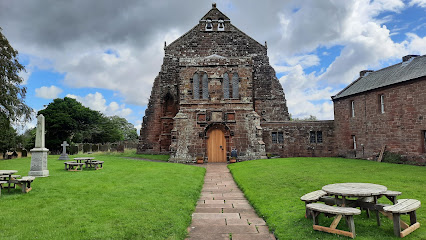
Holme Cultram
43.3 km
Discover the tranquil beauty and rich history of Holme Cultram, an architectural gem in the heart of Abbeytown, perfect for a peaceful getaway.
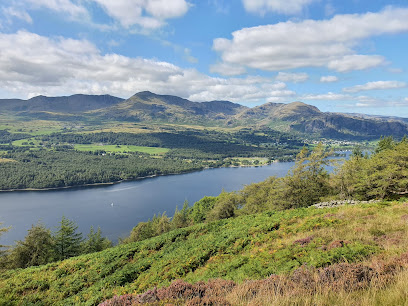
Grizedale
44.4 km
Discover the natural beauty and artistic wonders of Grizedale Forest, a national park filled with adventure and serenity in the Lake District.
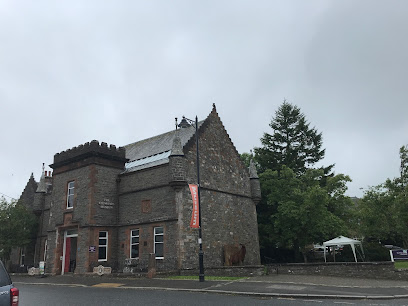
Stewartry Museum
44.4 km
Explore the captivating history of Kirkcudbright at Stewartry Museum, a charming local history museum filled with fascinating exhibits and local treasures.
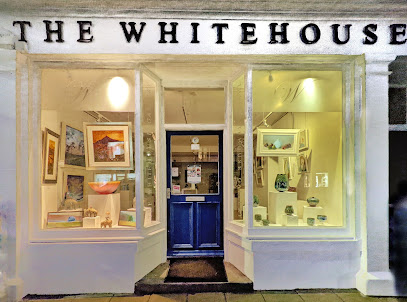
The Whitehouse Gallery
44.4 km
Explore contemporary art in Kirkcudbright at The Whitehouse Gallery, showcasing local and national artists in a vibrant cultural atmosphere.
Soaperie Gardens
44.4 km
Discover the tranquil beauty of Soaperie Gardens in Kirkcudbright, a perfect escape for nature lovers and families seeking relaxation and adventure.
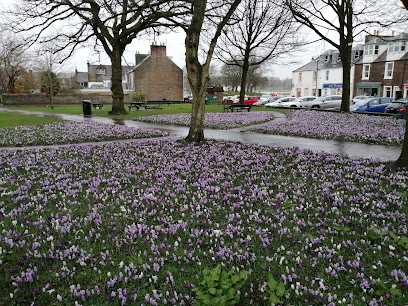
Dark Space Planetarium
44.5 km
Discover the cosmos at Dark Space Planetarium in Kirkcudbright, where immersive shows and exhibits reveal the wonders of the universe.

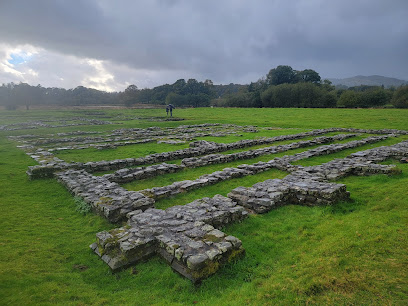
Ambleside Roman Fort
44.5 km
Experience the rich history at Ambleside Roman Fort, a key archaeological site in the heart of the Lake District, offering stunning views and engaging exhibits.
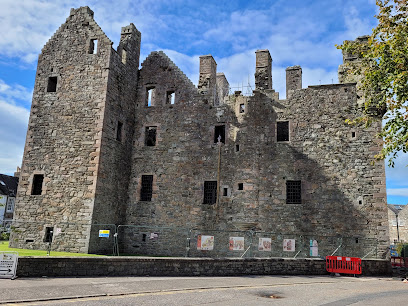
MacLellan's Castle
44.6 km
Discover the majestic MacLellan's Castle, a historical landmark in Kirkcudbright, showcasing stunning architecture and rich Scottish heritage.
Unmissable attractions to see

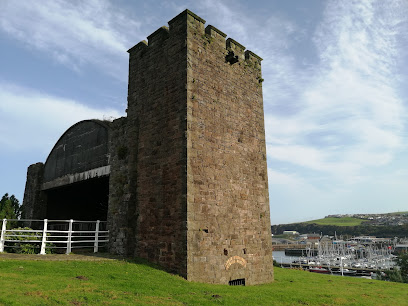
Duke Pit Fan House
4.6 km
A striking medieval-style fan house preserving Whitehaven’s pioneering coal mine ventilation heritage since 1747.
Dunmail Park Shopping Centre
16.7 km
A vibrant shopping and leisure centre in Workington offering extended hours, diverse stores, and family-friendly amenities.

Wild Ennerdale
16.9 km
Experience the wild heart of the Lake District where nature thrives through pioneering rewilding and tranquil wilderness.
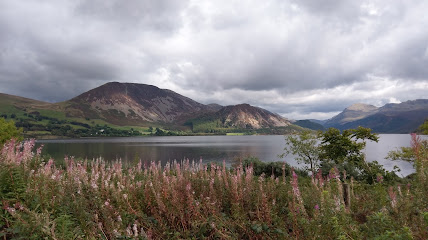
Kirkstile Inn
21.1 km
Historic Lakeland inn offering cozy rooms, award-winning ales, and hearty local cuisine amid breathtaking Lake District scenery.
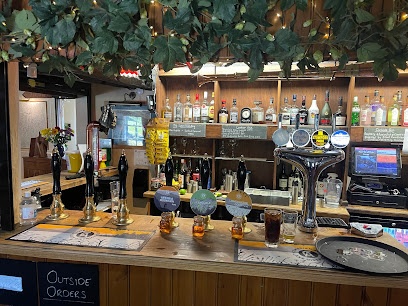
Scale Force Waterfall
21.2 km
Discover England’s highest waterfall, Scale Force, a breathtaking 170-foot cascade hidden in the serene woodlands of the Lake District.
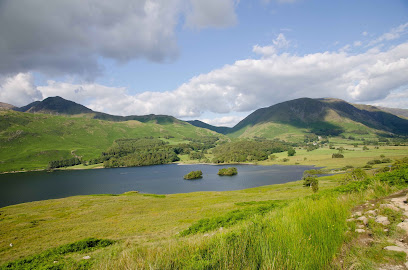
Ravenglass Roman Bath House
23.8 km
Explore towering Roman ruins and ancient bathing culture at one of northern Britain’s best-preserved Roman sites in scenic Ravenglass.
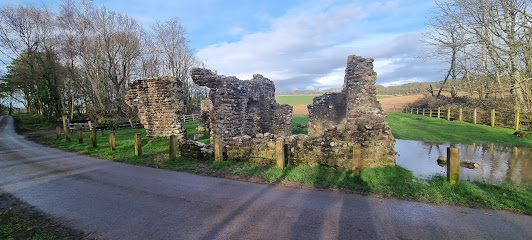
National Trust - Wordsworth House and Garden
24.0 km
Explore the Georgian childhood home and garden of William Wordsworth, where history, poetry, and nature intertwine in Cockermouth.
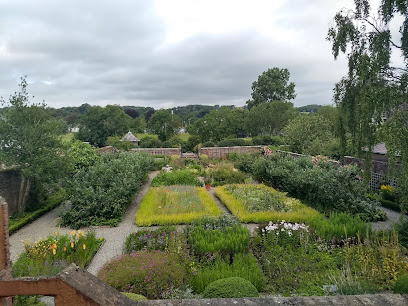
Senhouse Roman Museum
24.7 km
Explore Britain’s oldest Roman collection set in a dramatic Victorian battery overlooking the Solway Firth at the edge of Hadrian’s Wall.
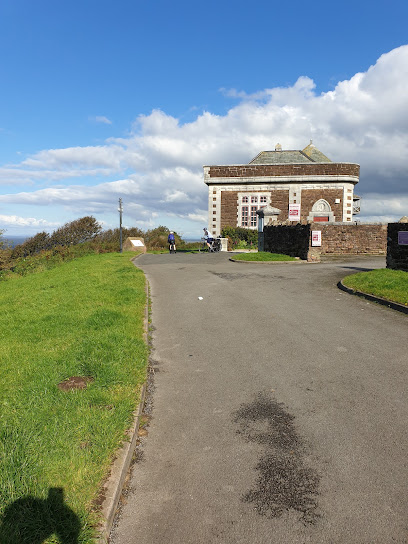
Ritson's Force
25.0 km
Discover the tranquil beauty of Ritson's Force, a charming waterfall nestled among England’s highest peaks in the Lake District.
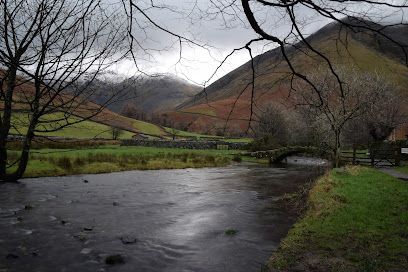
Wasdale Head
25.3 km
Explore England’s highest peaks and deepest lake from the tranquil, rugged heart of Wasdale Head in the Lake District.
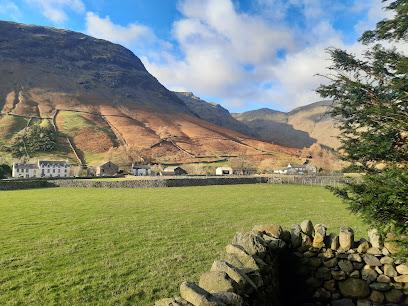
Moss Force Waterfall
25.4 km
Discover the breathtaking 100-meter cascades of Moss Force, a serene yet powerful waterfall nestled in the heart of England’s Lake District.
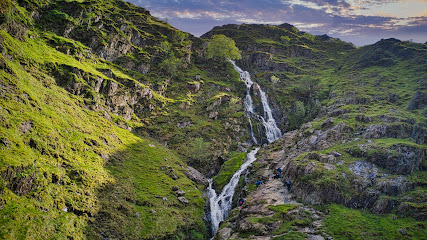
Force Crag Mine
26.9 km
Explore the Lake District's last working metal mine, where industrial heritage meets stunning Coledale Valley scenery.
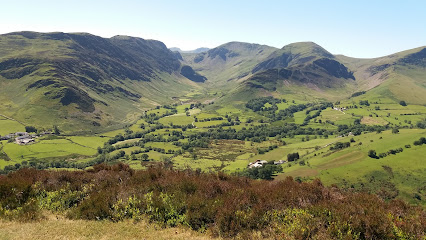
Eskdale Mill
27.1 km
Step back in time at Eskdale Mill, the Lake District’s last working water-powered corn mill with historic machinery and scenic riverside charm.
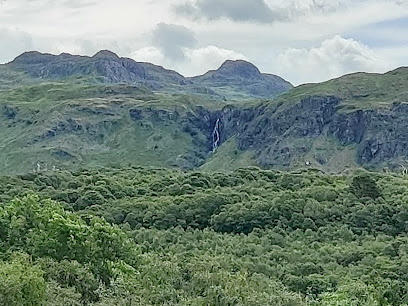
Eskdale
27.7 km
Discover Eskdale, a breathtaking Lake District valley of towering peaks, historic trails, and serene natural beauty in Cumbria, England.
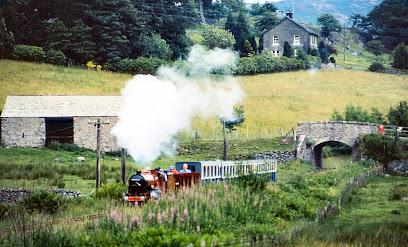
Stanley Ghyll Waterfall
27.8 km
Discover Stanley Ghyll Waterfall’s breathtaking 60-foot cascade nestled in Eskdale’s lush, fern-filled ravine, a Lake District natural gem.
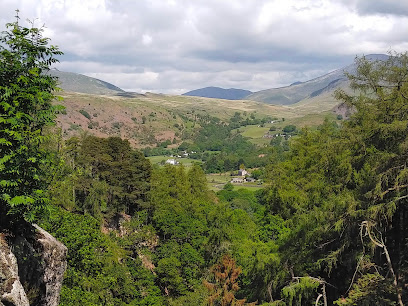
Essential places to dine

The Wild Duck Inn
15.6 km
Experience the charm of The Wild Duck Inn: where American flavors meet local hospitality in Branthwaite.
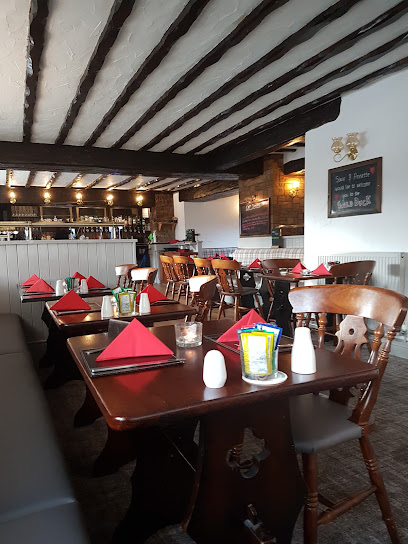
The Conservatory Restaurant at The Melbreak Hotel
17.9 km
A bright, elegant restaurant near Workington serving refined British cuisine with a welcoming atmosphere and special dining events.
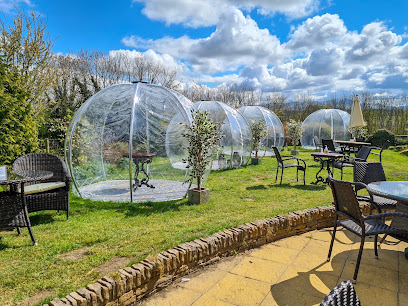
Cockermouth Brewers Fayre
23.0 km
A welcoming family-friendly pub and restaurant in Cockermouth offering classic British dishes, hearty breakfasts, and a spacious beer garden with countryside views.
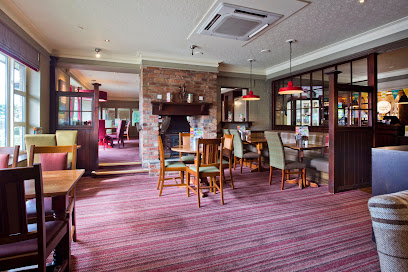
The Cottage In The Wood
28.9 km
Michelin-starred fine dining nestled in Whinlatter Forest with cozy rooms and stunning views of the Lake District’s Skiddaw mountains.
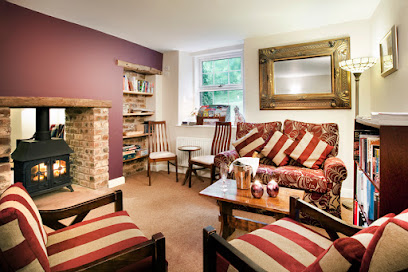
Herdwick Willy’s Bar & Bistro
31.4 km
A relaxed bistro-bar nestled in Bassenthwaite’s scenic Croft Holiday Park, serving fresh pizzas and light fare with countryside views.
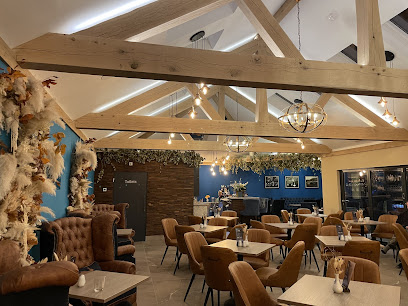
Old Dungeon Ghyll Hotel Great Langdale
35.5 km
A welcoming climbers’ inn with traditional charm, hearty fare, and stunning mountain views in the heart of Great Langdale.
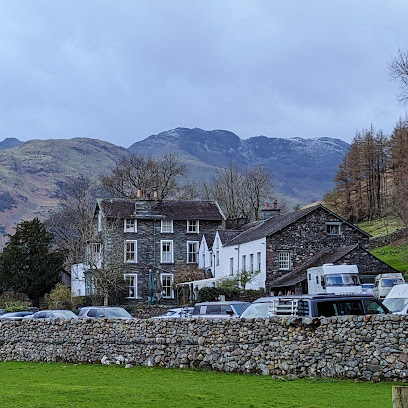
New Dungeon Ghyll - Langdale
36.3 km
Rustic hotel and lively bar nestled in Langdale Valley, perfect for walkers seeking comfort and community in the Lake District.
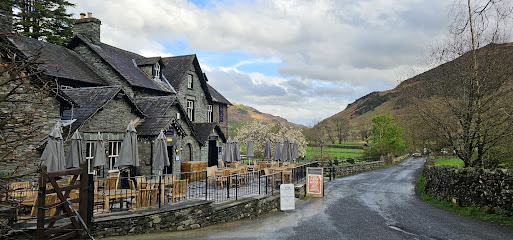
Stove Restaurant & Bar
39.6 km
Relaxed dining with wood-fired pizzas and seasonal dishes in the heart of the Lake District’s Great Langdale.
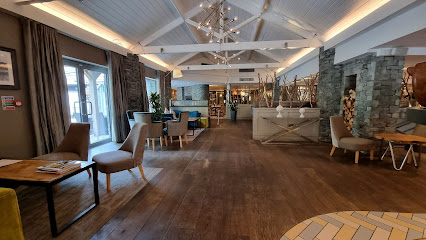
The Jumble Room
40.1 km
Vibrant bohemian restaurant in Grasmere serving creative international dishes with local Cumbrian produce in a lively, eclectic setting.
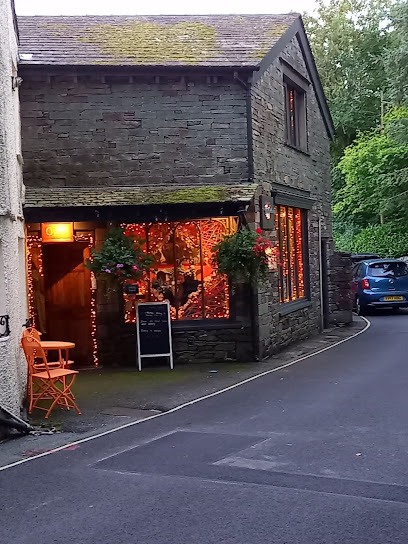
Drunken Duck Inn & Barngates Brewery
43.1 km
A charming Lake District inn blending hearty cuisine, on-site brewed ales, and cozy accommodation in a rustic country setting.

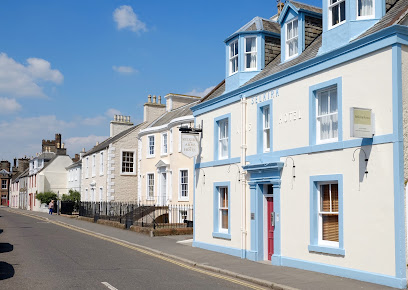
The Selkirk Arms Hotel & Restaurant
44.4 km
Historic charm meets culinary excellence in Kirkcudbright’s beloved Selkirk Arms Hotel & Restaurant, a cozy retreat in Scotland’s Artists’ Town.
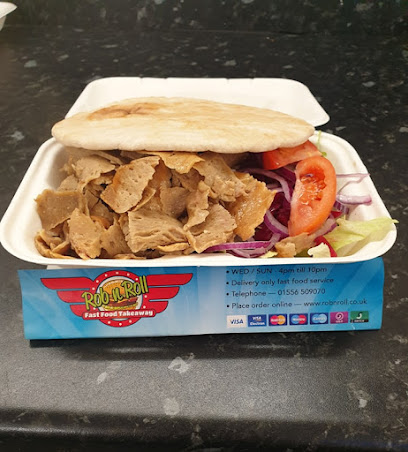
Rob n Roll Restaurants LTD
44.4 km
Savor delicious pizzas and fast food delights at Rob n Roll in Kirkcudbright - your perfect pit stop after exploring the scenic beauty.
The Tides Inn
44.4 km
Experience the warmth and charm of The Tides Inn Pub in Kirkcudbright—where locals meet visitors over delicious food and drinks.
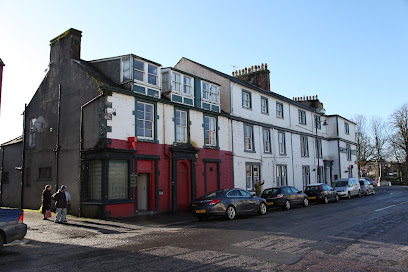
Clann
44.4 km
Experience the warmth and flavor of Clann Cafe in Kirkcudbright - where homemade treats meet local charm.
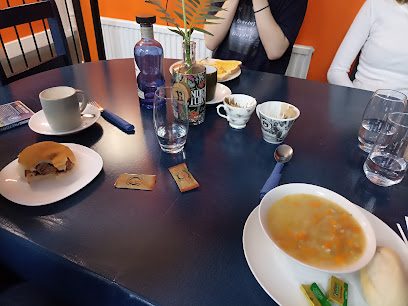
The Belfry
44.4 km
Experience the charm of The Belfry Café in Kirkcudbright - where delicious homemade treats meet warm hospitality.
Markets, malls and hidden boutiques

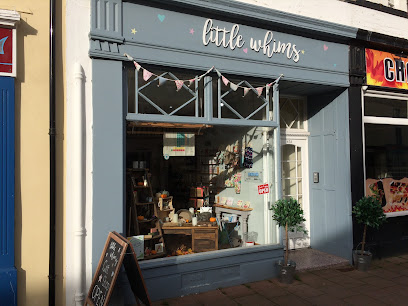
Little Whims
4.7 km
Discover unique gifts and local charm at Little Whims, a cozy and creative gift shop in Whitehaven’s historic Market Place.
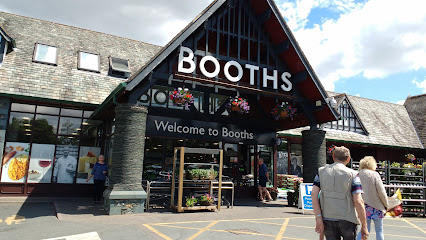
Booths, Keswick
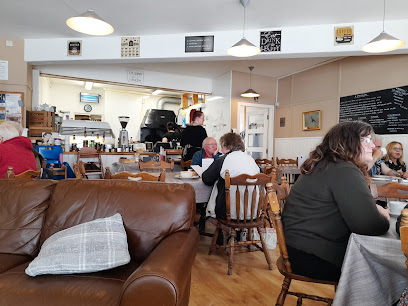
33.5 km
A premium supermarket and café in Keswick, offering local Lake District produce, fresh counters, and community-focused shopping.
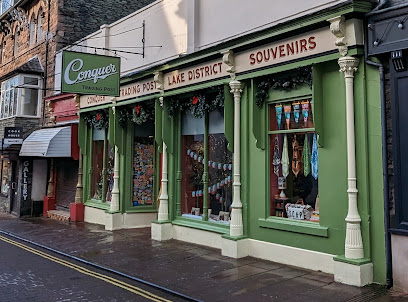
CONQUER Trading Post
33.7 km
Discover authentic Lake District spirit through unique patches, crafts, and gifts at Keswick’s vibrant Conquer Trading Post.
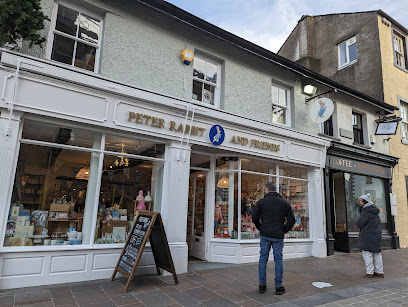
Peter Rabbit & Friends Ltd
33.7 km
Step into a storybook world at Peter Rabbit & Friends Ltd, Keswick’s enchanting toy shop and café inspired by Beatrix Potter’s beloved characters.
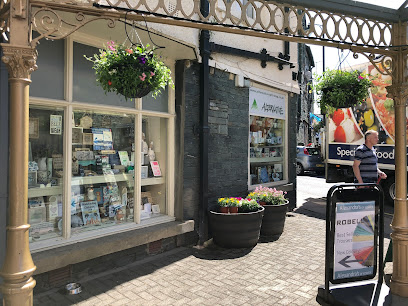
Love the Lakes Keswick
33.8 km
Discover unique Lake District gifts and local crafts in the heart of Keswick’s charming market town.
Alternative
33.8 km
Discover original gifts and Lake District treasures at Alternative, Keswick’s beloved family-run gift and interiors shop.
Southerness Gift shop
40.1 km
Discover unique local crafts and authentic Scottish souvenirs in the charming Southerness Gift Shop, a must-visit in Dumfries and Galloway.
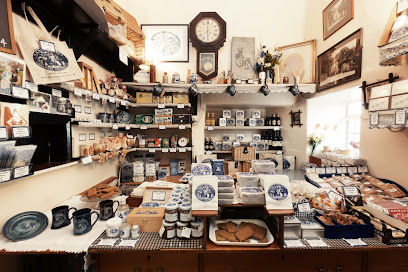
The Grasmere Gingerbread Shop
40.3 km
Explore the sweetness of tradition at The Grasmere Gingerbread Shop, a must-visit bakery in the heart of the Lake District.
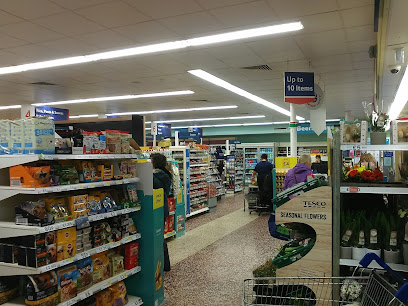
Tesco Superstore
44.4 km
Conveniently located Tesco Superstore in Kirkcudbright offers fresh produce, essential groceries, and accessible facilities for locals and visitors alike.
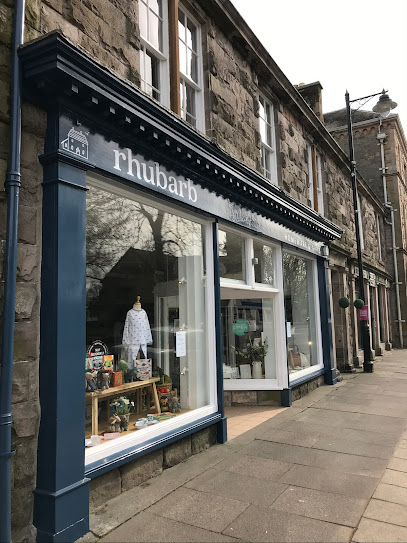
Rhubarb
44.4 km
Discover stylish modern country interiors and unique gifts at Rhubarb, Kirkcudbright’s boutique homeware shop blending rustic charm with contemporary design.
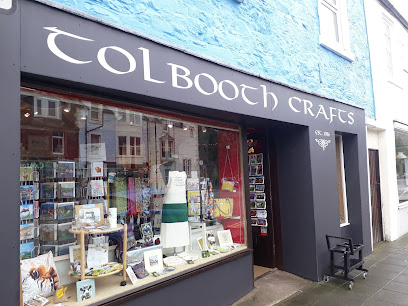
Tolbooth Crafts
44.4 km
Discover unique local crafts in Kirkcudbright’s historic Tolbooth building, a vibrant hub celebrating Scotland’s Artists’ Town heritage.
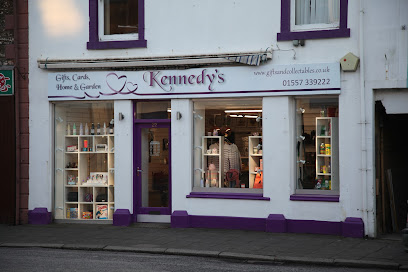
Kennedy's
44.4 km
Discover unique gifts and local crafts at Kennedy's, Kirkcudbright’s welcoming gift shop with a rich selection and friendly service.
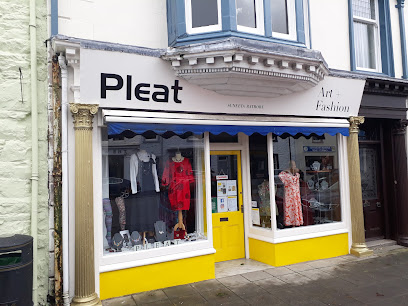
Pleat Art + Fashion
44.5 km
Discover curated women's fashion, vintage jewellery, and local art in the heart of Kirkcudbright’s vibrant artists' community.
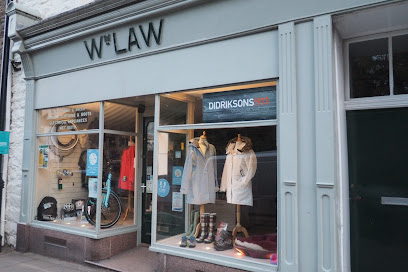
W M Law
44.5 km
W M Law: Your trusted clothing and outdoor gear shop in the heart of Kirkcudbright’s historic and artistic town centre.
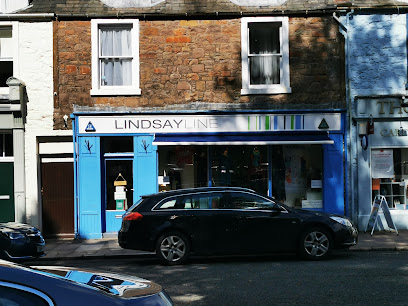
Lindsay Line
44.5 km
Independent ladies’ casual wear boutique in Kirkcudbright, blending style, comfort, and community for nearly 30 years.
Essential bars & hidden hideouts

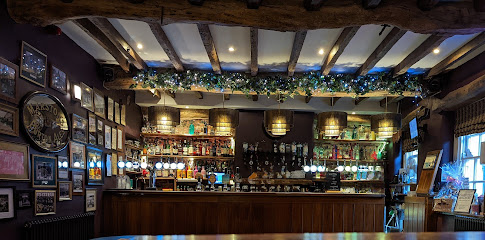
Castle Bar
24.4 km
Historic 16th-century pub in Cockermouth with award-winning design, local ales, sunny beer garden, and vibrant sports bar atmosphere.
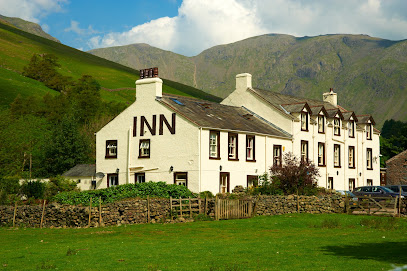
Ritson's Bar (Wasdale Head Inn)
25.3 km
Historic mountain pub at the foot of England’s highest peak, offering real ales, hearty food, and stunning Lake District views.
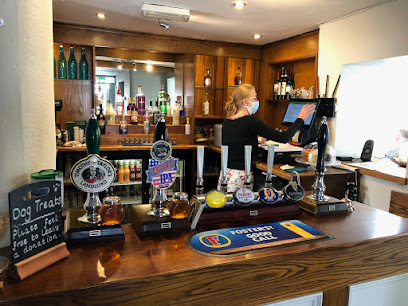
The Lowther Arms Community Pub
35.3 km
A warm community pub with hearty British fare, scenic camping, and countryside charm in Mawbray, Maryport.
Wainwrights' Inn
39.2 km
A traditional Lakeland pub in Chapel Stile offering hearty local fare, fine ales, and a warm welcome near the Langdale Estate.
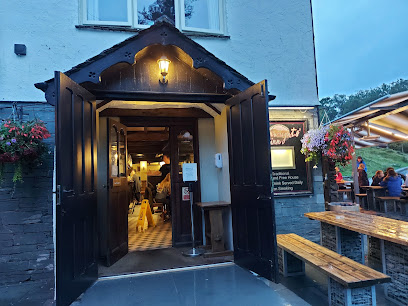
Paul Jones Hotel
40.0 km
A cozy, dog-friendly coastal pub in Southerness serving hearty meals and welcoming locals and visitors alike with warmth and charm.
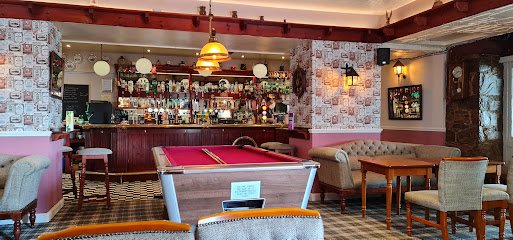
The 19th Hole
40.0 km
A lively, dog-friendly pub in Southerness offering unique pool tables, live sports, and a welcoming atmosphere for golfers and locals alike.
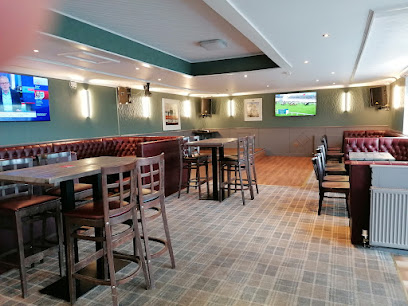
The Talbot Bar
41.8 km
Cozy Lakeland pub with hearty traditional fare, local ales, and a warm, dog-friendly atmosphere near Ambleside.
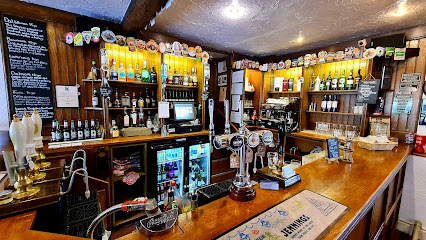
Ramblers Bar and the Candleroom
44.6 km
A charming lakeside pub and restaurant in Glenridding with scenic views, friendly service, and a welcoming atmosphere for all visitors.
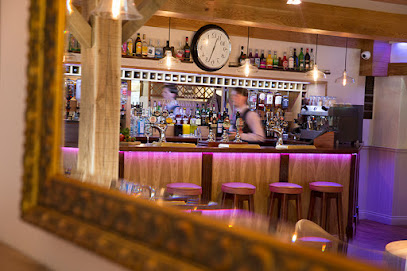
Golden Rule
44.7 km
A historic Ambleside pub offering traditional ales, cozy fires, and a welcoming atmosphere away from the tourist bustle.
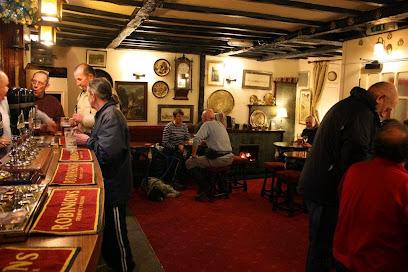
The Vault
44.7 km
Historic charm meets fresh cocktails and tapas in Ambleside’s vibrant social hub, The Vault.
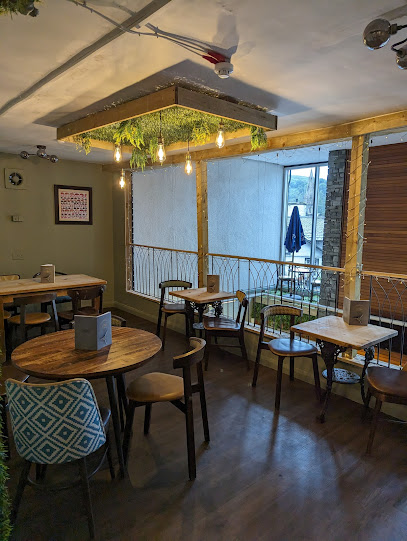
The Lily Bar
44.8 km
Ambleside’s independent bar blending rustic charm, local ales, live music, and quality dining in the heart of the Lake District.
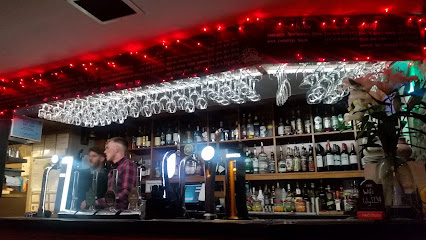
The Oddfellows Arms Caldbeck
45.8 km
Discover the culinary delights of The Oddfellows Arms in Caldbeck, where traditional pub fare meets innovative gastropub cuisine in a charming setting.
Lake District Cocktail Co.
47.5 km
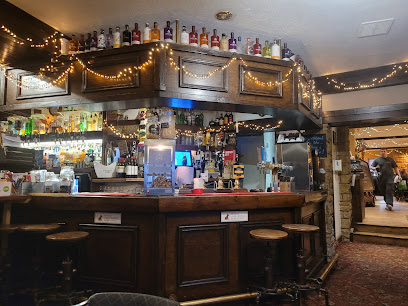
Experience the art of cocktail crafting in the stunning Lake District with Lake District Cocktail Co., a mobile catering service that brings the bar to you.

Queens Head, Troutbeck
48.5 km
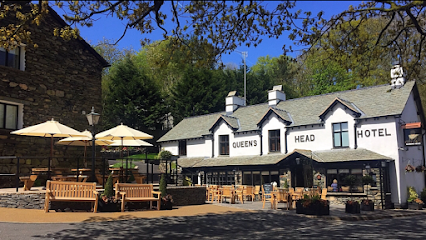
Historic Lake District pub and inn offering hearty fare, local ales, and cosy rooms with stunning Troutbeck Valley views.
Boaters Bar
49.1 km
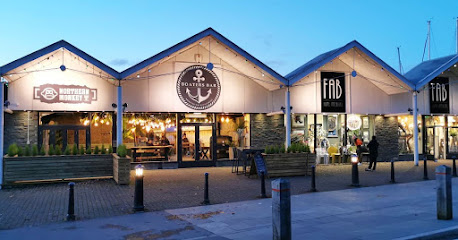
Lake District’s premier lakeside bar offering craft beers, live entertainment, family fun, and stunning views over Lake Windermere.
Nightclubs & after hour spots

Wheelhouse Nightclub
49.1 km
Experience vibrant weekend nightlife with dynamic music, drinks, and dancing at Wheelhouse Nightclub in scenic Bowness-on-Windermere.
Windermere Social Club
49.8 km
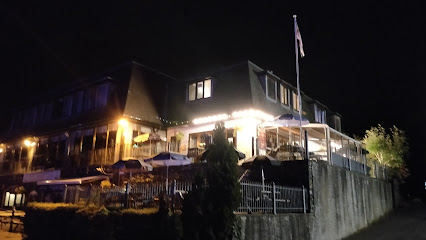
A friendly and versatile social club in Windermere offering games, sports viewing, and community events in a welcoming atmosphere.
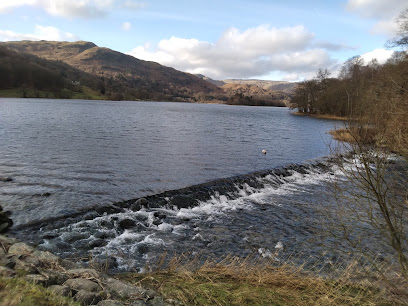
The Lounge C9
51.9 km
Experience Barrow-in-Furness’ vibrant nightlife at The Lounge C9, where music, drinks, and community come alive every weekend.
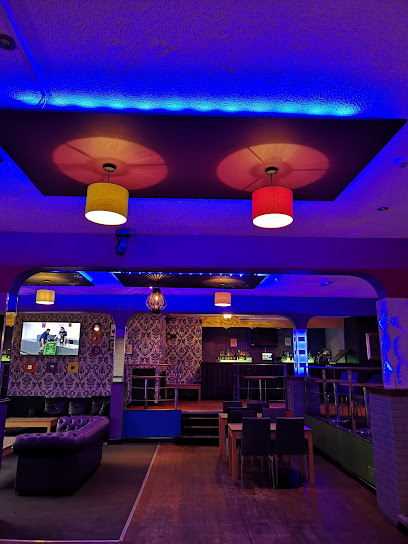
Manhattans Nightclub
52.0 km
Barrow-in-Furness’s top nightclub for themed parties, DJ nights, and vibrant late-night entertainment on Cavendish Street.

Hollywood Nightclub
52.0 km
Experience the vibrant late-night pulse of Barrow-in-Furness at Hollywood Nightclub, where music and dance light up Cavendish Street.

Manx Sailing & Cruising Club
52.4 km
Discover the vibrant maritime culture at the Manx Sailing & Cruising Club, a hub for sailing enthusiasts along Ramsey's scenic coastline.

South Ramsey Bowling Club
52.6 km
Discover the charm of bowling at South Ramsey Bowling Club, a local favorite nestled in the scenic beauty of Ramsey, Isle of Man.
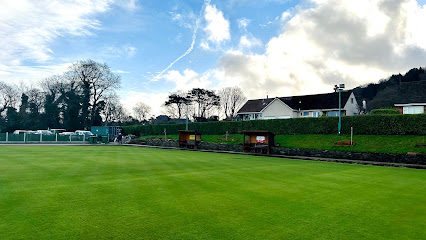
Ramsey crown green bowling club
52.7 km
Discover the local charm and community spirit at Ramsey Crown Green Bowling Club, where traditional bowling meets stunning landscapes.
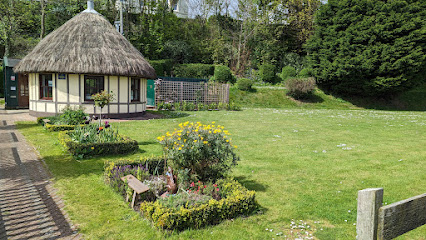
R.A.O.B Club
52.9 km
Discover the R.A.O.B Club in Ramsey, a vibrant social hub where locals and tourists unite for friendship and fun on the Isle of Man.
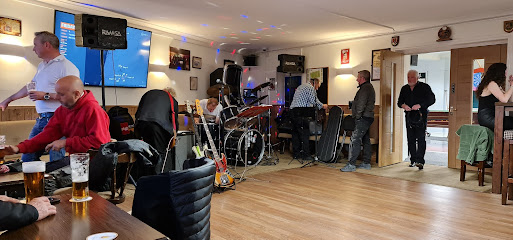
Laxey Sailing Club
58.4 km
Experience the serene beauty and vibrant community of Laxey Sailing Club on the Isle of Man, perfect for sailing, relaxation, and local culture.
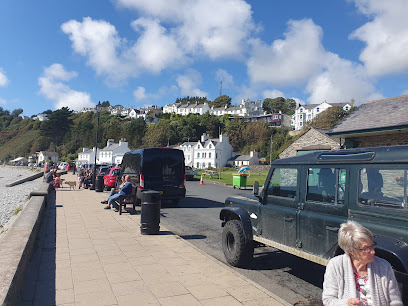
Laxey Football Club
58.6 km
Discover the vibrant community spirit of Laxey Football Club, a cornerstone of Isle of Man's local culture and a thrilling sports venue for visitors.
The Mines Tavern
58.7 km
Discover the charm and warmth of The Mines Tavern in Laxey, where local brews and hearty meals await every traveler.
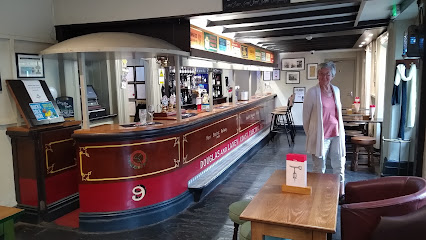
The Queens Hotel
58.8 km
Discover the charm of Laxey at The Queens Hotel, where local beers and pub classics await in a welcoming atmosphere.
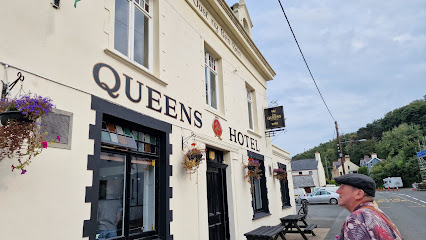
Laxey Working Men's Institute
58.9 km
Experience the heart of the Isle of Man at Laxey Working Men's Institute, where community and culture come together in vibrant harmony.
The Bridge Inn
58.9 km
Discover the charm of Laxey at The Bridge Inn, a cozy bar and inn offering local brews, hearty meals, and a welcoming atmosphere.
For the vibe & atmosphere seeker
- Adventurous
- Relaxing
- Tranquil
- Scenic
- Unique
For the architecture buff
- Parks & Gardens
- Viewpoints
- Heritage Neighborhoods
For the view chaser and sunset hunter
- Panoramas
- Waterfront
- Sunrise Spots
- Sunset Spots
For the social media creator & influencer
- Instagrammable
- Photo Spots
- Selfie Spots
- Aesthetic Corners
- Reel-Friendly
For the eco-conscious traveler
- Sustainable
- Eco-Friendly
- Protected Area
- Nature Reserve
- National Park
- Leave-No-Trace Critical
- Locally Managed
- Wildlife Habitat
For the kind of experience you’re after
- Cultural Heritage
- Photowalk
- Nature Escape
- Day Trip
- Weekend Getaway
For how adventurous you want the journey to be
- Easy Access
- Requires Hike
Location Audience
- Family Friendly
- Child Friendly
- Teen Friendly
- Senior Friendly
- Wheelchair Access
- Pet Friendly
- Solo Friendly
- Couple Friendly
- Solo Female Friendly


