Bakewell Bridge Travel Guide
Free Guide: A timeless medieval stone bridge spanning the River Wye, anchoring Bakewell’s heritage and scenic charm in the Peak District.


A brief summary of Bakewell Bridge
A timeless medieval stone bridge spanning the River Wye, anchoring Bakewell’s heritage and scenic charm in the Peak District.
Bakewell Bridge is a Grade I listed medieval stone arch bridge spanning the River Wye in Bakewell, Derbyshire. Dating back to the 14th century, this historic five-arched gritstone bridge is a scheduled monument and a vital link in the Peak District. It offers picturesque views, a glimpse into Bakewell's rich heritage, and a charming setting near the town’s market and river walks.
On-site amenities
 Restrooms
 Drink options
 Food options
 Seating areas
 Trash bins
 Information boards
Opening hours
- Every dayOpen 24 hours
Opening hours as listed on the venue’s Google Business Profile. Hours can change for services and special events, so check with the venue before you go.
- Address
- 2 Bridge St, Bakewell DE45 1DS
- Website
Getting there
Bus
Car
Train and Walk
Discover more about Bakewell Bridge
Medieval Engineering Marvel in Derbyshire
Bakewell Bridge, constructed in the 14th century, is an enduring example of medieval stone bridge engineering. Built from ashlar gritstone, the bridge features five elegant arches and cutwaters designed to deflect river debris. One of the cutwaters supports the base of a historic cross, reflecting the bridge’s longstanding cultural significance. This Grade I listed structure is also a scheduled monument, underscoring its importance as one of England’s oldest surviving bridges.
A Vital Historical Crossing and Market Gateway
The bridge has long served as a critical crossing over the River Wye, facilitating trade and travel in Bakewell and the surrounding Peak District. Originally part of a packhorse route, it connected the town’s bustling medieval market with broader regional networks. The bridge’s strategic location contributed to Bakewell’s development as the only sizeable market town within the Peak District National Park, anchoring its role in local commerce and community life.
Architectural Features and 19th-Century Adaptations
The five Gothic arches of Bakewell Bridge are complemented by triangular cutwaters rising above the waterline, which historically provided refuge for pedestrians from passing carts and carriages. In the 19th century, the bridge was widened and its parapets raised to accommodate increasing traffic, blending preservation with practical adaptation. Despite these changes, the bridge retains its medieval character and continues to carry the A619 road, linking Bakewell to Chesterfield and beyond.
Scenic Setting and Cultural Significance
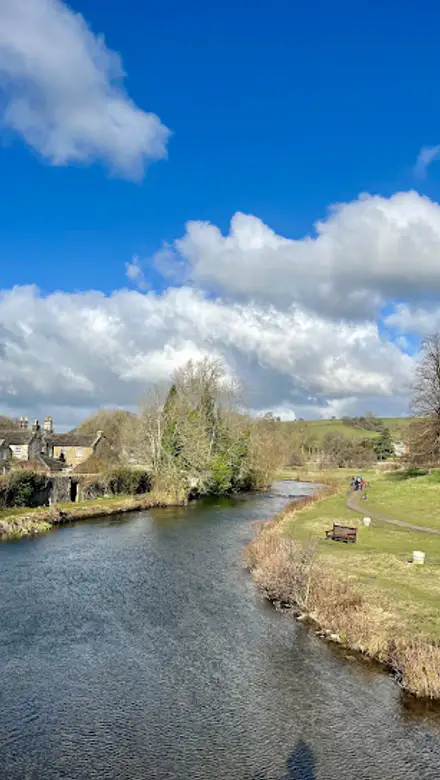
Nestled in the heart of Bakewell, the bridge offers scenic views of the River Wye and surrounding meadows. It is a focal point for river walks and a picturesque backdrop for photography and painting. The bridge’s proximity to Bakewell’s historic town center and its famous Bakewell Tart bakeries makes it a cherished landmark for visitors seeking both natural beauty and cultural heritage.
The Bakewell Love Locks and Community Stories
Nearby Weir Bridge, often associated with Bakewell Bridge, became famous for its love locks—padlocks symbolizing enduring affection placed by couples. Although these locks were removed in 2024 due to maintenance concerns, they were preserved and relocated to Thornbridge Hall, maintaining a local tradition of romantic expression connected to the area’s bridges.
Preservation and Legacy
Bakewell Bridge stands as a testament to centuries of local history, engineering, and community life. Its status as a listed building and scheduled monument ensures ongoing conservation efforts. The bridge not only serves modern transportation needs but also connects visitors to Bakewell’s medieval past and the timeless charm of the Peak District.
Evendo Review Centre
 Google
Guest reviews
Best time to go
Quietest: Jan, Feb & Dec · before 6am or at 10pm
Busy times are Evendo estimates for a typical year, to help you plan. Actual crowds vary with events, school holidays and the weather.
Explore Bakewell Bridge on the map
A handpicked selection of must-see spots near Bakewell Bridge, mapped for you.
Get your free copy of our complete guide to Bakewell Bridge, delivered straight to you.
Everything on this page, from opening hours and how to get there to Eve’s tips and the best time to go, in one PDF you can read offline, print or share.
Already have an account? Sign in
Your Bakewell Bridge guide is ready.
We'll send it to · Not you? Sign out

Getting your guide ready…
We are putting together a fresh copy of the Bakewell Bridge guide. This can take up to a minute.
This can take a few moments. If your browser asks, choose Allow so the download can start. You'll find the guide in your Downloads folder.
Nothing happened? Download it again
Sorry, the guide is taking longer than usual. Please try again in a minute, or get it by email instead.
Other nearby places you may find interesting
The closest places of the same kind, if this one is not quite what you had in mind.
-
-
-
-
-


Swipe for more places
More to explore near Bakewell Bridge

 Best experiences near Bakewell Bridge
 Best hotels near Bakewell Bridge
 Best landmarks near Bakewell Bridge
 Best attractions near Bakewell Bridge
 Best shops near Bakewell Bridge
 Best restaurants near Bakewell Bridge
 Best bars near Bakewell Bridge
Do you manage this location?
Take control to get all the benefits, like improved information, better appearance, and stronger visibility across AI-powered discovery.
Explore more

Explore more of Derbyshire
Explore Derbyshire: Discover the breathtaking landscapes of the Peak District, historic estates, and charming market towns in England's picturesque heartland.
Explore Derbyshire
Explore more of United Kingdom
Discover the United Kingdom: A blend of rich history, stunning landscapes, and vibrant cities, offering a unique travel experience for every visitor.
Explore United Kingdom