
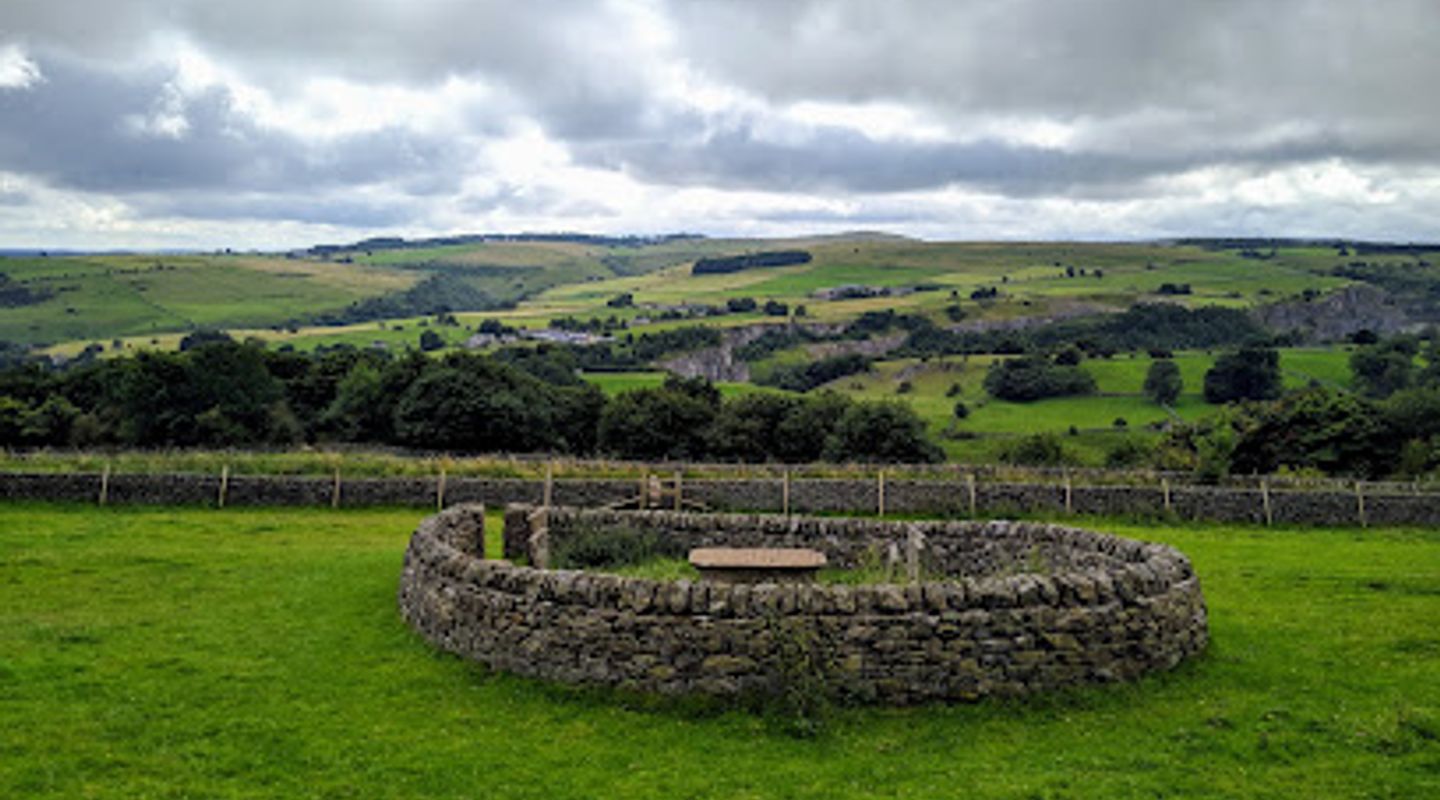
Riley Graves, Peak District Travel Guide
Six gravestones mark a family's sacrifice during England's most poignant plague.
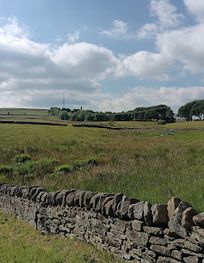
Riley Graves is a solemn 17th-century burial site on the outskirts of Eyam in Derbyshire, England, containing the graves of the Hancock family who perished during the devastating plague outbreak of 1665–1666. Six gravestones enclosed by a stone wall mark this Grade II listed cemetery, where Elizabeth Hancock buried her husband and children after they succumbed to the disease. The peaceful, atmospheric setting offers visitors a profound connection to one of England's most poignant historical events and the extraordinary resilience of the Eyam community.
A brief summary to Riley Graves
- Riley Ln, Hope Valley, GB
- Click to display
- Duration: 0.5 to 2 hours
- Free
-
 Outdoor
- Mobile reception: 3 out of 5

Know before you go
Hi, I'm Eve. Here are a few practical things to know before exploring Riley Graves.
- Wear sturdy walking shoes as the site requires a countryside walk from Eyam village, with uneven terrain and potential muddy conditions, especially after rain.
- Visit early morning or late afternoon for the most peaceful atmosphere and to avoid any midday crowds during peak season.
- Combine your visit with other Eyam plague sites—the Boundary Stone, Church of St. Lawrence, and Plague Cottages—to gain fuller understanding of the village's 1665–1666 history.
- Bring a camera for the surrounding Derbyshire countryside views, which provide striking contrast to the solemn nature of the graves.
- Check weather conditions before visiting; the exposed hilltop location can be windy and wet, and the site offers no shelter or facilities.
Do you manage this location?
Take control to get all the benefits, like improved information, better appearance, and stronger visibility across AI-powered discovery. Learn more about listing your business on Evendo
Activate your presenceOther nearby places you may find interesting
The closest places of the same kind, if this one is not quite what you had in mind.
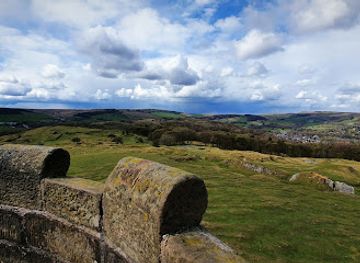
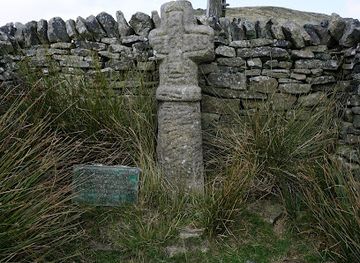
Explore Riley Graves on the Map
A handpicked selection of must-see spots near Riley Graves, mapped for you.
Getting There
-
Walking from Eyam village centre
From Eyam village centre, follow signs or local directions toward Riley Lane. The walk to Riley Graves is approximately 1.5 to 2 kilometres and takes 25–35 minutes on foot. The route follows country lanes and field paths with gentle to moderate inclines. The final approach involves walking uphill through open countryside. Terrain is generally accessible but can be muddy after rain. No formal parking at the site itself; park in Eyam village and walk.
-
Driving and parking
Drive to Eyam village (postcode S32 5QH for village centre). From there, follow Riley Lane toward the site. Limited roadside parking is available near Riley Lane; parking is informal and spaces are few. The final approach to the graves requires a short walk from where vehicles must stop. In peak season, parking in Eyam village and walking may be more practical than attempting to park near the site itself.
-
Public transport from Sheffield or Manchester
Take a bus service to Eyam village from Sheffield (approximately 45–60 minutes) or Manchester (approximately 90–120 minutes). Services run several times daily but with reduced frequency on Sundays. Once in Eyam, walk to Riley Graves as described above. Check local transport schedules in advance, as frequency varies seasonally.
-
Guided tours and visitor services
Eyam village offers guided heritage walks that include Riley Graves as part of broader plague history tours. These typically depart from Eyam village centre and last 2–3 hours. Local visitor information is available at Eyam village; staff can provide detailed directions and recommend optimal routes based on fitness level and weather conditions.
Discover more about Riley Graves
The Hancock Family's Tragedy
Riley Graves stands as a deeply moving memorial to the Hancock family, whose graves are enclosed within a stone wall in a field near the village of Eyam. In 1666, the entire family fell victim to the plague that ravaged the village after arriving in a shipment of cloth from London. The six gravestones bear the names of Alice, Ann, William, John, Elizabeth, and Oner Hancock—all buried within an agonizing eight-day period in August 1666. Elizabeth Hancock, the family matriarch, displayed extraordinary courage by personally carrying the remains of her loved ones up the hill to this burial site, burying seven family members in total. Only one son survived, and Elizabeth eventually relocated to Sheffield to live with him, leaving behind this haunting testament to loss.A Village's Act of Sacrifice
The story of Riley Graves cannot be separated from the broader narrative of Eyam's response to the plague. When the disease arrived in the village, the community made a collective decision to isolate themselves from the rest of England to prevent further spread of the infection. This act of self-sacrifice meant that villagers endured the plague's ravages without external aid or escape. The Hancock family's fate exemplifies the human cost of this decision—a cost borne by ordinary people whose names and stories might have been forgotten without this burial site. The peaceful countryside setting belies the tragedy it represents, making it a place where the weight of history feels tangible and immediate.The Physical Memorial
The cemetery itself is modest in scale but powerful in presence. Six gravestones stand within an enclosure of stone walls, marking the final resting place of the Hancock family members. The Grade II listed status, designated on 12 October 1984, reflects the historical and cultural significance of this site. The field where the graves stand was once home to the Hancock family's farmhouse, located approximately one mile from the centre of Eyam village, near Riley Wood. The name "Riley Graves" derives from Riley Field, the name of the land where the family lived and where they were ultimately buried.Atmosphere and Reflection
Visitors to Riley Graves encounter a landscape of quiet contemplation. The peaceful, atmospheric setting invites reflection on themes of mortality, community resilience, and historical tragedy. The surrounding countryside provides a gentle backdrop to the solemnity of the site, offering visitors space to absorb the significance of what occurred here more than three centuries ago. The walk to reach the graves, through the Derbyshire landscape, becomes part of the pilgrimage—a journey that mirrors, in miniature, the emotional weight carried by those who buried their loved ones here during the plague.Connection to Eyam's Broader Legacy
Riley Graves forms part of a larger historical narrative encompassing the entire village of Eyam. Nearby landmarks include the Boundary Stone, where villagers left supplies for outsiders during the quarantine, and the Church of St. Lawrence, which holds numerous stories from the plague era. Plague Cottages and other historic buildings throughout the village preserve the memory of this extraordinary period. Walking through Eyam and visiting Riley Graves offers a tangible connection to the courage and selflessness displayed during one of England's most harrowing epidemics, providing modern visitors with an opportunity to honour the sacrifice and dignity of those who lived through it.












Your all‑in‑one travel companion app
Explore expert travel guides, compare and book tours, experiences, hotels, and more—all from the palm of your hand. Download now for seamless trip planning wherever your wanderlust takes you.


Explore More of Peak District
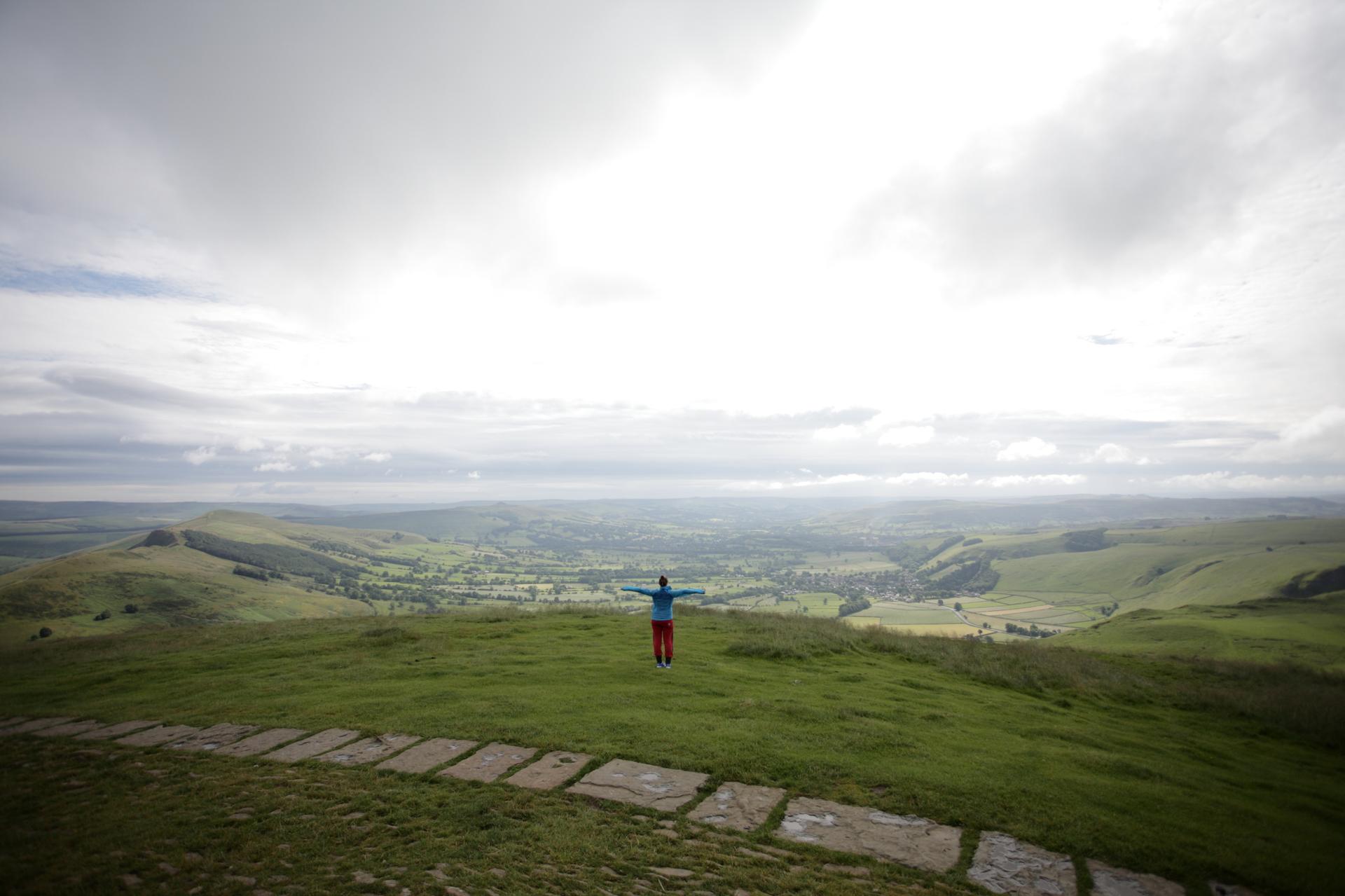
Looking beyond Riley Graves? Discover Peak District for broader travel guides, local hot-spots, and regional highlights.
Explore Peak District
A historic memorial nestled in ancient woodland, honoring Sheffield's cholera victims and offering panoramic city views.
Mompesson's Well marks Eyam’s brave boundary where plague-era coins were disinfected, symbolizing sacrifice and community in the 1665 quarantine.
