

The Clock Tower Travel Guide
Free Guide: Explore England’s only medieval town belfry, a symbol of St Albans’ independence, history, and panoramic city views.


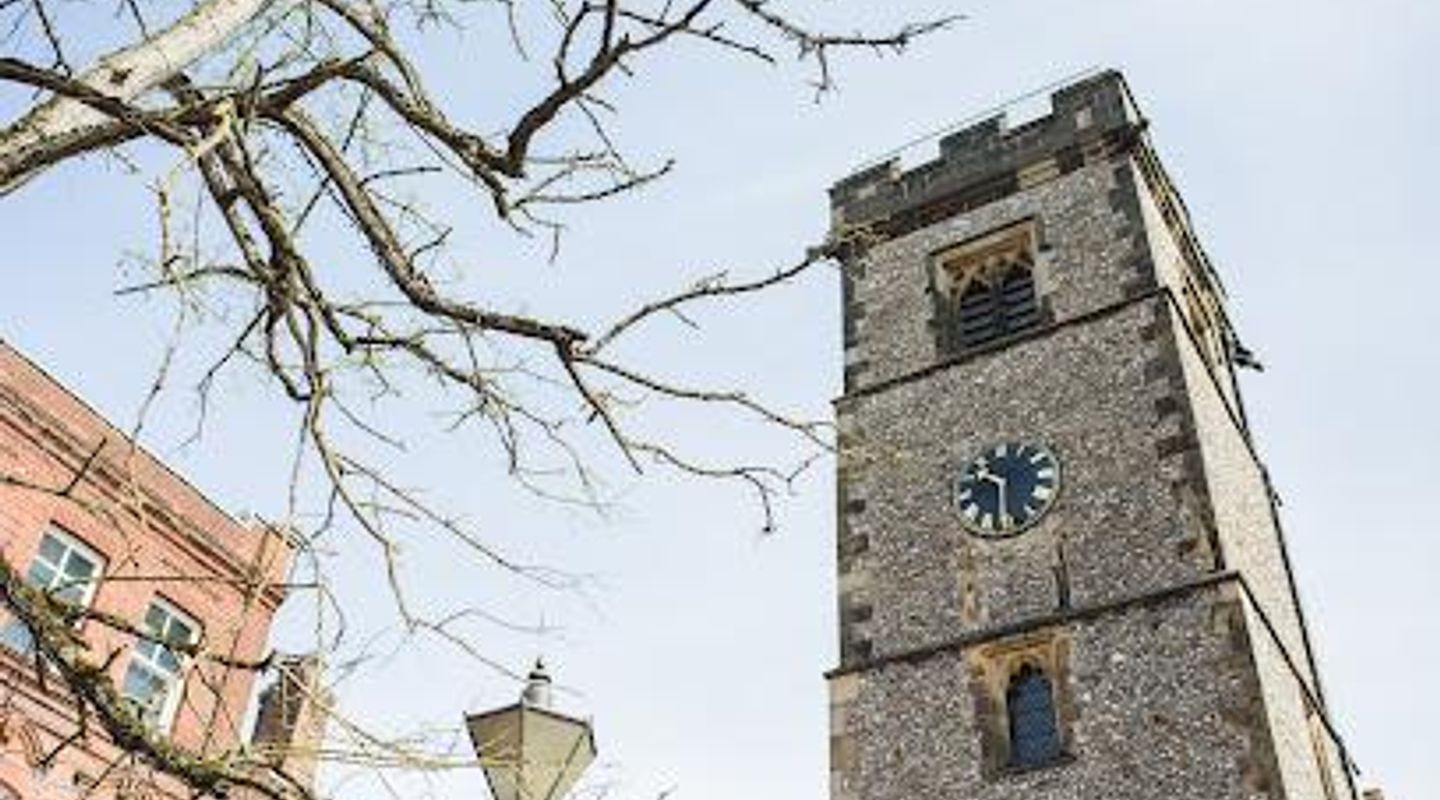
A brief summary of The Clock Tower
Explore England’s only medieval town belfry, a symbol of St Albans’ independence, history, and panoramic city views.
The Clock Tower in St Albans, completed in 1405, stands as England’s only surviving medieval town belfry. Built by the townspeople as a bold statement against the powerful St Albans Abbey, it served multiple roles—from sounding curfews and alarms to acting as a Napoleonic semaphore station. Visitors today can climb its 93 narrow steps to explore five floors rich in history and enjoy panoramic views of the historic city below.
On-site amenities
 Restrooms
 Seating areas
 Information boards
- Address
- High St, St Albans AL3 4EL
- Website
Getting there
Train and Walk
Bus
Car
Discover more about The Clock Tower
A Monument of Medieval Defiance and Civic Pride
Constructed between 1403 and 1412 by Thomas Wolvey, a former Royal Mason, the Clock Tower was erected by the townspeople of St Albans as a direct assertion of their freedom and power against the dominant Benedictine Abbey. Unlike many ecclesiastical structures, this tower was a secular symbol, sited prominently on higher ground to ‘look the Abbey in the eye.’ It allowed the town to mark its own hours and sound the curfew independently until 1863. The tower’s bell, cast in 1335, rang out alarms during crises such as the first Battle of St Albans in 1455, a key conflict in the Wars of the Roses.
Architectural Layers and Historical Uses
The five-story tower reveals a fascinating layering of uses across centuries. The ground floor housed a shop with the shopkeeper’s lodgings above, while the second floor was home to the clock keeper and his family from 1412 to 1866. The third floor features a Victorian clock mechanism designed by Lord Grimthorpe, famed for his work on Big Ben, installed during restoration in 1866. The fourth floor holds the original one-ton bell, still in place after nearly 700 years. The roof was equipped with a shutter telegraph during the Napoleonic Wars, part of a semaphore system that relayed messages rapidly between Portsmouth and Great Yarmouth, linking the Admiralty with the North Sea Fleet.
Strategic Role in Communications and Defense
Beyond its civic symbolism, the Clock Tower played a vital role in national defense and communication. During the Napoleonic Wars, it served as one of 16 semaphore stations forming a rapid signaling network across southern England. This system enabled messages to travel some 300 miles in just five minutes on clear days, a remarkable feat for the era. The tower also functioned as a lookout and alarm post, alerting the town to fire, attack, or other emergencies.
Legacy and Preservation Efforts
After periods of neglect and near demolition following the Napoleonic Wars, the tower was restored in the 1860s under Sir Gilbert Scott’s supervision. Today, it is a Scheduled Ancient Monument maintained by local volunteers and societies, open seasonally to the public. The tower stands not only as a historical monument but also as a cultural emblem of St Albans’ rich medieval heritage and civic spirit.
Visitor Experience and Panoramic Views
Visitors ascending the 93 narrow spiral steps experience a journey through time, with each floor offering insights into the tower’s evolving role. The rooftop provides stunning views over St Albans Cathedral, the remains of the Roman town of Verulamium, and the surrounding Hertfordshire countryside. Nearby, the site of the Eleanor Cross commemorates Queen Eleanor’s funeral procession, adding further historical depth to the area.
Context within St Albans’ Historic Fabric
Situated on High Street, the Clock Tower anchors the medieval heart of St Albans. It stands near Waxhouse Gate, the historic entrance to the Abbey precincts, linking it to the town’s religious and commercial history. The tower’s presence reflects the complex relationship between the civic authorities and the Abbey, illustrating the town’s evolution from medieval market center to modern city.
Evendo Review Centre
 Google
Guest reviews
Best time to go
Quietest: Jan, Feb & Dec · before 6am or at 10pm
Busy times are Evendo estimates for a typical year, to help you plan. Actual crowds vary with events, school holidays and the weather.
Explore The Clock Tower on the map
A handpicked selection of must-see spots near The Clock Tower, mapped for you.
Get your free copy of our complete guide to The Clock Tower, delivered straight to you.
Everything on this page, from opening hours and how to get there to Eve’s tips and the best time to go, in one PDF you can read offline, print or share.
Already have an account? Sign in
Your The Clock Tower guide is ready.
We'll send it to · Not you? Sign out

Getting your guide ready…
We are putting together a fresh copy of the The Clock Tower guide. This can take up to a minute.
This can take a few moments. If your browser asks, choose Allow so the download can start. You'll find the guide in your Downloads folder.
Nothing happened? Download it again
Sorry, the guide is taking longer than usual. Please try again in a minute, or get it by email instead.
Unlock the best of The Clock Tower
Skip-the-line tickets, guided tours with entry, and walking tours of the area, booked in a few clicks.

Other nearby places you may find interesting
The closest places of the same kind, if this one is not quite what you had in mind.
-
-
-
-
-


Swipe for more places
More to explore near The Clock Tower

 Best experiences near The Clock Tower
 Best hotels near The Clock Tower
 Best landmarks near The Clock Tower
 Best attractions near The Clock Tower
 Best shops near The Clock Tower
 Best restaurants near The Clock Tower
 Best bars near The Clock Tower
Do you manage this location?
Take control to get all the benefits, like improved information, better appearance, and stronger visibility across AI-powered discovery.
Explore more

Explore more of Devon
Discover Devon: A blend of stunning coastlines, historic cities, and charming villages perfect for outdoor adventures and culinary delights in the heart of England's West Country.
Explore Devon
Explore more of United Kingdom
Discover the United Kingdom: A blend of rich history, stunning landscapes, and vibrant cities, offering a unique travel experience for every visitor.
Explore United Kingdom
