Avebury Travel Guide
Free Guide: Explore Avebury, the world’s largest Neolithic stone circle, a monumental prehistoric landscape steeped in mystery and ancient ritual.


A brief summary of Avebury
Explore Avebury, the world’s largest Neolithic stone circle, a monumental prehistoric landscape steeped in mystery and ancient ritual.
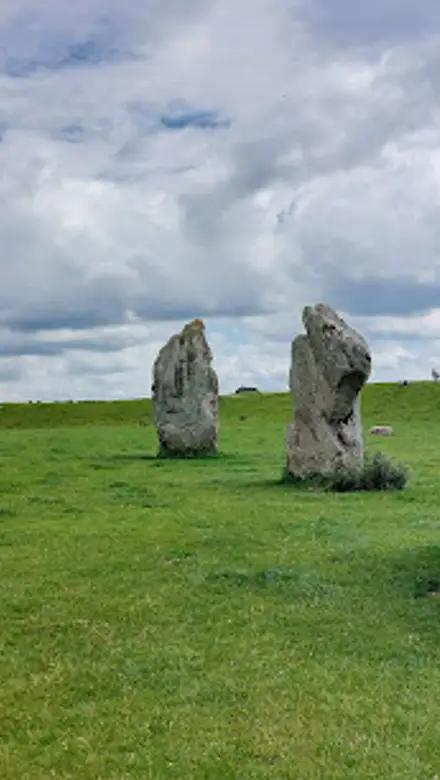
Avebury is a vast Neolithic henge monument in Wiltshire, England, featuring the largest stone circle in the world. Built between 2850 and 2200 BC, it comprises a massive circular bank and ditch enclosing about 100 standing stones arranged in an outer ring and two smaller inner circles. The site is part of a larger prehistoric ceremonial landscape including Silbury Hill and West Kennet Long Barrow, offering visitors a profound connection to ancient ritual and community life.
On-site amenities
 Restrooms
 Drink options
 Food options
 Seating areas
 Trash bins
 Information boards
 Visitor centre
- Address
- Avebury, Marlborough SN8 1RF
- Phone
- Website
Getting there
Car
Bus
Train and Taxi
Walking
Discover more about Avebury
A Monument of Monumental Scale and Mystery
Avebury stands as one of the most remarkable prehistoric sites in Britain, renowned for its colossal stone circle—the largest of its kind worldwide. Constructed in the Neolithic period, roughly between 2850 and 2200 BC, this monumental henge consists of a vast circular earthwork bank and ditch spanning approximately 1.3 kilometers in circumference. Within this enclosure, about 100 massive sarsen stones were originally erected, forming an outer circle and two smaller inner rings. These stones, some weighing over 40 tons, were transported and positioned without metal tools, showcasing the ingenuity and determination of the Neolithic builders.
A Landscape of Ritual and Connection
Avebury is not an isolated site but part of an extensive prehistoric ceremonial complex that includes nearby features such as Silbury Hill—the largest man-made mound in Europe—West Kennet Long Barrow, and the West Kennet and Beckhampton Avenues. These interconnected monuments suggest a landscape designed for ritual gatherings, feasting, and spiritual observance. Archaeological evidence, including animal bones found in the ditches, supports theories that Avebury was a focal point for communal ceremonies and possibly astronomical alignments related to solstices.
The Enigmatic Purpose and Enduring Legacy
The exact purpose of Avebury remains a subject of scholarly debate. Some propose it served as a religious site for worship or appeasement of natural forces, while others see it as a social hub for large gatherings. Its significance has endured through millennia, inspiring modern pagan and spiritual communities who regard it as a sacred place. The site’s preservation owes much to early 20th-century archaeologist Alexander Keiller, who undertook extensive excavations and helped transfer the land to the National Trust.
Visitor Experience Amidst Ancient Stones
Visitors today can freely explore the stone circles and surrounding landscape, walking among the towering megaliths and absorbing the atmosphere of this ancient place. The nearby village of Avebury offers amenities including cafés, shops, and the Alexander Keiller Museum, which houses archaeological finds from the site. The terrain can be uneven and muddy, so sturdy footwear is recommended. The site is accessible year-round during daylight hours, allowing visitors to experience the stones in different seasons and light conditions.
Architectural and Archaeological Significance
Avebury’s design reflects a sophisticated understanding of space and community organization in prehistoric Britain. The massive henge and stone circles demonstrate a complex ceremonial architecture, with alignments and avenues connecting to other monuments over several kilometers. Recent geophysical surveys have revealed unique features, including a rare square megalithic structure within the circles, hinting at the site’s evolving use and importance over centuries.
Preserving a World Heritage Treasure
Designated a UNESCO World Heritage Site alongside Stonehenge, Avebury represents a pinnacle of Neolithic and Bronze Age monument building. The site’s protection by English Heritage and the National Trust ensures its survival as a place of wonder, study, and reflection. Visitors are encouraged to respect the fragile environment and the profound cultural heritage embodied in these ancient stones.
Evendo Review Centre
 Google
Guest reviews
Best time to go
Quietest: Jan, Feb & Dec · before 6am or at 9pm
Busy times are Evendo estimates for a typical year, to help you plan. Actual crowds vary with events, school holidays and the weather.
Explore Avebury on the map
A handpicked selection of must-see spots near Avebury, mapped for you.
Get your free copy of our complete guide to Avebury, delivered straight to you.
Everything on this page, from opening hours and how to get there to Eve’s tips and the best time to go, in one PDF you can read offline, print or share.
Already have an account? Sign in
Your Avebury guide is ready.
We'll send it to · Not you? Sign out

Getting your guide ready…
We are putting together a fresh copy of the Avebury guide. This can take up to a minute.
This can take a few moments. If your browser asks, choose Allow so the download can start. You'll find the guide in your Downloads folder.
Nothing happened? Download it again
Sorry, the guide is taking longer than usual. Please try again in a minute, or get it by email instead.
Unlock the best of Avebury
Skip-the-line tickets, guided tours with entry, and walking tours of the area, booked in a few clicks.
 Tour with entry
Day trip by coach - Stonehenge, Avebury & Uffington White Horse
from $53.14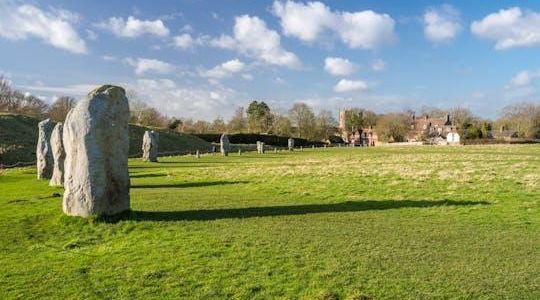 Tour with entry
Stonehenge and the Cotswolds Guided Tour from Bristol
from $117.67 Tour with entry
Stonehenge and The Stone Circles of Avebury Day Trip from London
from $123.99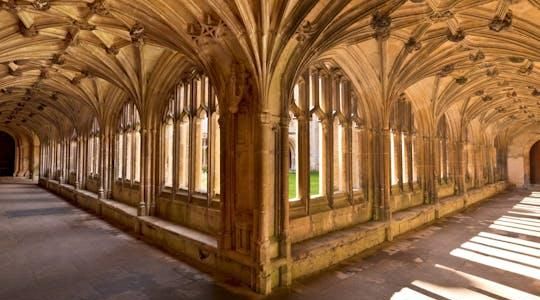 Tour with entry
Stonehenge and the Cotswolds Day Trip from Bath
from $123.99


Other nearby places you may find interesting
The closest places of the same kind, if this one is not quite what you had in mind.
-
-
-
-
-


Swipe for more places
More to explore near Avebury

 Best experiences near Avebury
 Best hotels near Avebury
 Best landmarks near Avebury
 Best attractions near Avebury
 Best shops near Avebury
 Best restaurants near Avebury
 Best bars near Avebury
Do you manage this location?
Take control to get all the benefits, like improved information, better appearance, and stronger visibility across AI-powered discovery.
Explore more
Explore more of Down
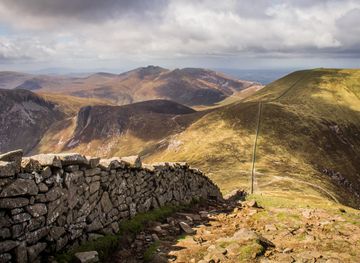
Discover the tranquil beauty, historical treasures, and warm hospitality of Down in Northern Ireland, where serene landscapes and rich heritage await.
Explore Down
Explore more of United Kingdom
Discover the United Kingdom: A blend of rich history, stunning landscapes, and vibrant cities, offering a unique travel experience for every visitor.
Explore United Kingdom