Silbury Hill: Europe's Largest Prehistoric Chalk Mound
Explore Silbury Hill, Europe's largest prehistoric chalk mound, a monumental mystery towering over the Wiltshire landscape since 2400 BC.
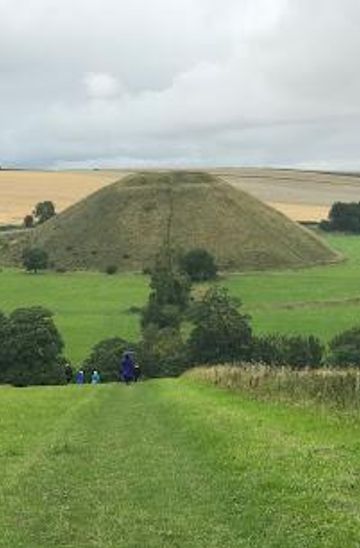
Silbury Hill, near Marlborough in Wiltshire, England, is the largest prehistoric artificial chalk mound in Europe, standing 39.3 metres tall and spanning 160 metres in diameter. Built around 2470–2350 BC, it remains an archaeological enigma with no confirmed purpose. Part of the Stonehenge, Avebury and Associated Sites UNESCO World Heritage Site, Silbury Hill is surrounded by other Neolithic monuments and has inspired myths, legends, and extensive archaeological study.
A brief summary to Silbury Hill
- Marlborough, GB
- Duration: 0.5 to 2 hours
- Free
-
 Outdoor
- Mobile reception: 4 out of 5

Know before you go
Hi, I'm Eve. Here are a few practical things to know before exploring Silbury Hill.
- Visit during daylight hours to fully appreciate the mound’s scale and the surrounding prehistoric landscape.
- Bring binoculars or a camera with zoom to view distant Neolithic sites nearby, such as Avebury stone circle.
- Wear comfortable walking shoes as the terrain around the mound is grassy and uneven.
- Combine your visit with a tour of other Avebury World Heritage Site monuments for a comprehensive prehistoric experience.
Do you manage this location?
Take control to get all the benefits, like improved information, better appearance, and stronger visibility across AI-powered discovery. Learn more
Activate your presenceOther nearby places you may find interesting
Getting There
-
Bus
Take the local bus service from Marlborough town center to the Avebury area, with a journey time of approximately 20–30 minutes. Services run several times daily but check schedules in advance as frequency may vary on weekends and holidays. A single ticket costs around £3–£5.
-
Car
Driving from Marlborough to Silbury Hill takes about 10 minutes via local roads. Limited parking is available near the Avebury World Heritage Site visitor areas. Note that the site encourages minimal car use to protect the landscape.
-
Walking
For active visitors, a scenic 1.5-hour walk from Marlborough town center to Silbury Hill follows countryside paths and minor roads. Terrain is grassy and uneven in places, suitable for moderately fit walkers.
For the on-the-go comforts that matter to you
-
 Information Boards
-
 Seating Areas
-
 Trash Bins
Discover more about Silbury Hill
A Monument of Neolithic Ambition
Silbury Hill is an extraordinary prehistoric artificial mound located near Marlborough in Wiltshire, England. Constructed between approximately 2470 and 2350 BC, it is the largest man-made chalk mound in Europe and one of the largest in the world. Rising to 39.3 metres (129 feet) in height and measuring about 160 metres in diameter, the mound required an estimated four million man-hours to build, involving the movement of half a million tonnes of chalk. Its construction likely spanned several generations, with communities contributing soil and chalk from surrounding lands, symbolizing a remarkable feat of cooperation and ambition in the late Neolithic period.Archaeological Mysteries and Theories
Despite extensive archaeological investigations—including tunnels excavated in the 18th, 19th, and 20th centuries—Silbury Hill’s original purpose remains unknown. No burial chambers or treasures have been found inside, challenging early theories that it was a burial mound for an important individual. Alternative interpretations suggest it may have served as a ritual site, a place of meditation, or a symbolic monument connecting the people to their gods or ancestors. Its height and visibility across the landscape may have made it a focal point for ceremonies, possibly involving fire rituals, as the brilliant white chalk surface would have cast striking shadows.Historical Layers and Cultural Significance
Silbury Hill is part of the wider Avebury World Heritage Site, which includes stone circles, henges, and long barrows. Archaeological evidence shows that the Romans built a road and settlement around its base, and in the medieval period, the summit was flattened, possibly for defensive structures. Folklore enriches its story, with legends such as King Sil resting beneath the mound or the Devil dropping a clod of earth to form it. These layers of history and myth highlight Silbury Hill’s enduring cultural significance across millennia.Conservation and Modern Research
Today, Silbury Hill is cared for by English Heritage and continues to be a subject of archaeological and scientific interest. Modern surveys and stabilization efforts have improved understanding of its construction and helped preserve the site. Its presence inspires awe as a testament to prehistoric engineering and social organization, inviting visitors to contemplate the mysteries of ancient human endeavor.Setting Within a Prehistoric Landscape
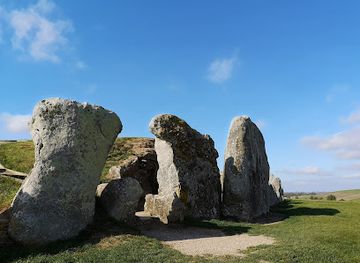
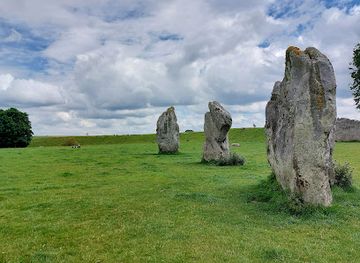
Silbury Hill sits amid a rich prehistoric landscape that includes the Avebury stone circle and West Kennet Long Barrow. This area was a hub of intense building activity during the Neolithic period, reflecting complex social and ceremonial life. The mound’s scale and craftsmanship connect it to a network of monuments that together form one of the most important archaeological landscapes in Europe.Enduring Fascination and Visitor Experience
With its imposing size and enigmatic origins, Silbury Hill captivates visitors and scholars alike. It offers a powerful physical connection to the distant past and invites reflection on the lives, beliefs, and capabilities of the people who shaped this landscape thousands of years ago. The site’s open surroundings provide panoramic views and a palpable sense of history, making it a profound experience for those drawn to ancient mysteries and monumental heritage.Explore the best of what Silbury Hill has to offer













More about Wiltshire
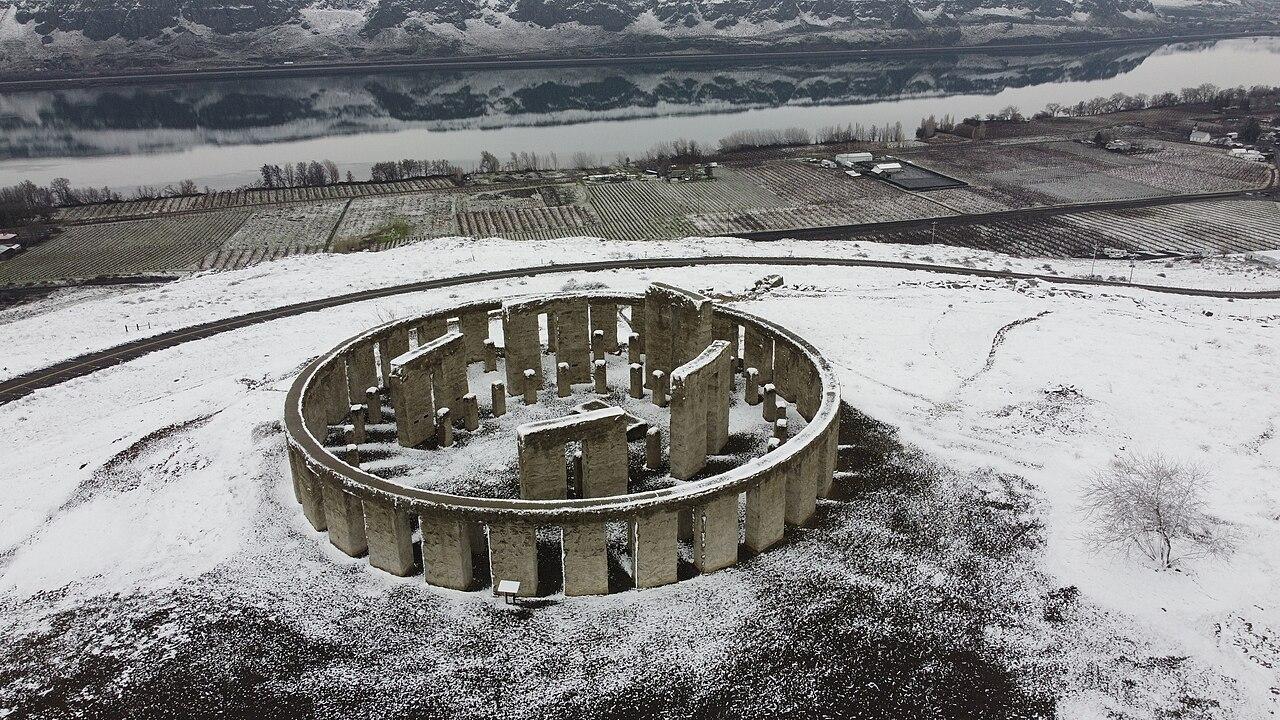
Discover Wiltshire: Home to Stonehenge, stunning landscapes, and charming villages, this county offers a perfect blend of history, nature, and quintessential English charm.
Tell me more about Wiltshire
Explore Durrington Walls, the UK’s largest Neolithic henge and ancient village site, a monumental ceremonial landscape near Stonehenge.
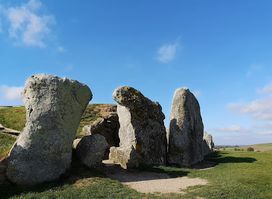
Explore one of Britain’s largest Neolithic burial chambers set atop Wiltshire’s scenic chalk ridge, offering ancient history and panoramic countryside views.