
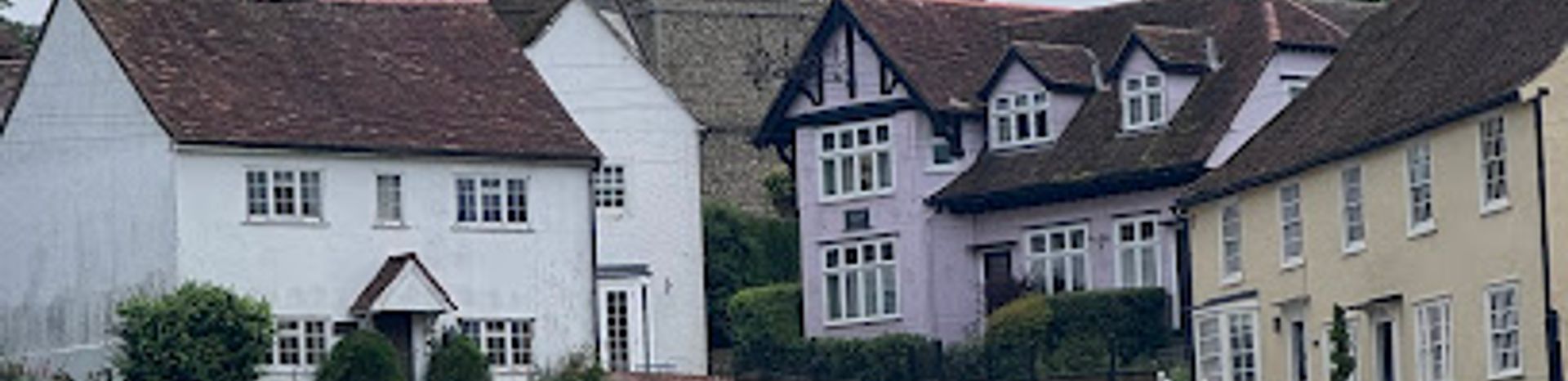
Finchingfield Post Mill: Essex’s Historic Windmill Treasure
Explore the oldest windmill in Essex, perched above the picturesque village of Finchingfield, a timeless symbol of rural heritage and charm.
Finchingfield Post Mill, also known as Duck End Mill or Letch’s Mill, is the oldest windmill in Essex, dating back to around 1756. This Grade II-listed post mill stands prominently on a hill overlooking the picturesque village of Finchingfield, famous as one of the most photographed villages in the county. Once one of seven windmills in the village, it ceased operation in 1890 and now serves as a cherished heritage site open to visitors during special events.
A brief summary to Finchingfield unesco world heritage bid
- Windmill, Finchingfield, CM7 4NA, GB
- +447922487966
- Visit website
- Duration: 0.5 to 2 hours
- Free
-
 Outdoor
- Mobile reception: 4 out of 5
- Monday 9 am-5 pm
- Tuesday 9 am-5 pm
- Wednesday 9 am-5 pm
- Thursday 9 am-5 pm
- Friday 9 am-5 pm
Local tips
- Visit during Heritage Open Days to access guided tours and special events at the windmill.
- Bring a picnic to enjoy in the nearby green spaces, as there are no food facilities on site.
- Wear comfortable shoes for walking up the hill to the mill and exploring the village surroundings.
- Note that dogs and BBQs are not allowed on the mill site to preserve its historic environment.

For the on-the-go comforts that matter to you
- Picnic Areas
- Trash Bins
- Information Boards
Getting There
-
Car
Driving from Braintree takes approximately 20-30 minutes via the B1053 and B1057 roads. Street parking is available near the mill, but spaces are limited during peak times. Parking is free.
-
Public Transport
From Braintree train station, take a taxi or local bus service to Finchingfield, about 10 miles away. Taxi rides typically take 20-25 minutes and cost around £20-£30. Bus services may be infrequent, so check schedules in advance.
-
Walking
For visitors staying in Finchingfield village, the mill is accessible via a short uphill walk of about 10 minutes on uneven terrain. Suitable footwear is recommended.
Finchingfield unesco world heritage bid location weather suitability
-
 Any Weather
-
 Clear Skies
-
 Mild Temperatures
-
 Rain / Wet Weather
Discover more about Finchingfield unesco world heritage bid
A Landmark of Essex’s Milling Heritage
Finchingfield Post Mill is a rare surviving example of a traditional post mill, a type of windmill where the entire structure pivots on a central post to catch the wind. Thought to have been constructed around 1756, it is the oldest windmill in Essex and a vital link to the region’s agricultural past. The mill’s four sails once powered a pair of millstones used to grind grain, an essential process for local farming communities. It is the last remaining windmill of the original seven that once dotted the village, marking the site as a significant historical landmark.Architectural and Mechanical Features
This Grade II-listed structure is also known as Duck End Mill or Letch’s Mill, named after its location at Duck End in Finchingfield. The mill’s design includes a tail pole used to manually rotate the sails to face the wind, a distinctive feature of post mills. Its compact size and hilltop position offer commanding views over the village and surrounding Essex countryside. Although it stopped functioning in 1890, careful restoration efforts have preserved its historic character, allowing visitors to appreciate the engineering ingenuity of the 18th century.The Village Setting and Visual Appeal
Finchingfield itself is renowned as one of Essex’s most picturesque and photographed villages, with charming cottages, a village green, and a tranquil pond. The windmill crowns the hill, creating an iconic silhouette against the skyline. This setting enhances the mill’s appeal as a photogenic and atmospheric site, blending rural heritage with natural beauty. Visitors often find the peaceful ambiance and scenic views a highlight of their visit, especially during open days and heritage events.Visitor Experience and Access
The windmill is typically open to the public during Heritage Open Days and other special occasions, offering guided tours and educational activities. While there are no permanent toilets or food facilities on site, picnic areas nearby provide a pleasant spot to relax. The site is dog-free and BBQs are prohibited to protect the historic environment. Group visits and school trips can be arranged, with programs designed to engage and educate about traditional milling and local history.Conservation and Community Significance
Owned by Essex County Council, Finchingfield Post Mill is part of ongoing efforts to preserve the county’s industrial and agricultural heritage. The mill’s restoration and maintenance are supported by local heritage groups and volunteers, reflecting the community’s pride in this emblematic structure. It also forms part of the village’s bid for UNESCO World Heritage recognition, highlighting its cultural and historical importance beyond the local area.Seasonal Highlights and Surroundings
The mill’s hilltop location offers excellent opportunities for scenic walks and photography throughout the year. Nearby lavender fields and playgrounds add to the family-friendly appeal of the area. The best times to visit are during spring and summer when the countryside is lush and the village hosts various events. Autumn brings a golden hue to the landscape, enhancing the mill’s timeless charm. Winter visits offer a quiet, reflective atmosphere, though access may be limited on some days.Iconic landmarks you can’t miss

Finchingfield Post Mill
0.0 km
Discover Essex’s oldest post mill, a charming 18th-century landmark overlooking the picturesque village of Finchingfield.
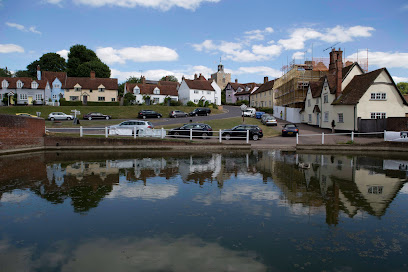
Nigel’s Gate
15.2 km
Discover Nigel’s Gate, a tranquil historic landmark in Little Henham blending rural charm with timeless English heritage.
Great Baddow Chain Home Radar Tower
29.3 km
The only complete Chain Home radar tower in the UK, a towering symbol of WWII air defence and Cold War innovation in Great Baddow.
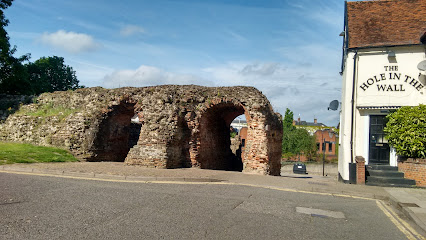
Balkerne Gate
31.6 km
Explore Balkerne Gate, Britain's largest surviving Roman gateway, a monumental symbol of Colchester’s ancient Roman heritage and architectural mastery.
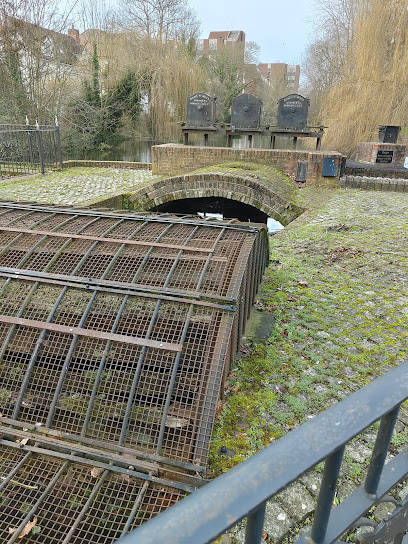
Middle Mill Weir
31.9 km
Historic Middle Mill Weir on the River Colne, a testament to Colchester’s water-powered industrial heritage and enduring community spirit.
Roman Theatre
32.1 km
Ancient Roman amphitheatre where 3,000 spectators once gathered, now marked by darker paving in Colchester's historic streets.
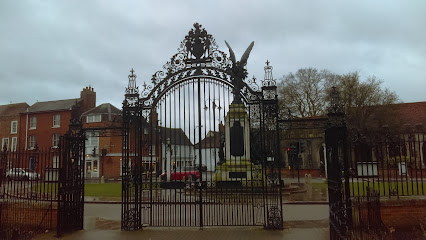
Colchester War Memorial
32.2 km
A dignified tribute in the heart of Colchester honoring the sacrifice and service of its wartime heroes.
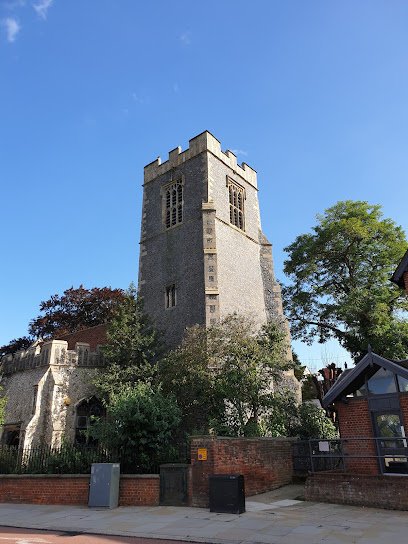
Natural History Museum
32.2 km
Discover Colchester’s natural past and present in a charming historic church turned family-friendly museum with free entry and engaging exhibits.
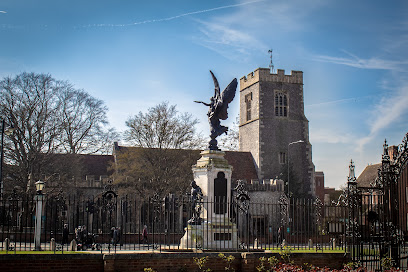
Lord Byron Inn
32.6 km
Cozy Trumpington pub-inn with hearty meals, quiet garden rooms, and easy Cambridge access—authentic English hospitality awaits.
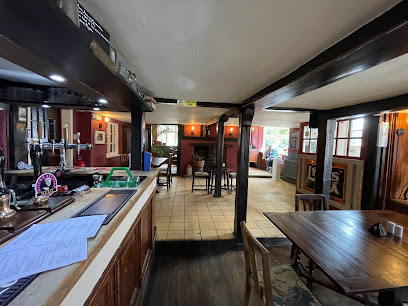
Cambridge Leisure Park
32.6 km
A lively Cambridge leisure hub offering diverse dining, entertainment, and modern facilities for all ages and tastes.
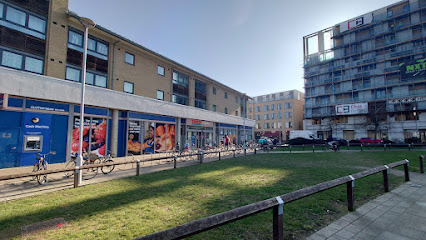
Romsey Terrace
32.8 km
Explore the historic charm of Cambridge from Romsey Terrace, a convenient bus stop that connects you to the city's vibrant attractions and culture.
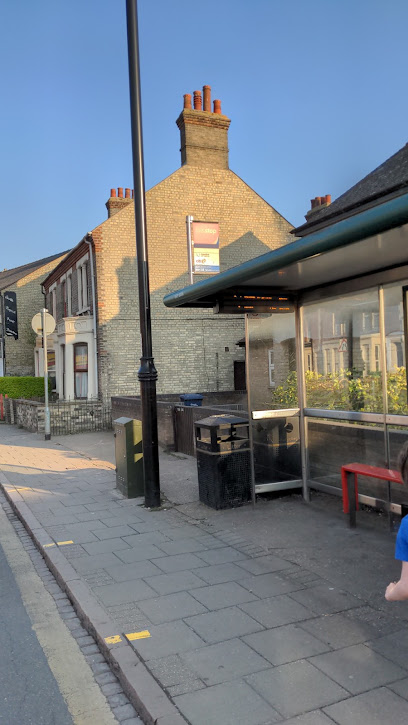
Romsey 'R' sculpture
33.0 km
Explore the Romsey 'R' Sculpture in Cambridge, a vibrant piece of public art that embodies the city's creative spirit.
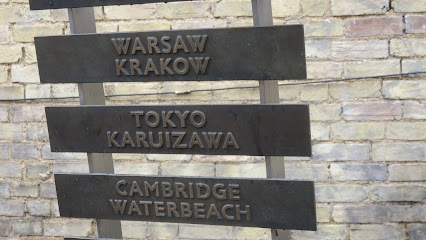
Hoe Fen Wildlife Area
33.1 km
Experience the serenity of Hoe Fen Wildlife Area, a nature lover's paradise in Lode, Cambridge, teeming with wildlife and scenic beauty.
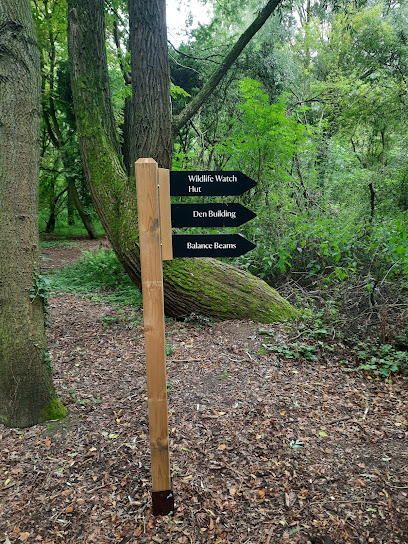
National Trust - Bourne Mill
33.2 km
Explore the historic Bourne Mill in Colchester, a serene National Trust property showcasing stunning architecture and lush gardens.
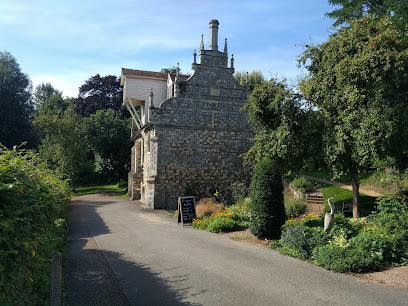
Coldham's Common
33.2 km
Explore the serene landscapes of Coldham's Common, a picturesque park in Cambridge, perfect for relaxation, outdoor activities, and wildlife observation.
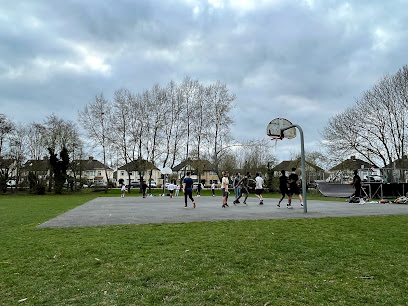
Unmissable attractions to see

Finchingfield Guildhall
0.2 km
Explore centuries of village life in this beautifully restored 15th-century Guildhall, a living heritage gem in the heart of Finchingfield.
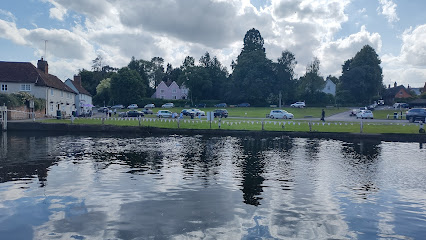
John Webb's Windmill
7.8 km
Explore John Webb's Windmill, Thaxted's iconic 1804 tower mill blending history, engineering, and heritage in Essex's charming countryside.
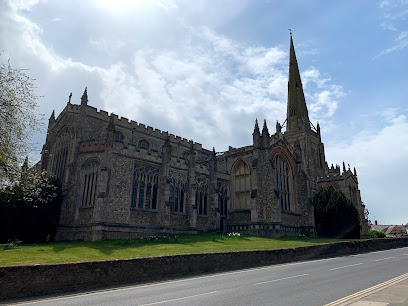
Hedingham Castle
10.5 km
Explore one of England’s finest Norman keeps, steeped in history and set within stunning Essex gardens and grounds.
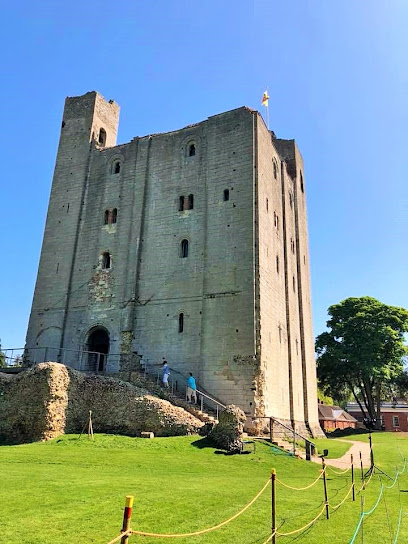
Braintree & Bocking Public Gardens
11.9 km
Discover peaceful walks, diverse trees, family fun, and a welcoming café in Braintree’s cherished green oasis.
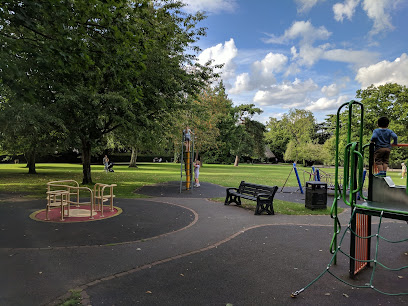
Talliston House & Gardens
12.6 km
Explore a magical 25-year transformation of an ordinary house into Britain’s most extraordinary home filled with stories, art, and global treasures.
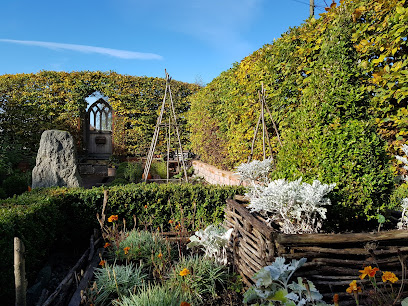
Great Notley Country Park
12.6 km
Explore Essex’s largest play trail, thrilling Sky Ropes, and serene natural beauty at Great Notley Country Park’s 100-acre family-friendly haven.
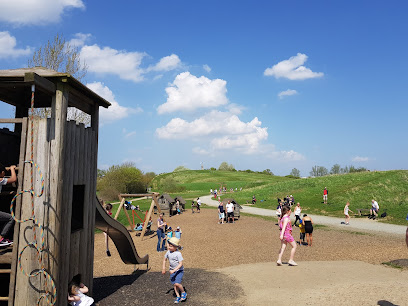
The Gardens of Easton Lodge
12.8 km
Discover the restored Edwardian splendor and tranquil beauty of The Gardens of Easton Lodge, a historic 23-acre garden in Essex.
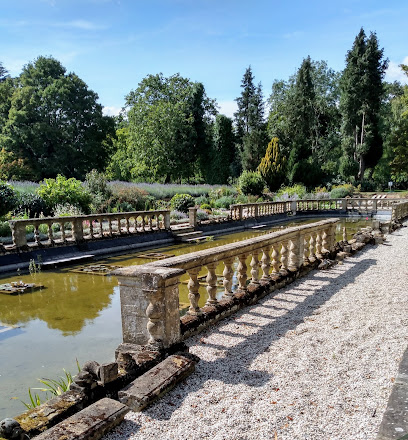
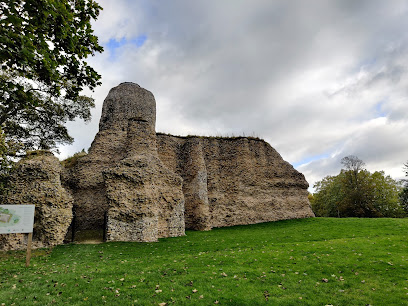
Walden Castle
15.6 km
Explore the evocative ruins of Walden Castle, a Norman fortress standing resiliently in Saffron Walden since the 12th century.
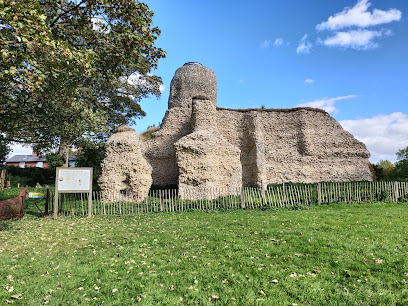
Saffron Walden Museum
15.7 km
Explore ancient Egypt, Saxon treasures, and local history in one of England’s oldest purpose-built museums, set beside the ruins of Walden Castle.
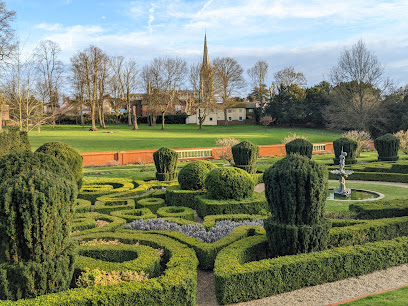
Bridge End Garden
15.9 km
A beautifully restored Victorian garden in Saffron Walden offering tranquil walks, a historic hedge maze, and seasonal blooms in a peaceful setting.
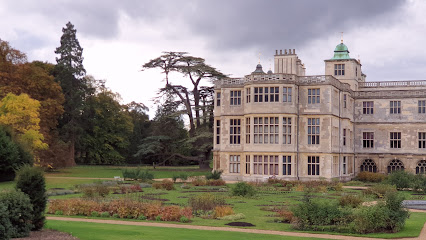
Audley End House and Gardens
16.8 km
Explore one of England’s grandest Jacobean mansions, with opulent interiors, a restored Victorian service wing, and extensive Capability Brown–style gardens.
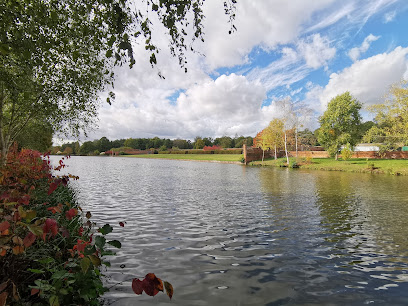
Markshall Estate
17.3 km
Historic Markshall Estate: A millennium of heritage, nature, and stewardship in Essex’s tranquil gardens and arboretum.
Cressing Temple Barns
18.2 km
Explore 13th-century Templar barns and a Tudor walled garden in the Essex countryside – a peaceful, historic escape with free public access on non-event days.
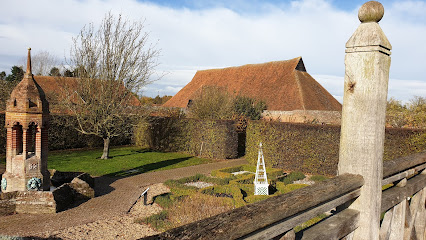
Linton Zoo Conservation Park, Cambridgeshire's Wildlife Breeding Centre
18.3 km
Discover Cambridgeshire’s wildlife sanctuary with exotic animals, immersive encounters, and family-friendly gardens at Linton Zoo Conservation Park.

House on the Hill Museum
18.7 km
Explore Europe’s largest private toy collection with interactive exhibits, nostalgic treasures, and unique film memorabilia at House on the Hill Museum.
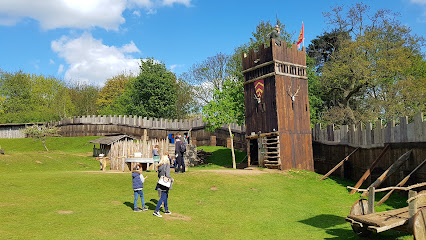
Essential places to dine

Pig & Truffle
11.8 km
Historic charm meets modern British cuisine in a cozy village setting, delivering refined flavors and warm hospitality at Pig & Truffle.
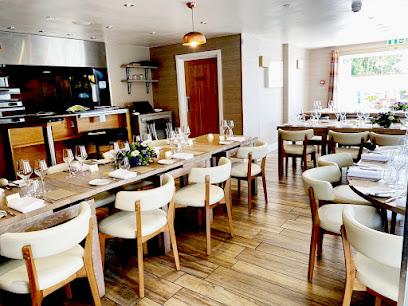
Castle - Great Leighs
16.4 km
A charming and cozy English village pub in Great Leighs serving freshly cooked, reasonably priced meals with friendly service and warm ambiance.
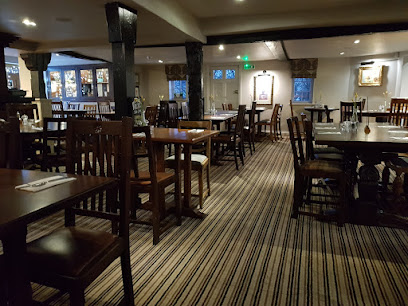
The Square & Compasses
18.0 km
A charming Essex countryside gastropub blending rustic warmth with refined British cuisine and local ales.
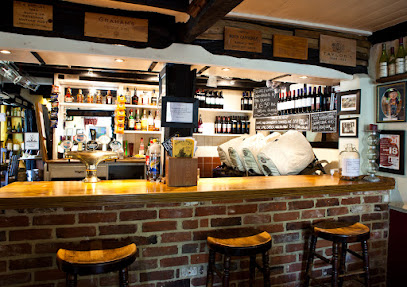
Galvin Green Man
18.2 km
Historic 14th-century gastropub near Chelmsford offering award-winning seasonal British cuisine in a charming countryside setting.
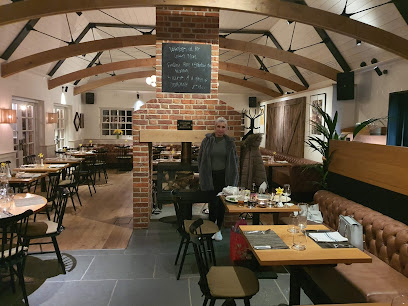
Rose & Crown - Great Waltham
20.0 km
Essex village gastro pub where seasonal menus and warm hospitality create memorable dining moments.
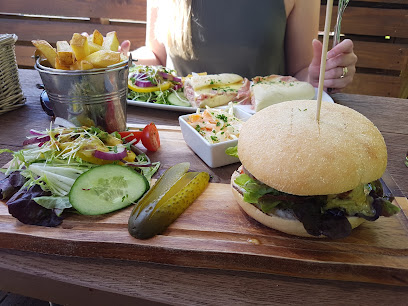
Pig & Whistle Restaurant
21.9 km
Charming 16th-century countryside restaurant in Chelmsford offering award-winning British cuisine and a cosy, intimate dining experience.
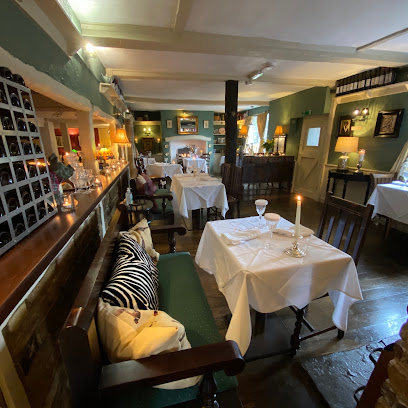
The Barn Brasserie, Great Tey
22.2 km
Historic 16th-century barn meets modern British dining in a charming Essex countryside setting with warm hospitality and versatile event spaces.
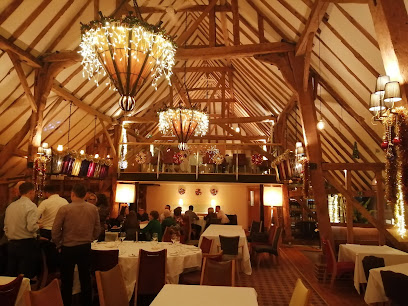
Scutchers
22.4 km
Refined British fine dining in the historic village of Long Melford, blending exceptional cuisine with warm, polished service.
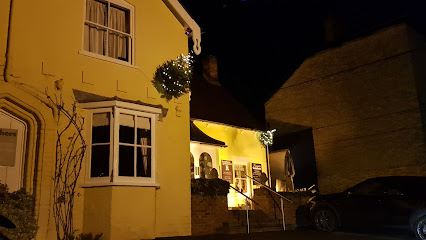
Samphire Restaurant @ The County Hotel
25.8 km
Award-winning British cuisine with fresh, local ingredients in a stylish, family-friendly Chelmsford setting.
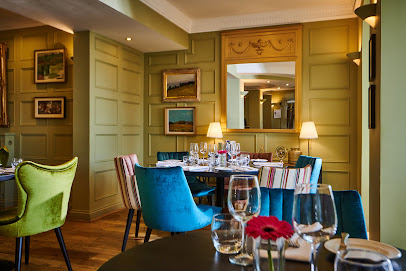
Bill's Chelmsford Restaurant
26.3 km
A vibrant British restaurant in Chelmsford’s town centre, serving all-day meals, seasonal specials, and welcoming guests with a lively atmosphere.
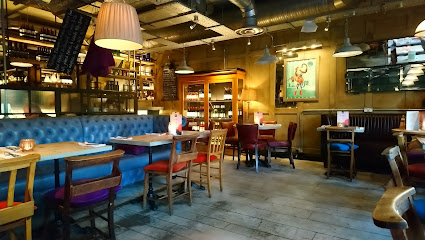
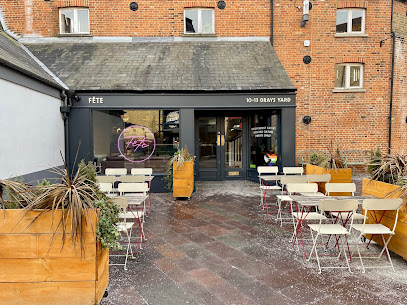
Fête at Grays Brewery Yard
26.4 km
Eclectic global flavours and vibrant cocktails in a quirky, welcoming eatery at Chelmsford’s lively Brewery Yard.
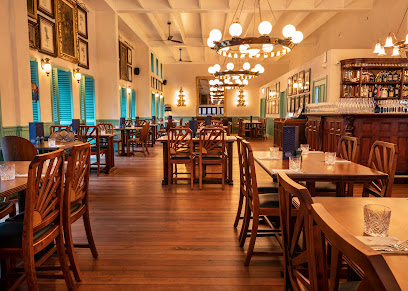
Cosy Club
26.4 km
Experience timeless art deco charm and inclusive British dining at Cosy Club Chelmsford, open all day for every occasion.
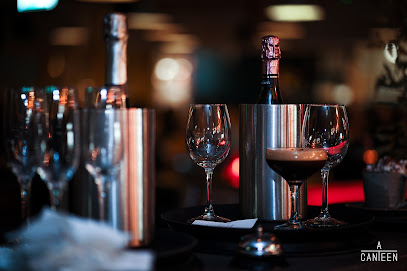
Acanteen
26.5 km
Chelmsford’s all-day bar, restaurant and live music venue – brunch, pizza, cocktails and events in a buzzing city-centre setting.
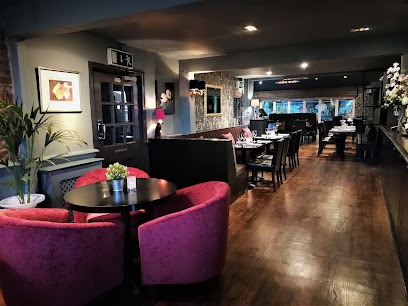
The Chequers Matching Green
26.6 km
A charming gastro-pub overlooking Matching Green’s cricket pitch, blending traditional English village charm with modern dining comfort.
The New London
26.9 km
Upscale Chelmsford restaurant offering scratch-made dishes, attentive service, and a cozy contemporary lounge atmosphere.
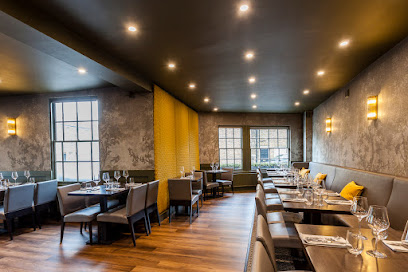
Markets, malls and hidden boutiques

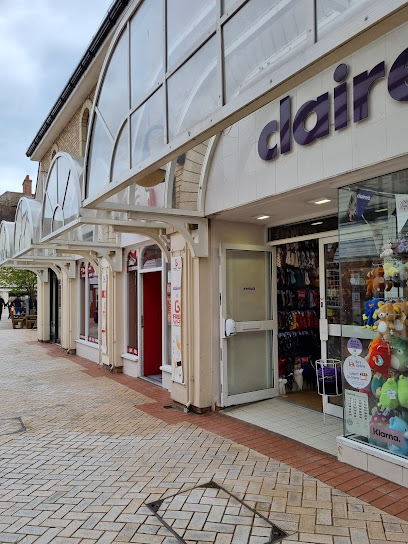
George Yard Shopping Centre
12.1 km
A vibrant pedestrianised shopping hub in Braintree offering diverse stores and a welcoming community atmosphere.
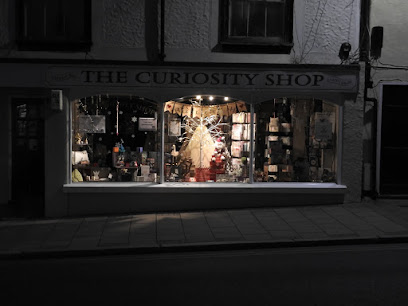
The Curiosity Shop
12.4 km
Discover unique gifts and local treasures in the heart of Great Dunmow at The Curiosity Shop, a charming boutique with a warm, welcoming atmosphere.
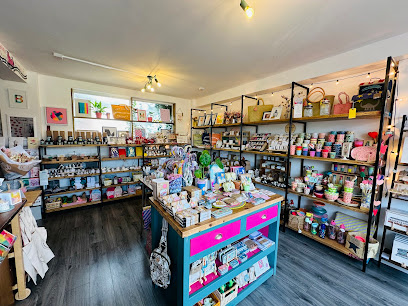
Love Local Essex & Suffolk
25.7 km
Discover unique, handcrafted treasures celebrating the rich heritage and creativity of Essex and Suffolk at this charming Copford gift shop.
Riverside Retail Park
25.8 km
A convenient and lively retail hub in Chelmsford offering diverse stores, eateries, and accessible parking on Victoria Road.
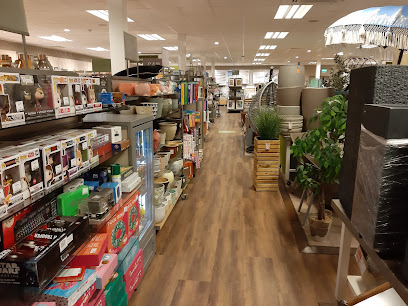
The Emporium Maldon
30.8 km
A beloved family-run gift and garden shop in Maldon’s historic High Street, renowned for variety, community spirit, and local charm.
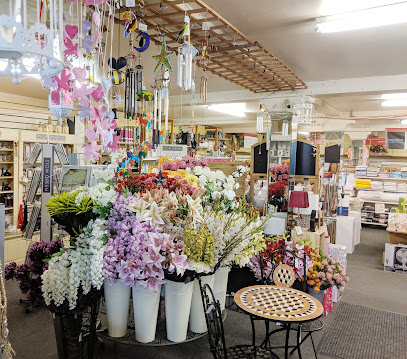
The Stock Shop
31.2 km
Discover stylish ladies' fashion and accessories in a unique hospital setting at The Stock Shop, Cambridge's trusted retail haven since 1988.
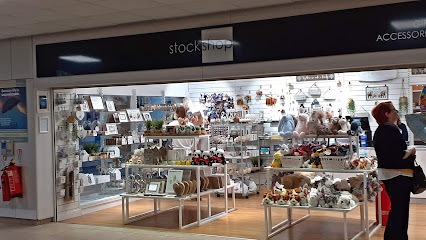
Bestdays Vintage
32.0 km
Discover sustainable vintage fashion and eclectic music treasures in a cozy, welcoming Colchester shop with a personal touch.
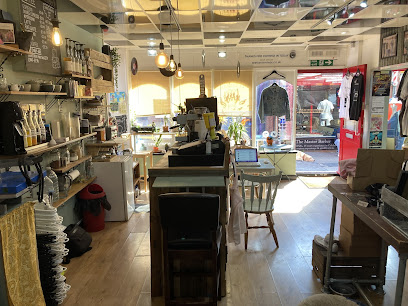
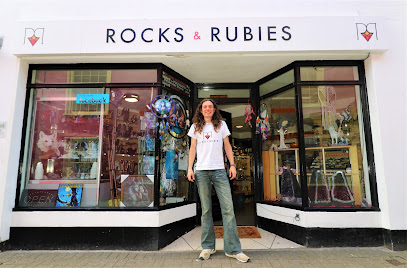
Rocks & Rubies
32.1 km
Discover rare crystals, artisan gifts, and spiritual treasures in the heart of historic Colchester.
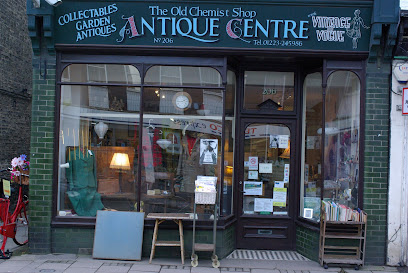
The Old Chemist Shop Antique Centre
32.9 km
Vibrant Cambridge antique centre in a former chemist shop, brimming with 20th-century toys, jewelry, and eclectic finds from fun-loving dealers.
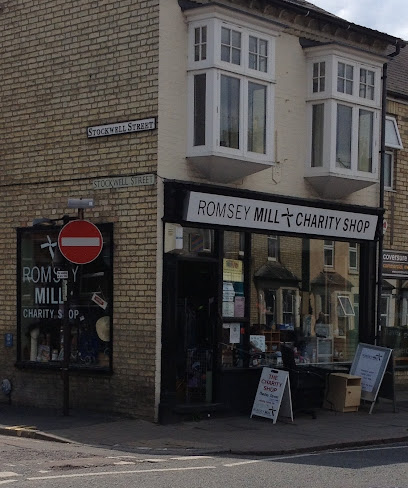
Romsey Mill Charity Shop
33.0 km
Mill Road’s friendly charity shop — thrift, small discoveries and funds for local youth and family services in Cambridge.
Cambs Frocktails
33.1 km
Boutique fashion finds capturing individual style and charm on Cambridge's Station Road.
The Harvey Centre
33.3 km
Discover a vibrant shopping experience at The Harvey Centre, featuring diverse stores and a delicious food court in the heart of Harlow.
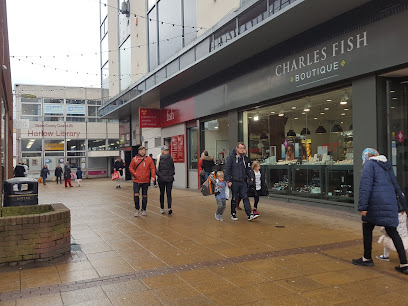
The Hive
33.4 km
Discover a charming treasure trove of antiques and vintage finds in the heart of Cambridge at The Hive.
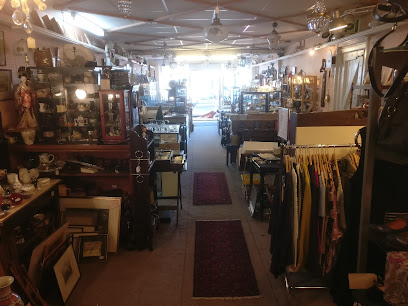
Cambs Antique Centre
33.4 km
Explore the Cambs Antique Centre in Cambridge for a unique blend of history, artistry, and eclectic antiques in a charming setting.
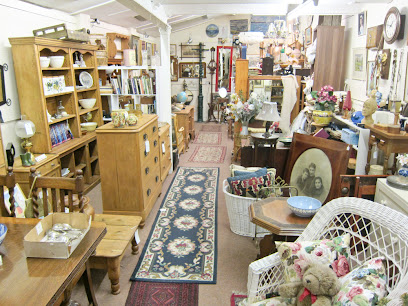
Not Listed
33.4 km
Explore the vibrant local culture and unique offerings at this charming shop in the heart of Cambridge.
Essential bars & hidden hideouts

The Three Tuns
21.9 km
Historic 16th-century pub in Great Abington blending authentic Thai cuisine with charming accommodation and a warm village atmosphere.

The Ale House
26.0 km
Chelmsford’s vibrant craft beer bar where you can bring your own food and enjoy a welcoming, lively atmosphere with expert service.
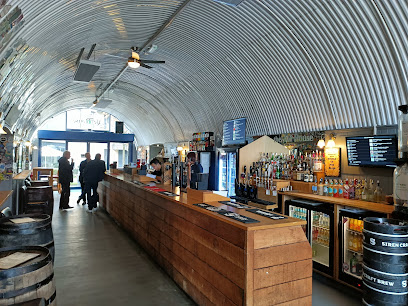
Voodoo Keller Bar
26.2 km
Discover Chelmsford’s underground cellar bar with 12 craft taps, lively rock vibes, and a cosy atmosphere perfect for beer lovers and night owls.
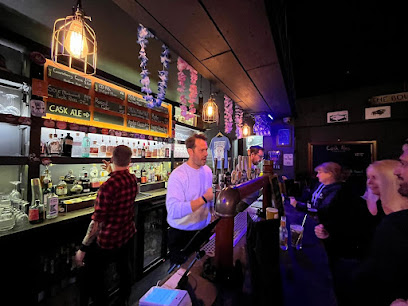
The Tickell Arms
26.2 km
Historic gastropub in Whittlesford offering seasonal British cuisine, charming gardens, local ales, and a warm, inviting atmosphere.
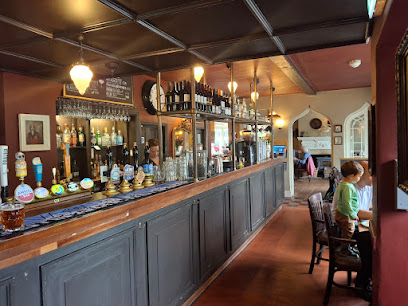
Boom Battle Bar Chelmsford
26.3 km
Chelmsford’s premier games bar blending axe throwing, shuffleboard, street food, and cocktails for unforgettable nights out.
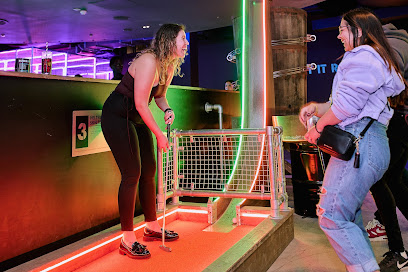
Slug & Lettuce - Chelmsford
26.5 km
A vibrant cocktail bar and restaurant in Chelmsford offering creative drinks, stylish interiors, and a lively social atmosphere from brunch to late night.
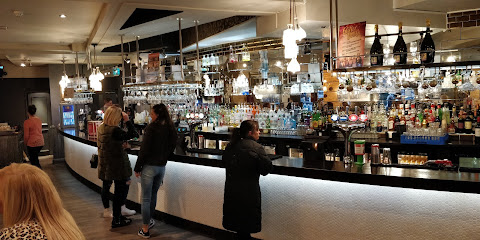
The Bootmaker
26.6 km
Historic Chelmsford pub and cocktail bar blending tradition with modern social dining and handcrafted drinks.
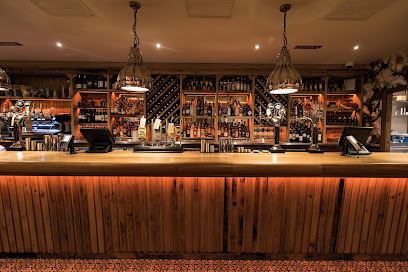
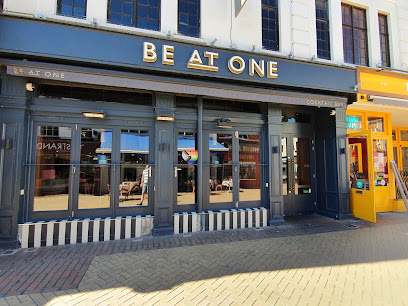
Be At One - Chelmsford
26.6 km
Discover over 100 cocktails and vibrant nightlife at Be At One Chelmsford, featuring rooftop terrace and unbeatable happy hour deals.
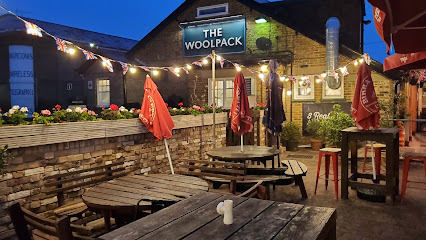
The Woolpack
26.8 km
A vibrant Victorian pub in Chelmsford blending traditional charm with lively events, great ales, and hearty American-British fare.
The Orange Tree
26.8 km
A lively gastro pub in Chelmsford offering excellent ales, hearty meals, and a warm, welcoming atmosphere for locals and visitors alike.
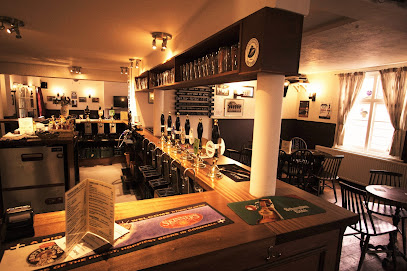
Fox & Hounds
28.0 km
A welcoming Chelmsford pub offering hearty British classics, lively sports viewing, and a warm, friendly atmosphere for all visitors.
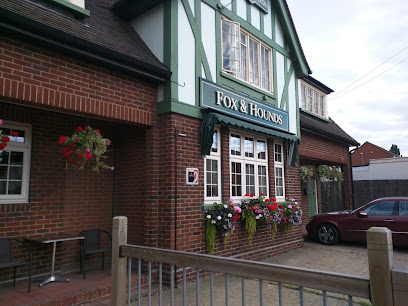
The Fox and Goose
28.2 km
A modern gastropub in Chelmsford blending traditional charm with seasonal British cuisine and inviting garden dining.
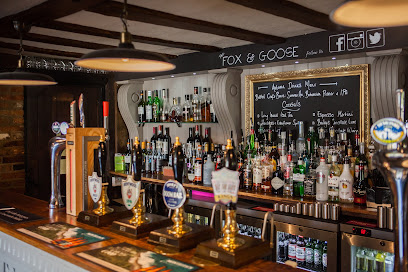
Unique Bar Newmarket
30.6 km
Experience the lively vibes and weekend dance nights at Unique Bar, Newmarket’s hotspot for great drinks and energetic fun.
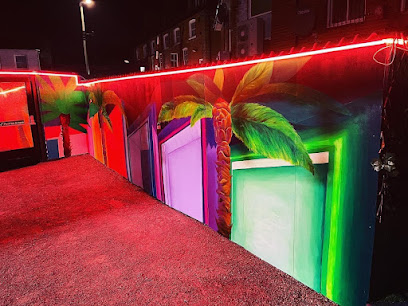
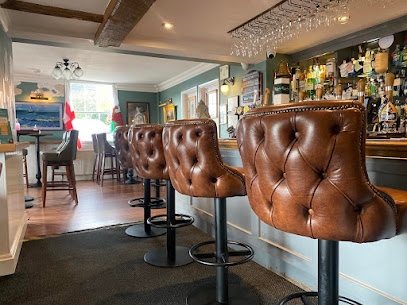
Red Lion, Cherry Hinton
30.7 km
Historic village pub in Cherry Hinton with a lively atmosphere, dog-friendly garden, classic fare, and live sports entertainment.
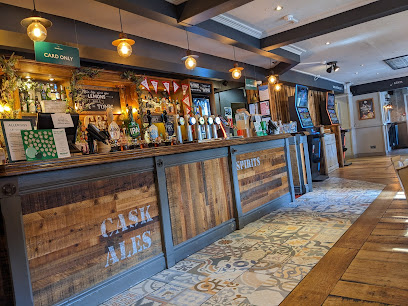
The Queen Victoria Public House
30.8 km
Historic British pub in Maldon offering freshly prepared fare, an extensive wine list, and warm, attentive service in a charming setting.
Nightclubs & after hour spots

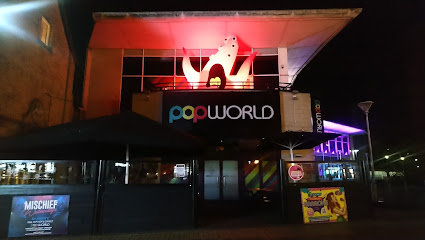
Popworld - Chelmsford
26.4 km
Experience Chelmsford’s ultimate pop-themed nightclub with vibrant music, creative cocktails, and unforgettable themed parties.
Club Tantalize
26.6 km
Chelmsford’s largest and most luxurious lapdancing club offering stylish nightlife with live pole shows and private VIP experiences.
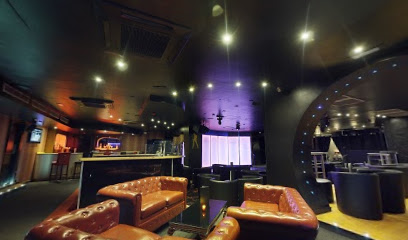
Bar & Beyond Chelmsford
26.6 km
A large, lively nightclub in Chelmsford known for affordable drinks, vibrant atmosphere, and a mix of praise and controversy around its staff and music.
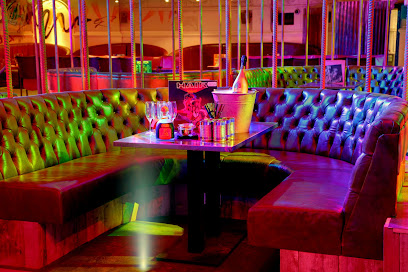
Rubix Bar & Nightclub
31.7 km
Experience Colchester’s lively nightlife with Rubix Bar & Nightclub’s energetic music, vibrant dance floor, and welcoming social scene every weekend night.
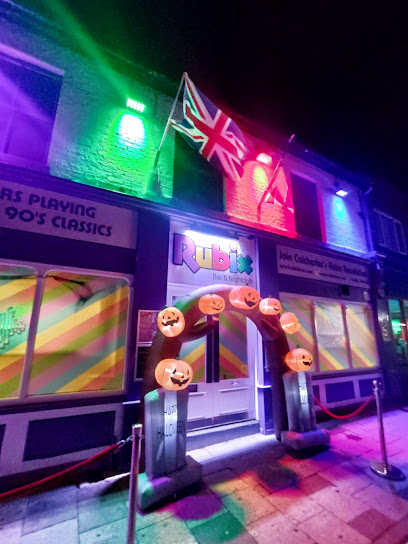
Trilogy Nightclub
32.0 km
Experience Colchester’s vibrant nightlife at Trilogy Nightclub, where diverse music and energetic crowds create unforgettable weekends.

Sing Dizzy
32.6 km
Sing Dizzy offers Cambridge a lively karaoke bar experience with costumes, props, and an extensive song list for unforgettable nights of fun and music.
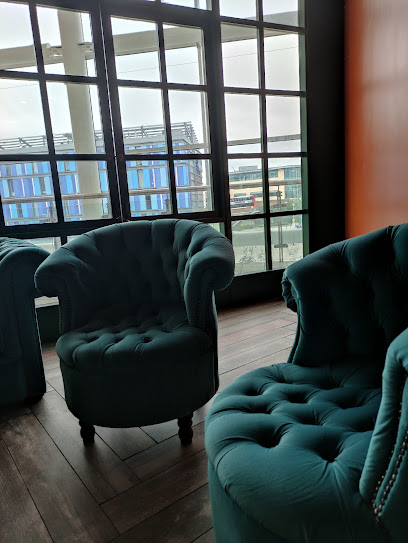
Salisbury Club
32.7 km
Cambridge's cozy Mill Road club: retro discos, pool tables, cheap drinks, and community spirit in a true local gem.
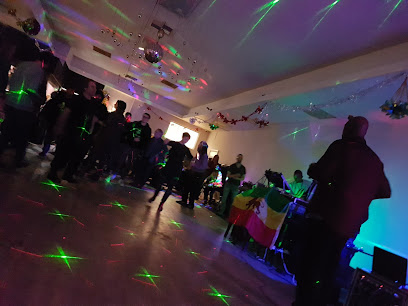
The Calling
33.3 km
Discover the vibrant nightlife at The Calling, Cambridge's premier event management venue, perfect for unforgettable experiences and fun times.
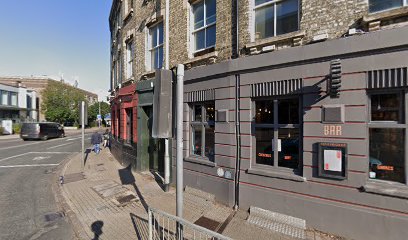
80s karaoke bar
33.6 km
Neon-lit, 80s-themed karaoke on Hills Road—compact, group-friendly singalongs from the early evening into the night.

Cambridge Pop-up Speakeasy Jazz
34.0 km
Free live jazz pop-ups in a historic Cambridge pub: intimate sets, diverse musicians, speakeasy vibes on select Wednesdays at 7:30pm.
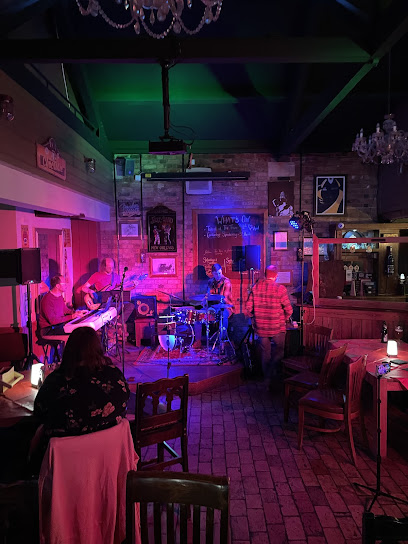
Cambridge Working Mens Club
34.1 km
Discover the lively ambiance of Cambridge Working Mens Club, a perfect blend of local culture, music, and community spirit.
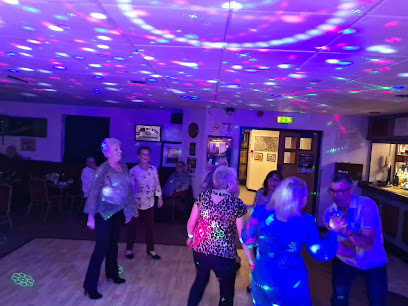
EBC Shop
34.5 km
Discover the electrifying nightlife at EBC Shop in Cambridge, where the music keeps you dancing and the atmosphere is always electric.
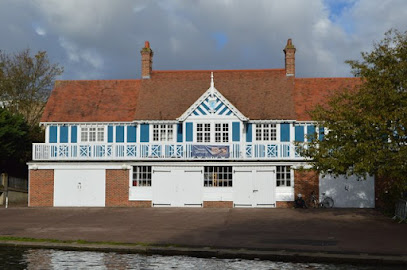
Cambridge Lola Lo
34.6 km
Step into Cambridge Lola Lo, a vibrant tiki-themed nightclub with tropical vibes, lively dance floors, and a stunning rooftop terrace in the city centre.
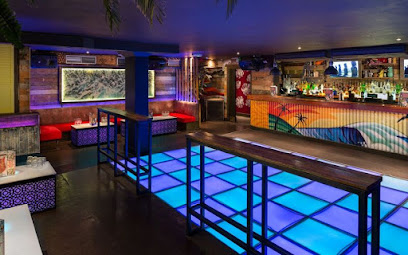
High Five
34.6 km
Cambridge's electrifying gay nightclub where themed nights, drag glamour, and inclusive dance floors ignite unforgettable evenings in the city heart.
Glitterbomb
34.7 km
Glitterbomb: A vibrant bar in Cambridge offering creative cocktails and an electrifying atmosphere for an unforgettable night out.
For the vibe & atmosphere seeker
- Tranquil
- Scenic
- Relaxing
- Unique
For the design and aesthetic lover
- Vintage Styles
- Rustic Designs
For the architecture buff
- Historic
- Landmarks
For the view chaser and sunset hunter
- Iconic Views
- Panoramas
- Sunset Spots
For the social media creator & influencer
- Instagrammable
- Photo Spots
- Selfie Spots
For the eco-conscious traveler
- Protected Area
- Locally Managed
- Public-Transport Accessible
- Leave-No-Trace Critical
For the kind of experience you’re after
- Cultural Heritage
- Photowalk
- Day Trip
- Weekend Getaway
For how adventurous you want the journey to be
- Easy Access
Location Audience
- Family Friendly
- Senior Friendly
- Child Friendly
- Couple Friendly
- Solo Friendly


