

Threave Castle, Down Travel Guide
Explore the dramatic island fortress of Threave Castle, a 14th-century stronghold of the Black Douglases set amidst scenic river and wildlife surroundings.
Threave Castle is a striking 14th-century tower house built by Archibald ‘the Grim’ Douglas on an island in the River Dee near Castle Douglas, Scotland. Once the seat of the powerful Black Douglas family, it features a massive five-storey keep and a pioneering artillery fortification. Surrounded by scenic nature reserve grounds, the castle offers a unique blend of medieval history, wildlife viewing, and tranquil riverside beauty.
A brief summary to Threave Castle
- Castle Douglas, Dumfries, DG7 1TJ, GB
- Click to display
- Click to display
- Duration: 1 to 3 hours
- Mid ranged
-
 Outdoor
- Mobile reception: 4 out of 5
- Tuesday 10 am-4 pm
- Wednesday 10 am-4 pm
- Thursday 10 am-4 pm
- Friday 10 am-4 pm
- Saturday 10 am-4 pm

Know before you go
Hi, I'm Eve. Here are a few practical things to know before exploring Threave Castle.
- Book your boat trip to the island in advance during peak season to ensure access, as the castle is only reachable by boat.
- Wear sturdy footwear for walking on uneven grass and stone surfaces around the castle and island.
- Bring binoculars or a camera with zoom to enjoy wildlife spotting, especially for ospreys and red kites.
- Check the latest conservation status before visiting, as access to the castle interior can be temporarily restricted.
- Use the information boards and quiz available on-site to deepen your understanding of the castle’s history.
Do you manage this location?
Take control to get all the benefits, like improved information, better appearance, and stronger visibility across AI-powered discovery. Learn more about listing your business on Evendo
Activate your presenceOther nearby places you may find interesting
The closest places of the same kind, if this one is not quite what you had in mind.


Explore Threave Castle on the Map
A handpicked selection of must-see spots near Threave Castle, mapped for you.
Getting There
-
Car
Drive from Castle Douglas to the Threave Castle visitor centre car park, approximately 10–15 minutes. Parking is free but limited; from here, take the short boat ride to the castle island. The roads are rural but well maintained.
-
Public Transport
Take a bus from Dumfries to Castle Douglas (about 30–40 minutes), then a taxi or local shuttle to the Threave Castle visitor centre. Bus services run several times daily but check schedules in advance. The boat to the island operates seasonally.
-
Walking
From the visitor centre, enjoy a gentle 10–15 minute walk along accessible paths through the nature reserve to the boat launch. Terrain is mainly grass and gravel with some steps; suitable for most fitness levels but not wheelchair accessible to the island.
For the on-the-go comforts that matter to you
-
 Restrooms
-
 Seating Areas
-
 Information Boards
-
 Visitor Center
-
 Trash Bins
Discover more about Threave Castle
Origins and Strategic Importance of Threave Castle
Threave Castle was constructed in the late 1360s and early 1370s by Archibald Douglas, 3rd Earl of Douglas, known as ‘the Grim’. Built on a small island in the River Dee, the castle served as a formidable stronghold to secure Douglas control over Galloway and resist English incursions. The site itself had earlier fortifications, including a castle destroyed in 1308 by Edward Bruce during the Wars of Scottish Independence. Archibald’s tower house was among the first of its kind in Scotland, featuring a tall, solitary keep rising approximately 30 meters, equivalent to a modern 10-storey building. This imposing structure was complemented by a harbour formed on the west side of the island to facilitate river access.The Black Douglases and the Castle’s Role in Power Struggles
Threave Castle was the principal seat of the Black Douglases, one of Scotland’s most powerful noble families, until their fall in 1455. It was the home of Margaret, Lady of Galloway, for over two decades and a symbol of Douglas influence in the southwest. The castle’s defenses were enhanced with an innovative artillery house, a lower wall designed to withstand cannon fire and provide gun coverage around the island. Despite withstanding several sieges, including a notable 13-week siege by Covenanters in 1640, the castle eventually fell to royal forces. After the Douglases’ rebellion ended, it became a royal fortress and later passed to the Maxwell family, who held it for over a century.Architecture and Defensive Features
The castle’s architecture is dominated by its five-storey tower house, surrounded by a sophisticated artillery fortification built to counter evolving military technology. The artillery house’s circular towers and thick walls are still visible, as is the moat flooded by the River Dee. Access to the keep was heavily defended, including a drawbridge connecting the gatehouse tower to the main keep, and narrow spiral staircases inside. The castle’s interior once housed kitchens, dungeons, and even an original medieval toilet. Although the roof and interior fittings have long since disappeared, the ruins remain remarkably intact, offering a vivid glimpse into medieval fortress design.Natural Setting and Wildlife
Threave Castle sits within a rich nature reserve known for its wildflowers, wetlands, and diverse birdlife. Visitors often spot ospreys, otters, and red kites hunting along the river. The surrounding estate features accessible walking paths, bird hides, and picnic spots, making it an ideal destination for nature lovers and photographers. The castle island itself is accessible only by a short boat ride across the River Dee, adding to the sense of adventure and seclusion. The tranquil river setting and scenic views make the castle a favored spot for picnics, painting, and wildlife observation.Visiting Today: Conservation and Access
Managed by Historic Environment Scotland, Threave Castle is a scheduled monument undergoing ongoing conservation work to preserve its masonry and structural integrity. While the island and grounds are open, access to the castle itself may be restricted during conservation periods. Visitors can enjoy the boat trip to the island, explore the castle ruins, and learn through informative boards and quizzes. Facilities near the site include a visitor centre, restrooms, and a small hut offering guides and souvenirs. The castle is open seasonally, typically from April to September, with admission fees supporting maintenance and conservation.Legacy and Cultural Significance
Threave Castle stands as a powerful symbol of medieval Scottish history and the turbulent power struggles of the Black Douglas family. Its strategic island location, innovative military architecture, and rich natural surroundings combine to create a unique heritage site. The castle’s story encompasses royal intrigue, sieges, and noble lineage, reflecting broader Scottish history from the Wars of Independence through the Civil Wars. Today, it offers visitors a compelling journey into the past amid peaceful river landscapes.












Your all‑in‑one travel companion app
Explore expert travel guides, compare and book tours, experiences, hotels, and more—all from the palm of your hand. Download now for seamless trip planning wherever your wanderlust takes you.


Explore More of Down
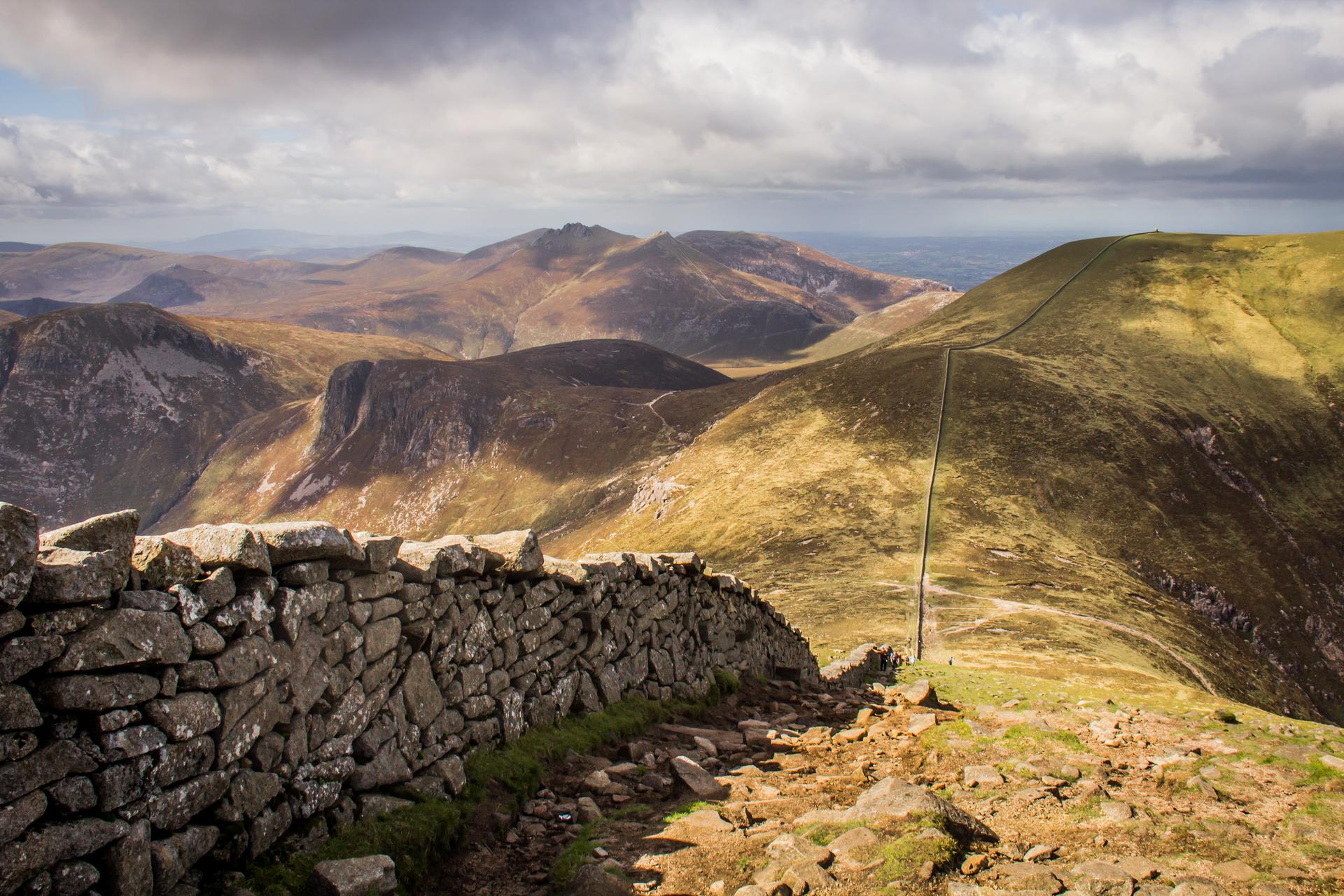
Looking beyond Threave Castle? Discover Down for broader travel guides, local hot-spots, and regional highlights.
Explore Down
A compact but immersive planetarium and interactive space exhibit in Kirkcudbright, perfect for families and space enthusiasts.
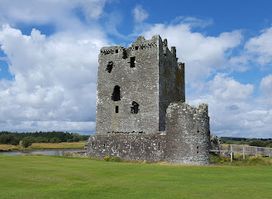
Discover the island fortress of Threave Castle—medieval stronghold, wildlife haven, and a jewel of Scottish history set on the River Dee.
