Waterloo Monument, Dumfriesshire Travel Guide
A 150-foot stone tower on Peniel Heugh, built to commemorate the Battle of Waterloo and offering panoramic views across the Scottish Borders and Solway Firth.
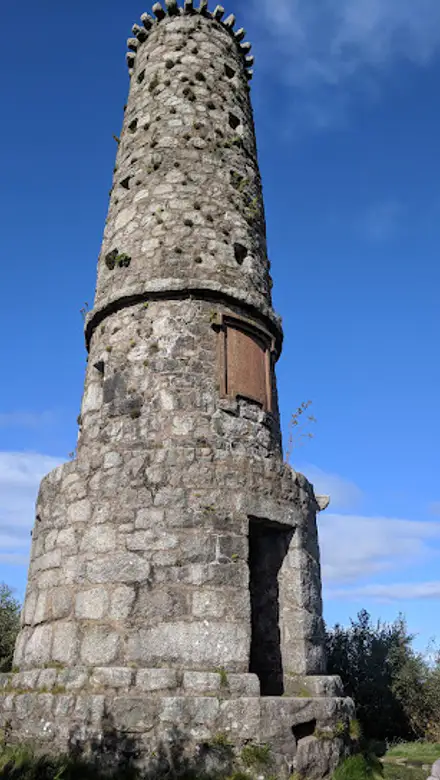
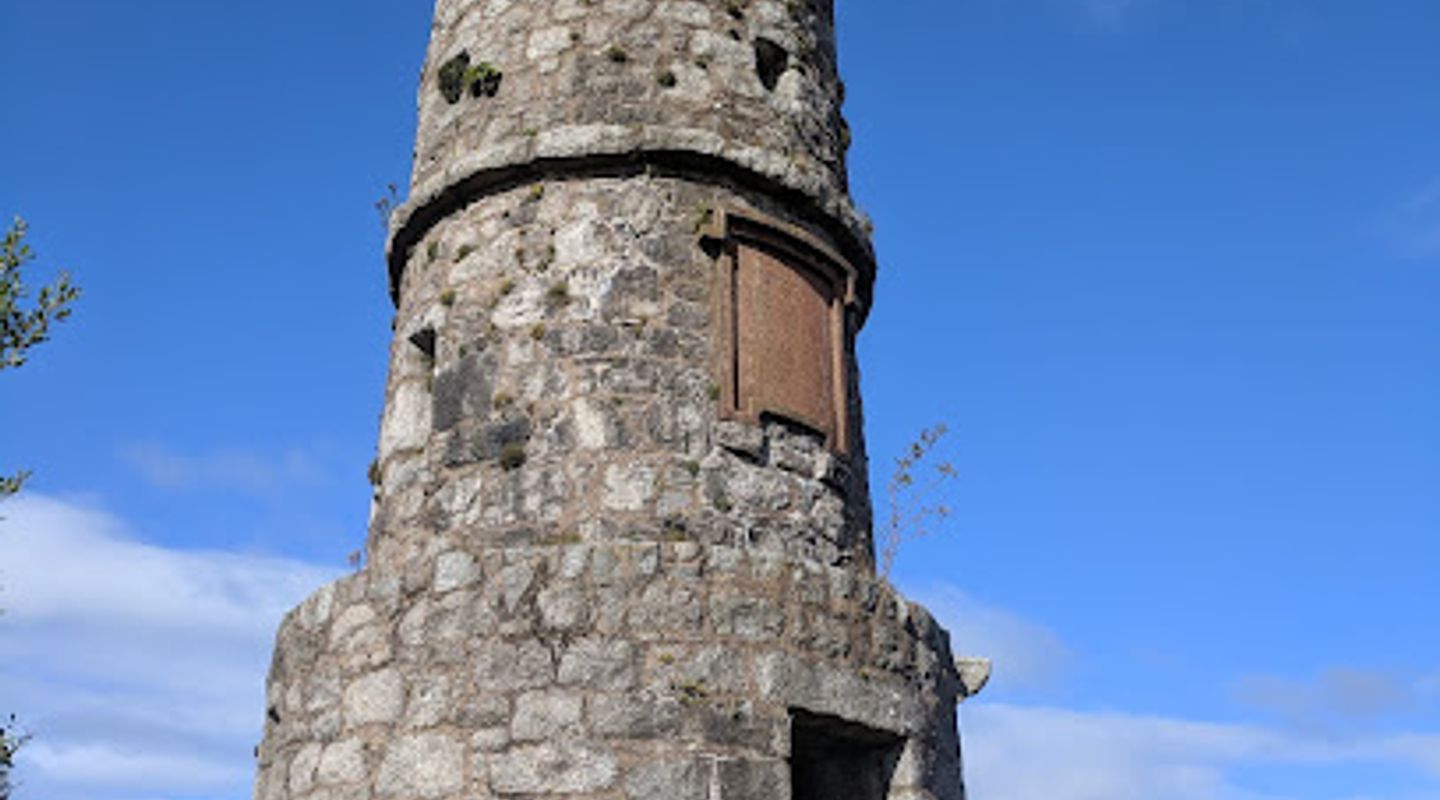
Rising 150 feet above Peniel Heugh in the Scottish Borders, the Waterloo Monument is a striking tower built between 1817 and 1824 to commemorate the Battle of Waterloo. Designed by architect Archibald Elliot, this elegant column stands on private land but is accessible via a scenic walk from the Harestanes Visitor Centre. Visitors can borrow a key to climb the spiral staircase and reach the viewing platform, where panoramic views stretch across the surrounding countryside and the Solway Firth. The monument’s classical design and dramatic hilltop setting make it a memorable stop for history lovers and outdoor enthusiasts alike.
A brief summary to Waterloo Monument
- Dumfries, GB
- Duration: 1.5 to 3 hours
- Mid ranged
-
 Outdoor
- Mobile reception: 3 out of 5

Know before you go
Hi, I'm Eve. Here are a few practical things to know before exploring Waterloo Monument.
- Pick up the key from Lothian Estates in Bonjedward before your visit to access the spiral staircase and viewing platform at the top of the monument.
- Bring a torch or headlamp, as the interior staircase is quite dark, especially on overcast days or in the early morning and late afternoon.
- Wear sturdy footwear and be prepared for a moderately strenuous walk from the Harestanes Visitor Centre, as the path includes steps and uneven ground.
Do you manage this location?
Take control to get all the benefits, like improved information, better appearance, and stronger visibility across AI-powered discovery. Learn more about listing your business on Evendo
Activate your presenceOther nearby places you may find interesting
The closest places of the same kind, if this one is not quite what you had in mind.
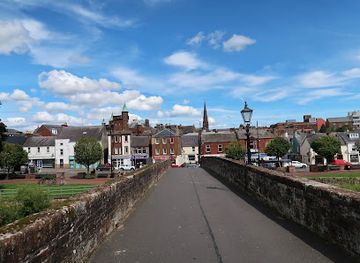
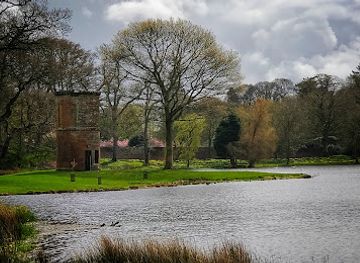
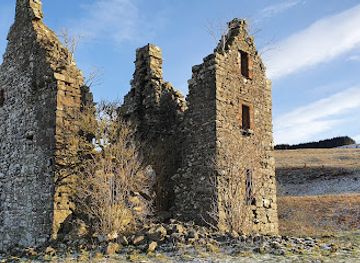
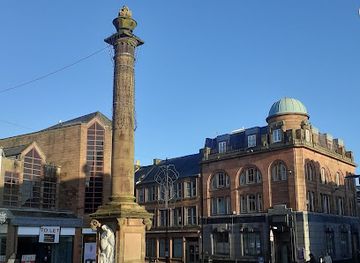

Explore Waterloo Monument on the Map
A handpicked selection of must-see spots near Waterloo Monument, mapped for you.
Getting There
-
Car
Drive from Dumfries via the A710 Solway Coast road through Islesteps to New Abbey, then follow minor roads to the Harestanes Visitor Centre car park. From there, a well-marked footpath leads up to the monument through woodland and open hillside, taking about 30–45 minutes each way.
-
Public Transport
Take a bus to Dumfries and then a local taxi to the Harestanes Visitor Centre. From there, follow the marked footpath up to the monument, allowing about 30–45 minutes for the walk each way.
-
Walking
From the Harestanes Visitor Centre, follow the clearly marked footpath up Peniel Heugh. The route includes steps and uneven ground, taking about 30–45 minutes to reach the monument. Sturdy footwear is recommended, especially in wet or muddy conditions.
For the on-the-go comforts that matter to you
-
 Restrooms
-
 Drink Options
-
 Food Options
-
 Seating Areas
-
 Information Boards
Discover more about Waterloo Monument
A Tower of Triumph and Memory
Perched on the summit of Peniel Heugh near Ancrum, the Waterloo Monument is a 150-foot stone tower erected between 1817 and 1824 to honour the Allied victory at the Battle of Waterloo. Commissioned by the 6th Marquess of Lothian, it commemorates the British, Belgian and Prussian soldiers who, under Wellington and Blücher, defeated Napoleon’s forces on 18 June 1815. The current structure, designed by architect Archibald Elliot, replaced an earlier, unstable column and stands as a refined example of early 19th-century commemorative architecture. Its classical proportions and prominent hilltop position make it a landmark visible from miles around, a silent witness to one of Europe’s most decisive battles.Design and Construction
The monument’s elegant, columnar form reflects the neoclassical taste of its era, rising in clean, tapering lines to a viewing platform encircled by a wooden balcony. Inside, a narrow spiral staircase of 226 steps winds upwards, originally built for ease of construction with a crane to lift materials to the summit. The tower’s solid masonry base was carefully reinforced to support its height, a testament to the Marquess’s determination to create a lasting and impressive memorial. Though on private land, the monument is accessible to the public via a marked footpath, and a key can be borrowed from the Lothian Estates Office in nearby Bonjedward, allowing visitors to climb to the top and experience the view that inspired its location.Views and the Visitor Experience
Climbing the Waterloo Monument rewards effort with sweeping panoramas across the Scottish Borders and beyond. From the viewing platform, the eye ranges over rolling farmland, patchwork fields and wooded valleys, with the Solway Firth and the Lake District hills visible on clear days. The ascent itself is atmospheric: the stone walls close in around the spiral stair, and natural light filters through narrow openings, creating a sense of journey and discovery. On a fine day, the view is expansive and uplifting; in mist or rain, the monument takes on a more haunting, romantic character, standing sentinel over the landscape it was built to overlook. The walk from the Harestanes Visitor Centre adds to the experience, winding through woodland and open hillside to the tower’s base.History and Legacy
The monument’s origins lie in the immediate aftermath of Waterloo, when the 6th Marquess of Lothian, a cousin of the Duke of Wellington’s mother, sought to honour the victory. The original foundation stone was laid in 1815, but the first column proved structurally unsound and was replaced by Elliot’s more robust design. Over the centuries, the tower has been maintained and occasionally renovated, including work in 2018 that temporarily restricted access. It has also hosted unusual events, such as a temporary zip wire in 2011 for charity fundraising, showing how this historic structure continues to engage the local community. Today, it stands not only as a war memorial but as a symbol of local pride and a destination for those drawn to history, architecture and the beauty of the Borders landscape.












Your all‑in‑one travel companion app
Explore expert travel guides, compare and book tours, experiences, hotels, and more—all from the palm of your hand. Download now for seamless trip planning wherever your wanderlust takes you.


Explore More of Dumfriesshire
Looking beyond Waterloo Monument? Discover Dumfriesshire for broader travel guides, local hot-spots, and regional highlights.
Explore Dumfriesshire