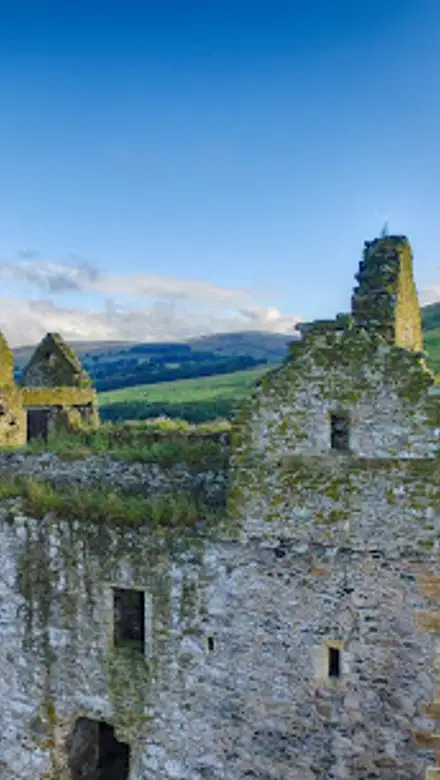
Newark Castle, Down Travel Guide
Discover the haunting ruins of Newark Castle, a fortress steeped in Scottish Borders history and dark tales of war and resilience.
Newark Castle near Selkirk in the Scottish Borders is a historic 15th-century tower house ruin with a dark and poignant past. Originally built by the powerful Douglas family, the castle served as a defensive stronghold and royal residence. It witnessed brutal events during the Wars of the Three Kingdoms, including a notorious massacre in 1645. Today, the castle stands amidst peaceful grounds near Bowhill House, offering visitors a glimpse into Scotland's turbulent history and evocative atmosphere.
A brief summary to Newark Castle
- Selkirk, TD7 5EU, GB
- Click to display
- Duration: 1 to 2 hours
- Free
-
 Outdoor
- Mobile reception: 4 out of 5

Know before you go
Hi, I'm Eve. Here are a few practical things to know before exploring Newark Castle.
- Visit during daylight hours to fully appreciate the castle’s ruins and surrounding landscape.
- Wear sturdy footwear as some paths and stone steps around the site may be uneven.
- Bring a camera to capture the evocative views of the castle and Yarrow Water valley.
- Explore nearby Bowhill House to complement your visit with additional historical context.
Do you manage this location?
Take control to get all the benefits, like improved information, better appearance, and stronger visibility across AI-powered discovery. Learn more about listing your business on Evendo
Activate your presenceOther nearby places you may find interesting
The closest places of the same kind, if this one is not quite what you had in mind.
Explore Newark Castle on the Map
A handpicked selection of must-see spots near Newark Castle, mapped for you.
Getting There
-
Car
Driving from Selkirk town center, reach Newark Castle in approximately 10 minutes via minor roads leading to Bowhill estate. Parking is available near the site, though spaces may be limited during peak times. No parking fees typically apply.
-
Bus
Take a local bus service from Selkirk bus station to Bowhill House, approximately a 15-minute journey. From the bus stop, a 5-10 minute walk on a gravel path leads to Newark Castle. Bus service frequency varies, so check local timetables.
-
Walking
From Selkirk town center, a scenic 50-minute walk along country roads and footpaths leads to Newark Castle. Terrain is mostly level but includes some uneven surfaces; suitable for visitors with moderate fitness.
For the on-the-go comforts that matter to you
-
 Restrooms
-
 Seating Areas
-
 Information Boards
-
 Visitor Center
-
 Trash Bins
Discover more about Newark Castle
Origins and Architectural Heritage
Newark Castle, also known historically as Newark Tower, was first granted to Archibald Douglas, Earl of Wigtown, around 1423. Construction continued over several decades, with the tower house completed by the mid-15th century. This imposing five-storey rectangular tower was built as a fortified residence typical of Scottish Borders architecture, combining defense with domestic comfort. After the fall of the Black Douglas family in 1455, the castle passed into royal hands and was granted to Margaret of Denmark, wife of King James III, in 1473. The castle later became part of the marriage gifts to Margaret Tudor, wife of James IV, cementing its importance in royal and noble circles.Conflict and Calamity in the Borders
Newark Castle’s strategic position made it a focal point in the turbulent Anglo-Scottish border wars. It was unsuccessfully besieged by English forces under Lord Grey of Wilton in 1547 but was burned the following year during continued hostilities. In the mid-16th century, a quadrangular curtain wall known as a barmkin was added to strengthen its defenses. The castle also played a grim role during the Wars of the Three Kingdoms. After the Battle of Philiphaugh in 1645, around 100 captured royalist soldiers and hundreds of camp followers—mostly women and children—were brutally massacred within the castle’s courtyard. This dark event left a lasting scar on the site’s history and is said to haunt the grounds to this day.Later History and Cultural Significance
Following the massacre and subsequent damage by Oliver Cromwell’s forces in 1650, Newark Castle gradually fell into ruin. It was altered in the late 17th century for Anne Scott, Duchess of Buccleuch, widow of James, Duke of Monmouth. The castle’s evocative ruins have inspired literary figures such as Sir Walter Scott, who framed the story of "The Lay of the Last Minstrel" here. The castle remains a powerful symbol of the Borders’ complex history, blending tales of nobility, warfare, tragedy, and resilience.Exploring Newark Castle Today
Set in the tranquil grounds of Bowhill House near Selkirk, Newark Castle offers visitors a haunting yet captivating experience. The ruins include the remains of the tower house and the barmkin walls, with interpretive information to illuminate its layered past. The site’s atmosphere is enriched by the surrounding peaceful landscape and the nearby Yarrow Water. Visitors may sometimes hear ghostly cries, echoing the tragic history of the site. The castle is accessible via a level gravel drive from the car park, with some areas suitable for visitors with limited mobility.Architectural Features and Visitor Experience
The tower house is a fine example of mid-15th-century Scottish defensive architecture, featuring thick stone walls, narrow windows, and battlements. The barmkin courtyard once provided a fortified enclosure for soldiers and supplies. Today, the site invites reflection on the harsh realities of border life and the endurance of Scottish heritage. Nearby Bowhill House enriches the visit with its own historical and cultural offerings, making Newark Castle a key highlight of the Scottish Borders region.Legacy and Preservation
Managed as a historic site, Newark Castle is preserved as a monument to Scotland’s medieval and early modern history. Archaeological excavations have uncovered human remains linked to the 1645 massacre, underscoring the site’s somber legacy. The castle’s story continues to resonate, drawing historians, literary enthusiasts, and visitors intrigued by its blend of beauty and tragedy. It stands as a testament to the resilience of the Borders and the enduring power of place in Scottish identity.












Your all‑in‑one travel companion app
Explore expert travel guides, compare and book tours, experiences, hotels, and more—all from the palm of your hand. Download now for seamless trip planning wherever your wanderlust takes you.


Explore More of Down
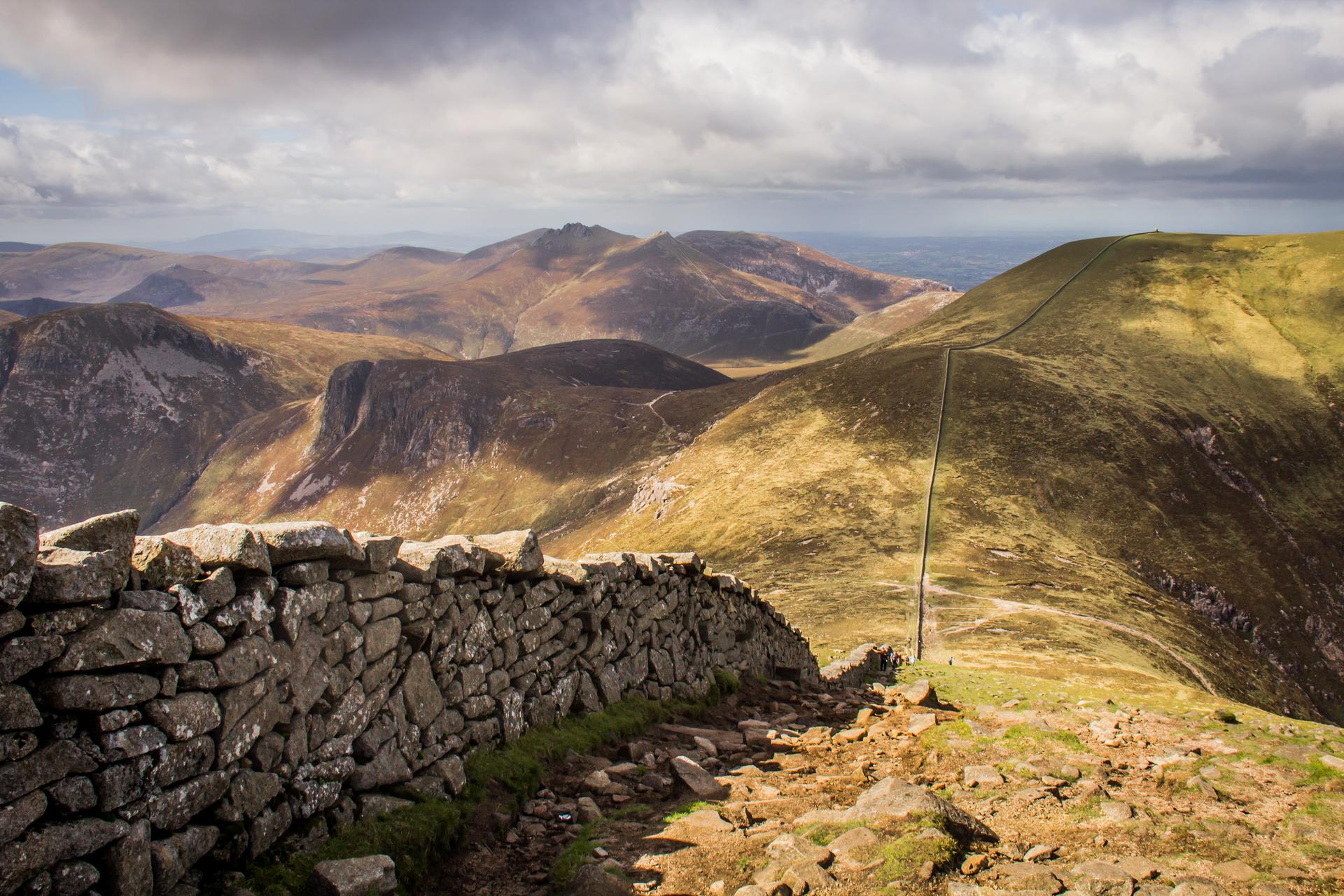
Looking beyond Newark Castle? Discover Down for broader travel guides, local hot-spots, and regional highlights.
Explore Down