
Auld Kirk: Historic Ruins of Selkirk’s Kirk o’ the Forest
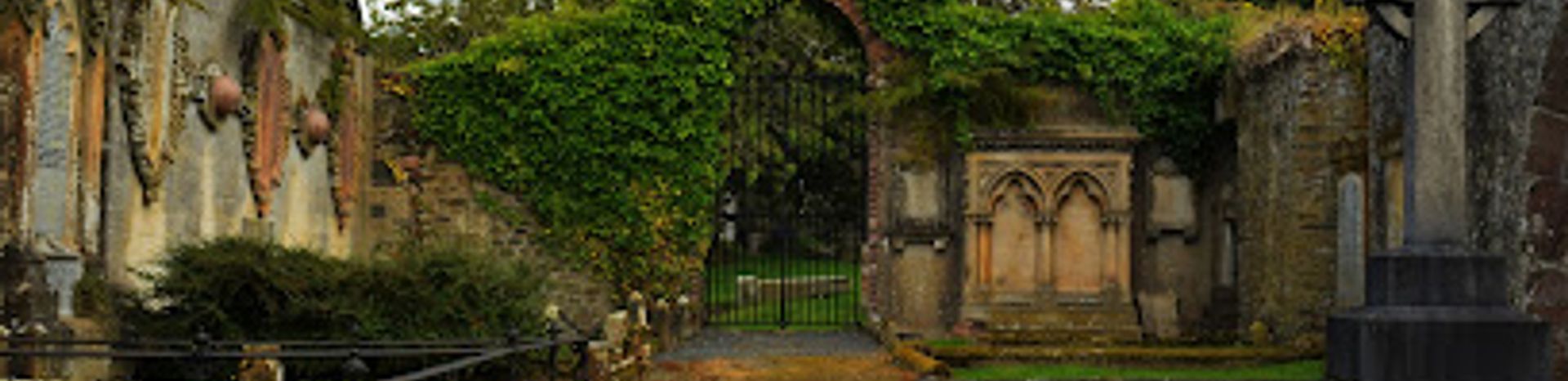
Historic ruins of Selkirk’s Kirk o’ the Forest, where William Wallace was proclaimed Guardian of Scotland in 1297.
The Auld Kirk in Selkirk, Scottish Borders, is the evocative ruin of the historic Kirk o’ the Forest, a medieval church site dating back to the 12th century. It is famed as the place where William Wallace was proclaimed Guardian of Scotland in 1297. The site features remnants of an 18th-century church built atop earlier medieval foundations, surrounded by a graveyard with ancient tombstones. It stands as a poignant symbol of Scotland’s medieval heritage and national identity.
A brief summary to Auld Kirk (site of Kirk O' the Forest)
- 6-11 Kirk Wynd, Selkirk, TD7 4AW, GB
- Duration: 0.5 to 1.5 hours
- Free
-
 Outdoor
- Mobile reception: 4 out of 5
Local tips
- Visit during daylight hours to fully appreciate the ruins and surrounding graveyard in natural light.
- Bring sturdy footwear as the terrain around the ruins can be uneven and grassy.
- Read the onsite plaques to understand the site's deep historical connections to William Wallace and medieval Scotland.
- Combine your visit with nearby Selkirk attractions such as the old courtroom museum and Ettrick Forest trails.

For the on-the-go comforts that matter to you
- Information Boards
- Seating Areas
- Trash Bins
Getting There
-
Bus
Take the Borders Buses service from Edinburgh or Galashiels to Selkirk town center, with journey times ranging from 1 to 1.5 hours. The Auld Kirk is a short walk from the bus stop. Services run several times daily, with ticket prices around £5-£10.
-
Car
Driving from Edinburgh or nearby towns takes about 45 minutes to 1 hour. Parking is available in Selkirk town center, but spaces can be limited during peak times. The site is accessible on foot from parking areas.
-
Train and Walk
Take a train to Tweedbank station (on the Borders Railway) from Edinburgh Waverley, then a 30-minute bus or taxi ride to Selkirk. From Selkirk town center, the Auld Kirk is a 10-minute walk. Train fares vary but typically start around £10 one-way.
Auld Kirk (site of Kirk O' the Forest) location weather suitability
-
 Any Weather
-
 Rain / Wet Weather
-
 Clear Skies
-
 Mild Temperatures
Discover more about Auld Kirk (site of Kirk O' the Forest)
Medieval Origins and National Significance
The Auld Kirk stands on a site with a rich history reaching back to the 12th century, originally known as the Kirk o’ the Forest. This church was central to the royal hunting grounds of Ettrick Forest and played a pivotal role in Scottish history. Most notably, it is the reputed location where William Wallace, the legendary Scottish hero, was declared Guardian of Scotland in 1297. This appointment marked a key moment in Scotland’s fight for independence against English rule, with Wallace leading guerrilla warfare from the surrounding forests.Architectural Layers and Archaeological Discoveries
The visible ruins date mainly from an 18th-century church constructed in 1747, which served as Selkirk’s parish church until the 1860s. Archaeological surveys have revealed foundations of earlier medieval or Norman churches beneath the current ruins, confirming the site’s long ecclesiastical use. These layers reflect centuries of religious and community life, with the church evolving through the medieval period into the early modern era. The ruins are locked and preserved, surrounded by a protective fence, maintaining their solemn atmosphere.Setting and Atmosphere in Selkirk
Nestled in the heart of Selkirk, the Auld Kirk is surrounded by the tranquil remnants of the Ettrick Forest landscape. The graveyard holds weathered tombstones dating back centuries, offering a tangible connection to the past inhabitants of the town and region. The site’s peaceful yet evocative ambience invites reflection on Scotland’s turbulent medieval history and the enduring legacy of its national heroes.Cultural Legacy and Local Heritage
Beyond its historical importance, the Auld Kirk is a cultural landmark for Selkirk and the Scottish Borders. It symbolizes the town’s medieval roots and its role in Scotland’s national story. The connection to William Wallace enhances its significance, linking local heritage to a figure of worldwide renown. Nearby Selkirk also boasts other historic sites, including remnants of medieval castles and connections to literary figures, enriching the visitor’s understanding of the region’s layered history.Preservation and Visitor Experience
Today, the Auld Kirk is maintained as a protected ruin, with limited access to the interior to preserve its fragile state. Informational plaques provide context about its historical role and archaeological findings. Although the site is quiet and somewhat isolated, it remains a profound place for those interested in Scotland’s medieval past, national identity, and the story of William Wallace. The surrounding town offers additional amenities and historical attractions to complement a visit here.Enduring Symbol of Scottish Independence
The Auld Kirk’s legacy as the site where Wallace was proclaimed Guardian of Scotland endows it with powerful symbolic meaning. It stands as a testament to the resilience and spirit of the Scottish people during a defining era. Visitors to this evocative ruin step into a space where history, legend, and national pride converge, making it a compelling destination for history enthusiasts and cultural travelers alike.Iconic landmarks you can’t miss

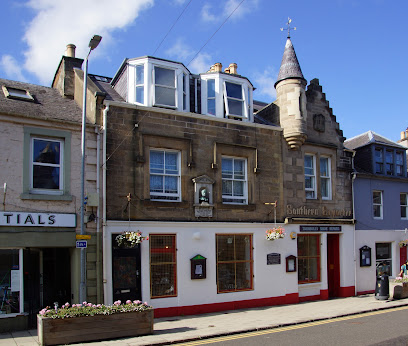
Southern Reporter
0.2 km
Historic home of the Southern Reporter newspaper, a cornerstone of Selkirk’s rich journalistic heritage on the town’s vibrant High Street.
Scottish Borders Rocks
0.2 km
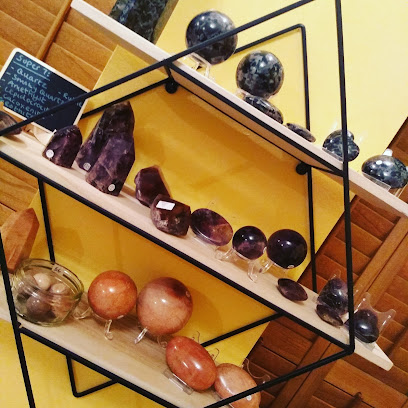
Explore Scottish Borders Rocks in Selkirk for a unique selection of ethically sourced crystals and locally crafted treasures that capture Scotland's beauty.
Tress Of The Kings
0.5 km
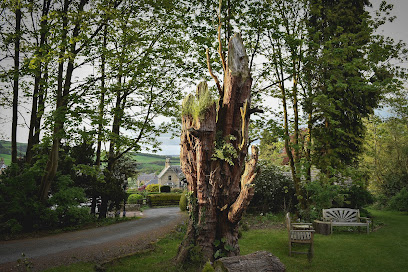
Discover the ancient Trees Of The Kings in Selkirk, where Scottish royal history and nature unite in a serene, storied landscape.
Aikwood Tower
5.7 km
Experience 500 years of Scottish Borders history and luxury at Aikwood Tower, a stunning 16th-century peel tower set in breathtaking countryside.
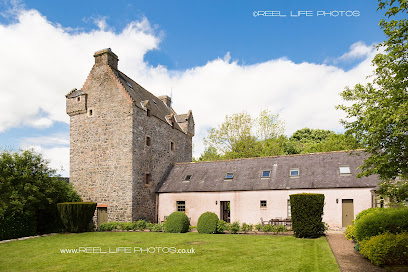
Jean's Wood
7.8 km
Experience the tranquility of Jean's Wood in Melrose, where lush greenery and serene pathways invite you to explore the beauty of nature.

Traquair Arms Hotel
16.2 km
Historic 200-year-old coach house hotel and gastro pub offering cozy rooms, hearty local cuisine, and warm hospitality in scenic Innerleithen.
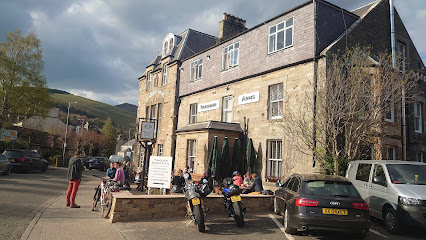
Over Ancrum
16.2 km
Discover the tranquil historic landmark of Over Ancrum near Jedburgh, where medieval heritage meets scenic Scottish landscapes.
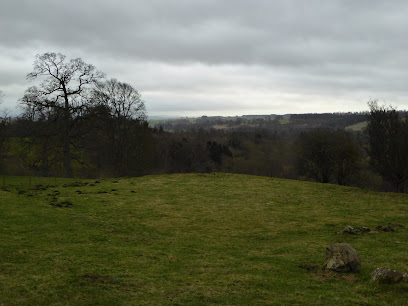
Biking In The Borders
16.3 km
A spacious, cyclist-friendly holiday home in Innerleithen, perfect for exploring the iconic trails of the Scottish Borders.
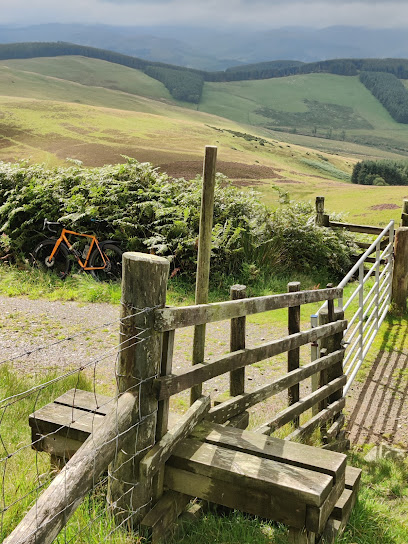
Macdonald Cardrona Hotel
20.5 km
Experience unparalleled luxury and breathtaking views at Macdonald Cardrona Hotel, your perfect Scottish retreat in Peebles.
Border Memories
21.9 km
Discover your roots and explore your family's past at Border Memories, a premier genealogical service in a scenic setting.
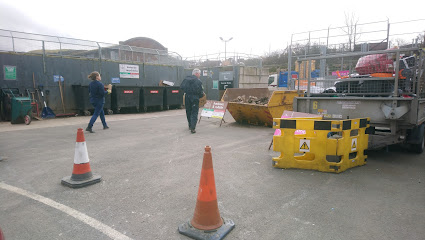
Eshiels Community Recycling Centre
22.8 km
Discover Eshiels Community Recycling Centre: A sustainable initiative in Peebles promoting responsible waste management and eco-friendly practices.
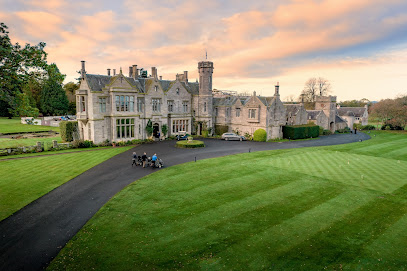
Schloss Roxburghe - Destination by Hyatt
23.5 km
A majestic Jacobean estate blending historic charm with modern luxury, set on 300 acres of scenic Scottish Borders countryside.
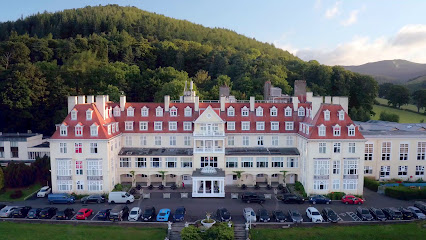
Peebles Hydro Hotel
24.2 km
Historic 4-star hotel with scenic Tweed Valley views, family-friendly leisure, spa, and classic Scottish hospitality in Peebles.
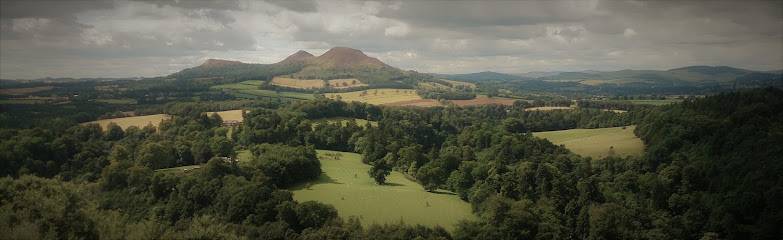
James Hogg Monument
24.5 km
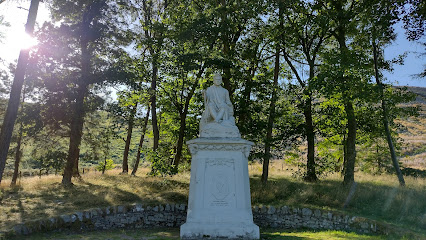
A striking white monument honoring James Hogg, the Ettrick Shepherd, overlooking the serene St Mary's Loch in Scotland's Borders.
The Park
24.6 km
Historic charm and modern comfort meet in the heart of Peebles, with local dining and scenic walks just steps away.
Unmissable attractions to see

Halliwell's House Museum
0.0 km
Discover Selkirk’s oldest building and its rich local history through engaging exhibits and historic charm in the heart of the Scottish Borders.
Sir Walter Scott's Courtroom
0.1 km
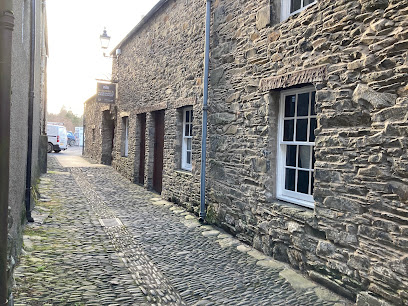
Step into the historic courtroom where Sir Walter Scott served justice and explore the rich legacy of Scotland’s literary and legal heritage in Selkirk.
The Peony Rose Coffee House
0.2 km
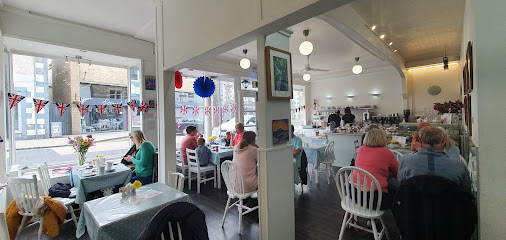
A charming Selkirk café serving exceptional coffee, homemade cakes, and warm hospitality in a cozy, inviting setting.
Mungo Park Monument
0.3 km
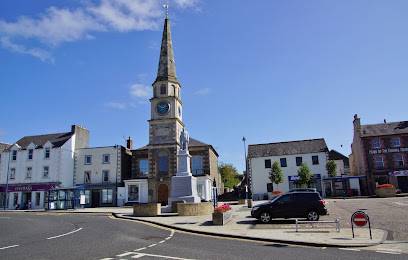
Explore the Mungo Park Monument in Selkirk, a historical site honoring the legacy of Scotland's adventurous explorer Mungo Park.

The Haining
0.4 km
Discover The Haining, a stunning Palladian estate in Selkirk blending historic grandeur, serene loch walks, and the birthplace of the Dandie Dinmont Terrier.
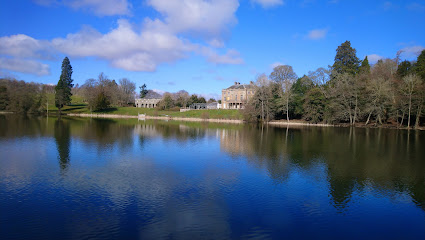
Andrew Elliot Ltd.
0.5 km
Experience authentic Scottish textile craftsmanship and heritage at Andrew Elliot Ltd., a boutique mill in Selkirk specializing in exquisite fabrics and throws.
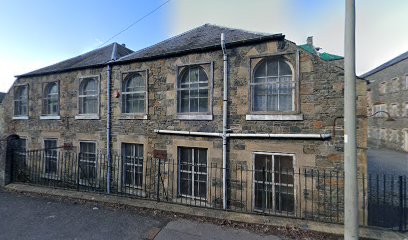
Mauldsheugh Wood Community Wildlife Project
0.7 km
A welcoming 20-acre woodland in Selkirk offering accessible trails, rich wildlife, and interactive nature experiences for all ages.
A Selkirk Legacy
0.7 km
Discover the tranquil riverside heritage and rich cultural legacy of Selkirk along the scenic Ettrick Water.
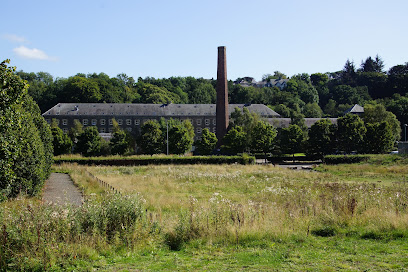
Go Wild Scotland
0.8 km
Explore accessible trails and vibrant wildlife in Mauldsheugh Wood, a community-driven nature sanctuary on Selkirk’s doorstep.
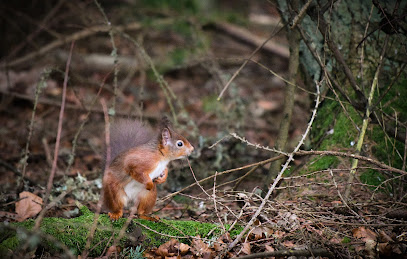
Lochcarron of Scotland Visitor Centre
0.8 km
Discover authentic Scottish tartan weaving, bespoke Highland wear, and rich textile heritage at Lochcarron of Scotland Visitor Centre in Selkirk.
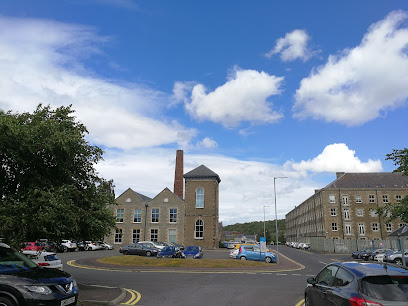
Philiphaugh Salmon Viewing Centre & Golden Eagle Eyrie
2.1 km
Discover the captivating salmon journey and the majestic golden eagle conservation at Philiphaugh Estate’s unique wildlife centre.
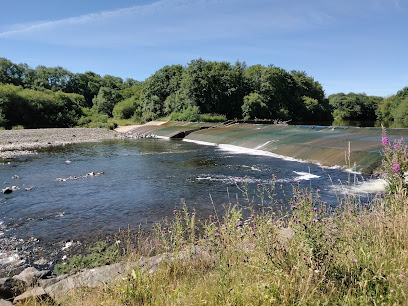
Ride Scotland's Horse Country
3.1 km
Explore the tranquil horse country of Lindean, Galashiels, where scenic trails and equestrian heritage create a peaceful Scottish Borders escape.
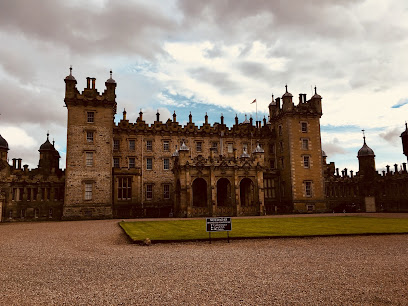
Sunderland Hall
3.7 km
Historic Scottish Baronial mansion and archaeological site nestled in scenic gardens near Galashiels.
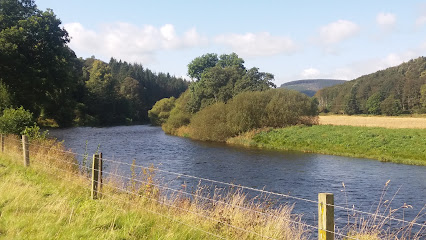
Bowhill House & Grounds
4.5 km
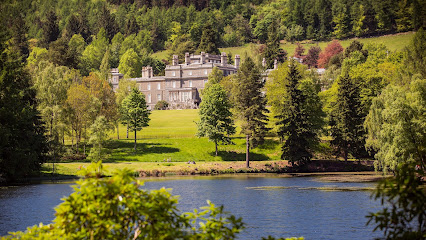
Explore Bowhill House’s Victorian heritage, scenic woodland walks, and family adventure playground in the heart of the Scottish Borders.
Newark Castle
5.0 km
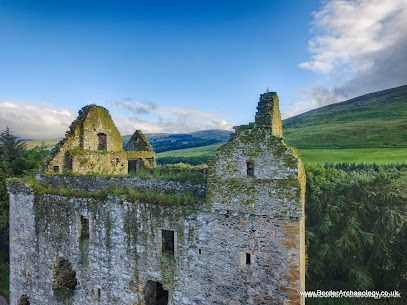
Discover the rich history of Newark Castle, a stunning historical landmark in Selkirk, Scotland, perfect for history enthusiasts and nature lovers alike.
Essential places to dine

Tibbie's
0.1 km
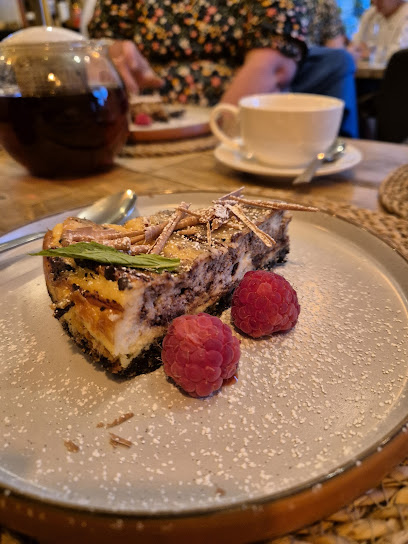
Contemporary Scottish dining celebrating seasonal ingredients and regional flavours in the heart of Selkirk.
Taste of Spice
0.1 km
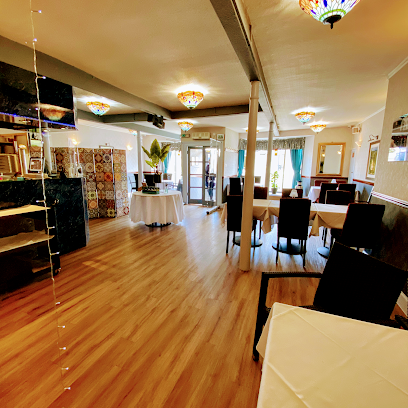
Experience authentic Indian and South Asian flavours in the heart of Selkirk with Taste of Spice’s vibrant dishes and warm atmosphere.
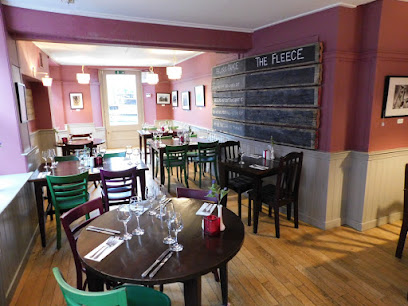
The Fleece Selkirk Ltd
0.1 km
Scottish Borders pub with exceptional wines and quality food in Selkirk's Market Place.
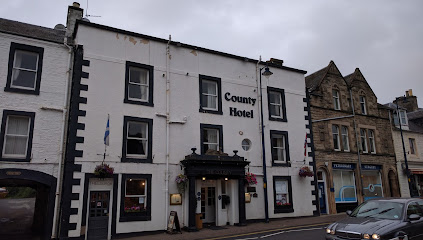
The County
0.1 km
Historic coaching inn in Selkirk’s market square, blending heritage charm with modern comfort and a warm welcome.
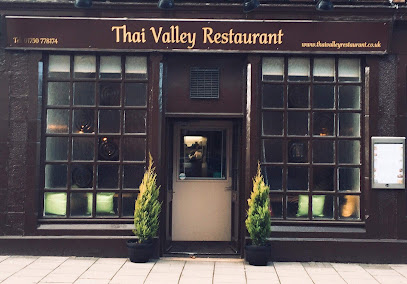
Thai Valley Restaurant
0.2 km
Experience authentic Thai cuisine in a cozy, family-run setting on Selkirk’s High Street, perfect for all occasions.
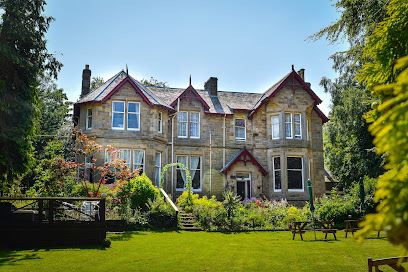
Heatherlie House Hotel
0.5 km
A charming boutique hotel in Selkirk offering warm hospitality, spacious rooms, home-style dining, and a peaceful park setting.
Chompey's
1.2 km
Experience the best takeaway in Selkirk at Chompey's - where quality meets convenience in every delicious bite.
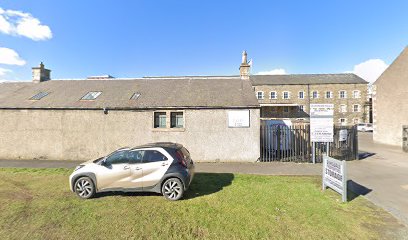
Philipburn Restaurant
1.3 km
Traditional Scottish dining elevated with fresh local ingredients in a historic hotel setting surrounded by tranquil gardens.
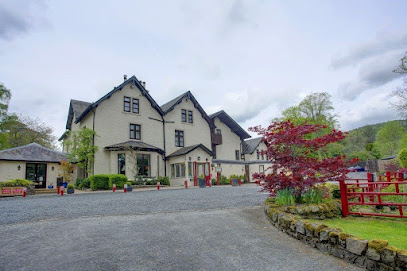
The Waterwheel
2.0 km
Historic estate café nestled in scenic woodlands above Selkirk, offering local charm near the famous 1645 Battle of Philiphaugh site.
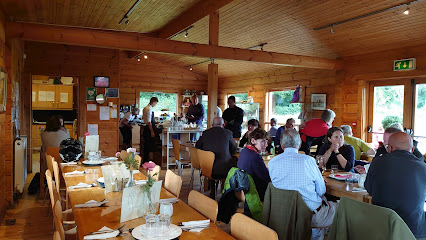
Smiddy Bar & Restaurant
6.1 km
Cozy country pub in Ashkirk offering traditional Scottish dishes and warm family hospitality near Selkirk.
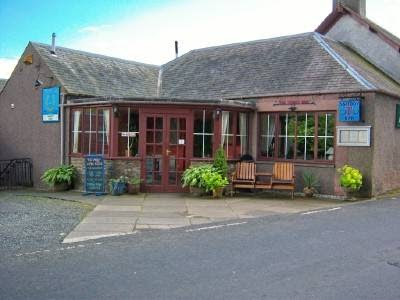
Woll Restaurant
7.0 km
A warm, family-friendly restaurant at New Woll Estate, serving hearty British and Scottish fare with golf-course views and a welcoming country feel.
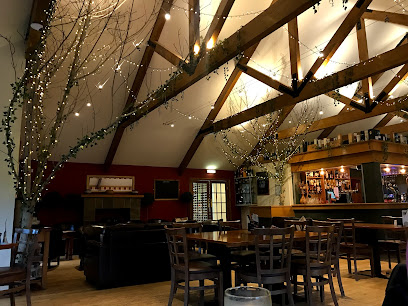
The Salmon Inn
7.9 km
Experience authentic Scottish hospitality at The Salmon Inn in Galashiels – your cozy retreat for breakfast and pub delights.
Quins
8.0 km
A vibrant gastropub in Galashiels’ town center offering hearty meals, coffee, and drinks in a welcoming, casual atmosphere.
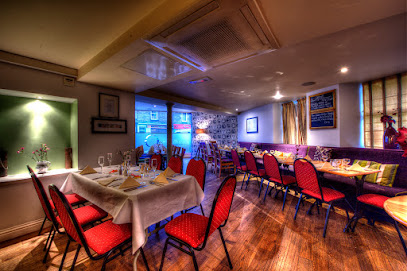
1953 Bar and Restaurant
8.3 km
Authentic Indian and Nepalese flavors meet warm hospitality and a lively bar in the heart of Galashiels’ High Street.
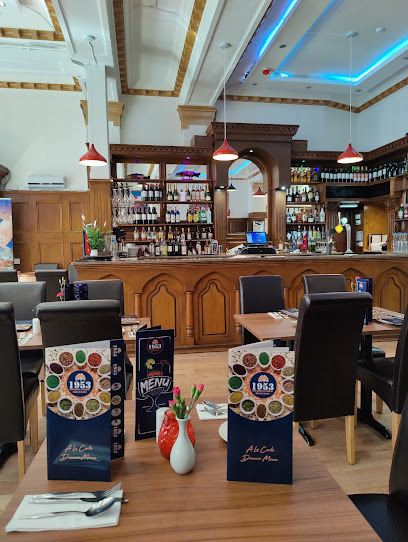
Cross Keys Inn Ettrickbridge - Scotland's "Pub of the Year"
9.2 km
Experience authentic Scottish hospitality at Cross Keys Inn, Ettrickbridge’s award-winning pub and cozy country inn in the heart of the Borders.
Markets, malls and hidden boutiques

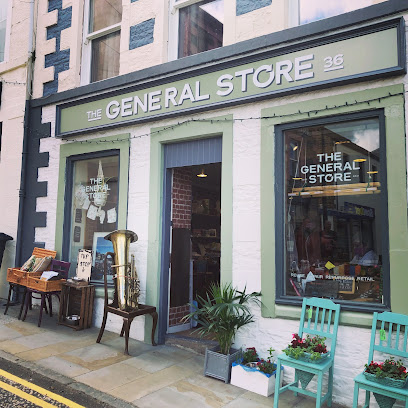
The General Store, Selkirk
0.1 km
A vibrant community hub in Selkirk offering affordable repairs, vintage treasures, and sustainable reuse initiatives in a welcoming setting.
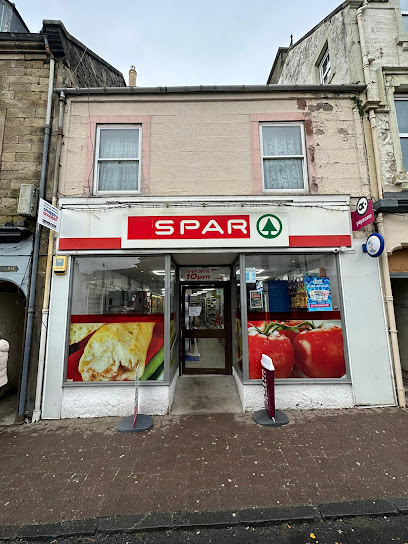
SPAR Market Place Selkirk
0.1 km
Your dependable local convenience store in Selkirk, open daily with a wide range of essentials and friendly service.
Ettrick Forest Interiors
0.1 km
Explore unique handmade curtains and accessories at Ettrick Forest Interiors in Selkirk, where quality craftsmanship meets exceptional service.
British Red Cross shop, Selkirk
0.2 km
Support humanitarian aid and sustainability by shopping or donating at the British Red Cross Charity Shop in Selkirk’s historic High Street.

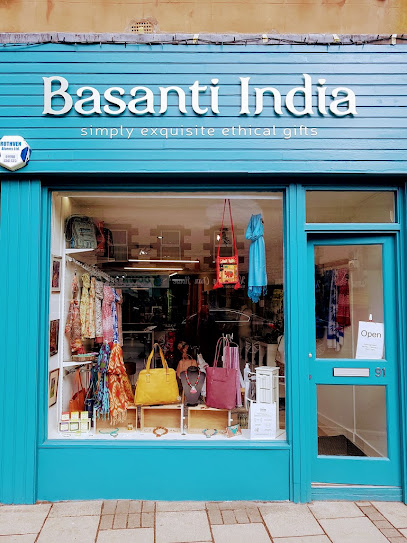
Basanti India
0.2 km
Discover Basanti India in Selkirk, where unique gifts and exquisite jewelry capture the essence of Indian culture and craftsmanship.
Ettrick Valley Giftware - Scottish Tea Towels, Aprons & Bags
0.6 km
Discover authentic Scottish textile heritage with iconic tea towels, aprons, and bags crafted in Selkirk’s historic Forest Mill.
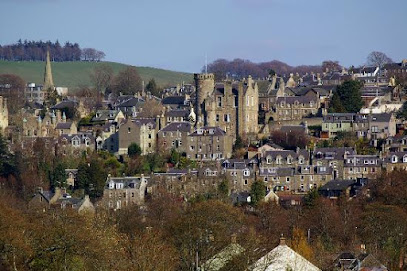
Jiggle Ma Wiggle
0.6 km
Discover unique, vegan-friendly gifts and local crafts at Jiggle Ma Wiggle, Selkirk’s charming boutique of creativity and sustainability.
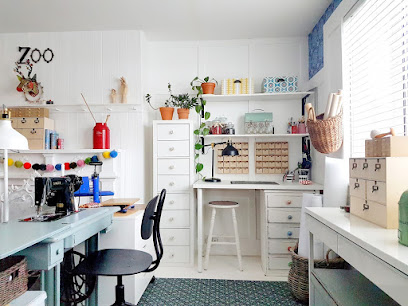
Sue Elliot Creative Silks & Velvets
0.8 km
Discover exquisite hand-dyed silks and velvets transformed into unique scarves and accessories in the heart of Selkirk.
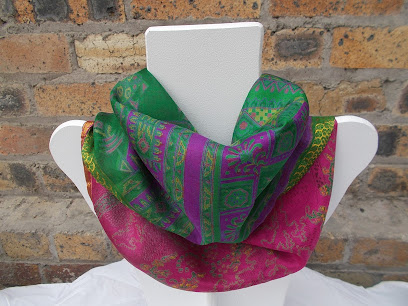
The Vintage Besoms
8.1 km
Curated vintage fashion, antiques, and homewares celebrating the character of bygone eras in the Scottish Borders.
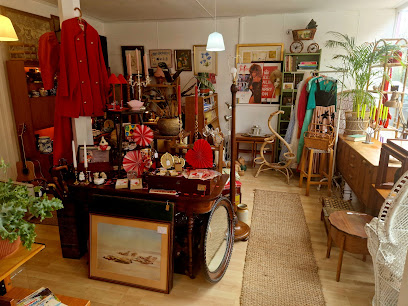
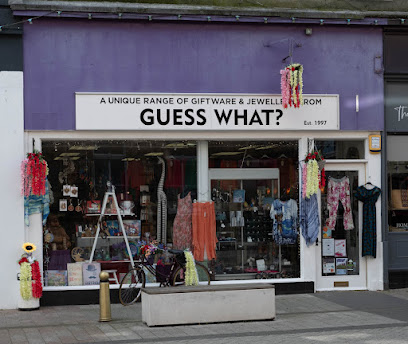
Guess What
8.1 km
Discover unique treasures and beautiful gifts at Guess What, a charming shop in the heart of Galashiels’ vibrant town centre.
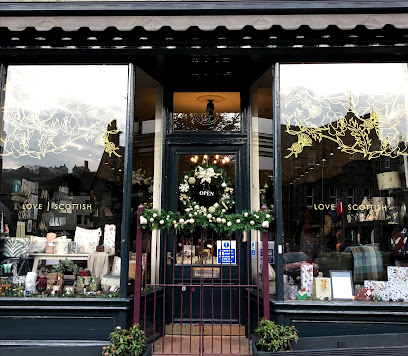
Love Scottish
9.5 km
Discover authentic Scottish artisan gifts and natural home fragrances in the heart of Melrose’s Market Square.
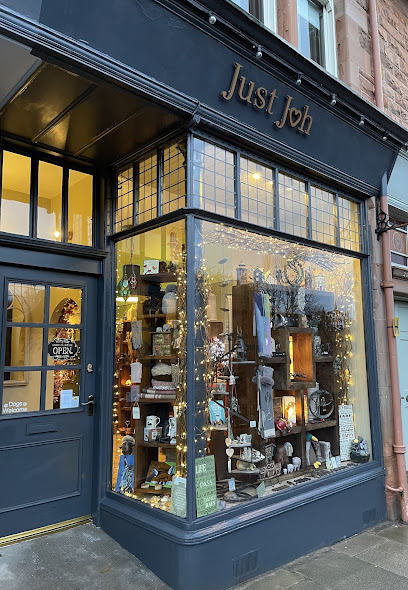
Just Joh
9.6 km
Discover quirky gifts and unique accessories at Just Joh, Melrose’s charming independent boutique for unusual treasures.
Giftsscotland.com
12.5 km
Explore unique handcrafted gifts and souvenirs at Giftsscotland.com, a charming shop in the heart of Hawick, Scotland.

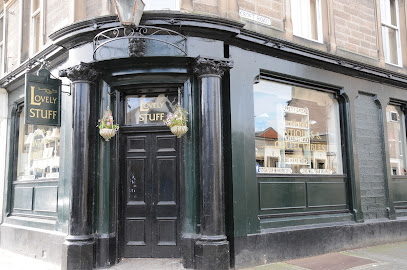
Lovely Stuff
13.9 km
Discover vintage charm and unique home accessories at Lovely Stuff, Hawick’s boutique for antiques and handcrafted treasures.
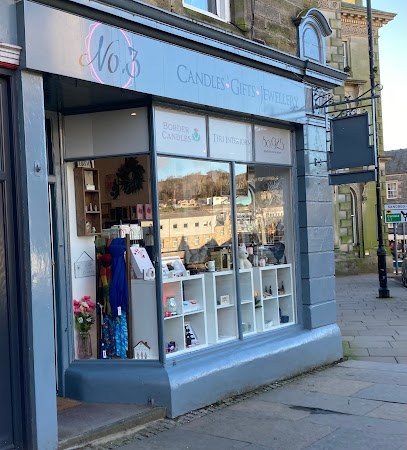
No. 3 Gifts
14.3 km
A cozy, independent gift shop in Hawick offering locally made crafts, Scottish souvenirs, and handcrafted candles in the heart of the Scottish Borders.
Essential bars & hidden hideouts

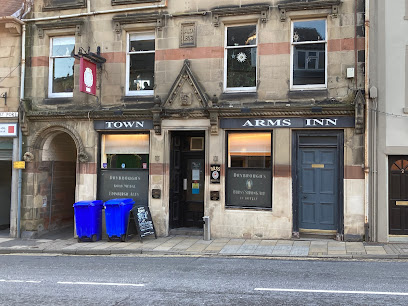
The Town Arms Inn
0.1 km
Experience the warmth and charm of The Town Arms Inn in Selkirk, a perfect base for exploring the enchanting Scottish Borders.
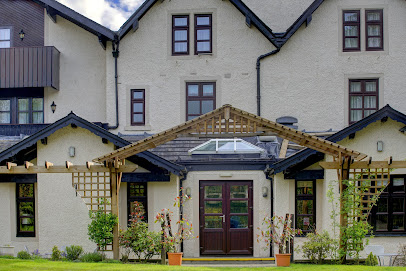
Philipburn House Hotel
1.3 km
Historic Georgian charm meets modern comfort in tranquil gardens just outside Selkirk, ideal for exploring the scenic Scottish Borders.
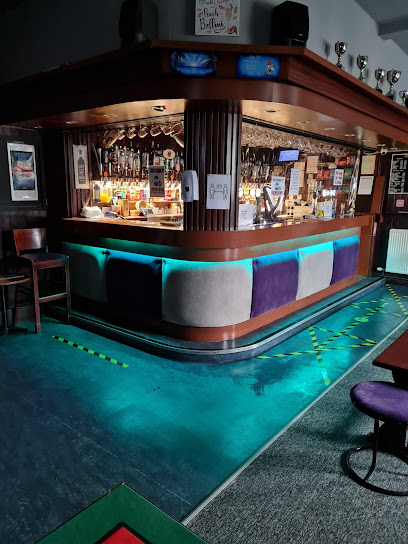
Niki's Lounge Bar
7.7 km
A cozy, friendly lounge bar in Galashiels offering affordable drinks and a welcoming atmosphere for locals and visitors alike.
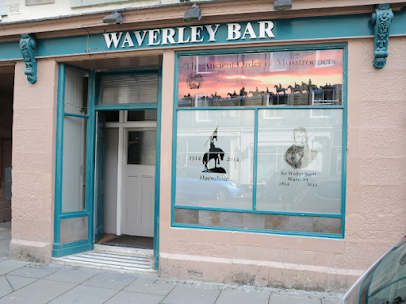
Waverley Bar
14.1 km
A traditional, friendly Scottish pub in Hawick’s heart, famed for its lively atmosphere and welcoming community vibe.
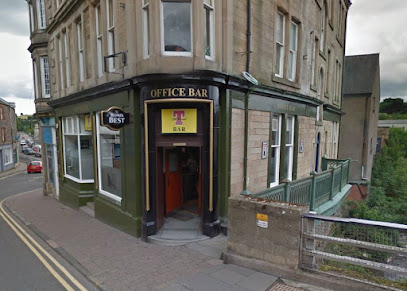
Office Bar
14.3 km
A traditional Scottish pub in Hawick’s historic West End, offering authentic charm, quality beers, and a friendly local atmosphere.
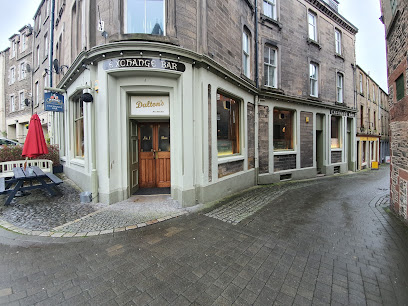
The Exchange Bar
14.3 km
Historic Victorian pub in Hawick with original wood panelling, ornate cornices, and a cozy lounge for live music and community gatherings.
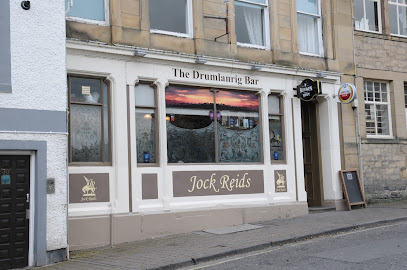
Drumlanrig Bar
14.4 km
A cozy and lively bar in Hawick’s Drumlanrig Square, perfect for local beers, live music, and a welcoming Scottish Borders atmosphere.
Durty Brewing
16.1 km
Discover Innerleithen’s vibrant microbrewery with exclusive craft beers, a cozy taproom, and a welcoming atmosphere for all drink lovers.
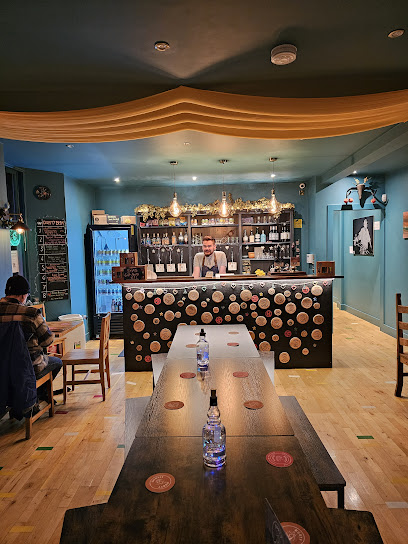
Ancrum Cross Keys
16.2 km
A charming Scottish Borders pub offering warm hospitality, exceptional locally sourced food, and scenic riverside views in Ancrum village.
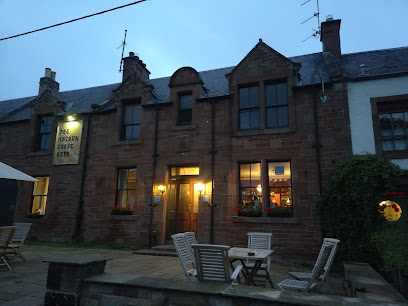
The Belter's Bar
19.5 km
Savor hearty meals and legendary burgers in Jedburgh’s lively and welcoming Belter's Bar.
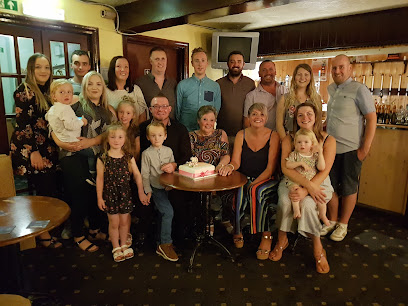
The Handlebar & Grill Glentress
21.6 km
A cyclist-friendly grill in Glentress offering hearty local dishes, craft beers, and scenic outdoor dining amidst the Tweed Valley’s stunning trails.
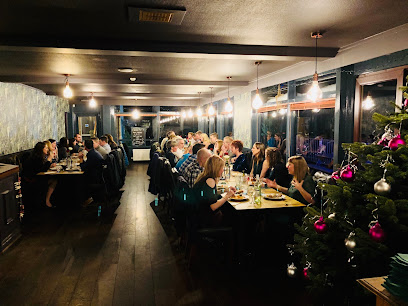
Tibbie Shiels Inn
24.2 km
Historic inn and camping by St. Marys Loch offering cosy rooms, live music, and stunning Scottish Borders scenery.
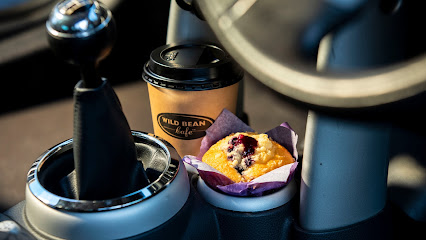
Wild Bean Cafe
24.6 km
Cozy cafe in Peebles serving fresh coffee, pastries, and light meals daily from dawn till late evening.
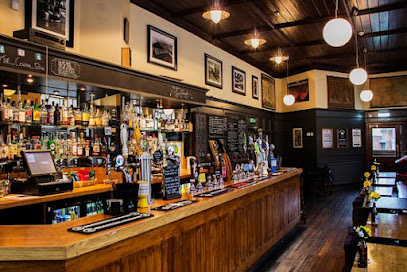
The Central Bar
24.8 km
A cozy and friendly bar in Peebles offering a warm welcome, local drinks, and lively social nights in the heart of the Scottish Borders.
The Vibe
26.2 km
A vibrant late-night bar in Kelso’s heart, The Vibe offers a lively spot for drinks and socializing until the early hours.
Nightclubs & after hour spots

Warehouse Nightclub
8.0 km
Experience the vibrant nightlife and dynamic music scene at Warehouse Nightclub, Galashiels’ lively hub after dark.

The Indigo Rooms
8.0 km
Experience Galashiels' vibrant nightlife at The Indigo Rooms, a welcoming nightclub and bar with themed events and a lively atmosphere.

Morven
8.6 km
Discover the electrifying nightlife at Morven Nightclub in Oxnam, near Melrose, where great music, vibrant atmosphere, and unforgettable memories await.
Nothing
11.3 km
Experience immersive alternative rock concerts by Nothing in the intimate, historic setting of London’s Moth Club.
The Border Club
13.7 km
Experience the vibrant local culture at The Border Club, a friendly social hub in Hawick, Scotland, perfect for travelers seeking community spirit.
Base Nightclub
14.0 km
Experience Hawick’s energetic nightlife at Base Nightclub, where vibrant music and lively crowds create unforgettable Friday nights.
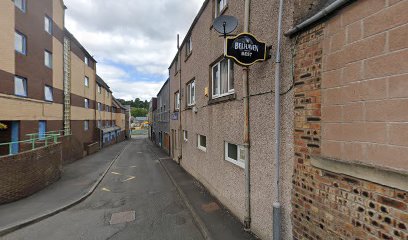
Square One
14.4 km
Vibrant Hawick nightclub with dynamic music floors and a welcoming atmosphere at the heart of Drumlanrig Square.

The Vale Of Leithen Social Club
16.1 km
A friendly members' club in Innerleithen offering live music, affordable drinks, and a warm community atmosphere.
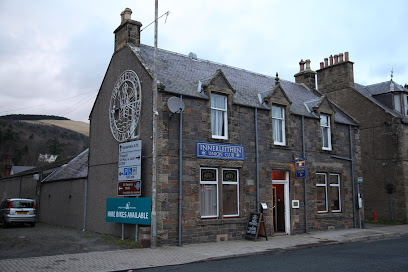
Union Club
16.2 km
A friendly, community-run social club with snooker and events, offering a welcoming and affordable night out in Innerleithen.
The Royal British Legion
26.1 km
Discover community, camaraderie, and local entertainment at The Royal British Legion in Kelso - a vibrant hub for visitors and locals.
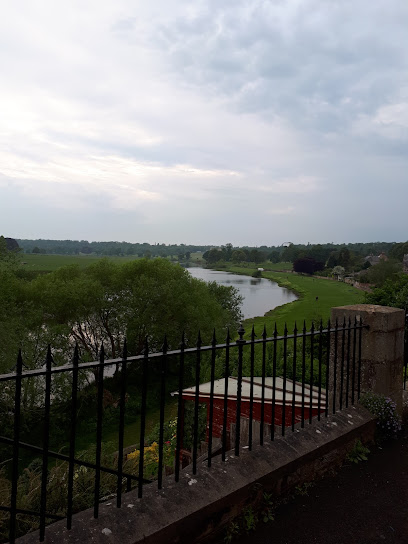
The Mash House
49.7 km
A vibrant Edinburgh nightclub and live music venue blending folk, electronic, and techno in a lively, casual setting.

Frankenstein
49.7 km
Electrifying Gothic pub where Frankenstein's monster awakens hourly amid pizzas, chilling cocktails, and Old Town vibes—Edinburgh's spookiest nightlife haunt.
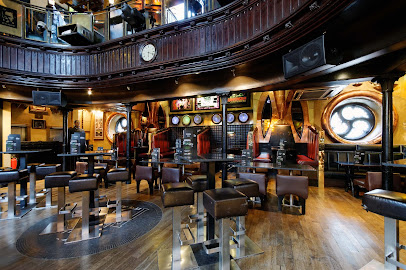
La Belle Angele
49.7 km
Edinburgh’s intimate nightclub and live music venue blending historic charm with vibrant themed nights and diverse performances.
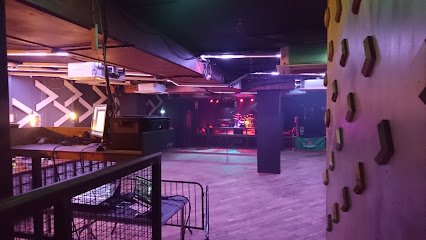
Cabaret Voltaire
49.7 km
Vaulted live-music rooms and a relaxed upstairs bar—Cabaret Voltaire is Edinburgh’s atmospheric hub for alternative gigs and late-night clubbing.
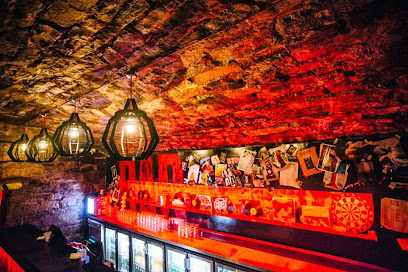
Sneaky Pete's
49.8 km
Intimate live music and club nights in Edinburgh’s Old Town, where emerging talent meets vibrant nightlife.
For the vibe & atmosphere seeker
- Tranquil
- Scenic
- Historic
- Unique
For the design and aesthetic lover
- Rustic Designs
- Vintage Styles
For the architecture buff
- Historic
- Landmarks
For the view chaser and sunset hunter
- Iconic Views
For the social media creator & influencer
- Instagrammable
- Photo Spots
For the eco-conscious traveler
- Protected Area
- Public-Transport Accessible
- Leave-No-Trace Critical
For the kind of experience you’re after
- Cultural Heritage
- Myth & Legends
- Photowalk
- Day Trip
- Weekend Getaway
For how adventurous you want the journey to be
- Easy Access
Location Audience
- Family Friendly
- Senior Friendly
- Child Friendly
- Teen Friendly
- Solo Friendly
- Couple Friendly


