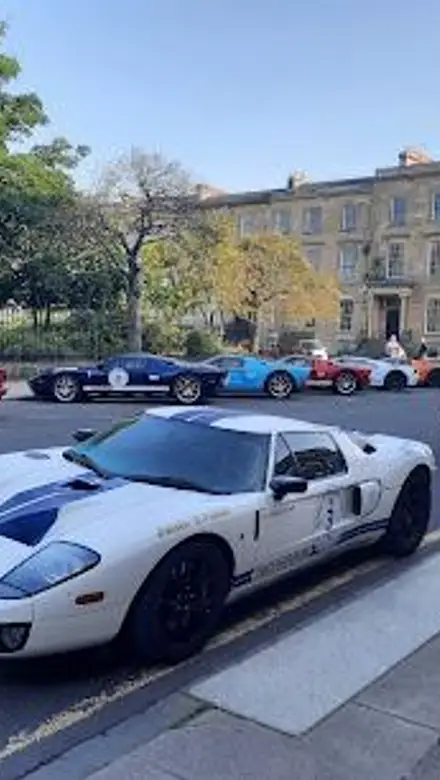
Blythswood Square, Dunbartonshire Travel Guide
A Georgian garden square in Glasgow blending historic elegance, architectural artistry, and vibrant urban life in the city’s heart.
Blythswood Square is a distinguished Georgian garden square in the heart of Glasgow, Scotland. Conceived in the early 19th century, it features uniform classical terraces surrounding a tranquil private garden. Once a prestigious residential area for the city’s elite, it has evolved through phases of commercial use and cultural significance, including ties to notable architects and historic events. Today, it blends heritage architecture with vibrant urban life, making it a serene oasis amid Glasgow’s bustling city centre.
A brief summary to Blythswood Square
- Glasgow, GB
- Duration: 0.5 to 2 hours
- Free
-
 Outdoor
- Mobile reception: 4 out of 5

Know before you go
Hi, I'm Eve. Here are a few practical things to know before exploring Blythswood Square.
- Visit the central garden for a peaceful retreat and admire the uniform Georgian terraces surrounding it.
- Look for architectural details by Charles Rennie Mackintosh, especially at number 5 Blythswood Square.
- Explore the square’s rich history, including its role in Glasgow’s social and cultural transformations.
- Attend local events or markets held in the square to experience its lively community atmosphere.
Do you manage this location?
Take control to get all the benefits, like improved information, better appearance, and stronger visibility across AI-powered discovery. Learn more about listing your business on Evendo
Activate your presenceOther nearby places you may find interesting
The closest places of the same kind, if this one is not quite what you had in mind.

Explore Blythswood Square on the Map
A handpicked selection of must-see spots near Blythswood Square, mapped for you.
Unlock the Best of Blythswood Square
Buy tickets
-
No tickets available
Book tours with entry
-
No tours available
Book tours without entry

Getting There
-
Public Transport
Take the Glasgow Subway to St. Enoch station, then walk approximately 10 minutes through city streets to Blythswood Square. Subway tickets cost around £1.50-£3.00 depending on travel zones.
-
Bus
Several bus routes serve the city centre with stops near Blythswood Square, including routes 2, 3, and 77. Buses run frequently every 10-20 minutes, with single fares around £2.00.
-
Taxi or Rideshare
Taxis and rideshare services like Uber can reach Blythswood Square from anywhere in Glasgow within 10-20 minutes depending on traffic. Typical fares from central locations range from £5 to £10.
-
Walking
From Glasgow Central Station, a 15-20 minute walk through flat urban terrain leads to Blythswood Square, suitable for most visitors with good pedestrian access.
For the on-the-go comforts that matter to you
-
 Seating Areas
-
 Trash Bins
-
 Information Boards
Discover more about Blythswood Square
Origins and Architectural Vision
Blythswood Square was laid out between 1821 and 1829 on a hill west of Glasgow’s city centre, transforming what was once a muddy loch into an elegant urban oasis. The visionary William Harley owned the land and commissioned architect James Gillespie Graham to design the four identical classical terraces that form the square’s perimeter. These Georgian townhouses, characterized by sash windows, fluted Ionic porticos, and recessed arches, were intended to reflect the wealth and prestige of Glasgow’s Victorian elite. The square’s design also included a private central garden, providing a tranquil green space amid the urban environment.A Hub of Social and Cultural Life
Throughout the 19th and early 20th centuries, Blythswood Square was a prestigious residential address. It was home to notable figures such as architect James Smith, whose daughter Madeleine was involved in a sensational 1857 murder trial that captivated Victorian society. The square also hosted the Glasgow Society of Lady Artists, Britain’s first residential artists’ club for women, established in 1882 at number 5. This building features an Art Nouveau pedimented doorpiece designed by Charles Rennie Mackintosh, one of Glasgow’s most celebrated architects and designers.Transformation and Resurgence
By the 20th century, many of the townhouses transitioned from private residences to offices and clubs. The Royal Scottish Automobile Club, established in 1901, occupied the eastern side of the square, with architect James Miller remodeling the terraces to serve as an elegant headquarters. The club played a key role in promoting automobile culture in Scotland and even served as the official start line for the prestigious Monte Carlo Rally in 1949. Despite periods of decline, including a late 20th-century reputation for social challenges, recent regeneration efforts have restored Blythswood Square’s grandeur and vibrancy.Architectural Highlights and Artistic Legacy
Blythswood Square showcases architectural details such as 12-pane sash windows, ornate cornices, and cast-iron railings. The involvement of Charles Rennie Mackintosh adds a layer of artistic significance, with his work on the Lady Artists’ Club and other commissions nearby. The square’s classical Georgian style harmonizes with these Art Nouveau touches, creating a unique architectural dialogue that reflects Glasgow’s rich design heritage.Present-Day Atmosphere and Community Role
Today, Blythswood Square remains a serene green space and a central hub within Glasgow’s commercial district. It hosts events, markets, and festivals that engage the local community while offering visitors a peaceful retreat amid the city’s bustle. The square’s combination of historic charm, architectural beauty, and lively urban energy makes it a must-see destination for those interested in Glasgow’s cultural and social history.Stories and Legends That Enrich the Square
Blythswood Square’s history is peppered with intriguing stories, from the dramatic murder trial of Madeleine Smith to ghostly tales linked to the old townhouses. These narratives add a mysterious and human dimension to the square, inviting visitors to imagine the lives and dramas that unfolded behind its elegant façades. The square’s layered past, blending aristocratic aspirations with social upheavals, continues to fascinate and inspire.












Your all‑in‑one travel companion app
Explore expert travel guides, compare and book tours, experiences, hotels, and more—all from the palm of your hand. Download now for seamless trip planning wherever your wanderlust takes you.


Explore More of Dunbartonshire
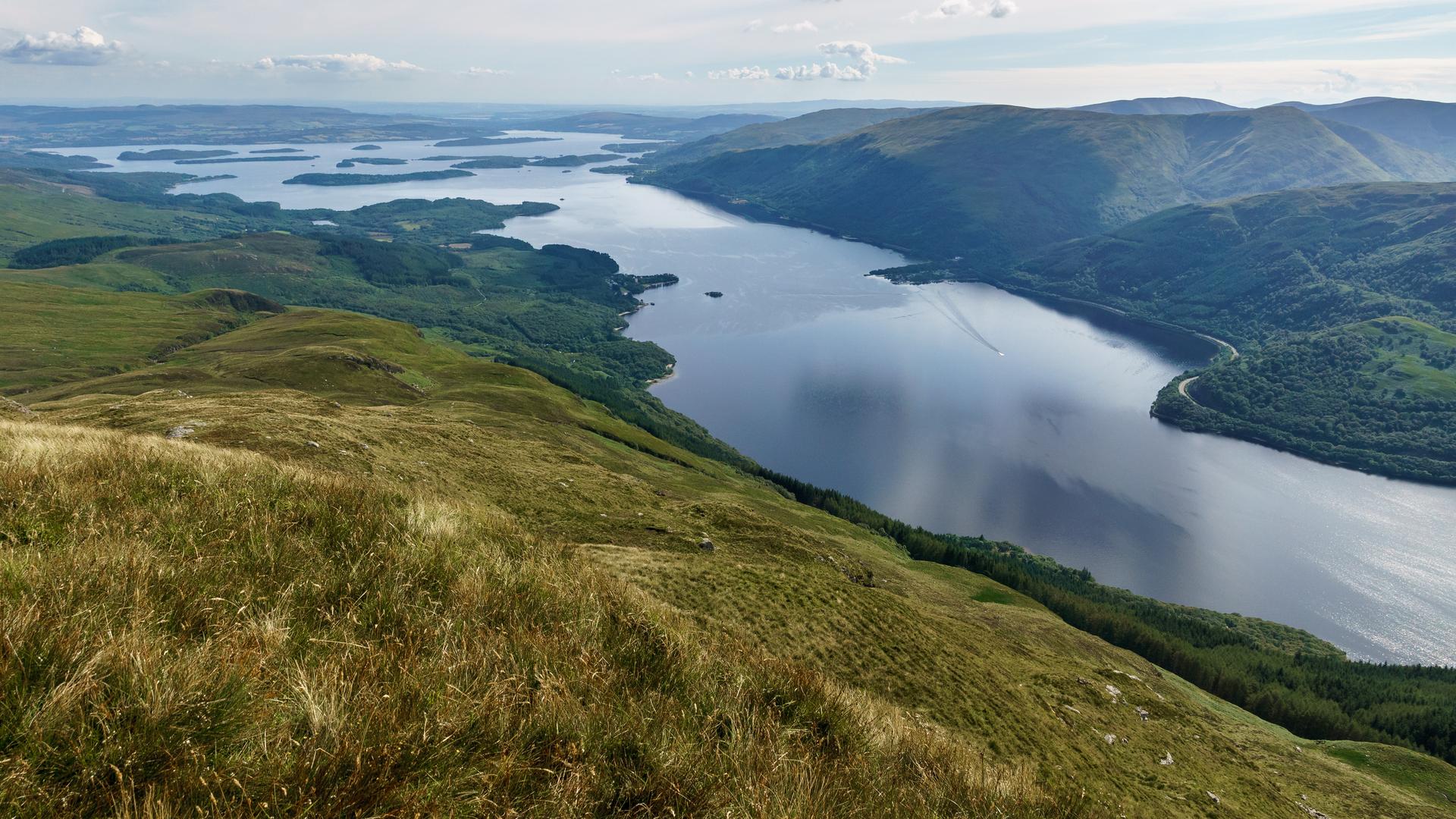
Looking beyond Blythswood Square? Discover Dunbartonshire for broader travel guides, local hot-spots, and regional highlights.
Explore Dunbartonshire