Blythswood Square Travel Guide
Free Guide: A serene Georgian square in Glasgow blending historic elegance, artistic heritage, and vibrant city life in a lush garden setting.


A brief summary of Blythswood Square
A serene Georgian square in Glasgow blending historic elegance, artistic heritage, and vibrant city life in a lush garden setting.
Blythswood Square is a distinguished Georgian square in the heart of Glasgow, renowned for its classical terraces, private gardens, and rich history. Originating in the early 19th century, it evolved from a muddy loch into a prestigious address for the city’s elite, later adapting to commercial uses while preserving its architectural charm and cultural significance.
On-site amenities
 Seating areas
 Information boards
 Restrooms
 Food options
 Drink options
- Address
- Glasgow
Getting there
Public Transport
Bus
Taxi or Rideshare
Discover more about Blythswood Square
Origins and Architectural Vision
Blythswood Square began its transformation in 1821 on a hill west of Glasgow’s city center, where once a muddy loch known as Stobcross Dam existed. The visionary engineer and architect Robert Black, along with landowner William Harley, laid out the square between 1823 and 1829. The design features four identical classical Georgian terraces surrounding a serene central garden, embodying the elegance and order favored by the Victorian elite. The uniformity of the townhouses, with their sash and case windows, fluted Ionic porticos, and recessed arches, creates a harmonious streetscape that remains a hallmark of Glasgow’s architectural heritage.
Notable Residents and Historic Events
Blythswood Square has witnessed notable historical moments, including the sensational 1857 murder trial of Madeleine Smith, who lived at number 7. The trial captivated Victorian society with its scandalous love letters and ended with a surprising "Not Proven" verdict. The square also became a hub for cultural and social clubs, such as the Glasgow Society of Lady Artists, which occupied number 5 and commissioned Charles Rennie Mackintosh to design an Art Nouveau doorpiece and interior alterations in the early 20th century. These layers of history enrich the square’s narrative beyond its architectural beauty.
Transformation and Cultural Significance
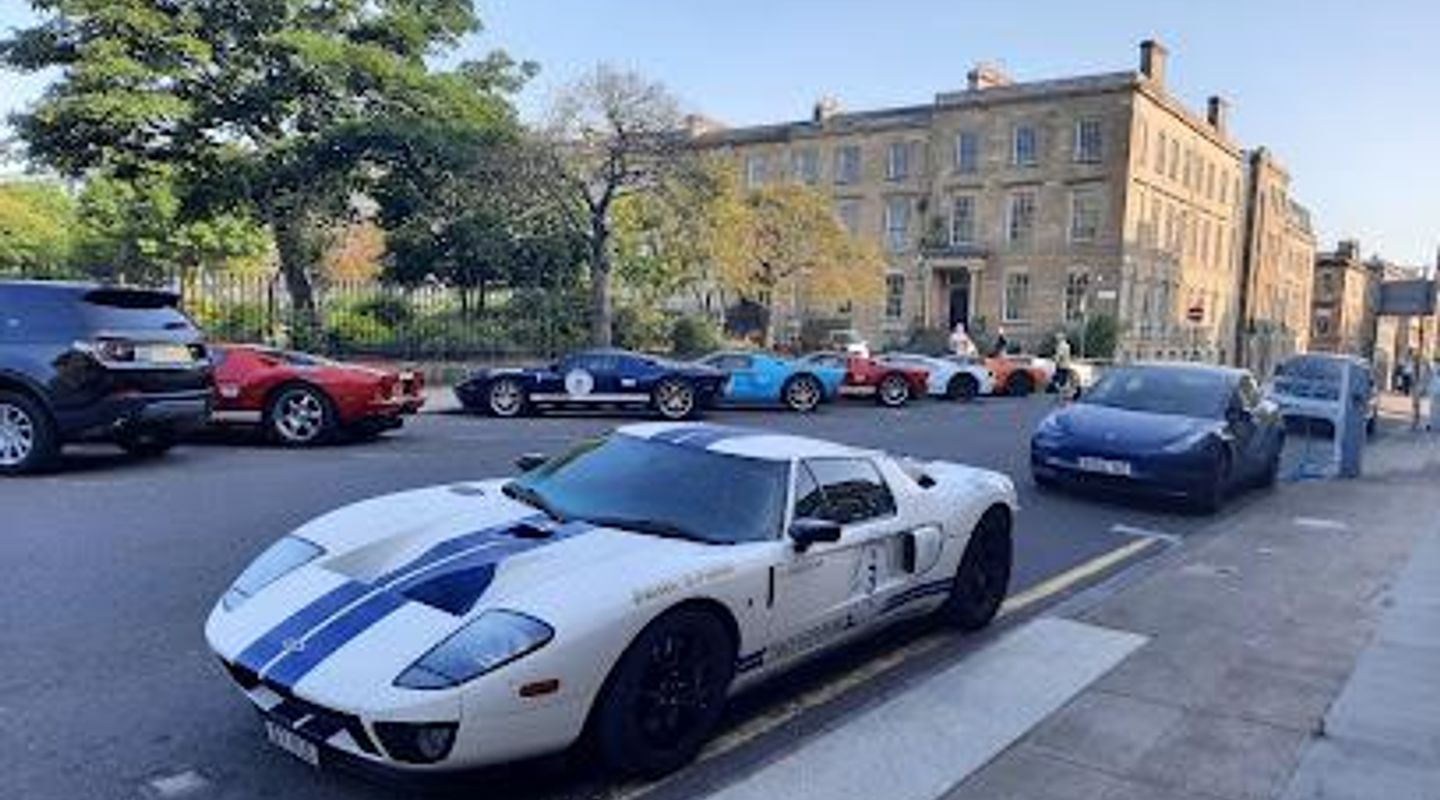
As Glasgow modernized, many of Blythswood Square’s townhouses transitioned from private residences to offices and clubhouses. The Royal Scottish Automobile Club established its headquarters here in 1901, promoting automobile enthusiasm in an elegant setting. The square’s road even served as the official start line for the Monte Carlo Rally in 1949, linking it to international motor sport history. Despite periods of decline, including a late 20th-century reputation for urban challenges, recent regeneration efforts have restored Blythswood Square’s status as a vibrant cultural and social center.
Present-Day Atmosphere and Use
Today, Blythswood Square blends its historic grandeur with contemporary life. The central gardens offer a tranquil green space amid Glasgow’s bustling commercial district, while the surrounding buildings house hotels, offices, and event venues. The square hosts community events, markets, and festivals, making it a lively yet refined destination. Its architectural details, from Mackintosh’s Art Nouveau touches to the classical terraces, continue to draw admiration from visitors and locals alike.
Architectural Highlights and Artistic Legacy
The square showcases exemplary Georgian architecture with features such as 12-pane glazing windows, moulded cills, and cast-iron railings. The involvement of Charles Rennie Mackintosh, one of Scotland’s most influential architects, adds artistic prestige. His work at number 5, including the stylized pedimented door and stained glass, reflects the modernist and Gesamtkunstwerk principles that influenced Glasgow’s design scene. These elements contribute to Blythswood Square’s reputation as a site of both historical and architectural importance.
Enduring Symbol of Glasgow’s Evolution
Blythswood Square stands as a testament to Glasgow’s social and urban evolution—from a muddy hilltop to a prestigious Georgian enclave, through industrial and cultural shifts, to a regenerated urban oasis. It encapsulates stories of wealth, art, scandal, and community, inviting visitors to explore the layers of history embedded in its terraces and gardens. The square remains a cherished landmark, reflecting the spirit and resilience of Glasgow itself.
Evendo Review Centre
 Google
Guest reviews
Best time to go
Quietest: Jan, Feb & Dec · before 6am or from 11pm
Busy times are Evendo estimates for a typical year, to help you plan. Actual crowds vary with events, school holidays and the weather.
Explore Blythswood Square on the map
A handpicked selection of must-see spots near Blythswood Square, mapped for you.
Get your free copy of our complete guide to Blythswood Square, delivered straight to you.
Everything on this page, from opening hours and how to get there to Eve’s tips and the best time to go, in one PDF you can read offline, print or share.
Already have an account? Sign in
Your Blythswood Square guide is ready.
We'll send it to · Not you? Sign out

Getting your guide ready…
We are putting together a fresh copy of the Blythswood Square guide. This can take up to a minute.
This can take a few moments. If your browser asks, choose Allow so the download can start. You'll find the guide in your Downloads folder.
Nothing happened? Download it again
Sorry, the guide is taking longer than usual. Please try again in a minute, or get it by email instead.
Unlock the best of Blythswood Square
Skip-the-line tickets, guided tours with entry, and walking tours of the area, booked in a few clicks.
Other nearby places you may find interesting
The closest places of the same kind, if this one is not quite what you had in mind.
-
Almond Valley Discover Scotland’s heritage and countryside charm at Almond Valley Heritage Centre, a lively farm and museum experience for all ages.
-
Eliburn Park A vibrant 16.5-hectare park in Livingston blending woodlands, sports, fishing, and inclusive play for all ages.
-
Linhouse Glen Discover the serene beauty of Linhouse Glen, a diverse Scottish Wildlife Trust reserve with heathland, woodland, and rich wildlife habitats.
-
Almondvale Park A vibrant urban park in Livingston with riverside views, adventure play, skatepark, and scenic trails for all ages and activities.
-
Polkemmet Country Park Historic estate turned vibrant country park with woodland trails, family-friendly play, golf, and the unique Scottish Owl Centre near Whitburn.
Swipe for more places
More to explore near Blythswood Square

 Best experiences near Blythswood Square
 Best hotels near Blythswood Square
 Best landmarks near Blythswood Square
 Best attractions near Blythswood Square
 Best shops near Blythswood Square
 Best restaurants near Blythswood Square
 Best bars near Blythswood Square
Do you manage this location?
Take control to get all the benefits, like improved information, better appearance, and stronger visibility across AI-powered discovery.
Explore more

Explore more of West Lothian
Unveil the charm of West Lothian: a perfect blend of history, nature, and culture in the heart of Scotland.
Explore West Lothian
Explore more of United Kingdom
Discover the United Kingdom: A blend of rich history, stunning landscapes, and vibrant cities, offering a unique travel experience for every visitor.
Explore United Kingdom