Cox's Stack, Dundee Travel Guide
Scotland’s tallest industrial chimney, a striking symbol of Dundee’s jute heritage and Victorian industrial grandeur in Lochee.
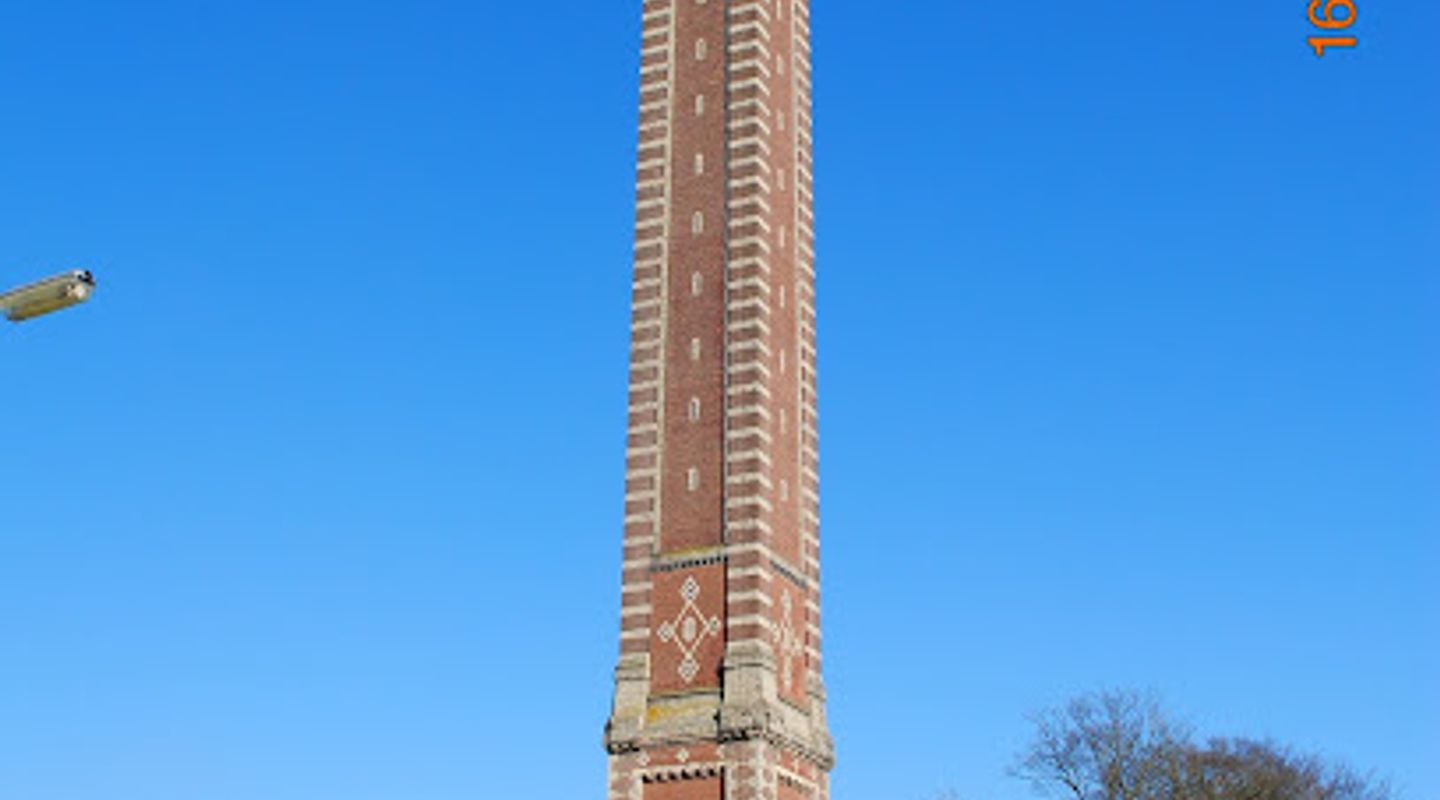
Cox's Stack is an 85-meter tall historic chimney located in Lochee, Dundee, and the tallest surviving industrial chimney in Scotland. Built in 1866 for the Cox Brothers’ Camperdown Works, once the largest jute factory globally, it features ornate Italianate brickwork and served as a symbol of Dundee’s industrial might. Today, it stands preserved amidst a leisure park, reflecting the city's rich jute manufacturing heritage and Victorian industrial architecture.
A brief summary to Cox's Stack
- Methven Walk, Dundee, Lochee, GB
- Duration: 0.5 to 1.5 hours
- Free
-
 Outdoor
- Mobile reception: 4 out of 5
- Monday 8 am-6 pm
- Tuesday 8 am-6 pm
- Wednesday 8 am-6 pm
- Thursday 8 am-6 pm
- Friday 8 am-6 pm
- Saturday 8 am-6 pm
- Sunday 8 am-6 pm

Know before you go
Hi, I'm Eve. Here are a few practical things to know before exploring Cox's Stack.
- Visit during daylight hours to fully appreciate the intricate brickwork and architectural details of Cox's Stack.
- Combine your visit with a walk around the nearby Stack Leisure Park for a blend of history and modern amenities.
- Bring a camera to capture the chimney’s unique Italianate design and its impressive height against the Dundee skyline.
- Learn about Dundee’s jute industry history through nearby museums such as Verdant Works for a deeper context.
Do you manage this location?
Take control to get all the benefits, like improved information, better appearance, and stronger visibility across AI-powered discovery. Learn more about listing your business on Evendo
Activate your presenceOther nearby places you may find interesting
The closest places of the same kind, if this one is not quite what you had in mind.
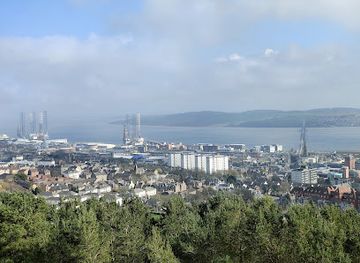


Explore Cox's Stack on the Map
A handpicked selection of must-see spots near Cox's Stack, mapped for you.
Getting There
-
Bus
Take the Stagecoach bus service 10 or 10A from Dundee city centre to Lochee. The journey takes approximately 15 to 20 minutes. Buses run frequently throughout the day, and a single fare costs around £2.50. The stop closest to Cox's Stack is Methven Walk, within a short walk of the site.
-
Car
Driving from Dundee city centre to Cox's Stack takes about 10 minutes via the A991 and Lochee Road. Limited parking is available near Methven Walk, and some spaces may require payment. Be aware that the area can be busy during peak hours.
-
Walking
For those staying in central Dundee, walking to Cox's Stack is feasible and takes approximately 40 to 50 minutes. The route is mostly flat and urban, suitable for casual walkers, but not recommended for those with mobility issues.
For the on-the-go comforts that matter to you
-
 Seating Areas
-
 Trash Bins
-
 Information Boards
Discover more about Cox's Stack
A Monument to Dundee's Jute Industry
Cox's Stack rises prominently in the Lochee district of Dundee, standing 282 feet (approximately 85 meters) tall, making it Scotland's tallest surviving industrial chimney. Constructed between 1865 and 1866, it was designed by architect James Maclaren and civil engineer George Addison Cox, one of the Cox brothers who owned the Camperdown Works. This chimney was an essential feature of the jute mill complex, serving as the main flue for smoke from 57 boilers powering the factory's machinery. Its construction used over a million bricks and cost around £6000, a significant investment at the time.Architectural Elegance and Engineering Feat
Unlike typical industrial chimneys, Cox's Stack is notable for its ornate Italianate style, resembling a bell tower more than a conventional chimney. It features multi-coloured brickwork with intricate stone trims resting on a masonry base. The design was intended to project the wealth and industrial power of the Cox Brothers and the city of Dundee itself. The chimney's height and robust construction provided sufficient draught for the mill’s boilers, enabling the operation of nearly a thousand power looms, a testament to the scale and technological advancement of the Camperdown Works.The Heart of Camperdown Works and Community Impact
The Camperdown Works, established in the mid-19th century, was once the largest jute factory in the world, sprawling over 35 acres and employing more than 5,000 workers. The Cox family transitioned from linen to jute manufacturing, which became Dundee’s dominant industry, earning the city the nickname 'Juteopolis.' The works were nearly self-sufficient, producing and repairing machinery on-site and supporting a wide range of trades beyond textile production. Cox's Stack symbolized the industrial prosperity that transformed Lochee from a village into a thriving community.Decline and Preservation
Jute production at Camperdown Works ceased in 1981 after 136 years of operation. Much of the factory complex was demolished in the 1980s, but Cox's Stack was preserved as a listed Category A building, recognizing its architectural and historical significance. The surrounding site was redeveloped into The Stack Leisure Park in the early 1990s, blending modern leisure facilities with this striking industrial relic. Today, Cox's Stack stands as a powerful reminder of Dundee’s industrial heritage and the city’s role in global textile manufacturing.Visitor Experience and Surroundings
Visitors to Cox's Stack can appreciate its imposing height and detailed brickwork up close, set against a small park area ideal for walking and reflection. The chimney remains a prominent local landmark visible from various points in Dundee, especially when approaching from the south across the River Tay. Nearby, the area has been revitalized with leisure and retail amenities, making it a pleasant destination for history enthusiasts and casual visitors alike.Legacy and Cultural Significance
Cox's Stack is more than an industrial chimney; it is a symbol of Dundee’s transformation during the Industrial Revolution and the global reach of its jute industry. The chimney’s preservation highlights the importance of maintaining industrial heritage sites that tell the story of working-class communities and technological progress. It continues to inspire interest in Dundee’s past and serves as a cultural icon within the city’s evolving urban landscape.












Your all‑in‑one travel companion app
Explore expert travel guides, compare and book tours, experiences, hotels, and more—all from the palm of your hand. Download now for seamless trip planning wherever your wanderlust takes you.


Explore More of Dundee
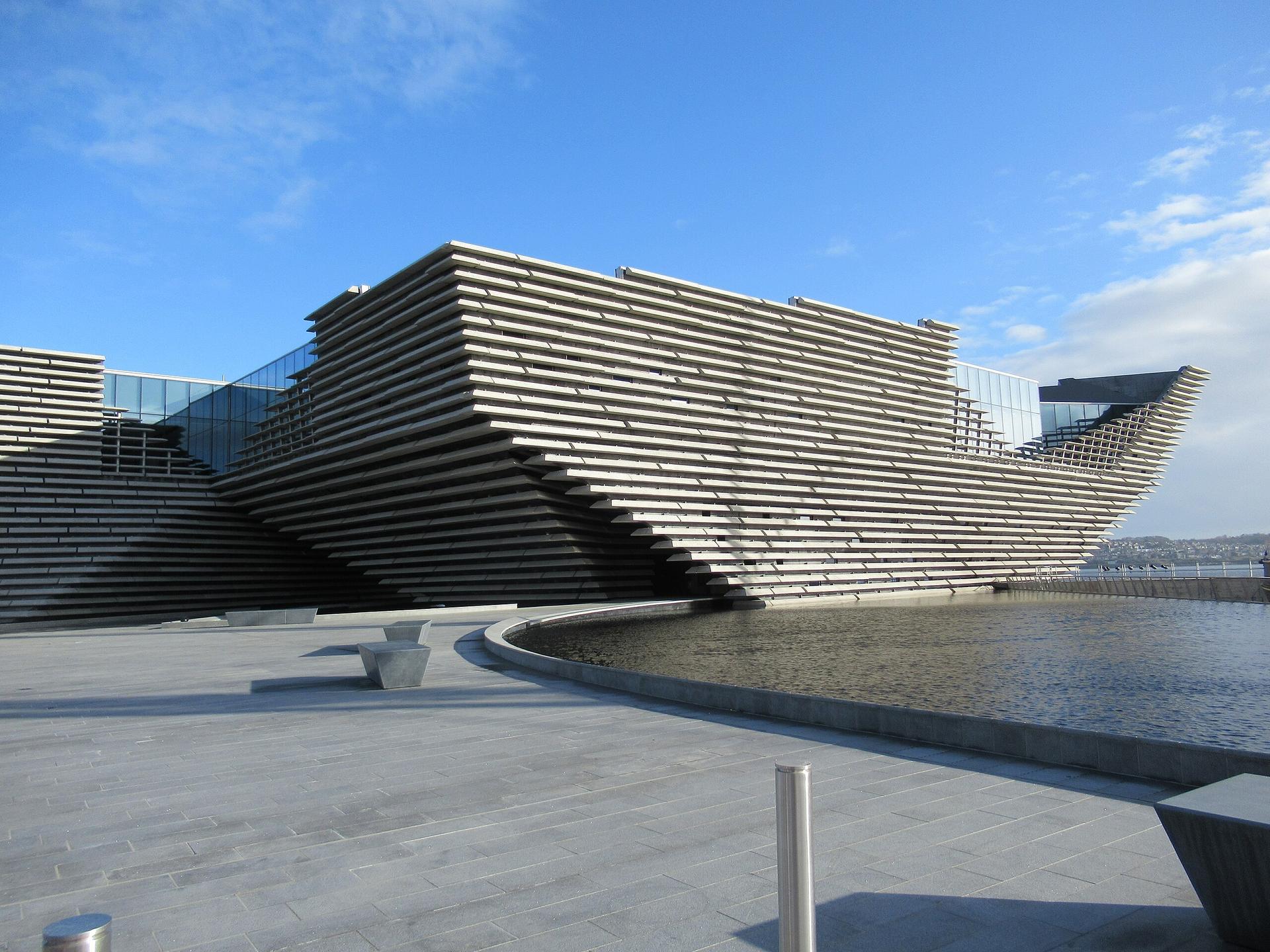
Looking beyond Cox's Stack? Discover Dundee for broader travel guides, local hot-spots, and regional highlights.
Explore Dundee