Maiden Castle Earthwork, Durham Travel Guide
Free Guide: Explore Durham’s ancient Iron Age promontory fort with its impressive earthworks nestled in tranquil woodland overlooking the River Wear.


A brief summary of Maiden Castle Earthwork
Explore Durham’s ancient Iron Age promontory fort with its impressive earthworks nestled in tranquil woodland overlooking the River Wear.
Maiden Castle in Durham is an Iron Age promontory fort featuring extensive earthworks, including a wide rampart and ditch system, set on a wooded hill overlooking the River Wear. Though largely wooded today with no visible surface occupation, its defensive structures reveal a complex history of construction phases from prehistoric to medieval times, making it a significant archaeological and historical landmark.
On-site amenities
 Information boards
 Seating areas
 Trash bins
Opening hours
- Every dayOpen 24 hours
Opening hours as listed on the venue’s Google Business Profile. Hours can change for services and special events, so check with the venue before you go.
- Address
- Durham DH1 3SE
Getting there
Bus
Car
Walking
Discover more about Maiden Castle Earthwork
Ancient Defensive Architecture on Whinney Hill
Perched atop Whinney Hill overlooking the River Wear, Maiden Castle is an Iron Age promontory fort characterized by its natural steep slopes on all sides except the west. The western approach is fortified by a substantial rampart approximately 18 feet wide and 7 feet high, accompanied by an external ditch about 4 feet deep. This defensive earthwork encloses a wedge-shaped area roughly 145 meters east-west and between 50 to 120 meters across, reflecting a strategic use of terrain to protect its inhabitants. The original entrance likely lay at the northern end of the western rampart, where a break in the ditch remains visible.
Phases of Construction and Medieval Enhancements
Excavations have revealed that the ramparts underwent at least three construction phases. Initially, a clay rampart was reinforced externally with cobbles and topped with a wooden palisade. Later modifications included cutting back the rampart interior to build a stone revetment wall, some stones bearing medieval mason’s marks. Wooden stakes were added for further strengthening, which were eventually burnt, indicating the ramparts’ final abandonment. The presence of 15th and 16th-century pottery fragments in the topsoil suggests continued activity or disturbance during the medieval period, though the main fortification dates back to the Iron Age.
Wooded Interior and Archaeological Context
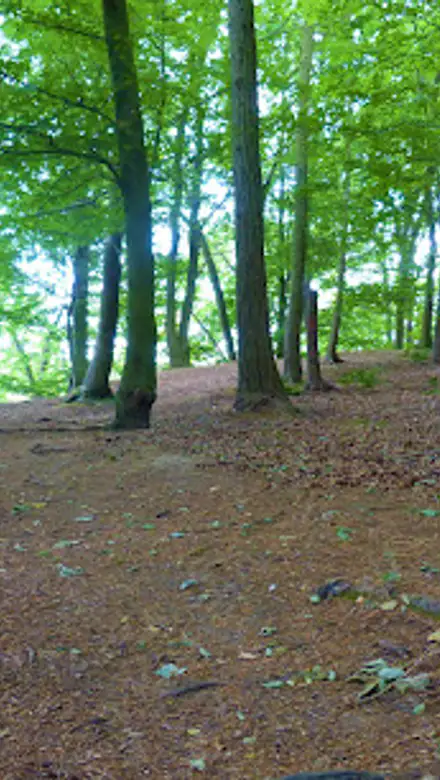
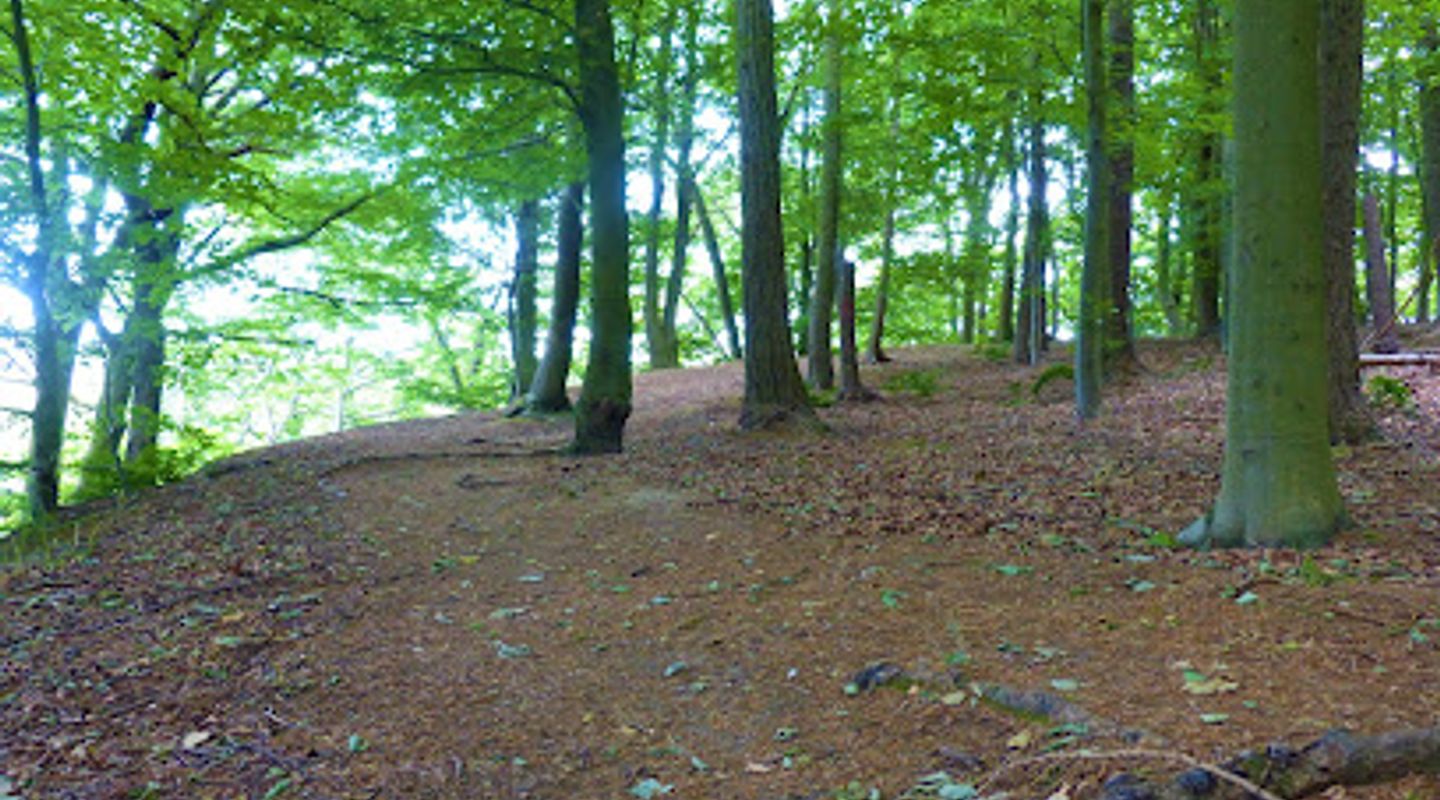
Today, the interior of Maiden Castle is densely wooded, with no visible surface signs of ancient occupation. This natural overgrowth conceals the historic earthworks but adds to the site's tranquil ambiance. The morphology and location of the fort strongly suggest its Iron Age origins, with later medieval activity. Despite limited excavation, the site remains a scheduled monument, protected for its archaeological significance within County Durham.
Historical Significance and Preservation
Maiden Castle is one of the few well-preserved prehistoric defensive sites in the region, providing valuable insights into Iron Age settlement patterns and defensive strategies. Its scheduled monument status ensures legal protection, preserving this heritage site for future generations. The combination of natural landscape and man-made earthworks offers a tangible connection to the distant past, inviting reflection on the lives of those who once inhabited this strategic hilltop.
Visitor Experience and Environment
Visitors to Maiden Castle experience a peaceful, wooded environment with scenic views of the River Wear floodplain. The site’s natural setting and historical earthworks create a unique atmosphere of quiet contemplation. While there are no visitor facilities on-site and the terrain can be uneven, the site offers an evocative glimpse into ancient defensive architecture amid a tranquil woodland setting.
Context within Durham’s Archaeological Landscape
Situated east of Durham city, Maiden Castle complements the rich archaeological tapestry of the area. Its proximity to the River Wear and commanding views underscore its strategic importance in prehistoric times. The site’s preservation amidst modern development highlights Durham’s commitment to protecting its cultural heritage, making Maiden Castle a key landmark for those interested in England’s ancient past.
Evendo Review Centre
 Google
Guest reviews
Best time to go
Quietest: Jan, Feb & Dec · before 6am or at 10pm
Busy times are Evendo estimates for a typical year, to help you plan. Actual crowds vary with events, school holidays and the weather.
Explore Maiden Castle Earthwork on the map
A handpicked selection of must-see spots near Maiden Castle Earthwork, mapped for you.
Get your free copy of our complete guide to Maiden Castle Earthwork, delivered straight to you.
Everything on this page, from opening hours and how to get there to Eve’s tips and the best time to go, in one PDF you can read offline, print or share.
Already have an account? Sign in
Your Maiden Castle Earthwork guide is ready.
We'll send it to · Not you? Sign out

Getting your guide ready…
We are putting together a fresh copy of the Maiden Castle Earthwork guide. This can take up to a minute.
This can take a few moments. If your browser asks, choose Allow so the download can start. You'll find the guide in your Downloads folder.
Nothing happened? Download it again
Sorry, the guide is taking longer than usual. Please try again in a minute, or get it by email instead.
Other nearby places you may find interesting
The closest places of the same kind, if this one is not quite what you had in mind.
-
-
-
-
-


Swipe for more places
More to explore near Maiden Castle Earthwork
-
 Best experiences near Maiden Castle Earthwork
-
 Best hotels near Maiden Castle Earthwork
-
 Best landmarks near Maiden Castle Earthwork
-
 Best attractions near Maiden Castle Earthwork
-
 Best shops near Maiden Castle Earthwork
-
 Best restaurants near Maiden Castle Earthwork
-
 Best bars near Maiden Castle Earthwork


Do you manage this location?
Take control to get all the benefits, like improved information, better appearance, and stronger visibility across AI-powered discovery.
Explore more

Explore more of Durham
Discover the unique blend of history and modernity in Durham. From the iconic Cathedral in England to the vibrant innovation hub in North Carolina.
Explore Durham
Explore more of United Kingdom
Discover the United Kingdom: A blend of rich history, stunning landscapes, and vibrant cities, offering a unique travel experience for every visitor.
Explore United Kingdom