

Worm's Head Travel Guide
Free Guide: Explore the dramatic tidal island of Worm's Head, a natural serpent-shaped marvel at Rhossili Bay, where land meets sea in a breathtaking dance of tides.


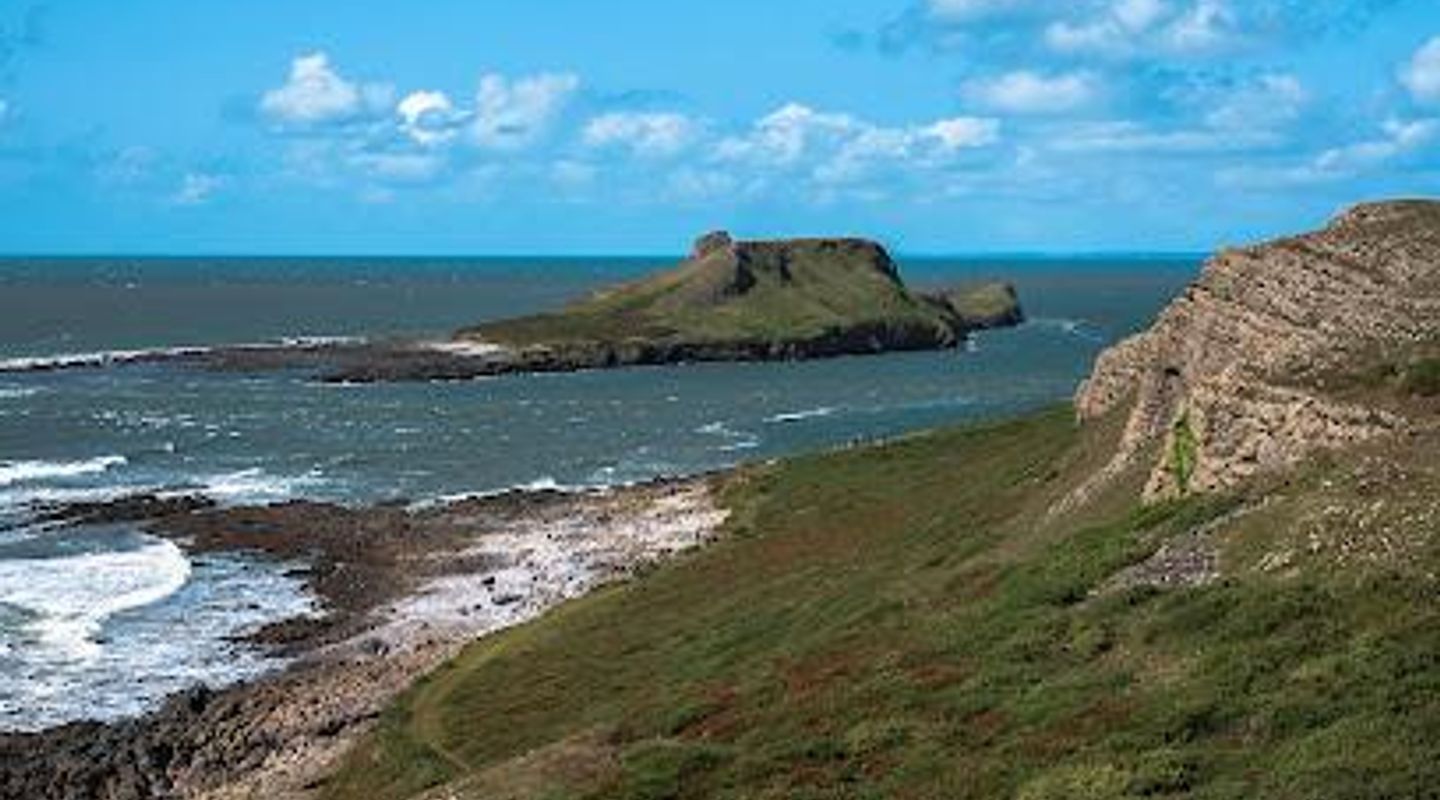
A brief summary of Worm's Head
Explore the dramatic tidal island of Worm's Head, a natural serpent-shaped marvel at Rhossili Bay, where land meets sea in a breathtaking dance of tides.
Worm's Head is a striking tidal island located at Pen Pyrod, Bay, Rhossili, renowned for its dramatic cliffs, rich maritime history, and spectacular coastal views. Accessible only around low tide via a natural causeway, it offers visitors a unique experience of walking across the sea bed to explore its rugged promontories and diverse wildlife. The site is part of the Gower Peninsula, a designated Area of Outstanding Natural Beauty in Wales, and is famed for its natural beauty and challenging tides.
On-site amenities
 Restrooms
 Drink options
 Food options
 Seating areas
 Information boards
Opening hours
- Every dayOpen 24 hours
Opening hours as listed on the venue’s Google Business Profile. Hours can change for services and special events, so check with the venue before you go.
- Address
- Pen Pyrod, Bay, Rhossili
Getting there
Bus
Car
Walking
Discover more about Worm's Head
A Natural Wonder Shaped by the Tides
Worm's Head is a tidal island situated off the southwestern tip of the Gower Peninsula near Rhossili Bay. Its name derives from the Old English word "wyrm," meaning serpent or dragon, reflecting the island’s sinuous shape resembling a giant sea serpent when viewed from the shore. The island is accessible only during low tide, when a rocky causeway emerges from the sea, allowing visitors to cross safely for roughly two and a half hours either side of low tide. This tidal rhythm is crucial to the island’s character and demands careful planning for visitors to avoid being stranded by the returning sea.
Geological and Ecological Richness
The island’s rugged cliffs and rocky shorelines are composed of Carboniferous limestone, creating dramatic formations that attract geologists and nature lovers alike. Worm's Head supports a variety of seabirds, including guillemots, razorbills, and cormorants, which nest along its cliffs. The surrounding waters teem with marine life, making it a favored spot for wildlife observation. The island’s ecology is sensitive, and visitors are encouraged to respect the natural habitat to preserve its unique biodiversity.
Historical and Cultural Significance
Worm's Head and the adjacent Rhossili Bay have a rich maritime history marked by numerous shipwrecks caused by the area’s strong westerly winds and treacherous coastline. Among these is the wreck of the Helvetia, visible at low tide on the sands of Rhossili Beach. The National Coastwatch Institute maintains a lookout nearby, a Victorian-era structure now staffed by volunteers who monitor the tides and ensure visitor safety. The island and surrounding coast have inspired local legends and continue to be a symbol of natural beauty and resilience in Welsh culture.
Visitor Experience and Activities
Visitors to Worm's Head can enjoy a scenic walk along the cliffs of Rhossili Bay, with panoramic views of the three main promontories of the island: the Inner Head, the Middle Head, and the Outer Head. The Outer Head is the highest point and offers spectacular vistas across the Bristol Channel. The walk to and across the causeway is moderately challenging due to uneven terrain and tidal timing but rewards visitors with a rare opportunity to explore a dynamic coastal environment. Birdwatching, photography, and tidepool exploration are popular activities here.
Safety and Accessibility Considerations
Because Worm's Head is accessible only during low tide, visitors must consult tide tables and heed advice from the National Coastwatch Institute to ensure safe crossing times. The causeway can be slippery and uneven, requiring sturdy footwear and caution. There are no facilities on the island itself, so visitors should come prepared. The surrounding area offers amenities such as restrooms and a National Trust shop near the car park at Rhossili, which serves as the main starting point for visits.
Conservation and Landscape Context
Worm's Head is part of the Gower Peninsula, the first area in the UK to be designated an Area of Outstanding Natural Beauty. This status helps protect the landscape and wildlife from development and preserves its natural state for future generations. The island’s fragile environment benefits from ongoing conservation efforts and responsible tourism practices. Visitors are encouraged to follow Leave No Trace principles to minimize their impact on this treasured coastal landmark.
Evendo Review Centre
 Google
Guest reviews
Best time to go
Quietest: Jan, Feb & Dec · before 3am
Busy times are Evendo estimates for a typical year, to help you plan. Actual crowds vary with events, school holidays and the weather.
Explore Worm's Head on the map
A handpicked selection of must-see spots near Worm's Head, mapped for you.
Get your free copy of our complete guide to Worm's Head, delivered straight to you.
Everything on this page, from opening hours and how to get there to Eve’s tips and the best time to go, in one PDF you can read offline, print or share.
Already have an account? Sign in
Your Worm's Head guide is ready.
We'll send it to · Not you? Sign out

Getting your guide ready…
We are putting together a fresh copy of the Worm's Head guide. This can take up to a minute.
This can take a few moments. If your browser asks, choose Allow so the download can start. You'll find the guide in your Downloads folder.
Nothing happened? Download it again
Sorry, the guide is taking longer than usual. Please try again in a minute, or get it by email instead.
Unlock the best of Worm's Head
Skip-the-line tickets, guided tours with entry, and walking tours of the area, booked in a few clicks.

Other nearby places you may find interesting
The closest places of the same kind, if this one is not quite what you had in mind.
-
-
-
-
-


Swipe for more places
More to explore near Worm's Head

 Best experiences near Worm's Head
 Best hotels near Worm's Head
 Best landmarks near Worm's Head
 Best attractions near Worm's Head
 Best shops near Worm's Head
 Best restaurants near Worm's Head
 Best bars near Worm's Head
Do you manage this location?
Take control to get all the benefits, like improved information, better appearance, and stronger visibility across AI-powered discovery.
Explore more
Explore more of Dyfed
Experience the natural beauty and rich history of Dyfed, Wales, where coastal charm meets cultural heritage in a breathtaking setting.
Explore Dyfed
Explore more of United Kingdom
Discover the United Kingdom: A blend of rich history, stunning landscapes, and vibrant cities, offering a unique travel experience for every visitor.
Explore United Kingdom
