Ballinbreich Castle, Fife Travel Guide
Explore the evocative ruins of Ballinbreich Castle, a historic 14th-century stronghold overlooking the scenic River Tay in Fife.
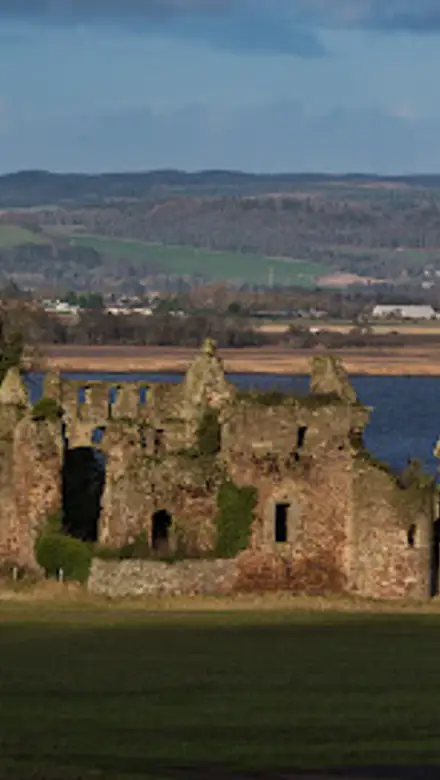
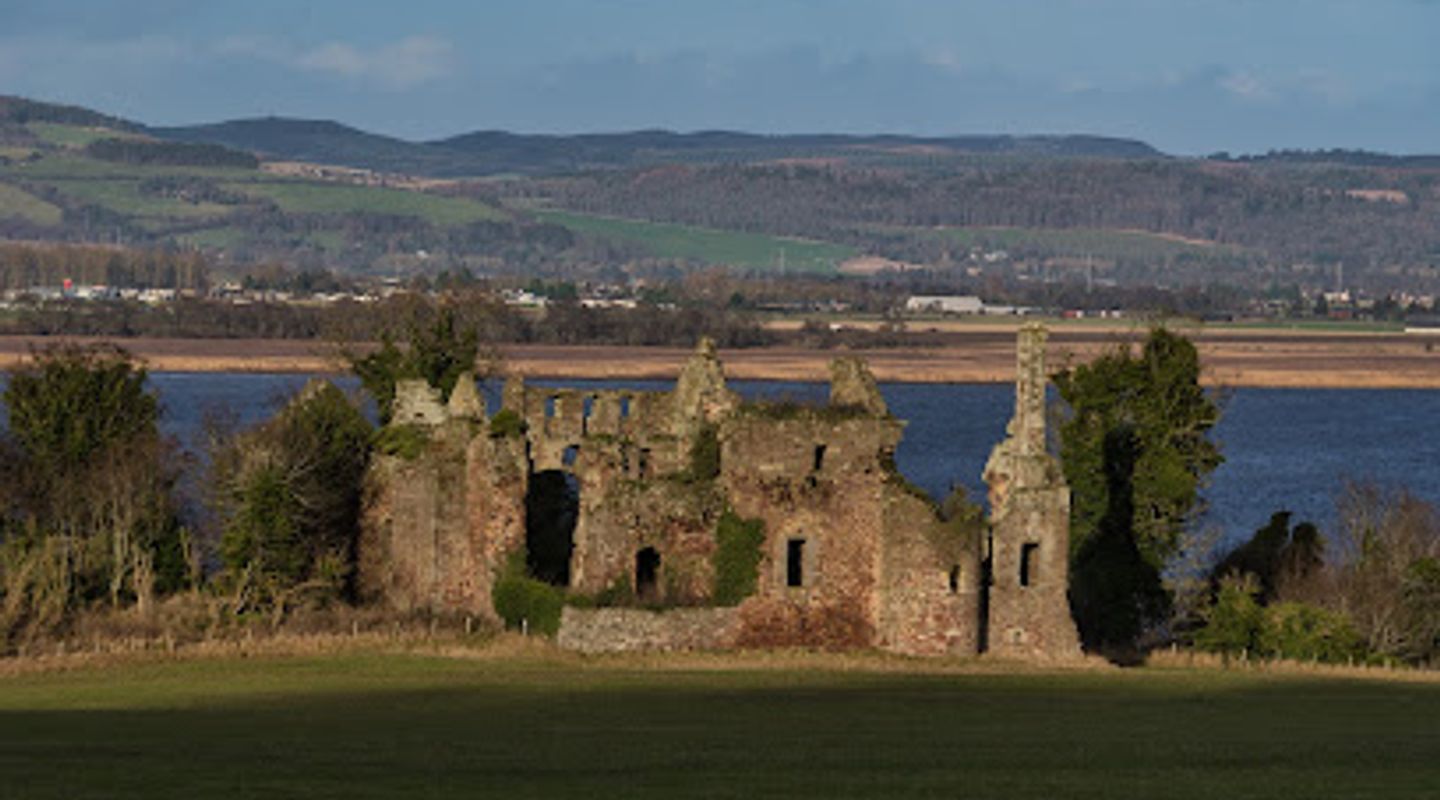
Ballinbreich Castle is a striking 14th-century courtyard castle ruin located near Cupar, Fife, overlooking the River Tay. Originally built by Clan Leslie, it was expanded and modified through the 16th century. The castle’s name derives from the Gaelic 'Balan-breac,' meaning 'town of trouts,' reflecting its riverside setting. Once a powerful stronghold and home to the Earls of Rothes, the castle now stands as an evocative ruin surrounded by rich Scottish history and scenic river views.
A brief summary to Ballinbreich Castle
- Cupar, GB
- Click to display
- Duration: 0.5 to 2 hours
- Free
-
 Outdoor
- Mobile reception: 4 out of 5

Know before you go
Hi, I'm Eve. Here are a few practical things to know before exploring Ballinbreich Castle.
- Wear sturdy footwear as the castle ruins are uneven and can be slippery, especially after rain.
- Bring a camera to capture the moss-covered stone walls and panoramic views of the River Tay.
- Visit during daylight hours to fully appreciate the castle’s architectural details and riverside setting.
- Combine your visit with nearby historic sites in Fife, such as Leslie House or Lindores Abbey.
Do you manage this location?
Take control to get all the benefits, like improved information, better appearance, and stronger visibility across AI-powered discovery. Learn more about listing your business on Evendo
Activate your presenceOther nearby places you may find interesting
The closest places of the same kind, if this one is not quite what you had in mind.
Explore Ballinbreich Castle on the Map
A handpicked selection of must-see spots near Ballinbreich Castle, mapped for you.
Getting There
-
Car
Driving from Cupar to Ballinbreich Castle takes approximately 15-20 minutes via local roads. Parking is limited near the site, so plan to park in nearby designated areas and walk the last stretch. No parking fees apply.
-
Bus
Regional bus services connect Cupar to Newburgh, with a stop near Ballinbreich Castle reachable by a 20-minute walk. Buses run several times daily, with fares around £3-£5 one way. Check local timetables for current schedules.
-
Walking
From Newburgh, a scenic 30-40 minute walk along country lanes and riverside paths leads to the castle ruins. Terrain is mostly flat but can be muddy after rain; suitable for moderate fitness levels.
For the on-the-go comforts that matter to you
-
 Information Boards
-
 Seating Areas
-
 Trash Bins
Discover more about Ballinbreich Castle
Origins and Early History of Ballinbreich Castle
Ballinbreich Castle traces its origins to the 14th century when the Leslie family acquired the lands near the south bank of the River Tay around 1312. The site itself had earlier associations with the Abernethy family from the 12th century. The name Ballinbreich is a corruption of the Gaelic term "Balan-breac," which translates to "town of trouts," a fitting name given the castle’s commanding views over the trout-rich Tay. The Leslies constructed the initial castle using an L-plan layout featuring a tower and an internal stairway, enclosed by a curtain wall that formed a rectangular courtyard.Architectural Evolution and Significance
Over the centuries, Ballinbreich Castle underwent significant modifications, especially in the 16th century under Alexander Leslie. These changes expanded and strengthened the castle, transforming it into a substantial tower house with multiple storeys and defensive features, including a moat. The castle served as the seat of the Earls of Rothes, a title granted to the Leslie family in 1457. The castle’s architecture reflects a blend of medieval defensive design and Renaissance influences, with remnants of curtain walls and towers still visible today.Historical Events and Notable Visitors
Ballinbreich Castle played a role in Scotland’s turbulent history, witnessing clan alliances and noble intrigues. The Leslie family’s coat of arms, incorporating the Abernethy red lion, symbolizes their heritage and status. Mary, Queen of Scots, is recorded to have visited the castle in 1565 during her royal progresses, underscoring its importance as a noble residence. The castle’s history includes dramatic episodes involving the Earls of Ross and Rothes, some of whom met violent ends, adding to the castle’s storied past.Decline and Present-Day Ruins
In the 19th century, the estate was sold to the Dundas family of Kerse to finance the rebuilding of Leslie House. With the new owners’ focus elsewhere, Ballinbreich Castle gradually fell into disrepair. Today, the castle stands as an evocative ruin, its moss-covered stone walls and surviving architectural fragments offering a glimpse into its former grandeur. The site’s riverside location enhances its scenic appeal, making it a compelling destination for history enthusiasts and photographers.Cultural Legacy and Clan Identity
Ballinbreich remains a symbol of Clan Leslie’s heritage, with the clan’s battle cry still echoing the castle’s name. The castle’s connection to the Abernethy family and the Earls of Rothes is reflected in heraldry and local lore. Its evocative ruins inspire interest in Scotland’s feudal past, clan dynamics, and architectural evolution. The castle’s setting beside the River Tay also ties it to Scotland’s natural heritage and fishing traditions.Visitor Experience and Surroundings
Visitors to Ballinbreich Castle can explore the atmospheric ruins set in a tranquil riverside environment. The site offers panoramic views of the River Tay and surrounding countryside, ideal for photography and quiet reflection. While the castle itself is a ruin without visitor facilities, its proximity to Cupar and other historic sites in Fife makes it a rewarding stop for those interested in Scottish history and landscape.












Your all‑in‑one travel companion app
Explore expert travel guides, compare and book tours, experiences, hotels, and more—all from the palm of your hand. Download now for seamless trip planning wherever your wanderlust takes you.


Explore More of Fife
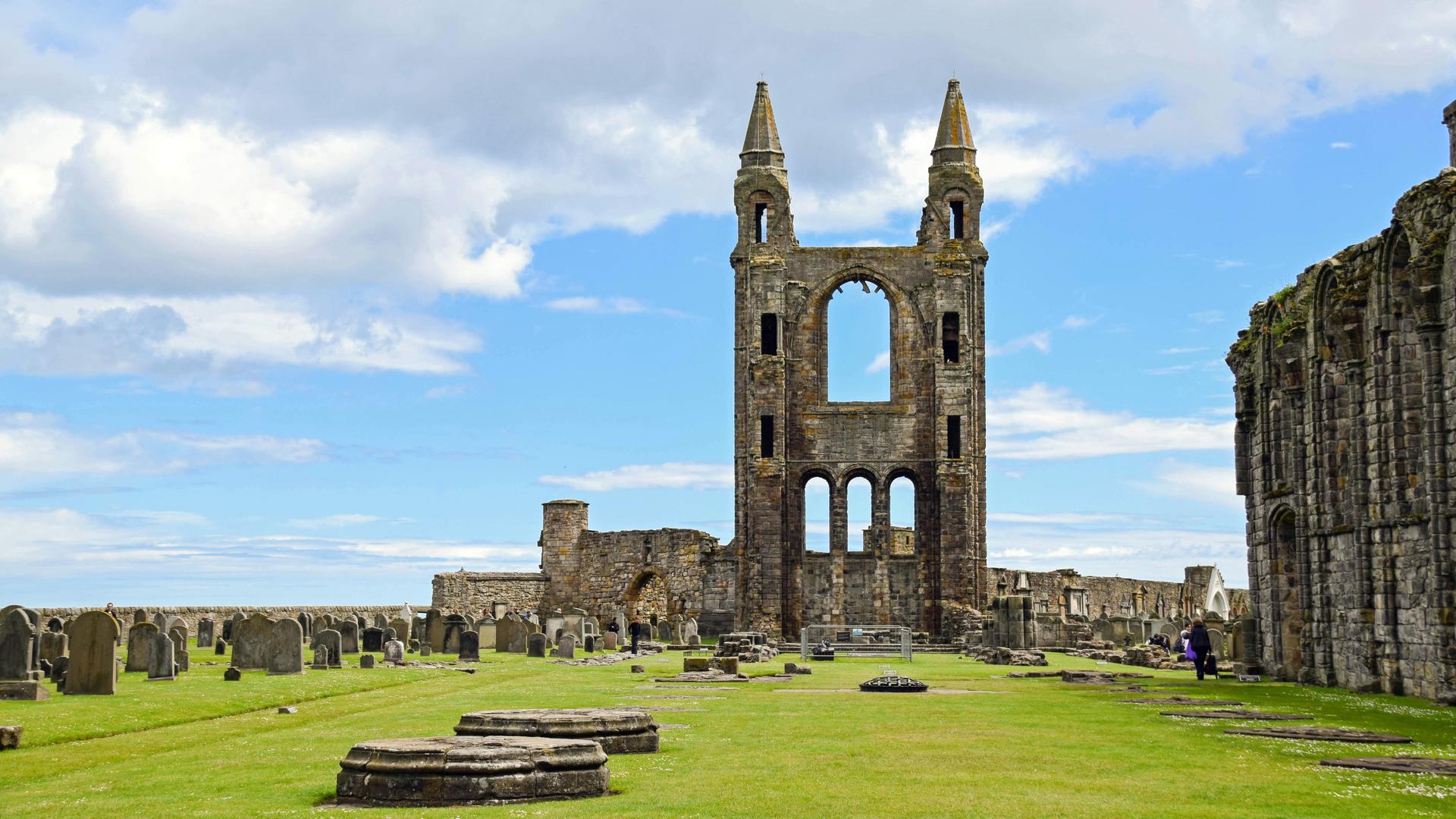
Looking beyond Ballinbreich Castle? Discover Fife for broader travel guides, local hot-spots, and regional highlights.
Explore Fife
Explore the haunting Gothic ruins of Crawford Priory, a grand 19th-century estate shaped by the enigmatic Lady Mary Lindsay Crawford in scenic Fife.
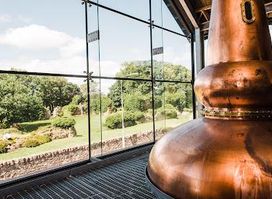
Discover Scotland’s whisky origins at Lindores Abbey Distillery, where history, heritage, and exceptional single malts come alive.