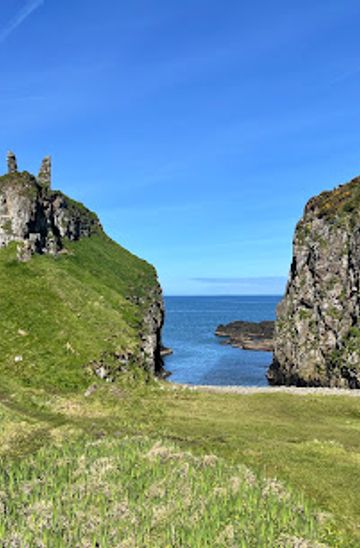
Dunseverick Castle, Northern Ireland Travel Guide
Explore the ancient ruins of Dunseverick Castle perched on Northern Ireland’s dramatic Causeway Coast, where history meets breathtaking ocean vistas.
Perched on a rugged basalt promontory along Northern Ireland’s Causeway Coast, Dunseverick Castle is one of Ireland’s oldest castle sites with roots tracing back to the 5th century. Once a royal stronghold of the Dál Riada kingdom and a site visited by Saint Patrick, its crumbling ruins offer dramatic ocean views and a glimpse into a rich tapestry of history, myth, and legend. The castle’s atmospheric remains and surrounding coastal paths make it a captivating destination for history enthusiasts and nature lovers alike.
A brief summary to Dunseverick Castle
- 55°07'57.5N 6°02'29.4W, Bushmills, GB
- Duration: 0.5 to 1.5 hours
- Free
-
 Outdoor
- Mobile reception: 3 out of 5

Know before you go
Hi, I'm Eve. Here are a few practical things to know before exploring Dunseverick Castle.
- Wear sturdy footwear as some areas around the castle can be boggy and uneven, especially after rain.
- Visit during daylight hours for safety and the best views of the coastline and ruins.
- Combine your visit with a hike along the Causeway Cliff Path to the Giant’s Causeway for a scenic coastal experience.
- Bring layers and waterproof clothing as coastal weather can change quickly and be windy.
- Photography enthusiasts should consider visiting during golden hour for stunning light on the ruins and ocean.
Do you manage this location?
Take control to get all the benefits, like improved information, better appearance, and stronger visibility across AI-powered discovery. Learn more
Activate your presenceOther nearby places you may find interesting
The closest places of the same kind, if this one is not quite what you had in mind.
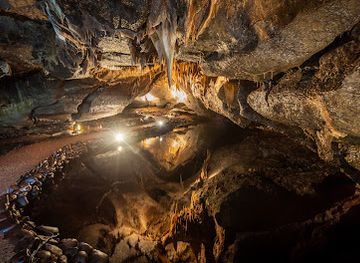



Explore Dunseverick Castle on the Map
A handpicked selection of must-see spots near Dunseverick Castle, mapped for you.
Getting There
-
Bus
Take the local bus service from Ballycastle to Dunseverick Castle, which runs approximately every 30 minutes during peak season. The journey takes around 25 to 35 minutes. Tickets cost about £5–£7 one way. Note that service frequency reduces in winter months.
-
Car
Driving from Ballycastle, the castle is about a 15-minute drive via the Causeway Coastal Route. There is a small parking area near the castle ruins. Parking is free but limited in capacity. The road can be narrow and winding, so drive carefully.
-
Walking
For hikers, the Causeway Cliff Path connects Dunseverick Castle to the Giant’s Causeway in a scenic 1 hour 40 minutes to 2 hours walk each way. The trail involves uneven terrain and some steep sections, so suitable footwear and moderate fitness are recommended.
For the on-the-go comforts that matter to you
-
 Seating Areas
-
 Picnic Areas
-
 Information Boards
Discover more about Dunseverick Castle
Origins and Ancient Significance
Dunseverick Castle’s history stretches back over 1,500 years, making it one of Ireland’s most ancient castle sites. Originally a stone fort, it was first fortified by Sobhairce around the 5th century AD and later became the seat of the Dál Riada Gaelic kingdom in the 6th century. This kingdom spanned parts of northeast Ireland and western Scotland, linking the two regions culturally and politically. The site’s importance is further underscored by its connection to Saint Patrick, who is said to have visited and baptized Olcán, a local man destined to become a bishop. The nearby oval depression, known as Saint Patrick’s Well, is believed to be a holy well associated with this visit.Medieval History and Decline
Throughout the centuries, Dunseverick Castle was a strategic stronghold and witnessed numerous conflicts. It was attacked by Viking raiders in the late 9th and early 10th centuries and later became a center of power for the Earls of Ulster and the O’Cahan and MacDonnell families. The castle was ultimately captured and destroyed by General Robert Munro’s Scottish forces in 1642 during the Irish Confederate Wars, and further damaged by Cromwellian troops in the 1650s. A small residential tower remained until 1978 when it collapsed into the sea, leaving only the ruins of the gatehouse and earthworks visible today.Setting and Atmosphere
The castle ruins sit dramatically atop a steep-sided basalt stack overlooking the Atlantic Ocean, offering panoramic views of the rugged coastline. The site’s wild and windswept environment enhances its mystical aura, evoking images of ancient kings surveying their sea-kingdoms and tales of battles long past. The surrounding landscape features low earthworks, ditches, and embankments, remnants of the fortifications that once protected the stronghold. The coastal path nearby connects Dunseverick to the Giant’s Causeway and Dunseverick Harbour, making it a scenic spot for walkers and photographers.Visitor Experience and Accessibility
Today, Dunseverick Castle is managed by the National Trust and is freely accessible year-round. Visitors can explore the ruins and enjoy the coastal views at any time, though daylight hours are recommended for safety. The terrain can be boggy and uneven, so sturdy footwear is advised. There are no formal facilities such as restrooms or visitor centers directly at the site, but nearby attractions like the Giant’s Causeway provide amenities. The Causeway Cliff Path offers a popular hiking route linking Dunseverick Castle with other coastal landmarks, ideal for those seeking a nature escape combined with historical exploration.Legends and Cultural Heritage
The castle is steeped in Irish mythology and folklore. It is reputedly connected to the ancient High King’s Road, Slige Midluchra, which linked Tara to Dunseverick. Local legends speak of banshees and dramatic events such as the castle kitchens falling into the sea during a storm. The site also holds archaeological interest, with finds including medieval pottery and evidence of early medieval occupation in nearby caves. This rich cultural heritage adds layers of intrigue to the visitor experience.Conservation and Natural Beauty
While much of the castle has succumbed to time and the encroaching sea, efforts have been made to stabilize the remaining structures. The natural environment surrounding Dunseverick Castle is a protected area featuring wildlife habitats and spectacular coastal scenery. The combination of historical ruins and unspoiled nature makes it a unique destination for those interested in sustainable tourism and heritage preservation.












Your all‑in‑one travel companion app
Explore expert travel guides, compare and book tours, experiences, hotels, and more—all from the palm of your hand. Download now for seamless trip planning wherever your wanderlust takes you.


Explore More of Northern Ireland
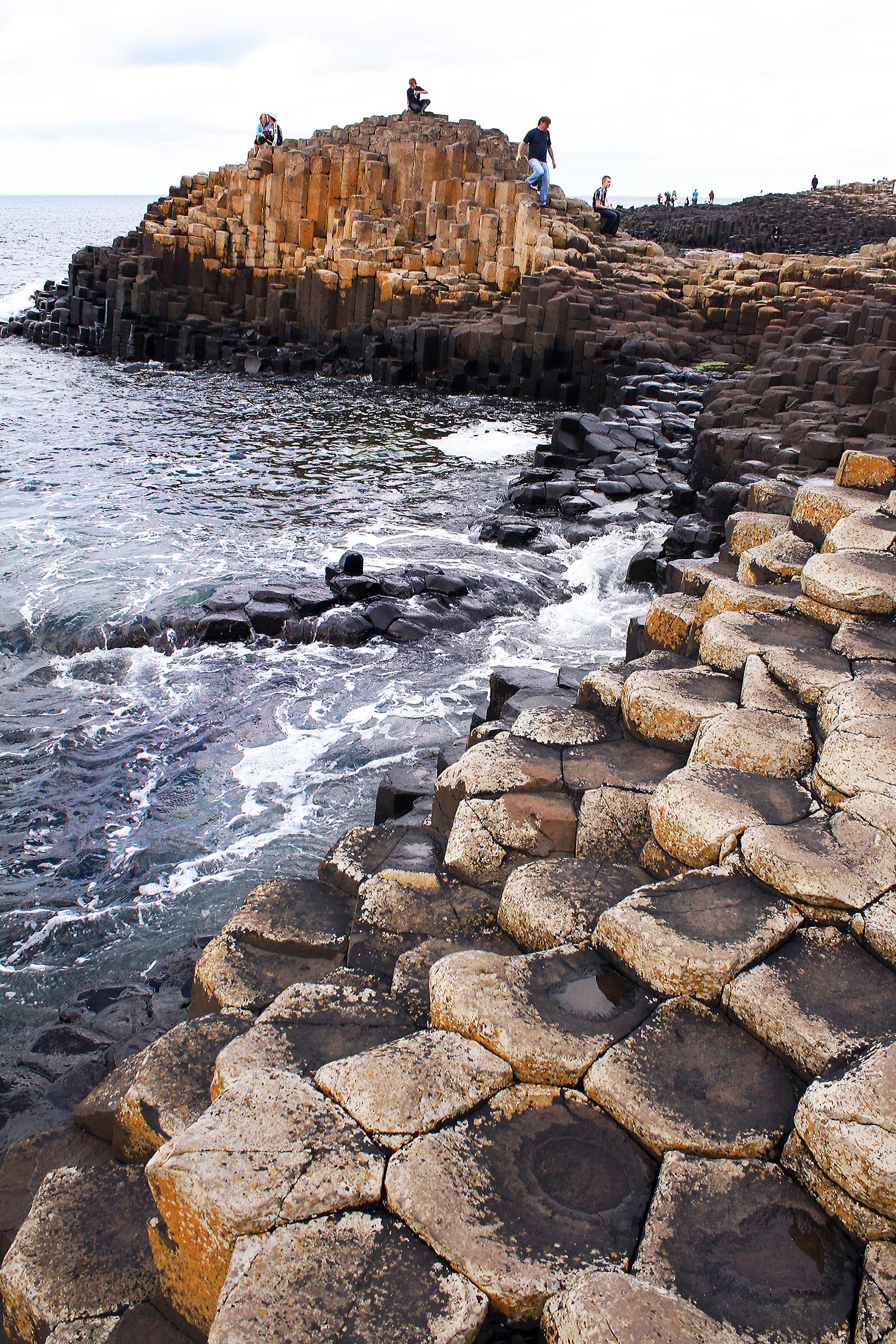
Looking beyond Dunseverick Castle? Discover Northern Ireland for broader travel guides, local hot-spots, and regional highlights.
Explore Northern Ireland