
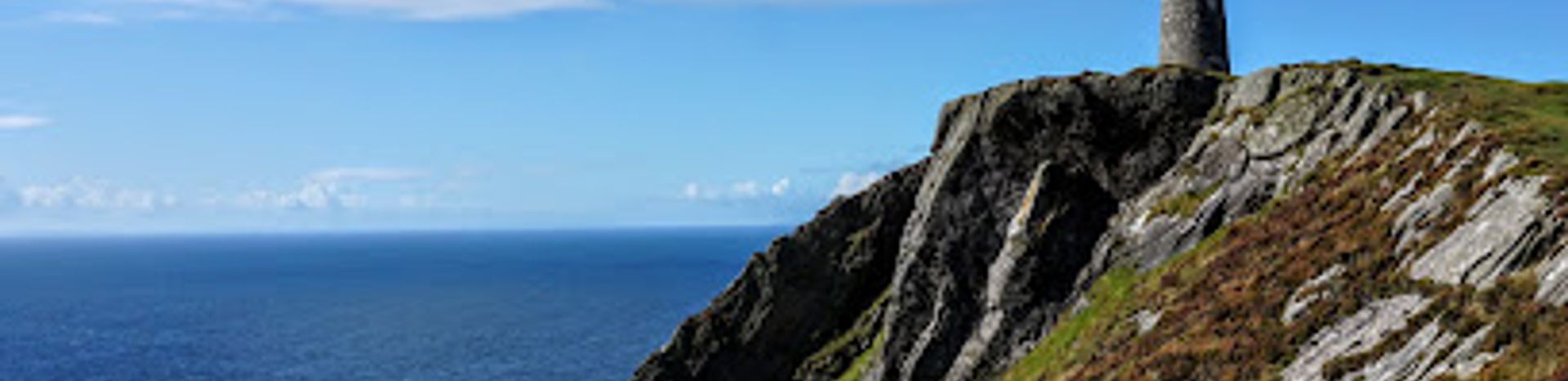
American Monument
A lighthouse-shaped war memorial honouring over 600 lives lost at sea during World War I, standing sentinel on a remote Scottish clifftop.
A lighthouse-shaped war memorial standing 131 metres high on the windswept Mull of Oa peninsula at the southern tip of Isle of Islay, Scotland. Erected by the American Red Cross in 1920, this solemn monument commemorates over 600 American servicemen and British crew members who perished when two troopships—the Tuscania and the Otranto—were lost in tragic circumstances during World War I in 1918. The monument's prominent clifftop position offers sweeping views across the Atlantic and overlooks the very waters where the Tuscania sank after being torpedoed by a German U-boat.
A brief summary to American Monument
- Mull of Oa, Isle of Islay, PA42 7AU, GB
- Visit website
- Duration: 2 to 3 hours
- Free
-
 Outdoor
- Mobile reception: 2 out of 5
Local tips
- Allow 2–3 hours for the complete experience, including the drive from Port Ellen, the walk to the monument, and time to absorb the historical significance and views. The final approach involves a hiking trail with uneven terrain.
- Visit on a clear day for optimal visibility and photography. The monument is visible from many parts of Islay, but the clifftop views are most dramatic in good weather. Wind and fog are common; dress warmly and bring waterproof layers.
- Combine your visit with Kilchoman Military Cemetery (where British crew members are buried) and the Museum of Islay Life in Port Charlotte (which displays the ship's bell from the Tuscania) to deepen your understanding of these maritime tragedies.
- The single-track road to The Oa can be narrow and winding. Drive carefully, particularly in poor visibility or winter conditions. The car park at the road's end is small; arrive early during peak season to secure parking.
- Bring sturdy footwear and a torch if visiting in winter months when daylight is limited. There are no facilities at the monument itself; carry water and provisions from Port Ellen.

For the on-the-go comforts that matter to you
- Trash Bins
- Information Boards
Getting There
-
Car from Port Ellen
Drive south from Port Ellen on the single-track A846 road, passing through Port Ellen Distillery and curving around Kilnaughton Bay. Continue inland through the settlements of Cragabus, Coillabus, and Risabus. The road terminates at a small car park approximately 5 miles from Port Ellen, taking 15–20 minutes. From the car park, follow the marked walking trail to the monument (approximately 1.5–2 km on foot, 30–45 minutes depending on fitness and terrain). The road is narrow and winding; exercise caution, particularly in poor visibility or winter conditions. No fuel or services are available on The Oa; fill up in Port Ellen before departing.
-
Guided tour from Port Ellen
Several local tour operators on Islay offer guided excursions to the American Monument, typically departing from Port Ellen or Bowmore. Tours generally last 3–4 hours and include transport, guided interpretation, and sometimes visits to related sites such as Kilchoman Military Cemetery. Prices typically range from £35–£60 per person. Tours are seasonal and must be booked in advance; availability is highest from April to October.
-
Walking from Port Ellen
A long-distance walking route connects Port Ellen to the American Monument via coastal and moorland paths, approximately 12–15 km one way. This is a full-day expedition suitable only for experienced walkers with proper equipment, navigation skills, and weather awareness. The terrain is rough, exposed, and can be boggy. Allow 5–7 hours for the outbound journey. This option is best undertaken in summer months (May–September) with clear weather and daylight.
American Monument location weather suitability
-
 Clear Skies
-
 Mild Temperatures
-
 Windy Conditions
Discover more about American Monument
A Monument to Maritime Tragedy
The American Monument stands as a solemn sentinel on the Mull of Oa, a remote rocky peninsula forming the southwestern extremity of Isle of Islay. Designed by Scottish architect Robert Walker and erected by the American Red Cross in 1920, this distinctive lighthouse-shaped structure rises over 20 metres from a clifftop perched 131 metres above the sea. The monument's prominent position ensures it remains visible from many vantage points across Islay, serving as a constant reminder of the human cost of World War I. The memorial commemorates two catastrophic maritime disasters that unfolded within eight months of each other in 1918. On 5 February 1918, the S.S. Tuscania, a passenger liner carrying approximately 2,000 American soldiers and over 300 crew members en route from New Jersey to France, was struck by a torpedo fired from the German U-boat UB-77 commanded by Captain Wilhelm Meyer. The direct hit caused severe damage, and the vessel sank within hours, approximately seven miles off the Mull of Oa. An estimated 230 lives were lost during the abandonment and subsequent wreckage of lifeboats on the rocky shores of The Oa.The Second Tragedy and Shared Sorrow
Just over eight months later, on 6 October 1918, a second catastrophe unfolded when the H.M.S. Otranto, heavily laden with American servicemen, collided with the steamship H.M.S. Kashmir in dense fog near Machir Bay on Islay's northwestern coast. The collision proved fatal for 431 souls: 80 members of the British crew and 351 American servicemen. The victims were initially buried in a military cemetery established at Kilchoman, overlooking the site of the tragedy, before being repatriated in 1920. The British crew members remain interred at Kilchoman Military Cemetery, their graves a lasting testament to shared sacrifice across nations.The Monument's Design and Inscriptions
The monument's distinctive lighthouse form reflects its maritime context and serves as a beacon of remembrance. Two plaques adorn the structure: a large one on the eastern face resembling an entrance door, and a smaller bronze wreath set in a plinth near the base, a tribute from President Woodrow Wilson. The main plaque bears an inscription of profound poignancy: "Sacred to the immortal memory of those American Soldiers and Sailors who gave their lives for their country in the wrecks of the transports Tuscania (feb 5th 1918) and Otranto (October 6th 1918). The monument was erected by The American Red Cross near the spot where so many of the victims of the disasters sleep in everlasting peace." Above this dedication, an eagle carrying a wreath crowns the plaque, symbolising American valour and remembrance. The epitaph inscribed on the monument reads: "On Fame's Eternal camping ground, Their silent tents are spread, While Glory keeps with solemn round, The bivouac of the dead." These words, drawn from a Civil War poem, resonate with particular power in this isolated Scottish setting.The Journey to The Oa
Reaching the American Monument requires commitment and effort, reflecting the remote character of The Oa peninsula. The journey begins from Port Ellen, following a minor single-track road that winds through the remaining buildings of Port Ellen Distillery and curves around the head of Kilnaughton Bay before climbing into the peninsula's interior. The road passes through tiny settlements—Cragabus, Coillabus, and Risabus—before terminating at a small car park approximately five miles from Port Ellen. From this point, visitors must undertake a walking trail to reach the monument itself, a journey that rewards effort with increasingly dramatic coastal vistas.Landscape and Atmosphere
The Oa peninsula presents a landscape of raw, windswept beauty. Once home to a significant population in the mid-1800s, the area experienced dramatic depopulation through clearance and emigration, leaving it remote and sparsely inhabited today. This isolation enhances the monument's emotional impact; standing before it, visitors confront not only the weight of historical tragedy but also the profound silence of an abandoned landscape. The clifftop setting, with Atlantic winds and the sound of waves far below, creates an atmosphere of contemplation and reverence. On clear days, the monument's visibility from distant parts of Islay underscores its role as a geographical and spiritual landmark, drawing the eye across the moorland and sea.Iconic landmarks you can’t miss

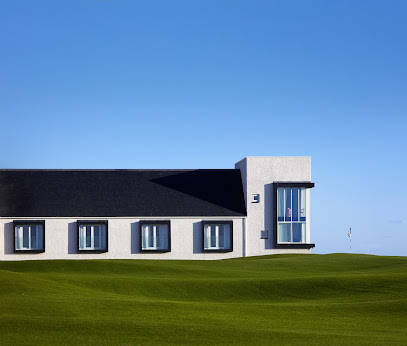
The Machrie
9.5 km
A stylish coastal retreat on Islay blending world-class golf, modern luxury, and serene Hebridean landscapes.
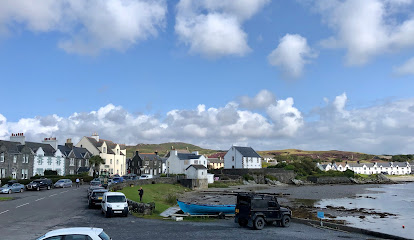
Port Ellen War Memorial
10.0 km
A solemn memorial to local sacrifice, standing witness to two world wars and maritime tragedy.
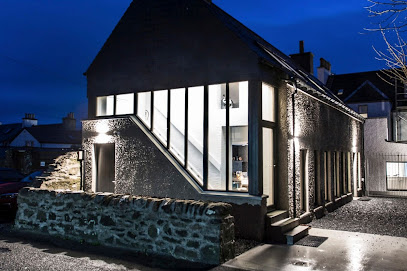
Leodamais
10.3 km
Luxury self-catering homes overlooking Leodamais beach, blending coastal tranquility with Islay’s rich heritage and whisky culture.
Old Lochindaal Distillery Warehouses
17.0 km
Historic whisky warehouses anchoring Port Charlotte’s rich distilling heritage on scenic Islay’s coast.
Cultoon Stone Circle
17.2 km
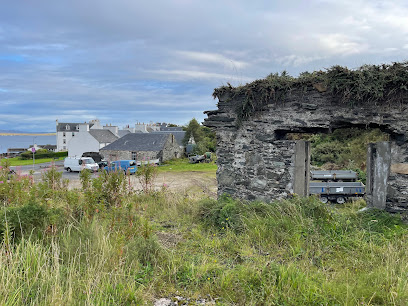
Bronze Age ellipse of standing and fallen stones bearing mysterious cup-and-ring carvings on Islay's windswept moorland.
The Island Bear
18.7 km
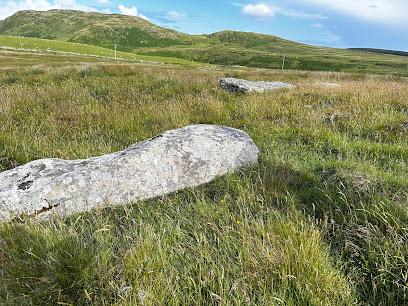
A warm, traditional bed and breakfast in Bowmore offering cozy comfort and easy access to Islay’s whisky heritage and scenic charm.

Peatzeria - Restaurant and Takeaway
18.8 km
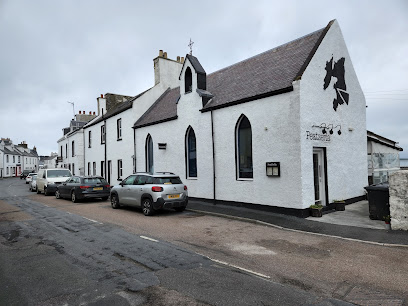
Discover Peatzeria in Bowmore, Islay—your destination for delectable Italian cuisine and exquisite pizzas in a charming atmosphere.
Tormisdale Croft Crafts
18.8 km
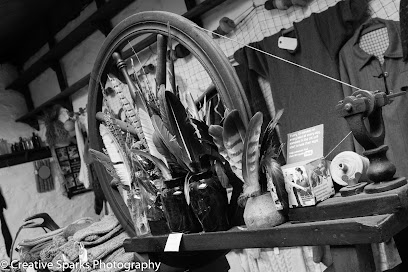
Explore unique handmade crafts that embody the spirit of Isle of Islay at Tormisdale Croft Crafts, a must-visit destination for art lovers.
Kildalton Cross
20.9 km
Discover the exquisite 8th-century Kildalton Cross on Islay—one of Scotland’s finest Celtic high crosses, rich in history and intricate biblical carvings.
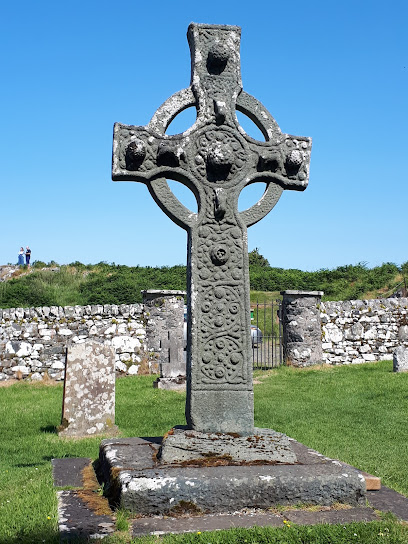
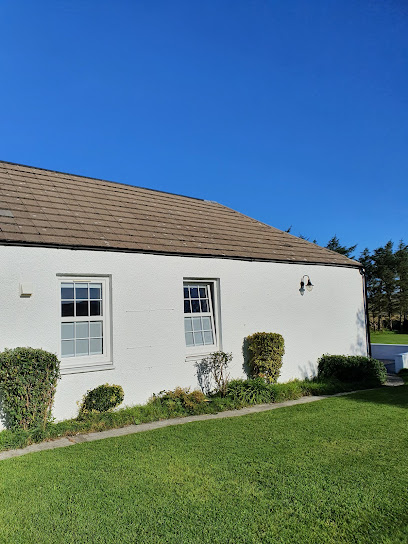
Skerrols House
23.7 km
A peaceful guesthouse retreat on Islay offering luxurious comfort, scenic views, and warm Scottish hospitality in Bridgend.
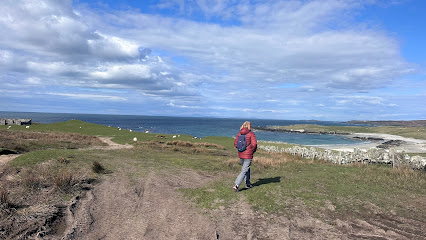
Monument to Irish immigrants aboard the Exmouth Castle
29.3 km
A solemn tribute on Islay’s rugged coast honoring 241 Irish emigrants lost in the 1847 Exmouth Castle shipwreck.
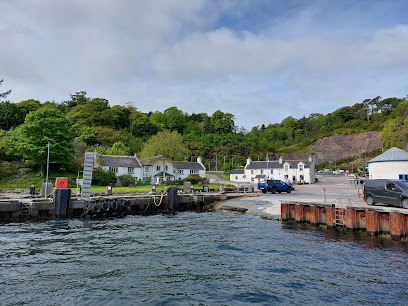
Islay Ferry Terminal
32.0 km
Scenic ferry gateway on Islay connecting to Jura and the Scottish mainland, blending maritime heritage with stunning coastal views.
The Whisky Island Gallery & Studio
36.1 km
Explore The Whisky Island Gallery & Studio for breathtaking art and photography that captures the spirit of the stunning Isle of Jura.
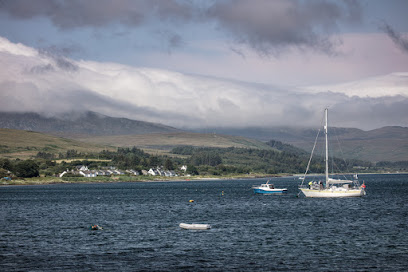
Dunseverick Castle
39.8 km
Discover the enchanting ruins of Dunseverick Castle, a historical landmark on Northern Ireland's stunning Antrim Coast, perfect for hiking and exploration.
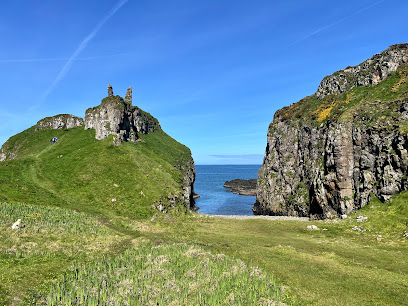
North Antrim Cliff Path Hike
39.9 km
Explore the stunning North Antrim Cliff Path Hike, a breathtaking journey along Ireland's rugged coastline with enchanting views and rich history.
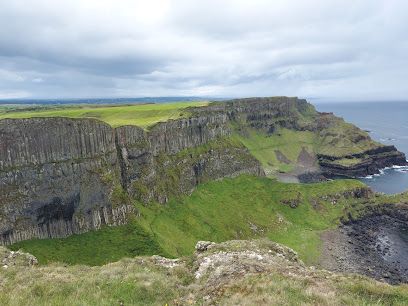
Unmissable attractions to see

The Oa RSPB Reserve
1.3 km
Dramatic sea cliffs, rare wildlife, and historic memorials on Islay’s wild southwestern peninsula.
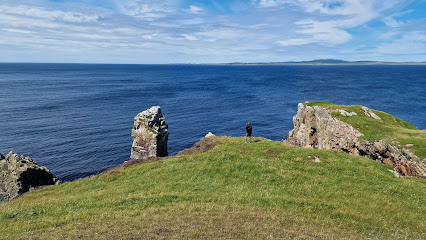
Soldiers Rock
6.7 km
A breathtaking basalt sea stack on Islay’s wild Oa peninsula, offering dramatic coastal views, rich wildlife, and scenic hiking trails.
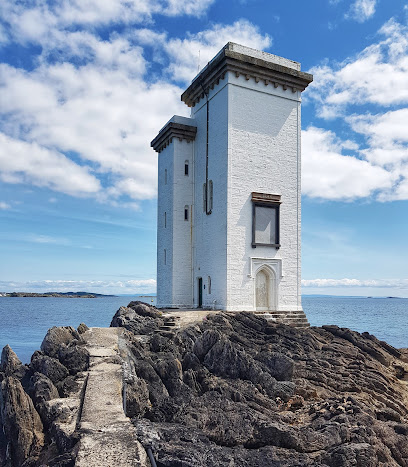
Carraig Fhada Lighthouse
8.3 km
A unique square lighthouse on Islay, built in 1832 as a heartfelt maritime memorial and coastal beacon near Port Ellen.
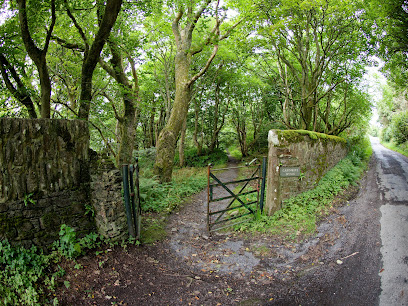
Cairnmore Woods Port Ellen
8.9 km
Discover the tranquil trails and rich birdlife of Cairnmore Woods, a peaceful forest retreat near Port Ellen on the Isle of Islay.
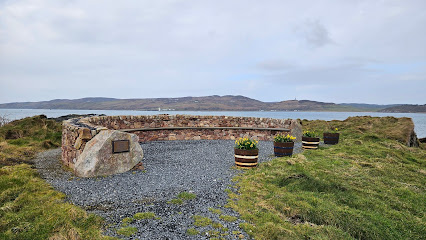
Rubha a' Chuinnlein
9.8 km
Discover the wild, windswept cliffs and vibrant wildlife of Rubha a' Chuinnlein, a remote coastal headland on Scotland’s Isle of Islay.
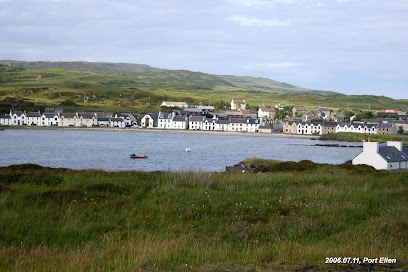
Port Ellen - Kennacraig Ferry
10.0 km
Experience the scenic ferry journey from Kennacraig to Port Ellen, the southern gateway to Islay’s whisky-rich shores and Hebridean beauty.
Copper Still Coffee
10.0 km
A welcoming harbourside coffee cabin in Port Ellen offering rich brews and homemade treats near Islay’s main ferry terminal.
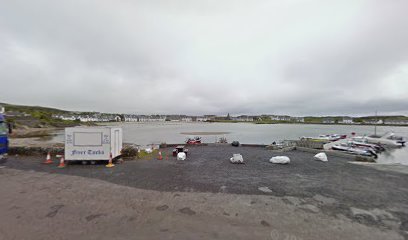
Charlotte St Park
10.1 km
Explore Charlotte St Park, a serene green space in Port Ellen, Isle of Islay, perfect for picnics, leisurely walks, and nature appreciation.
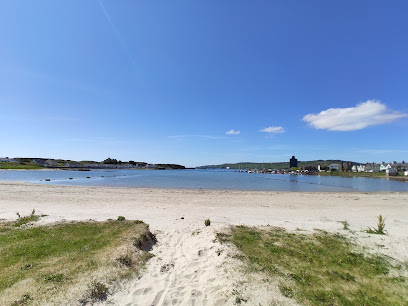
Little Charlottes Cafe
10.1 km
Cozy coffee and homemade treats in the heart of Port Ellen, Isle of Islay’s welcoming island retreat.
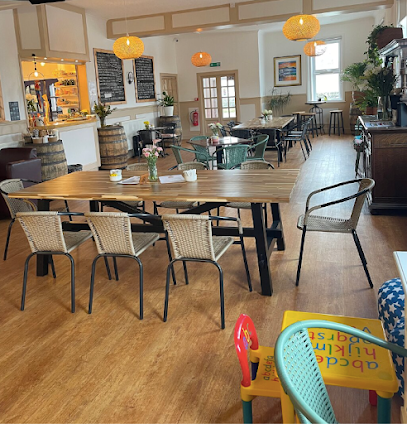
Port Ellen Community Garden
10.2 km
Discover serenity and community spirit in the lush Port Ellen Community Garden on the scenic Isle of Islay.
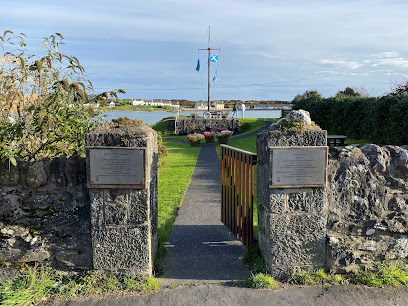
Islay65 Self Catering
10.2 km
Comfortable self-catering holiday home in Port Ellen, Isle of Islay, perfect for exploring whisky heritage and stunning coastal landscapes.
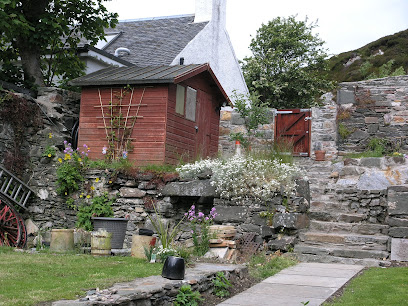
Vista point
11.5 km
Experience sweeping coastal panoramas and tranquil natural beauty at Vista Point on the Isle of Islay, the Queen of the Hebrides.
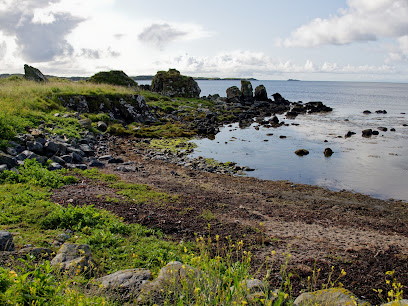
IsleAdilla @ The Old Excise House
11.7 km
Charming self-catering accommodation near Port Ellen with cozy wood stoves and easy access to Islay’s iconic whisky distilleries.
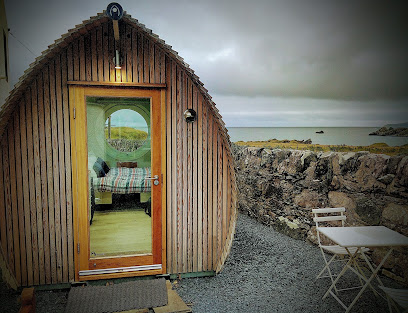
The Strand Beach
12.0 km
Explore Islay’s longest sandy beach, The Strand, a tranquil seven-mile stretch of dunes, wildlife, and stunning coastal views.
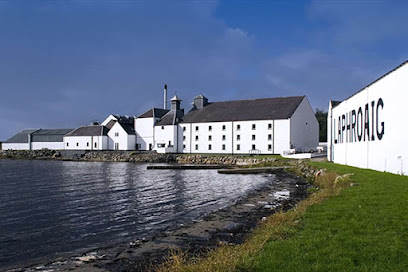
Laphroaig Distillery
12.2 km
Discover the iconic Islay distillery crafting intensely peated single malt whisky in a stunning coastal setting steeped in tradition and community.
Essential places to dine

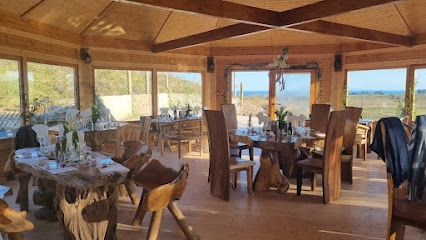
The Balaclava Byre
10.1 km
A unique farm-to-table restaurant in a charming circular byre with handcrafted wood interiors and stunning views over Kilnaughton Bay.
The Islay Hotel
10.1 km
A cozy seaside haven in Port Ellen blending local whisky heritage, warm hospitality, and fresh Scottish cuisine.
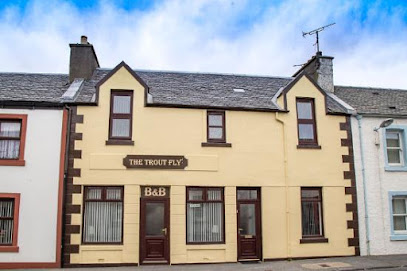
Trout Fly Guest House
10.1 km
A cozy, welcoming guesthouse in Port Ellen offering immaculate rooms, hearty Scottish breakfasts, and a perfect base for exploring Islay’s whisky trail.
No. 1 Charlotte Street
10.1 km
Charming bed and breakfast with whisky lounge, hearty breakfast, and scenic views in the heart of Port Ellen, Isle of Islay.
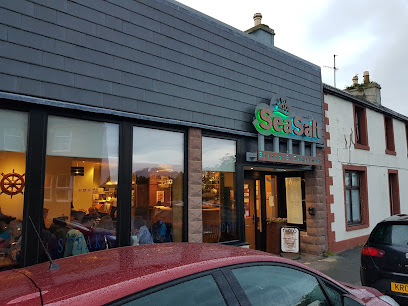
SeaSalt Bistro & Takeaway
10.1 km
Fresh local seafood and contemporary dishes served with warm hospitality in the heart of Port Ellen, Isle of Islay.
The Ardview Inn
10.2 km
Discover The Ardview Inn in Port Ellen: A welcoming pub offering traditional Scottish cuisine and local whiskies amidst breathtaking Isle of Islay scenery.
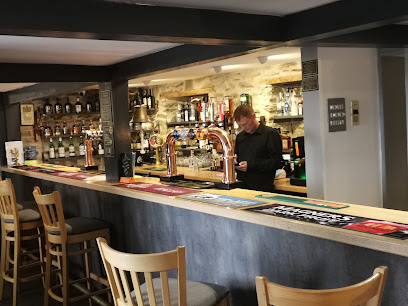
Luxury on Islay
10.3 km
Exclusive self-catering holiday homes overlooking Leodamais beach, blending luxury and nature in the heart of Port Ellen, Isle of Islay.
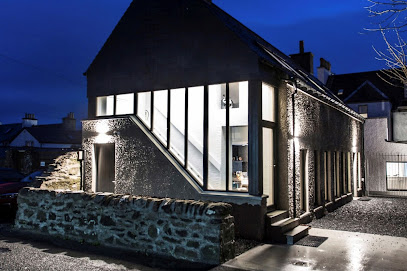
An Tigh Seinnse
14.9 km
Experience authentic Scottish hospitality at An Tigh Seinnse in Portnahaven—delicious food, local drinks, and warm ambiance await!
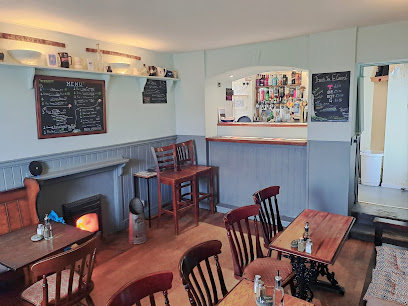
The Old Kiln Cafe
15.2 km
Cozy café at Ardbeg Distillery serving hearty Scottish fare and home-baked treats amid iconic whisky heritage.
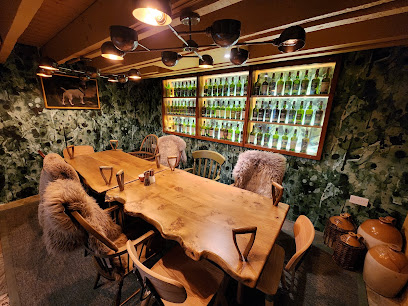
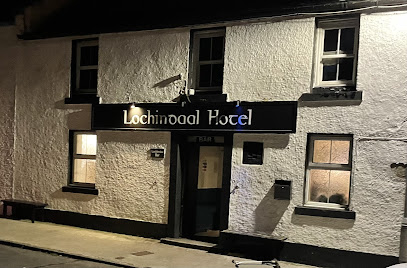
Lochindaal Hotel
16.7 km
Experience authentic island hospitality, fresh seafood, and cozy comfort at Lochindaal Hotel in Port Charlotte, Isle of Islay.
Port Charlotte Hotel
16.8 km
Charming Victorian hotel on Islay’s coast with stunning sea views, fine dining, and a renowned whisky bar in a tranquil village setting.
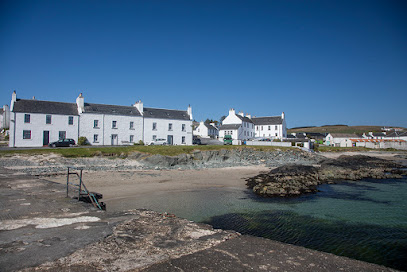
Lochindaal Seafood Kitchen
17.0 km
Savor fresh, locally sourced seafood in a warm, coastal setting at Port Charlotte’s acclaimed Lochindaal Seafood Kitchen on Islay.
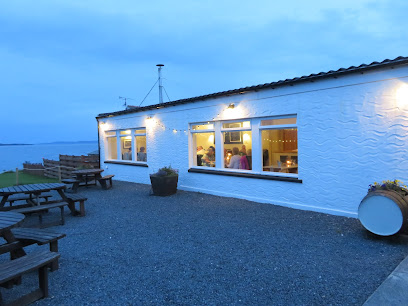
The Cottage Cafe & fish bar
18.7 km
A simple, homely café in Bowmore serving fresh seafood and traditional dishes with local island charm.
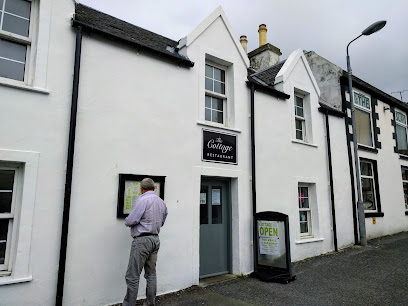
Bowmore Hotel
18.7 km
Family-run Bowmore Hotel blends local cuisine, cozy rooms, and an exceptional whisky bar in the heart of Islay’s capital.
Bowmore Hotel Restaurant
18.7 km
Experience authentic Islay flavors and world-class whisky in the welcoming heart of Bowmore village.
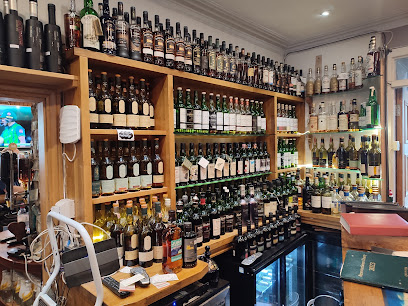
Markets, malls and hidden boutiques

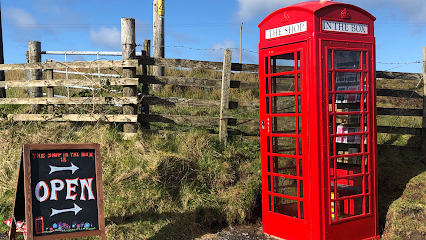
Shop in the Box, Islay
4.9 km
Discover local crafts and island charm in a classic red phone box on Islay’s Mull of Oa, where trust and community spirit meet unique souvenirs.
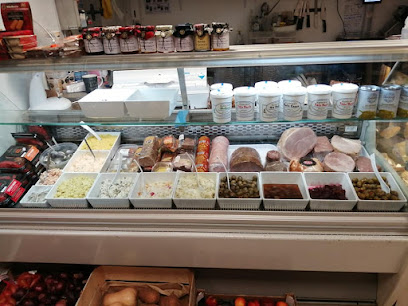
SPAR Port Ellen
10.1 km
Discover convenience and local flavors at SPAR Port Ellen, your essential stop for snacks and goods on the beautiful Isle of Islay.
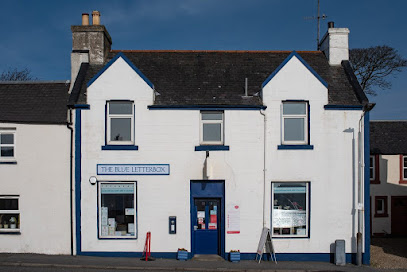
The Blue Letterbox
10.2 km
Discover unique local crafts and heartfelt souvenirs at The Blue Letterbox, Port Ellen’s charming gift shop on the Isle of Islay.
Co-op Food - Islay Port Ellen - Frederick Cres
10.3 km
Discover the best of local shopping at Co-op Food in Port Ellen, Isle of Islay – your one-stop convenience store for essentials and regional delights.
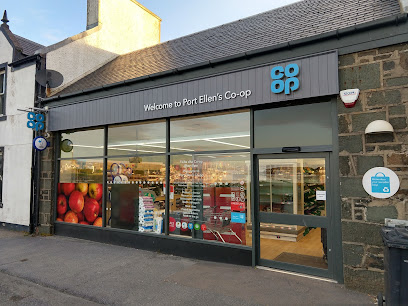
Islay Celtic Craft Shop
15.2 km
Discover authentic handmade crafts and personalized leatherwork in a charming family-run shop nestled in Portnahaven, Isle of Islay.
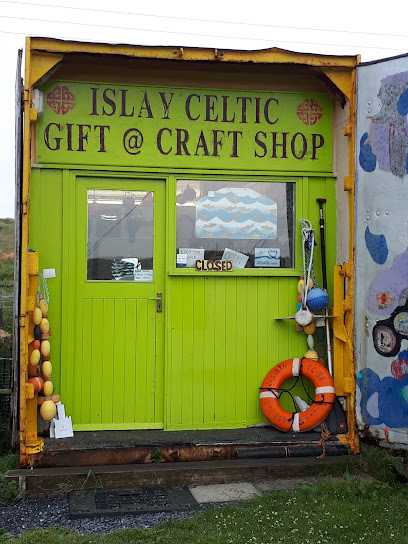
Islay Home Stores
18.5 km
Discover unique homewares and essentials in the heart of Bowmore at Islay Home Stores, your friendly local shop on the Isle of Islay.
The White Room
18.6 km
Discover authentic Islay crafts and unique souvenirs in Bowmore’s charming gift shop, The White Room, nestled on Main Street.
The Islay Shop
18.7 km
Islay’s largest retailer in Bowmore, offering a vast range of gifts, essentials, and local souvenirs with friendly island hospitality.
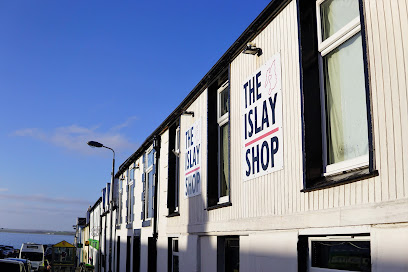
Kate's
18.7 km
Explore unique ladies' fashion at Kate's in Bowmore, Isle of Islay, where local charm meets contemporary style.
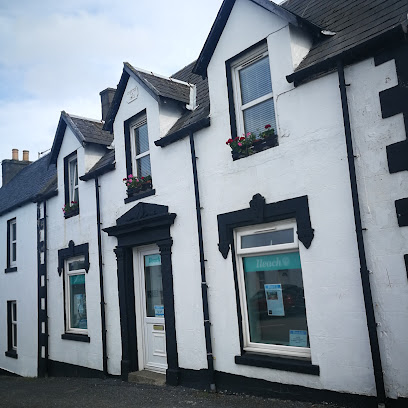
Wild Islay Refillery
18.7 km
A community-centered sustainable market in Bowmore offering zero waste and organic products for eco-conscious shoppers on Islay.
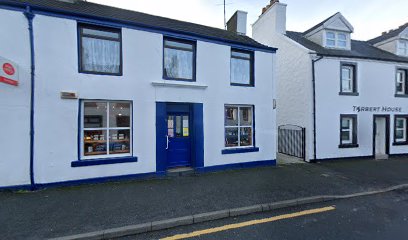
A S Porter - Family Butcher
18.7 km
Authentic family-run butcher shop in Bowmore offering premium local meats and fresh produce on the scenic Isle of Islay.
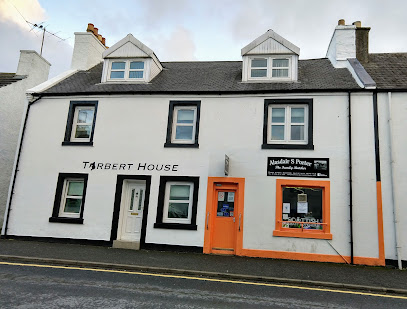
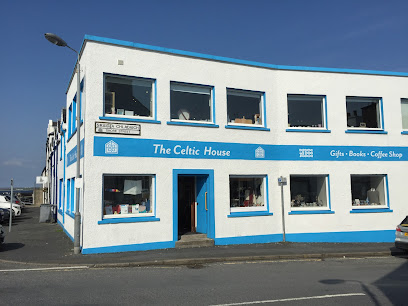
The Celtic House
18.7 km
Discover a cozy blend of Scottish literature, unique gifts, and artisan café delights in the heart of Bowmore on the Isle of Islay.
The Islay Whisky Shop
18.7 km
Islay's premier whisky retailer offering rare bottlings, expert guidance, and curated collections for connoisseurs and newcomers alike.
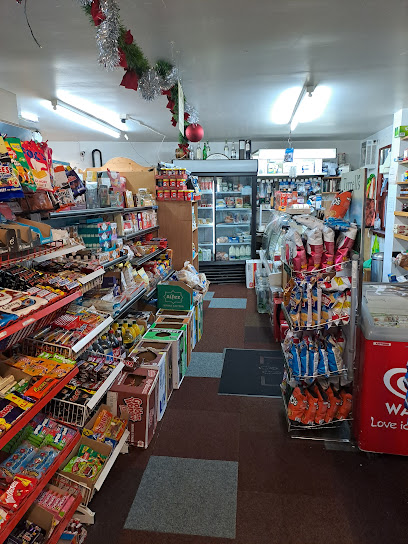
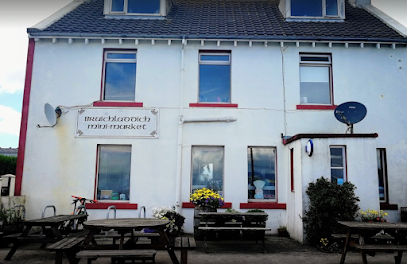
Bruichladdich Mini Market
19.7 km
A charming village convenience store and café in Bruichladdich, Isle of Islay, serving fresh foods, excellent coffee, and community spirit daily.
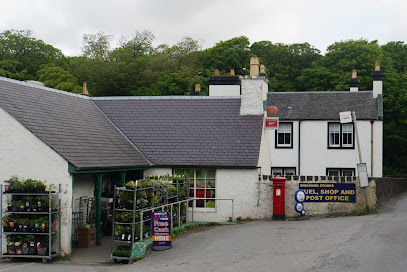
Bridgend Shop
21.8 km
Your friendly, convenient fuel and grocery stop in Bridgend, Isle of Islay, offering essentials with a local touch.
Essential bars & hidden hideouts

Dmitry Severianov's piece of Laphroag
12.4 km
A unique tribute on Islay celebrating the iconic smoky spirit and heritage of Laphroaig whisky.
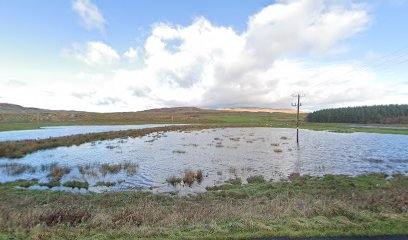
The Malt Mill Bar
14.0 km
A cozy whisky haven nestled in historic Malt Mill buildings, offering authentic Lagavulin drams and rich Islay heritage.
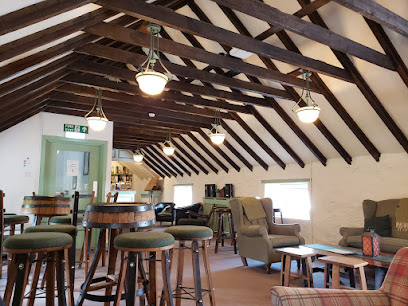
DUFFIE'S BAR
18.8 km
Experience the ultimate Islay whisky bar in Bowmore, where rare malts, warm hospitality, and island charm converge.
AVS-Ls
18.9 km
Cozy bar on Isle of Islay offering local flavors, friendly faces, and a genuine island atmosphere in a tranquil setting.
McCuaig's Bar
34.4 km
Discover the heart of Rathlin Island at McCuaig's Bar, where traditional Irish hospitality meets stunning coastal views and vibrant live music.
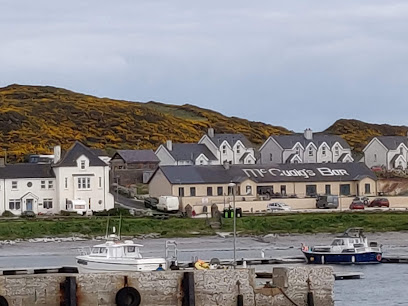
McBrides Bar
41.7 km
Experience traditional Irish hospitality at McBrides Bar in Bushmills, a cozy pub with local brews and a welcoming atmosphere.
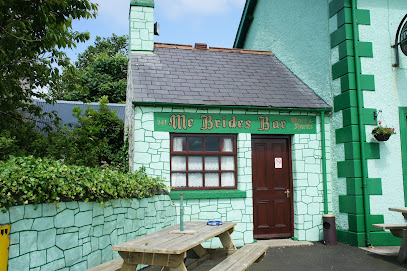
The Coast Inn
42.8 km
Experience authentic Irish hospitality at The Coast Inn, Ballycastle's cherished pub offering local cuisine and craft beverages.
Anglers Arms
43.2 km
Experience the warm Irish hospitality at Anglers Arms Pub in Ballycastle, offering delicious food and a vibrant atmosphere to enjoy with friends.
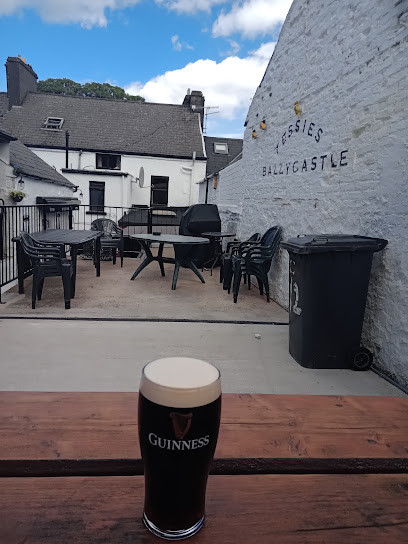
Harbour Bar
43.2 km
Discover the lively atmosphere and local charm at Harbour Bar, Ballycastle's premier destination for drinks and entertainment.
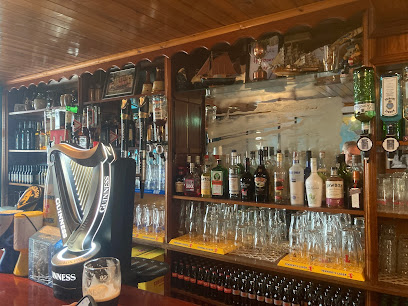
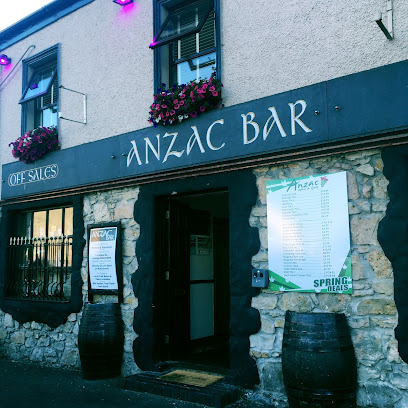
ANZAC BAR, RESTAURANT & OFF SALES
43.6 km
Discover the heart of Irish culture at ANZAC Bar, Restaurant & Off Sales in Ballycastle, where every meal is a celebration of local flavors.
Nellie Rua's, Ballycastle
43.6 km
Discover the vibrant culinary scene at Nellie Rua's in Ballycastle, where local flavors meet a welcoming atmosphere in a stunning beer garden.
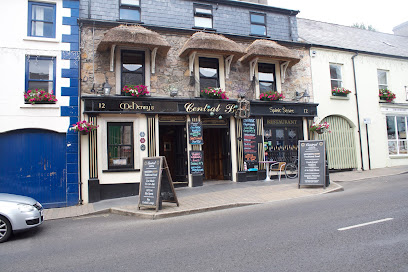
O'Connor's Bar
43.6 km
Discover the heart of Ballycastle at O'Connor's Bar, where traditional Irish hospitality meets a vibrant local atmosphere.
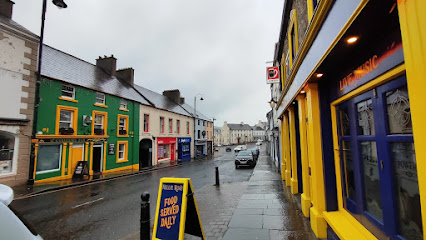
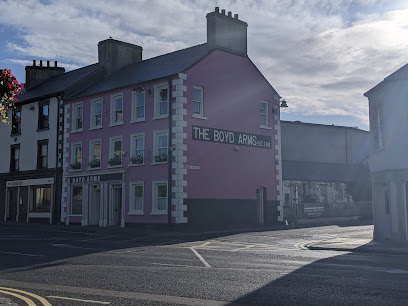
The Boyd Arms
43.7 km
Experience authentic Irish hospitality at The Boyd Arms in Ballycastle, where great food and local brews await in a cozy pub atmosphere.
Halo Ballycastle
43.7 km
Experience vibrant nightlife, live music, and local culture at Halo Ballycastle, the heart of entertainment in this charming coastal town.
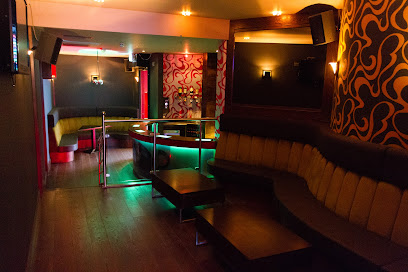
Glenshesk Bar
43.7 km
Experience the warmth of Irish hospitality at Glenshesk Bar, Ballycastle's favorite spot for local brews and live music.
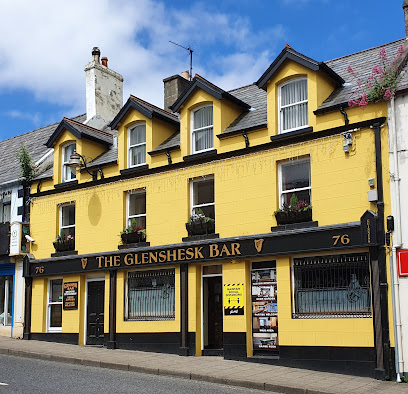
Nightclubs & after hour spots

Jura Brewery
36.9 km
Discover Jura Brewery: A Craft Beer Experience in the Heart of the Isle of Jura, Where Tradition Meets Nature's Bounty.
Kellys Complex Portrush
47.7 km
Discover the pulse of Portrush nightlife at Kellys Complex, where clubbing meets culinary delights in a vibrant atmosphere.
The Legends Lounge
48.6 km
Experience the vibrant atmosphere of The Legends Lounge in Portrush, a perfect bar for enjoying drinks and local culture.
Colonsay Pub
53.9 km
Discover the heart of Scottish hospitality at Colonsay Pub on the Isle of Colonsay, where local ales and community spirit come together.
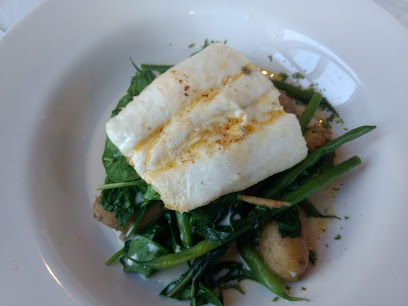
Lussa Gin
59.7 km
Explore the exquisite craftsmanship of Lussa Gin, where local botanicals meet the art of distillation on the serene Isle of Jura.
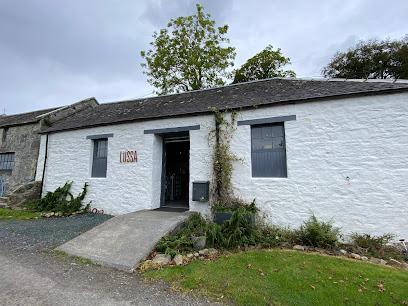
Halyon Club
63.1 km
Discover the vibrant nightlife of Halyon Club in Ballynally, Co. Donegal, where music, dance, and fun come together for an unforgettable experience.
Tul Na Ri
69.0 km
Experience the vibrant nightlife of Co. Donegal at Tul Na Ri, where great music, dancing, and a friendly atmosphere await.
Bailey Redcastle Nite Club
69.1 km
Discover the heart of Co. Donegal's nightlife at Bailey Redcastle Nite Club, where great music and vibrant energy await your arrival.
The Lagg Inn 1791
71.1 km
Experience the historic charm and warm hospitality of The Lagg Inn 1791, a perfect retreat on the stunning Isle of Arran.
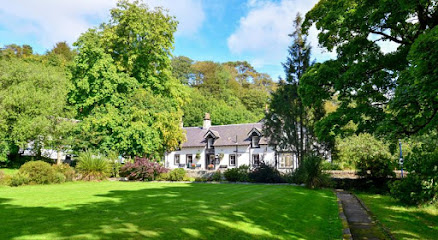
Cruize Bar Brasserie
73.7 km
Discover culinary excellence at Cruize Bar Brasserie in Auchrannie Resort, featuring a diverse menu for families and travelers in a stunning setting.
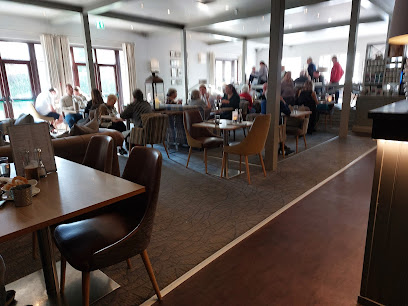
The Wineport Restaurant
74.0 km
Experience the charm of The Wineport Restaurant on the Isle of Arran: a perfect blend of fine dining, local flavors, and breathtaking views.
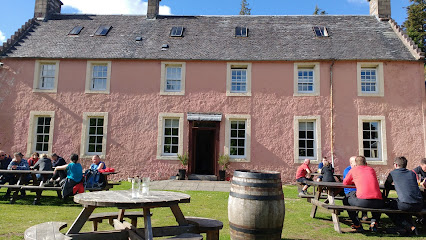
Ormidale Hotel
74.1 km
Charming family-run Victorian hotel and pub with en suite rooms, lively bar, and scenic views on the Isle of Arran.
Arran Botanical Drinks @Cladach Beach House
74.1 km
Discover unique cocktails and breathtaking views at Arran Botanical Drinks, a must-visit cocktail bar on the scenic Isle of Arran.
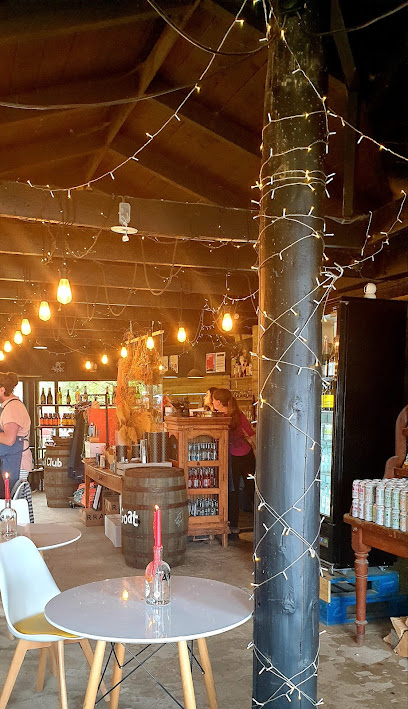
Edgewater
74.4 km
Experience the essence of Scottish hospitality at Edgewater, a cozy pub in Brodick offering local beers, whiskies, and stunning coastal views.
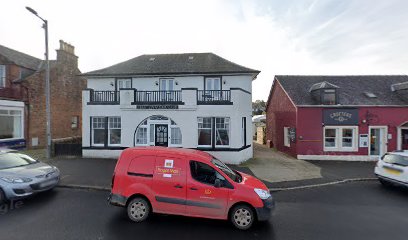
Duncan's On The Green
76.0 km
Experience the charm of Duncan's On The Green, where stunning views and local flavors combine for an unforgettable bar experience on the Isle of Arran.
For the vibe & atmosphere seeker
- Romantic
- Scenic
- Tranquil
- Unique
For the design and aesthetic lover
- Minimalist Designs
- Rustic Designs
For the architecture buff
- Historic
- Landmarks
- Sacred Sites
- Viewpoints
For the view chaser and sunset hunter
- Iconic Views
- Panoramas
- Waterfront
- Sunset Spots
For the social media creator & influencer
- Instagrammable
- Photo Spots
- Architectural Shots
- Scenic Backdrops
For the eco-conscious traveler
- Protected Area
- Low Impact
- Leave-No-Trace Critical
For the kind of experience you’re after
- Myth & Legends
- Cultural Heritage
- Photowalk
- Nature Escape
- Day Trip
For how adventurous you want the journey to be
- Requires Hike
- Remote
- Seasonal Only
Location Audience
- Family Friendly
- Senior Friendly
- Solo Friendly
- Couple Friendly


