
Kinbane Castle
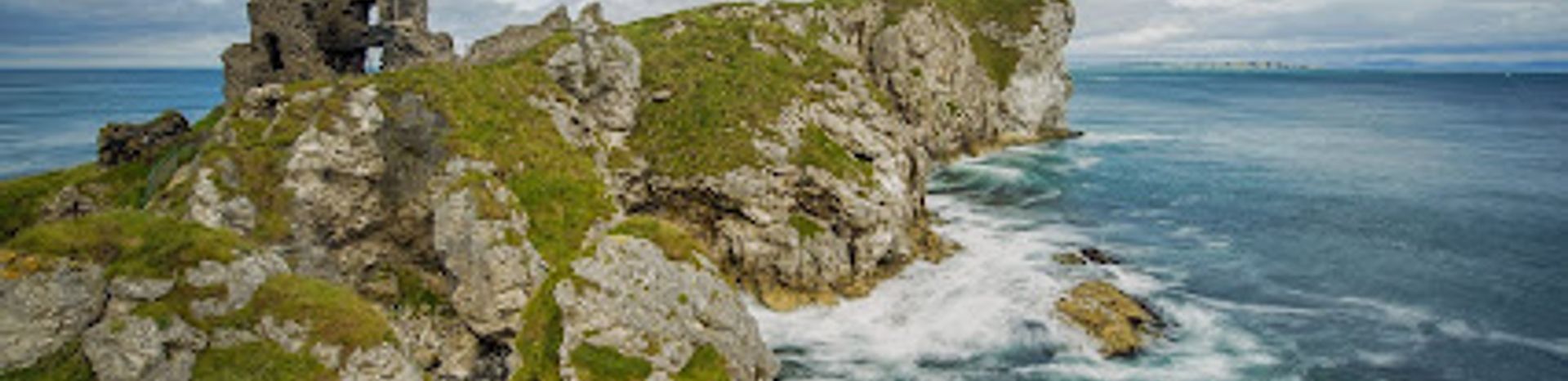
Dramatic 16th-century ruin perched on white limestone cliffs with breathtaking Atlantic views and a rewarding steep descent.
Perched dramatically on a narrow white limestone headland between Ballycastle and Ballintoy, Kinbane Castle is a haunting 16th-century ruin offering some of the Causeway Coast's most breathtaking views. Built in 1547 by Scottish chieftain Colla MacDonnell, this State Care Historic Monument rewards visitors with a steep 140-step descent to explore the ruins, panoramic vistas of the North Atlantic, and glimpses of Rathlin Island. Free to visit and accessible year-round, it remains a peaceful escape for history enthusiasts and photographers seeking dramatic coastal scenery.
A brief summary to Kinbane Castle
- 81 Whitepark Rd, Ballycastle, BT54 6LP, GB
- +442890823207
- Visit website
- Duration: 1.5 to 2.5 hours
- Free
-
 Outdoor
- Mobile reception: 3 out of 5
Local tips
- Wear sturdy, waterproof hiking boots with excellent grip. The 140 concrete steps are extremely steep and become slippery when wet or windy. Many visitors underestimate the physical demand of the descent and ascent.
- Visit during daylight hours for safety and optimal photography. Late afternoon offers the best light and fewer crowds. Avoid visiting in heavy rain, high winds, or poor visibility when the steps become hazardous.
- Bring water and snacks—there are no facilities at the castle itself. The car park has free restrooms with seasonal hours (typically locked around sunset), so plan accordingly.
- Allow 1.5 to 2 hours for your visit, including time for the descent, exploring the ruins, enjoying the views, and the climb back up. The ascent is more taxing than the descent.
- Bring a camera or smartphone for photography. The ruins, headland, and coastal vistas are exceptionally photogenic, especially during golden hour or in dramatic weather conditions.

For the on-the-go comforts that matter to you
- Restrooms
- Seating Areas
- Information Boards
- Trash Bins
Getting There
-
Car from Ballycastle
From Ballycastle town center, drive northwest on the B15 toward Ballintoy for approximately 7 minutes. Follow signs for Kinbane Castle and turn onto Whitepark Road. The free car park is clearly signposted at the end of the road. Parking is available year-round at no cost. The drive is scenic and passes through coastal villages.
-
Car from Carrick-a-Rede Rope Bridge
If visiting nearby attractions, Kinbane Castle is approximately 10 minutes' drive from Carrick-a-Rede Rope Bridge via the B15 or Whitepark Road. Both sites are on the Causeway Coastal route, making them convenient to combine in a single day trip. Parking at Kinbane is free and separate from Carrick-a-Rede.
-
Walking from Ballycastle
A scenic coastal walk from Ballycastle town center to Kinbane Castle covers approximately 5 kilometers and takes 1.5 to 2 hours depending on pace. Head northwest from the town center toward the A2 road, then follow the coastal route via Whitepark Road. The terrain is mixed—some road walking, some coastal paths. Wear comfortable, waterproof footwear and bring water. This option is best for experienced walkers and offers beautiful views of the coastline.
-
Bus from Ballycastle
Local bus services operate from Ballycastle town center, though service frequency is limited and varies seasonally. Journey time is approximately 15 to 20 minutes depending on the route. Check local transport schedules in advance, as services may not run daily or may have reduced hours during winter months. This is a budget-friendly option but requires advance planning.
Kinbane Castle location weather suitability
-
 Clear Skies
-
 Mild Temperatures
Discover more about Kinbane Castle
A Fortress Born from Ambition and Stone
Kinbane Castle rises from one of Northern Ireland's most striking natural settings—a narrow limestone promontory jutting into the North Channel, its white cliffs giving the castle its evocative name, derived from the Irish "Ceann Bán," meaning "white head." Built in 1547 by Colla MacDonnell, a powerful Scottish chieftain of the MacDonnell clan, the fortress was conceived as both a symbol of clan power and a practical stronghold. The location itself was nearly impregnable; access by sea was treacherous, and the only practical approach was via the cliff face—a deliberate choice that made the castle extraordinarily defensible. Originally, the structure comprised a two-storey tower, protective walls, a courtyard, guardroom, and likely wooden structures within the enclosure. At the promontory's farthest point, archaeologists have found evidence of ancient fires, believed to be signal fires lit during English sieges to summon neighboring clans to the MacDonnells' aid.Conflict and Resilience in the 16th Century
Kinbane Castle's early decades were marked by relentless English assault. In 1551, just four years after its completion, Sir James Croft led English forces in a devastating siege that partially destroyed the fortress. The castle was rebuilt, only to face another English attack in 1555, this time with cannon fire that inflicted severe damage. Despite these onslaughts, Colla MacDonnell maintained his stronghold until his death at the castle in 1558. The hollow below the castle, known as Lag na Sassenach—"Hollow of the English"—preserves a darker chapter of this conflict. Local tradition claims that during one siege, English soldiers were surrounded and slaughtered in this depression by MacDonnell clansmen and their allies, who either descended from the cliffs or rolled boulders down upon them. Whether defenders lit signal fires on the headland to summon aid or whether the English were simply overwhelmed remains part of the castle's enduring legend.Changing Hands and Gradual Decline
Following Colla's death, his son Gillaspick inherited the castle, but it was eventually traded to Sorley Boy MacDonnell, Colla's brother. Sorley Boy subsequently gifted Kinbane to the MacAlisters, a loyal family brought from the Western Isles to support MacDonnell interests in Antrim. The MacAlisters of Kenbane held the fortress through the 17th century and into the early 18th century, maintaining it through successive political upheavals. By the mid-18th century, the castle had fallen into disuse and began its slow transformation into ruin. Archaeological excavations conducted in 2011 found no artifacts dating later than the 16th century, suggesting that active occupation had ceased well before the castle's formal abandonment.The Visitor's Journey: Descent and Discovery
Today, Kinbane Castle is a State Care Historic Monument, protected as a Scheduled Historic Monument within the Causeway Coast and Glens Borough Council area. The approach to the ruins is as memorable as the destination itself. Visitors begin at a modest car park and facilities area at the clifftop, then commit to a steep 140-step descent down a narrow, winding stone staircase. The initial section features green safety railings, but these give way to an unguarded grass path as the terrain becomes less severe. The steps are concrete but extraordinarily steep—many visitors report that the descent is more challenging than anticipated, requiring careful footing and sturdy footwear. The ascent back to the car park is equally demanding, a full-body workout that tests the resolve of even fit visitors.Ruins and Panoramic Splendor
Upon reaching the headland, visitors are rewarded with views that justify the effort. The castle's most prominent surviving feature is the south-angle tower, two stories high with visible medieval masonry detail. The walled enclosure beyond remains largely grass-grown, with traces of gun-loops visible to the northeast of the tower. A flat pathway guides visitors across the headland, and a convenient staircase with a barrier allows safe exploration of the tower's interior. An information board provides historical context and helps visitors visualize the castle's original layout. From the ruins and surrounding headland, the panorama is extraordinary: the North Atlantic stretches to the horizon, Rathlin Island sits clearly visible across the water, and the rugged Causeway Coast unfolds in both directions. On clear days, the views extend far across the channel; in moody weather, the dramatic cliffs and crashing waves create an atmosphere of romantic desolation.A Place of Solitude and Reflection
Kinbane Castle attracts fewer visitors than nearby attractions like Carrick-a-Rede Rope Bridge, making it a genuinely peaceful destination. The site's remote headland location, combined with the demanding descent, naturally filters crowds. Late afternoon visits are particularly rewarding, offering softer light for photography and fewer people on the narrow paths. The combination of history, natural beauty, and solitude creates a contemplative atmosphere—visitors often linger longer than anticipated, sitting among the ruins or on the grass, absorbing the landscape's raw beauty and pondering the centuries of conflict and occupation that unfolded here.Iconic landmarks you can’t miss

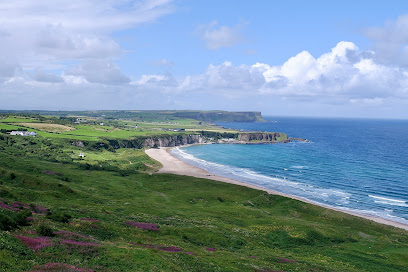
Whitepark Bay viewpoint
6.4 km
Dramatic clifftop vista of white sand and ancient dunes on the North Antrim coast.
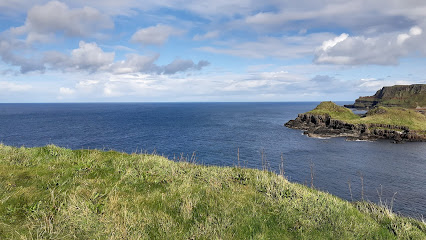
Portcoon Jetty
14.8 km
Discover the serene beauty of Portcoon Jetty, a breathtaking coastal escape in Northern Ireland, perfect for photography and nature lovers alike.
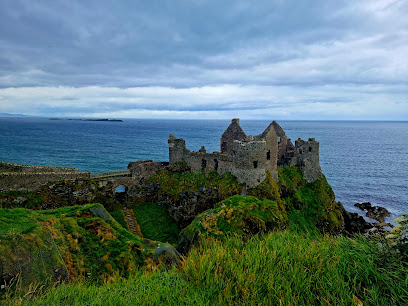
Dunluce Castle
18.4 km
Discover the enchanting Dunluce Castle, a medieval fortress overlooking the Antrim Coast, rich in history and stunning landscapes.
National Trust Barmouth Bird Hide
30.6 km
Discover the beauty of wildlife in its natural habitat at Barmouth Bird Hide, a serene nature preserve in Northern Ireland perfect for birdwatching.
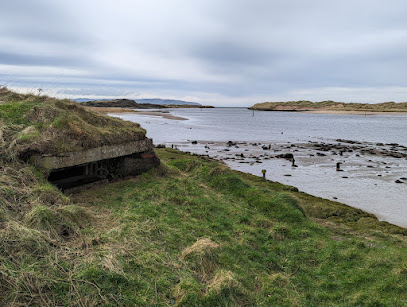
National Trust - Mussenden Temple and Downhill Demesne
33.7 km
Discover the breathtaking Mussenden Temple and Downhill Demesne, a stunning blend of nature, history, and coastal views in Northern Ireland.
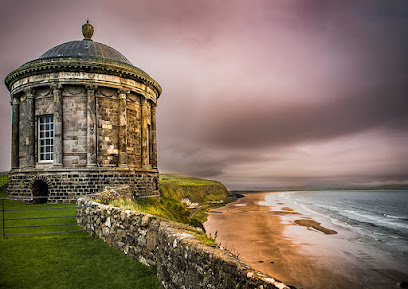
Whitebay
37.3 km
Explore the breathtaking beauty of Whitebay, a tranquil tourist attraction in Ballymena perfect for nature lovers and outdoor enthusiasts.
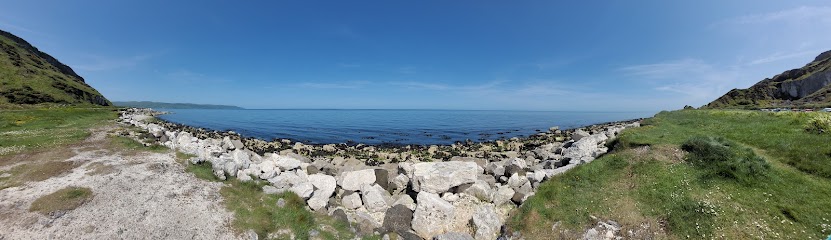
Merrick Stone
38.1 km
Discover the intriguing history and stunning scenery of Merrick Stone, a captivating landmark in Limavady, Northern Ireland.
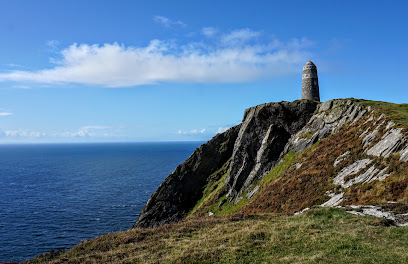
American Monument
40.3 km
A lighthouse-shaped war memorial honouring over 600 lives lost at sea during World War I, standing sentinel on a remote Scottish clifftop.
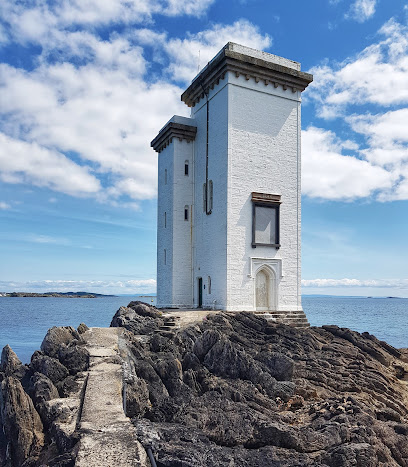
Carraig Fhada Lighthouse
43.7 km
Experience the breathtaking beauty and rich maritime history at Carraig Fhada Lighthouse on the stunning Isle of Islay.
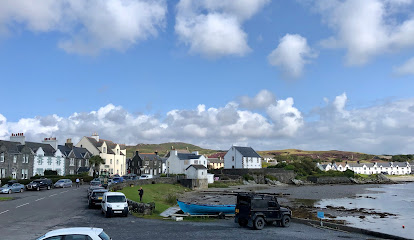
Port Ellen War Memorial
44.8 km
A solemn memorial to local sacrifice, standing witness to two world wars and maritime tragedy.
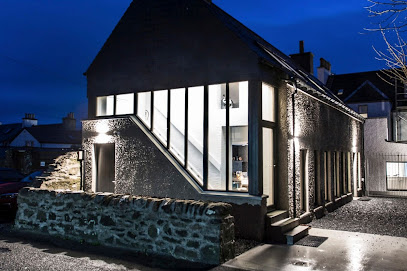
Leodamais
45.0 km
Luxury self-catering homes overlooking Leodamais beach, blending coastal tranquility with Islay’s rich heritage and whisky culture.
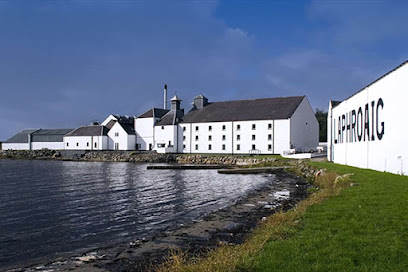
Laphroaig Distillery
45.4 km
Experience the essence of Scotch whisky at Laphroaig Distillery on the Isle of Islay, a journey into tradition, flavor, and breathtaking landscapes.
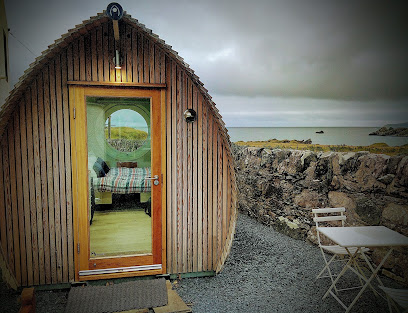
IsleAdilla @ The Old Excise House
45.4 km
Discover the charm of IsleAdilla @ The Old Excise House, your perfect self-catering accommodation in Islay, surrounded by nature and whiskey distilleries.
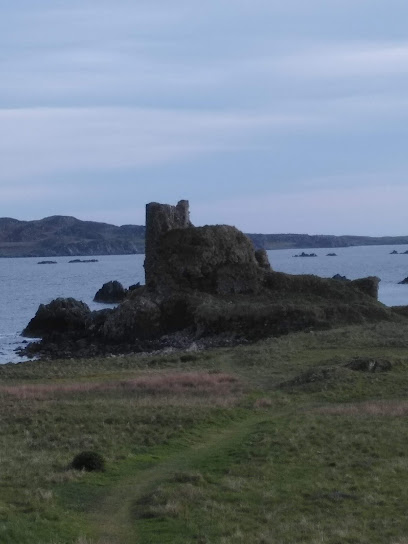
Dunyvaig Castle
46.1 km
Ruins of a mighty clan fortress on Islay’s coast, where history, sea, and legend converge in dramatic fashion.
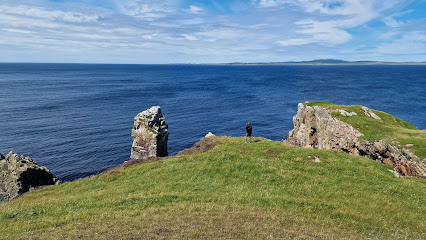
Soldiers Rock
46.6 km
Experience the breathtaking beauty of Soldiers Rock, a stunning nature reserve on the Isle of Islay, perfect for hikers and nature lovers seeking tranquility.
Unmissable attractions to see

Portaneevy Car Park & Viewpoint
2.4 km
Discover stunning views of Rathlin Island and the Scottish Isles at Portaneevy Car Park & Viewpoint in Ballycastle, Northern Ireland.
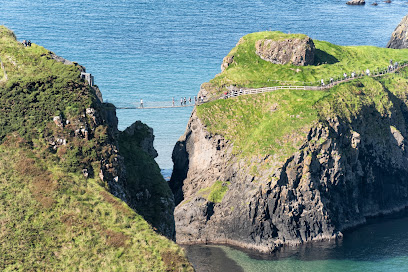
National Trust - Carrick-a-Rede
2.8 km
Experience the thrill of crossing Carrick-a-Rede, a stunning rope bridge with breathtaking views along Northern Ireland's scenic coastline.
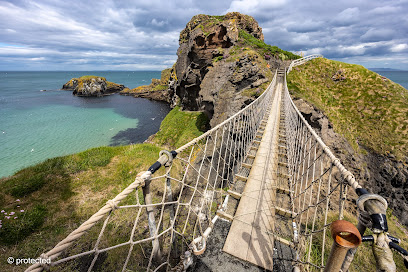
Rope bridge quarry (GOT)
2.8 km
Discover the breathtaking Rope Bridge Quarry in Ballycastle, a thrilling tourist attraction that offers stunning views and unforgettable adventures.
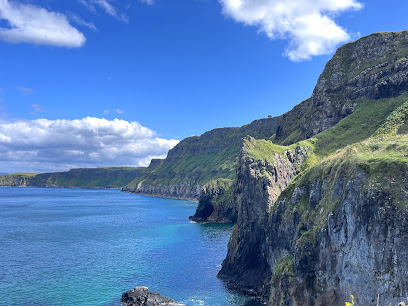
Beach and caves
2.9 km
Explore the scenic hiking trails, pristine beaches, and captivating caves along Ballycastle's stunning coastline on the Causeway Coastal Route.
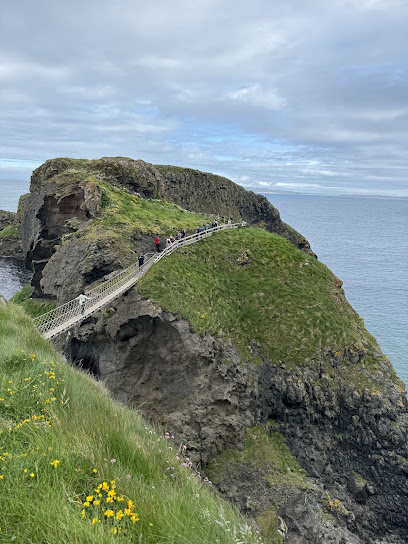
Ballycastle Museum
4.1 km
Explore local history and culture at Ballycastle Museum, a treasure trove of artifacts in a charming 18th-century courthouse.
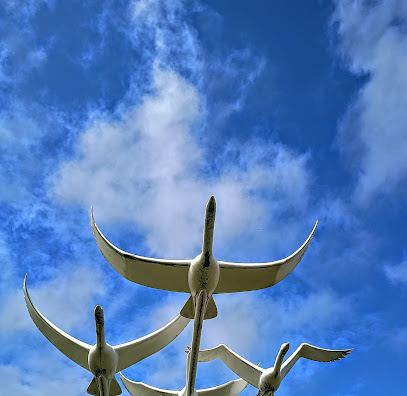
Causeway Coastal Route
4.3 km
Experience Northern Ireland’s breathtaking 193km coastal drive featuring iconic landmarks, dramatic cliffs, and thrilling adventures along the Causeway Coastal Route.
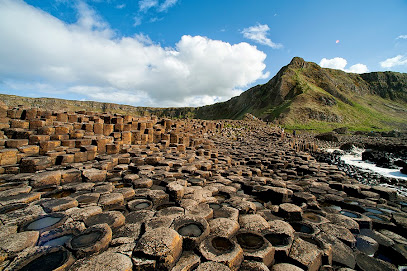
The Element Rock
4.4 km
Explore the stunning Element Rock in Ballintoy, a natural wonder with breathtaking views and unique geological formations along Northern Ireland's coastline.
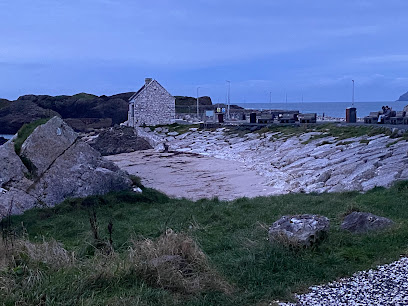
Bonamargy Friary (State Care Monument)
4.9 km
Experience the serene beauty and rich history of Bonamargy Friary, a captivating medieval landmark nestled in the heart of Ballycastle, Northern Ireland.
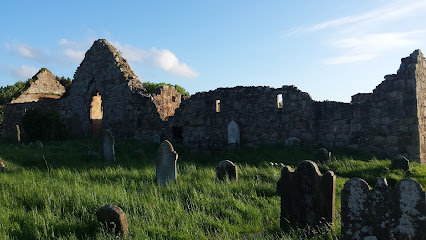
Black and White Bay
5.0 km
Explore the stunning beauty and tranquility of Black and White Bay, a coastal gem in Ballycastle, perfect for relaxation and adventure.
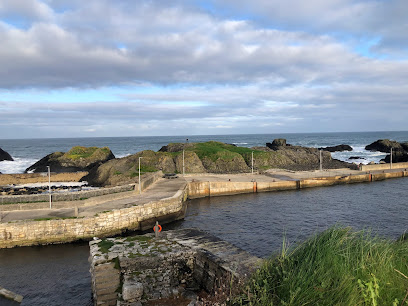
Ballintoy Harbour
5.2 km
Discover Ballintoy Harbour’s stunning coastal beauty and iconic Game of Thrones heritage on Northern Ireland’s dramatic Causeway Coast.
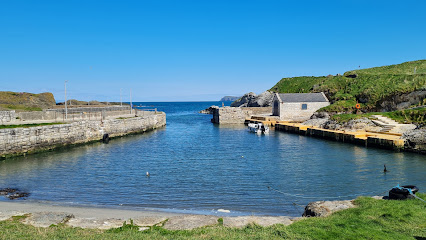
The Skull Rock
5.8 km
Discover the breathtaking Skull Rock in Ballycastle, a unique natural formation with picturesque coastal views along the Causeway Coastal Route.
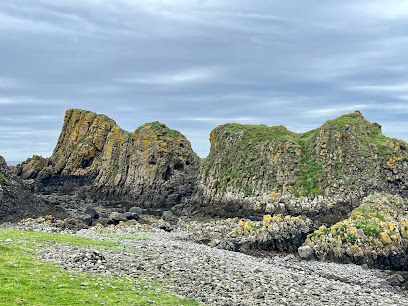
The Elephant Rock
5.8 km
Discover the iconic Elephant Rock near Ballintoy, Northern Ireland: a natural wonder on the Causeway Coast offering breathtaking views and photo opportunities.
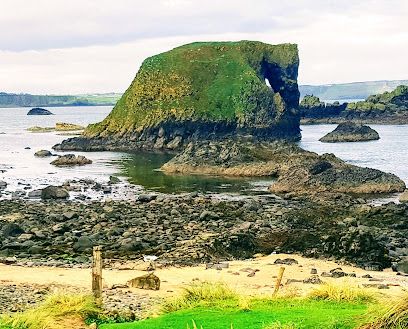
Rue Point Lighthouse
7.1 km
Discover Rue Point Lighthouse on Rathlin Island: a historic beacon offering stunning coastal views and a glimpse into Northern Ireland's maritime past.
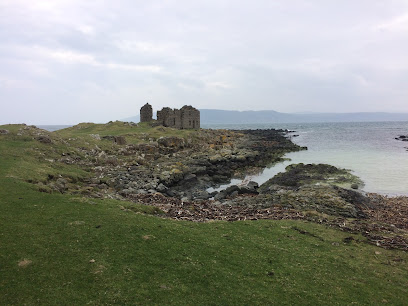
Whitepark Bay Beach
7.2 km
Discover Whitepark Bay: A secluded Northern Ireland beach with stunning scenery, rich history, and unique wildlife encounters along the Causeway Coastal Route.
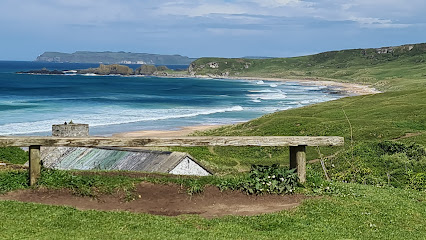
Dunseverick coastal walk
7.3 km
Explore the stunning Dunseverick Coastal Walk, a breathtaking hiking area along Northern Ireland's rugged coastline, rich in wildlife and natural beauty.
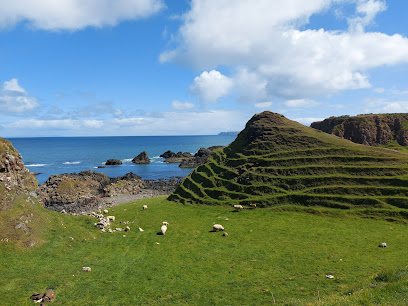
Essential places to dine

The Cellar
4.1 km
Experience the best of local seafood at The Cellar in Ballycastle - where fresh meets flavor in a charming seaside setting.
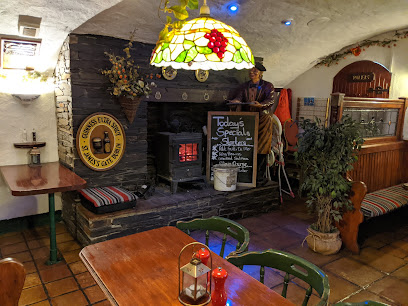
Carrick-A-Rede Bar and Restaurant
4.2 km
Experience authentic Irish cuisine with stunning coastal views at Carrick-A-Rede Bar and Restaurant in Ballintoy.
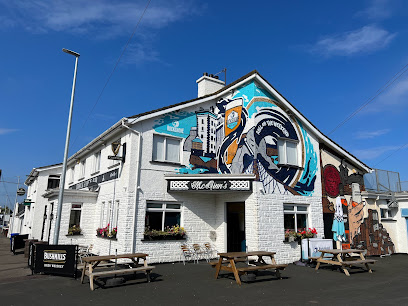
The Fullerton Arms
4.3 km
Experience authentic Irish hospitality at The Fullerton Arms – your ideal base for exploring Northern Ireland’s stunning coastline.

Roark's Kitchen
5.2 km
Discover Roark's Kitchen in Ballintoy: A cozy cafe offering homemade treats and stunning views along Northern Ireland’s breathtaking coast.
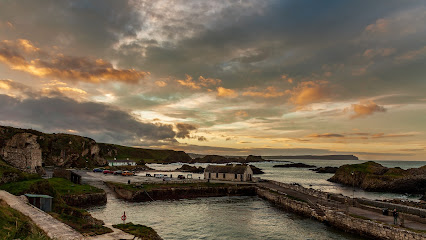
Bothy White Park Bay
8.1 km
Experience delightful breakfasts and exquisite coffee at Bothy White Park Bay, nestled on Northern Ireland's scenic coastline.
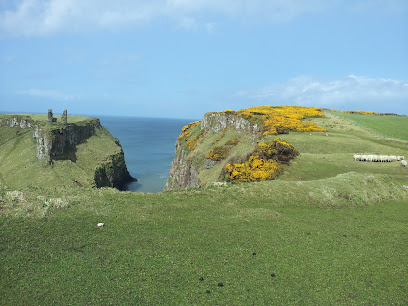
Causeway Tavern B & B
11.0 km
Family-run B&B near Bushmills offering cozy rooms, hearty breakfasts, and lively local charm just minutes from the Giant’s Causeway.
Hungry Giant Causeway
14.2 km
Discover delicious local cuisine at Hungry Giant Causeway while enjoying breathtaking views near Northern Ireland's iconic natural wonder.

Finn McCool's Giants Causeway Hostel
14.2 km
Boutique hostel with panoramic coastal views, just steps from the Giant's Causeway, offering budget-friendly comfort and a friendly atmosphere.
The Nook
14.3 km
Discover delicious seafood at The Nook in Bushmills—where local flavors meet stunning coastal views for an unforgettable dining experience.
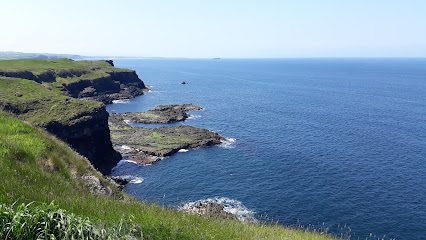
National trust cafe
14.3 km
Experience delightful refreshments at the National Trust Cafe while exploring Northern Ireland's stunning Giant's Causeway.
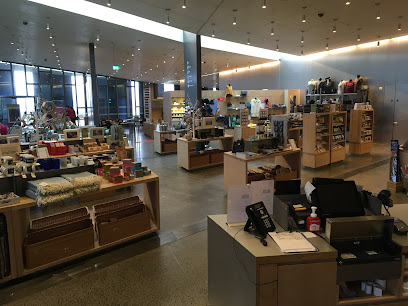
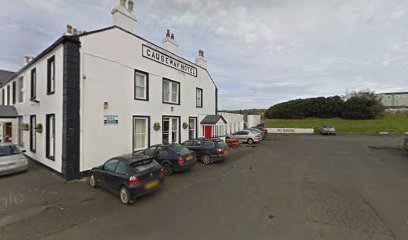
The Causeway Hotel
14.4 km
Discover comfort and stunning views at The Causeway Hotel near the iconic Giant's Causeway in Northern Ireland.
Market Square
14.9 km
Experience authentic Irish cuisine at Market Square in Bushmills - where delicious food meets vibrant culture.
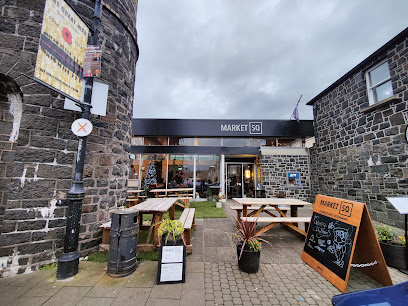
The Bush House Bar
14.9 km
Discover The Bush House Bar - A Cozy Pub Experience in Bushmills Offering Local Brews and Hearty Irish Fare.
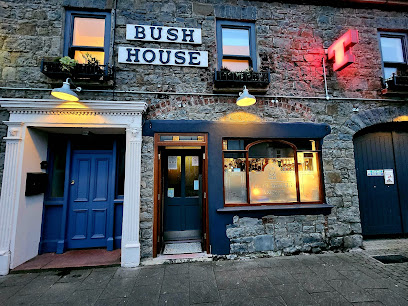
Tartine at the Distillers Arms
15.0 km
Experience exquisite modern European cuisine at Tartine at the Distillers Arms in Bushmills, where local flavors meet culinary innovation.
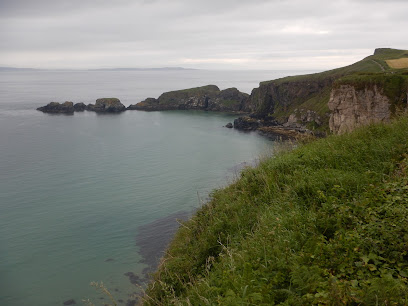
The Bushmills Inn Hotel
15.0 km
A historic 17th-century coaching inn reborn as a 4-star boutique retreat on the Causeway Coast, with peat fires, an AA Rosette restaurant, and easy access to the Giant’s Causeway.
Markets, malls and hidden boutiques

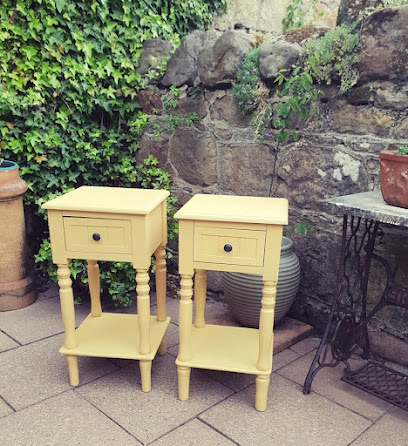
Someplace in Time
3.5 km
Explore the enchanting furniture store Someplace in Time in Ballycastle, where unique vintage and contemporary pieces await every discerning shopper.
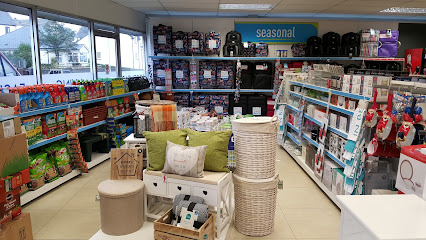
The Original Factory Shop (Ballycastle)
3.9 km
Experience the best in shopping at The Original Factory Shop in Ballycastle, where quality meets affordability for every traveler.
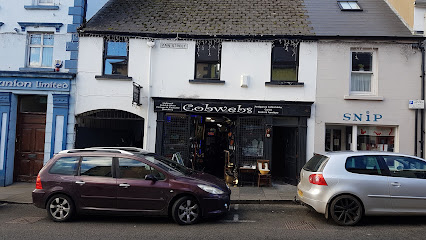
Cobwebs
4.1 km
Explore Cobwebs, Ballycastle's antique store, where history and charm come together in a treasure hunt for unique collectibles and vintage finds.
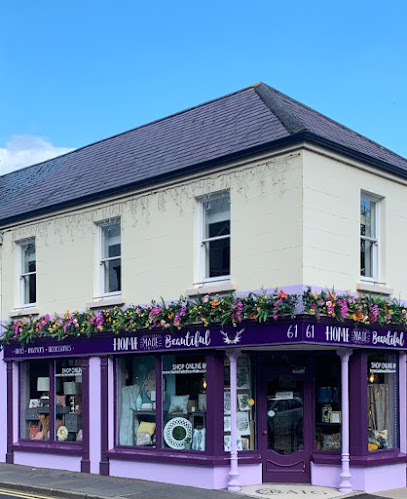
Home Made Beautiful
4.1 km
Explore the charm of Ballycastle at Home Made Beautiful, your go-to gift shop for unique handmade treasures and local artisan crafts.
That Witch
4.2 km
Discover unique, handcrafted jewelry at That Witch in Ballycastle, where every piece reflects the beauty of the region.
The wee shop
4.3 km
Experience local charm at The Wee Shop in Ballycastle, your go-to convenience store for essentials and unique souvenirs in Northern Ireland.
North Coast Coffee
4.3 km
Experience the warmth of North Coast Coffee in Ballycastle, a perfect blend of cozy atmosphere and rich, flavorful brews amidst stunning Northern Ireland landscapes.
The Woodpile Provisions
6.5 km
Explore unique handmade home goods at The Woodpile Provisions in Ballycastle, where local craftsmanship meets cozy charm for the perfect souvenir.
Express Snack Hub & Hot Drinks
14.4 km
Experience the warm hospitality of Bushmills at Express Snack Hub & Hot Drinks, where every sip and bite reflects the charm of Northern Ireland.
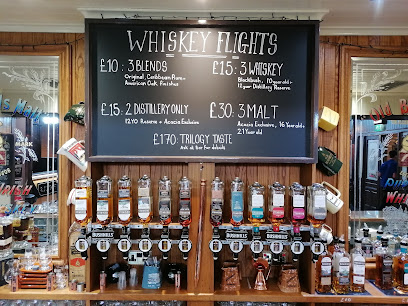
Old Bushmills Distillery Gift Shop
14.8 km
Discover unique gifts and immerse yourself in the whiskey heritage at the Old Bushmills Distillery Gift Shop in Northern Ireland.
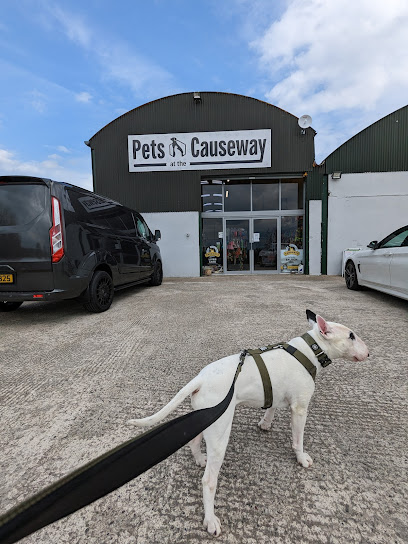
Pets At The Causeway
14.9 km
Discover the finest pet supplies in Bushmills at Pets At The Causeway, a delightful store for pet lovers and their furry friends.
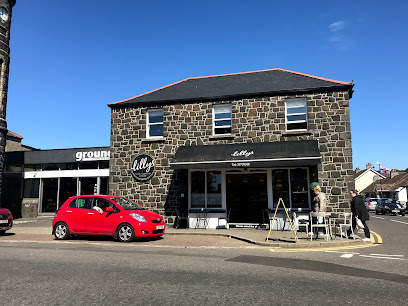
Lilly's
14.9 km
Discover the cozy charm of Lilly's in Bushmills, where delightful coffee and homemade treats await in a picturesque setting.
CentraBushmills
14.9 km
Discover the convenience of CentraBushmills, your go-to supermarket for fresh produce and local delicacies in the heart of Bushmills, Northern Ireland.
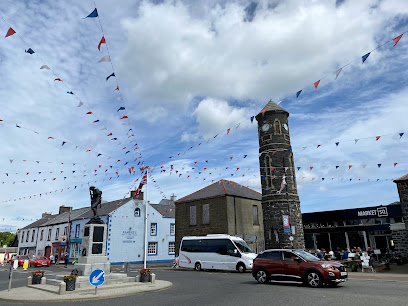
Taylor Yates
15.0 km
Explore the charm of Bushmills at Taylor Yates, where handcrafted fashion meets unique gifts for every traveler.

Linen Lane
15.0 km
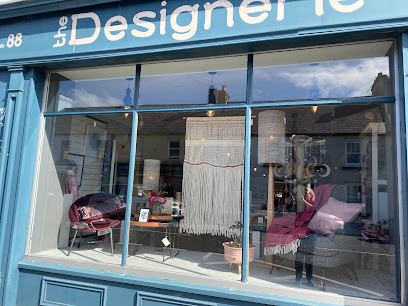
Discover unique lighting designs at Linen Lane in Bushmills, a charming store offering exquisite lamps and lamp shades for every taste.
Essential bars & hidden hideouts

The Coast Inn
3.6 km
Experience authentic Irish hospitality at The Coast Inn, Ballycastle's cherished pub offering local cuisine and craft beverages.
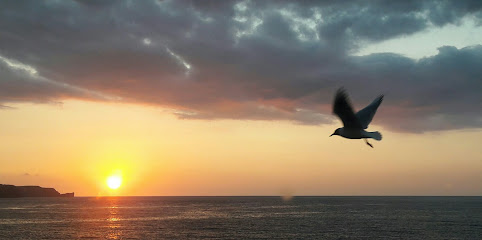
ANZAC BAR, RESTAURANT & OFF SALES
4.0 km
Discover the heart of Irish culture at ANZAC Bar, Restaurant & Off Sales in Ballycastle, where every meal is a celebration of local flavors.
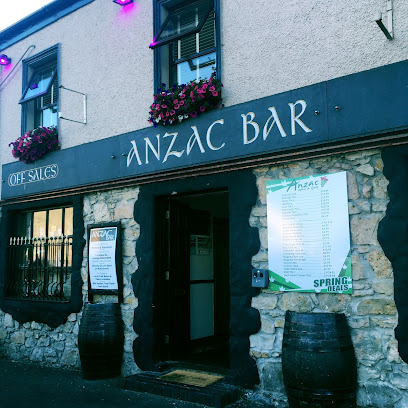
Nellie Rua's, Ballycastle
4.1 km
Discover the vibrant culinary scene at Nellie Rua's in Ballycastle, where local flavors meet a welcoming atmosphere in a stunning beer garden.
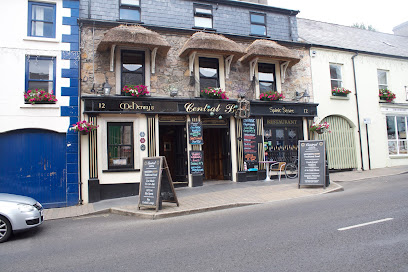
Glenshesk Bar
4.1 km
Experience the warmth of Irish hospitality at Glenshesk Bar, Ballycastle's favorite spot for local brews and live music.
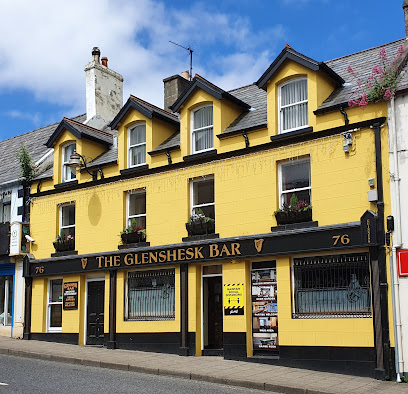
O'Connor's Bar
4.1 km
Discover the heart of Ballycastle at O'Connor's Bar, where traditional Irish hospitality meets a vibrant local atmosphere.
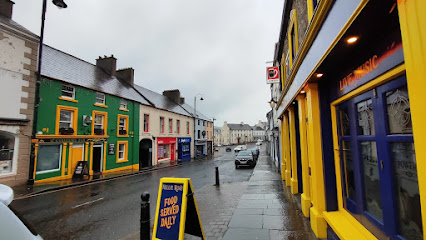
The Boyd Arms
4.1 km
Experience authentic Irish hospitality at The Boyd Arms in Ballycastle, where great food and local brews await in a cozy pub atmosphere.
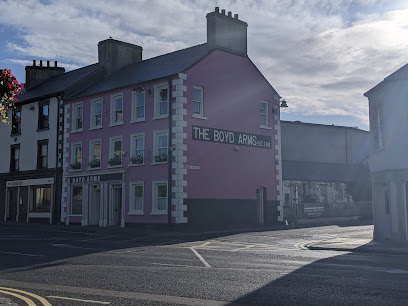
Halo Ballycastle
4.1 km
Experience vibrant nightlife, live music, and local culture at Halo Ballycastle, the heart of entertainment in this charming coastal town.
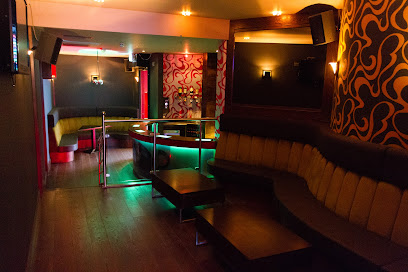
House of McDonnell
4.1 km
Discover the heart of Ballycastle at the House of McDonnell, where traditional Irish cuisine meets vibrant local culture in a cozy pub setting.
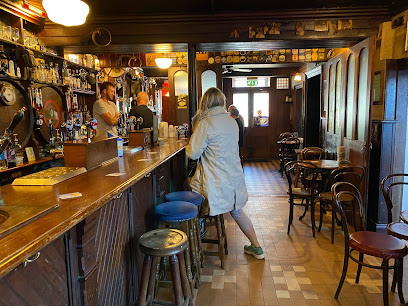
The Diamond Bar
4.1 km
Experience authentic Irish pub culture at The Diamond Bar in Ballycastle, offering a warm atmosphere and a wide selection of local beverages.
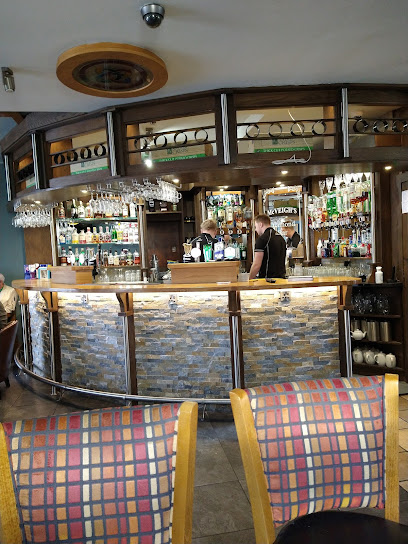
Anglers Arms
4.1 km
Experience the warm Irish hospitality at Anglers Arms Pub in Ballycastle, offering delicious food and a vibrant atmosphere to enjoy with friends.
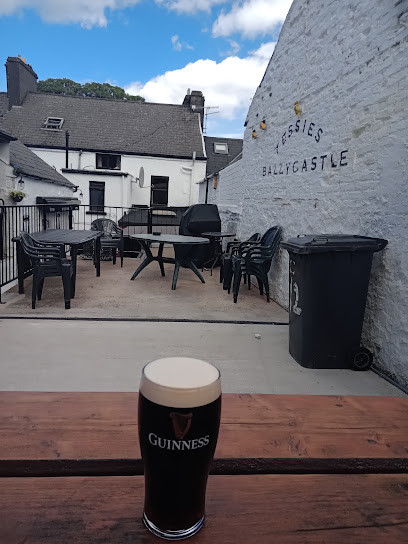
Harbour Bar
4.2 km
Discover the lively atmosphere and local charm at Harbour Bar, Ballycastle's premier destination for drinks and entertainment.
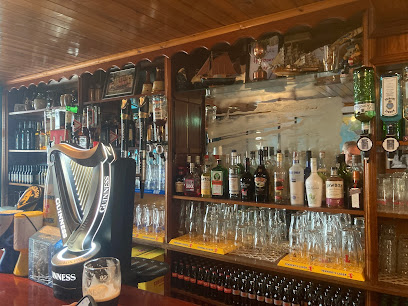
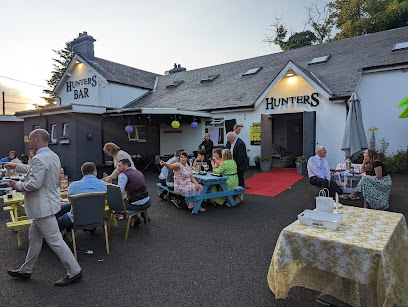
Hunters Bar
7.5 km
Experience the charm of Ballyvoy at Hunters Bar, where local flavors meet warm hospitality in a cozy atmosphere.
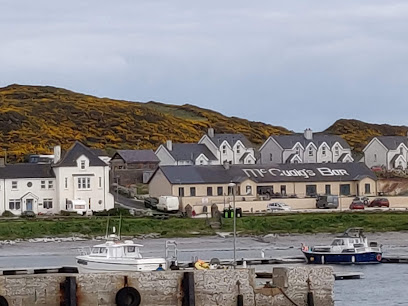
McCuaig's Bar
9.4 km
Discover the heart of Rathlin Island at McCuaig's Bar, where traditional Irish hospitality meets stunning coastal views and vibrant live music.
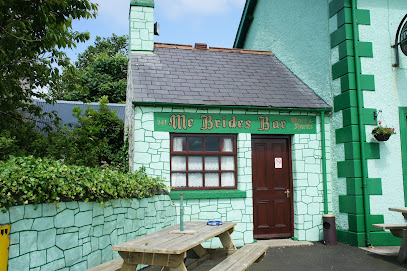
McBrides Bar
11.0 km
Experience traditional Irish hospitality at McBrides Bar in Bushmills, a cozy pub with local brews and a welcoming atmosphere.
The Armada Inn
11.1 km
Discover the charm of The Armada Inn, a cozy pub in Armoy offering authentic Irish cuisine and a welcoming atmosphere for all travelers.
Nightclubs & after hour spots

Kellys Complex Portrush
22.0 km
Discover the pulse of Portrush nightlife at Kellys Complex, where clubbing meets culinary delights in a vibrant atmosphere.
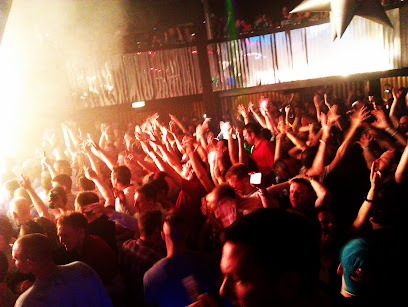
The Legends Lounge
23.3 km
Experience the vibrant atmosphere of The Legends Lounge in Portrush, a perfect bar for enjoying drinks and local culture.
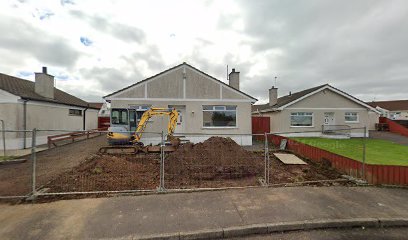
ORIGIN Nightclub & Bar Ballymena
40.2 km
Discover Ballymena's nightlife at ORIGIN Nightclub & Bar, where music, dancing, and vibrant crowds create an unforgettable experience.
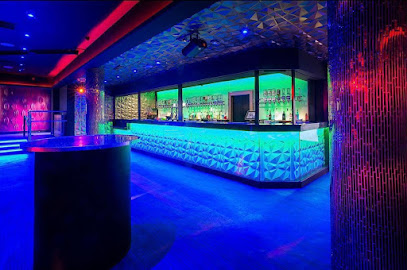
Halyon Club
47.7 km
Discover the vibrant nightlife of Halyon Club in Ballynally, Co. Donegal, where music, dance, and fun come together for an unforgettable experience.
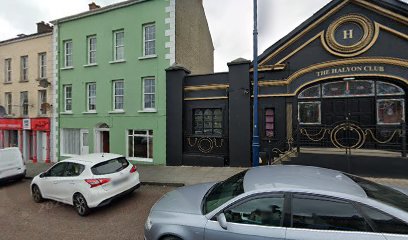
Bailey Redcastle Nite Club
53.3 km
Discover the heart of Co. Donegal's nightlife at Bailey Redcastle Nite Club, where great music and vibrant energy await your arrival.
Antrim Sports Club
56.3 km
Explore Antrim Sports Club, a vibrant snooker and pool haven that combines competition, camaraderie, and community spirit in the heart of Antrim.
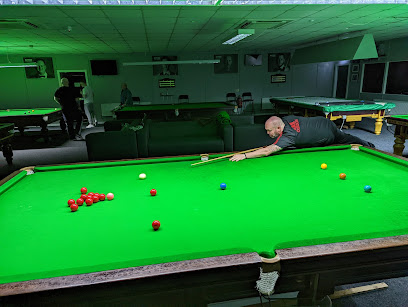
Port Charlotte Hotel
57.0 km
Experience the perfect blend of warmth, comfort, and exquisite local cuisine at Port Charlotte Hotel on the beautiful Isle of Islay.
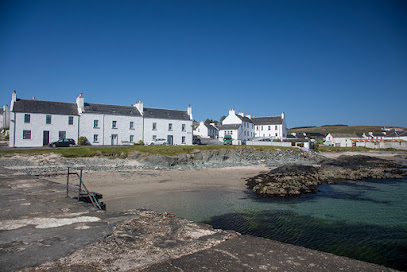
Railway Bar
57.4 km
Discover the Railway Bar in Antrim – a charming pub offering local brews, hearty meals, and a lively atmosphere perfect for tourists.
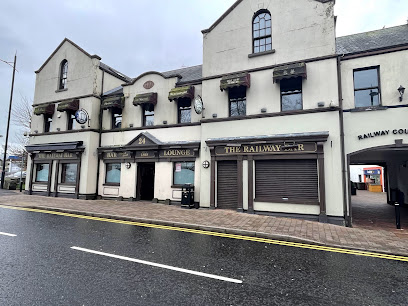
The Anchor Bar
57.4 km
Discover the local charm of Antrim at The Anchor Bar, a welcoming pub filled with delicious food, great drinks, and a vibrant atmosphere.
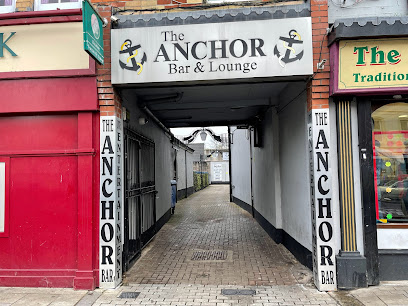
Maddens Bar & Restaurant
57.4 km
Discover Maddens Bar & Restaurant, a lively Irish pub in Antrim perfect for grill lovers and live music enthusiasts.
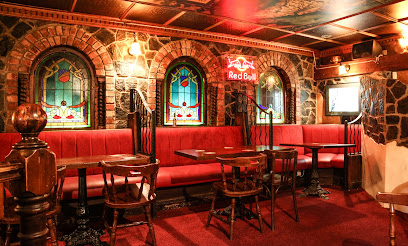
Top Of The Town
57.6 km
Discover Top Of The Town in Antrim, where delicious grilled dishes meet a welcoming atmosphere, perfect for every tourist's culinary journey.
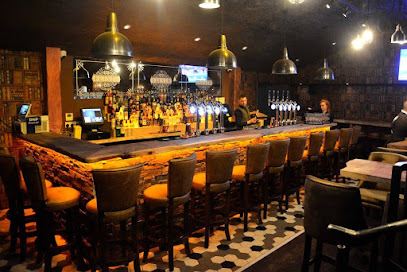
The Lochside Hotel & Restaurant
58.7 km
Discover the beauty and flavors of the Isle of Islay at The Lochside Hotel & Restaurant, where comfort meets local charm in a stunning setting.
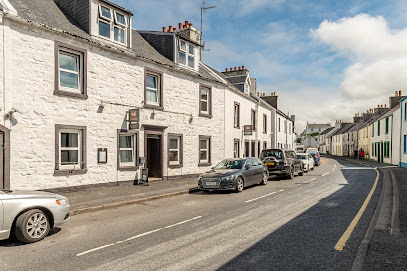
DUFFIE'S BAR
58.7 km
Discover the cozy ambiance of Duffie's Bar in Bowmore, Isle of Islay; a perfect spot for whisky lovers and relaxation amidst beautiful surroundings.
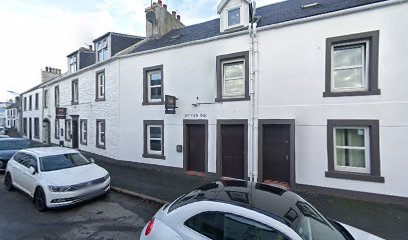
Tul Na Ri
60.7 km
Experience the vibrant nightlife of Co. Donegal at Tul Na Ri, where great music, dancing, and a friendly atmosphere await.
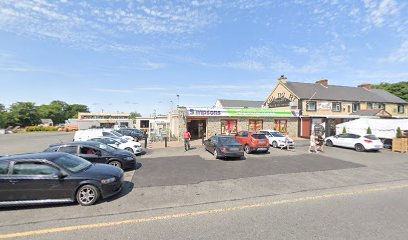
The Causeway Lounge
63.4 km
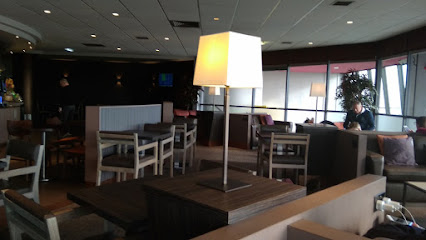
Experience tranquility and comfort at The Causeway Lounge, your perfect pre-flight retreat at Belfast Airport.
For the vibe & atmosphere seeker
- Romantic
- Adventurous
- Scenic
- Unique
- Tranquil
For the design and aesthetic lover
- Rustic Designs
- Vintage Styles
For the architecture buff
- Historic
- Landmarks
- Heritage Neighborhoods
For the view chaser and sunset hunter
- Iconic Views
- Panoramas
- Waterfront
- Sunset Spots
For the social media creator & influencer
- Instagrammable
- Photo Spots
- Architectural Shots
- Colorful Backdrops
For the eco-conscious traveler
- Protected Area
- Leave-No-Trace Critical
- Locally Managed
For the kind of experience you’re after
- Myth & Legends
- Cultural Heritage
- Photowalk
- Adventure Photo Shoot
- Nature Escape
- Day Trip
For how adventurous you want the journey to be
- Requires Hike
- Physically Demanding
Location Audience
- Family Friendly
- Solo Friendly
- Couple Friendly
- Solo Female Friendly


