
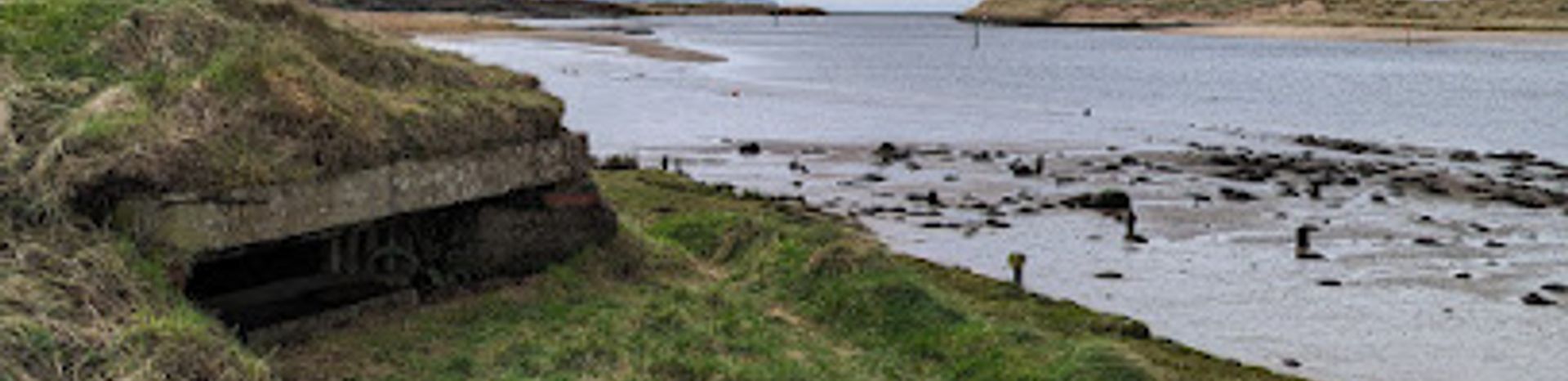
National Trust Barmouth Bird Hide
A peaceful bird hide overlooking the River Bann estuary, perfect for quiet wildlife watching and coastal walks near Portstewart Strand.
Perched on the west bank of the River Bann near Portstewart Strand, the National Trust Barmouth Bird Hide offers a peaceful, intimate window into Northern Ireland’s coastal wetlands. This simple wooden hide overlooks the estuary, where wading birds, ducks, and seasonal migrants gather in the reeds and mudflats. With easy access from the beach and dunes, it’s a quiet spot for birdwatching, photography, and simply listening to the rhythms of the estuary and sea. The surrounding reserve is part of a protected landscape, rich in wildflowers, butterflies, and coastal views.
A brief summary to National Trust Barmouth Bird Hide
- Barmouth Rd, Coleraine, Castlerock, BT51 4XG, GB
- Visit website
- Duration: 0.5 to 2 hours
- Budget
-
 Outdoor
- Mobile reception: 4 out of 5
- Monday 8 am-8 pm
- Tuesday 8 am-8 pm
- Wednesday 8 am-8 pm
- Thursday 8 am-8 pm
- Friday 8 am-8 pm
- Saturday 8 am-8 pm
- Sunday 9 am-6 pm
Local tips
- Bring binoculars or a small telescope to clearly see birds on the mudflats and in the reeds, especially at high tide when they’re farther out.
- Visit early in the morning or late in the afternoon for the best bird activity and soft, golden light for photography.
- Check tide times; low tide exposes more mudflats and attracts more waders, while high tide pushes birds closer to the hide.
- Combine your visit with a walk along Portstewart Strand or through the dunes for a longer coastal experience with sea views and wildflowers.
- Respect the reserve: stay on paths, keep noise down, and keep dogs under control to avoid disturbing nesting and feeding birds.

For the on-the-go comforts that matter to you
- Restrooms
- Drinking Water
- Picnic Areas
- Trash Bins
- Information Boards
Getting There
-
Car
From Coleraine, follow the A2 coast road towards Portstewart and Castlerock. The bird hide is located off Barmouth Road, with a small National Trust car park nearby. Journey time is around 10–15 minutes from Coleraine town centre, and parking is available on site, with a small fee for non-members.
-
Public Transport
Take a Translink bus from Coleraine or Derry/Londonderry to Portstewart or Castlerock. From the main road, it’s a 10–15 minute walk along Barmouth Road to the hide and car park. Service frequency varies, so check local timetables, especially outside peak season.
-
Walking
The hide is accessible on foot from Portstewart Strand or Castlerock, via waymarked paths and dune trails. Allow 20–30 minutes from the main beach area, depending on your starting point and pace. The paths are generally level but can be soft or sandy in places.
National Trust Barmouth Bird Hide location weather suitability
-
 Any Weather
-
 Rain / Wet Weather
-
 Clear Skies
-
 Windy Conditions
-
 Mild Temperatures
Discover more about National Trust Barmouth Bird Hide
A Quiet Watchpoint on the Bann Estuary
Nestled along the west side of the River Bann, near the golden sands of Portstewart Strand, the National Trust Barmouth Bird Hide is a modest but rewarding nature hide that opens onto one of Northern Ireland’s important estuarine habitats. The hide itself is a simple, functional structure, designed to blend into the reedbeds and dunes, offering shelter and a clear view across the water. From here, the estuary unfolds in shifting light and tides, with mudflats, saltmarsh, and reedbeds creating a mosaic of feeding and resting grounds for birds. The atmosphere is one of stillness and attentiveness, where the rustle of reeds, the cry of gulls, and the distant roar of the sea form a calming soundtrack.Wildlife and Seasonal Spectacle
The Bann Estuary is a haven for waterfowl and waders, making the hide a prime spot for birdwatching throughout the year. In winter, large flocks of ducks and geese gather, while curlews, redshanks, and oystercatchers probe the mudflats at low tide. Spring and autumn bring passage migrants, including sandpipers, plovers, and the occasional rare visitor, drawn to this rich feeding ground. The surrounding dunes and grasslands support a different cast of characters: skylarks, meadow pipits, and the occasional kestrel hover overhead. Butterflies such as the common blue and dark green fritillary dance among wild pansies and sea pinks, adding colour to the coastal flora.Part of a Wider Coastal Landscape
The bird hide is part of the larger Portstewart Strand and Barmouth Wildlife Reserve, a protected area managed by the National Trust. This stretch of coast combines a Blue Flag beach with dune systems, estuary, and grassland, creating a diverse and ecologically valuable landscape. The hide sits at the edge of this mosaic, where the river meets the sea and the dunes meet the estuary. It’s easy to combine a visit here with a walk along the strand, a stroll through the dunes, or a longer coastal path that takes in views of the Inishowen headland and the cliffs above with Mussenden Temple in the distance. The reserve is waymarked and maintained, with paths that are accessible to many, though some areas can be soft or uneven underfoot.Practical and Peaceful Nature Watching
Visiting the hide is a low-key, self-guided experience. There are no formal exhibits or staff on site, but information boards near the entrance help identify common species and explain the importance of the estuary. Binoculars or a small telescope greatly enhance the experience, especially at high tide when birds are pushed closer to the hide. The hide is open daily, with long hours that allow for early morning or late evening visits, when birds are most active and the light is soft and golden. Parking is available nearby, and the site is designed to be inclusive, with facilities and paths that accommodate visitors with mobility needs, including access to the beach via inclusive beach equipment schemes.Responsible Enjoyment of a Fragile Habitat
As a nature reserve, this area is managed to protect its wildlife and habitats. Visitors are encouraged to stay on paths, keep noise to a minimum, and avoid disturbing birds, especially during nesting season. Dogs should be kept under close control, and litter must be taken away to preserve the cleanliness of the beach and estuary. The National Trust works with local partners to maintain the reserve, manage invasive species, and monitor bird populations, ensuring that this quiet corner of the Causeway Coast remains a sanctuary for both wildlife and people. For those seeking a moment of calm and connection with nature, the Barmouth Bird Hide offers a simple but profound experience on the edge of land and sea.Iconic landmarks you can’t miss

Merrick Stone
7.6 km
Discover the intriguing history and stunning scenery of Merrick Stone, a captivating landmark in Limavady, Northern Ireland.
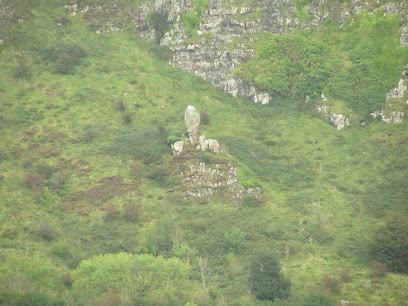
Moville Shore Path Walk, Inishowen
18.1 km
Explore the breathtaking Moville Shore Path Walk in Inishowen, where stunning coastal views and serene pathways await every nature lover.
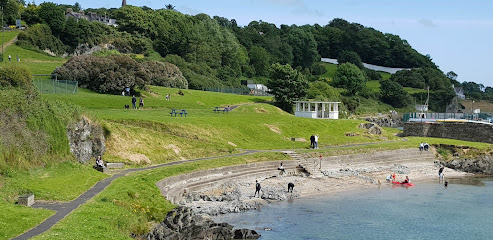
North Antrim Cliff Path Hike
21.4 km
Explore the stunning North Antrim Cliff Path Hike, a breathtaking journey along Ireland's rugged coastline with enchanting views and rich history.
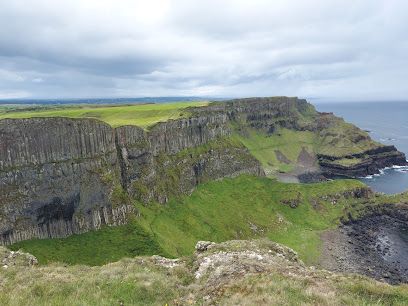
Dunseverick Castle
21.4 km
Discover the enchanting ruins of Dunseverick Castle, a historical landmark on Northern Ireland's stunning Antrim Coast, perfect for hiking and exploration.
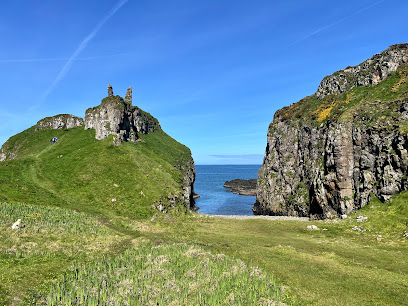
National Trust - White Park Bay
23.5 km
Experience the unspoiled beauty of White Park Bay, where dramatic landscapes meet serene beaches in Northern Ireland's breathtaking coastline.
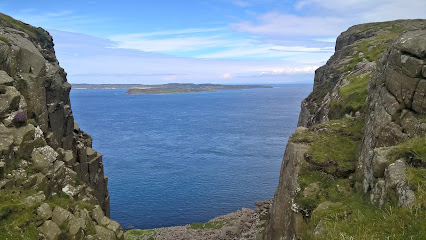
The Dark Hedges
24.1 km
Discover the enchanting beech tree-lined avenue of The Dark Hedges, a must-visit natural wonder in Northern Ireland, perfect for photography and serene strolls.
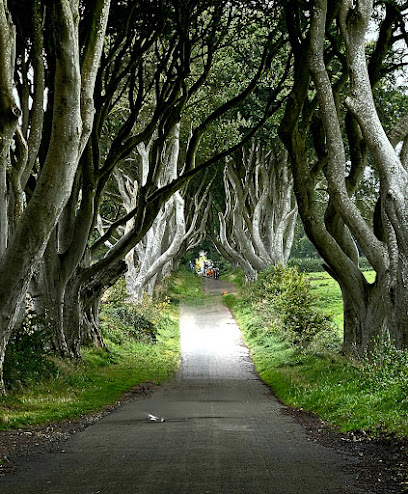
Whitepark Bay viewpoint
24.4 km
Dramatic clifftop vista of white sand and ancient dunes on the North Antrim coast.
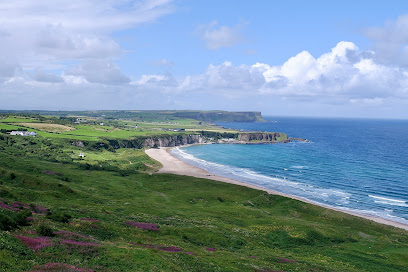
Causeway Coastal Route
26.7 km
Discover the stunning landscapes and rich heritage along the Causeway Coastal Route, a scenic journey through Northern Ireland's breathtaking coastline.
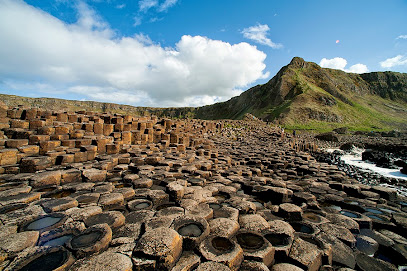
The Temple of Deen
28.0 km
Explore the Temple of Deen, a captivating historical landmark in County Donegal, surrounded by breathtaking scenery and rich cultural heritage.
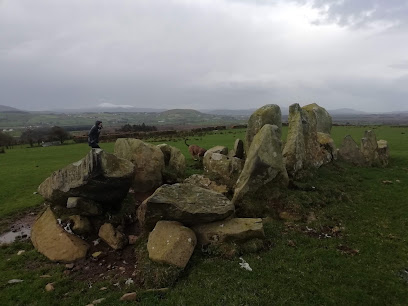
National Trust - Carrick-a-Rede
28.4 km
Experience the thrill of crossing Carrick-a-Rede Rope Bridge, a breathtaking connection to nature and history on Northern Ireland's stunning coastline.
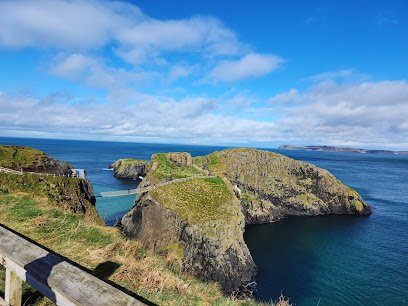
Culdaff Beach
28.7 km
Discover the beauty of Culdaff Beach in County Donegal, where golden sands meet the Atlantic, perfect for relaxation and adventure.
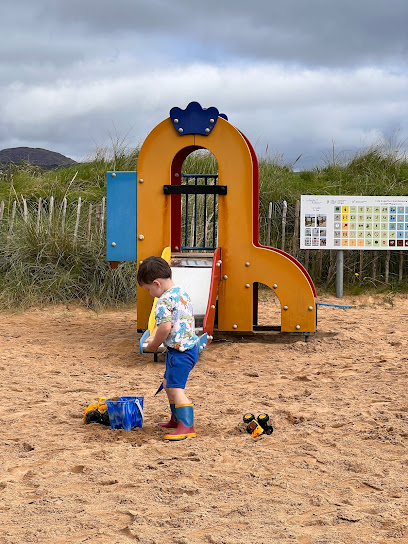
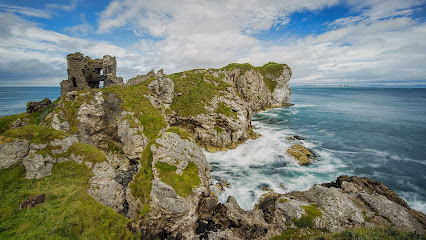
Kinbane Castle
30.6 km
Dramatic 16th-century ruin perched on white limestone cliffs with breathtaking Atlantic views and a rewarding steep descent.
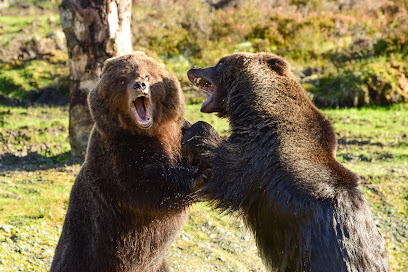
Wild Ireland
38.9 km
Explore Wild Ireland, where you can encounter native wildlife in stunning natural surroundings, perfect for families and nature lovers alike.
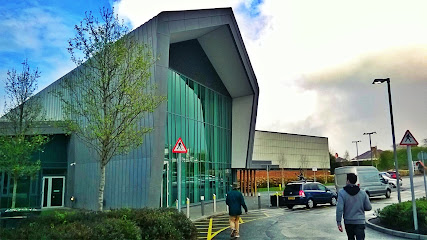
Foyle Arena
39.1 km
Discover fitness and relaxation at Foyle Arena, Londonderry's premier leisure center with a gym, indoor swimming pool, and diverse fitness classes.
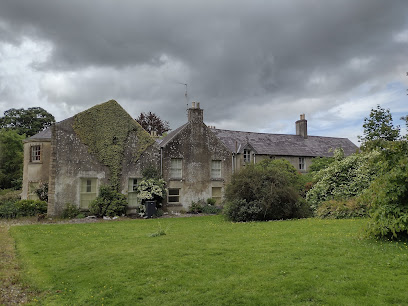
Ashbrook House
39.2 km
Explore Ashbrook House, a stunning historical landmark in Londonderry, where rich heritage meets breathtaking landscapes.
Unmissable attractions to see

Castlerock
2.1 km
A serene seaside village blending historic charm, championship golf, and pristine Blue Flag beaches on Northern Ireland’s stunning Causeway Coast.
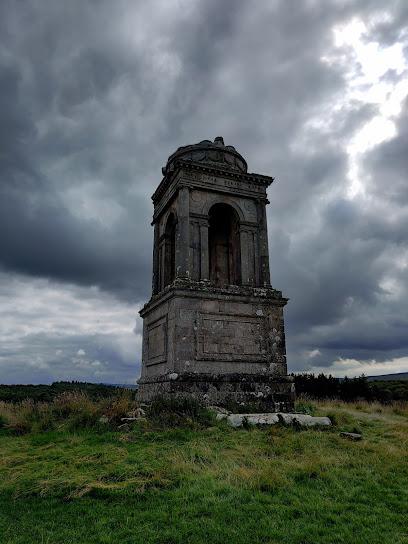
National Trust - Portstewart Strand
2.2 km
Experience the serene beauty of Portstewart Strand, a magnificent beach and nature preserve perfect for relaxation and outdoor adventures.
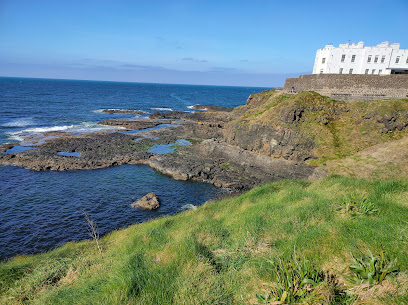
BISHOP'S GATE - The National Trust
3.1 km
Explore Bishop's Gate, a serene tourist attraction in Coleraine, Northern Ireland, offering stunning views, historical charm, and peaceful gardens.
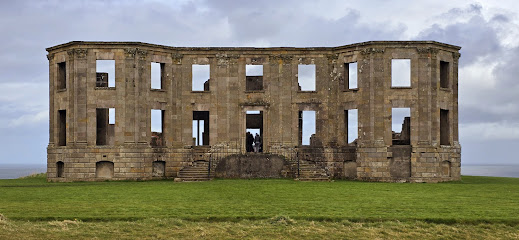
National Trust - Mussenden Temple and Downhill Demesne
3.4 km
Discover the breathtaking views and rich heritage at Mussenden Temple and Downhill Demesne, a scenic coastal escape in Northern Ireland.
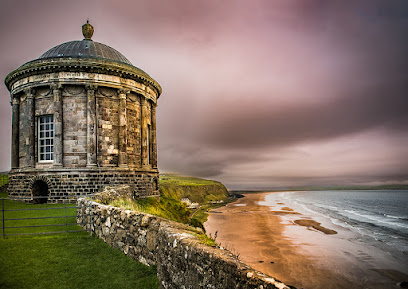
Mussenden Temple
3.5 km
Discover Mussenden Temple: a historic library, a tragic love story, and breathtaking coastal views on Northern Ireland's Causeway Coast.
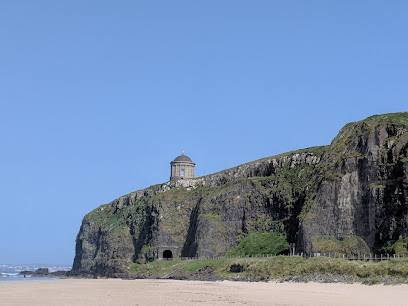
Rinagree Point
5.7 km
Explore Rinagree Point in Portstewart, a stunning coastal attraction with majestic views and serene walking trails perfect for nature lovers and photographers.
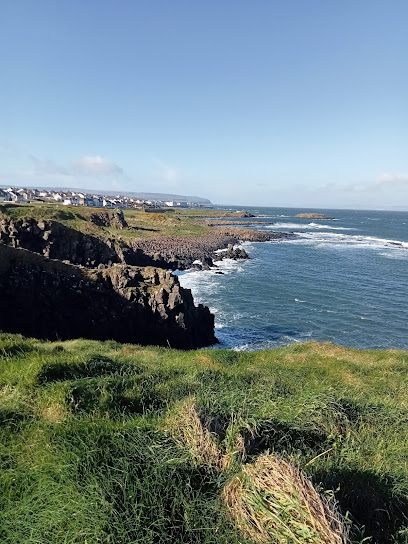
Portrush West Strand
7.4 km
Experience the stunning beauty and vibrant atmosphere of Portrush West Strand, a must-visit beach destination along Northern Ireland's scenic coastline.
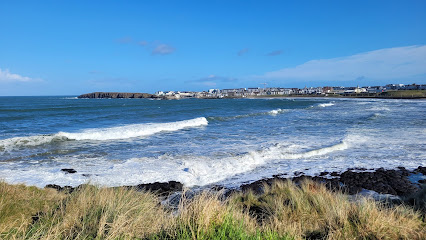
Gortmore Viewpoint
7.7 km
Windswept Celtic vantage point where ancient mythology meets panoramic coastal views across three nations.
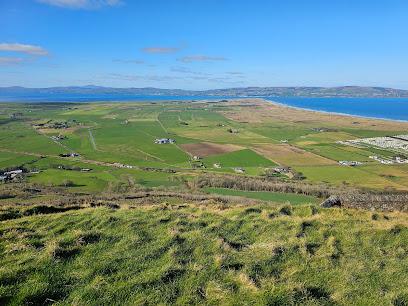
West Strand Beach
7.9 km
A Blue Flag beach in Portrush with golden sands, vibrant promenade, and ancient peat heritage on Northern Ireland’s stunning Causeway Coast.
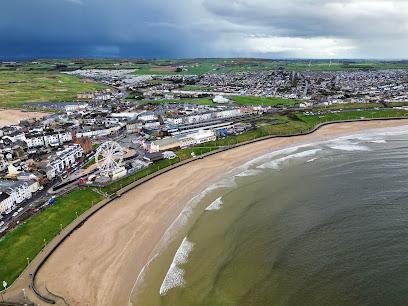
Portrush
8.2 km
Portrush blends stunning beaches, historic ruins, thrilling amusements, and vibrant coastal life on Northern Ireland’s scenic north coast.
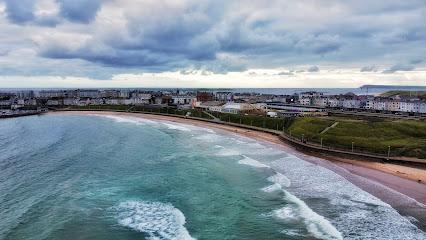
Portrush National Nature reserve
8.5 km
Explore the stunning Portrush National Nature Reserve, a natural paradise along Northern Ireland's Antrim coast, rich in biodiversity and breathtaking views.
Portrush Coastal Zone
8.5 km
Explore the breathtaking landscapes and thrilling adventures at Portrush Coastal Zone, a natural paradise on the Northern Irish coast.
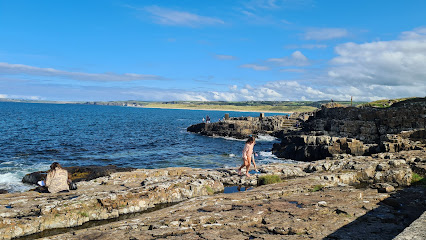
Ramore Head Lansdowne
8.6 km
Experience the breathtaking views and rugged beauty of Ramore Head Lansdowne in Portrush, a must-see coastal attraction in Northern Ireland.
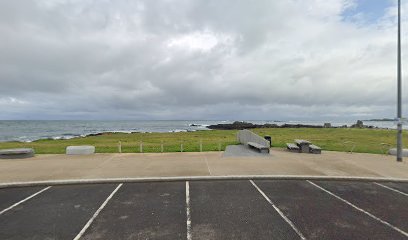
White Rocks Beach
10.6 km
Discover the stunning White Rocks Beach in Portrush, Northern Ireland's coastal paradise with golden sands and breathtaking cliffs.
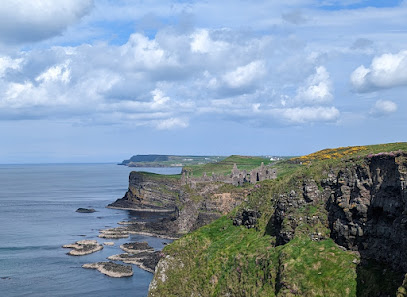
The Slot
11.2 km
Explore The Slot in Portrush, a stunning hiking area with breathtaking coastal views and diverse trails perfect for nature lovers.
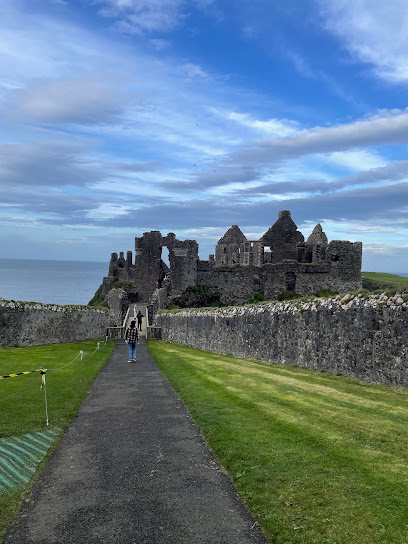
Essential places to dine

Harry's Shack
2.2 km
Discover Harry's Shack - where fresh seafood meets stunning coastal views in Portstewart, Northern Ireland.
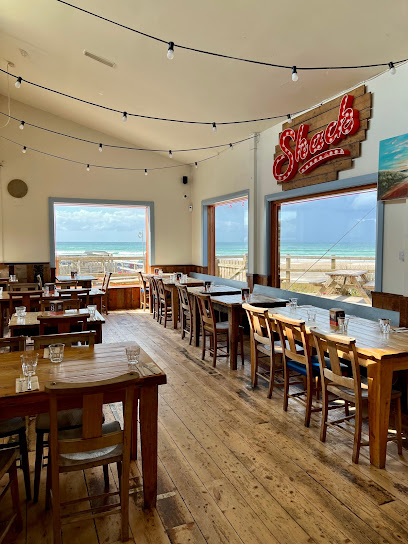
Eighteen Ninety Four
2.4 km
Discover Eighteen Ninety Four: A coastal dining experience in Portstewart with locally sourced dishes and stunning sea views.
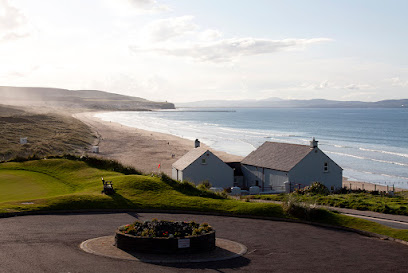
The Anchor Bar Complex
3.5 km
Experience coastal charm at The Anchor Bar Complex in Portstewart—where great food meets live entertainment in an inviting atmosphere.
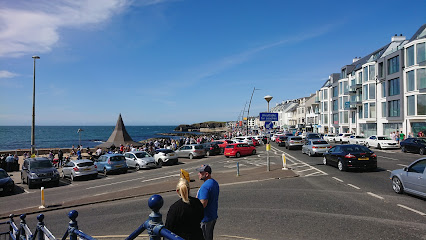
Villa Portstewart
3.5 km
Experience exquisite grilled cuisine with stunning ocean views at Villa Portstewart – where every meal is a seaside delight.
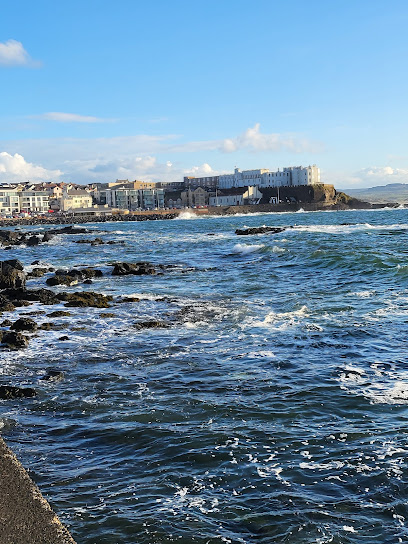
Amici Ristorante
4.2 km
Discover authentic Italian cuisine at Amici Ristorante in Portstewart - where every meal is a celebration of flavor and hospitality.
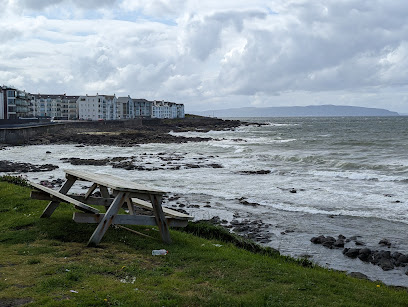
LIR
5.5 km
Experience fresh local seafood at LIR Seafood Restaurant overlooking Coleraine's stunning marina.
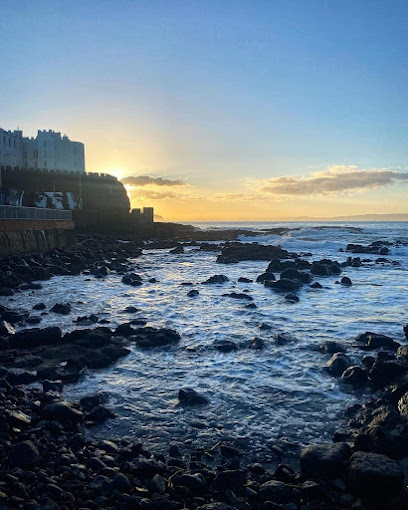
The Tides Restaurant
6.7 km
Experience modern European cuisine at The Tides Restaurant in Portrush with stunning coastal views and exceptional service.
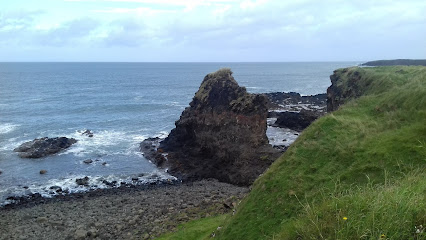
Elliot's Bistro
7.6 km
Modern, fresh, and welcoming dining at Elliot's Bistro in Coleraine, offering local flavors and a versatile menu for every occasion.
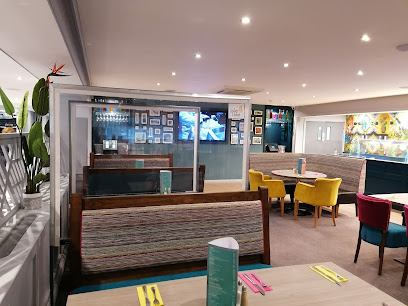
The Quays Bar & Gastropub
8.2 km
A vibrant gastropub in Portrush offering fresh local dishes, lively music, and a welcoming coastal atmosphere for all occasions.
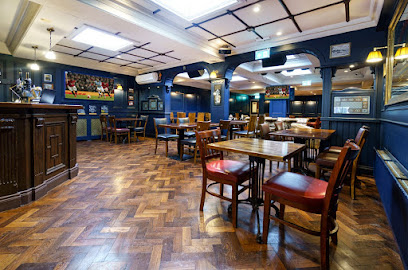
Ramore Restaurants, Portrush
8.2 km
A vibrant coastal dining complex in Portrush offering diverse French, Italian, and wine bar experiences with a scenic harbour backdrop.
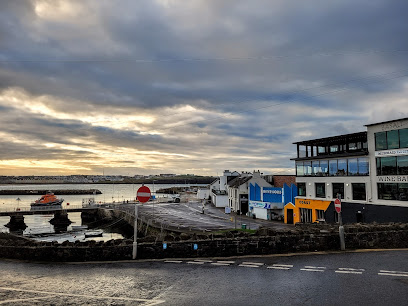
Neptune & Prawn
8.2 km
Discover exquisite seafood dishes blended with Asian influences at Neptune & Prawn in Portrush – where flavor meets oceanic beauty.
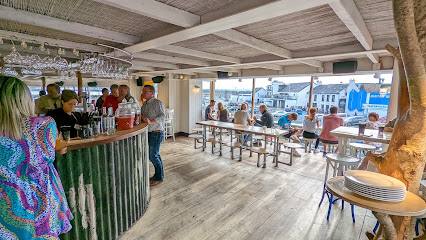
55 Degrees North | Restaurant | Bistro | Cafe
8.4 km
Discover culinary excellence at 55 Degrees North Bistro in Portrush – where local flavors meet stunning coastal views.
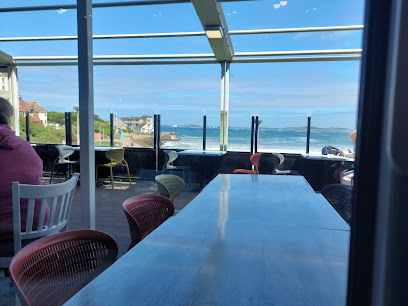
Elephant Rock Hotel
8.4 km
Discover luxury dining and vibrant nightlife at Elephant Rock Hotel in beautiful Portrush - your perfect coastal escape awaits.
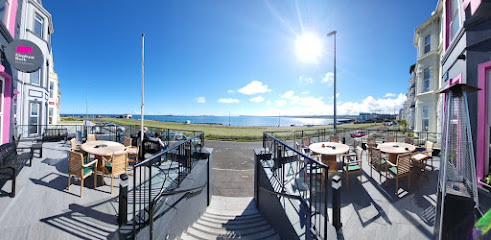
The Newbridge Restaurant
9.3 km
Discover exquisite Modern European cuisine at The Newbridge Restaurant in Coleraine – where local ingredients meet culinary artistry.
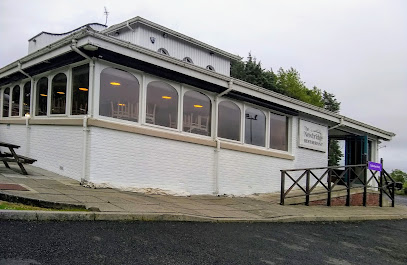
Wolf it Down Mobile Cafe
13.1 km
Discover mouth-watering takeout at Wolf it Down Mobile Cafe in Bushmills - perfect for fueling your adventures around Northern Ireland's stunning landscapes.
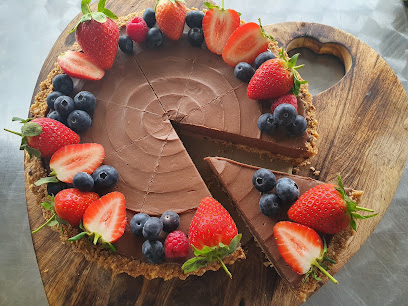
Markets, malls and hidden boutiques

A Broader Picture - Home & Lifestyle Shop
3.7 km
Explore A Broader Picture in Portstewart for unique gifts and home decor that embody local charm and craftsmanship.
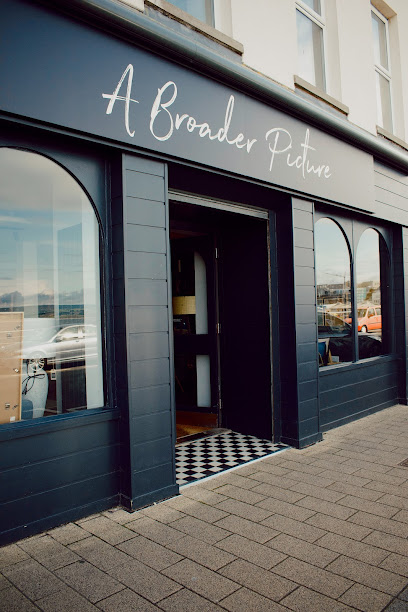
Olivia's Haven
6.4 km
Explore Olivia's Haven in Coleraine for unique gifts, handcrafted candles, and a touch of local charm on your journey.

Portrush Lifeboat House and Shop
8.2 km
Discover maritime heritage and unique gifts supporting the heroic RNLI lifeboat crews at Portrush’s charming Lifeboat House and Shop.
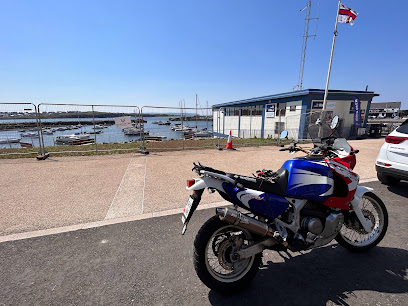
Jaspers
8.3 km
Explore Jaspers, Portrush's charming gift shop filled with unique treasures and local crafts that make perfect souvenirs.

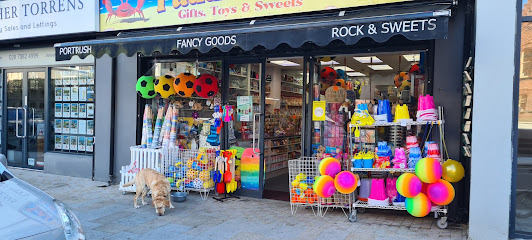
PORTRUSH TOYS AND SOUVENIRS
8.3 km
Explore Portrush Toys and Souvenirs for unique gifts and local memorabilia that capture the charm of this coastal gem.

PaddleCrab
8.3 km
Explore PaddleCrab in Portrush for unique gifts and souvenirs that embody the spirit of this charming coastal town.
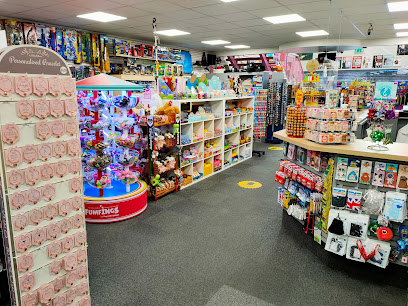
Paper Lily
8.3 km
Discover hand-personalized gifts and local artisan treasures at Paper Lily, Portrush’s charming boutique for unique presents.

Jasper's Gift Shop
8.4 km
Discover unique souvenirs and local crafts at Jasper's Gift Shop in Portrush, where every purchase tells a story of your journey.

Jingles Gift shop
8.4 km
Discover unique souvenirs and festive supplies at Jingles Gift Shop in Portrush, a must-visit destination for every traveler.
The Souvenir Shop
8.4 km
Discover unique gifts and local treasures at The Souvenir Shop in Portrush, the perfect spot for memorable souvenirs and artisan finds.
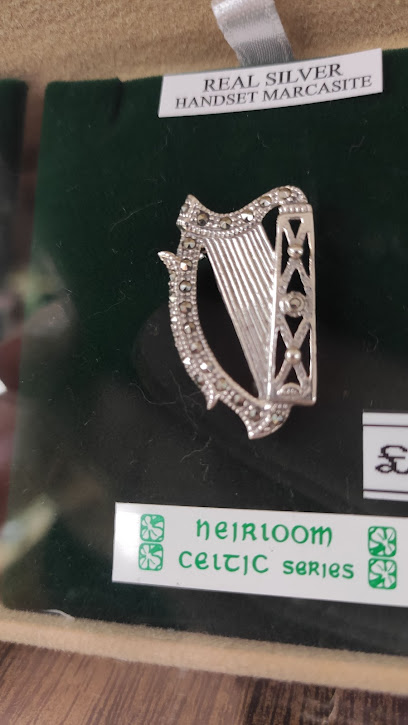
Causeway Coast Gifts
8.8 km
Explore Causeway Coast Gifts for a unique selection of local crafts and treasures that embody the spirit of Northern Ireland.
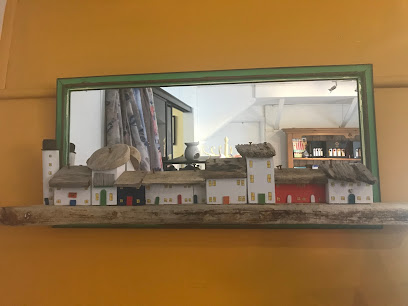
Creative Gardens Bushmills
13.8 km
Discover the enchanting Creative Gardens Bushmills, where vibrant flora meets exquisite outdoor furnishings in a serene setting.
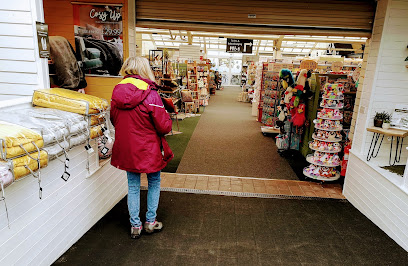
Causeway Tackle
15.2 km
Explore Causeway Tackle in Portballintrae for all your fishing needs, from equipment to expert advice, amidst stunning Northern Ireland landscapes.
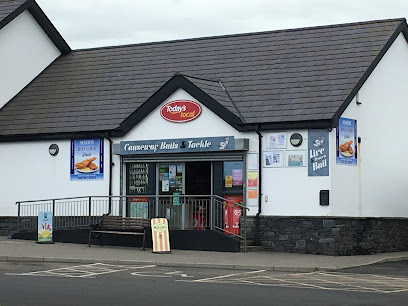
MAEGDEN
15.7 km
Explore the distinct flavors of Maegden, a charming cheese and ham shop in Bushmills, offering artisanal delights from Northern Ireland.

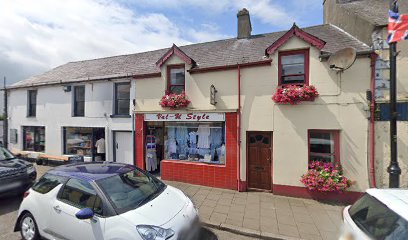
Val-U Style
15.7 km
Explore stylish clothing and accessories at Val-U Style in Bushmills, a charming destination for fashion enthusiasts and tourists alike.
Essential bars & hidden hideouts

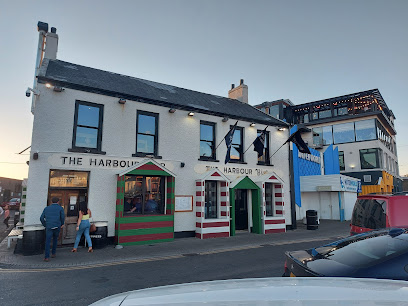
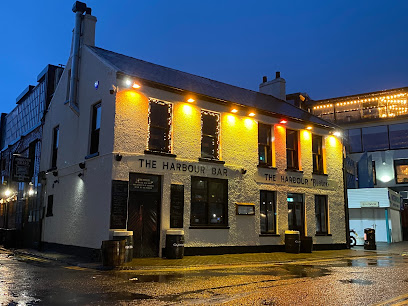
The Harbour Bar
8.2 km
Experience the charm of The Harbour Bar in Portrush, where traditional Irish hospitality meets stunning coastal views and delicious local cuisine.
Harbour Gin Bar
8.2 km
Experience the best of Portrush's cocktail culture at Harbour Gin Bar, where creative drinks meet stunning harbor views.
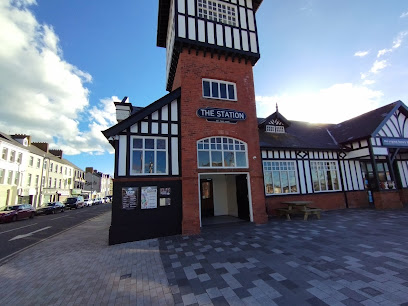
The Station Bar
8.2 km
Experience the vibrant atmosphere of The Station Bar in Portrush, where live music and great drinks come together for unforgettable nights.
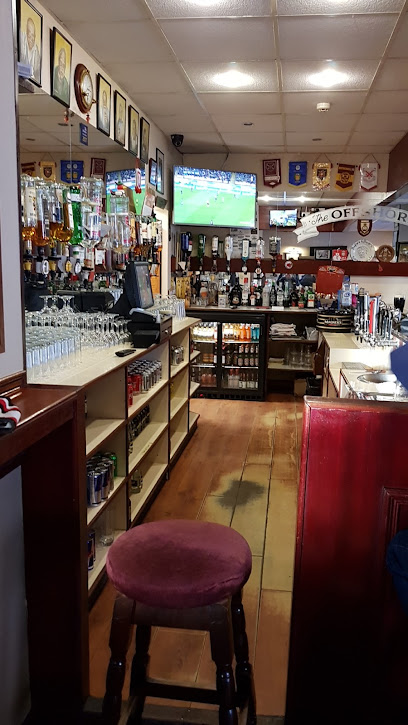
The Offshore
8.3 km
Experience authentic Irish hospitality and lively coastal vibes at The Offshore, a beloved pub in the heart of Portrush.
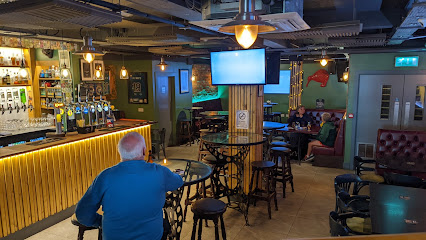
Kiwi's Brew Bar
8.4 km
Discover the flavors and sounds of Portrush at Kiwi's Brew Bar, where great food meets live entertainment in a cozy atmosphere.
Springhill Bar
8.4 km
Experience the charm of Springhill Bar in Portrush, where great drinks and delicious pub fare await in a cozy atmosphere.
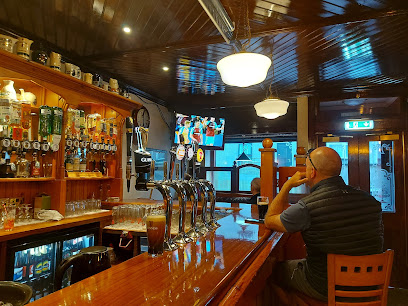
Kon-Tiki Boat Bar
8.8 km
Experience the vibrant atmosphere at Kon-Tiki Boat Bar, where tropical cocktails and stunning coastal views create an unforgettable evening in Portrush.
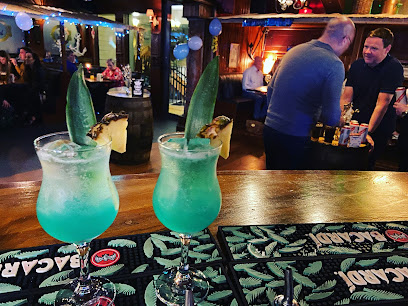
The Scotch House Bar
15.7 km
Discover the lively atmosphere of The Scotch House Bar in Bushmills, where traditional Irish music meets delicious pub fare and a warm welcome.
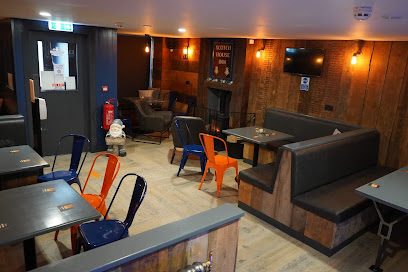
Chonga Castlecatt
16.4 km
Experience the warmth of Irish hospitality at Chonga Castlecatt, a charming bar in Bushmills, where local culture and relaxation meet.
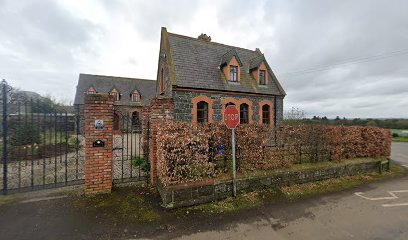
Blackwater Bar
18.8 km
Discover the cozy charm of Blackwater Bar in Dervock, a perfect retreat for travelers seeking local drinks and a friendly atmosphere.
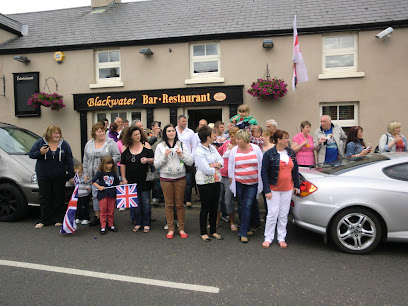
McBrides Bar
19.8 km
Experience traditional Irish hospitality at McBrides Bar in Bushmills, a cozy pub with local brews and a welcoming atmosphere.
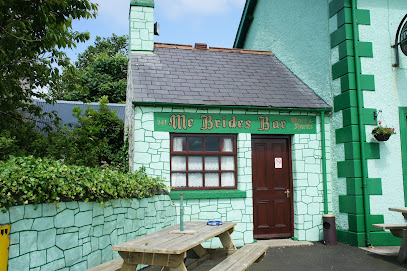
The Armada Inn
27.6 km
Discover the charm of The Armada Inn, a cozy pub in Armoy offering authentic Irish cuisine and a welcoming atmosphere for all travelers.

The Glen Bar
30.3 km
Experience the charm of The Glen Bar in Armoy, a perfect blend of local flavors, warm ambiance, and a vibrant community spirit.
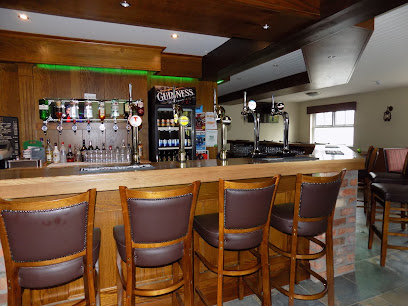
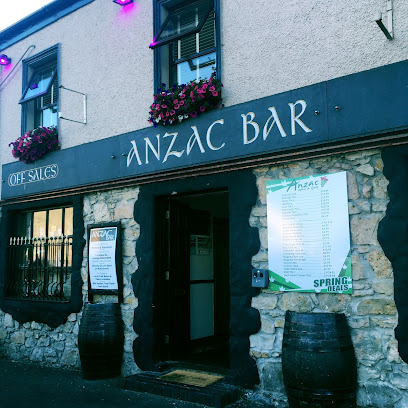
ANZAC BAR, RESTAURANT & OFF SALES
32.4 km
Discover the heart of Irish culture at ANZAC Bar, Restaurant & Off Sales in Ballycastle, where every meal is a celebration of local flavors.
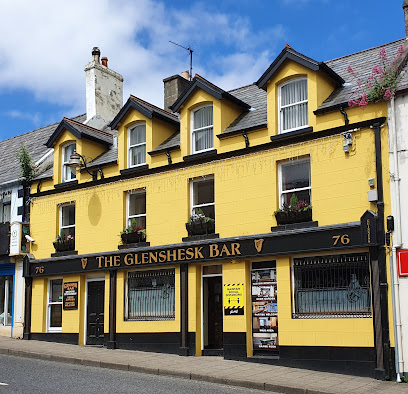
Glenshesk Bar
32.4 km
Experience the warmth of Irish hospitality at Glenshesk Bar, Ballycastle's favorite spot for local brews and live music.
Nightclubs & after hour spots

The Legends Lounge
7.6 km
Experience the vibrant atmosphere of The Legends Lounge in Portrush, a perfect bar for enjoying drinks and local culture.
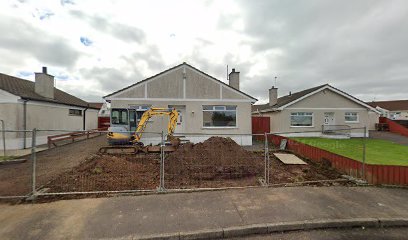
Kellys Complex Portrush
8.8 km
Discover the pulse of Portrush nightlife at Kellys Complex, where clubbing meets culinary delights in a vibrant atmosphere.
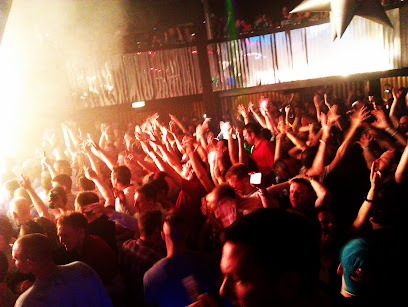
Halyon Club
18.2 km
Discover the vibrant nightlife of Halyon Club in Ballynally, Co. Donegal, where music, dance, and fun come together for an unforgettable experience.
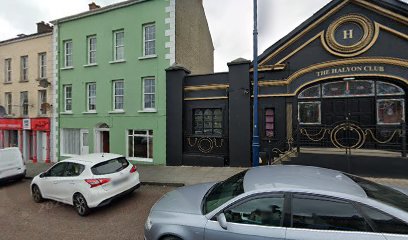
Bailey Redcastle Nite Club
23.1 km
Discover the heart of Co. Donegal's nightlife at Bailey Redcastle Nite Club, where great music and vibrant energy await your arrival.
Tul Na Ri
32.7 km
Experience the vibrant nightlife of Co. Donegal at Tul Na Ri, where great music, dancing, and a friendly atmosphere await.

Ibiza Orchestra Live
39.6 km
Experience the electrifying fusion of live orchestral music and iconic Ibiza dance beats in Londonderry’s vibrant nightlife hotspot.
Nacional de Cuba
40.2 km
Experience the vibrant energy of Nacional de Cuba, Londonderry's premier cocktail bar with a taste of Cuban culture and lively nightlife.
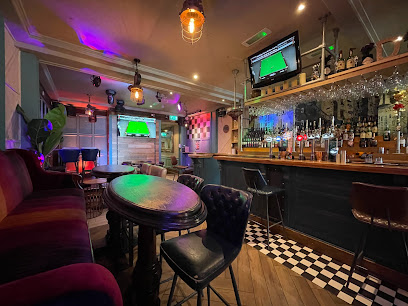
FIFTY SEVEN Waterloo St
40.2 km
Experience Londonderry’s vibrant nightlife at Fifty Seven Waterloo St, a chic nightclub pulsing with classic DJ beats and lively energy.
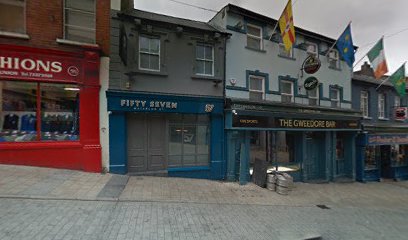
Dukes Bar
40.3 km
Experience Londonderry’s vibrant nightlife at Dukes Bar, where lively music, crafted cocktails, and a welcoming atmosphere await.
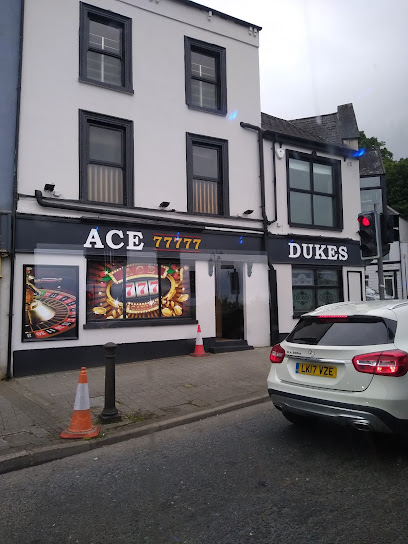
Masons Bar
40.3 km
Experience the charm of Masons Bar in Londonderry, where local culture meets vibrant atmosphere for an unforgettable night out.
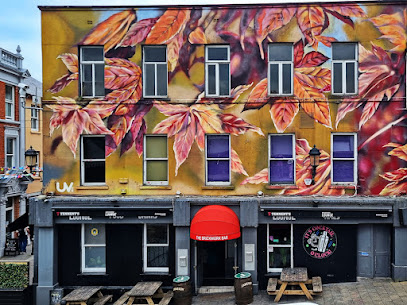
The Phoenix Bar & Off License
40.4 km
Discover the charm of The Phoenix Bar & Off License - a bustling pub in Londonderry offering great drinks, live music, and a friendly atmosphere.
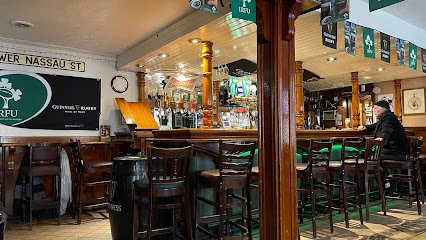
izudoo Derry Pub & Night Club Guide
40.7 km
Experience Londonderry’s vibrant nightlife at izudoo — a lively pub and nightclub with great music, drinks, and unforgettable nights out.
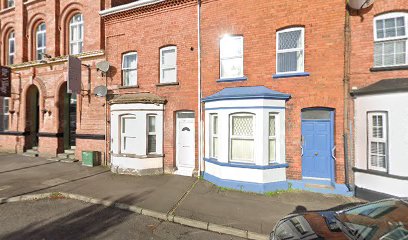
Celtic Bar
41.0 km
Experience the lively spirit of Ireland at Celtic Bar in Londonderry, where authentic drinks and warm hospitality await you.
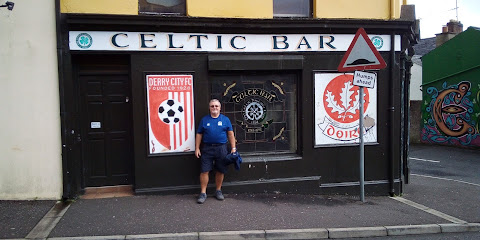
Crescent Bar
41.1 km
Discover the charm of Crescent Bar in Londonderry - a cozy pub with delectable food, a vast drink selection, and local live music.
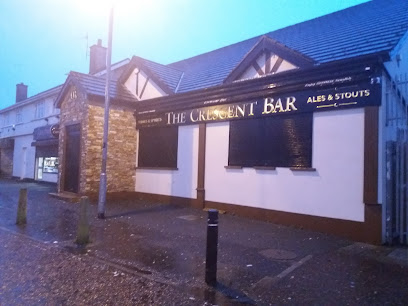
Carrolls
43.6 km
Discover the vibrant nightlife at Carrolls in Buncrana, Co. Donegal, where exceptional drinks and music create unforgettable memories.
For the vibe & atmosphere seeker
- Relaxing
- Tranquil
- Scenic
- Nature Escape
For the architecture buff
- Parks & Gardens
- Nature Reserve
For the view chaser and sunset hunter
- Waterfront
- Panoramas
For the social media creator & influencer
- Photo Spots
- Aesthetic Corners
For the eco-conscious traveler
- Sustainable
- Eco-Friendly
- Protected Area
- Nature Reserve
- Public-Transport Accessible
- Leave-No-Trace Critical
- Locally Managed
- Wildlife Habitat
For the kind of experience you’re after
- Mindfulness
- Meditation Spot
- Cultural Heritage
- Photowalk
- Nature Escape
- Day Trip
For how adventurous you want the journey to be
- Easy Access
Location Audience
- Family Friendly
- Senior Friendly
- Child Friendly
- Teen Friendly
- Wheelchair Access
- Pet Friendly
- Solo Friendly
- Couple Friendly
- Solo Female Friendly
- Business Friendly


