
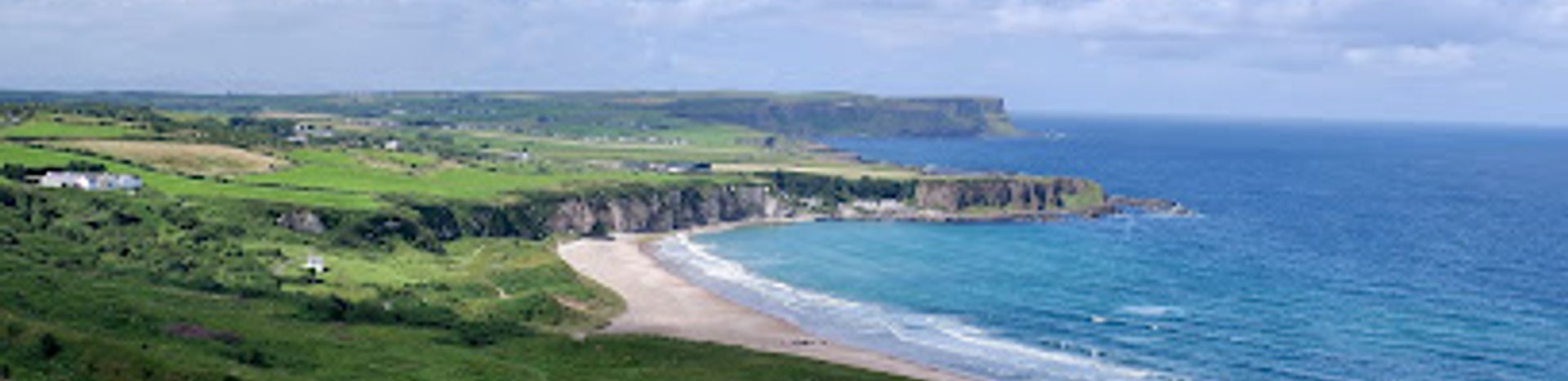
White Park Bay Viewpoint
Dramatic clifftop vista of white sand and ancient dunes on the North Antrim coast.
Perched above one of Northern Ireland's most spectacular coastal stretches, the White Park Bay viewpoint offers sweeping panoramic vistas of a dramatic three-mile crescent of white sand framed by towering chalk cliffs. This elevated vantage point provides an ideal first impression of the bay's natural grandeur, with views extending across the North Antrim coast and, on clear days, toward Scotland and Rathlin Island. The viewpoint serves as the gateway to exploring the beach below, accessed via a steep stone pathway through ancient sand dunes.
A brief summary to Whitepark Bay viewpoint
- Ballycastle, GB
- Duration: 0.5 to 3 hours
- Free
-
 Outdoor
- Mobile reception: 1 out of 5
Local tips
- Visit during golden hour—early morning or late afternoon—for the most dramatic lighting and photography opportunities. The midsummer sunset is particularly spectacular, casting golden light across the entire bay.
- Bring binoculars to observe seabirds including gannets, sandwich terns, and eider ducks. The viewpoint provides excellent vantage points for birdwatching without disturbing nesting populations.
- Check tide times before descending to the beach. Low tide reveals the full expanse of sand and allows exploration to Ballintoy Harbour, but rising tides can cut off return routes along the foreshore.
- Wear sturdy, waterproof footwear with good grip. The stone steps and pathways are steep, uneven, and can be slippery in wet conditions or after rain.
- Allow extra time on the return journey uphill. The ascent is considerably more strenuous than the descent, particularly for those with limited fitness or mobility.

For the on-the-go comforts that matter to you
- Seating Areas
- Information Boards
- Trash Bins
Getting There
-
Car via A2 from Bushmills
From Bushmills, take the A2 main road eastward toward Ballycastle. Follow signs for the Causeway Coastal Route. The journey covers approximately 6 miles and takes 12–15 minutes. The car park at White Park Bay is small with limited spaces; arrive early during peak summer months or return at quieter times if the lot is full. Parking is free, but overnight parking is not permitted.
-
Car via B15 from Ballycastle
From Ballycastle town center, take the B15 road westward toward Bushmills. The viewpoint car park is approximately 8 miles away, requiring 15–18 minutes of driving. The route follows the scenic coastal road with several viewpoint opportunities. The car park surface is rough and uneven; vehicles with low clearance may experience difficulty. Coaches are not permitted at this location.
-
Walking from Ballintoy village
Ballintoy village lies approximately 1.5 miles south of White Park Bay. A coastal footpath connects the village to the viewpoint, offering scenic walking through farmland and along the cliff edge. The walk takes 25–35 minutes depending on fitness and pace. The terrain is mixed, including country lanes and field paths; sturdy footwear is essential. This option provides an immersive approach to the site and avoids reliance on the small car park.
-
Causeway Coast Path hiking route
White Park Bay integrates into the longer Causeway Coast Path, a multi-day hiking trail spanning the North Antrim coastline. Walkers can approach from Bushmills (approximately 8 miles west) or from Ballintoy Harbour (approximately 2 miles east). The path offers dramatic coastal scenery throughout. Sections near White Park Bay involve steep terrain and require careful attention to tide times, particularly along the foreshore. Estimated hiking time to the viewpoint varies from 2–4 hours depending on starting point and pace.
Whitepark Bay viewpoint location weather suitability
-
 Clear Skies
-
 Mild Temperatures
-
 Any Weather
Discover more about Whitepark Bay viewpoint
A Window onto Coastal Majesty
The White Park Bay viewpoint sits at the cliff's edge, offering one of the most commanding perspectives along the North Antrim coastline. From this elevated position, visitors encounter an unobstructed panorama of the bay's distinctive white arc of sand, stretching nearly three miles between rocky headlands. The viewpoint's strategic location allows for appreciation of the entire landscape without the commitment of descending to the beach—a significant advantage for those with mobility limitations or limited time. On exceptionally clear days, the vista extends far enough to glimpse the Scottish coast across the Irish Sea, transforming this modest overlook into a gateway to multiple horizons.Geological Foundations and Fossil Heritage
The cliffs flanking White Park Bay reveal a remarkable geological narrative spanning over 70 million years. The chalk formations visible from the viewpoint date to the Upper Cretaceous period, when Ireland lay beneath shallow tropical seas. These cliffs are composed almost entirely of calcium carbonate, the accumulated shells and skeletal remains of countless marine organisms. Within this chalk lie fragments of belemnites—extinct cephalopods resembling modern squid—whose fossilized remains provide crucial evidence of ancient marine ecosystems. The beach itself continues to yield fossils as erosion exposes new sections, making it a living geological museum where visitors can observe the Earth's deep history exposed in stone.Ecological Significance and Conservation Legacy
Since 1938, the National Trust has stewarded White Park Bay as a site of exceptional ecological importance. The ancient sand dunes backing the beach create a mosaic of specialized habitats supporting rare plant communities, including numerous orchid species and chalk grassland flora found nowhere else in the region. The viewpoint overlooks this conservation landscape, where grazing cattle and sheep maintain the delicate balance of vegetation that supports breeding populations of ringed plovers, nesting seabirds, and diverse invertebrate life. The dunes themselves represent a Quaternary landscape feature of scientific interest, their formation and preservation essential to understanding coastal evolution across millennia.Historical Echoes and Human Settlement
White Park Bay holds profound archaeological significance as one of Ireland's earliest human settlements. Neolithic peoples established themselves here approximately 9,000 years ago, exploiting the abundant flint nodules within the limestone cliffs to manufacture axes and arrowheads for trade across the Irish Sea. From the viewpoint, visitors can observe the raised beach and dune system where evidence of these ancient craftspeople continues to emerge. The landscape also preserves traces of an 18th-century hedge school, where young gentlemen of privilege received their education in a building now reduced to ruins. Among its notable pupils was Robert Stewart, Lord Castlereagh, who would later serve as British Foreign Secretary during the Napoleonic Wars—a remarkable testament to the bay's historical reach.Seasonal Transformations and Wildlife Spectacles
The viewpoint's appeal shifts dramatically across the seasons. Summer brings a spectacular wildflower display across the dunes, with orchids and coastal flora creating a carpet of color and fragrance. The midsummer sunset from this vantage point is legendary along the North Coast, casting a golden pathway across the water in a phenomenon celebrated for centuries. Winter storms transform the bay into a dramatic seascape of churning Atlantic waters and wind-sculpted dunes. Throughout the year, the viewpoint offers opportunities to observe seabirds—gannets diving offshore, sandwich terns patrolling the shallows, and eider ducks sheltering in the bay. The presence of grazing cattle and sheep, managed as part of the conservation strategy, adds an unexpected pastoral element to this wild coastal setting.Access and Practical Considerations
The viewpoint itself requires minimal physical exertion, accessible via a small free car park positioned at the cliff's edge. However, the steep descent to the beach via stone steps and winding pathways presents a significant challenge for those with mobility restrictions. The rough, uneven terrain demands sturdy footwear and careful footing. The site remains open from dawn to dusk year-round, with parking available throughout daylight hours. Mobile signal is notoriously poor, a characteristic that paradoxically enhances the sense of remoteness and natural isolation. No facilities exist at the viewpoint itself, though basic amenities can be found in nearby Ballintoy village.Iconic landmarks you can’t miss

Whitepark Bay viewpoint
0.0 km
Dramatic clifftop vista of white sand and ancient dunes on the North Antrim coast.
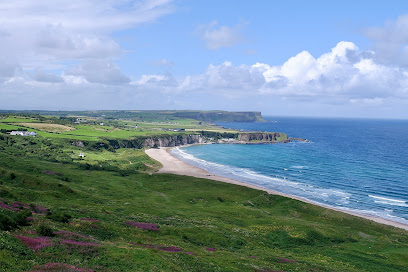
The Dark Hedges
10.6 km
Discover the enchanting beech tree-lined avenue of The Dark Hedges, a must-visit natural wonder in Northern Ireland, perfect for photography and serene strolls.
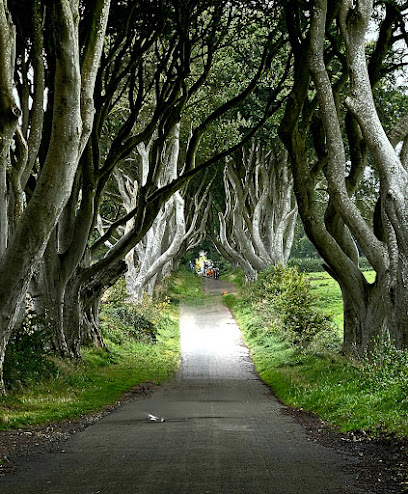
Dunluce Castle
12.1 km
Discover the enchanting Dunluce Castle, a medieval fortress overlooking the Antrim Coast, rich in history and stunning landscapes.
National Trust Barmouth Bird Hide
24.4 km
Discover the beauty of wildlife in its natural habitat at Barmouth Bird Hide, a serene nature preserve in Northern Ireland perfect for birdwatching.
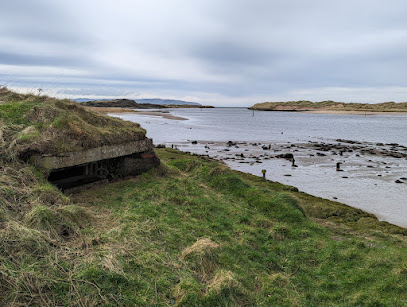
National Trust - Mussenden Temple and Downhill Demesne
27.5 km
Discover the breathtaking Mussenden Temple and Downhill Demesne, a stunning blend of nature, history, and coastal views in Northern Ireland.
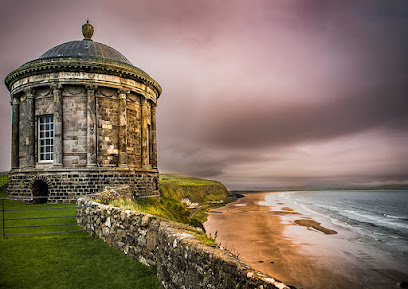
Merrick Stone
31.8 km
Discover the intriguing history and stunning scenery of Merrick Stone, a captivating landmark in Limavady, Northern Ireland.
American Monument
40.3 km
A lighthouse-shaped war memorial honouring over 600 lives lost at sea during World War I, standing sentinel on a remote Scottish clifftop.
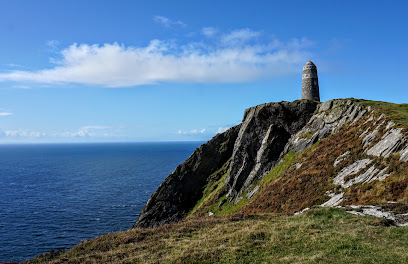
Moville Shore Path Walk, Inishowen
41.3 km
Explore the breathtaking Moville Shore Path Walk in Inishowen, where stunning coastal views and serene pathways await every nature lover.
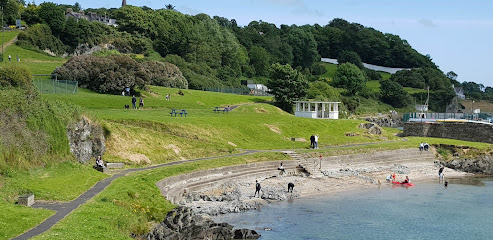
Whitebay
41.6 km
Explore the breathtaking beauty of Whitebay, a tranquil tourist attraction in Ballymena perfect for nature lovers and outdoor enthusiasts.
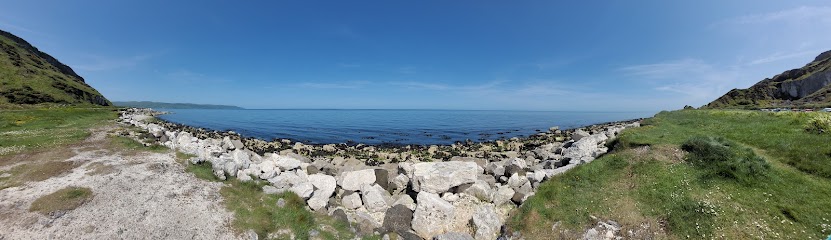
Carraig Fhada Lighthouse
44.9 km
Experience the breathtaking beauty and rich maritime history at Carraig Fhada Lighthouse on the stunning Isle of Islay.
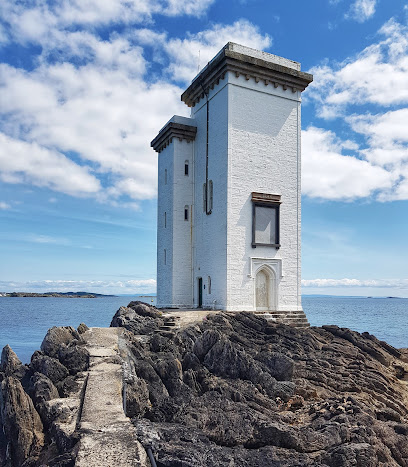
Port Ellen War Memorial
46.1 km
A solemn memorial to local sacrifice, standing witness to two world wars and maritime tragedy.
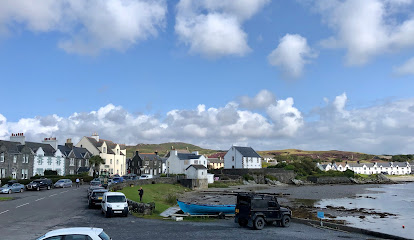
Leodamais
46.3 km
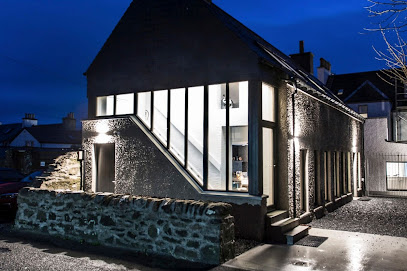
Luxury self-catering homes overlooking Leodamais beach, blending coastal tranquility with Islay’s rich heritage and whisky culture.
Soldiers Rock
46.8 km
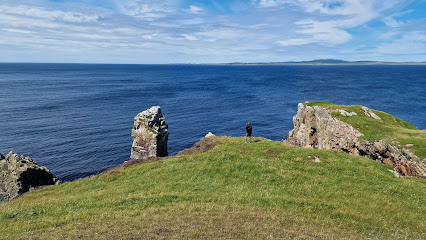
Experience the breathtaking beauty of Soldiers Rock, a stunning nature reserve on the Isle of Islay, perfect for hikers and nature lovers seeking tranquility.
IsleAdilla @ The Old Excise House
46.9 km
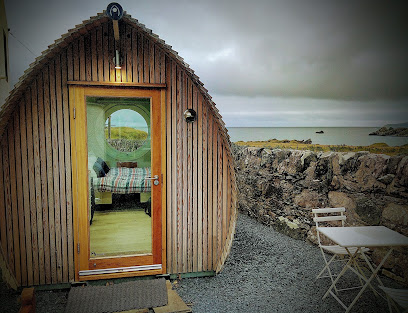
Discover the charm of IsleAdilla @ The Old Excise House, your perfect self-catering accommodation in Islay, surrounded by nature and whiskey distilleries.
Laphroaig Distillery
47.0 km
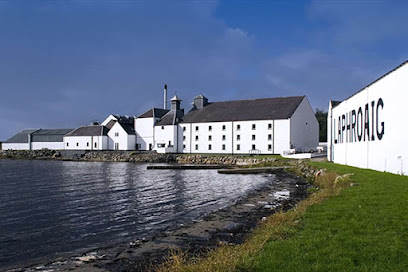
Experience the essence of Scotch whisky at Laphroaig Distillery on the Isle of Islay, a journey into tradition, flavor, and breathtaking landscapes.
Unmissable attractions to see

Dunseverick coastal walk
0.9 km
Explore the stunning Dunseverick Coastal Walk, a breathtaking hiking area along Northern Ireland's rugged coastline, rich in wildlife and natural beauty.
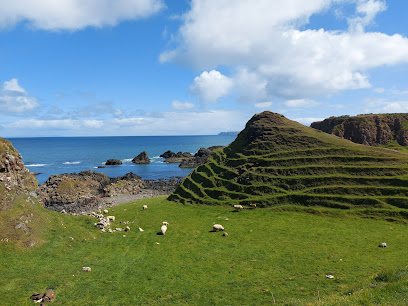
National Trust - White Park Bay
0.9 km
Experience the untouched beauty of White Park Bay, where golden sands meet rugged cliffs, creating a paradise for nature lovers and adventure seekers.
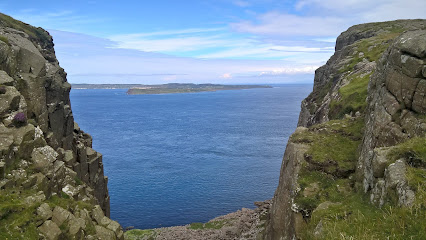
The Elephant Rock
1.5 km
Discover the iconic Elephant Rock near Ballintoy, Northern Ireland: a natural wonder on the Causeway Coast offering breathtaking views and photo opportunities.
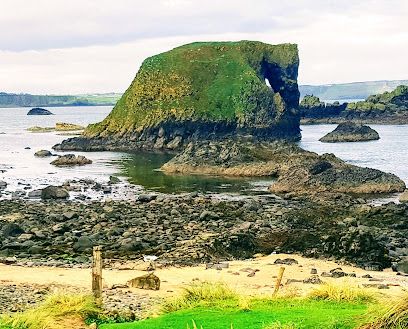
Portbraddan Cottage
1.6 km
Experience the enchanting beauty and historical charm of Portbraddan Cottage, a must-visit destination on Northern Ireland's stunning coast.
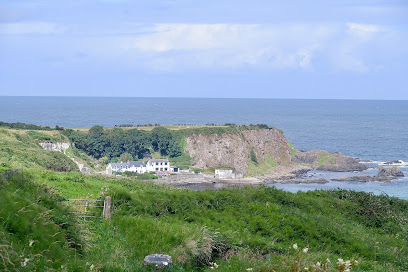
Portbradden Harbour
1.6 km
Experience the stunning coastal views and serene atmosphere at Portbradden Harbour, a hidden gem on Northern Ireland's Antrim coast.
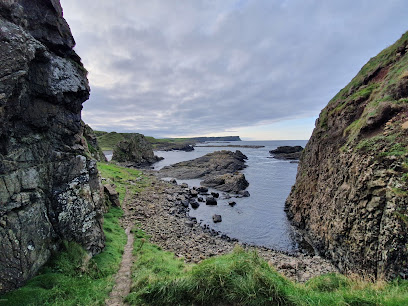
The Skull Rock
1.6 km
Discover the breathtaking Skull Rock in Ballycastle, a unique natural formation with picturesque coastal views along the Causeway Coastal Route.
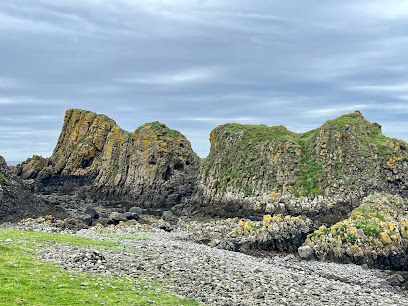
Ballintoy Harbour
2.2 km
Discover Ballintoy Harbour’s stunning coastal beauty and iconic Game of Thrones heritage on Northern Ireland’s dramatic Causeway Coast.
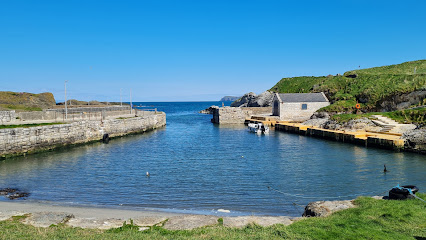
The Element Rock
2.2 km
Explore the stunning Element Rock in Ballintoy, a natural wonder with breathtaking views and unique geological formations along Northern Ireland's coastline.
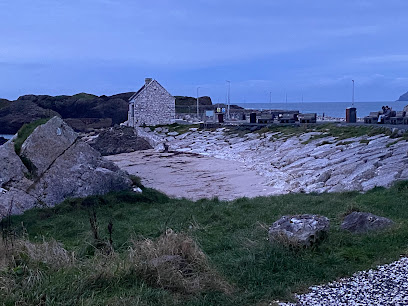
Causeway Coastal Route
2.3 km
Experience Northern Ireland’s breathtaking 193km coastal drive featuring iconic landmarks, dramatic cliffs, and thrilling adventures along the Causeway Coastal Route.
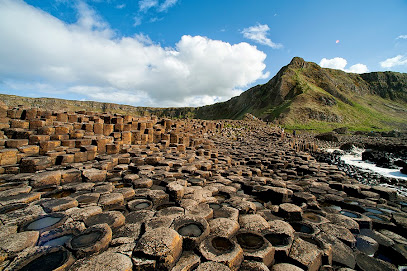
Black and White Bay
2.3 km
Explore the stunning beauty and tranquility of Black and White Bay, a coastal gem in Ballycastle, perfect for relaxation and adventure.
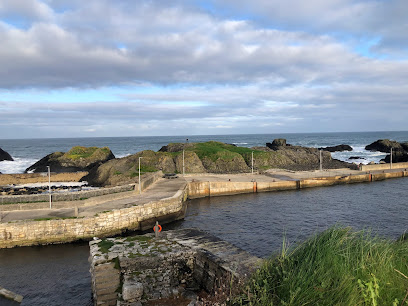
Dunseverick Surf
2.7 km
Discover the thrill of surfing and the beauty of the Irish coast at Dunseverick, a haven for adventure, nature, and history enthusiasts.
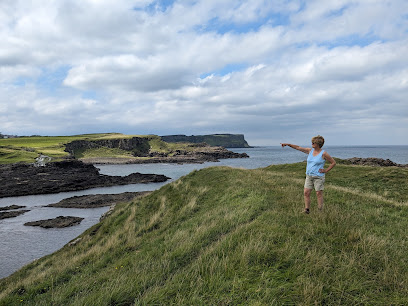
Dunseverick pool
2.7 km
Discover Dunseverick Pool: A serene natural rock pool along Northern Ireland's stunning Causeway Coast, perfect for swimming and scenic walks.
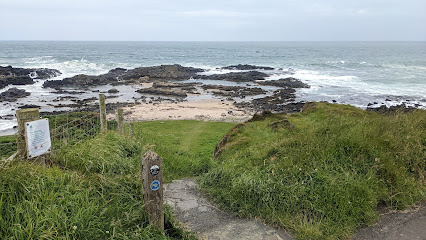
Dunseverick Falls
3.1 km
A hidden gem on the Causeway Coast, where a petite waterfall plunges into the vast Atlantic, near historic Dunseverick Castle.
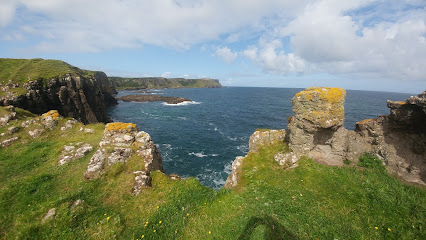
Dunseverick Castle
3.6 km
Explore the historic ruins of Dunseverick Castle on the Antrim Coast, offering breathtaking views and a glimpse into Northern Ireland's storied past.
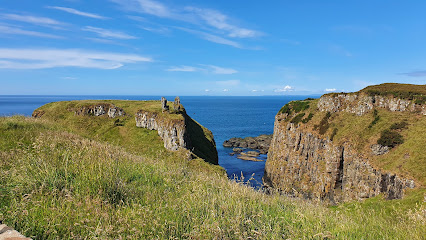
North Antrim Cliff Path Hike
3.7 km
Discover the breathtaking North Antrim Cliff Path Hike, where stunning landscapes meet rich wildlife along the iconic coastline of Northern Ireland.
Essential places to dine

Bothy White Park Bay
1.7 km
Experience delightful breakfasts and exquisite coffee at Bothy White Park Bay, nestled on Northern Ireland's scenic coastline.
Roark's Kitchen
2.1 km
Discover Roark's Kitchen in Ballintoy: A cozy cafe offering homemade treats and stunning views along Northern Ireland’s breathtaking coast.
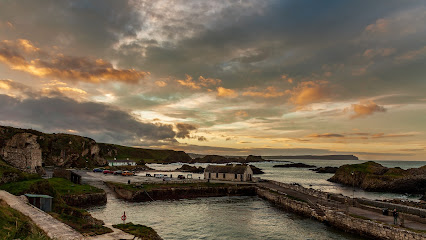
The Fullerton Arms
2.3 km
Experience authentic Irish hospitality at The Fullerton Arms – your ideal base for exploring Northern Ireland’s stunning coastline.

Carrick-A-Rede Bar and Restaurant
2.4 km
Experience authentic Irish cuisine with stunning coastal views at Carrick-A-Rede Bar and Restaurant in Ballintoy.
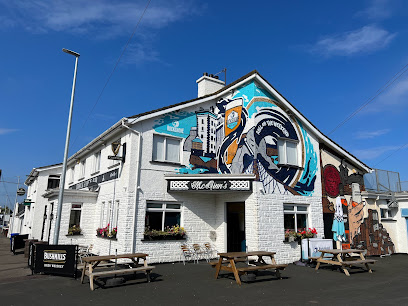
Causeway Tavern B & B
4.7 km
Family-run B&B near Bushmills offering cozy rooms, hearty breakfasts, and lively local charm just minutes from the Giant’s Causeway.
Hungry Giant Causeway
7.8 km
Discover delicious local cuisine at Hungry Giant Causeway while enjoying breathtaking views near Northern Ireland's iconic natural wonder.

Finn McCool's Giants Causeway Hostel
7.8 km
Boutique hostel with panoramic coastal views, just steps from the Giant's Causeway, offering budget-friendly comfort and a friendly atmosphere.
The Nook
7.8 km
Discover delicious seafood at The Nook in Bushmills—where local flavors meet stunning coastal views for an unforgettable dining experience.
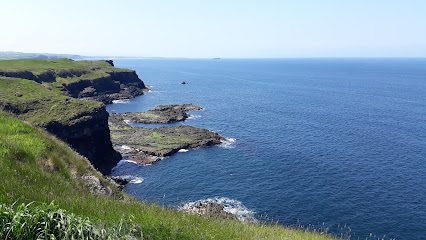
National trust cafe
7.9 km
Experience delightful refreshments at the National Trust Cafe while exploring Northern Ireland's stunning Giant's Causeway.

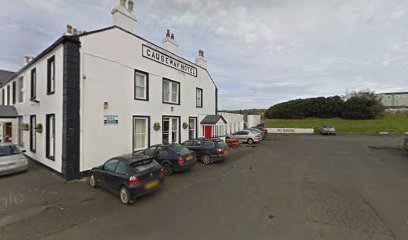
The Causeway Hotel
7.9 km
Discover comfort and stunning views at The Causeway Hotel near the iconic Giant's Causeway in Northern Ireland.
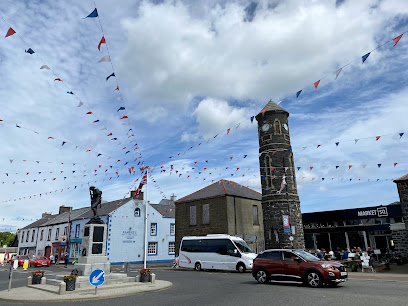
Market Square
8.7 km
Experience authentic Irish cuisine at Market Square in Bushmills - where delicious food meets vibrant culture.
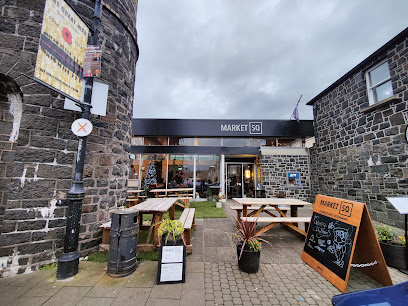
The Bushmills Inn Restaurant and Bar
8.7 km
Discover culinary delights at The Bushmills Inn Restaurant and Bar - where traditional Irish hospitality meets modern gastropub dining.
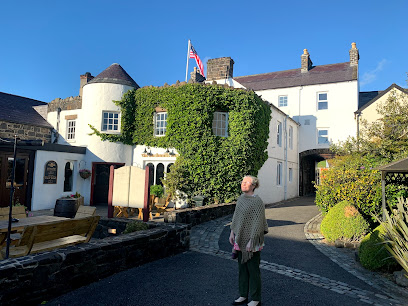
The Bushmills Inn Hotel
8.7 km
A historic 17th-century coaching inn reborn as a 4-star boutique retreat on the Causeway Coast, with peat fires, an AA Rosette restaurant, and easy access to the Giant’s Causeway.
The Bush House Bar
8.7 km
Discover The Bush House Bar - A Cozy Pub Experience in Bushmills Offering Local Brews and Hearty Irish Fare.
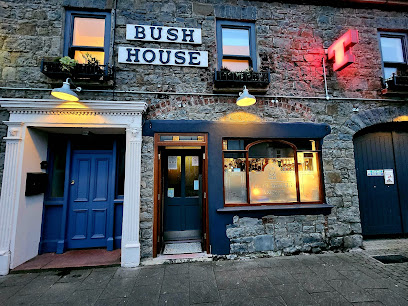
Bushmills Townhouse
8.7 km
Discover exceptional comfort and fine dining at Bushmills Townhouse in Northern Ireland's charming village.
Markets, malls and hidden boutiques

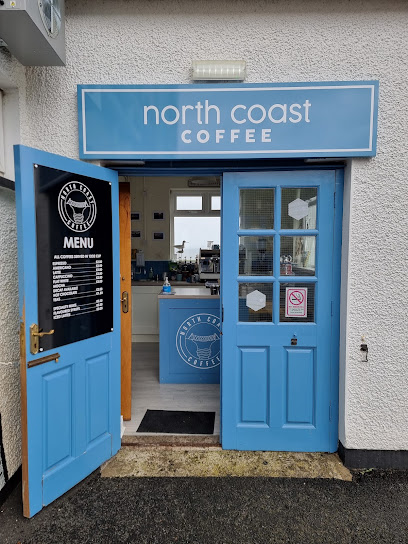
North Coast Coffee
2.3 km
Experience the warmth of North Coast Coffee in Ballycastle, a perfect blend of cozy atmosphere and rich, flavorful brews amidst stunning Northern Ireland landscapes.
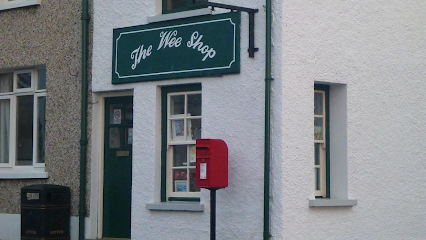
The wee shop
2.3 km
Experience local charm at The Wee Shop in Ballycastle, your go-to convenience store for essentials and unique souvenirs in Northern Ireland.
The Woodpile Provisions
3.8 km
Explore unique handmade home goods at The Woodpile Provisions in Ballycastle, where local craftsmanship meets cozy charm for the perfect souvenir.

Express Snack Hub & Hot Drinks
7.9 km
Experience the warm hospitality of Bushmills at Express Snack Hub & Hot Drinks, where every sip and bite reflects the charm of Northern Ireland.
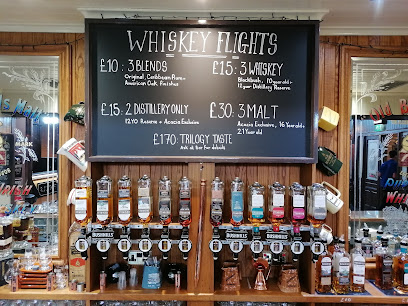
Old Bushmills Distillery Gift Shop
8.6 km
Discover unique gifts and immerse yourself in the whiskey heritage at the Old Bushmills Distillery Gift Shop in Northern Ireland.
CentraBushmills
8.7 km
Discover the convenience of CentraBushmills, your go-to supermarket for fresh produce and local delicacies in the heart of Bushmills, Northern Ireland.
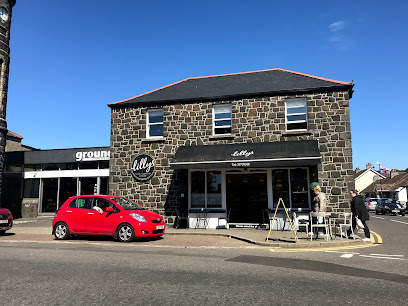
Lilly's
8.7 km
Discover the cozy charm of Lilly's in Bushmills, where delightful coffee and homemade treats await in a picturesque setting.
Therapy:Sole
8.7 km
Explore Bushmills' Sole Therapy for stylish shoes that blend comfort and local craftsmanship, perfect for every occasion.

Taylor Yates
8.7 km
Explore the charm of Bushmills at Taylor Yates, where handcrafted fashion meets unique gifts for every traveler.

Linen Lane
8.7 km
Discover unique lighting designs at Linen Lane in Bushmills, a charming store offering exquisite lamps and lamp shades for every taste.

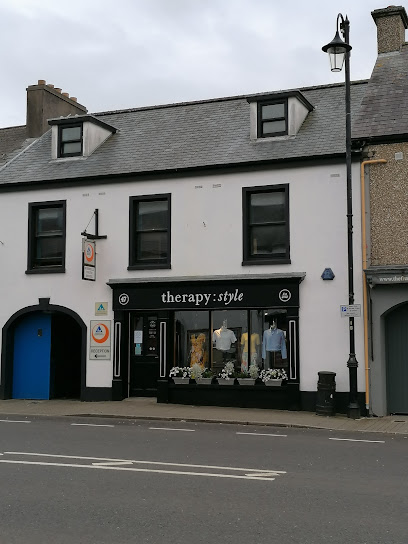
Therapy Style Studio
8.7 km
Explore Therapy Style Studio in Bushmills for unique women's fashion that reflects your style amidst stunning coastal scenery.
The Designerie
8.7 km
Discover unique artisanal treasures at The Designerie, a premier craft store in the heart of Bushmills, Northern Ireland.
Mcconaghys Bushmills
8.7 km
Discover the essence of Northern Ireland at McConaghys Bushmills, a charming gift shop brimming with locally crafted treasures and unique souvenirs.

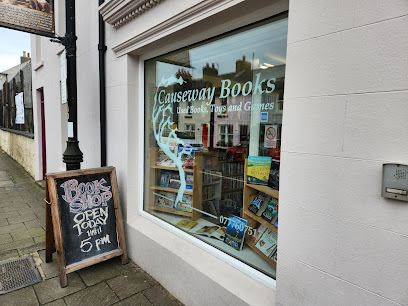
Causeway Books
8.7 km
Explore the enchanting world of literature at Causeway Books in Bushmills – a treasure trove for book enthusiasts and visitors alike.
Glass's Fruiterer & Florists
8.7 km
Discover the vibrant flavors and stunning blooms at Glass's Fruiterer & Florists in Bushmills, a must-visit for nature lovers and food enthusiasts.
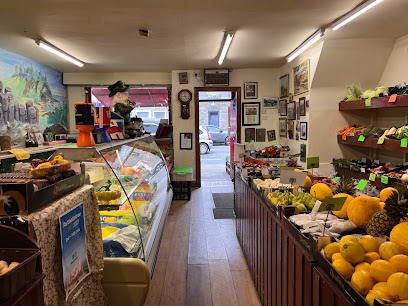
Essential bars & hidden hideouts

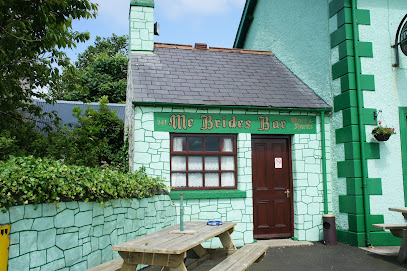
McBrides Bar
4.7 km
Experience traditional Irish hospitality at McBrides Bar in Bushmills, a cozy pub with local brews and a welcoming atmosphere.
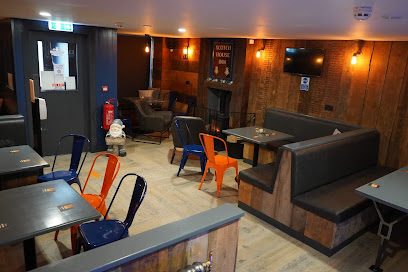
The Scotch House Bar
8.7 km
Discover the lively atmosphere of The Scotch House Bar in Bushmills, where traditional Irish music meets delicious pub fare and a warm welcome.
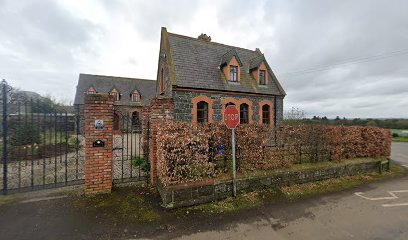
Chonga Castlecatt
9.2 km
Experience the warmth of Irish hospitality at Chonga Castlecatt, a charming bar in Bushmills, where local culture and relaxation meet.
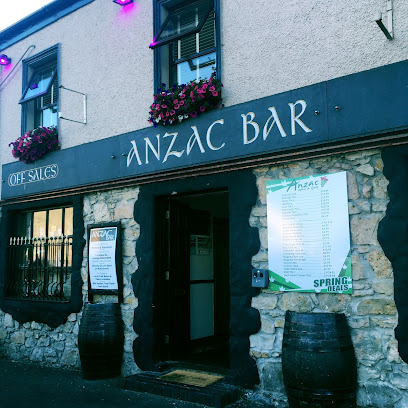
ANZAC BAR, RESTAURANT & OFF SALES
9.5 km
Discover the heart of Irish culture at ANZAC Bar, Restaurant & Off Sales in Ballycastle, where every meal is a celebration of local flavors.
The Coast Inn
9.5 km
Experience authentic Irish hospitality at The Coast Inn, Ballycastle's cherished pub offering local cuisine and craft beverages.
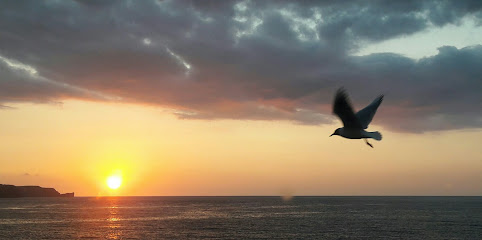
Glenshesk Bar
9.5 km
Experience the warmth of Irish hospitality at Glenshesk Bar, Ballycastle's favorite spot for local brews and live music.
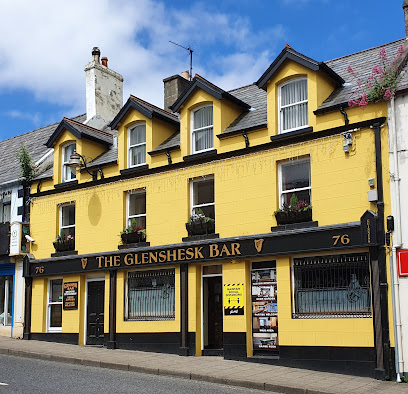
House of McDonnell
9.6 km
Discover the heart of Ballycastle at the House of McDonnell, where traditional Irish cuisine meets vibrant local culture in a cozy pub setting.
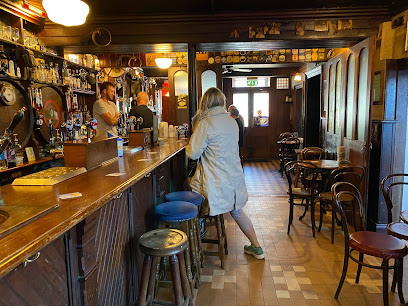
Halo Ballycastle
9.6 km
Experience vibrant nightlife, live music, and local culture at Halo Ballycastle, the heart of entertainment in this charming coastal town.
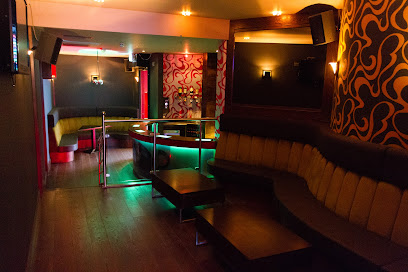
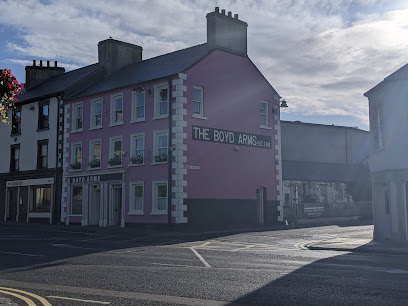
The Boyd Arms
9.6 km
Experience authentic Irish hospitality at The Boyd Arms in Ballycastle, where great food and local brews await in a cozy pub atmosphere.
Nellie Rua's, Ballycastle
9.6 km
Discover the vibrant culinary scene at Nellie Rua's in Ballycastle, where local flavors meet a welcoming atmosphere in a stunning beer garden.
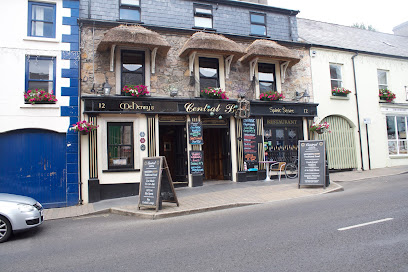
The Diamond Bar
9.6 km
Experience authentic Irish pub culture at The Diamond Bar in Ballycastle, offering a warm atmosphere and a wide selection of local beverages.
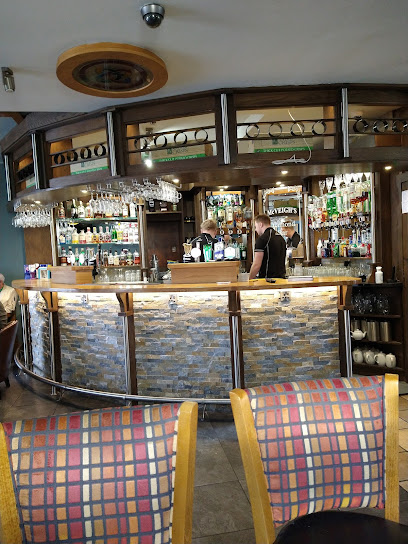
O'Connor's Bar
9.6 km
Discover the heart of Ballycastle at O'Connor's Bar, where traditional Irish hospitality meets a vibrant local atmosphere.
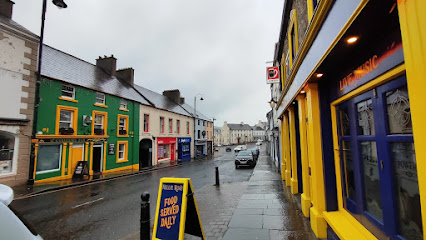
Anglers Arms
10.0 km
Experience the warm Irish hospitality at Anglers Arms Pub in Ballycastle, offering delicious food and a vibrant atmosphere to enjoy with friends.
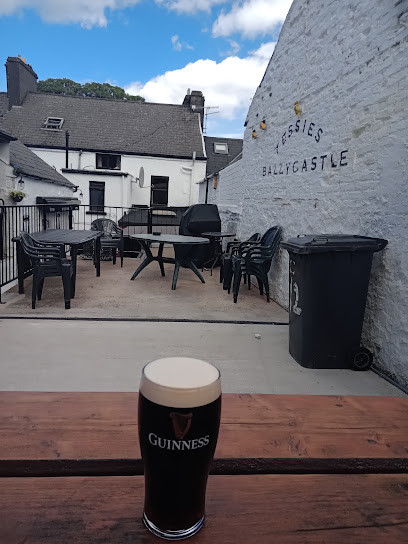
Harbour Bar
10.0 km
Discover the lively atmosphere and local charm at Harbour Bar, Ballycastle's premier destination for drinks and entertainment.
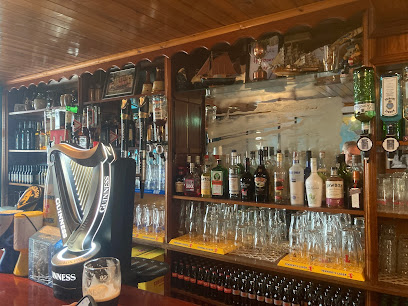
The Armada Inn
11.7 km
Discover the charm of The Armada Inn, a cozy pub in Armoy offering authentic Irish cuisine and a welcoming atmosphere for all travelers.
Nightclubs & after hour spots

Kellys Complex Portrush
15.7 km
Discover the pulse of Portrush nightlife at Kellys Complex, where clubbing meets culinary delights in a vibrant atmosphere.

The Legends Lounge
17.0 km
Experience the vibrant atmosphere of The Legends Lounge in Portrush, a perfect bar for enjoying drinks and local culture.
ORIGIN Nightclub & Bar Ballymena
41.0 km
Discover Ballymena's nightlife at ORIGIN Nightclub & Bar, where music, dancing, and vibrant crowds create an unforgettable experience.
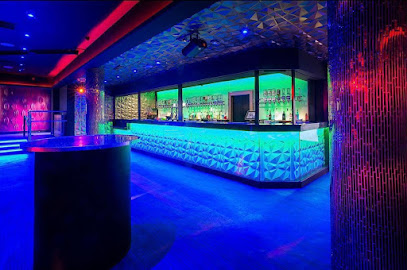
Halyon Club
41.3 km
Discover the vibrant nightlife of Halyon Club in Ballynally, Co. Donegal, where music, dance, and fun come together for an unforgettable experience.
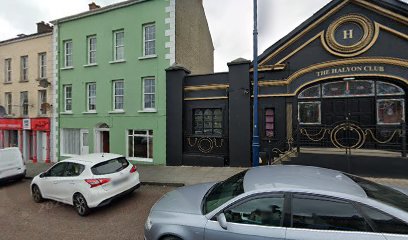
Bailey Redcastle Nite Club
46.9 km
Discover the heart of Co. Donegal's nightlife at Bailey Redcastle Nite Club, where great music and vibrant energy await your arrival.
Tul Na Ri
54.3 km
Experience the vibrant nightlife of Co. Donegal at Tul Na Ri, where great music, dancing, and a friendly atmosphere await.

Antrim Sports Club
57.6 km
Explore Antrim Sports Club, a vibrant snooker and pool haven that combines competition, camaraderie, and community spirit in the heart of Antrim.
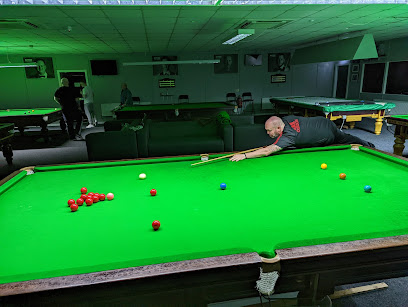
Rococo Wine Bar Antrim
58.0 km
Elegant gastropub on Castle Street offering generous portions, fine wines, and a charming beer garden in the heart of Antrim.
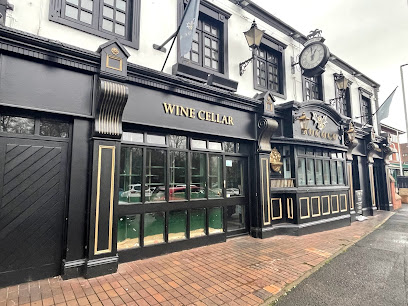
Railway Bar
58.3 km
Discover the Railway Bar in Antrim – a charming pub offering local brews, hearty meals, and a lively atmosphere perfect for tourists.

The Anchor Bar
58.4 km
Discover the local charm of Antrim at The Anchor Bar, a welcoming pub filled with delicious food, great drinks, and a vibrant atmosphere.
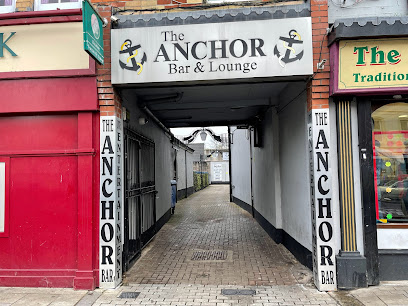
Maddens Bar & Restaurant
58.4 km
Discover Maddens Bar & Restaurant, a lively Irish pub in Antrim perfect for grill lovers and live music enthusiasts.
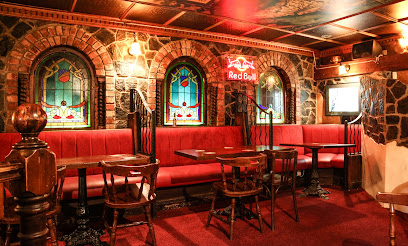
Top Of The Town
58.6 km
Discover Top Of The Town in Antrim, where delicious grilled dishes meet a welcoming atmosphere, perfect for every tourist's culinary journey.
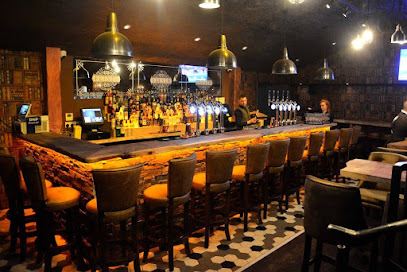
The Lochside Hotel & Restaurant
59.0 km
Discover the beauty and flavors of the Isle of Islay at The Lochside Hotel & Restaurant, where comfort meets local charm in a stunning setting.
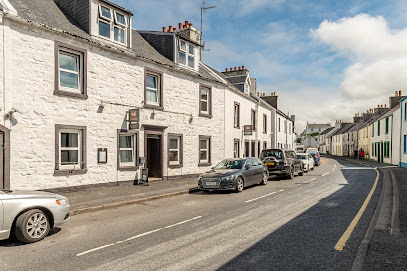
DUFFIE'S BAR
59.0 km
Discover the cozy ambiance of Duffie's Bar in Bowmore, Isle of Islay; a perfect spot for whisky lovers and relaxation amidst beautiful surroundings.
Ibiza Orchestra Live
63.8 km
Experience the electrifying fusion of live orchestral music and iconic Ibiza dance beats in Londonderry’s vibrant nightlife hotspot.
For the vibe & atmosphere seeker
- Scenic
- Tranquil
- Adventurous
- Romantic
For the architecture buff
- Historic
- Viewpoints
- Parks & Gardens
For the view chaser and sunset hunter
- Iconic Views
- Panoramas
- Waterfront
- Sunset Spots
- Sunrise Spots
For the social media creator & influencer
- Instagrammable
- Photo Spots
- Aesthetic Corners
- Architectural Shots
For the eco-conscious traveler
- Protected Area
- Nature Reserve
- Locally Managed
- Wildlife Habitat
- Leave-No-Trace Critical
For the kind of experience you’re after
- Photowalk
- Nature Escape
- Cultural Heritage
- Day Trip
- Myth & Legends
For how adventurous you want the journey to be
- Easy Access
- Requires Hike
Location Audience
- Family Friendly
- Senior Friendly
- Solo Friendly
- Couple Friendly
- Solo Female Friendly


