

Barry Castle Travel Guide
Free Guide: Explore the evocative ruins of Barry Castle, a medieval fortified manor house steeped in Welsh history and architectural charm.


A brief summary of Barry Castle
Explore the evocative ruins of Barry Castle, a medieval fortified manor house steeped in Welsh history and architectural charm.
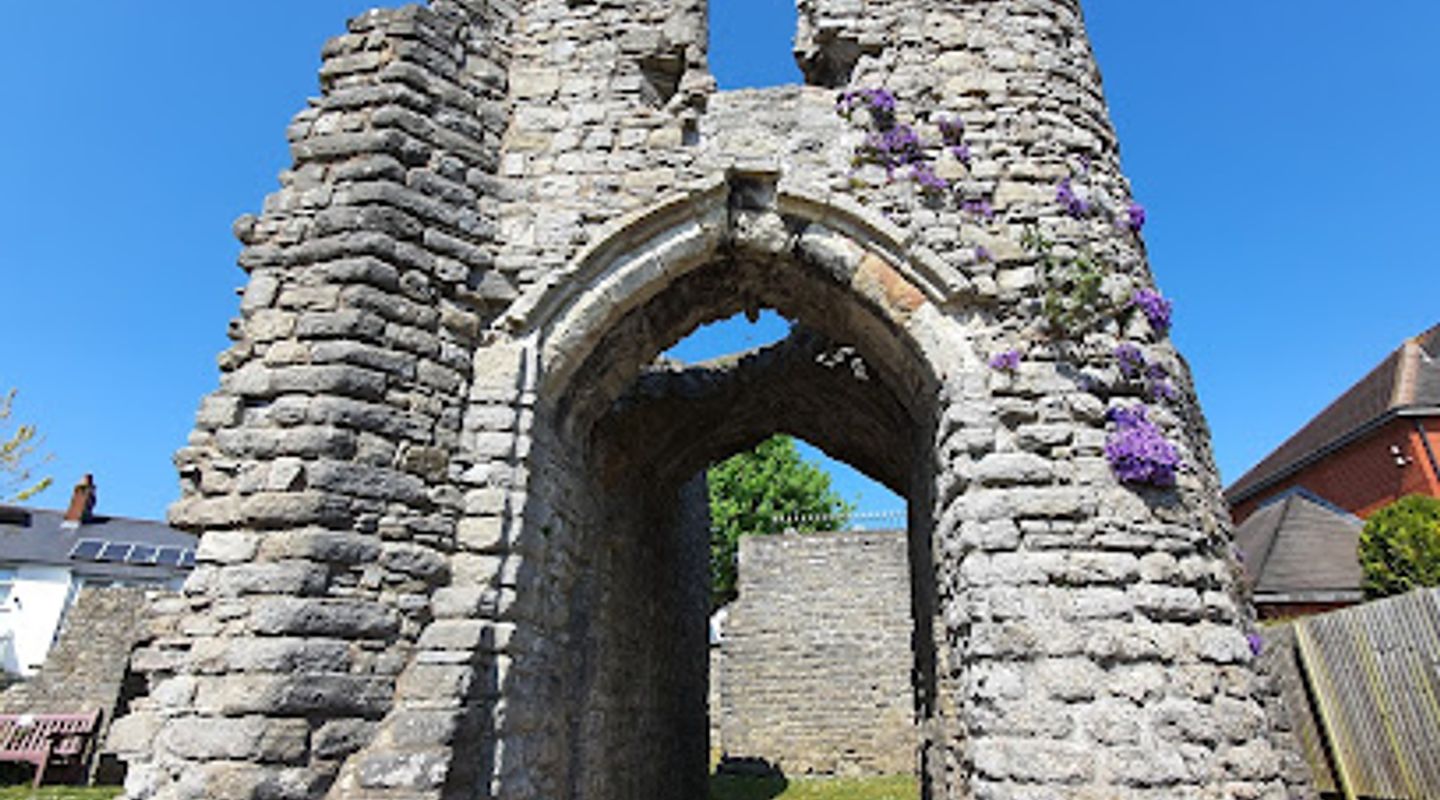
Barry Castle is a small Grade II* listed ruin located in the Romilly district of Barry, Wales. Originally a 12th-century wooden ringwork built by the de Barry family, it evolved into a fortified manor house with stone buildings and a distinctive gatehouse. Today, the well-preserved gatehouse and fragments of walls offer a glimpse into medieval life in the Vale of Glamorgan, set near the coast and Barry Island.
On-site amenities
 Information boards
 Seating areas
 Trash bins
Opening hours
- Every dayOpen 24 hours
Opening hours as listed on the venue’s Google Business Profile. Hours can change for services and special events, so check with the venue before you go.
- Address
- Park Rd, Barry CF62 6NW
Getting there
Train and Bus Combination
Car Travel
Walking from Barry Town Centre
Discover more about Barry Castle
Medieval Origins and the de Barry Legacy
Barry Castle traces its roots to the 12th century when the de Barry family established a wooden ringwork fortification on this site. Named after the nearby island of St Baruc, the castle was initially a modest stronghold designed to protect the family’s lands and assert their influence in the region. Over time, the de Barrys expanded and transformed the site, with notable figures such as William and John de Barry overseeing its development during the 13th and early 14th centuries. The castle witnessed turbulent events, including damage during the 1316 revolt led by Llywelyn Bren against King Edward II, reflecting its strategic importance in medieval Welsh history.
Architectural Evolution from Wood to Stone
Originally an earth and timber fortification approximately 35 meters in diameter with a protective ditch, Barry Castle was gradually rebuilt in stone from the late 13th century onward. Stone residential buildings were constructed on the north-east and north-west corners, linked by defensive walls enclosing a courtyard. The early 14th century saw the addition of a southern great hall and a distinctive two-storey gatehouse featuring a pointed ogival portal, portcullis groove, drawbridge, and double doors. The gatehouse’s upper floor included a small room likely used as a chapel and connected to the hall via a curving passage. Architectural details such as a fireplace in the hall and evidence of Cornish slate roofing highlight the castle’s residential and defensive functions.
Decline and Ruination Through the Centuries
Following its peak in the medieval period, Barry Castle gradually declined. By the 16th century, parts of the castle were repurposed for economic uses, and it was partially in ruins. The manor passed through various owners, including the St John family of Fonmon, and by the 18th century, the castle was largely abandoned and mostly demolished. Despite this, the gatehouse remains relatively well-preserved, with surviving Gothic windows, arrow slits, and remnants of walls that allow visitors to visualize its former structure.
Present Day Setting and Visitor Experience
Today, Barry Castle is a protected historic ruin managed by Cadw, the Welsh government’s historic environment service. Located near Barry’s town centre and close to the coast, the site offers a peaceful setting to explore medieval architecture and history. Visitors can walk among the ruins of the gatehouse and hall walls, appreciating the craftsmanship and imagining life in a fortified manor house. The castle is open to the public year-round with no entrance fee, making it an accessible cultural landmark and a quiet spot for reflection on the region’s past.
Barry Castle’s Role in Local Heritage and Landscape
Situated near the Bristol Channel and sheltered by Barry Island, the castle played a key role in the defense and administration of the area during the Middle Ages. Its proximity to the port and village of Barry highlights its importance in regional trade and governance. Though modest in scale compared to grander Welsh castles, Barry Castle’s ruins serve as a tangible link to the medieval era and the legacy of the de Barry family, enriching the Vale of Glamorgan’s cultural heritage.
Architectural Highlights and Surviving Features
The most striking element is the two-storey gatehouse, with its pointed arched entrance and portcullis groove, which once controlled access to the castle. Above the gateway, the small chapel room and defensive wall-walk passages remain visible. The adjacent hall’s lower walls and arrow slits hint at the castle’s residential and defensive duality. These features, along with the castle’s layout and surviving masonry, provide valuable insights into medieval fortified manor house design and construction techniques in south Wales.
Evendo Review Centre
 Google
Guest reviews
Best time to go
Quietest: Jan, Feb & Dec · before 6am or at 9pm
Busy times are Evendo estimates for a typical year, to help you plan. Actual crowds vary with events, school holidays and the weather.
Explore Barry Castle on the map
A handpicked selection of must-see spots near Barry Castle, mapped for you.
Get your free copy of our complete guide to Barry Castle, delivered straight to you.
Everything on this page, from opening hours and how to get there to Eve’s tips and the best time to go, in one PDF you can read offline, print or share.
Already have an account? Sign in
Your Barry Castle guide is ready.
We'll send it to · Not you? Sign out

Getting your guide ready…
We are putting together a fresh copy of the Barry Castle guide. This can take up to a minute.
This can take a few moments. If your browser asks, choose Allow so the download can start. You'll find the guide in your Downloads folder.
Nothing happened? Download it again
Sorry, the guide is taking longer than usual. Please try again in a minute, or get it by email instead.
Other nearby places you may find interesting
The closest places of the same kind, if this one is not quite what you had in mind.
-
-
-
-
-


Swipe for more places
More to explore near Barry Castle

 Best experiences near Barry Castle
 Best hotels near Barry Castle
 Best landmarks near Barry Castle
 Best attractions near Barry Castle
 Best shops near Barry Castle
 Best restaurants near Barry Castle
 Best bars near Barry Castle
Do you manage this location?
Take control to get all the benefits, like improved information, better appearance, and stronger visibility across AI-powered discovery.
Explore more
Explore more of Glamorgan
Explore Glamorgan: A captivating blend of historic castles, stunning coastlines, and vibrant Welsh culture, perfect for a memorable escape in the heart of Wales.
Explore Glamorgan
Explore more of United Kingdom
Discover the United Kingdom: A blend of rich history, stunning landscapes, and vibrant cities, offering a unique travel experience for every visitor.
Explore United Kingdom
