
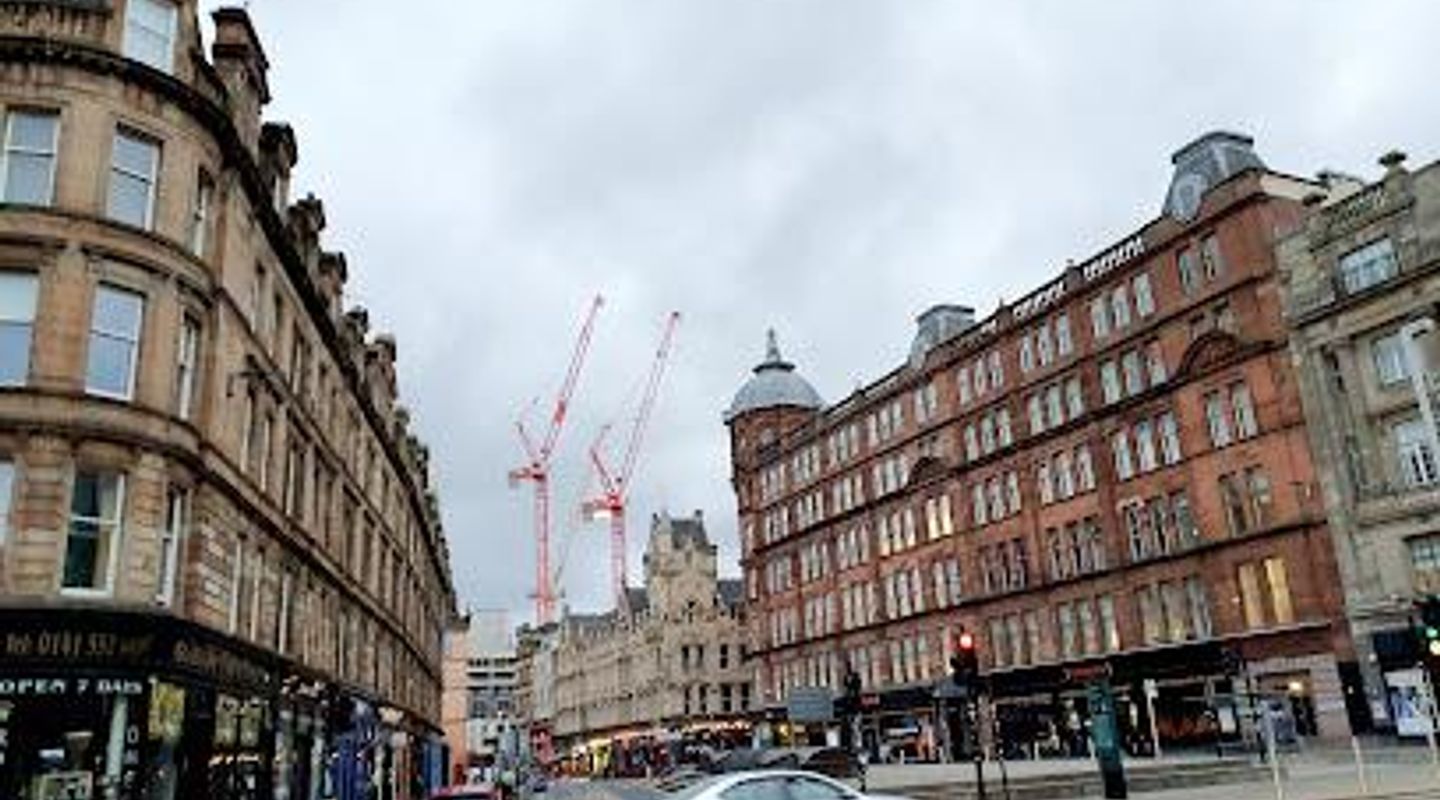
Trongate, Glasgow Travel Guide
Explore Trongate, Glasgow’s oldest street where medieval history meets vibrant modern culture in the heart of the Merchant City.
Trongate is one of Glasgow’s oldest and most historically significant streets, originating in the early 1500s. Starting at Glasgow Cross, the medieval heart of the city, it extends westward into the vibrant Merchant City. Known for its rich mercantile past, iconic landmarks like the Tron Church steeple, and its role as a major transport corridor, Trongate offers a unique glimpse into Glasgow’s evolution from a medieval town to a bustling urban center.
A brief summary to Trongate
- Glasgow, GB
- Duration: 0.5 to 2 hours
- Free
-
 Outdoor
- Mobile reception: 5 out of 5

Know before you go
Hi, I'm Eve. Here are a few practical things to know before exploring Trongate.
- Visit the Tron Theatre to experience a unique blend of historical architecture and contemporary performing arts.
- Look for the historic weighbeam origins of the street’s name and imagine the bustling trade that once dominated the area.
- Explore nearby Glasgow Cross to see the site of the old Tolbooth steeple, a symbol of medieval Glasgow.
- Take time to appreciate John Knox’s 1826 painting ‘Old Glasgow Cross or The Trongate’ for a glimpse of the street’s past.
Do you manage this location?
Take control to get all the benefits, like improved information, better appearance, and stronger visibility across AI-powered discovery. Learn more about listing your business on Evendo
Activate your presenceOther nearby places you may find interesting
The closest places of the same kind, if this one is not quite what you had in mind.
Explore Trongate on the Map
A handpicked selection of must-see spots near Trongate, mapped for you.
Unlock the Best of Trongate
Buy tickets
-
No tickets available
Book tours with entry


Book tours without entry
-
No tours available
Getting There
-
Bus
Frequent bus services run along Trongate connecting it with Glasgow city centre and eastern suburbs. Journey times vary from 10 to 25 minutes depending on starting point. Tickets cost approximately £1.80–£3.50. Buses operate daily but check schedules for evening and weekend frequency.
-
Subway
The nearest Glasgow Subway station is St Enoch, about a 10-minute walk from Trongate. The subway offers a quick and affordable way to reach the area from around the city, with trains running every 5–10 minutes. A single fare costs around £1.50.
-
Walking
Trongate is easily accessible on foot from Glasgow city centre landmarks such as George Square or Buchanan Street, with flat, paved streets suitable for all abilities. Walking times range from 10 to 20 minutes depending on your starting point.
-
Taxi
Taxis and ride-hailing services provide direct access to Trongate from anywhere in Glasgow. Typical fares from central locations range from £5 to £10 depending on traffic and time of day.
For the on-the-go comforts that matter to you
-
 Restrooms
-
 Drink Options
-
 Food Options
-
 Seating Areas
-
 Information Boards
Discover more about Trongate
Origins and Early Significance
Trongate, originally known as St Thenew's Gait, traces its roots back to the early 16th century and is named after the weighbeam or 'tron' installed in the mid-1500s for weighing goods subject to duty. This street was a vital artery for trade and commerce, linking Glasgow Cross—the medieval nucleus marked by the old Tolbooth steeple—to the expanding city westward. The name Trongate reflects its historical function as a hub for the regulation and taxation of goods, especially those arriving via the nearby River Clyde.Architectural and Cultural Landmarks
Dominating the eastern end of Trongate is the Tron Church, originally founded in 1525 as the Collegiate Church of Our Lady and St Anne. Its tower, dating from the late 16th century, and the steeple added in 1628, remain iconic features. After a devastating fire in 1793, the church was rebuilt and later transformed into the Tron Theatre, blending historical architecture with contemporary cultural use. Nearby, the arcaded Tontine Building once served as a meeting place for the city’s merchants, underscoring the street’s mercantile heritage.Historical Events and Transformations
Trongate has witnessed significant historical events, including the great fire of 1652 that destroyed much of the area, leaving thousands homeless. The street also played a key role in Glasgow’s transport history, serving as a tram route until 1962 and remaining a major bus corridor today. The former Glasgow Cross railway station, operational from 1895 to 1964, lies beneath the street, a hidden reminder of its transport legacy.Modern-Day Character and Atmosphere
Today, Trongate forms the southern boundary of the Merchant City, a vibrant district known for its blend of historic buildings and modern urban life. The street buzzes with activity, hosting shops, eateries, and cultural venues, while retaining its historic charm. The juxtaposition of old and new offers visitors a dynamic experience that reflects Glasgow’s continuous growth and reinvention.Artistic and Social Heritage
Trongate’s significance is captured in artworks like John Knox’s 1826 painting "Old Glasgow Cross or The Trongate," which depicts the street’s architecture and bustling street life before the industrial revolution. This historical snapshot highlights the social fabric and commercial vitality that have long defined the area.Legacy and Preservation
Efforts to preserve Trongate’s heritage ensure that its story remains integral to Glasgow’s identity. The street stands as a testament to the city’s medieval origins, mercantile prosperity, and cultural evolution, inviting exploration and reflection on Glasgow’s rich past and vibrant present.












Your all‑in‑one travel companion app
Explore expert travel guides, compare and book tours, experiences, hotels, and more—all from the palm of your hand. Download now for seamless trip planning wherever your wanderlust takes you.


Explore More of Glasgow
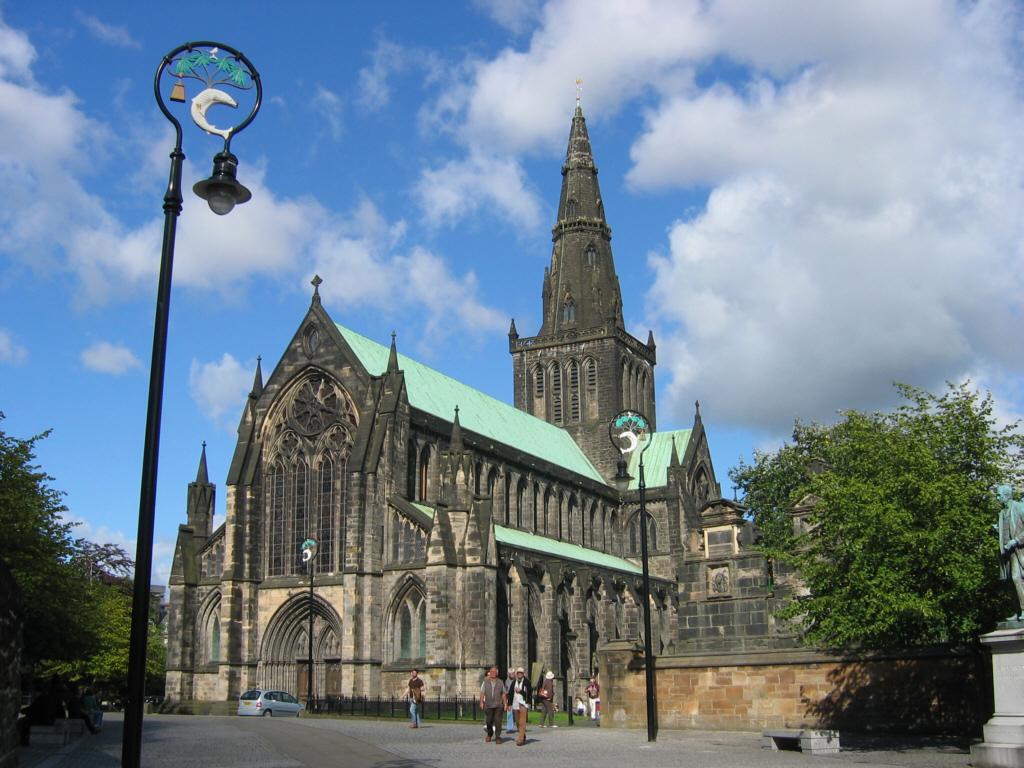
Looking beyond Trongate? Discover Glasgow for broader travel guides, local hot-spots, and regional highlights.
Explore Glasgow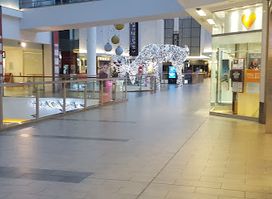
Glasgow's vibrant shopping epicentre: fashion, food, films, and festive energy in the heart of St. Enoch Square.
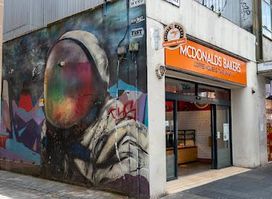
Discover Glasgow’s vibrant SPACEMAN mural at 113 Trongate, a dynamic fusion of pop art and graphic design in the city’s thriving Merchant City district.
