

Old Police Post, Glasgow Travel Guide
A historic blue police box marking Glasgow's pioneering role in British law enforcement and urban policing innovation.
A historic blue police box standing on Wilson Street in Glasgow's city centre, this iconic structure represents a unique chapter in British policing history. Originally painted pillar-box red and maintained by the Post Office, these boxes served as communication hubs and shelter points for Glasgow's police constables from the 1920s onwards. Today, this well-preserved example offers visitors a tangible connection to early 20th-century law enforcement and has become a beloved photo spot for history enthusiasts and Doctor Who fans alike.
A brief summary to Old Police Post
- 20 Wilson St, Glasgow, G1 1SS, GB
- Duration: 0.25 to 1 hours
- Free
-
 Outdoor
- Mobile reception: 5 out of 5

Know before you go
Hi, I'm Eve. Here are a few practical things to know before exploring Old Police Post.
- Visit during daylight hours for the best photography, as the box's architectural details and colour are most striking in natural light.
- Combine your visit with nearby attractions in Glasgow's city centre, including the Merchant City and historic streets within easy walking distance.
- If you're a Doctor Who enthusiast, ask locals about other surviving police boxes scattered throughout Glasgow for a self-guided heritage walk.
- Check the nearby Glasgow Police Museum (located in the Merchant City) to deepen your understanding of the force's history and the role these boxes played in policing.
Do you manage this location?
Take control to get all the benefits, like improved information, better appearance, and stronger visibility across AI-powered discovery. Learn more about listing your business on Evendo
Activate your presenceOther nearby places you may find interesting
The closest places of the same kind, if this one is not quite what you had in mind.
Explore Old Police Post on the Map
A handpicked selection of must-see spots near Old Police Post, mapped for you.
Getting There
-
Walking from Glasgow Central Station
From Glasgow Central Station, walk north through the city centre towards the Merchant City district. Wilson Street is approximately 800 metres from the station, a 10–12 minute walk through pedestrianised shopping streets and historic lanes. The route is flat, well-lit, and passes through busy commercial areas with shops and cafes. No parking concerns as the area is primarily pedestrian-focused.
-
Subway (Underground) Access
Take the Glasgow Subway (Clockwise or Anticlockwise line) to Buchanan Street Station. Exit and walk approximately 400 metres northeast towards Wilson Street in the Merchant City. Journey time from most stations is 5–10 minutes depending on your starting point. The Subway runs frequently (every 4–6 minutes during peak hours) and costs around £1.75 for a single journey or £4.50 for a day ticket.
-
Bus Services
Multiple bus routes serve the city centre and Merchant City area. Routes 1, 2, 3, 4, 5, and 16 pass near Wilson Street. Journey times vary from 10–20 minutes depending on traffic and your starting point. Single fares cost approximately £1.75 during off-peak hours and £2.00 during peak times. Buses run frequently throughout the day and evening.
-
Taxi or Ride-Share
Taxis and ride-share services are readily available throughout Glasgow. Journey times from Glasgow Central Station are typically 5–8 minutes depending on traffic. Expect to pay approximately £8–12 for a taxi ride from the station. This option is convenient if you're carrying luggage or prefer direct transport.
For the on-the-go comforts that matter to you
-
 Information Boards
Discover more about Old Police Post
A Relic of Glasgow's Pioneering Police Force
Glasgow's police force holds a distinguished place in British law enforcement history. Established in 1800 by Act of Parliament, the City of Glasgow Police predated London's Metropolitan Police by three decades, making it Britain's oldest professional police force. The force began modestly with just three sergeants and six constables, but by the early 20th century had grown into a sophisticated organisation. This historic police box on Wilson Street stands as a physical reminder of that evolution, representing the force's adaptation to modern urban policing needs during the interwar period.The Police Box Era: Design and Purpose
Police boxes were introduced to Glasgow's streets during the 1920s as part of a wider modernisation of the force. These distinctive structures served multiple practical functions: they provided shelter and a communication point for beat constables, housed emergency telephone systems, and acted as visible symbols of police presence throughout the city. Originally painted in pillar-box red—a colour maintained by the Post Office, which was responsible for their upkeep—these boxes became familiar landmarks on Glasgow's streets. At their peak, approximately 323 police boxes dotted the city's thoroughfares. The boxes were gradually phased out during the 1960s, with many repainted blue during this transition period. By 1994, only 10 remained; today, fewer than a handful survive as reminders of this bygone era.From Functional Infrastructure to Cultural Icon
The police box's cultural significance extends far beyond its original purpose. The design became globally recognisable through its association with the British television series Doctor Who, where a similar blue box serves as the Doctor's time machine. This connection has transformed Glasgow's surviving police boxes into unexpected tourist attractions, drawing visitors who appreciate both the architectural heritage and the pop culture resonance. The box on Wilson Street, carefully preserved and maintained, exemplifies how functional Victorian and Edwardian infrastructure can transcend its original context to become a cherished part of a city's identity and character.Glasgow's Architectural Police Legacy
Beyond the iconic boxes, Glasgow's police force left an impressive architectural footprint across the city. The force constructed grand, purpose-built headquarters and divisional offices designed to project authority and permanence. The original Central Police Office, built in 1825 at the corner of Bell Street and South Albion Street, served the force for 79 years before a new headquarters opened on Turnbull Street in 1906. This later building, designed by A. B. McDonald of the Office of Public Works, featured Renaissance details, carved stonework, and decorative statuary—architectural elements that reflected the era's confidence in institutional permanence. Many of these impressive structures have since disappeared, demolished during the 1960s and 1970s, making the surviving police boxes particularly valuable as tangible links to Glasgow's policing heritage.












Your all‑in‑one travel companion app
Explore expert travel guides, compare and book tours, experiences, hotels, and more—all from the palm of your hand. Download now for seamless trip planning wherever your wanderlust takes you.


Explore More of Glasgow
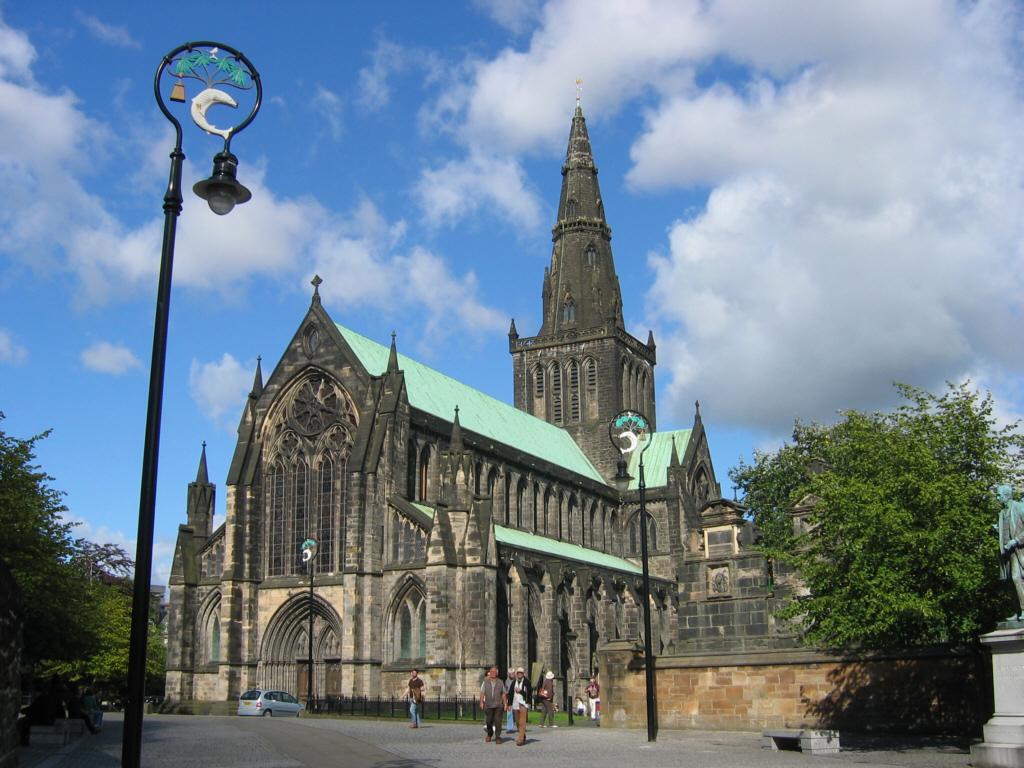
Looking beyond Old Police Post? Discover Glasgow for broader travel guides, local hot-spots, and regional highlights.
Explore Glasgow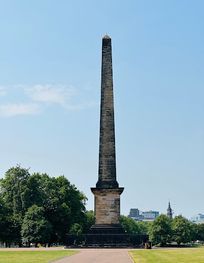
A towering 44-meter obelisk on Glasgow Green honoring Admiral Nelson’s naval victories and Glasgow’s pioneering civic spirit.
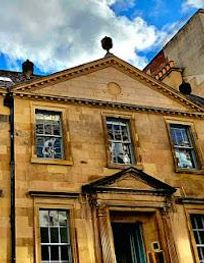
Glasgow’s last surviving tobacco merchant’s villa, a Georgian Palladian townhouse steeped in mercantile history and restored heritage.
