

Nelson's Monument, Great Yarmouth
A towering Doric column topped by Britannia, offering panoramic views and commemorating Admiral Nelson’s naval triumphs in Norfolk.
Nelson's Monument, also known as the Norfolk Naval Pillar or Britannia Monument, is a 44-metre tall Doric column in Great Yarmouth, Norfolk, commemorating Admiral Lord Nelson’s naval victories. Built between 1817 and 1819, it predates London’s Trafalgar Square column and features a statue of Britannia atop, facing inland towards Nelson’s birthplace. Visitors can climb 217 spiral steps to a viewing platform offering panoramic views of the town and the North Sea.
A brief summary to Nelson's Monument
- Fenner Rd, Great Yarmouth, NR30 3PX, GB
- Duration: 0.5 to 2 hours
- Mid ranged
-
 Outdoor
- Mobile reception: 4 out of 5
Local tips
- Prepare for a climb of 217 steps to reach the viewing platform; ensure you are fit and wear comfortable shoes.
- Visit on Sundays during summer when the monument is open for ascents to enjoy the panoramic views.
- Explore the detailed plaques at the base, including one in Braille, to learn about Nelson’s victories and legacy.
- Combine your visit with a walk from Great Yarmouth’s seafront, approximately 30 minutes on foot.

For the on-the-go comforts that matter to you
- Seating Areas
- Information Boards
Getting There
-
Car
Driving to Nelson’s Monument takes approximately 10–15 minutes from Great Yarmouth town centre. Parking is available on nearby streets, but the monument is located within an industrial estate, so be mindful of restricted areas and limited spaces.
-
Walking
A scenic 30-minute walk from Great Yarmouth seafront to the monument offers a pleasant route, though it passes through mixed urban and industrial surroundings. The terrain is flat and suitable for most walkers.
-
Bus
Local bus services connect Great Yarmouth town centre with stops near the industrial estate where the monument is located. Bus travel times range from 15 to 25 minutes depending on the route. Check local timetables for current schedules.
Nelson's Monument location weather suitability
-
 Any Weather
-
 Clear Skies
-
 Mild Temperatures
-
 Windy Conditions
Discover more about Nelson's Monument
A Landmark Honouring Norfolk's Naval Hero
Nelson's Monument stands proudly on the Denes in Great Yarmouth, Norfolk, as a tribute to Vice-Admiral Horatio Nelson, one of Norfolk’s most celebrated sons. Erected between 1817 and 1819, it was the first Nelson column built, predating the famous London Trafalgar Square monument by over two decades. The monument was funded by public subscription and designed by architect William Wilkins in a classical Doric style. At 44 metres (144 feet) tall, the column is topped by a stone statue of Britannia, symbolising Britain’s naval strength, who faces inland towards Nelson’s birthplace in Burnham Thorpe.Architectural Features and Symbolism
The column’s design includes six caryatid figures supporting the Britannia statue atop a globe inscribed with Nelson’s family motto, "Palmam Qui Meruit Ferat" ("Let him who has merited it take the palm"). Britannia holds an olive branch and a trident, representing peace and naval power. Around the base, plaques commemorate Nelson’s four major naval victories: The Nile (1798), Copenhagen (1801), St Vincent (1797), and Trafalgar (1805). The names of the ships he commanded in these battles are also inscribed. One plaque is uniquely presented in Braille, reflecting efforts to make the monument accessible to visitors with limited sight.Historical Connections and Custodianship
The monument’s first custodian was James Sharman, a local seaman who served aboard HMS Victory and claimed to have helped carry Nelson below deck after he was fatally wounded at Trafalgar. Sharman looked after the monument for nearly 50 years, becoming a living link to Nelson’s legacy. His bravery in rescuing shipwrecked sailors inspired Charles Dickens’ character Ham Peggotty in "David Copperfield." The monument’s location was once open land used for military exercises and public events, but today it sits within an industrial estate, a setting that contrasts with its historical grandeur.Visitor Experience and Views
Visitors can ascend the 217 spiral steps inside the hollow column to reach a small viewing platform at the top. From here, sweeping panoramic views stretch over Great Yarmouth, the North Sea, and the surrounding Norfolk countryside. The climb requires fitness and caution, as space is limited and only a few visitors can ascend at a time. The monument is fenced with a grassed area and benches at its base, offering a quiet spot to reflect on Nelson’s enduring legacy.Setting and Surroundings
While the monument is an impressive historical landmark, its location within a working industrial area somewhat detracts from the atmosphere. The surrounding estate contrasts with the monument’s classical elegance, though its height makes it visible from afar, serving as a maritime landmark. Efforts to improve public access and add greenery have been suggested to enhance the visitor experience and better integrate the monument with its environment.Legacy and Cultural Significance
Nelson’s Monument remains a powerful symbol of Norfolk’s maritime heritage and the county’s pride in one of Britain’s greatest naval heroes. It commemorates Nelson’s victories that shaped British naval dominance and honors the local community’s historical ties to his life. The monument also inspired poetry and song, and its story intertwines with literary history through Dickens’ connection to James Sharman. It stands as a lasting tribute to courage, leadership, and the spirit of the Royal Navy.Iconic landmarks you can’t miss

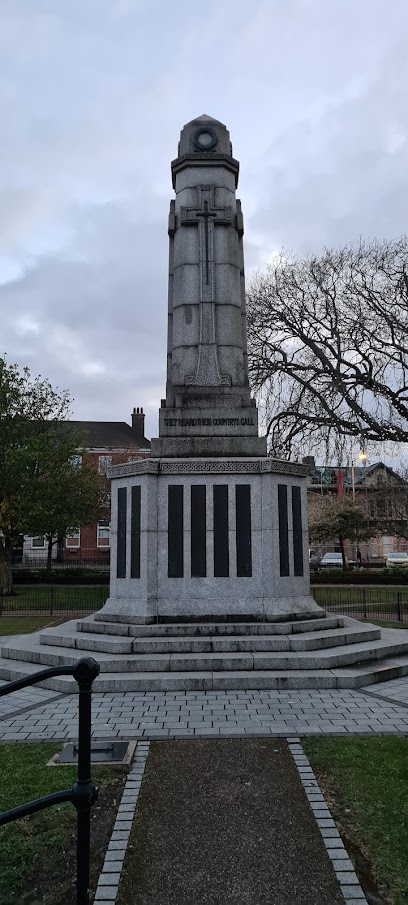
War Memorial
1.9 km
A solemn tribute in Great Yarmouth, honouring local service personnel and civilians lost in 20th-century conflicts with quiet dignity and enduring respect.
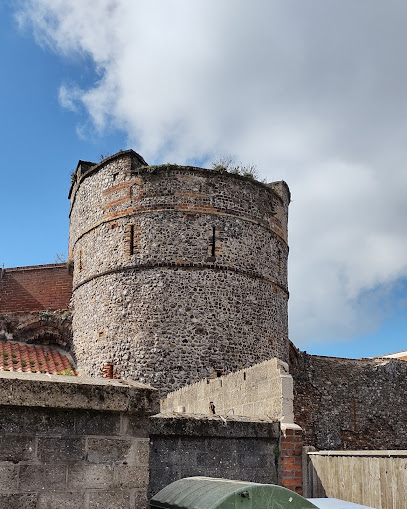
Pudding tower
2.3 km
Explore Pudding Tower, a medieval defensive relic in Great Yarmouth, steeped in history and local lore from the town’s fortified past.
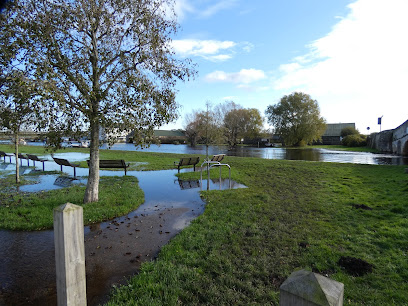
Potter Heigham bridge
17.0 km
Historic 14th-century bridge and boating hub in Norfolk Broads, blending medieval charm with scenic waterways and vibrant village life.
TourNorfolk
24.2 km
Discover the essential internet marketing services at TourNorfolk, where local charm meets digital expertise in the heart of Barton Turf.
Museum of the Broads
24.7 km
Explore the rich heritage and ecology of the Broads at the Museum of the Broads, where history meets nature in a captivating setting.
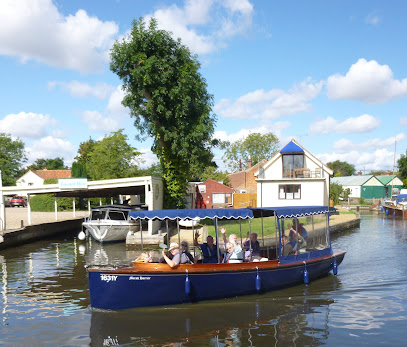
Barton House Railway
25.6 km
Discover the magic of miniature railways at Barton House Railway, a charming museum and attraction in Wroxham, Norwich, perfect for families and railway enthusiasts.
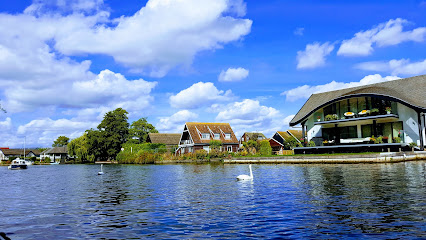
Hoveton Hall Estate
25.8 km
Experience the beauty and tranquility of Hoveton Hall Estate, a serene tourist attraction in Norfolk featuring exquisite gardens and rich history.
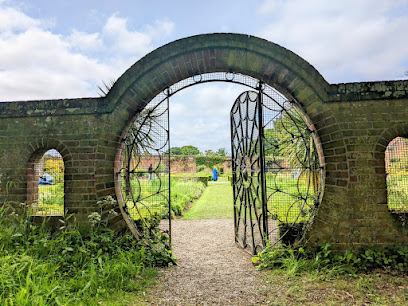
Wroxham Bridge
25.9 km
Historic 17th-century bridge and vibrant boating hub connecting Wroxham and Hoveton on the scenic Norfolk Broads.
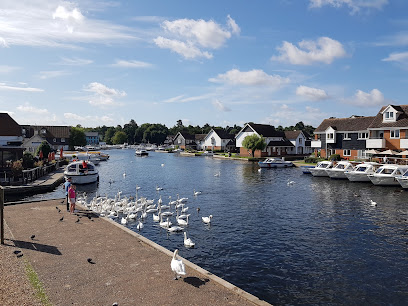
Broads Tours
25.9 km
Discover the serene beauty of the Norfolk Broads with Broads Tours – your gateway to unforgettable aquatic adventures.
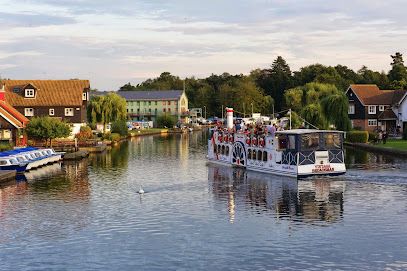
Faircraft Loynes
26.0 km
Discover the beauty of the Broads with Faircraft Loynes, your premier boat tour agency and rental service in Wroxham, offering unforgettable waterway experiences.
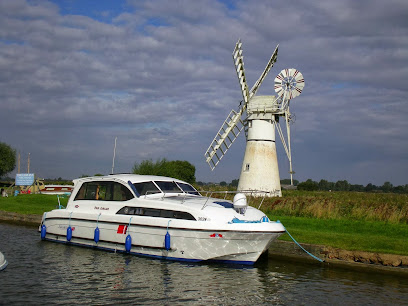
Wroxham Miniature Worlds
26.0 km
Explore the enchanting world of Wroxham Miniature Worlds, where intricate models and engaging exhibits create a magical experience for visitors of all ages.
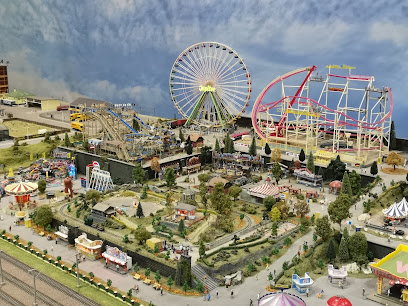
Wroxham Barns
27.0 km
Experience the charm of Wroxham Barns, where shopping, dining, and family fun come together in the heart of Norfolk's beautiful countryside.
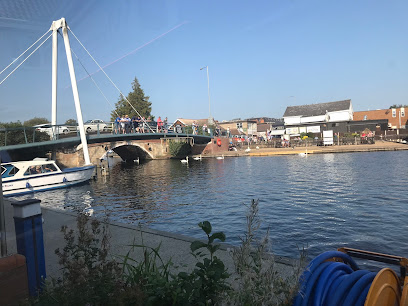
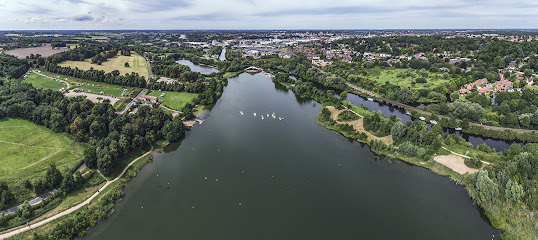
Whitlingham Country Park
27.5 km
Explore Whitlingham Country Park: a tranquil retreat with picturesque trails, diverse wildlife, and exciting outdoor activities near Norwich.
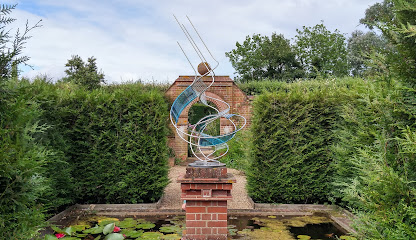
East Ruston Old Vicarage Garden
28.4 km
Explore the breathtaking East Ruston Old Vicarage Garden, a hidden gem in Norfolk, filled with stunning flora, serene landscapes, and tranquil charm.
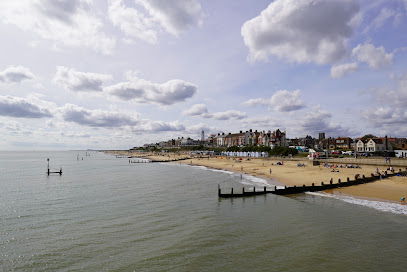
Under The Pier Show Southwold Pier
28.9 km
Experience the magic of nostalgia and seaside fun at Under The Pier Show in Southwold, where unique amusements await every visitor.
Unmissable attractions to see

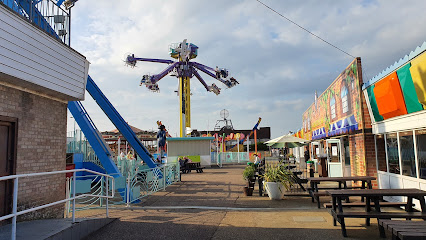
Great Yarmouth Pleasure Beach
0.6 km
Historic seaside amusement park with thrilling rides, family fun, and classic British beachside charm on Great Yarmouth’s Golden Mile.
4D Cinema
0.7 km
Dive into an immersive 4D cinematic adventure blending thrilling visuals with sensory effects at Great Yarmouth Pleasure Beach.
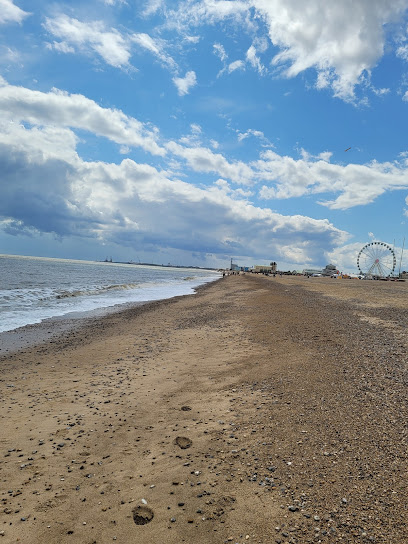
Great Yarmouth South Beach
0.8 km
A classic sandy beach in Great Yarmouth offering family fun, seaside views, and easy access to Pleasure Beach and the new outer harbour.
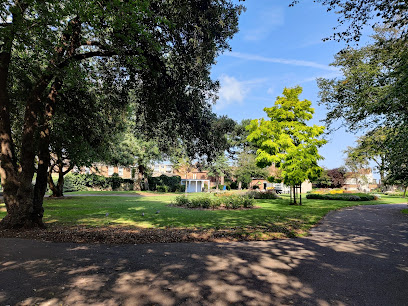
Priory Gardens
0.8 km
A peaceful, historic garden in the heart of Gorleston-on-Sea, perfect for a quiet stroll, a picnic, or a moment of calm by the sea.
Pleasure Beach Mining Company
1.0 km
Discover hidden treasures and family fun at the interactive Pleasure Beach Mining Company in Great Yarmouth’s charming Pleasure Beach Gardens.
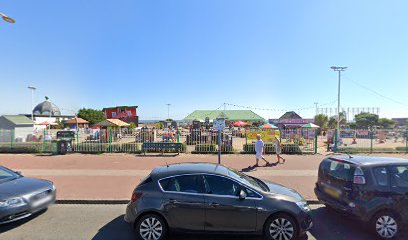
Grand Prix
1.0 km
Family-friendly seaside fun with mini golf, kids’ driving tracks, and unique attractions in a relaxed garden setting by Great Yarmouth’s coast.
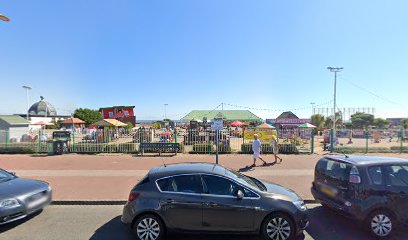
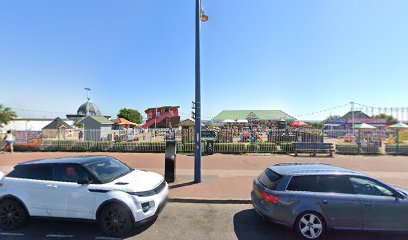
Pleasure Beach Gardens
1.0 km
Free seaside fun with quirky attractions, family rides, and award-winning tearooms—a relaxed alternative to the main park.
Learners’ Driving School (Kids’ coin-operated cars)
1.0 km
Where young drivers take the wheel in a safe, fun seaside setting.
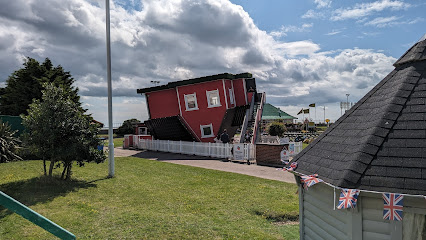
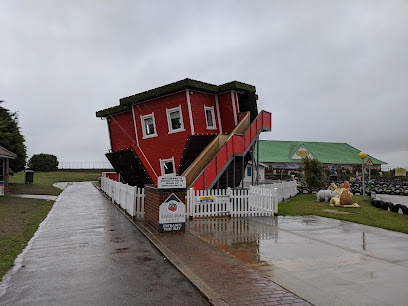
The Upside Down House - Great Yarmouth
1.0 km
Step into a topsy-turvy world where ceilings become floors and fun defies gravity at Great Yarmouth’s unique Upside Down House.
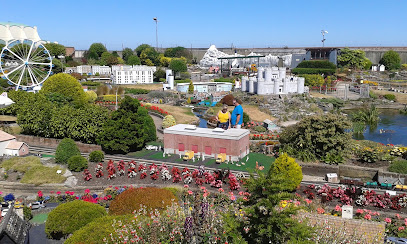
Merrivale Model Village
1.1 km
Explore over an acre of enchanting miniature English countryside with handcrafted models, garden railway, and family fun on Great Yarmouth’s seafront.
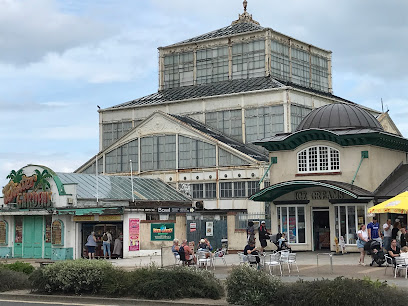
Winter Gardens
1.2 km
Historic Victorian Winter Gardens in Great Yarmouth, undergoing a major restoration to become a sustainable seaside cultural landmark by 2028.
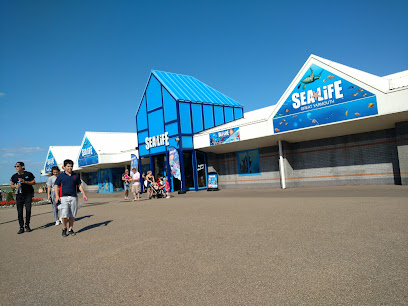
SEA LIFE Great Yarmouth
1.3 km
Dive into the vibrant marine world of SEA LIFE Great Yarmouth, where sharks, penguins, and interactive exhibits await on the Norfolk coast.
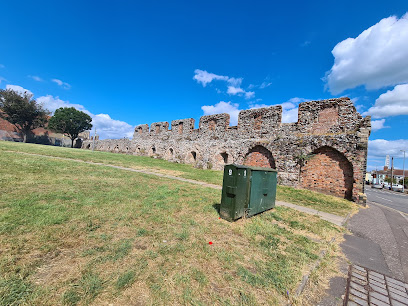
Medieval Town Wall Open Space
1.3 km
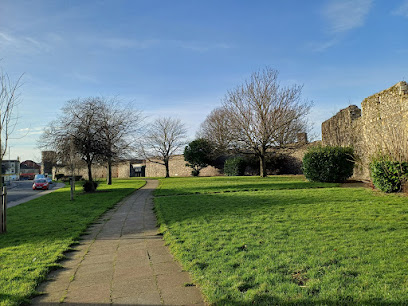
Explore one of England’s longest medieval town walls, a mile of historic fortifications nestled in tranquil parkland at Great Yarmouth.
Medieval Town Wall
1.4 km
Walk the mile-long remains of one of England’s longest medieval town walls, where flint towers and ancient defences tell the story of a powerful fishing port.
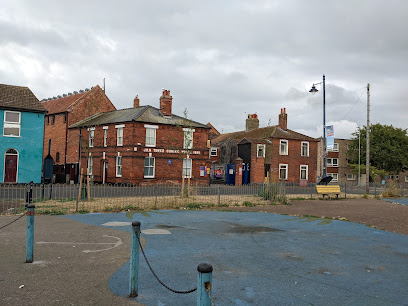
Time and Tide Museum of Great Yarmouth Life
1.5 km
Explore Great Yarmouth’s maritime heritage in a beautifully restored Victorian herring curing works, with immersive exhibits and interactive experiences.
Essential places to dine

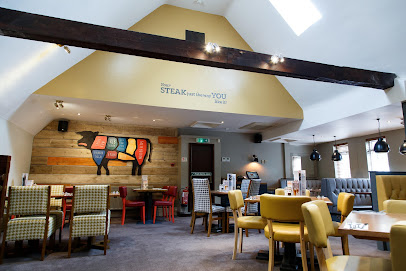
Great Yarmouth Seafront Beefeater
0.3 km
Family-friendly Beefeater on Great Yarmouth’s Golden Mile serving hearty grills and British classics with beach views.
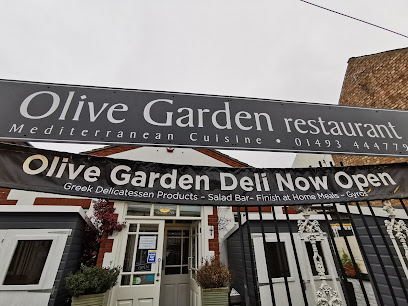
Olive Garden
0.9 km
Experience authentic Greek and Cypriot cuisine with fresh, locally sourced ingredients in a warm Mediterranean setting in Gorleston-on-Sea.
HMS Hinchinbrook great Yarmouth
1.4 km
Classic British fish restaurant on Great Yarmouth’s Marine Parade, blending tradition with modern flavors in a friendly seaside setting.
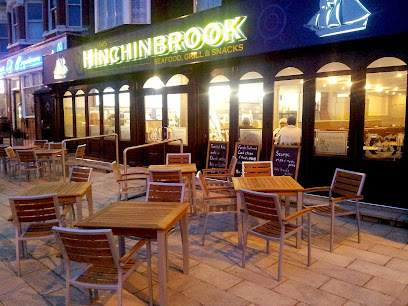
Joker's Diner
1.6 km
Joker's Diner serves up hearty British breakfasts and comfort food with fresh ingredients and friendly service in Great Yarmouth.
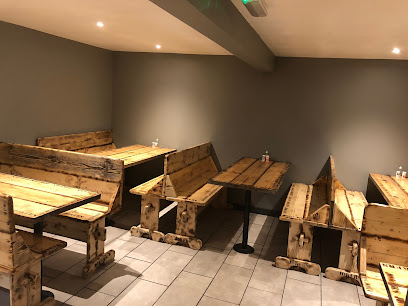
Zaks Yankee Traveller
1.8 km
Experience vibrant American dining with huge portions, diverse vegan options, and a lively atmosphere in the heart of Great Yarmouth.
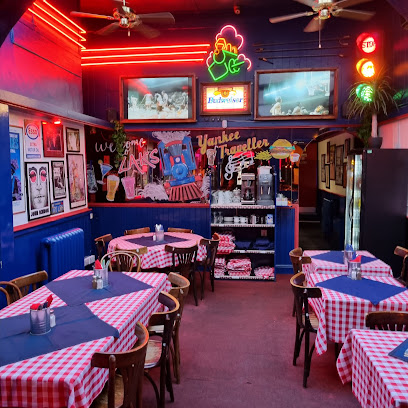
Quayside Plaza
1.9 km
Mediterranean-inspired dining with charming waterfront views and warm hospitality in the heart of Great Yarmouth’s South Quay.
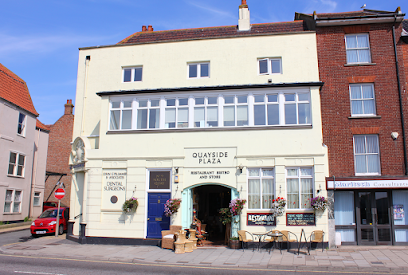
Muse Restaurant
2.0 km
Elegant coastal dining with Art Deco charm, attentive service, and expertly crafted dishes in Gorleston-on-Sea.
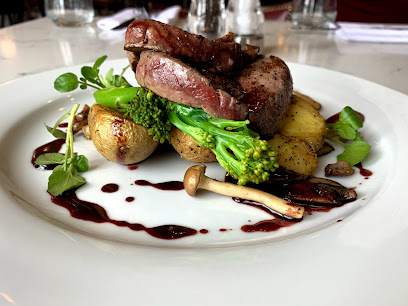
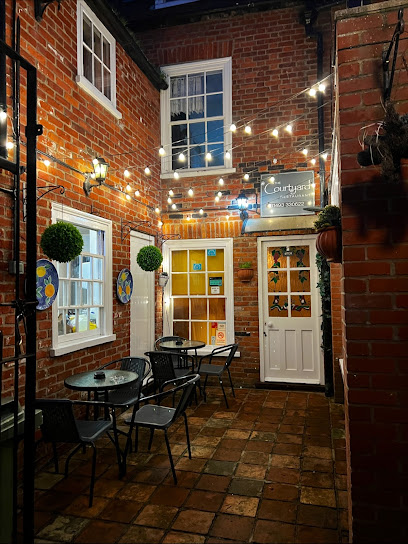
The Courtyard Italian Restaurante
2.0 km
A cozy, award-winning Italian gem in Great Yarmouth serving fresh, homemade dishes with warm, attentive service and inclusive menus.
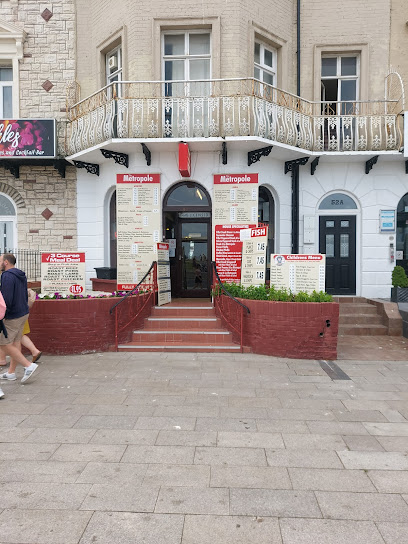
Metropole Restaurant
2.0 km
Classic British comfort food served with friendly warmth on Great Yarmouth’s vibrant Marine Parade.
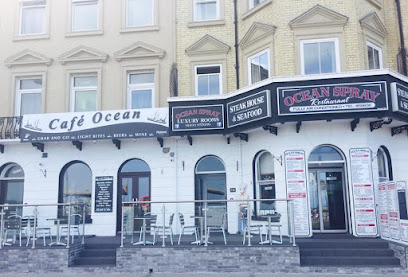
Ocean Spray
2.0 km
Fresh seafood and succulent steaks served with stunning sea views on Great Yarmouth’s iconic Marine Parade.
JAN Restaurant
2.0 km
Award-winning fine dining in an intimate art deco setting overlooking Great Yarmouth’s iconic seafront.
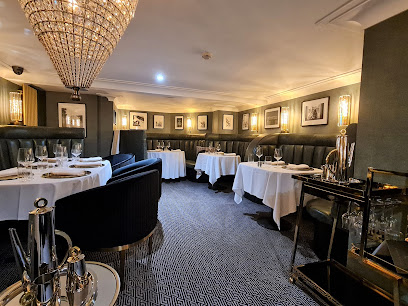
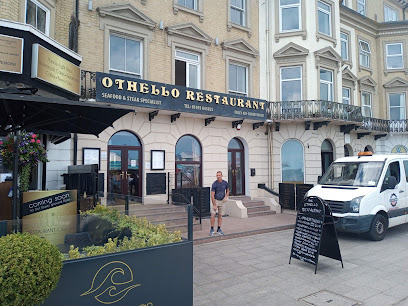
Othello
2.1 km
A cozy Mediterranean and seafood restaurant on Great Yarmouth’s Marine Parade, blending vibrant flavors with warm hospitality.
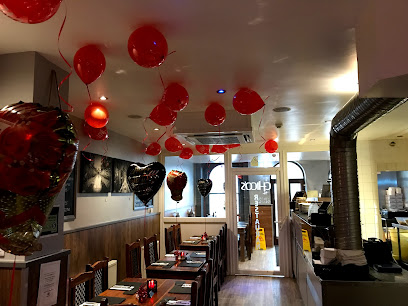
Chico's Restaurant
2.1 km
Fresh seafood and succulent steaks served with warm hospitality on Great Yarmouth’s vibrant seafront.
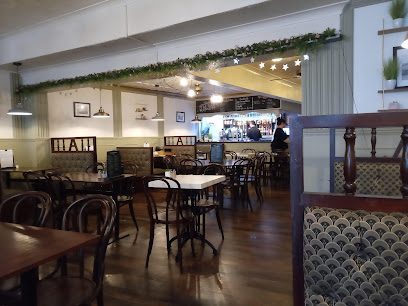
Alexandra Restaurant
2.1 km
A warm, family-run restaurant in Great Yarmouth serving traditional English and Mediterranean homemade dishes with attentive service.
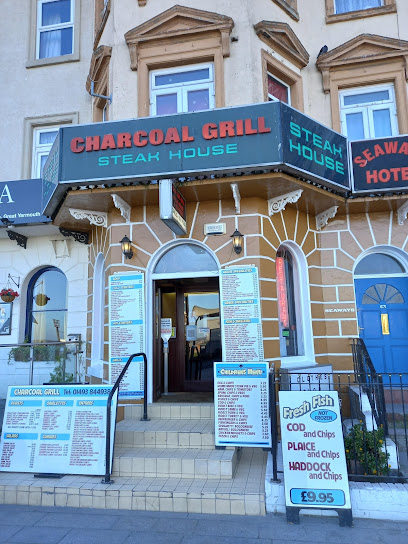
Charcoal Grill
2.1 km
A beloved Great Yarmouth steakhouse serving hearty, fresh dishes with warm hospitality on the scenic Marine Parade.
Markets, malls and hidden boutiques

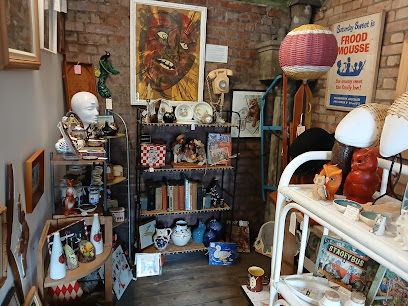
The Loft Emporium
0.5 km
Discover unique treasures and hidden gems at The Loft Emporium, Great Yarmouth’s charming shopping centre for eclectic finds.
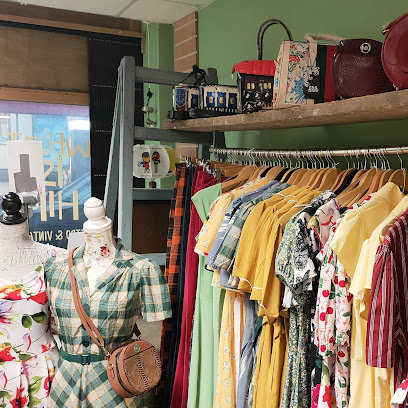
What Is Hip
0.9 km
Discover timeless vintage fashion and unique homewares at What Is Hip, a beloved retro clothing shop in the heart of Gorleston-on-Sea.
Aurora Gift Store
1.0 km
Discover charming gifts and souvenirs in the heart of Great Yarmouth at Aurora Gift Store, your local stop for unique keepsakes.
Gift Emporium
1.2 km
Discover unique maritime-inspired gifts and authentic local crafts at Great Yarmouth’s charming Gift Emporium by Wellington Pier.
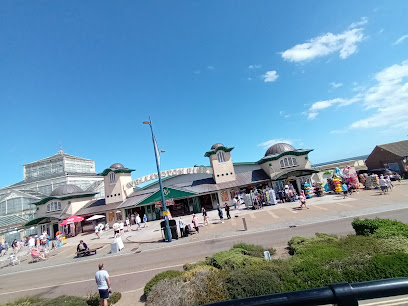
Picnic Patch
1.3 km
Discover timeless retro fashion and unique vintage treasures at Picnic Patch, Great Yarmouth’s charming vintage clothing boutique.

Life's A Beach
1.7 km
Charming seaside gift shop on Marine Parade offering beach-themed souvenirs and a taste of Great Yarmouth’s coastal spirit.
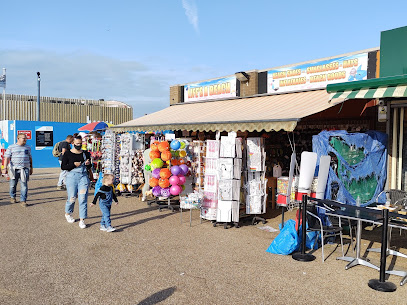
Ferailles Shop - (Knot Just A Furniture Shop!) - Great Yarmouth
1.9 km
Discover Ferailles Shop in Great Yarmouth – a treasure trove of antiques, art, and unique fashion accessories that tell timeless stories.
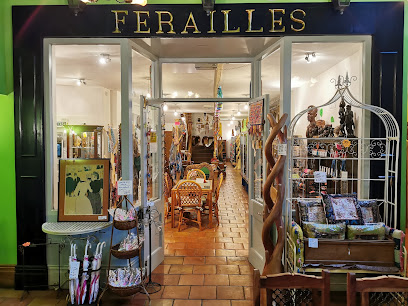
Crown Stores
1.9 km
Your friendly neighborhood convenience store in Great Yarmouth, open daily with a wide range of essentials and long hours for your convenience.
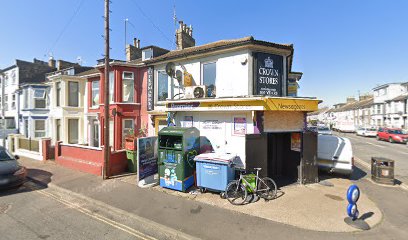
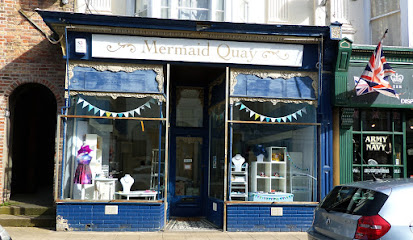
Mermaid Quay
2.0 km
Discover handcrafted gifts and local artisan treasures in the heart of Great Yarmouth’s historic seaside town.
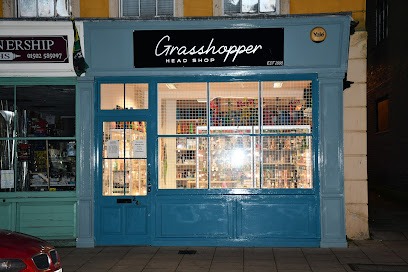
Grasshopper
2.0 km
Discover unique gifts and local treasures at Grasshopper, Great Yarmouth’s charming gift shop on King Street.
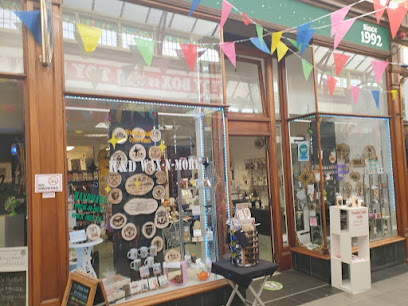
R&D Crafts
2.1 km
Discover unique handcrafted gifts and local artistry in the charming Victoria Arcade of Great Yarmouth.
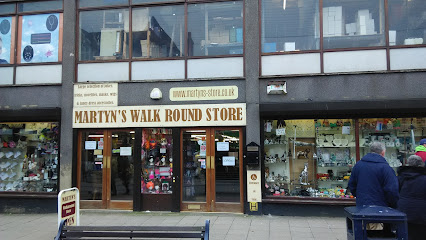
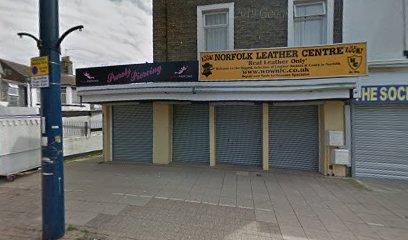
Martyns Walk Round Store
2.1 km
A quirky Great Yarmouth gift shop with a gothic and fantasy twist, perfect for unique alternative gifts and spooky collectibles.
Steve's 'n' Mix
2.1 km
Traditional British sweet shop preserving seaside nostalgia on Great Yarmouth's Regent Road.
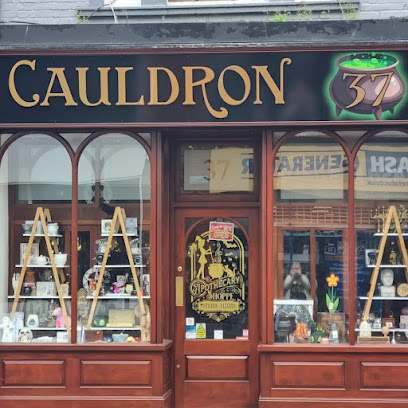
Cauldron37
2.1 km
Discover unique gifts and local charm at Cauldron37, a cozy boutique in the heart of Great Yarmouth’s vibrant Regent Street.
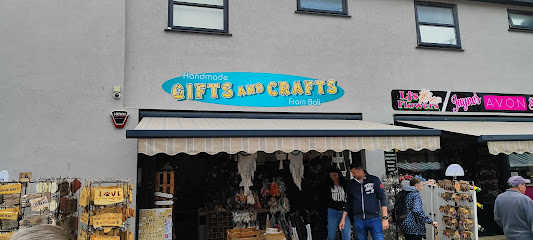
Handmade GIFTS AND CRAFTS From Bali
2.1 km
Discover authentic Balinese handmade crafts and unique gifts that bring vibrant artistry from Bali to Great Yarmouth’s Regent Road.
Essential bars & hidden hideouts

The William Adams
1.0 km
A vibrant coastal pub honoring Gorleston’s lifesaving hero with great food, real ales, and a welcoming community vibe.
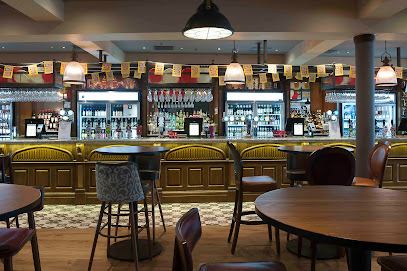
The Rumbold Arms
1.0 km
A friendly, family-oriented pub in Great Yarmouth known for hearty home-cooked meals, lively community spirit, and a spacious garden with play area.
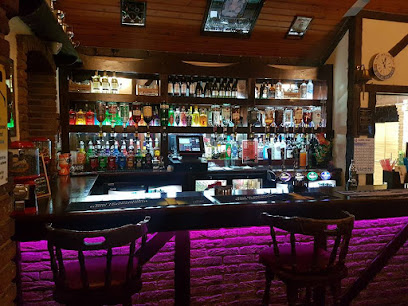
The Red Herring
1.4 km
A cozy, traditional Great Yarmouth pub offering quality ales, local charm, and a welcoming community atmosphere.
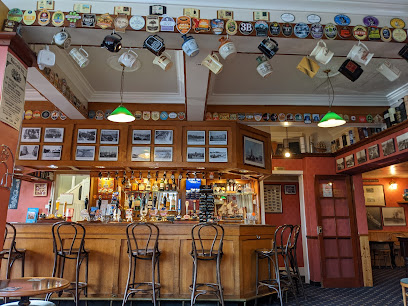
The Alexandra Freehouse
1.4 km
A lively family-run pub in Great Yarmouth offering traditional ales, hearty food, and a warm, welcoming atmosphere.
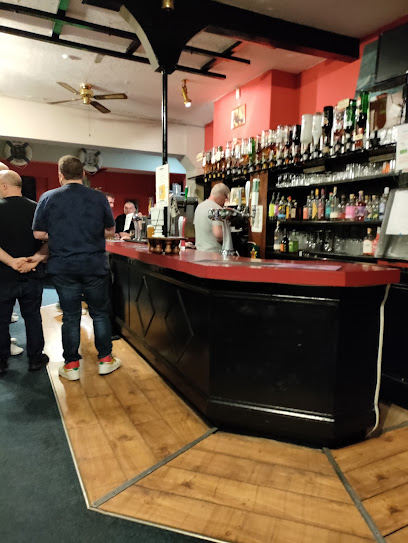
The Marine
1.5 km
A lively beachfront pub and hotel in Great Yarmouth, blending traditional charm with vibrant entertainment and family-friendly dining.
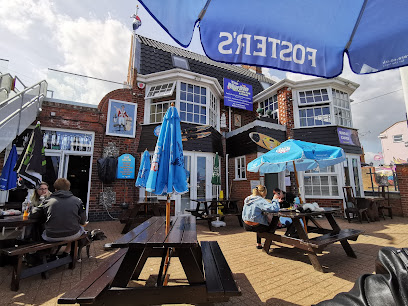
The Blue Oyster
1.7 km
A lively Great Yarmouth bar blending expertly crafted cocktails, hearty food, and warm hospitality in a vibrant social setting.
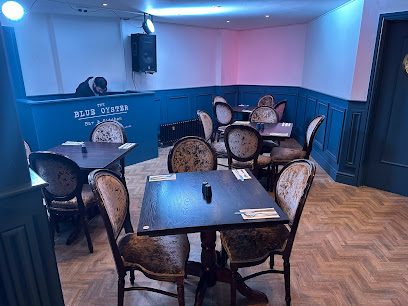
The Landmark
1.8 km
A lively seafront pub with family-friendly play area, freshly grilled meals, and a warm, rustic atmosphere in the heart of Great Yarmouth.
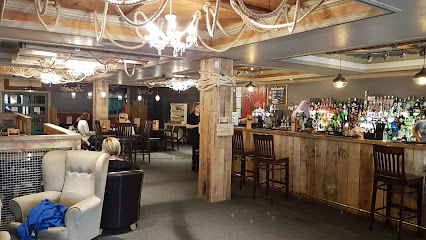
Liberty's Rock Cafe
1.8 km
A vibrant rock-themed pub in Great Yarmouth offering lively atmosphere, affordable drinks, and extended late-night hours in the heart of town.
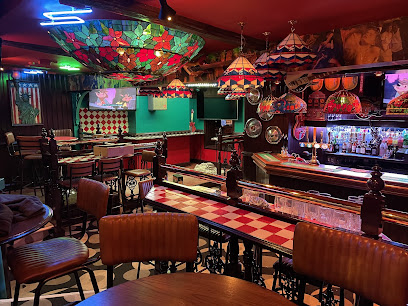
Merlin’s Sports Bar
1.9 km
A vibrant sports bar in Great Yarmouth offering live games, pool, snooker, and a lively social scene with sea views and great drinks.
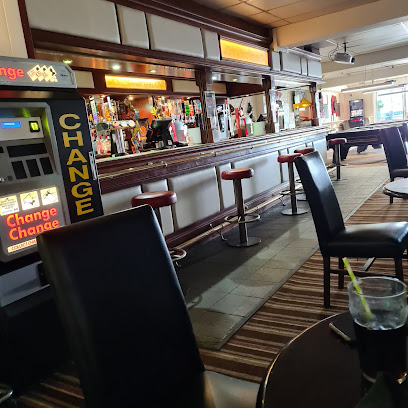
Uptown Bar
2.0 km
A friendly, affordable bar in Great Yarmouth offering lively atmosphere and good ales in a casual, welcoming setting.
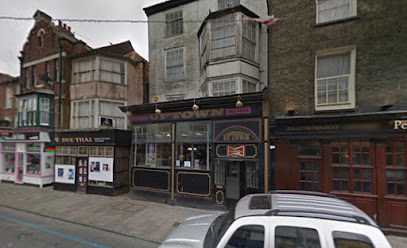
The Empire
2.0 km
A vibrant Great Yarmouth landmark blending live music, street food, craft beer, and community spirit on the iconic Marine Parade.
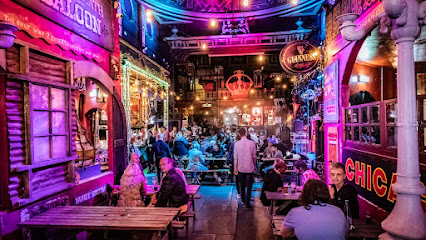
Peggotys Lounge
2.0 km
Experience vibrant nightlife and expertly crafted cocktails at Peggotys Lounge, Great Yarmouth’s lively pub and restaurant hotspot.
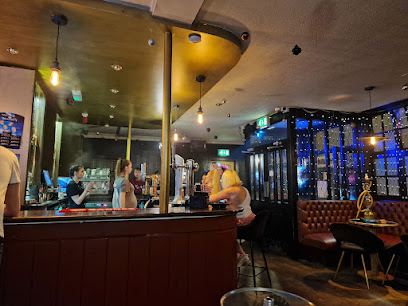
In The Mix
2.0 km
Chic cocktail bar and dessert haven on Great Yarmouth’s Marine Parade, blending stylish vibes with expertly crafted drinks and sweet treats.
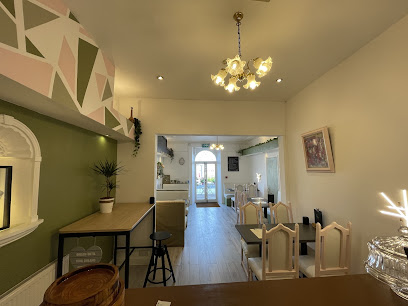
The Great Eastern Party Bar
2.0 km
A lively Great Yarmouth hotspot blending live music, karaoke, and cocktails for unforgettable nights out in a vibrant social setting.
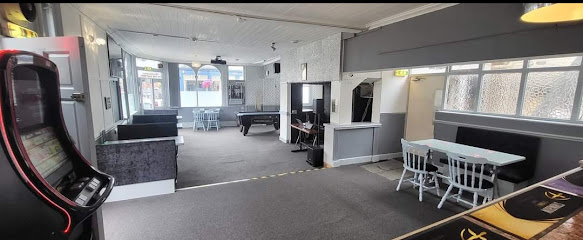
Troll Cart Wetherspoons Great Yarmouth
2.1 km
Lively Wetherspoon pub and hotel in Great Yarmouth offering affordable British fare, comfy rooms, and a friendly atmosphere near the seafront.
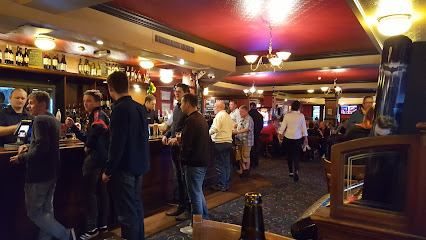
Nightclubs & after hour spots

Moonlight Cabaret & Karaoke
0.7 km
Experience lively karaoke nights and captivating cabaret shows in the heart of Great Yarmouth’s vibrant nightlife scene.
Buddha Club
1.7 km
Experience Great Yarmouth’s vibrant nightlife at Buddha Club, where modern beats, colorful lights, and coastal vibes create unforgettable weekend nights.
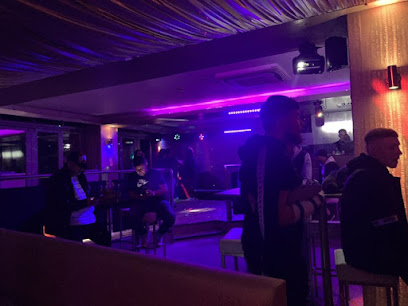
Mavvy’s
1.7 km
Experience Great Yarmouth’s vibrant nightlife at Mavvy’s, where music, dancing, and lively atmosphere come alive until the early hours.

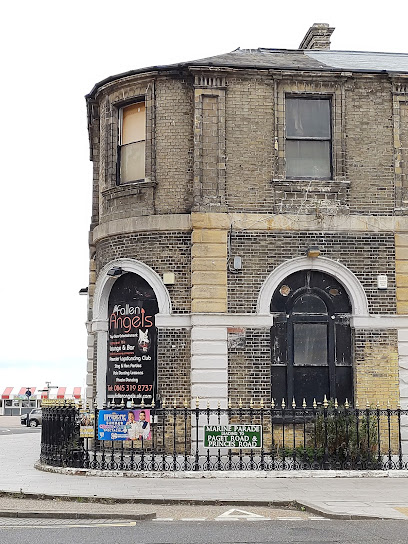
Fallen Angels
2.4 km
Experience vibrant nightlife and adult entertainment at Fallen Angels, Great Yarmouth’s premier late-night club on Marine Parade.
The Bermuda Club
11.8 km
A welcoming nightclub and bar in Hemsby offering lively evenings, family-friendly nights, and affordable drinks near Norfolk’s scenic coast.

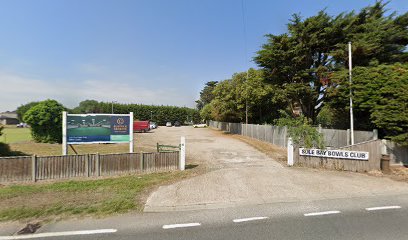
Sole Bay Bowls Club
28.5 km
Discover the serene beauty and community spirit of Sole Bay Bowls Club in Southwold, where leisure and tradition blend seamlessly.
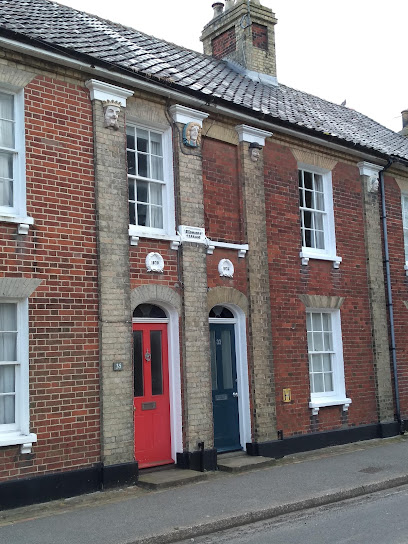
St Edmund's Hall
29.1 km
Discover the vibrant performing arts scene at St Edmund's Hall in Southwold, where culture and scenic beauty meet for an unforgettable experience.
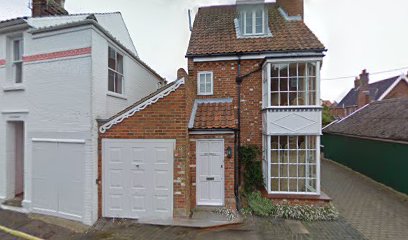
Southwold Reydon & District Constitutional Club
29.4 km
Experience the local social scene at Southwold Reydon & District Constitutional Club, where community spirit and friendly faces await.
Southwold Cricket Club
29.4 km
Discover the rich heritage of cricket at Southwold Cricket Club, where tradition meets the enchanting charm of Southwold's coast.
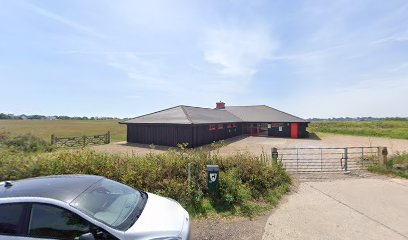
Loft Nightclub
29.4 km
Norwich’s vibrant gay nightclub with over 30 years of inclusive nightlife, music, and community spirit in the heart of the city.
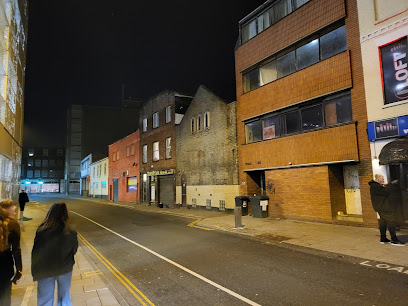
Popworld - Norwich
29.5 km
Norwich’s vibrant late-night hotspot for pop hits, friendly vibes, and unforgettable party nights on Prince of Wales Road.
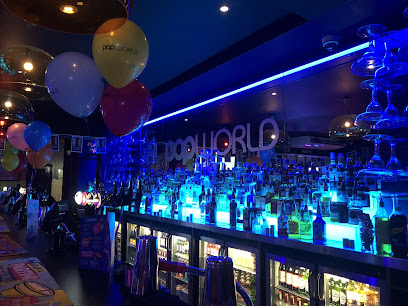
Fluke
29.5 km
Experience Norwich’s vibrant nightlife at Fluke, where great music, affordable drinks, and a lively crowd come together for unforgettable nights.

Mojo's
29.5 km
Mojo's: Norwich's gritty, no-frills nightclub pulsing with late-night beats and authentic urban energy.
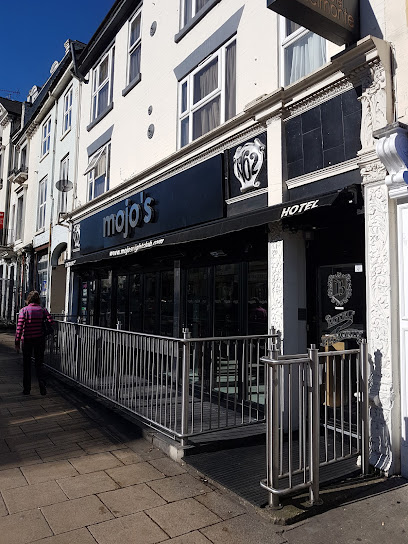
Mantra
29.5 km
Experience vibrant nightlife and great music at Mantra Nightclub, Norwich’s energetic weekend party destination with friendly staff and affordable drinks.

Sugar & Spice - Strip Club and Lap Dancing Norwich
29.5 km
Norwich’s premier American-style strip club offering vibrant entertainment, VIP experiences, and a welcoming atmosphere for all guests.
For the vibe & atmosphere seeker
- Scenic
- Tranquil
- Unique
- Historic
For the design and aesthetic lover
- Vintage Styles
- Classic Designs
For the architecture buff
- Historic
- Landmarks
For the view chaser and sunset hunter
- Iconic Views
- Panoramas
For the social media creator & influencer
- Instagrammable
- Photo Spots
- Selfie Spots
For the eco-conscious traveler
- Public-Transport Accessible
For the kind of experience you’re after
- Cultural Heritage
- Photowalk
- Day Trip
- Weekend Getaway
For how adventurous you want the journey to be
- Easy Access
Location Audience
- Family Friendly
- Senior Friendly
- Child Friendly
- Teen Friendly
- Solo Friendly
- Couple Friendly
- Solo Female Friendly


