The Clock Tower, Greater London Travel Guide
England’s only medieval town belfry, a symbol of St Albans’ independence with historic bells, Victorian clock, and panoramic rooftop views.
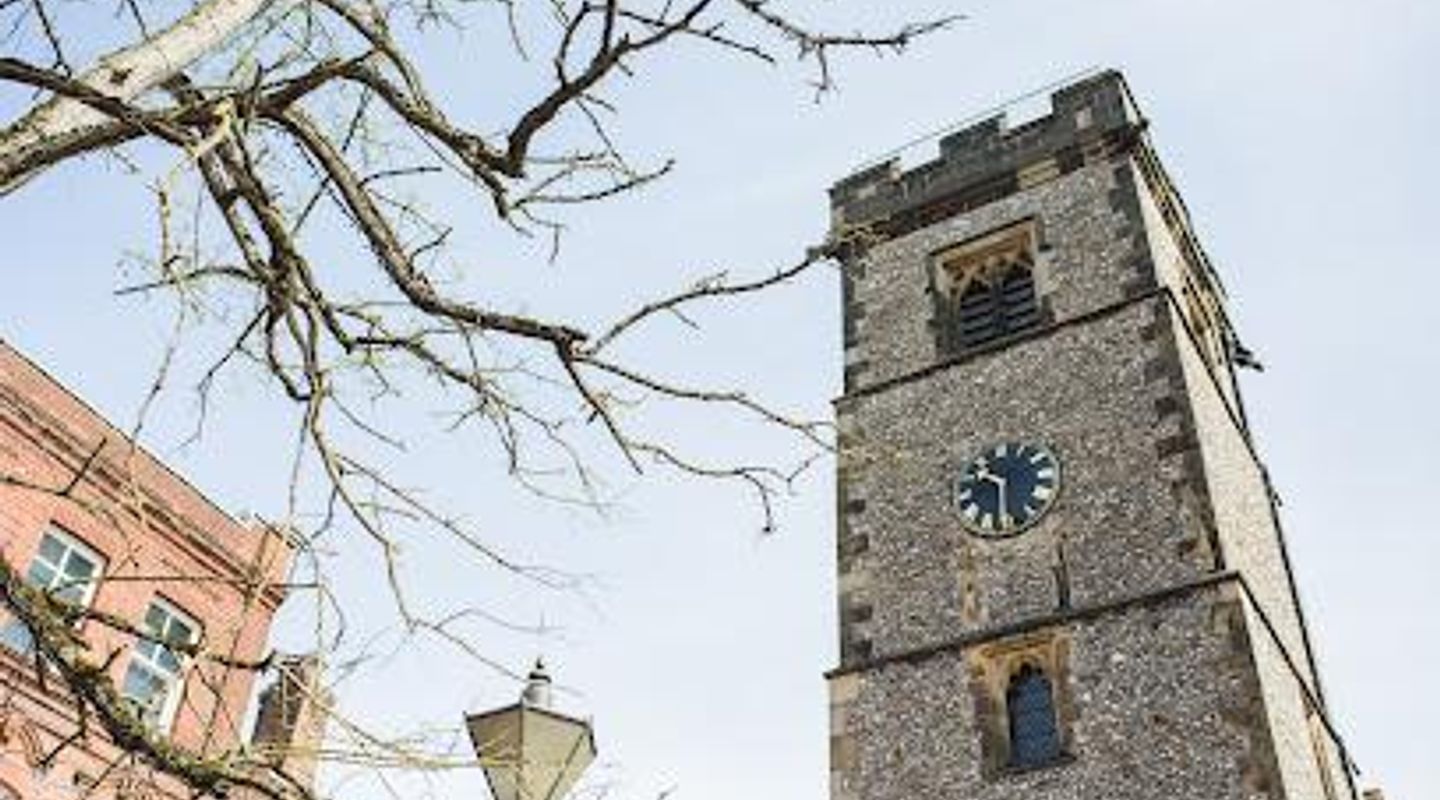
The Clock Tower in St Albans, Hertfordshire, is England’s only medieval town belfry, built between 1403 and 1412 as a symbol of the townspeople’s independence from the powerful Abbey. This five-story tower served diverse roles including a curfew bell, alarm system, shop, residence, and a Napoleonic semaphore station. Visitors can climb its 93 narrow steps to explore its historic interiors and enjoy panoramic views of St Albans and the surrounding Roman town of Verulamium.
A brief summary to The Clock Tower
- High St, St Albans, AL3 4EL, GB
- Click to display
- Duration: 0.5 to 1.5 hours
- Budget
-
 Outdoor
- Mobile reception: 4 out of 5

Know before you go
Hi, I'm Eve. Here are a few practical things to know before exploring The Clock Tower.
- Prepare for a climb of 93 narrow spiral steps; the tower is not suitable for those with limited mobility.
- Visit between Easter and late September when the tower is generally open on weekends and bank holidays.
- Bring a camera to capture panoramic views of St Albans Abbey and the Roman town of Verulamium from the rooftop.
- Check opening times in advance as the tower may close unexpectedly due to weather conditions.
- Adults pay a small admission fee; children can enter for free, making it a budget-friendly historical visit.
Do you manage this location?
Take control to get all the benefits, like improved information, better appearance, and stronger visibility across AI-powered discovery. Learn more about listing your business on Evendo
Activate your presenceOther nearby places you may find interesting
The closest places of the same kind, if this one is not quite what you had in mind.

Explore The Clock Tower on the Map
A handpicked selection of must-see spots near The Clock Tower, mapped for you.
Unlock the Best of The Clock Tower
Buy tickets
-
No tickets available
Book tours with entry
-
No tours available
Book tours without entry

Getting There
-
Train and Walk
Take a train to St Albans City Station from London St Pancras or London Blackfriars, with journey times of approximately 20–30 minutes. From the station, it is a 15–20 minute walk along city streets to the Clock Tower. The walk is mostly flat but includes some cobbled areas; suitable for most visitors but may be challenging for wheelchairs.
-
Bus
Several local bus routes serve St Albans city center from surrounding towns. Bus journeys typically take 15–40 minutes depending on origin. Alight near the High Street and walk a few minutes to the Clock Tower. Bus services run regularly but check schedules for weekends and holidays. Tickets cost around £2–£5.
-
Car
Driving to St Albans is possible with multiple car parks near the city center. Parking fees vary but expect £2–£4 per hour. From parking areas, the Clock Tower is a short walk. Note that the High Street is pedestrianized in parts, so some walking is required. Traffic can be busy during peak hours.
For the on-the-go comforts that matter to you
-
 Restrooms
-
 Drink Options
-
 Food Options
-
 Seating Areas
-
 Information Boards
Discover more about The Clock Tower
A Monument of Civic Defiance and Identity
The Clock Tower stands prominently on High Street, St Albans, as a unique medieval belfry constructed between 1403 and 1412. It was commissioned by the townspeople as a political statement against the dominance of the wealthy St Albans Abbey, asserting their autonomy and civic pride. The tower’s elevated position allowed it to ‘look the Abbey in the eye,’ symbolizing the town’s freedom to govern its own time and affairs. Its bell was used to mark the hours, sound the curfew until 1863, and raise alarms during emergencies such as fires or attacks, including the first Battle of St Albans in 1455 during the Wars of the Roses.Architectural and Functional Layers Through Time
The tower rises through five floors, each revealing a different chapter of its history. The ground floor once housed a shop, while the first floor served as the shopkeeper’s residence. The second floor was home to the clock keeper and his family from the tower’s early days until the 19th century. The third floor features a Victorian clock mechanism installed during a restoration in 1866, designed by Lord Grimthorpe, who also designed Big Ben’s clock. The fourth floor retains the original one-ton bell cast in 1335, still hanging in the belfry chamber. The roof hosts the remains of a shutter telegraph system used during the Napoleonic Wars to relay messages swiftly between London and the North Sea Fleet stationed in Great Yarmouth.Historical Significance and Cultural Legacy
Beyond its architectural heritage, the Clock Tower played a vital role in national communications during the early 19th century. The semaphore telegraph connected St Albans to a chain of 16 stations spanning approximately 300 miles, enabling messages to travel in minutes. The tower also witnessed important historical events, such as Queen Eleanor of Castile’s funeral procession resting nearby in 1290, commemorated by a plaque close to the tower. Over the centuries, the tower has undergone various restorations to preserve its structure and historical features, including work overseen by Sir Gilbert Scott in the 1860s and further conservation in the 21st century.Visitor Experience and Views
Today, visitors can ascend the tower’s 93 narrow spiral steps to explore its historic rooms and enjoy sweeping views over St Albans, including the majestic Abbey and the Roman ruins of Verulamium. The climb offers a tangible connection to the past, with each floor’s exhibits and architecture narrating the tower’s multifaceted story. The rooftop vantage point is particularly prized for its panoramic vistas and the unique perspective on the town’s medieval and Roman heritage.Preservation and Community Engagement
The Clock Tower remains a cherished landmark maintained by local volunteers from the Civic Society and the St Albans and Hertfordshire Architectural & Archaeological Society. It is designated as a Scheduled Ancient Monument, reflecting its national importance. Although access is seasonal and the tower’s narrow stairs limit disabled access, it continues to attract history enthusiasts and cultural visitors eager to experience a rare surviving piece of medieval civic architecture.Symbol of St Albans’ Enduring Spirit
More than just a historic structure, the Clock Tower embodies the resilience and identity of St Albans’ townsfolk through centuries of change. From medieval defiance to Victorian restoration and wartime communication, it stands as a testament to the town’s rich heritage and community spirit, inviting visitors to step back in time and appreciate the layers of history embedded within its walls.












Your all‑in‑one travel companion app
Explore expert travel guides, compare and book tours, experiences, hotels, and more—all from the palm of your hand. Download now for seamless trip planning wherever your wanderlust takes you.


Explore More of Greater London
Looking beyond The Clock Tower? Discover Greater London for broader travel guides, local hot-spots, and regional highlights.
Explore Greater London