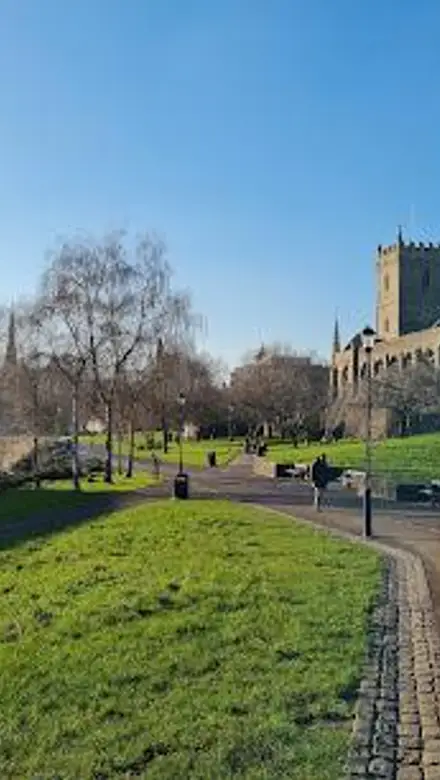
Bristol Bridge Travel Guide
Free Guide: A historic stone bridge spanning the River Avon, linking Bristol’s medieval past with its modern cityscape.


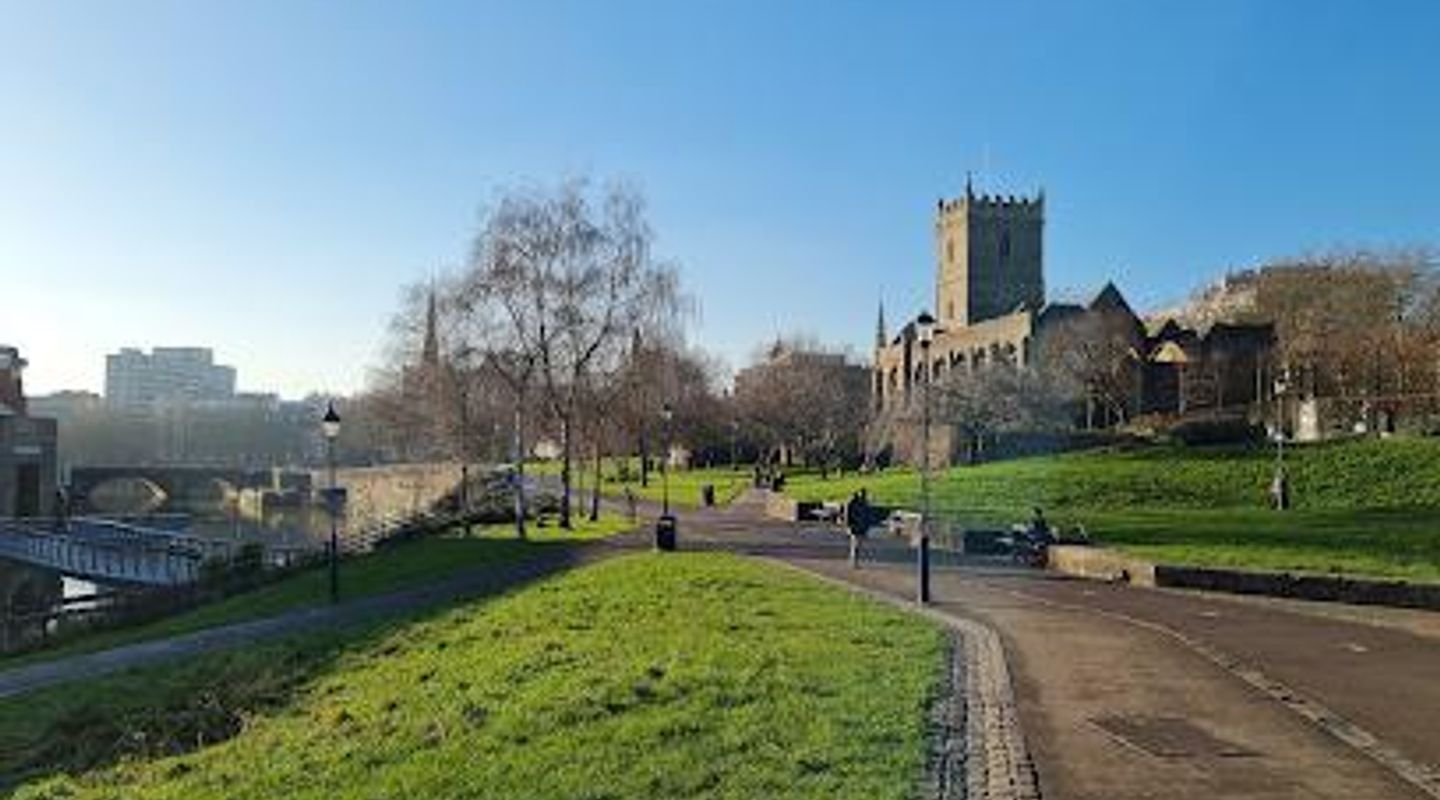
A brief summary of Bristol Bridge
A historic stone bridge spanning the River Avon, linking Bristol’s medieval past with its modern cityscape.
Spanning the River Avon in the heart of Bristol, Bristol Bridge is a historic stone crossing that has linked the city’s north and south for centuries. Originally a fortified medieval bridge lined with houses and a chapel, it was rebuilt in the 18th century and widened in the Victorian era. Today it carries modern traffic across the river, standing as a quiet monument to Bristol’s maritime past and urban evolution, with layers of history visible in its stonework and iron railings.
On-site amenities
 Restrooms
 Drink options
 Food options
 Seating areas
 Trash bins
 Information boards
- Address
- Victoria St, Bristol BS1 6DT
Getting there
Walking
Bus
Cycling
Discover more about Bristol Bridge
A Crossing at the Heart of Bristol
Bristol Bridge spans the River Avon at a pivotal point in the city’s historic core, where the medieval town expanded from its original northern bank into the growing southern districts. This crossing has been a vital artery since at least the 13th century, when a fortified stone bridge replaced earlier timber structures. Its position made it a natural gateway, controlling access into the city and shaping the layout of surrounding streets. Over the centuries, the bridge has been rebuilt and widened, but its location has remained constant, anchoring the city’s commercial and civic life.
Medieval Origins and Georgian Rebirth
The original Bristol Bridge, constructed between 1247 and 1248, was a substantial fortified crossing with houses and shops lining both sides, rising several stories above the river. In 1361, a large chapel dedicated to the Virgin Mary was added in the middle, effectively forming a gatehouse with gates at each end. By the 18th century, this crowded medieval structure had become outdated and obstructive to trade. An Act of Parliament in 1760 authorized its replacement, and a new three-arched stone bridge, inspired by Westminster Bridge in London, was built by Thomas Paty to designs by James Bridges. Completed in 1768, this Georgian bridge formed the basis of the structure still in use today.
From Toll Riots to Victorian Widening
The new bridge was financed by tolls, which remained deeply unpopular. In 1793, when the Bristol Corporation announced that tolls would continue beyond an expected end date, protests erupted into what became known as the Bristol Bridge Riot. A crowd attacked the toll houses, and militia opened fire, resulting in multiple deaths and injuries. The bridge’s role in civic unrest underscored its importance as a chokepoint in the city. In the 1870s, the bridge was widened with Courtfeld Limestone ashlar and cast-iron pillars and deck, adapting it for 19th-century traffic while preserving its Georgian core. The current metal railings date from a later 20th-century update.
Layers of History in Stone and Iron
Today’s Bristol Bridge is a palimpsest of Bristol’s development. Beneath the waterline, medieval foundations survive; the main structure is Georgian, built from stone sourced from the Courtfield estate on the River Wye; and the widened sections with iron columns and deck are Victorian additions. The bridge’s evolution reflects the city’s three great ages of overseas trade: medieval, Georgian, and Victorian. Its current form, a busy road bridge, contrasts with its earlier life as a densely built, almost street-like crossing, but its presence continues to shape the rhythm of movement through central Bristol.
Modern Role and Urban Context
Bristol Bridge now carries Victoria Street and other major routes across the Avon, connecting the Old City with Temple Meads and the eastern districts. It sits near key landmarks such as the former Tramways Generating Station and the site of the medieval Temple Church, destroyed in the Bristol Blitz. The surrounding area has been reshaped by wartime bombing and post-war redevelopment, yet the bridge remains a constant. Proposals in recent decades to pedestrianise parts of the city centre and restore historic features like the High Cross hint at ongoing debates about how to balance heritage, traffic, and public space around this enduring crossing.
Evendo Review Centre
 Google
Guest reviews
Best time to go
Quietest: Jan, Feb & Mar · at 1am or at 2am or at 3am
Busy times are Evendo estimates for a typical year, to help you plan. Actual crowds vary with events, school holidays and the weather.
Explore Bristol Bridge on the map
A handpicked selection of must-see spots near Bristol Bridge, mapped for you.
Get your free copy of our complete guide to Bristol Bridge, delivered straight to you.
Everything on this page, from opening hours and how to get there to Eve’s tips and the best time to go, in one PDF you can read offline, print or share.
Already have an account? Sign in
Your Bristol Bridge guide is ready.
We'll send it to · Not you? Sign out

Getting your guide ready…
We are putting together a fresh copy of the Bristol Bridge guide. This can take up to a minute.
This can take a few moments. If your browser asks, choose Allow so the download can start. You'll find the guide in your Downloads folder.
Nothing happened? Download it again
Sorry, the guide is taking longer than usual. Please try again in a minute, or get it by email instead.
Unlock the best of Bristol Bridge
Skip-the-line tickets, guided tours with entry, and walking tours of the area, booked in a few clicks.


Other nearby places you may find interesting
The closest places of the same kind, if this one is not quite what you had in mind.
-
Twmbarlwm Explore Twmbarlwm’s ancient hillfort with breathtaking views, rich history, and legendary tales atop South Wales’ iconic ridge.
-
Y Castell Gwyn / White Castle Explore White Castle’s striking white walls, deep moat, and commanding towers—a Norman fortress steeped in medieval border history and scenic Welsh countryside.
-
East Usk Lighthouse Historic 1893 skeletal lighthouse guiding ships at Newport’s River Usk entrance, nestled in a tranquil RSPB reserve with scenic estuary views.
-
Newport Cathedral Historic Norman cathedral atop Stow Hill, blending ancient architecture with vibrant worship and cultural events in Newport, South Wales.
-
Stable Block, Tredegar House Explore the elegant 17th-century Stable Block at Tredegar House, a testament to the Morgan family's equestrian heritage and architectural grandeur.
Swipe for more places
More to explore near Bristol Bridge

 Best experiences near Bristol Bridge
 Best hotels near Bristol Bridge
 Best landmarks near Bristol Bridge
 Best attractions near Bristol Bridge
 Best shops near Bristol Bridge
 Best restaurants near Bristol Bridge
 Best bars near Bristol Bridge
Do you manage this location?
Take control to get all the benefits, like improved information, better appearance, and stronger visibility across AI-powered discovery.
Explore more
Explore more of Gwent
Explore Gwent, a captivating blend of ancient history, picturesque landscapes, and vibrant culture in the heart of Wales.
Explore Gwent
Explore more of United Kingdom
Discover the United Kingdom: A blend of rich history, stunning landscapes, and vibrant cities, offering a unique travel experience for every visitor.
Explore United Kingdom