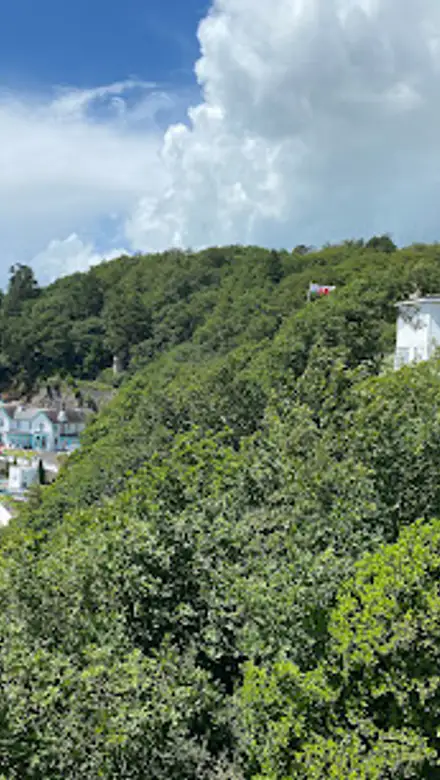
The Village Travel Guide
Free Guide: Discover Portmeirion, a captivating Italianate village in North Wales where Mediterranean charm meets Welsh coastal beauty.


A brief summary of The Village
Discover Portmeirion, a captivating Italianate village in North Wales where Mediterranean charm meets Welsh coastal beauty.
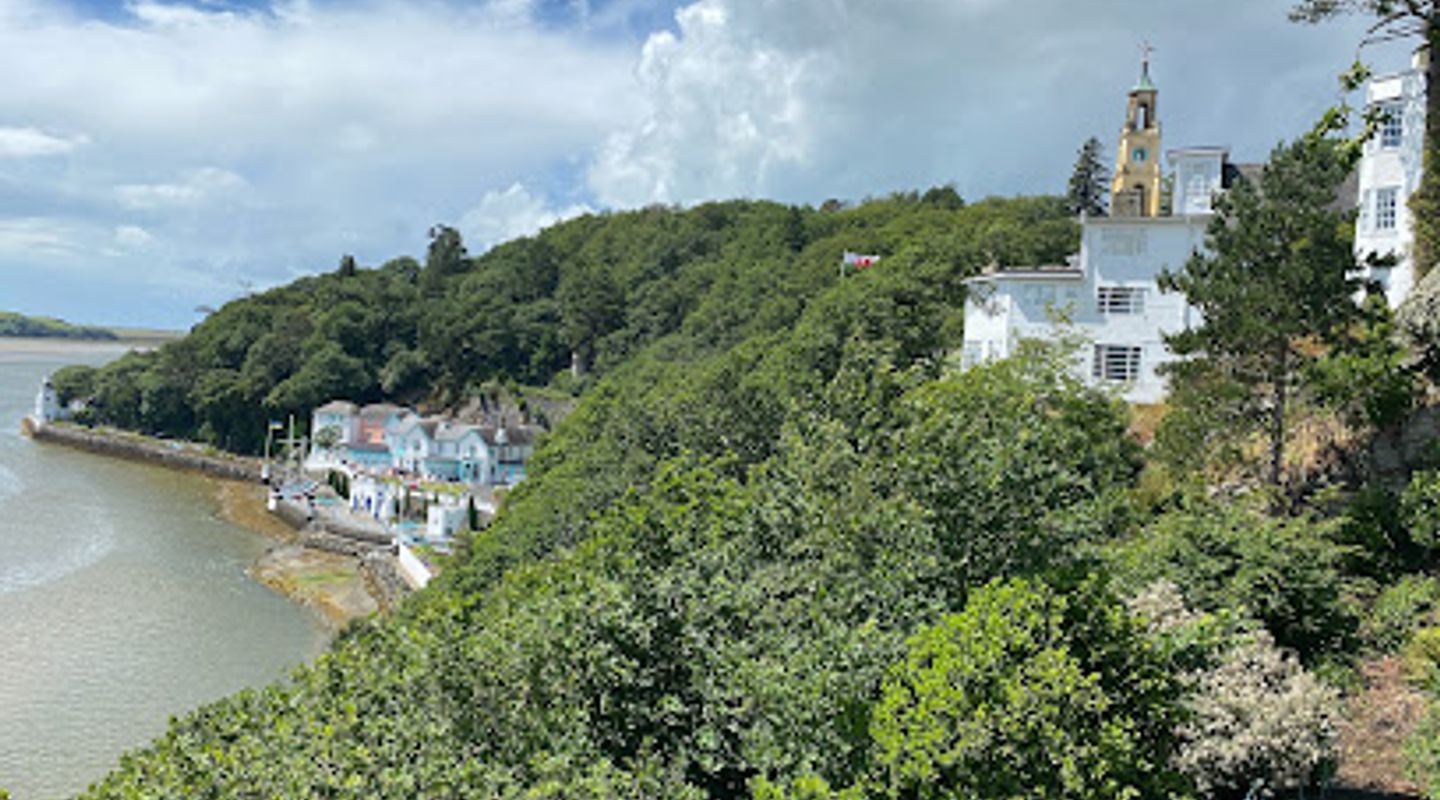
Portmeirion, known as 'The Village,' is a unique Italianate-style tourist village in North Wales, designed by Sir Clough Williams-Ellis between 1925 and 1975. Nestled on a private peninsula overlooking the River Dwyryd estuary, it features colorful Baroque architecture, ornamental gardens, woodland walks, and a rich cultural history including its role as the iconic filming location for the 1960s TV series The Prisoner. Visitors enjoy exploring its charming streets, shops, cafes, and hotels, all set within a scenic and tranquil environment.
On-site amenities
 Restrooms
 Drink options
 Food options
 Seating areas
 Trash bins
 Information boards
 Visitor centre
- Address
- Portmeirion, Penrhyndeudraeth LL48 6ET
Getting there
Train and Taxi
Car
Bus
Discover more about The Village
Architectural Vision and Design Legacy
Portmeirion is the brainchild of Sir Clough Williams-Ellis, who sought to create a picturesque village inspired by the Mediterranean Riviera but set within the lush landscape of North Wales. Constructed over five decades from 1925 to 1975, the village showcases a playful and eclectic Baroque style, with colorful facades, arches, and varied building sizes that create an illusion of greater scale and depth. The architect’s environmental ethos ensured the village blends harmoniously with its natural surroundings, preserving the beauty of the estuary and woodland.
A Living Village with Rich Cultural Heritage
Originally developed on the site of a 19th-century estate called Aber Iâ, Portmeirion has evolved into a vibrant tourist destination and private village resort. It includes hotels, self-catering cottages, shops, cafes, and restaurants, many housed within the historic buildings. The village is renowned for its cultural significance, notably as the filming location for the cult 1960s television series The Prisoner, with the Round House cottage now a memorabilia shop. The village continues to inspire artists, filmmakers, and visitors alike.
Natural Beauty and Outdoor Exploration
Set on its own peninsula, Portmeirion is surrounded by stunning natural scenery including the River Dwyryd estuary and Snowdonia mountains. Visitors can explore 70 acres of wild woodland known as The Gwylt, home to ancient trees, rare flowers, secret gardens, and hidden coves. The village’s ornamental gardens and waterfront terraces offer tranquil spots for relaxation and panoramic views, enhancing the sensory experience of this unique location.
Visitor Experience and Amenities
Portmeirion offers a range of amenities including award-winning restaurants, ice cream shops, and cafes serving local and Italian-inspired fare. The Hotel Portmeirion, a converted Victorian villa, provides fine dining and elegant accommodation, while the Castell Deudraeth offers a contemporary hotel experience nearby. The village is largely wheelchair accessible and family-friendly, with special activities such as children’s treasure hunts and guided tours available. Day visitors can purchase tickets at the entrance, and overnight stays allow guests to enjoy the village after hours.
Events and Cultural Life
The village hosts festivals and events, including the Festival No 6, which has attracted major musical acts. Seasonal food and craft fairs celebrate Welsh produce and artisan goods, accompanied by live music and workshops. These events highlight Portmeirion’s role as a cultural hub, blending its architectural charm with vibrant community life.
Legacy and Ongoing Preservation
Portmeirion is managed by a charitable trust dedicated to preserving its architectural and environmental integrity. Many buildings are listed for their historic importance, and the gardens hold Grade II* status on the Cadw/ICOMOS Register. The village remains a testament to Sir Clough Williams-Ellis’s vision of combining beauty, functionality, and respect for nature, ensuring its appeal endures for future generations.
Evendo Review Centre
 Google
Guest reviews
Best time to go
Quietest: Jan, Feb & Dec · before 6am or at 10pm
Busy times are Evendo estimates for a typical year, to help you plan. Actual crowds vary with events, school holidays and the weather.
Explore The Village on the map
A handpicked selection of must-see spots near The Village, mapped for you.
Get your free copy of our complete guide to The Village, delivered straight to you.
Everything on this page, from opening hours and how to get there to Eve’s tips and the best time to go, in one PDF you can read offline, print or share.
Already have an account? Sign in
Your The Village guide is ready.
We'll send it to · Not you? Sign out

Getting your guide ready…
We are putting together a fresh copy of the The Village guide. This can take up to a minute.
This can take a few moments. If your browser asks, choose Allow so the download can start. You'll find the guide in your Downloads folder.
Nothing happened? Download it again
Sorry, the guide is taking longer than usual. Please try again in a minute, or get it by email instead.
Other nearby places you may find interesting
The closest places of the same kind, if this one is not quite what you had in mind.
-
-
-
-
-


Swipe for more places
More to explore near The Village

 Best experiences near The Village
 Best hotels near The Village
 Best landmarks near The Village
 Best attractions near The Village
 Best shops near The Village
 Best restaurants near The Village
 Best bars near The Village
Do you manage this location?
Take control to get all the benefits, like improved information, better appearance, and stronger visibility across AI-powered discovery.
Explore more

Explore more of Gwynedd
Explore Gwynedd: A captivating blend of Snowdonia's natural wonders, medieval castles, and vibrant Welsh culture in the heart of north-west Wales.
Explore Gwynedd
Explore more of United Kingdom
Discover the United Kingdom: A blend of rich history, stunning landscapes, and vibrant cities, offering a unique travel experience for every visitor.
Explore United Kingdom